
Global News Podcast – "Hegseth claims 'historic battlefield victory' over Iran"
Host: Oliver Conway, BBC World Service
Date: April 8, 2026
Episode Focus:
This episode delves into the aftermath of the sudden two-week US-Iran ceasefire, its global repercussions, and the contrasting perspectives from both sides. The podcast features insights from Washington, Tehran, Beirut, Tel Aviv, Islamabad, and industry experts to paint a detailed picture of current events, their causes, and likely ramifications.
Main Themes & Episode Overview
- US-Iran Ceasefire: Both nations agree to a two-week truce with the stated aim of further negotiations.
- Contest of Victories: Contradictory narratives—each side claims the upper hand in the diplomatic and military showdown.
- Global Impact: Focus on the Strait of Hormuz, oil prices, and broader geopolitical effects throughout the Middle East.
- Human Cost & Local Sentiment: Reporting on civilian suffering, economic hardship, and continued dissent within Iran.
- Related Conflicts: Ongoing Israel-Hezbollah war continues unabated, raising questions about the scope and durability of peace.
- Economic Fallout: Discussion on global markets and logistical bottlenecks due to the closure of key trade routes.
- Diplomatic Mediation: Pakistan’s intermediary role and the upcoming negotiation round in Islamabad.
Key Discussion Points & Insights
1. Ceasefire & Claims of Victory (01:07–03:23)
-
Iran's Narrative: Broadcasts a message to its population claiming a "historic and crushing defeat" for the US.
- Quote: “To the honorable, great and heroic nation of Iran. The enemy has suffered an undeniable, historic and crushing defeat in its cowardly, illegal and criminal war against the Iranian nation.” (02:25) – Iranian statement.
-
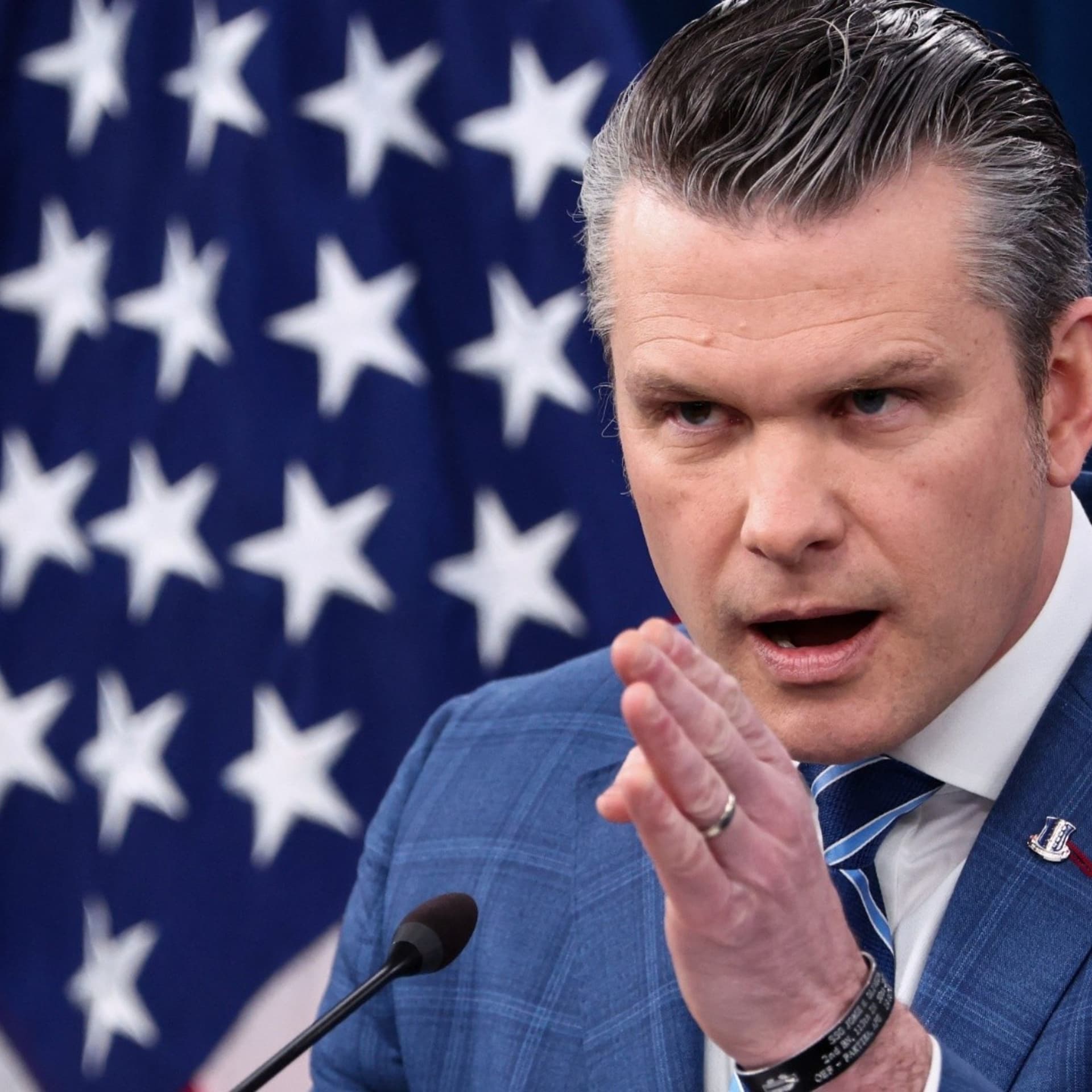
US Perspective: Defense Secretary Pete Hegseth brands the ceasefire as a decisive American win, asserting it prevents Iran from ever having nuclear capabilities.
- Quote: “Operation Epic Fury was a historic and overwhelming victory on the battlefield... They know this agreement means that they will never, ever possess a nuclear weapon.” (02:53) – Pete Hegseth
2. Stakes of Negotiations & Political Fallout (03:23–07:22)
- US and Iran to begin talks in Pakistan, with Trump laying out pre-conditions, including heavy tariffs and demands for surrender of nuclear material.
- Quote: “If Iran doesn’t do that, then they know exactly what Iran has and where it is and that they will essentially go in and take it out.” (04:34) – Ione Wells
- The 10-point Iranian plan: Demands include compensation, lifting sanctions, and retaining control over the Strait of Hormuz.
- Political costs for the Trump administration in the US: Bipartisan criticism over economic consequences and perceived deviation from promises to avoid foreign wars.
- Quote: “There has been a political cost... many of the US's allies won't forget the language that Donald Trump used last night, threatening that a whole civilisation would die if a deal wasn't reached.” (07:11) – Ione Wells
3. Inside Iran: Regime, Public Sentiment, and State Messaging (07:22–11:26)
- Many Iranians skeptical; regime remains in power and continues repression.
- State propaganda portrays Trump “kneeling on the tarmac with a white flag,” attempting to frame the ceasefire as a humiliating US defeat.
- Opposition worried: Executions of protesters continue even during the war.
- Quote: “The Islamic Republic of Iran still were executing those protesters who were arrested in January... The regime is still worried about dissent.” (08:34) – JR Gol
- The Revolutionary Guard (IRGC) now effectively controls the country, sidelining the formal government.
- Quote: “It is the Revolutionary Guards in effect controlling the country... most of the time the Revolutionary Guards commanders were coming out and talking about the future.” (09:39) – JR Gol
4. Strait of Hormuz: The Most Lethal Card (10:43–11:26)
- Iran's deterrent power: Realizes the strategic value in controlling the Strait of Hormuz, more potent than any nuclear threat.
- Quote: “Iranians just realized the IRGC realized they have a more lethal weapon in their hand than nuclear weapon. It is a strait of Hormuz.” (11:15) – JR Gol
5. Lebanon: Ongoing Conflict and Human Cost (11:26–15:14)
- Despite the US-Iran ceasefire, Israel intensifies strikes on Hezbollah in Lebanon, with devastating effects on civilians.
- Quote: “It is a hell on earth... when the strike took off, my building was shaking, my windows were rattling and I was just like in total fear... these are really civilian areas that were targeted.” (12:34–13:10) – Leena Sinjab
- The ceasefire does not cover Hezbollah, and both Israel and Hezbollah indicate continued hostilities.
6. Israeli Perspective: Military, Politics, and Support (15:14–17:36)
- Israel was prepared for the Lebanon front to escalate after the Iran ceasefire; claims tacit US approval for continued operations.
- Quote: “It seems that Netanyahu was given a free hand by the Trump administration to do exactly as he'd wanted to do.” (16:13) – Neri Zilber
- Polls show the Israeli public, especially in the north, supports continued military action.
- Quote: “For northern Israeli residents... the fact that the offensive against Hezbollah was not halted as part of this overall ceasefire with Iran is actually good news.” (17:12) – Neri Zilber
7. Diplomacy: Pakistan’s Role as Mediator (18:41–20:42)
- Islamabad to host next negotiation round; Pakistan’s interests include avoiding regional escalation and safeguarding oil imports.
- Quote: “Pakistan really does have skin in the game when it comes to trying to find a solution... the increased cost of oil is already having a real impact here in Pakistan.” (19:07) – Caroline Davis
8. Economic Impact: Oil, Markets, and Shipping (20:42–25:09)
- Oil prices have dropped below $100/barrel; stock markets rebound, but supply disruptions will last months.
- Quote: “The price of oil underpins the price of everything... So the lower these energy costs are, generally the lower the cost of living is.” (21:11) – Nick Marsh
- Reopening the Strait of Hormuz will be gradual; Iran demands ship coordination with its military.
- Quote: “What I hope to see is that the authorities issue some sort of guidance to the shipping industry... with Iran announcing that they want to retain control of traffic, that means that we are going to need some more information from the Iranians.” (23:48) – Jakob Larsen
9. Outlook: Skepticism and Strategic Shifts (25:09–27:46)
- While there's relief at the pause in fighting, underlying issues—especially the future of the Strait of Hormuz and US-Iran relations—are far from resolved.
- Quote: “This is a case of kicking the can down the road... this war has left Iran in a strategically stronger position, militarily weakened... but strategically, it now controls the Strait of Hormuz, which it didn't before.” (25:19) – Frank Gardner
- American belief in military superiority leading to regime collapse is called into question; Iran's resilience and use of the “Hormuz card” caught many by surprise.
- Quote: “America started this war along with Israel in the belief that their overwhelming military superiority would force the Islamic Republic to collapse or capitulate. And it's done neither.” (27:36) – Frank Gardner
Notable Quotes & Moments
- On Iranian State Propaganda:
“Iranian ambassador to Kuwait published an AI generated video of Donald Trump walking down from Air Force One and with a white flag and kneeling on the tarmac.” (08:13) – JR Gol - Civilian Fear in Lebanon:
“My building was shaking, my windows were rattling and I was just like in total fear.” (12:49) – Leena Sinjab - Political Cost in the US:
“There has been a political cost... many of the US's allies won't forget the language that Donald Trump used last night, threatening that a whole civilization would die if a deal wasn't reached.” (07:11) – Ione Wells - Strategic Takeaway:
“This war has left Iran in a strategically stronger position... it now controls the Strait of Hormuz, which it didn't before.” (25:19) – Frank Gardner
Important Timestamps
- 01:07 – Oliver Conway introduces ceasefire and central questions.
- 02:53 – Pete Hegseth’s declaration of US victory.
- 04:34 – Details on Trump’s nuclear demands.
- 07:22 – Iranian public sentiment and regime challenges.
- 11:26 – Transition to Lebanon conflict and airstrikes.
- 15:14 – Analysis from Israel on the continued conflict with Hezbollah.
- 18:41 – Discussion on Pakistan’s mediation role.
- 20:42 – Business perspective on oil and markets.
- 23:48 – Impact on global shipping and maritime industry.
- 25:19 – Frank Gardner on the strategic aftermath.
Summary Takeaway
The ceasefire between the US and Iran represents only a pause in a wider, unresolved conflict, with both sides spinning victory and new geopolitical realities emerging—most notably, Iran’s effective leverage over the Strait of Hormuz and the continued volatility in Lebanon. Economic ripple effects remain, and the next round of negotiations in Pakistan will be crucial for the region's near future. Despite the bombing pause, underlying disputes and mutual distrust point to an uncertain path ahead.