
Global News Podcast – April 6, 2026
Episode Theme:
A high-stakes episode focused on escalating conflict in the Middle East after the killing of Iran’s Revolutionary Guard intelligence chief, frontline reporting from Ukraine, unique soldier rehabilitation efforts via theater, global stories including NASA’s Artemis 2 moon mission, and new challenges on borders and climate/energy policy.
Main Headlines & Introduction
Host: Ankar Desai
Timestamp: 01:02–01:50
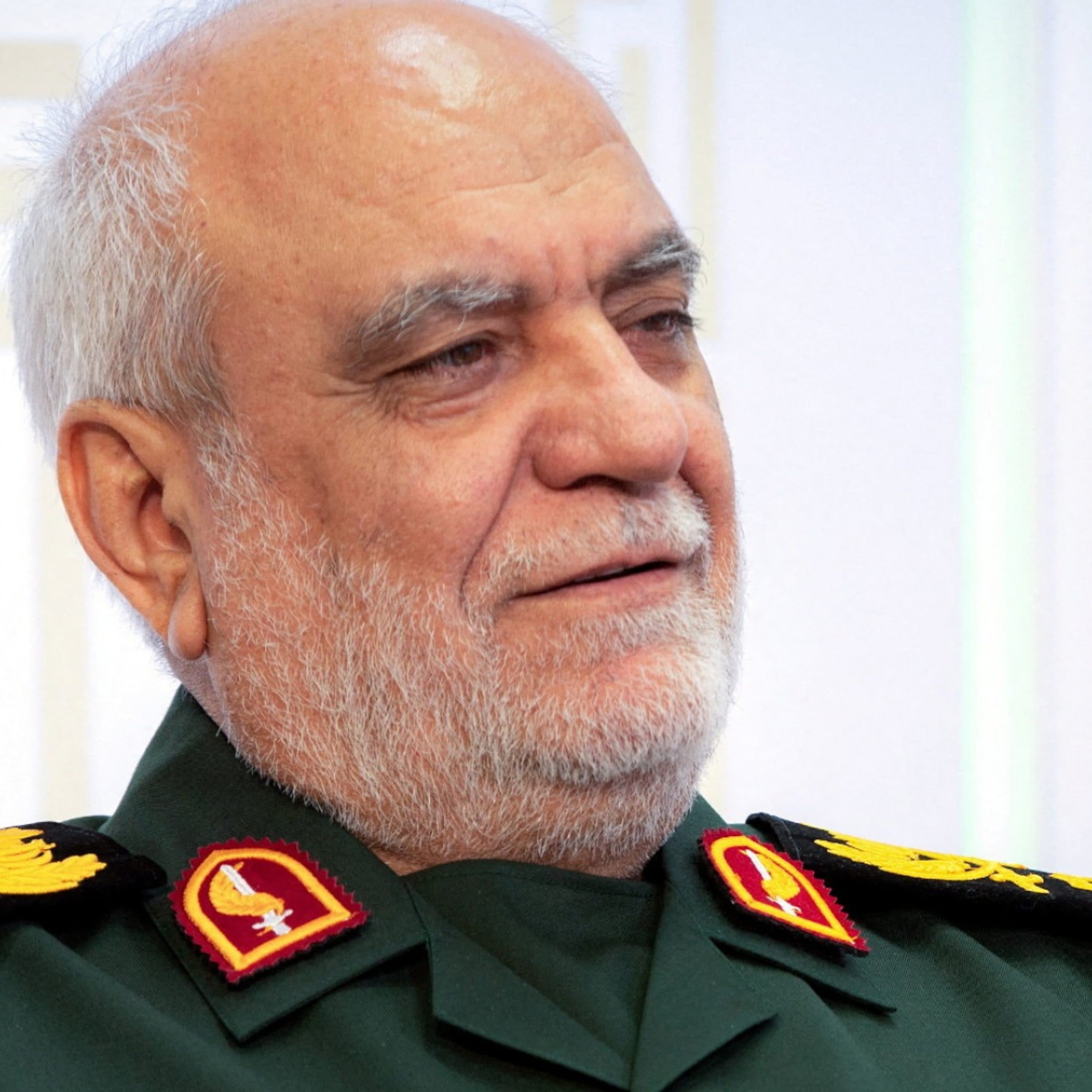
- Iran’s Revolutionary Guard Intelligence Chief Killed: Iranian authorities confirm the death of Majid Khademi in a US-Israeli airstrike, with Israel claiming responsibility.
- Attack on Petrochemical Plant: Israel launches a strike on Iran's largest petrochemical plant in Islawiya.
- Russian Drone Strike in Ukraine: Three civilians killed in Odessa, including a mother and her child; other attacks trap miners.
- Other Stories: Injured Ukrainian soldiers heal through theater; India considers novel border security methods; NASA Artemis 2 lunar updates.
Iran Crisis: Targeted Killings and Regional Tension
The Strike and Its Fallout
Timestamp: 01:50–06:38
- Key Facts:
- Majid Khademi, head of Revolutionary Guard intelligence, killed by US-Israeli strike.
- Israel’s Defense Minister: “One of the direct perpetrators of these war crimes and one of the top three officials... We will continue to hunt them one by one.” — Tyler Dunn quoting Defense Minister Israel Katz (02:45).
- Expert Analysis:
- Jia Gaul (BBC Persian):
- Khademi only took the post in June after his predecessor was killed.
- His loss “definitely… a blow to the intelligence community inside Iranian regime,” but replacements are swift and often more hardline. (03:13–04:37)
- Iran’s resolve to resist US/Trump pressure to open the Strait of Hormuz remains undented by Khademi's death.
- Pakistan acts as a key intermediary; Egypt and Turkey also involved. “It seems to me the U.S. for the first time, President Trump trusting this Pakistani general, General Assam...” (05:45)
- Jia Gaul (BBC Persian):
- Diplomatic Developments:
- Iran preparing a diplomatic reply while publicly maintaining a hard line.
- US and Israel demand opening of Hormuz under threat of targeted attacks; Iran threatens “devastating and widespread” retaliation if civilian targets are hit.
Voices from Iran
Timestamp: 06:49–07:22
- Civilians express fear and helplessness:
- “It feels like we're sinking deeper and deeper into a swamp. What can we do as ordinary people?” (06:49)
- “We're worried about Donald Trump's threat to unleash all hell...” (07:06)
- “With all these attacks, Iran won't be a place we can live in anymore.” (07:18)
Diplomatic Hopes & Obstacles
Expert Insight: Greg Karlstrom, Middle East correspondent, The Economist
Timestamp: 07:37–08:52
- Peace Process Analysis:
- Real negotiations lacking—diplomacy reduced to Pakistan relaying messages.
- Iran unlikely to open the Strait of Hormuz for just a temporary truce; it seeks firm security guarantees and to monetize control over Hormuz.
- “It's hard to see the Iranians agreeing to that.” — Greg Karlstrom (08:44)
Ukraine: Civilian Toll Amid Ongoing War
Reporter: Paul Moss
Timestamp: 09:24–10:43
- Recent Attacks:
- Russian drone strike destroys residential buildings in Odessa; three killed, including mother and child.
- Russia targeting Odessa as a vital grain export hub.
- Ukraine hits back at targets in Crimea and Donbass, trapping 41 miners underground but rescuers have made contact.
Therapy Through Theater: Ukrainian Soldier Rehabilitation
Reporter: Paul Adams
Timestamp: 11:25–15:04
- The Theater of Veterans:
- Injured soldiers—many with amputations or severe burns—performing a Ukrainian adaptation of Virgil’s Aeneid.
- Offers therapeutic healing: “First of all is for rehabilitation, for mind, for soul, for body.” — Veteran Actor (12:30)
- Performance allows soldiers to demonstrate resilience: “They know after they are injured, it's not the end. Life keeps going and they all can do whatever they want.” — Veteran Actor (12:55)
- Cast and director Olha Semioshkina describe the challenge of overcoming trauma and the transformative process of theater.
- “We joke a lot. We crack some of the darkest jokes in rehearsals.” — Theatre Veteran (14:11)
Space Update: Artemis 2 Reaches the Moon’s Gravitational Sphere
Timestamp: 15:14, 22:45–25:43
- NASA Artemis 2 Mission:
- Orion spacecraft enters lunar sphere of influence—Moon’s gravity now dominant.
- “The Orion spacecraft and its crew have officially entered the lunar sphere of influence...” — Narration (15:14; 22:45)
- Astronauts will briefly lose contact with Earth, experiencing profound isolation.
- “It's a unique experience... a moment of complete loneliness.” — Science correspondent Georgina Renard (24:20)
- Purpose: to explore the Moon’s far side—potential future base site and important for international competition.
- “The far side is a much more mysterious region… it has a thicker crust and many more craters.” — Theatre Veteran / Georgina Renard (24:36–25:43)
North/South Korea: Tensions Flare Over Drone Incident
Reporter: Jake Kwon (Seoul)
Timestamp: 19:46–22:38
- Incident:
- South Korean civilian sent drones over border, North Korea accuses Seoul of provocation.
- President Lee Jae Myung expresses rare regret to Pyongyang, which is “highly unusual… almost never done.” — Jake Kwon (22:09)
- North Korea responds with softened tone but warns of retaliation for repeat incidents.
- Civilian’s motives linked to activism; limited unofficial military involvement.
Unorthodox Border Security: India-Bangladesh Reptile Plan
Timestamp: 25:43–28:18
- Indian Border Security Force:
- Considers releasing crocodiles and snakes in unfenced rivers and marshes to deter smugglers and illegal migration.
- “Now the Indian border force seem to be going back to one of the oldest techniques...” — Ambarasan Ethirajan (26:12)
- Human rights issues: thousands of deaths over a decade on a “bloodiest border.”
- Practical and ethical/economic challenges identified.
Small Islands & Offshore Wind: Climate and Economic Challenges
Reporter: Tyler Dunn (Channel Islands/Jersey)
Timestamp: 28:53–32:22
- Jersey’s Offshore Wind Plans:
- Proposed farm could yield a 4:1 return over several decades (29:43).
- Local resistance: fishermen feel excluded for “big business.”
- Global context: Mauritius and other islands also pursuing wind for energy independence.
- Challenges: higher logistical transport/training costs for small islands, explained by Professor Khalil Allahi.
- “Islands have been buffeted by the will of larger nations… whether they can harness the wind depends on political will and global industry.” — Tyler Dunn (31:59–32:22)
Notable Quotes
-
Israel’s Defense Minister on Khademi’s Death:
“We eliminate the head of terrorists. Iranian leaders live on a sense of persecution. We will continue to hunt them one by one.” — Israel Katz (as quoted by Tyler Dunn), 02:45 -
Civilians in Iran on Crisis:
- “It feels like we’re sinking deeper and deeper into a swamp…” — Iranian civilian, 06:49
- “With all these attacks, Iran won’t be a place we can live in anymore.” — Iranian civilian, 07:18
-
Ukrainian Veteran on Theater Therapy:
- “When we show this show— a lot of guys who in war right now, they know after they are injured, it’s not the end.” — Veteran Actor, 12:55
-
On Artemis 2’s Historic Milestone:
- “The Orion spacecraft and its crew have officially entered the lunar sphere of influence…” — Mission Update, 15:14
-
On Border Security:
- “Given an appropriate bribe, the borders are always open.” — Local near India-Bangladesh border, 28:05
Episode Structure Overview with Key Timings
| Segment | Timestamps | |-------------------------------------------|---------------| | Iran: Killing & Analysis | 01:02–08:52 | | Ukraine: Drone Attack & Mining Disaster | 09:24–10:43 | | Ukrainian War Veterans on Stage | 11:25–15:04 | | Artemis 2 Enters Lunar Sphere | 15:14, 22:45–25:43 | | Korea: Drone Incursion & Diplomacy | 19:46–22:38 | | India-Bangladesh: Crocodiles Plan | 25:43–28:18 | | Winds of Change: Island Offshore Wind | 28:53–32:22 |
Tone & Style
- Language: Factual, urgent, and empathetic; balanced investigative reporting and human focus.
- Pacing: Tight, with clear transitions between global hotspots and thematic depth.
- Quotes: Emphasize authentic voices from the frontlines and everyday people.
This episode offers a comprehensive, up-to-the-moment global overview, deep dives into Middle East escalation, the lived experience of war, novel problem-solving approaches, and ongoing struggles—human, political, and planetary.