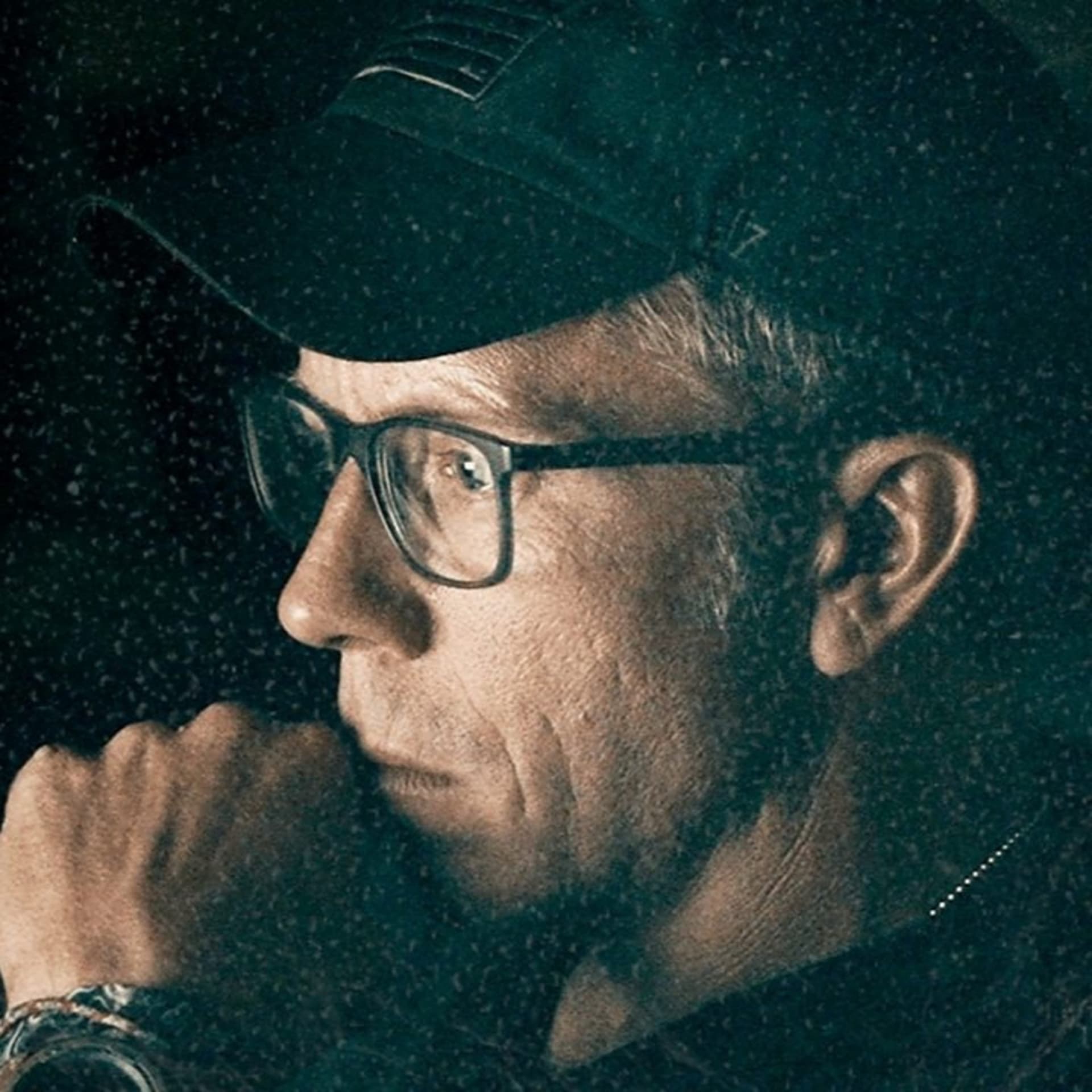
Global News Podcast: The Global Story
Episode: "The global network hunting predators on the internet"
Date: April 26, 2026
Host: Asma Khalid (BBC World Service)
Featured Guest: Greg Squire, Homeland Security Investigations (U.S.)
Episode Overview
This powerful episode of The Global Story moves away from the headlines to spotlight a hidden, urgent crisis: the ongoing fight against child predators operating in the darkest corners of the Internet. Host Asma Khalid interviews Greg Squire, a Homeland Security special agent who has dedicated nearly two decades to tracking and rescuing children from online abuse. The episode brings to light the evolving tactics of online predators, the chilling challenges law enforcement faces, and, most notably, the extraordinary international collaboration at the heart of these global investigations.
Key Discussion Points and Insights
1. The Emotional and Personal Challenges of the Work
-
Greg’s Journey into Child Protection (03:19-05:00):
- Started career in the Army and later worked in the Postal Service.
- Joined Homeland Security with little exposure to crimes against children.
- Motivation: "The payoff, being able to know that you made a big difference in a child's life, there's really nothing that can compete with that." — Greg Squire [04:29]
-
Balancing Parenthood and Work (05:00-06:06):
- Difficulties of seeing abused children and returning to parent his own kids.
- Perspective: “These children deserve to have the life my children have... it became part of the mission.” — Greg Squire [05:27]
-
Desensitization and Emotional Armour (06:06-07:15):
- Acknowledges some desensitization is necessary to do the job.
- "You do become desensitized to a certain degree, but there's some value in that armor... being able to sort of compartmentalize... it does help you look at the images objectively." — Greg Squire [06:24]
2. The Evolution of Online Child Exploitation
3. The Realities of a Dark Web Rescue: The Lucy Case
-
International Collaboration (11:26-13:29):
- Initial tip from Denmark, based on clues in photos (artifacts, architecture).
- “When those images...came through, we raised our hand and said, we’ll take the lead... At the time called Lucy... we probably had maybe 10 pictures at that point.” — Greg Squire [11:52]
- Discovery: Abuse had gone on for years as “Lucy was getting older” in successive photos.
-
Old School Detecting Meets Global Expertise (13:29-16:35):
- Pre-AI era: manual Excel spreadsheet searches, whiteboards.
- Breakthrough came from analyzing an exposed brick wall in photos.
- “There has to be someone who’s an expert at bricks... One of the first hits was the Brick Industry Association.” — Greg Squire [15:05]
- Quick consensus: Unique brick identified to a specific U.S. plant.
- Key Quote: “You need to be looking within this smaller area... that brick did not travel 50 miles outside this plant.” — John Harp, Acme Brick Company [17:35]
- Limiting the geographic search breaks the case open.
-
Rescue and Relief (18:55-20:09):
- Narrowed search, found Lucy’s social media within the radius.
- Agents reached the home before Lucy could return from school; she was rescued that day.
- “Getting that call around 3 o’clock...they’re in the house and she’s safe.” — Greg Squire [19:41]
4. The Formation and Power of a Global Network
-
Necessity of International Teamwork (23:44-24:49):
- The dark web is “a borderless environment.” Law enforcement must collaborate cross-border.
- Global teams formed—agents working around the clock in different time zones.
-
The Structure of Predatory Networks and Law Enforcement Response (25:13-26:29):
- “It is 100% a criminal organization. It’s very structured, very organized. A business could stand to learn by the way it’s structured... That’s scary.” — Greg Squire [25:13]
- Example: Operation Twinkle—site dedicated to children under 5; perpetrator posted in multiple languages.
-
Using Cultural Clues: Twinkle Case (26:29-27:49):
- Multilingual analysis crucial (Portuguese, French, Spanish, English).
- “It takes a network to defeat another network.” — Ricardo, Portuguese Police Officer [26:53]
- Portuguese phrase “it cost me the eyes of my face” helped pinpoint nationality and suspect location.
- Connecting international law enforcement dots leads to identification and rescue of victims.
5. Advice for Parents and Final Reflections
- Protecting Children at Home (28:58-31:18):
- Anxieties for parents are natural; there are preventative steps.
- “Would you drop your kid off in a park at night? Absolutely not. Then why would you allow your kid on the internet with the door closed in their bedroom?... Anyone in the world could reach them there.” — Greg Squire [29:00]
- Importance of open communication and creating an environment where children can speak up about anything.
- “Those confidences that we can give our kids and they understand that they have us... is a strength that we can give our children that these criminals cannot take away.” — Greg Squire [30:30]
- Be willing to confront uncomfortable truths and always put children’s safety first.
Notable Quotes & Memorable Moments
-
On Motivation:
- "The payoff... to know that you made a big difference in a child's life. There's really nothing that can compete with that." — Greg Squire [04:29]
-
On Finding Clues:
- "We were just moving through these lists and... there were bricks inside this child’s bedroom." — Greg Squire [15:03]
- "Bricks are heavy... you need to be looking within this smaller area." — John Harp, Acme Brick Company [17:35]
-
On Global Teamwork:
- "The Internet... is borderless. The Dark web created an anonymous borderless environment." — Greg Squire [24:11]
- "It takes a network to defeat another network." — Ricardo, Portuguese Police Officer [26:53]
-
On Parental Vigilance:
- "I’d be willing to call someone a wolf all day long if they're demonstrating wolf behavior... your kids have one shot at growing up." — Greg Squire [30:30]
Important Timestamps
- The emotional toll and motivation for the work: 03:19–07:15
- Early tactics and shift to the Dark Web: 07:15–11:11
- The Lucy case and use of global industry experts: 11:26–20:09
- Formation of global law enforcement network: 23:44–26:29
- The Twinkle case and multilingual, multinational teamwork: 26:29–28:26
- Greg’s advice for parents and closing remarks: 28:58–31:18
Tone and Delivery
The tone is frank, compassionate, and urgent, reflecting both the horror of the subject and the hope found in international collaboration and parental vigilance. Greg Squire’s candor and willingness to discuss the emotional cost, alongside detailed account of investigative breakthroughs, makes the episode both sobering and inspiring.
Summary: Why This Matters
This episode lays bare the sophistication of modern child predators but also celebrates the progress made by a truly global network of law enforcement. The battle is long, difficult, and emotionally taxing, but breakthroughs—in technology, teamwork, and sheer determination—have saved lives. The main messages: vigilance, collaboration, and the belief that “every child matters the same”—no matter the border, no matter the challenge.