
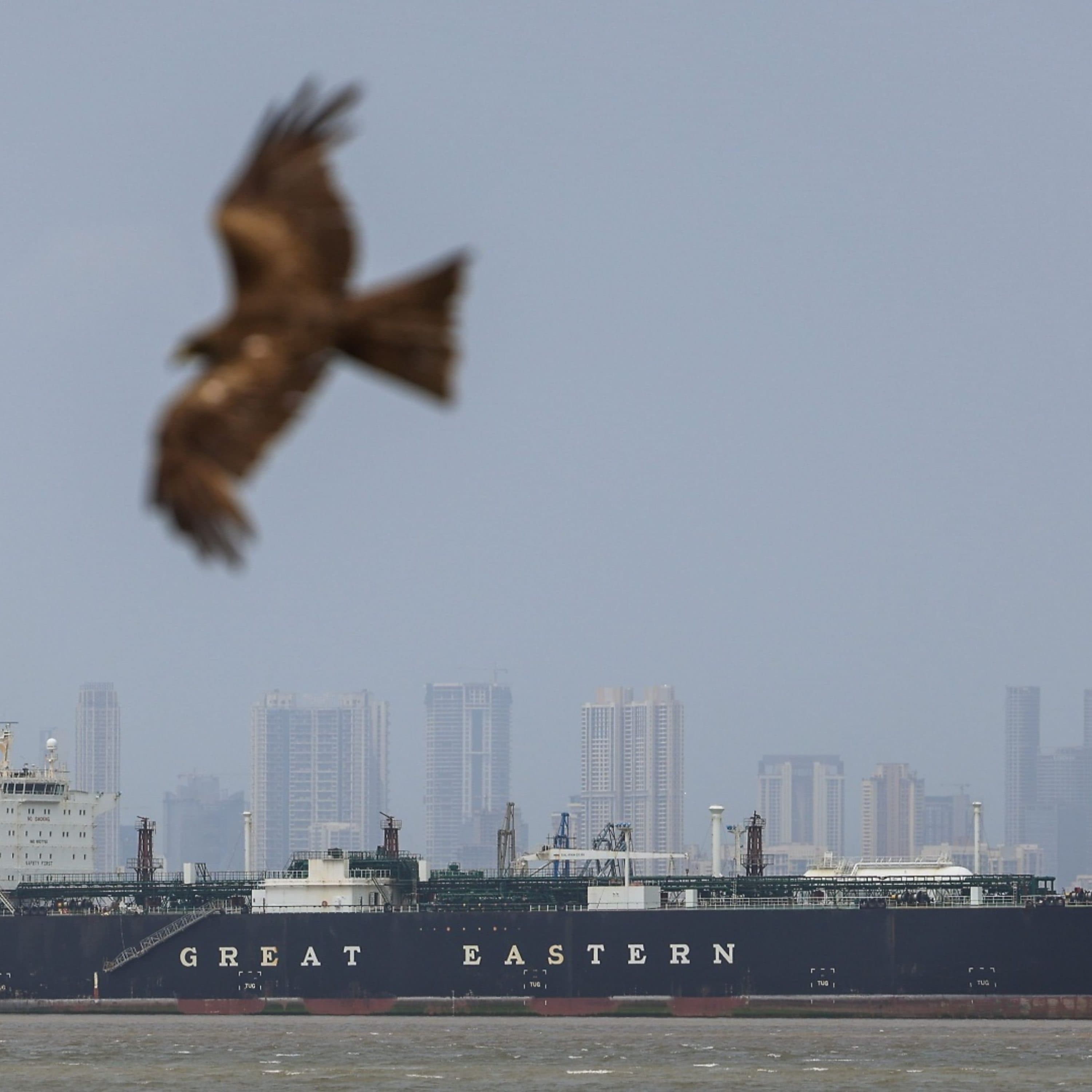
Global News Podcast (BBC World Service)
Episode: Iran war: World leaders respond to economic impact
Date: April 1, 2026
Host: Valerie Sanderson
Episode Overview
This episode provides a comprehensive update on the ongoing US-Israel war with Iran and its far-reaching economic and geopolitical impacts. The podcast covers international reactions, including measures by world leaders to mitigate economic fallout, offers rare voices from inside Iran, and addresses cascading effects in energy markets, security, and more. The episode also explores other major global stories: India’s ambitious new census, Russia’s crackdown on internet freedoms, South Africa’s military response to organized crime, Apple’s 50th anniversary, and the final lineup for the 2026 World Cup.
Key Segments & Insights
1. Latest Developments in the US-Israel-Iran War
[01:17–09:52]
President Trump’s Announcement & Market Reactions
- President Trump promises an end to the war with Iran within the next three weeks, claiming destruction of Iran’s nuclear capabilities.
- Stock markets react positively to the potential end, though global economic difficulties persist—especially surging energy prices and their knock-on effects.
World Leaders Respond
- UK: PM Keir Starmer calls for a new EU summit on closer economic and security cooperation, signaling a strategic pivot in alliances and ambitions.
“Closer economic cooperation, closer security cooperation. A partnership that recognizes our shared values, our shared interest and our shared future.” — Keir Starmer [02:43]
- Australia: PM Anthony Albanese announces petrol tax cuts and urges citizens to reduce fuel use.
“We cut the fuel excise in half, cutting the tax... by 26 cents. Those savings have started showing up at your petrol station.” — Anthony Albanese [03:31]
Analysis of Global Economic Impact
-
Simon Jack (Business Editor):
- Describes “major energy disruption,” drastic swings in oil prices, and differentiated impact by region.
- Aviation and fuel supply resilience in Europe and Asia is short-term; true supply chain strain expected in several weeks.
“If you like, the gap in the supply chain begins from now.” [04:52]
-
Nick Marsh (Singapore Correspondent):
- Southeast Asian nations are especially vulnerable due to reliance on Middle Eastern oil.
- Explains rationing (e.g., in the Philippines), Indonesia’s emergency regulations, and public attempts at conservation.
“Public employees are being told to work from home on Fridays. Private vehicles can only fill up 50 litres per day.” [06:20]
Skepticism about Trump's Timeline
- Paul Adams (Diplomatic Correspondent):
- Says Trump sets shifting, often aspirational deadlines as deliberate strategy.
“He kind of manipulates and uses that. He sets deadlines and then lets deadlines expire and sets new deadlines.” [07:13]
- Suggests Trump may step back from ‘maximalist goals’ due to economic and political pressures, especially as US petrol hits $4/gallon.
- Touches on Trump’s remarks about potentially leaving NATO, interpreting them as signs of frustration with Western allies’ reluctance to get involved.
- Says Trump sets shifting, often aspirational deadlines as deliberate strategy.
2. Inside Iran: Voices Under Siege
[09:52–13:29]
- Over 3,000 Iranians reportedly killed and infrastructure severely damaged.
- Information blackout makes reporting difficult; contact possible only via risky channels like Starlink (possession punishable by prison).
- Gonchi Habibyazad (BBC Persian) shares everyday experiences, emphasizing division and exhaustion among Iranians, the impact on daily routines, and dangers for those communicating with outside media.
- Notable Voices:
“I feel like I’ve been in purgatory for a month. I can’t do anything and everything is up in the air. I’m so tired of the war.” — Iranian civilian [10:32]
“Some are getting indifferent…we are going back to our routines, we are going to the gym. But…it’s not a normal situation.” — Gonchi Habibyazad [11:07] - Mass arrests for sharing information and ongoing executions related to the protests noted.
- Protesters now question whether the US intervention has helped or simply worsened civilian suffering.
“Some that I am talking to now…are not seeing the current situation as help. And they’re worried…about the country’s infrastructure.” — Gonchi Habibyazad [12:51]
- Notable Voices:
3. India’s Groundbreaking Census
[13:29–16:17]
- India commences its first census since 2011, a massive logistical feat involving 3 million staff.
- Ambarasan Ethrajan describes the importance of detailed data for policy and welfare, the inclusion (for the first time) of questions about caste, and concerns over the social ramifications of such disclosures.
“It will also tell you what kind of caste groups are dominant and how many people are there…some people are concerned how this information will be used.” — Ambarasan Ethrajan [15:26]
4. Russia Tightens Internet Controls
[16:17–20:03]
- Russia targets the Telegram messaging app amid a broader crackdown on online speech.
- Alexander Izevnin (Moscow-based IT expert) explains:
- New blocks have limited technical impact; Russians use workarounds.
- Government justifies controls as counterterrorism, but few citizens believe official reasoning.
- Despite circumvention efforts, speech online carries high risk, with criminal prosecutions for dissent on both Russian and Western platforms.
“There are a lot of criminal cases and a lot of political prisoners who talked on Telegram…this was used as evidence.” — Alexander Izevnin [19:25]
5. South Africa Deploys Army to Fight Crime
[23:29–26:51]
- 2,000+ soldiers deployed to aid police in high-crime provinces, hoping to curb organized crime, illegal mining, and gangs.
- Residents express distrust of police and fear for safety; mixed feelings about military presence.
“This place, Sodom and Gomorrah... just a hellhole. The babies are here...I can't depend on the police.” — Johannesburg resident [25:39]
- Dr. Guy Lam (Defense expert) warns that militarization doesn't address root causes like poverty and unemployment and may not yield lasting solutions.
6. Apple’s 50th Anniversary Reflections
[27:07–29:41]
- David Pogue (Apple biographer) discusses Tim Cook’s pragmatic leadership, Apple’s evolution into a services giant, and pragmatic dealings with Donald Trump to avoid devastating tariffs.
“[Cook] did an extremely pragmatic...maneuver and handed Trump a trophy...the tariffs never happened.” — David Pogue [28:05]
- Discusses Apple’s many failures alongside its huge successes, and remains bullish on the company's future due to its massive user base.
7. World Cup 2026 – Final Lineup & Italy’s Anguish
[29:41–34:13]
- Democratic Republic of Congo and Iraq return to the World Cup after long absences. Italian fans devastated by a third consecutive World Cup miss.
- Daniela Fuzichella (Italian football journalist) analyzes Italy’s decline:
- Attributes failures to inability to modernize, neglect of youth development, and infrastructural decay.
- Notes shifting priorities among Italian youth, with other sports gaining popularity, and generational loss of football as a unifying event.
“The problem is that the World cup is such a defining moment...For generations these are really moments where everyone comes together and they define our lives and they have been deprived of that.” — Daniela Fuzichella [34:13]
Memorable Quotes & Notable Moments
- Keir Starmer [02:43]:
“A partnership that recognizes our shared values, our shared interest and our shared future.” - Anthony Albanese [03:31]:
“We cut the fuel excise in half...to bring the price of fuel down, to make more fuel here and to keep it onshore.” - Simon Jack [04:52]:
“If you like, the gap in the supply chain begins from now.” - Paul Adams [07:13]:
“He [Trump] kind of manipulates and uses that. He sets deadlines and then lets deadlines expire and sets new deadlines.” - Iranian civilian [10:32]:
“I feel like I’ve been in purgatory for a month.” - Alexander Izevnin [19:25]:
“There are a lot of criminal cases and a lot of political prisoners who talked on Telegram...and this was used as evidence.” - Johannesburg resident [25:39]:
“I can’t depend on the police.” - David Pogue [28:05]:
“Cook did an extremely pragmatic, practical, almost manipulative maneuver and handed Trump a trophy.” - Daniela Fuzichella [34:13]:
“The World cup is such a defining moment...and they have been deprived of that.”
Important Timestamps
- 01:17: Main headlines and introduction to episode themes
- 02:43–03:17: UK and Australia leaders announce responses to energy crisis
- 04:07–05:54: Analysis of energy supply chain risks
- 06:01–07:02: Southeast Asia fuel shortages and government responses
- 07:13–09:52: Skepticism on Trump’s war timeline and NATO remarks
- 09:52–13:29: Inside Iran: civilian voices and life under bombardment
- 13:29–16:17: India launches 2026 census
- 16:17–20:03: Russia’s crackdown on Telegram and impact on free speech
- 23:29–26:51: South Africa’s army deployed to tackle rising crime
- 27:07–29:41: Apple’s anniversary: history, missteps, and prospects
- 29:41–34:13: 2026 World Cup lineup, Italy’s football crisis
Conclusion
This episode delivered incisive coverage of how the Iran conflict continues to reverberate globally, from political posturing and economic fallout to the very human stories of hardship and resilience. It balanced breaking news, thoughtful analysis, and compelling narratives from diverse corners of the world, making it an essential listen for anyone seeking to understand the far-reaching impact of the conflict and major global developments.