
Podcast Summary: Global News Podcast – "The US, Israel and Iran Announce Two-Week Ceasefire"
Date: April 8, 2026
Host: Will Chalk, BBC World Service
Episode Overview
This episode of the BBC Global News Podcast dives into the dramatic, rapidly-evolving diplomatic breakthrough between the US, Israel, and Iran: a temporary two-week ceasefire, announced hours before a military escalation deadline. The episode analyzes what’s known about the ceasefire terms, the role of Pakistan as mediator, reactions from Iran, regional implications, and the effect on global oil markets. The podcast also covers proposed constitutional changes in Zimbabwe and an unusual teenage gubernatorial candidate in Vermont.
Key Discussion Points
1. The Last-Minute Ceasefire Between the US, Israel, and Iran
[01:00-03:09]
- Announcement: A temporary, two-week ceasefire has been agreed upon by the US, Israel, and Iran, in exchange for the reopening of the Strait of Hormuz, which is crucial for global oil transport.
- Exclusion of Lebanon: Israel asserts that the ceasefire does not include hostilities involving Lebanon; both Iran and Pakistan claim it does.
- Trump’s Statement: President Trump announced the deal via Truth Social, stating that military action is suspended because objectives have been “met and exceeded,” and negotiations can proceed toward a “workable” long-term peace.
“We have already met and exceeded all military objectives and are very far along with the definitive agreement concerning long term peace with Iran and peace in the Middle East… [the] two week period will allow the agreement to be finalized and consummated.”—President Donald J. Trump [02:03]
2. Pakistani Mediation and the Ten-Point Proposal
[03:51-06:42]
- Key Role of Pakistan: Pakistan played a pivotal mediation role, securing the temporary ceasefire as a diplomatic “ladder” for all sides to step back from crisis.
- Ceasefire Status: Reports indicate that the US has stopped firing, while firing from Iran may still be ongoing; a mutually synchronized truce hasn’t fully taken hold.
- Negotiating Platform: Talks are scheduled in Islamabad to deliberate on Iran’s “10-point plan,” including major demands like permanent cessation of hostilities, full sanctions relief, and compensation.
- Contrasting Narratives: The US frames the talk as a starting point for negotiation while Iran proclaims a “total victory.”
“Certainly there is quite a lot of stuff in there [the ten-point plan] that will be at best, extremely unpalatable to the Americans, including things like a complete and permanent cessation of the war… payment of compensation and reconstruction costs, lifting of all sanctions…”—Tom Bateman [04:49]
“There is nothing in the ten point plan that deals with Iran’s stockpile of nuclear fuel, which was one of the major reasons the Americans say they started this war.”—Tom Bateman [06:31]
3. Unstable Peace and Political Fallout
[06:42-07:49]
- Trust Issues: Deep-seated distrust persists on both sides, making the ceasefire fragile.
- Political Backlash: President Trump could now face domestic criticism that he acted recklessly or “backed down” after a war seen as avoidable.
- Continued Instability: Both sides remain armed and suspicious—“a deeply unstable period, albeit… a breakthrough.”
“You’re going to have Mr. Trump under pressure because his political opponents [will say] that he has backed down, that this was a reckless war.”—Tom Bateman [07:18]
4. Iranian Relief and Ongoing Fears
[07:59-11:22]
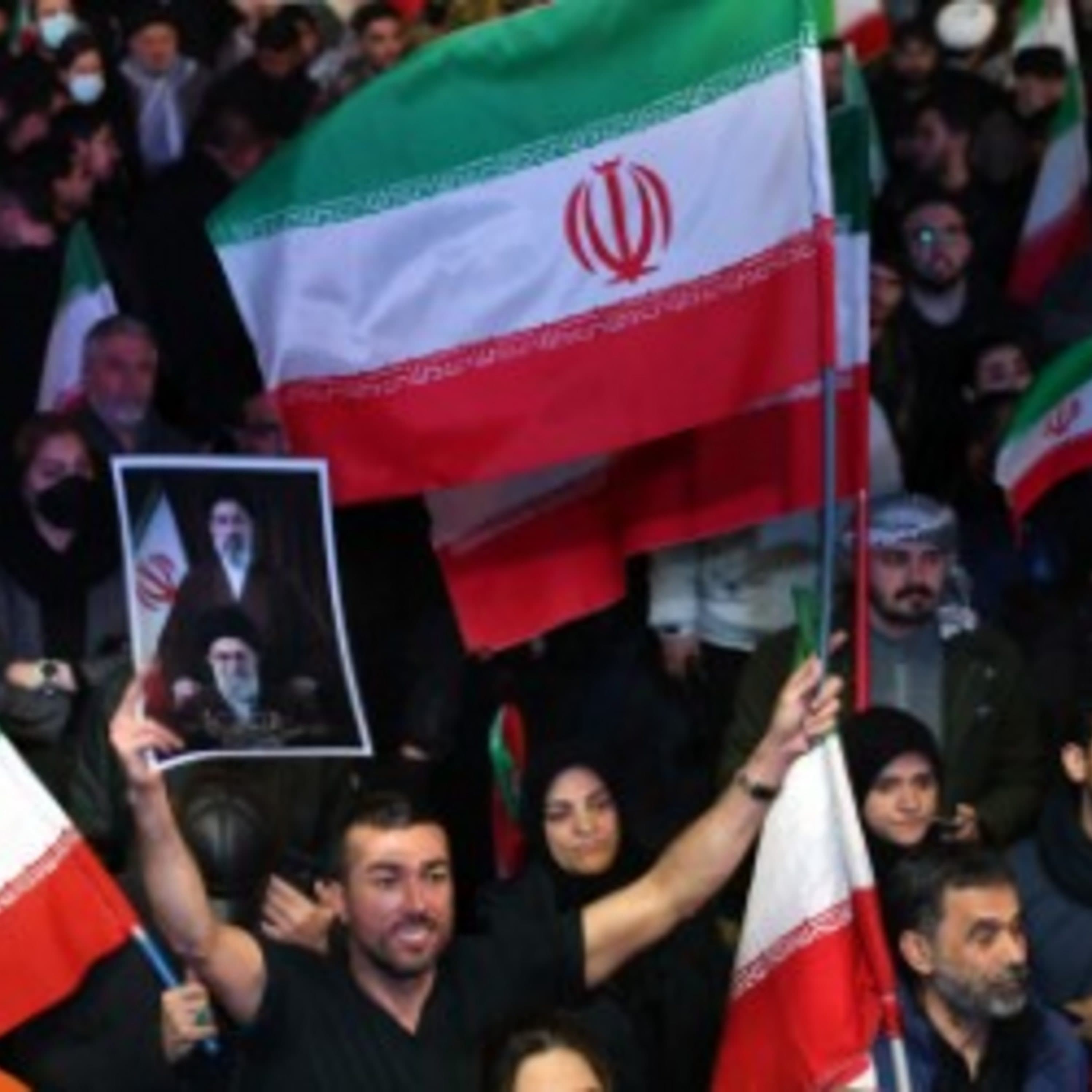
- Public Reaction: Relief and skepticism mix among Iranians after nights filled with air raids, bombings, and widespread anxiety about further devastation.
- Temporary Respite: Many see the two-week ceasefire as fragile and doubt its longevity; the regime signals readiness to resume hostilities if demands aren’t met.
- Widespread Damage: War has brought “extreme pain” to the public and devastated infrastructure, with industry and employment severely hit.
“There was some sense of relief, but also questioning whether it is something that will hold… That sense of relief was palpable. And clearly a lot of people have had extremely anxious, sleepless nights…”—Bahman Kalbasi [08:13]
“We are ready and have our finger on the trigger if the conversations in two weeks doesn’t result in what we want.”—Iranian National Security Council, via Bahman Kalbasi [09:14]
- Regime Calculations: The severity of US-ordered attacks led Iran to accept a short-term ceasefire.
5. Gulf States and Shifting Alliances
[11:22-14:29]
- Collateral Damage: Gulf allies like Kuwait, Qatar, Bahrain have suffered Iranian retaliation in the wake of the US campaign.
- Future Relations with the US: Regional states may “diversify” alliances post-crisis, potentially turning to countries like China or India.
- Leaders’ Egos: The host probes if “two nations with big egos” have cornered themselves—editor Jeremy Bowen counters it’s about “two leaders” (Trump and Netanyahu) driven by personal convictions.
- Economic Leverage: Iran’s ability to disrupt vital global supply chains, not just oil and gas but also key chemical and tech sectors, is noted.
“A lot of eyes are a little bit wider and more open about what alliance with the United States is now meaning in practice.”—Jeremy Bowen [12:18]
“Iran has demonstrated that in a global economy which is enormously integrated, it can put huge pressure on supply chains…”—Jeremy Bowen [13:28]
6. Iran’s Uncertain Leadership
[14:52-16:10]
- Leadership Vacuum: Supreme leader Mujtaba Khamenei is reportedly wounded and absent from politics after his father’s assassination; effective control now rests with the hardline, militarized Islamic Revolutionary Guard Corps (IRGC).
- Fragmented Authority: Iran’s power structure is now more diffuse, with both hardliners and nominal reformists involved.
“Shocks power is now dispersed among multiple actors. But the most powerful of all is the Islamic Revolutionary Guard Corps, the IRGC. In a system which is now more militarized, more hardline, they’re calling the shots…”—Lyse Doucet [15:20]
7. Israel’s Position and Disputed Scope of Ceasefire
[18:19-20:41]
- Israeli Caution: Israel claims the truce is Trump’s US decision, not its own, and explicitly says it does not include Lebanon.
- Continued Hostilities: Reports of missile attacks from Iran into Israel, and possible Israeli strikes on Iran, even after the supposed ceasefire.
- Leadership Doubts: PM Netanyahu’s original goal of “regime change” in Iran looks unfulfilled; defense hawks in his cabinet may resist stopping the fight.
- Cabinet Splits: Far-right ministers may push for continuation.
“I think there’s a widespread view that [Netanyahu] overestimated Israel and the US’s ability to defeat the Iranian military and bring about a change of system. That hasn’t happened.”—Daniel DeSimone [19:38]
- Deal Uncertainty: The Lebanon provision remains a major ambiguity.
8. Dramatic Impact on Oil, Markets, and World Economy
[20:41-22:23]
- Market Relief: News of the strait’s reopening led to soaring Asian stock markets and a sharp (15-16%) drop in oil prices from crisis highs.
- Lingering Shortage: Even if peace holds, oil supply will take “months and months” to return to pre-war levels—so prices are likely to remain high.
“There is relief, there is a bit of optimism. But as you mentioned, it’s temporary… it’s going to take months and months for production to ramp up again…”—Nick Marsh [21:46]
- Broader Economic Impacts: Challenges will be ongoing for global trade reliant on oil, fertilizers, and chemicals sourced through Hormuz.
Additional Global News Highlights
Zimbabwe’s Constitutional Crisis
[23:49-27:16]
- Proposed Changes: Ruling Zanu PF party seeks to extend presidential term limits and transfer the power to elect the president from voters to parliament.
- Public Concerns: Citizens and opposition decry the move as an undemocratic “slow coup”—public hearings are marked by intimidation and violence.
“This is a coup, a slow coup that is unfolding in Zimbabwe. Mr. Mnangagwa and his government, against the people’s will, are endeavoring to manufacture false consensus…”—Opposition Critic [25:56]
US Teenager Runs for Vermont Governor
[27:16-29:06]
- Historic Run: Dean Roy, age 14, is set to be the first under-18 candidate on a US state gubernatorial ballot, running as a centrist third-party hopeful.
- Motivation and Message: Cites entrenched political leadership and lack of fresh ideas for his campaign; vows to juggle governing duties with schoolwork.
“I know it sounds crazy, a 14 year old running for governor, but honestly, look at the people in charge right now… Maybe it’s time for a change, not just in policies, but in mindset.”—Dean Roy [28:12]
Notable Quotes & Memorable Moments
-
President Trump’s Shift:
“A clear difference there in terms of tone and frame of mind from Donald Trump from Tuesday when he delivered that chilling message to Tehran…”—Will Chalk [03:09] -
On Leadership Dynamics:
“Two leaders, I think, rather than two nations. I think it’s quite clear that Trump is some kind of a narcissist who is mostly obsessed with himself…”—Jeremy Bowen [12:33] -
On Iranian Public Sentiment:
“That sense of relief was palpable. And clearly a lot of people have had extremely anxious, sleepless nights because of jets flying over, bombs being dropped everywhere…”—Bahman Kalbasi [08:13] -
Oil Markets Still at Risk:
“It’s going to take months and months for production to ramp up again in the Middle East…”—Nick Marsh [21:46]
Timestamps for Important Segments
- Ceasefire Announcement & Trump’s Statement: 01:00–03:09
- Details on Mediation and 10-Point Plan: 03:51–06:42
- Analysis of Ceasefire Fragility: 06:42–07:49
- Iranian Reactions: 07:59–11:22
- Gulf Allies’ Perspective: 11:22–14:29
- Iran’s Internal Dynamics: 14:52–16:10
- Israeli Position & Lebanon Dispute: 18:19–20:41
- Oil Market Effects: 20:41–22:23
- Zimbabwe Political Crisis: 23:49–27:16
- Teenage Vermont Governor Run: 27:16–29:06
Tone & Style
The reporting balances urgent, clear-eyed analysis of breaking international affairs with moments of grounded, personal perspective—from Tehran’s anxious citizens to political drama in Zimbabwe and the surprising energy of a 14-year-old US gubernatorial candidate. The tone provides both gravitas (in discussing war and global markets) and occasional lightness.
Summary prepared for listeners seeking an in-depth, accessible digest of episode content and key developments.