
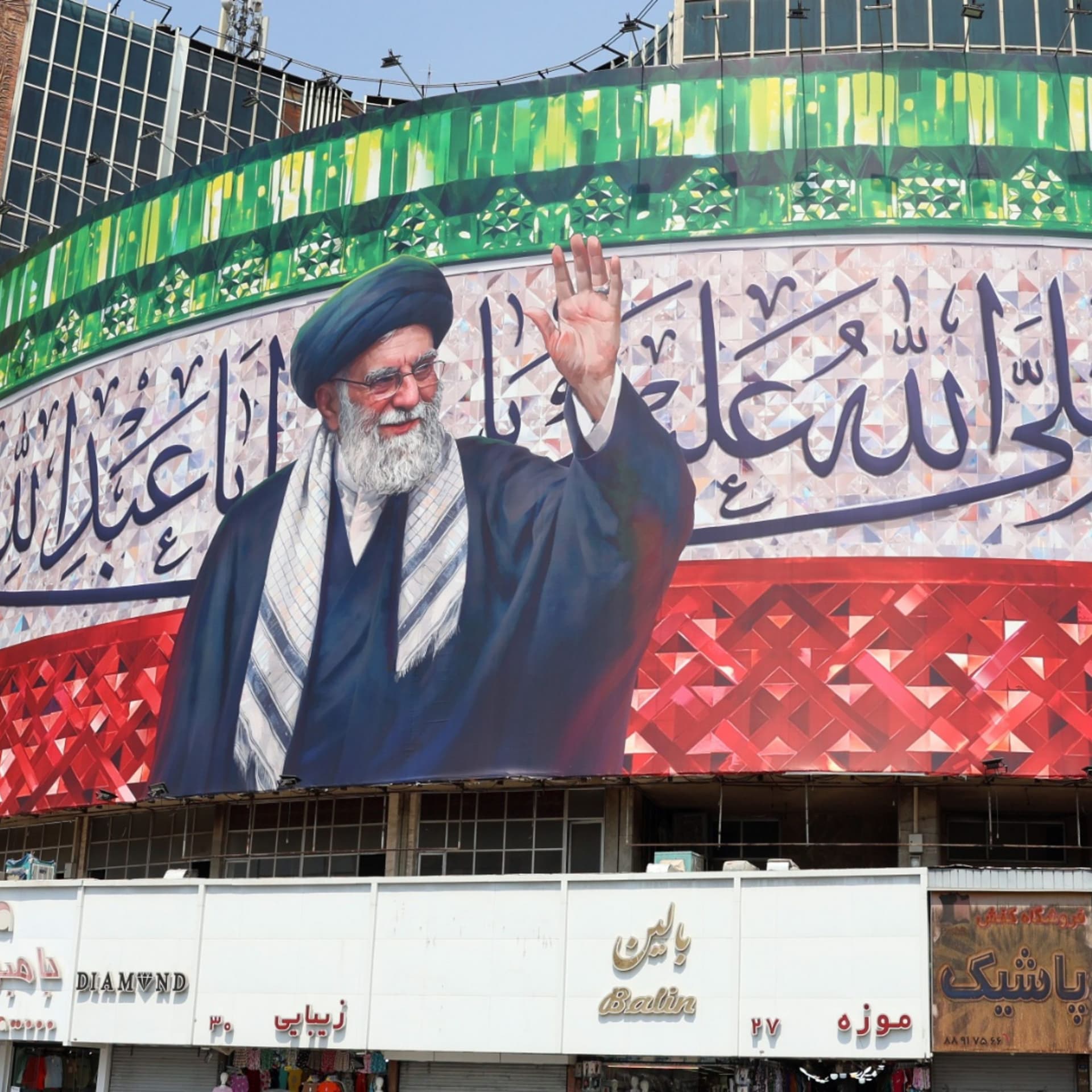
Global News Podcast – March 8, 2026: Iranian Clerics Reach Consensus on New Supreme Leader
Episode Overview
This special edition of the BBC World Service Global News Podcast, hosted by Charlotte Gallagher, provides urgent updates on the deepening US-Israel war with Iran. The episode focuses on Iran's critical decision regarding a new Supreme Leader following the killing of Ayatollah Ali Khamenei, expanding regional violence, global diplomatic reactions—particularly from China—and the mounting humanitarian crisis. The episode features on-the-ground analysis, regional reporting, and reactions from experts and officials.
Main Themes
- Iran’s succession crisis and the perilous process of naming a new Supreme Leader
- Escalating military actions affecting Iran, the Gulf states, Lebanon, and beyond
- Internal and regional repercussions: stability of Iran’s regime, Gulf countries’ dilemmas, and Lebanese civilian fears
- Global responses and diplomatic positioning, especially China’s careful stance
- Assessment of humanitarian impacts and the struggle to uphold international law
Episode Breakdown
1. Iran’s Supreme Leadership Succession Crisis
- [01:38–03:31]
- Iran’s Assembly of Experts (88-strong clerical body) has reportedly reached a consensus on the next Supreme Leader after the death of Ayatollah Ali Khamenei, killed in an airstrike at the outset of the current conflict.
- Secrecy surrounds the announcement due to explicit Israeli threats against any successor and those involved in the selection.
Notable Quote
“Israel has warned it will hunt down any successor. As the conflict enters its second week, the United States and Israeli forces have expanded their bombardment of Iran.”
—Charlotte Gallagher [02:30]
2. Impact of Bombardments – Tehran’s Oil Infrastructure and Daily Life
- [03:31–05:02]
- Major oil facilities in Tehran bombed repeatedly, causing enormous fires and hazardous air pollution.
- The environmental fallout is significant: black rain falling over Tehran, health advisories for vulnerable populations to stay indoors and mask up.
Notable Quotes
“They attacked the oil facilities again and again this morning... air pollution is so high because of the explosion that it would be better for the sensitive groups not to leave houses.”
—Hamid Reza Golamzadeh [03:31]
“There’s a thick black smoke covering the entire capital, which is a very, very large city.”
—Rana Rahimpur [04:23]
3. Regime Stability and Popular Response in Iran
- [05:02–06:28]
- Despite devastation, regime paramilitary troops remain visible, patrolling streets and chanting militant slogans, indicating surprising resilience.
- The underestimated power of Shia ideology—specifically, the embrace of martyrdom—is highlighted as a complicating factor.
Notable Quote
"They don’t believe in putting guns down, even if they’re in the minority. They prefer to be killed and go to heaven, their heaven, than thinking about the country and what will happen to the future of the country.”
—Rana Rahimpur [05:08]
4. The Dangerous Politics of Succession
- [06:28–08:37]
- Intense speculation over how the Assembly of Experts is meeting, given real threats to their safety from ongoing strikes.
- Appearance management: Iranian authorities strive to project stability despite chaos and leadership vacuum.
Notable Quote
“Not only would the successor be targeted, but the people who choose the successor will be targeted."
—Lyse Doucet [07:47]
5. Regional Escalation: Gulf States Under Attack
- [08:37–12:11]
- Iran launches drone and missile strikes across the Gulf: Kuwait, UAE, Saudi Arabia, Bahrain, and Qatar all hit.
- Civilian casualties reported, including deaths among first responders and displaced populations.
- Gulf states frustrated at being caught in crossfire, especially as they have not allowed their territories to be used for US military offensives.
Notable Quotes
“Their argument is this is not their war. This is a war between Iran and Israel and the United States. And they’ve got caught in the crossfire.”
—Samir Hashmi [10:35]
“If they get involved in the war directly, then that could lead to more escalation, more civilian areas getting targeted and potentially lead to more killings.”
—Samir Hashmi [11:09]
6. Israeli Military Operations and Strategic Objectives
- [12:11–13:00]
- Israel claims to have struck 400+ targets in Iran, particularly focusing on ballistic missile launchers and weapons sites.
- Israeli President Isaac Herzog justifies campaign as a pre-emptive strike against Iran’s advanced preparations for missile and possibly nuclear weapons.
Notable Quote
“The Iranians were working on both sides, meaning... a 20,000 missile ballistic missile system... and most importantly... rushing to the bomb.”
—Isaac Herzog [12:32]
7. Lebanon: Civilian Anguish over Escalating Conflict
- [13:00–15:36]
- First direct Israeli strike in central Beirut; hotel sheltering displaced people destroyed, civilians killed and injured.
- Mounting frustration among Lebanese as Hezbollah’s actions draw retaliatory strikes, with ordinary people suffering the consequences and feeling unrepresented.
Notable Quote
“There’s nowhere safe in Lebanon anymore.”
—Lina Sinjab [13:16]
“For many Lebanese, they feel that Hezbollah is not acting for the interest of the country or the interest of its own community, but rather taking orders from Iran.”
—Lina Sinjab [14:34]
8. China’s Reserved Stance: Diplomacy, Oil, and Geopolitics
- [15:36–17:38]
- China, a major Iranian oil importer and self-styled mediator, uses unusually soft diplomatic language, likely influenced by upcoming US diplomatic meetings.
- Potential for China to re-negotiate energy purchases—signaling priority of stable US-China relations over open opposition to the war.
Notable Quote
“In theory, China should be backing Iran in this conflict... But that’s pretty soft language. It’s even softer than the language Wang Yi himself has used since the war broke out... Most analysts would agree it’s because Donald Trump is due here in the next month or so.”
—Stephen McDonnell [16:14]
9. Humanitarian Crisis and the Limits of International Law
- [17:38–19:40]
- UN warns of dire consequences: rising displacement, deteriorating civilian conditions, crisis spillover into vulnerable neighbors (e.g., Afghanistan, Pakistan).
- Concerns that international institutions are sidelined, with appeals for protection of civilians largely going unheard amid rising ‘strongman’ politics.
Notable Quote
“This is a moment of grave, grave peril... We are seeing right now this sustained attritional attack on the rule of law, on the institutions like the UN that are designed to prevent this kind of conflict. We've all got to take a deep breath. We need cool heads to prevail. We've got to step back from the brink right now.”
—Tom Fletcher [17:53]
“Right now, we’re not being heard, we’re not being listened to. Our job is to keep shouting loudly, to keep speaking truth to power and keep demanding protection of civilians and accountability for those behind the violence.”
—Tom Fletcher [19:01]
Memorable Moments and Quotes
-
On the war’s futility:
"This is a war that should never have happened and one that benefits no party.”
—Chinese FM Wang Yi, quoted by Stephen McDonnell [16:02] -
On Hezbollah’s popularity:
“Many people who fled this war now have fled it last time and lost their homes, and now they're losing them again.”
—Lina Sinjab [14:34] -
On disregard for international law:
“But is anybody going to listen to that call when you have an American president who said publicly, I don't need international law...?”
—Charlotte Gallagher [18:43]
Conclusion
This episode records a region at tipping point: Iran’s leadership succession is shadowed by peril; cities reel from attacks; civilians across the Middle East find themselves hostage to geopolitical calculations; and international institutions struggle for relevance against a tide of military and political escalation. The tone throughout is urgent yet measured, balancing on-the-ground detail with broad strategic analysis.