Loading summary
Transcript1 lines
- [00:00]
A
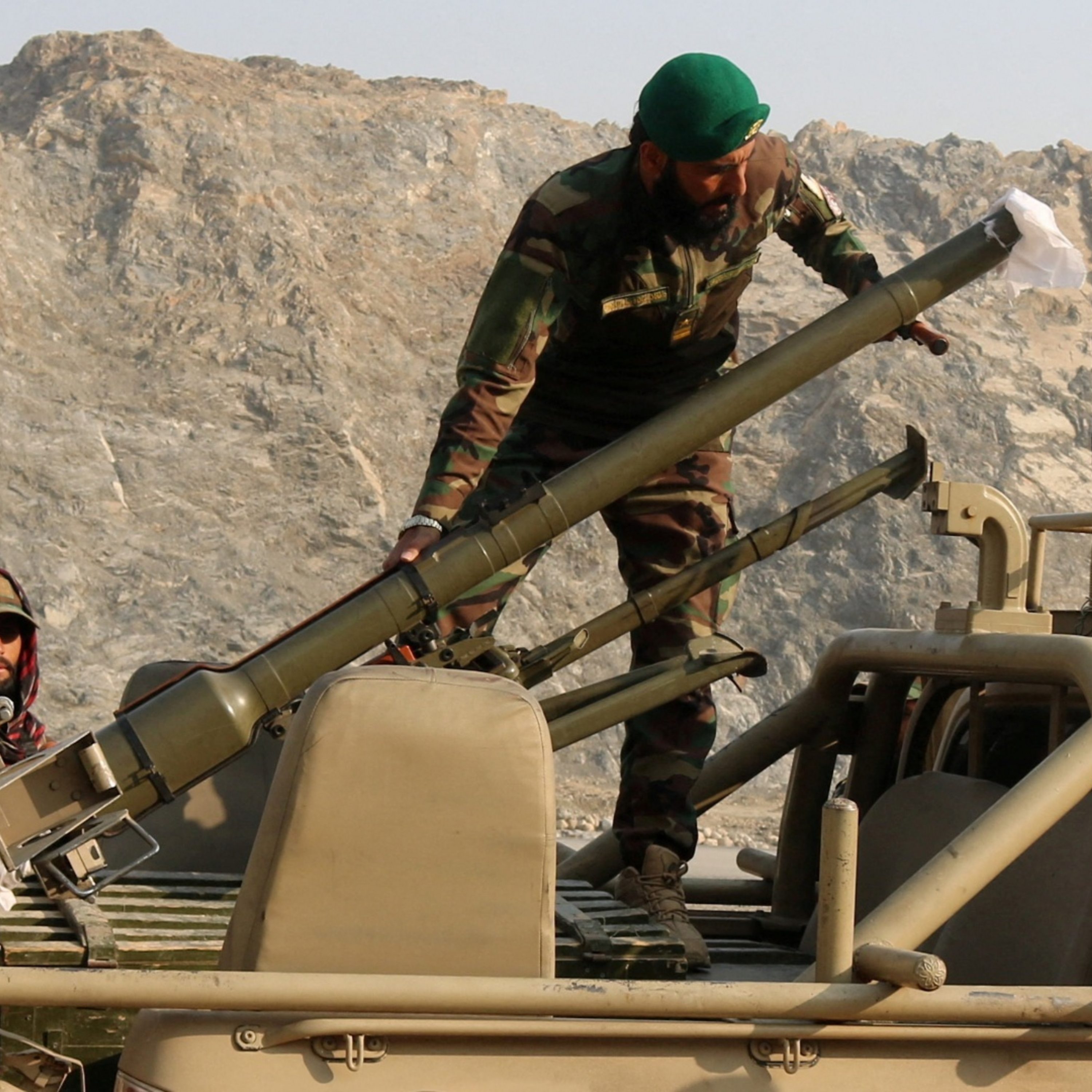
This BBC podcast is supported by ads outside the uk. This message comes from Schwab At Schwab, how you invest is your choice, not theirs. That's why when it comes to managing your wealth, Schwab gives you more choices. You can invest and trade on your own. Plus get advice and more comprehensive wealth solutions to help meet your unique needs. With award winning service, low costs and transparent advice, you can manage your wealth your way at Schwab. Visit schwab.com to learn more. You're not at the office. You're solving murders in the Scottish Highlands. You're not in your car. You're in a candlelit carriage on the way to the ball this winter. See it differently when you stream the best of British TV with BritBox. Catch new original series like Riot Women, let's Start a Riot, new seasons of fan favourites like Shetland, A Body's Been Found and unparalleled collections of Jane Austen, Agatha Christie and more. It's time to see it differently with Britbox. Watch with a free trial now@britbox.com this is the global news podcast from the BBC World Service. I'm Alex Ritson and at 16 hours GMT on Friday 27th February, these are our main stories. Pakistan says it's killed almost 300 Taliban officials and militants in Afghanistan as the conflict between the South Asian neighbors escalates. Another purge at the top of China's military as President Xi punishes any sign of perceived disloyalty. Also in this podcast, people in Gaza mark Ramadan under a shaky ceasefire after two years of war. Before the war, God be praised, we were very well off. Now, God be praised that we are alive. Now we hear from Cuba about the consequences of the US oil blockade. Foreign let's start the podcast in South Asia and the sharp escalation in hostilities between Pakistan and Afghanistan which is causing alarm across the region. That's the sound of the emergency services responding to a series of explosions in the Afghan capital, Kabul. And overnight on Thursday, Pakistani warplanes also bombed the city of Kandahar, another stronghold of the country's Taliban government. These people in Kabul described their experience. We were all asleep when the plane came in, very low. As soon as I heard the sound of the aircraft, I got up. I saw the plane descend and drop two bombs. Then it went back up again. It was around 2am all of us, including the women, ran downstairs. By the grace of God, we didn't suffer any loss of life. But the doors were broken and the windows of the house were shattered. Many people were injured by broken glass. And until late at night, people were being treated at the same clinic. It was a very terrifying incident and everyone is extremely distressed because of these problems. Pakistan's military says it hit 22 Afghan military targets. A spokesperson claimed nearly 300 Taliban officials and militants were killed, while losses on the Pakistani side are reported to number a dozen. Earlier on Thursday, Afghan forces attacked Pakistani border troops in what the Taliban government described as retaliation for previous deadly airstrikes. Islamabad has repeatedly accused the Afghan Taliban of supporting militants accused of attacks in Pakistan. The attacks are the most significant development in the ongoing tensions between the two countries, which had agreed to a ceasefire last October following a week of deadly clashes. Here's the former Pakistani Ambassador to the United Nations, Maliha Lodi. Pakistan's patience has completely run out with the Taliban regime. You will recall that since the Taliban returned to power almost five years ago, there's been a surge in attacks on Pakistani territory, Pakistani security personnel and civilians by terrorist groups that are residing in Afghanistan. The former Afghan president, Hamid Karzai, says his country will respond to aggression with courage. I spoke to Yama Bariz in Kabul and began by asking him what the situation was like there. Kabul last night experienced a chaotic night, I would say. And there were sounds of explosion, aircrafts and also gunfires. But by the dawn it was calm. It is still calm, but still. The spokesperson of Taliban appeared in a press conference and he said that during the day, some points in the east of Afghanistan were bombed again by the Pakistani aircrafts. And also there are some reports of minor clashes along the Duran Line. What are the people you're talking to saying? Well, the people of Afghanistan, if you speak to them in the capital, Kabul or in the provinces, they are concerned about what's happening. They also have some concern that what has to come. But stronger than that concern, you can see anger and fury. And they believe that the war will not take them anywhere. They cannot find any solution by force. And they think the best way out is to sit on the table and discuss the problems and find a way out. Pakistan says the Afghan Taliban are supporting the Pakistani Taliban. Is that true? Well, that's a claim which the Pakistani officials reiterate whenever there is an incident. And Pakistan, but on the contrary, the Taliban on the other side, they have always been denying that. When we recently spoke to the defense minister of Taliban and he said that the attacks which happen inside Pakistan are hundreds of kilometers inside the country. So that is the failure of the Pakistani security forces which the Taliban government claimed that they are trying to hide. Behind these accusations which they make, they are saying that they have made a pledge in Qatar that they will not let the soil of Afghanistan to be used against any country. And they are saying they are still standing by that pledge. Soil is not threat to any other regional country and it is only Pakistan that they are trying to make these sorts of accusations which they say it is not true. So it's war then. Pakistani defense minister today, he openly said they are in open war with Afghanistan. But on the other side, when we see there are some efforts of de escalation, the Pakistani foreign minister spoke to his Qatari and to his Saudi counterparts. Iranians have shown concern and offered mediation. Taliban's foreign minister is president spoke to his Turkish counterpart. So there are some efforts going on behind the scene in order to de escalate. Yama Baris in Kabul. China and Iran have offered to mediate to try to end hostilities. Our correspondent in the region, Yogurla Moye, has been telling me more about this latest escalation. This is the latest serious escalation in months of hostilities between the two sides. And there's been a blame game that's been going on. So Afghanistan's Taliban government, government says that the ground offensive it launched last night was in response to Pakistan's airstrikes in Afghanistan in February in a province close to the border with Pakistan. Pakistan says it was launching those airstrikes because it believes Afghanistan's Taliban government is supporting, and I'm quoting, the Pakistani government here, is supporting anti Pakistan terrorists who are launching attacks in Pakistan, including the deadly attack recently in Islamabad targeting a mosque in which dozens of people were killed. So this is a blame game that has been going on for several months. The last serious escalation was in October 2025. There were attempts to mediate at the time by Qatar and by Turkey. And while a fragile ceasefire followed, which has been broken, there was no proper agreement between the two sides on ending hostilities. Yogithe lemurje. And we have more on this on our YouTube channel. Search for BBC News on YouTube and you'll find Global News Podcast. In the podcast section, there's a news story available every weekday. Nine senior officers of the Chinese military have been officially removed as delegates to the country's annual parliamentary session just days before it's due to start. It's being seen as a sign that Xi Jinping's crackdown within the upper ranks of the People's Liberation army is continuing. I heard more from our China correspondent, Stephen McDonnell, who's in Beijing. We just got a readout saying that the following delegates to the National People's Congress have been removed. Five full generals, four other senior officers. No explanation why. It's not unusual in this opaque system to not find out the details of these things, but obviously, if they're delegates to this congress, this annual congress, and they're a few days out before that congress is about to start. Removed from the Congress. Well, it shows they've been purged. And so the important thing really is that it's ongoing. For months now, Xi Jinping has been cutting a swathe through the upper echelons of the PLA and nine more. It seems incredible, but they just keep going down. Yeah. And people have talked about them perhaps being seen by President Xi as potential rivals. But are there potential rivals? Would anyone dare? It is an interesting question. Analysts would say it doesn't really matter how real the threat is. It's how Xi Jinping feels about the threat. So it's not so much maybe that he would realistically think a couple of generals are going to get together and lay on a coup, but the idea that power could even a little bit be slipping from his hands or that there could be groupings with the. The party not really listening to him. He's just so all powerful. We've not seen anything like it since Mao. And he has used, it seems, this anti corruption crackdown. And that's the kind of official excuse for the more broad crackdown that this is all about corruption to take out his political enemies. And by that, anyone who's not completely on board with the mission and who knows what you've got to do to fall foul of this. I mean, even when the anti corruption crackdown started, when Xi Jinping first came into power, there was a feeling that, sure, corruption has been a huge problem here, but really all of these senior figures are in some way or another corrupt. The real question is who's he taking out and why? And there are people who've been loyal to him, who've avoided the blade swinging. But even those who seemed like they were very close to Xi, like Zheng Yu Shah, he was the head of the military number two, only to Xi Jinping, he was taken down in the last round, before this round of purges. And so it doesn't matter how senior you are, you can, you can go down. And in fact, in some ways, if you become more senior, it's even more dangerous. Stephen McDonnell in Beijing. After nearly a month of a full oil blockade of Cuba, the US has said it will ease the ban if the oil is sent to the island's small private sector and not the government. Since U.S. forces removed its close ally Nicolas Maduro from power in Venezuela, Cuba has lost its most important source of crude oil. And as will Grant reports from Havana, the effects of the US Blockade are having huge consequences. With Washington in control of Venezuela's oil industry and President Trump threatening tariffs against any nation which sends Cuba fuel rainy, Hernandez has to chop driftwood he found on the beach. Gas hasn't been delivered in months to their huddle of flimsy homes in a Havana suburb, so the construction worker has no choice but to cook with firewood. His daughter went to school with no breakfast this morning. Every day is the same hunger, the same misery, says Brainy, stirring a pot of rice. Hopefully I can get enough money together in the next couple of days for a packet of hot dogs or three or four eggs. The situation has worsened since the US Imposed a total fuel blockade on Cuba. Yet Brainy doesn't direct his ire at Washington. Quite the opposite, in fact. I'd like Trump to take this place over, then let's see if things get better, he says with disarming honesty. Brainy's remains an extreme view. Most don't want President Trump in charge. But such is the level of exhaustion at the dire circumstances, the public's fear of reprisals for speaking out is beginning to evaporate. On the streets, the effects of Washington's actions are even clearer. I'm at a crossroads in central Havana. It's always been a run down and difficult neighborhood for its residents, but now every couple of corners there is a huge festering pile of uncollected rubbish, just discarded box after box and plastic bag after plastic bag. There's no fuel with which to run the rubbish trucks. Amid this energy crisis, such basic services are some of the first to go. I have come here to bury the last remnant of the Cold War in the Americas. The Trump administration's oil shutout is a far cry from the optimism of Washington's Cuba policy of a decade ago. Next month marks the 10th anniversary of Barack Obama's historic visit to Cuba, becoming the first sitting US President to step foot on the island in almost a century. The man who oversaw the diplomatic thaw was the then US Ambassador to Cuba, Jeffrey De Laurentiis. It seems like they're taking sort of coercive steps to bring the government to the table or capitulate, but not necessarily collapse. And that's a pretty risky strategy, it seems to me, with a lot of potential for unintended consequences. The former US ambassador thinks the Trump administration is trying to repeat in Cuba the model it supplied in Venezuela. That is not overnight change, but rather working with an acceptable partner inside the existing regime. Twenty years ago, the diaspora, mostly in South Florida, would have been completely opposed to that kind of approach. I'm guessing now they're going to give the President and the secretary the benefit of the doubt. In the meantime, drivers must use a government run app called Ticket, under which they're allowed a maximum of 20 litres of fuel paid for in US dollars. Esteban Baio is a tour operator with several Almendrones, the big gas guzzling 1950s automobile. He drives me around in his own beat up Hyundai on a fruitless search of the city's petrol stations. There's a problem here, the fuel problem, so surely the people at the top on both sides have to sit down and figure this out, esteban says bluntly. This is affecting the entire country, all of us, from the very top to the very bottom. In a time of delicate diplomacy allegedly taking place over this beleaguered nation. It was a diplomatic answer, but the truth is those at the very top are feeling the oil blockade much less acutely than those at the very bottom will grant. In Havana, the US is planning to expand its scheme for refugees from South Africa to 4,500 new applications per month, according to a State Department document seen by the Reuters news agency. President Trump had previously said Washington would only admit 7,500 refugees from around the world this fiscal year. Our Africa correspondent Maenie Jones is in Johannesburg. According to a previously unreported document from the U.S. state Department, dated Jan. 27 and seen by Reuters, the U.S. plans to process more applications for refugee status from what it describes as persecuted minorities in South Africa this year. It is also reportedly planning to install trailers on embassy property in Pretoria to support the increase. The BBC has reached out to the State Department and the US Embassy in South Africa for confirmation. The BBC reporter drove past the US Embassy in Pretoria on Friday but saw no evidence of trailers on the site. The South African Department for International Relations and Cooperation has told the BBC it hasn't stopped people from applying to the scheme as long as it complies with the country's laws. But it reiterates that its Afrikaner minority doesn't face systemic persecution. Afrikaners are descendants of Dutch and French settlers. According to Reuters, 2,000 white South Africans have entered the US as refugees as of January 31 under a program launched in May of 2025. Although more applications have been processed in recent months. Mainie Jones still to come in this podcast, it's just amazing. It's called Bin Enakil, which means between the palm trees it has 60 marble fountains, seven gardens with more than 2,000 palm trees, intricate stucco plaster work on the walls, geometrical mosaics, gold draped rooms. The Moroccan palace Jeffrey Epstein tried to buy the day before he was arrested. If you're an H Vac technician and a call comes in, Grainger knows that you need a partner that helps you find the right product fast and hassle free. And you know that when the first problem of the day is a clanking blower motor, there's no need to break a sweat. With Grainger's easy to use website and product details, you're confident you'll soon have everything humming right along. Call 1-800-GRAINGER Click grainger.com or just stop by Grainger for the ones who get it done. If you're an H Vac technician and a call comes in, Grainger knows that you need a partner that helps you find the right product fast and hassle free. And you know that when the first problem of the day is a clanking blower motor, there's no need to break a sweat. With Grainger's easy to use website and product details, you're confident you'll soon have everything humming right along. Call 1-800-GRAINGER clickgrainger.com or just stop by Grainger for the ones who get it done. This message comes from Schwab. At Schwab, how you invest is your choice, not theirs. That's why when it comes to managing your wealth, Schwab gives you more choices. You can invest and trade on your own. Plus get advice and more comprehensive wealth solutions to help meet your unique needs. With award winning service, low costs and transparent advice, you can manage your wealth your way at Schwab. Visit schwab.com to learn more. What happens when a mandate becomes a breakthrough? I'm Nishita Henry, special host of Resilient Edge, a business vitality podcast paid and presented by Deloitte. I sat down with two leaders who are redefining what enterprise transformation looks like. Jerry Hoberman from Deloitte and Sarah Aligood from AWS took me behind the scenes on how manufacturing, government and global enterprises are evolving through major systems change. What excites me is when we have these breakthrough moments that this stuff doesn't happen by accident. The triad of aws, of Deloitte, of SAP. Being able to understand the value proposition that people seek, being able to architect that and then actually to define a roadmap to progressively achieve the goal really is what makes these successful. Getting your humans to change the way they're interacting with their technology, the way that they're following the processes, or just that they're reinventing altogether and we're going to completely throw something out is very challenging. Here's what stood out. The 2027 SAP deadline isn't a compliance problem, it's a strategic reset, a chance to rethink how value was created. If your vision is across a 10 year horizon, your ROI is going to be different than if your vision is across a one or two year horizon or so. How do you move decades of systems and data without slowing the business down? And how do you simplify operations while preparing for what comes next? From legacy systems to AI ready infrastructure, the full conversation reveals how Deloitte, AWS and SAP help organizations reduce risk and unlock continuous innovation. All of that and more on this special episode of Resilient Edge. Find us wherever you listen to podcasts Foreign. This is the global News podcast. People in Gaza are marking the Islamic holy month of Ramadan under a shaky ceasefire after two years of war. Israel's military offensive in Gaza killed more than 72,000 Palestinians, according to the Hamas run Health Ministry. It was triggered by the Hamas led attacks and mass hostage taking which killed some 1200 people in Israel in October 2023amid widespread destruction and displacement in the territory. Our Middle east correspondent Yoland Nell reports from Jerusalem on how Gazans are trying to worship, reflect and celebrate. A song and drums wake up residents of Khan Yunus for their presence Pre dawn Ramadan breakfast or suhoor. The Mushahrati picks his path around flattened buildings amid their ongoing hardships. This year Palestinians in Gaza are getting a taste of traditional Ramadan festivities. There are decorations hung among the rubble at communal gatherings to break the daily dawn to dusk fast. But most people in Gaza remain displaced, living in tents after two years of devastating war. This Ramadan Alia Al Ansari in Gaza City is thinking of her son who was killed and all she's lost. Our lives changed. Our food, our clothes, everything in our lives changed. The difference is vast like heaven and hell. Before the war, God be praised, we were very well off. Now God be praised that we are alive. Gaza's markets are now bustling. Late last year global hunger experts said there was no longer a famine in the Strip, with more aid allowed to enter by Israel as well as private imports. Still with little income and nearly the entire population living in poverty, one shopper Allah Hijazi says many are feeling the strain this holiday today. Prices are very high and unaffordable for many. Many people see the goods but can't buy them. We hope that God will ease it on people and life returns to how it was before. 7th of October 2023. God willing, things will improve for the better. Praying in the Ruins the iconic Great Omri Mosque was Gaza's biggest and oldest. Most mosques in the Strip were destroyed or damaged in the war. Israel says Palestinian armed groups operated in civilian sites, including places of worship, which Hamas denies. Palestinians now resort to praying in special tents or what's left of their mosques. Abu Bilal al Hirji was pleased to see crowds back at Salahdin Mosque mosque in Gaza City. Praise be to God. Of course, all the people came and prayed. Despite the destruction and the devastation, there is no alternative. We must pray. At this time of spiritual reflection, there's fear about what happens next. The ceasefire still looks fragile. With regular deadly Israeli airstrikes and claims of violations by both sides, a US peace plan is slow to take effect. Struggling to find the usual joy in Ramadan, many Gazans are seeking comfort in its religious rituals. Yoland Nell the former US President Bill Clinton is the latest high profile figure giving evidence to a congressional committee about his relationship with the late sex offender Jeffrey Epstein. But among the millions of documents released by the U.S. department of justice last month, a paper showing that Epstein tried to buy a multimillion dollar palace in Morocco the day before his arrest in 2019. The BBC's Richard Hamilton is a former correspondent in Morocco and told me more about the palace. It's just amazing. It's called Bin Enakil, which means between the palm trees. It's located in an oasis outside Marrakech called a Palmeri. I was actually there 10 days ago, but I hasten to add, I didn't stay in this palace. It's four and a half hectares, five and a half thousand square meters. It has 60 marble fountains, seven gardens with more than 2,000 palm trees, intricate stucco plaster work on the walls, Arabic calligraphy, geometrical mosaics, gold draped rooms, Moorish horseshoe shaped arches, a spa, an outdoor pool. It's actually modeled on the Alhambra palace in Granada in Spain, which is the 13th century palace of the Emir of Granada. And weirdly, the project was started by a very wealthy German businessman with a bizarre name of Gunter Kiss, who discovered a 600-year-old original plan for the Alhambra in a London bookshop. So he set about recreating the Alhambra in Morocco, and it took 1,300 craftsmen to build it over the course of three years. I feel kind of silly asking this, but why would Epstein have wanted to buy it? Morocco provides privacy and security, and there was quite a lot of haggling over the price. It was initially valued at more than $65 million, but Jeffrey Epstein tried to make an arrangement to pay $15 million for the house and then a further $18 million for shares in an offshore company that owned the property. This was probably to avoid having to pay tax on the property or to reduce that amount. And he'd been trying to buy it since 2011. But financial institutions were tightening their grip on Epstein's activities. He actually signed a wire transfer for $15 million for the house on 5 July, 2019, the day before he was arrested. And he later was found dead in his prison cell the next month. Now, Morocco has no extradition treaty with the United States, so it could have also been to avoid arrest. But a former associate of Epstein said he had no idea that he was about to be detained. As I say, Morocco has always been a haven for the rich and famous, former African leaders. And it's been described as a sunny place for shady people. Richard Hamilton. A British supermarket chain, Waitrose, has announced that it's suspending the sale of mackerel because of overfishing. All fresh, chilled and frozen mackerel will no longer be sold, and tinned mackerel stocks will not be replenished. The retailer said the British government fishing quotas were still too high. Charles Clover, who's the co founder of the conservation charity Blue Marine foundation, told us more about how mackerel stocks in the North Atlantic had plummeted in the last decade. The mackerel has been a disaster waiting to happen for about a decade, and now things are getting pretty grim, and it's what politicians should really be worrying about. It's down 75%. The stock of mackerel in the Northeast Atlantic is down 75% in a decade, and it's still being overfished. There are people going out in their very large pelagic trawlers and scooping it up, and this really should be stopped. Britain, Norway and the Pharaohs agreed to reduce their catches by 48% this year. But that's not what the scientists are asking for. Scientists are asking for a 70% reduction in catches of mackerel in the Northeast Atlantic. So, you know, Britain, Norway, Iceland and the Pharaohs are in the frame as being responsible for overfishing. This very valuable and delicious stock, one of the last very valuable stocks that we haven't overfished. There are lots of other healthy fish. Personally, I like herring, which is in very good supply at the moment but is not being caught, oddly, because we seem to have lost a taste for it. But substitute herring for mackerel and all will be well. And for goodness sake, just get a grip on these huge, huge fishing boats. We are not good at taking the scientific advice. The act that we brought in after Brexit says we should, but we haven't been doing it. And it really is a bit of a crisis, this overfishing across the board in Britain and it's not getting the profile that it should be. And Waitress are to be commended for raising it. And I think this will go far. Other people will now have to consider what they are doing. Charles Clover from the Blue Marine Foundation. And that's all from us for now. If you want to get in touch, you can email us@globalpodcastbc.co.uk. you can also find us on X@BBC World Service. Use the hashtag globalnewspod. And don't forget our sister podcast, the Global Story, which goes in depth and beyond the headlines on one big story. This edition of the Global News podcast was mixed by Jonathan Greer and the producer was Muzaffa Shakir. The editor is Karen Martin. I'm Alex Ritson. Until next time. Goodbye. If you're an H vac technician and a call comes in, Grainger knows that you need a partner that helps you find the right product fast and hassle free. And you know that when the first problem of the day is a clanking blower motor, there's no need to break a sweat. With Grainger's easy to use website and product details, you're confident you'll soon have everything humming right along. Call 1-800-GRAINGER clickgrainger.com or just stop by Grainger for the ones who get it done.