Global News Podcast Summary Hosted by BBC World Service Release Date: July 24, 2025
1. Introduction
In today's episode of the Global News Podcast, host Janak Jalil delivers a comprehensive overview of pivotal global events, ranging from intense military conflicts and tragic aviation accidents to historic trade agreements and humanitarian crises. The episode delves into the complexities of international relations, public health policies, and societal changes, offering listeners in-depth analysis and firsthand reports.
2. International Conflicts and Clashes
a. Deadly Military Flare-Up on the Thai-Cambodian Border
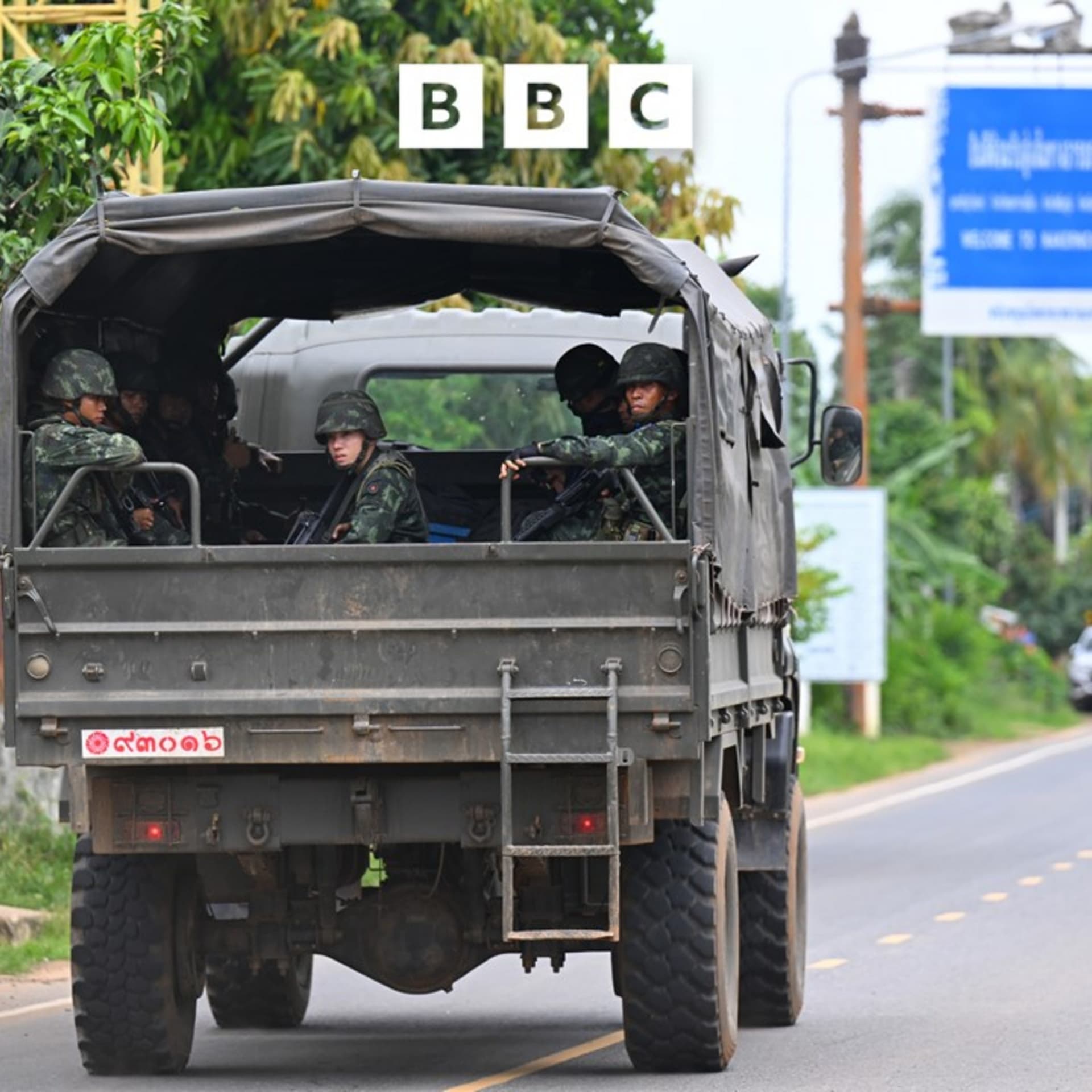
At the heart of this episode is the alarming escalation of a long-standing border dispute between Thailand and Cambodia. The conflict intensified dramatically, resulting in deadly military clashes that have claimed numerous lives.
-
Casualties and Military Actions:
- Thai officials report that at least 12 people have died due to the fighting ([00:44]).
- Thailand has responded by bombing Cambodian positions with fighter jets and has subsequently closed its entire border with Cambodia.
- In retaliation, Cambodian troops have launched rockets and artillery fire into Thai territory.
-
Statements from Authorities:
- A Thai Foreign Ministry spokesman asserted, “[…] our country would defend itself” ([00:44]).
- Nawal al Muguffi highlighted Thailand’s readiness to "intensify our self-defense measures” if Cambodia continues its aggression ([01:31]).
- Jonathan Head, BBC's correspondent in Thailand, provided a ground-level perspective:
“It's a very, very tense situation...” ([01:57]).
-
On-the-Ground Reporting:
- Jonathan Head describes the chaos near Phnom Dong Rak hospital:
“We’ve seen video of those rockets being fired...” and details devastating impacts such as a convenience store being destroyed with six fatalities ([02:00]).
- Jonathan Head describes the chaos near Phnom Dong Rak hospital:
-
Analysis of Escalation:
- The dispute, initially over small patches of forested land, has been exacerbated by a “war of words” between the two nations, making diplomatic resolution increasingly challenging ([02:30]).
- Head attributes the recent surge to political maneuvers, including former Cambodian leader Hun Sen leaking a private conversation with the Thai Prime Minister, undermining trust and fueling tensions ([03:28]).
3. Aviation and Tragedy
a. Russian Plane Crash Claims Around 50 Lives
Tragedy struck in eastern Russia when a plane carrying approximately 50 people crashed, with all onboard feared dead.
-
Crash Details:
- The aircraft, a nearly 50-year-old Soviet-era plane, was seen ablaze upon impact in a densely forested mountainous region ([05:08]).
- Rescue efforts are ongoing, with no survivors reported as the podcast was recorded ([05:08]).
-
Insights from Paul Moss:
- The plane had previously attempted and failed to land, leading to a second attempt where the crash occurred ([05:08]).
- TASS, the Russian news agency, reported that the aircraft had a history of technical issues, including overrunning the runway in 2018 and suffering malfunctions related to the generator and radio ([05:15]).
- Moss connects this incident to broader concerns about Russia's deteriorating aviation safety due to sanctions that prevent the acquisition of new aircraft and essential spare parts: “Russia can't buy spare parts for its aircraft... this is a worry for Russia” ([06:01]).
-
Statistical Context:
- In the past year, there have been over 200 incidents involving Russian planes, encompassing both crashes and emergency landings, underscoring the severity of the situation ([06:01]).
4. International Trade and Agreements
a. Historic U.K.-India Trade Deal Celebrated by Leaders
In a significant development for global economics, the United Kingdom and India have signed a multi-billion dollar trade agreement, hailed as a landmark achievement by both nations.
-
Statements from Leaders:
- Indian Prime Minister Narendra Modi declared the deal a “historic milestone” during the signing ceremony in the UK ([07:15]).
- British Prime Minister Keir Starmer echoed this sentiment:
“This is a historic day, a landmark moment for both of our countries” ([07:41]).
-
Benefits Highlighted:
- Starmer emphasized the deal’s potential to boost wages, raise living standards, and facilitate easier trade by cutting tariffs ([07:41]).
-
Expert Analysis by Rob Watson:
- Rob Watson, BBC's political correspondent, contextualizes the agreement’s impact:
“It's a big deal... it should increase trade between the two countries by several billion dollars a year” ([08:06]). - However, he also notes the deal's relative scale:
“It's estimated that this deal will increase Britain's GDP by 0.1% by 2040” ([08:06]). - Watson underscores the historical significance, marking one of the warmest periods in India-UK relations since 1947 ([09:07]).
- Rob Watson, BBC's political correspondent, contextualizes the agreement’s impact:
-
Negotiation Challenges:
- Delving into the complexities of the negotiations, Watson explains the hurdles posed by India’s historical protectionism and Britain’s focus on the EU, as well as concerns regarding immigration post-Brexit ([09:52]).
- Despite these challenges, the agreement signifies a mutual move towards free trade in a global environment increasingly characterized by protectionist trends ([09:52]).
5. Humanitarian Crisis
a. Escalating Violence in Haiti’s Capital, Port-au-Prince
Haiti faces an unprecedented humanitarian disaster as gangs seize control of 90% of Port-au-Prince, leading to widespread violence and societal collapse.
-
Crisis Overview:
- The police force is overwhelmed, and government authority has nearly collapsed, resulting in over 4,000 deaths in the past six months ([10:03]).
- US aid cuts have further exacerbated the situation, depriving vulnerable communities of essential resources like food and healthcare ([10:03]).
-
Personal Stories and On-the-Ground Reporting by Nawal al Muguffi:
- Nawal al Muguffi provides harrowing accounts from women's shelters, where victims of severe sexual violence recount their traumatic experiences:
- “They raped and beat me. Sometimes I think about ending it all” ([11:26]).
- Helene, a 19-year-old single mother:
“They made me do things and said they'd kill me if I didn't agree” ([13:10]).
- Al Muguffi highlights the gendered impact of the violence, noting that one in five victims of sexual violence is a child and that rape is used as a tool of terror and subjugation ([11:26], [12:00]).
- Nawal al Muguffi provides harrowing accounts from women's shelters, where victims of severe sexual violence recount their traumatic experiences:
-
Community Destruction:
- The devastation extends to neighborhoods like Delmas 30, where entire communities have been razed, and residents live in constant fear of further attacks ([13:22]).
- Vag, a gang leader, chillingly admits:
“When like this, you sit and talk to us. But if we're cornered, we'll come out swinging” ([15:04]).
-
Broader Implications:
- The pervasive violence has forced over a million people to flee their homes, with women and children bearing the brunt of the suffering ([10:03]).
- Al Muguffi emphasizes the urgent need for relief and peace, as locals grapple with the nightmare of constant violence ([15:10]).
6. U.S. Policy and Women's Health
a. Controversial Destruction of $10 Million Worth of Contraceptives
A contentious decision by the U.S. government to destroy nearly $10 million in contraception intended for global clinics has sparked significant debate and opposition.
-
Government Action:
- The U.S. Agency for International Development (USAID), dismantled post-Donald Trump's reelection, is destroying the contraceptives stored in Belgium that were earmarked for countries with limited access to family planning ([16:00]).
- Official rationale cites inability to sell the products due to U.S. regulations prohibiting aid to organizations providing abortion services, alongside claims that most supplies have less than 70% shelf life remaining ([16:00]).
-
Senator Jeanne Shaheen's Response:
- Senator Jeanne Shaheen vehemently opposes the decision, asserting that the contraceptives are critical for women’s health and family planning worldwide: “These are family planning supplies. They have nothing to do with abortion” ([19:49]).
- Shaheen challenges the administration’s justification, revealing that her staff found contraceptives with expiration dates as far out as 2031:
“There is no reasonable explanation... to the reason the United States is burning up over $10 million” ([18:43]). - She has introduced legislation aimed at preventing the destruction and is actively engaging with NGOs and other governments to overturn the decision ([20:14]).
-
Impact of the Destruction:
- The destroyed contraceptives could have benefited over 47 million women and couples annually, preventing 8.1 million unintended pregnancies, 5.2 million unsafe abortions, and 34,000 maternal deaths ([17:15]).
- Shaheen criticizes the move as both contrary to U.S. values and inherently wasteful, labeling it as a manifestation of the administration’s purported fight against waste, fraud, and abuse ([17:15], [21:17]).
7. Global Trade Relations
a. EU-China Trade Tensions Amid U.S. Tariff Pressures
Trade relations between the European Union (EU) and China remain strained, particularly in the context of U.S. tariff strategies under the Trump administration.
-
EU Concerns:
- At a summit in Beijing, Ursula von der Leyen, President of the European Commission, expressed EU apprehensions about Chinese trade practices, including the influx of cheap, subsidized goods potentially flooding European markets ([22:04]).
- The EU also voiced concerns over China's implicit support for Russia in its war against Ukraine ([22:04]).
-
China-EU Summit Dynamics:
- The summit, intended to celebrate 50 years of China-EU diplomatic ties, was shortened to a single day at Beijing’s request, reflecting underlying tensions ([22:04]).
- Stephen McDonnell, BBC’s correspondent in Beijing, notes that both China and the EU are preoccupied with negotiating their respective deals with the U.S., hindering substantial progress between them ([22:04]).
-
Underlying Issues:
- Access to Rare Earths: Europe seeks better access to China’s rare earth minerals, essential for various industries ([22:04]).
- Electric Vehicle Sales: China aims to increase its electric car exports to Europe without incurring additional tariffs ([22:04]).
-
China’s Strategic Positioning:
- According to McDonnell, President Xi Jinping emphasized the importance of multilateralism and open cooperation, signaling an attempt to position China as an alternative ally to both the EU and the U.S.: “We can set up a different relationship than one we both have with the US” ([22:04]).
-
Prospects for Future Cooperation:
- Despite positive rhetoric from China, tangible breakthroughs in trade negotiations remain elusive, as both parties prioritize their negotiations with the U.S. ([22:04], [23:30]).
8. Sports and Gender Equality
a. The Rise of Women's Football in the Netherlands
Women's football is gaining momentum in the Netherlands, with new initiatives aimed at fostering investment and increasing visibility to rival the success of men's leagues.
-
Emerging Institutions:
- Balany, a pop-up bar in Rotterdam named after the Netherlands' first female international goal-scorer, serves as a hub for women's sport enthusiasts:
“It's named after the first woman to score an international goal for the Netherlands” ([24:00]). - The founders of Heera United, a new women’s-only top-flight football club, are preparing for their inaugural season by partnering with Telstar to take over their women’s setup ([25:08]).
- Balany, a pop-up bar in Rotterdam named after the Netherlands' first female international goal-scorer, serves as a hub for women's sport enthusiasts:
-
Challenges and Strategies:
- Keir Starmer, BBC's correspondent, underscores the financial hurdles faced by women’s teams, highlighting the need for individual sponsors and media rights to secure sustainable revenue: “Where does the money come from? Is it individual sponsors that you have to go around...” ([26:06]).
- Heera United's founders stress the importance of challenging the status quo and creating a movement to inspire young girls and build a robust business model around women's football ([25:08], [25:19]).
-
Future Aspirations:
- Ambitious plans for Heera United include competing in the Women’s European Champions League, envisioning packed stadiums and increased support: “Maybe one day... will be packed out with fans watching Heera United” ([27:17]).
-
Broader Impact:
- The rise of women’s football is seen as a catalyst for gender equality in sports, challenging traditional biases and opening avenues for female athletes to gain recognition and financial stability ([25:16], [25:21]).
9. Health and Lifestyle
a. Revised Health Guidelines Suggest 7,000 Steps a Day Suffice
A recent global study published in The Lancet challenges the long-held belief that 10,000 steps a day are necessary for optimal health, suggesting that 7,000 steps can confer similar benefits.
-
Study Findings:
- Analyzing data from 160,000 adults worldwide, researchers found that:
- 7,000 steps per day significantly reduce the risk of heart disease, dementia, depression, cancer, and falls ([24:00]).
- Even 4,000 steps daily were associated with better health outcomes compared to very low activity levels of 2,000 steps ([24:00]).
- Health benefits tend to plateau beyond 7,000 steps, with additional steps offering only marginal advantages for heart health ([24:00]).
- Analyzing data from 160,000 adults worldwide, researchers found that:
-
Expert Commentary by Philippa Roxby:
- Philippa Roxby, BBC’s health reporter, emphasizes the practicality of these findings: “Encouraging people to track their steps is a practical way to improve their health” ([27:45]).
- The study suggests incorporating step count targets into official exercise guidelines could be beneficial for public health initiatives ([27:45]).
-
Implications for Public Health:
- The revised step count recommendations could make daily activity goals more attainable for individuals struggling to reach the 10,000-step benchmark, potentially enhancing overall public health outcomes ([27:45]).
-
Closing Remarks:
- Roxby concludes with an encouraging note for listeners:
“If you've been listening to this podcast while walking, we hope this has put an extra spring in your step” ([27:45]).
- Roxby concludes with an encouraging note for listeners:
10. Conclusion
Janak Jalil wraps up the episode by acknowledging the breadth of topics covered, from geopolitical tensions and humanitarian disasters to groundbreaking trade deals and advancements in women's sports. The episode underscores the interconnectedness of global events and their profound impact on societies worldwide.
Listeners are invited to engage with the podcast team via email at globalpodcast@bbc.co.uk and to stay tuned for future episodes that continue to deliver crucial global updates and analyses.
Produced by Ariane Kochi and David Lewis. Edited by Karen Martin. Mixed by Jonathan Greer.
