← Gloss Angeles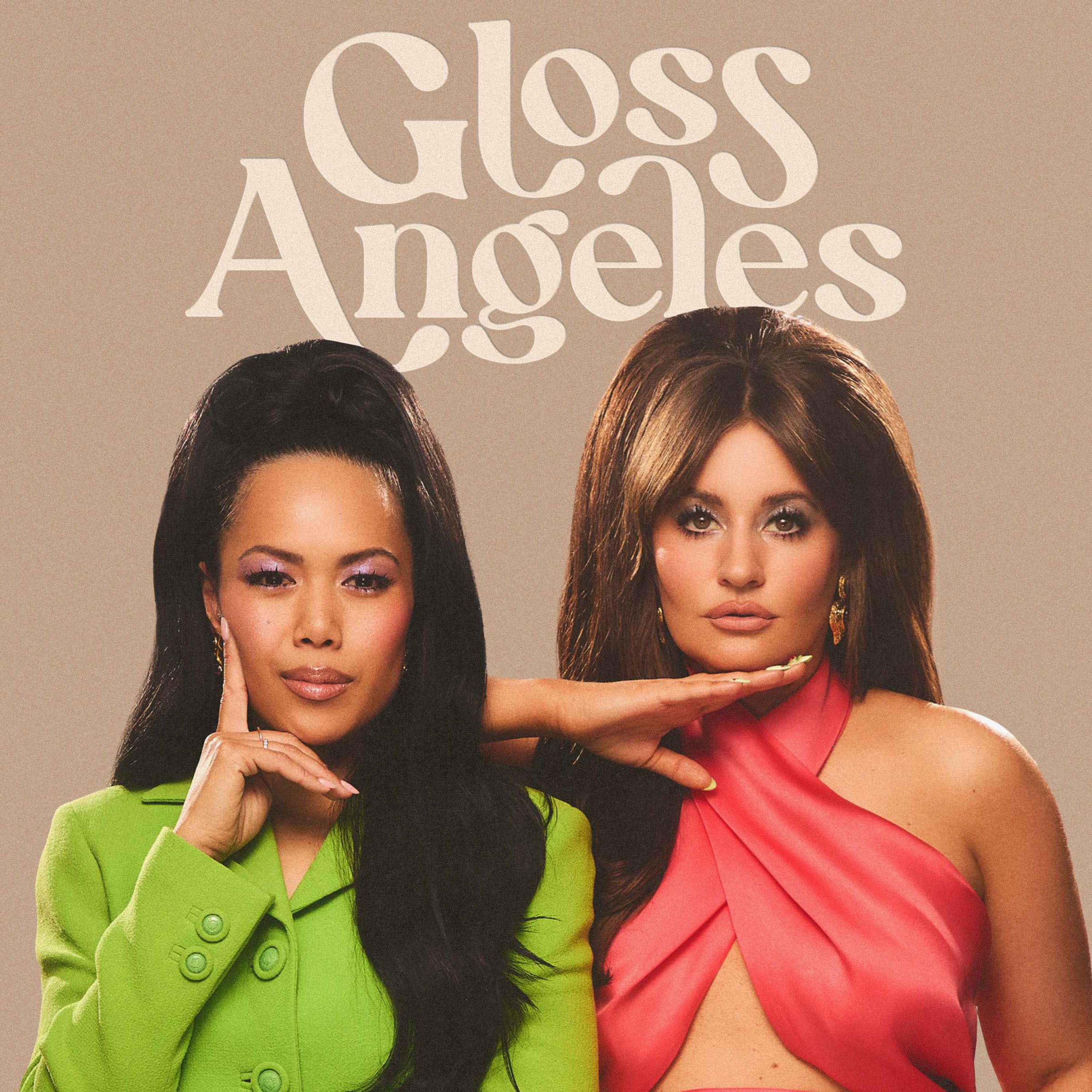
Gloss Angeles
From Girlfriends to Global Icon: The Beautyblender Story, As Told To Us By Founder Rea Ann Silva Herself
00:58:44
Loading summary
Transcript230 lines
- [00:01]
Capital One Representative
If you love to travel, Capital One has a rewards credit card that's perfect for you. With the Capital One Venture X card, you earn unlimited double miles on everything you buy. Plus you get premium benefits at a collection of luxury hotels when you book on Capital One Travel. And with Venture X, you get access to over 1,000 airport lounges worldwide. Open up a world of travel possibilities with a Capital One Venture X card. What's in your wallet?
- [00:27]
Brianne
Terms apply. Lounge access is subject to change. See capitalone.com for details. G L A M Los Angeles.
- [00:38]
Kirby
Hi, Kirby.
- [00:39]
Sarah
Hi, Sarah. Welcome to Los Angeles. Brianne, we are so excited to have you. This has been a long time coming legend. So such huge fans of yours have been for many, many, many, many, many years. I can't believe you haven't been in this chair before, but we are so grateful that you made your way here because we have a lot of fun questions to ask you. And I think that our listeners are going to learn so much more about not only beautyblender, but you. And that's our goal.
- [01:15]
Brianne
That's awesome. Well, I can tell you I am so honored to be here. I have followed both of you, and you girls are doing an amazing job in our industry. Just getting all of info out there in a really fun way, you know. So congratulations. I'm honored to be here. Thank you.
- [01:31]
Kirby
We try. We try. We know, obviously that you have a beauty blender in your kit. So does everyone. Literally everyone.
- [01:38]
Brianne
Literally.
- [01:39]
Sarah
I have one in my actual bag right now.
- [01:40]
Kirby
Daniel Martin was on our podcast and was like a sponge. And we know he's talking about a beauty blender. Oh, my God. But we want to know the five products that are always in your kit.
- [01:50]
Brianne
Okay. My kit personally or being a pro?
- [01:53]
Kirby
That's a good question.
- [01:54]
Sarah
I think. Being a pro.
- [01:55]
Brianne
Being a pro. Oh, my God. Okay. So obviously a beauty blender, I would say. I mean, we can't live without concealer. Right. No matter how light or transformative your goal is or your direction is for that job, you still always need concealer. I would say.
- [02:15]
Kirby
Is there a specific concealer that you like?
- [02:17]
Brianne
Well, I really listen. I am. I am a lover of all things. I appreciate the different values that different creators have in mind when they're creating formulas for a specific kind of consumer. So I use different things for different reasons. Right. But I will say my go tos for concealer are Armani tarte or nars.
- [02:38]
Sarah
Okay.
- [02:39]
Brianne
Wow.
- [02:39]
Sarah
Okay. Tarte. Interesting.
- [02:41]
Brianne
Shape Tape. Shape tape. Wow.
- [02:43]
Sarah
Okay. Yeah, I love that. That's a good. I'm Guessing luminous silk for Armani.
- [02:48]
Brianne
Absolutely.
- [02:49]
Sarah
I got it on today.
- [02:50]
Brianne
I mean, the luminous silk franchise was the franchi, basically, that I used the most when I was creating beauty blender. It's just, you know, it's the perfect formula.
- [03:01]
Sarah
Why do you think that? Like, why do you think it is the perfect formula?
- [03:05]
Brianne
Because. Okay, we're gonna get deep into. Into the goop, right? Because of the viscosity of the product, meaning the way that you can blend it and spread it with the thinness of that viscosity, the coverage that you get, the opaqueness and the coverage that you get that you can either build or blend out the finish. The finish is amazing. It. It's not too matte. It's not too radiant. It absorbs light but still reflects light. I would also say that the shade range works. And because of the viscosity and finish and texture of the actual formula, it's very easy to blend and mix because, you know, makeup artists rarely use things straight.
- [03:44]
Kirby
Right.
- [03:44]
Brianne
Okay.
- [03:45]
Sarah
I was gonna say, when you mentioned nars, you're probably talking about the radiant creamy concealer. Is that right?
- [03:52]
Brianne
Yes, I am.
- [03:53]
Sarah
Do you like the soft matte in the pots?
- [03:56]
Brianne
Oh, I have used those. Honestly, I don't know if it's the application technique that I like with the doe foot. However, when you work on multiple people, you can't share the doe foot. So you're always kind of, you know, squishing the makeup off the doe foot onto a palette or something. But there's just something about, I think, the workability or the blendability of the doe foot. Radiant. What did you call radiant?
- [04:25]
Sarah
Radiant cream.
- [04:26]
Kirby
I mean, it's definitely creamier than the.
- [04:27]
Brianne
One I do like. I do like the pot, but again, I don't dip into the pot too. So I take a spatula, I squeeze a little bit out, put it on my. And I will say that there are different formulas that do different things. Right. So the one in the pot I would use almost as a base first, and then I would brighten with the creamy one. I always like a little. I like a little pop of brightness.
- [04:50]
Sarah
I've been using pot.
- [04:52]
Brianne
Yeah. Did you just get it recently?
- [04:54]
Kirby
Because I feel like they're, like, re. Promoting.
- [04:57]
Sarah
Well, I've had it. Because they last forever. You don't need a lot. And it was a total game changer for me when I learned that you don't need a lot. You don't need to jam your brush in there and swipe it under the eye. It's literally, I take my long nail that's why it's always dirty over here. And I just take a tiny little scratch, I put it on my hand, I work it on my finger, and then I pat it, like, right here on my under eye and on my melasma. And I feel like it's been a total game changer for my makeup routine.
- [05:26]
Brianne
Yeah, it's more opaque. You know, there's more transformative coverage. There's more corrective characteristic to that type of formula because it's not as creamy. It doesn't. Creamy formulations, for the most part, will always blend out thinner because they just move. Right. And then eventually they have, like, a setting time. But yeah, I mean, that's why I use both. Like, if I'm really, truly doing corrective makeup, I will do the corrective makeup with the pot version first and then warm it up, get the blend that I want, and then after I'm done doing foundation and all my other complexion, like, it's almost one of the finishing touches. You go back in and brighten areas. Yeah, the high points and the places where you need to brighten. Yeah, yeah.
- [06:08]
Sarah
Amazing.
- [06:08]
Kirby
Okay, so beauty blender, concealer. We've got three more.
- [06:12]
Brianne
Okay. Beauty blender, for sure. Concealer. A thousand times. You know, I can't really work a good lip when it's dry, so I like to use a nice lip gloss or moisturizer. And I love polite society. They just came out with some really nice, light, glossy kind of lip balms. But, you know, everybody who doesn't love a summer Friday, you know, I love both of them. So something like that. First, I blot it down, because dry lips, like putting. Trying to shape and correct and reline on a dry lip is just really hard. You need your pencils to glide. You need everything to feel juicy and nice. Even if you're trying to get a matte effect, you don't want the lip to look dehydrated. So I like to plump it up first and do all of the shaping kind of things that you do when you. Whatever it is you're trying to achieve. And then I use my lip color on top. A really beautiful finishing powder is really essential, too, to kind of just. It's like the ribbon on the present. Right. It just brings it all together and wraps it all up. So I would say I really love. Can I say I love mine?
- [07:24]
Sarah
Yeah, of course.
- [07:26]
Brianne
I really love my beauty blender powder. It's gemstone powder. It's crushed with gemstones. It's very finely milled, and it has a reflective quality. To it. Like, if you're looking for a dead matte, something to flatten, it's not the powder for you. But if you're trying to finish your face and you just want a natural, beautiful look, you need a finishing powder like this. I'm not the only one that makes them. But, you know, something that doesn't just leave your face looking, like, flat, dead and flat. Yeah, yeah.
- [07:55]
Kirby
Okay.
- [07:55]
Brianne
Wait, is that five girls? That's four. That's four. Oh, my God. I can't do without my benefit brow. Which.
- [08:02]
Sarah
Okay. Which product?
- [08:04]
Brianne
Okay, so precisely. I. Is that the double ended one?
- [08:07]
Kirby
Yes, I think so. It is, right?
- [08:09]
Brianne
I'm sorry. I'm so, like, I. They have so many and I have so many period. Like, I love Anastasia too, but I.
- [08:15]
Kirby
Really love precisely the double ended.
- [08:17]
Brianne
Yeah, I like the double ended one. The thin pencil. The pencil is creamy enough that you can get swipes and make hair strands, or you can fill in. And then the spoolie on the other side is really soft enough where it really blends all your mistakes together and, like, you know, looks. It just looks really good. I love that with a nice brow gel, too. I do like the Anastasia brow gel.
- [08:40]
Sarah
Me too.
- [08:41]
Brianne
We love with the wand. I don't use the freeze.
- [08:44]
Sarah
Oh, you don't use the frizz?
- [08:45]
Brianne
I don't use the frizz.
- [08:46]
Sarah
I like the wand too.
- [08:46]
Kirby
I do too.
- [08:47]
Brianne
I like the wand.
- [08:48]
Sarah
It takes a little bit of, like, kind of maneuvering too, because it kind of has that viscosity you were mentioning earlier. So I have to, like, kind of wipe it a little bit. I wish their wiper was a little better. That's like. I think the one thing, just for my personal opinion, I think that.
- [09:01]
Brianne
I think based on what you just said, it's all about the wiper not being the way it feels comfortable for you, but the product itself, what I like about it is that it's soft. You know, some of the brow freezes really get really stiff and hard. This one is soft and it's clear and you're able to still get definition, but you don't feel like you have, like, you know, stuff on your brows.
- [09:24]
Kirby
Totally.
- [09:24]
Brianne
But as a makeup artist working on somebody else, I also like it because a lot of times, what, you know, depending again, on the job and what you're trying to accomplish with the look that you're given or creating, a lot of times I think the best makeups are the makeups that just enhance what's already there or enhance a feature that you want to Use to distract from something else maybe. And when you have these products that just look natural to me, they're kind of more beautiful.
- [09:54]
Sarah
Okay, can I mention one of your products? And I actually don't know.
- [09:58]
Brianne
Please do.
- [10:00]
Sarah
I don't know if you still make these, but when you launched your tools, your brushes.
- [10:04]
Brianne
Oh, the detailers.
- [10:05]
Sarah
Yeah, the detailers.
- [10:07]
Brianne
I still have them and I am love them.
- [10:10]
Sarah
Yeah, the eyebrow.
- [10:11]
Brianne
They're so luxurious. Oh, my God. The three play. I think I got like. Is it called the Player? We used to call it. I had, I had different names for them. I think I'm right. I've been called the Player. I got a couple awards. I got best of beauty award for that and something else. It's an amazing brush.
- [10:24]
Sarah
It's so incredible.
- [10:25]
Brianne
I do okay. Yeah, yeah. I still do make it. You can buy it at beautyblender.com, you can buy it on Amazon. I don't sell it in Sephora or Ulta. I just sell it in my own shops. But it's amazing. It's amazing. It is. And it's dual ended too. You have your stiff slanted brush so that you can make very sharp lines with whatever eyebrow product you want to use to fill in or create, thicken, shape your eyebrows. And then on the other side you have half spoolie, half soft silicone comb. Because I don't know if you have ever done this, but I've done it to clients and I've done it to myself. I've used those little needle combs that you get to separate your mascara and stab somebody accidentally. It's not a good look for a makeup artist to stab a client. And it hurts when you stab yourself. So I was like, with my team, I was like, you know, I want to create an eyelash comb that separates that's stiff enough to get through the mascara, but won't stab you in the eye. Yeah, I love.
- [11:24]
Sarah
That's my favorite end of that brush. I use it all the time. It is so good. Okay, so let's go back.
- [11:33]
Brianne
Thank you for that. Because people don't answer enough or mention enough about my detailers. And did you know, I don't mean to cut you off, but did you know that I picked those five specific brushes because they do everything a beauty blender does not do. So when you use a beauty blender with those five brushes, you have a complete makeup toolkit. And I put the Gua Sha tool, the beauty of the Gua Sha tool. Because one of the things I would always do in the Mornings, early, calls. You know, on set, your actors have worked long days. Maybe the day before. Maybe they're just not used to waking up that early. Maybe they were out with their friends or whatever. But you come in, you're asleep, you're tired, you're puffy. You know, I always try to get everybody comfortable in the morning. Cause it can be an uncomfortable situation. And so you get people comfortable, you make them feel relaxed. And a lot of times, I would give them, you know, a nice facial massage before we get going to kind of deep poof. Move the fluids around, get the blood flowing, get their brains going. You know, the whole thing.
- [12:33]
Sarah
I love it.
- [12:33]
Brianne
Yeah.
- [12:34]
Sarah
So let's go back to the beginning. You worked on Girlfriends. You. You were on the set of California Love.
- [12:41]
Brianne
I was the department head. I created all the looks. That is, like, great. Me and Philip Atwell. Yeah.
- [12:47]
Sarah
That is absolutely incredible.
- [12:48]
Kirby
Again, an icon.
- [12:50]
Sarah
Truly. Just one of my favorite things about you.
- [12:52]
Brianne
Thank you.
- [12:53]
Sarah
Like, such a fun fact.
- [12:54]
Brianne
We were out in the middle of the desert, out in the middle of nowhere, and Tupac was flown in from prison. We had this, like, big circular, like, campsite for him to, like, land and come in and go, like, straight to set.
- [13:06]
Kirby
Like, what was he like?
- [13:07]
Brianne
He was amazing. Oh, my God. He was. He was the. He had the. He had a smile that. That would just light up the room. He was always so sweet to me. It wasn't the only time I worked with him, but he was amazing. He was awesome. And his voice, his talking, his speaking voice, his rapping voice, everything. But, you know, he was a little bad boy.
- [13:23]
Sarah
What about Dre?
- [13:24]
Brianne
Of course Dre. Dre is funny. He's a little. He's awesome. But he's a little bit, kind of. At least at the time. And I worked with him a few times, too. Pretty introverted. It's when they step out and be their Persona.
- [13:39]
Kirby
Totally.
- [13:40]
Brianne
Yeah, yeah, yeah. They're great. They were awesome. Those were, like, really, really fun, amazing times. And although I did so many music videos, like, so, so many, that's where I got my start. You kind of knew there were certain moments in time. Like, you knew that was gonna be a classic, that was gonna be iconic, that was gonna be historic. And, yeah, that was awesome.
- [13:58]
Sarah
What was another moment in time for you in terms of being a department head or working on a specific project?
- [14:04]
Brianne
Oh, my God. I had so many. I had so, so many. I mean, I have some that I can't talk about now because we're in a space and time where this person isn but, yeah, but I. And, you know, I mean, I just feel really, really honored that I was in the Brandy era, because she was one of. She was the first black Barbie. Yep. And I was there for the whole making of black Barbie. You know, they. They come in, Mattel comes in and talks to you about, like, what would our Barbie doll look like wearing makeup? And so you design the makeup, you do all these things. And then, of course, she was black Cinderella, and then she was the COVID girl. I mean, she did so many working on Moesha as her personal makeup artist. When I met Mara Brock Akil, she was the one that created Girlfriends. So that's really, like, where I got onto Girlfriends was from her. And that was the beginning of beautyblender. But just so many. I mean, I worked with Whitney. I was so lucky in my career. Like, I. Whitney Houston. Yeah, yeah, Whitney. We just need to point that out.
- [15:11]
Sarah
Whitney Houston.
- [15:12]
Brianne
Whitney, Tony. I created Eve and the Rough Riders and then her TV show and did all of Eve's stuff, like, you know, for many years. I just feel very blessed and very fortunate that I was able to do all these different artists that went into, you know, being what they call a 360 artist, which now everybody is. But before, people were very, very kind of pigeonholed into a certain category of art that they did. If you were a rapper or if you were a pop star, you wouldn't necessarily be an actor.
- [15:45]
Sarah
Nydre Lane.
- [15:46]
Brianne
You had your Lane. That's the word I'm looking for. Yeah, so I did so many. I mean, I gotta show you guys, I got a ton of Polaroids I'm gonna show you guys.
- [15:53]
Kirby
Oh, my gosh.
- [15:53]
Sarah
Oh, my gosh. I can't wait to see those.
- [15:54]
Kirby
So I will say too, like, during that time, you know, we hear a lot about, like, there are a lot of makeup artists that didn't know how to do makeup on, you know, black women. But what I'm hearing is you're like the girl or one of them, you know. So, like, what was that like? Like to work on some of these, the most beautiful, iconic, like, black artists during that time.
- [16:15]
Sarah
Do you remember the makeup you were using on them too? Like, foundation wise?
- [16:18]
Brianne
Absolutely. Yeah. So let me answer the first question because I think that's a really important question for people to understand that, you know, and especially in entertainment. Right. There were not skilled, let's say. I don't want to say skilled. That's the wrong word. I want to say there weren't people that were specifically experts in people's makeup. Of color. Right. So that's what I became known for. I'm Latina, I am not black, but my, my kids are black. But I, I became very, a very good mixologist. Right. So because you had to be back then, you had to be. They didn't have products. I mean, cosmetic lines had seven shades or 12 shades. And they're always. And now that I'm a founder and I understand the behind the scenes business, you, you create the most productive products. You don't create the ones that you're going to have to destroy or discount or sell. So I understand it now, but it is very difficult for women and men of color that wanted to use makeup because there just wasn't anything that you could just buy off the shelf and use straight. I mean, for some people, yes, there might be shades that worked for them, but for the most part not. And in our union, and I really don't know why, I just think it's the times. There just. There weren't that many powerful people of color demanding to have their people on set. And as time evolved, we became more and more visible and we were able to be able to say, no, I will only do this job if you bring my artist with me, because I don't want to have to teach someone new how to create my shade of makeup or do my hair. I mean, it was a real thing. We've come a long way and there's a lot more talent in the groups now. But before, it was very challenging. Yeah.
- [18:10]
Sarah
So do you remember what foundations, what products you were using at the time?
- [18:14]
Brianne
Oh, my God. Well, okay, so I used a lot of Mac because Mac had the most diverse shade range at the time. I know. Even when I launched foundation, it was very popular, you know, to do forty shades. You had to do forty shades to be inclusive. Right. I mean, and like, that was a new concept. It wasn't a new concept. There were companies like Mac, like Estee Lauder and different, different companies that always had shade range, but we were able to celebrate it at a specific point in time. And really, I do credit Rihanna for that, for Fenty, because she really was able to bring attention to shade range unfairness in the cosmetic industry and really did something about it in a very marketable way. So. Yeah, so Mac, Mac for sure.
- [19:00]
Kirby
But you were just like mixing things up, looking at too.
- [19:04]
Brianne
Yeah, 100%. I loved Armani. And even though, you know, I don't know at what point Pat started doing the consulting for Armani because she, she went in and did a lot of the shade consulting and others. I'm not really sure exactly all the consulting she did, but I know she was involved. Their shade range did improve, but originally it was, you know, geared towards more light and medium skin tones.
- [19:25]
Sarah
It was like alabaster and, you know.
- [19:28]
Brianne
Yeah.
- [19:28]
Sarah
Snow and.
- [19:29]
Brianne
But, hey, that's a great mix in color. Yeah, that's a great. You know, if you know about color theory, give me alabaster all day long and give me, you know, a Sienna.
- [19:39]
Sarah
Yes, yes.
- [19:39]
Kirby
Oh, am.
- [19:40]
Sarah
So you mentioned just a few minutes ago that beautyblender was born once you hit Girlfriends. Can you tell us that story?
- [19:48]
Brianne
Yeah. So after leaving Moesha, Mara created Girlfriends, which was, as we all know and love now, four beautiful, you know, different shade range of beautiful African American women with different walks of life. But for her, it was really important that they seem modern. And, you know, she was very visionary and is very visionary, and also with her experience of being a writer on different TV shows, she would understand, I think, the limitations or the challenges that women of color had on set with makeup. And I think a couple things happened at the same time. So that acknowledgement of needing to find someone in the community that understands the challenges was important. But the other thing that was happening at the time was technology. So technology was ramping up fast and furious. We had all started using digital cameras. You know, the digital world, High def, like, all these terms, right, Were floating around, and we're like, what? What? You know, in entertainment, we shoot film, and you light a set for what you're doing, and the film, you know, reacts differently than the digital world. So when Girlfriends came about, it was a little bit of. Well, it was really revolutionary. It was the first show, I think, being shot in high def, like, the first network show that it was like an experiment because no network would take this chance. Right.
- [21:18]
Kirby
What year was this?
- [21:19]
Brianne
Oh, girl. Oh, girl. I don't know. Like, it was probably. Let me see. I mark everything by my son's age. He's 25. It was probably 25 years ago.
- [21:28]
Kirby
Okay.
- [21:29]
Brianne
Yeah.
- [21:29]
Sarah
Okay.
- [21:29]
Brianne
Okay. It was about that time. So it was. It was also. It was being shot in high definition, but it was also being broadcast out digitally, too. So 2000. So everything looked different. Not just the makeup. If you look at colors and textures and just every. Everything looked different. But in my world, for makeup, what they were telling me, and I believe to be true, is that we need somebody that can really get the skin tone, the shade range, right? Because you see the difference in makeup. It's really important. We don't Want them to look like they're wearing a ton of makeup. We want them to look, you know, like themselves. So the problem in filmmaking is that they're very long days, right? And there's a lot of breaks and there's a lot of touch up. And so over the course of the day, you can start off, let's say, with level one makeup, everything being perfect, but by the end of the day, you might have level 10 makeup, because you just keep adding and you keep touching up and you keep adding powder for shine. You're trying to cut a shiny spot here, there. You need to redo a lip. The lip gets a little bigger. Like, things just start changing. So there's something called continuity that you look at. So you take pictures in the morning, and you just try to stay as close to those images throughout the day. What was happening was the makeup was doing exactly that. It was kind of just getting heavier and heavier during the day. So she called me in because I kind of had. I had this really kind of unique talent to airbrush beauty makeup onto people in editorial. Now, airbrushing at the time was not new, but it was mainly used in special effects. So there weren't makeups that you could just automatically blow through an air compressor. It needs to be a certain weight of makeup, a certain thinness. So I knew how to break these. And at the time, the makeups were very kind of luxurious and creamy and thick. They would never blow through. So I had to break them down and turn them into, like, water. I knew how to do that. And so Mara said, can you come try this? Because I feel like the makeups look really heavy, and I just need them. I need them to look good. And I will tell you something. Tracee Ellis Ross is like a beauty queen because she is the one. She knew, like, every level of her makeup. Like, she was like, nope, too heavy. No, we gotta. Gotta do this, you know, so. And they were very close. And it really set the bar for how all the other girls needed to kind of look right. Not necessarily. They were all individual, and they all had their own different. I could tell you, each one of them had their own different thing. But at the end of the day, they all needed to look like they belonged in the same era, in the same timeline of the world, Right? So I had that talent to airbrush makeup. So they called me in because they said, we think with high definition, this is the way to apply makeup, because you're gonna get the coverage and the transformation you need, but it's not gonna look Heavy. And in theory, they were right, but they weren't taking into account a couple things. And that one of them is that with an airbrusher, you need electricity. So it's not an on set touch up. Like when they say cut and all the people run into set and do the touch ups, you have to then take the artist off the set and go somewhere with electricity. So that wasn't gonna work. The other thing was that, again, you. You didn't want to be piling on makeup throughout the day, so you needed something that could be quick and effective and keep that airbrush look throughout the day. So honestly, the way I started Girlfriends was airbrushing in the morning and using my beauty blender tool that was edgeless and blended everything together. Because even though I was reapplying and adding makeup, as long as I could, like, bounce that edgeless kind of damp, very fine kind of material, it would kind of just mush all the makeup and it would stay covered. The coverage would be there, the color would be there. There would be no line of demarcation. There would be no level increase of makeup. It would just look the same, but you were correcting it. So it was kind of like magic. But then I started realizing, like, why am I even airbrushing in the morning? This little thing works so good. So I ended up. We ended up packing our airbrushers up. Cause I hired a crew of people that could airbrush with me and just started using beauty blender. I mean, our cut sponges.
- [25:50]
Kirby
So did you have, like a prototype with you or, like, what were you using?
- [25:54]
Brianne
So here's the thing. I don't know if you guys have ever been on set and you see the wedges, the white wedges, and you'll see sometimes the makeup artists will cut the sharp edge off. They bevel the edge. Because when you go into close ups, depending on how you use it, if you drag the sponge, it's gonna create a line of demarcation. So to reduce the chance of that happening, you cut the sharp edge off, right? You start to bevel it. I took this class. In our union, we have ongoing education by these makeup artists that have won Academy Awards or whatever, and they come back and they share their secrets with you. Now, that's called the Internet. But it used to be, you know, it used to be, like, in our union, and we still do it in the union. I'm still a proud member of 706, and we still have these kind of craft meetings and where you learn things. But I remember going to One. And I was listening to this, like, prolific makeup artist. Her name is Kelsey Fry, and she did, like, GI Jane or something like that. And she was working with Demi Moore, and there were really super tight shots with all kinds of, like, different. Like, Demi, as her character had been through all kinds of stuff. It was a very emotional scene, and she had, like, all this stuff all over her face. And those are really hard scenes because this content, you have to match. Like, if you stop, cut, next day, pick it up, like, everything has to match, right? She said, this is how I did it. And she was telling us about wetting these sponges and cutting them in different shapes to make these shapes and everything. And I was like, there's something about this that I'm gonna take back to Paramount. We were shooting on Paramount, and I'm gonna try this and just see if this helps me with my team, because we stopped using the airbrushes. But there's also every artist, and I'm sure every artist that you ladies interview all has a different touch, meaning their hands have a different pressure, which applies the makeup differently. They're either heavy handed or they're light handed, or they have a different idea about what beauty is. Slightly. Even though we try to stay in line, it's just like, I can look and say, oh, you need to put more blush on. And they'll be like, that's beautiful. Like, everybody has a different thing, right? So I remember, like, saying, okay, so if I could get everybody, like, we did the airbrush to use this, maybe the same tool and the same technique, maybe we can all have the same finish. And it just was. Something about that just resonated with me. So I just started cutting the sponges into little round shapes. I did balls, I did barbells. I did all different kind. I did a half triangle. Kind of like what some of my fans have done now, but, like, making, like, a sharp edge with the round bottom. Like, all. All of the different shapes I already tried to make, but the most perfect shape is the egg.
- [28:36]
Sarah
Yeah.
- [28:36]
Brianne
I think the ova is the beginning of life, isn't it? It's like the beginning of everything. It's like, it's. You know, there's no more real perfect shape. If I was to ever do a different shape, it would just be for a specific type of application, but for overall makeup, application perfection. When you bounce that sponge on your face, you can get a straight line. If you wanna blend, you can blend, you can roll, you can dab, you can do all the things. So it became like the tool that democratized all of my makeups in the trailer. So we just started cutting em. We would just sit. You know, you spend all morning getting everybody ready, then you sit on the side of set while they're working. So we would just be cutting. Cutting little eggs for the next day.
- [29:20]
Kirby
Cutting little sponges.
- [29:21]
Brianne
Oh, my God. For the next day.
- [29:22]
Kirby
That's crazy.
- [29:23]
Brianne
It actually was a great way to let time pass.
- [29:26]
Sarah
Yeah. Kept you busy.
- [29:27]
Brianne
Yeah.
- [29:28]
Kirby
Okay, so then what was the next step when you were like, wait, I think I can make this my own.
- [29:33]
Sarah
Because those sponges are not the same material as beauty blender.
- [29:36]
Brianne
No. Okay, we can get into that. That's true. And totally a different subject. But to answer the first question, like, what was next? What I started realizing also is that. And again, you know, I'm telling you just about my film and television career. I'm not talking about, like, what happened in editorial or, like, I was a very different artist. I did all the, like. Again, like, makeup artists were very made to stay in their lane. If you did editorial, you didn't do TV or you didn't know how to do tv. If you did movies, you didn't do editorial. If you did music video, you were at the bottom of the bunch. Like, they were like, they hated you. They thought you couldn't do anything. So what I did was, I remember on all of these different types of jobs, I would be using these single wedges and throwing them away. And at the end of the night, I have to clean up, right, and get ready to wrap up and go. And I would just notice in the trash cans just how much of this material we just use one time, throw away, waste it. And it's not material that just, you know, goes away in a couple years. This is really hardy material. And it started to dawn on me, the question of, like, why is it that we can use our makeup brushes over and over again and clean them, and somehow that's acceptable? Why can't we clean a sponge? Why is it that we feel that there's something about the sponge that makes it impossible to clean? And so I started thinking and looking about it, and at the time, most brushes were still made from natural hair. Either animal. Well, it was all animal hair. I was gonna say animal. It's not human hair. It was animal hair. But all natural hairs had pores, you know, so it's kind of like the same thing with the sponge. The real issue is that a brush is very technically hard to make, and you can't just throw it away and get A new one. Right. So, okay, we have to find a way to reuse it, but with the sponge. Very smart marketers in the sponge material department before me, they said, this is a great replenishment program. I can just use it one time, throw it away, buy it again. Great business, right? Not great for the environment. And that's what really struck me is like, okay, for a normal consumer to use a couple wedges, let's say, just call it. They're not going to throw it right away. They're going to use it over and over again. Unlike me, I have to hygienically, by law, I can't use it again. Right. I wanted to create a way to keep the sponge clean. So that's when I created blender cleansers. So to answer your question, a very long winded way, the next thing was to create the cleanser that kept it clean, that kept it out of the landfills, which made it not only the first high definition tool, but the first sustainable makeup sponge. Cool. Yeah. It was ahead of its time. Then nobody cared.
- [32:14]
Sarah
Yeah, I was gonna say so. And that was. Let's get into the material, though. Like, this is the stuff we eat up. Like, we love this. This is not. Yeah, this is not the same square sponge. So how did you land on this material and how did you land on pink?
- [32:30]
Brianne
Mm, really good question. So, yes, if I tell you part of that question, I'm gonna have to kill you, make you sign an NDA or something. But I can answer it. I can answer it. So when I realized that I needed to make these because literally my cut sponges were sprouting legs and walking away, I would go away to eat lunch at break and come back and all my sponges were gone. I'm like, who came in my fucking trailer and took my sponges? I just spent an hour cutting this and they'd be gone and people would be like, I don't know. I don't know what happened. I don't know where it went. I started realizing I need to find a way to actually manufacture these things. So that started me in the journey of learning about sponge material. So I started to. Well, first of all, I knew what I wanted to make. Okay. And I had really stupid ideas, like, oh, maybe I can bake them in my oven or something. Because you have, like. You know, when you learn about special effects and stuff, there's certain things you can do on your own. But this, like, a really dumb idea. I was like, okay, no, I need to figure out how to scale this Right. So at the time there were a lot of these different exhibitions, like trade shows, right? And there was a very kind of like scientific trade show that I read about that I wanted to go to. I had known that I wanted to make this product. So I started to pay attention to the back of the sponge bag. When you would go to, like, your Target or your beauty supply and you would buy the wedge sponges, I figured those people are gonna know what I wanna do, even though they're doing it wrong, and I'm gonna show them how to do it right. They would know the material, they would know how to make. They would, you know. So I started paying attention to who was making these materials. And I found out relatively quick that there was only really one or two companies in the United States that were making all this material for everybody in the world. And I thought, oh, my God, this is like, this is something. Like, this could be something, right? So I called them. This was before, like, Google. I called like 41 1, I think there was an 800 number on the back of the bag. And I called this company. It was called Victoria Vogue. It was a company called Victoria Vogue. And what they did was they created puffs and sponges for like, Estee Lauder, l' Oreal, all the big companies. Like, when you would get a compact, like, they created all those little implements and they created the mass market wedge that you would buy. I called them and I didn't know who to talk to. I said, I need to talk to somebody. I have an idea. And they're like looking at me. I couldn't feel them looking at me because there was no FaceTime at the time. But they were saying, okay, hold please. And they connected me to somebody. And she got on the phone and I told her about my idea. And she was like, hey, kid, this sounds really great, but we have about a thousand patents and I'm sure we have your patent or your idea already patented. And I was like, great, well, then there's nothing to lose. Why? I mean, who makes your sponges? You guys sell sponges everywhere. Like, who designs the sponges? And she said, an engineer, packaging engineer. I said, so you've never actually gone to a makeup artist and asked them what to do? Like, I'm in the trenches. Like, I work every day on all kinds of people. I'm entering into the digital world. Like, are you not interested in hearing my insights? And then she kind of said, well, you know, that sounds pretty interesting. Interesting. Okay, let me go back and see if I can get an NDA for you. So long story short, signed an NDA, went to them and they told me about these trade shows. It's very like industry specific, right? So I went to this trade show and I started seeing different manufacturers from overseas and all over the world that created foaming material. And I landed on this one that was in the United States, and they just had the most dreamy, cloudy, amazingly beautiful, like luxurious feeling material. And that was the basis, the base formula for what I ended up using for Beauty Blender. So I started there, then I tweaked it. Tweaked it, tweaked it. The reason why you say there's a difference, and there is definitely a difference between beautyblender and I call my fans the competition, the dupes, whatever, you know, they, they all come.
- [36:50]
Sarah
That's what your fans are.
- [36:51]
Brianne
They're my fans. They're my fans. When she said that, I wanted to say something, but I was like, I'm not going to. That's amazing.
- [36:56]
Sarah
I love it.
- [36:57]
Brianne
You know, they are my fans. They are obviously. Listen, listen, let's talk about it. Because it's like, you know, everybody talks to me about dupes and Rihann, oh, my God, you're like the single, you know, single handed founder that probably has experienced the hardest and the most dupes and yeah, fuck yeah, I have. It's hard, it's hard, but at the same time, it gives me the confidence of knowing if I didn't do something, they wouldn't care, you know?
- [37:22]
Sarah
Right.
- [37:22]
Brianne
So I really, I really did something. So I went to this trade show, found this material, started working with that company in tweaking that material and what they would do. Because there were certain things I want, I wanted. See, I wanted it to be able to be hydrophilic and be softer when it got wet. Because that was one of the secrets. Remember I told you about the class I went to with my fellow makeup artists? I was like, I get that the softer the material, the easier you get this invisible kind of coverage, right? So I needed it to be softer, I needed it to be hydrophilic, I needed all these things. And so when they agreed to work with me, they would send me different versions of the things we would talk about every month or so, each one of those versions came in a different color. Cause they were smart, they poured it in a different color. So I would. We went. Cause There was no FaceTime. People were not doing video calls. Like, you had to use your words and describe things on the phone, right? So they're like, remember the blue one. Look at the blue one. Look at the white one. Remember the green one. Go to the brown one. And then we would, you know, kind of cross connect the characteristics between these different foams until we got to. One day, I got my box from the people. I opened it up, and the note on the top said, I think we nailed it. Don't look at the color. Just close your eyes and look at the foam. And I opened the box up, and I'm excited because I think, like, we're finally. We're finally there. And I opened it up, and it was the original pink beauty blender. And I'm thinking to myself, why are they saying, don't look at the color? This thing is fucking amazing. You're gonna see it from across the room. It's beautiful. It's happy. It's vibrant. It's got a good vibe. So I call them. Everything worked great. We did nail the material. And then they said, okay, what about the color? And I was like, what about the color? I want that color. And they were like, you can't make a cosmetic sponge in that color. And I was like, why can't I? Because nobody will buy it. It has to be peach, white, beige, or. And I'm like, no, no, you don't understand. I'm doing something different here. I'm doing something different here. So that's how we got the color. And they were like, okay. At first, they were like, okay, she's crazy. We don't know what's gonna happen with her. But, you know, here we are. And original pink is the thing.
- [39:47]
Sarah
That is so cool.
- [39:48]
Brianne
Original pink is the thing.
- [39:49]
Kirby
I'm sure that that person likes to take credit for or not take credit, but, you know, likes to tell that story.
- [39:54]
Brianne
I still work with him. Yeah. Oh, my God. Of course. Of course. I have an exclusive. I have a exclusive vendor that I work with.
- [40:02]
Kirby
That's a fun fact for sure. When he's, like, at a party, oh, my God.
- [40:06]
Brianne
They live in the house that beauty blender built, right? Yeah.
- [40:08]
Sarah
Yes, totally. 100%.
- [40:10]
Kirby
Oh, my gosh. Okay.
- [40:11]
Sarah
So is Beautyblender patented? Okay, can you walk us through why not?
- [40:16]
Kirby
Is that because of Victoria? Vogue has a thousand patents on sponges.
- [40:19]
Brianne
Not at all. Not at all. It's because. Okay, so the process of patent application is you apply and you have to describe your product and show them your product and all those things. Because I was not the person in the kitchen making the material, I couldn't get a certain utility patent. Right. So I went for another kind of Design patent. And because there are other different foam. Foam products in an egg shape that have a patent, I was denied. But I fought it, and I fought it, and I fought it, and I fought it. Like, the one product that kept coming up was this ear cleaner. So it was a plastic stick with, like, kind of like what my fans have done too. Like, they've put a beauty blender on a stick, you know, and they tried to say, like, kind of like that for your ear. And that was the conflict. But the beauty of it and God is so good, you guys, like, seriously, like, the way that I worried about that and the way that slowed me down in some ways protected me. Because I was able to get so much brand recognition from all my pro artists, I created more brand recognition with the name beautyblender than I would have been able to get in protection of the patent. Now, it could be said in dupe culture, oh, if you had a patent, you'd be able to enforce it. But do you guys know how hard and expensive it is to enforce? I have. I have many, many patents now. And every time I go to enforce a patent, the person who has infringed me wants to contest my even having the patent. And so then you get into this whole legal litigation, expensive thing. But when you have brand recognition, when you have a name like beautyblender that everybody knows, it's priceless. It's priceless.
- [42:13]
Sarah
Wow. That kind of reminds me of what Sahara Lottie has been going through.
- [42:17]
Brianne
My girl with Lashify.
- [42:19]
Sarah
Yeah. And how she spent an obscene amount of money. And she last year, got an amazing payout from that one company, I believe. Was it a Chinese company that duped her? And in my head, I'm like, well, she has these patents. Like, why aren't they being enforced? This is crazy.
- [42:35]
Brianne
To your point, she spent a ton. She's a good friend of mine. I love her, too. But she had to spend a ton of money. And she said, brianne, I'm doing it for us. I'm like, okay, go, girl. I'm like, do it, because I need peace. I need to know, you know, like, she's. Sahara is so brave. Like, she's just. She's such a character. I love her so much. But she did. She was willing, you know, to spend what she wanted to spend because she had honestly invested a lot more than I had in patents. I mean, she has, I don't know, like, 750 patents or some crazy amount, you know, that she was really just. And she was a lot more. She has scorpio she was more emote, like more fiery. And the absurdity and the audacity of these people to do this. I mean, that was really the basis of our friendship. We really, we became friends and bonded over that because we used to talk about it a lot where I took a different approach, which, you know, I don't know if my approach was right or wrong or hers is right or wrong. I don't know what she's actually gotten paid out. But you know, it's all good, it's all the stew that needs to happen.
- [43:42]
Sarah
Well, now you don't just say sponge, you say beauty blender. Even if it's not a beauty blender, which I think is maybe a double edged sword for you.
- [43:51]
Brianne
It's a two edged sword, tissue, Kleenex.
- [43:53]
Kirby
Sort of thing, you know what I mean?
- [43:55]
Sarah
Or like Q tips versus cotton swab.
- [43:57]
Brianne
Coke, Pepsi.
- [43:58]
Sarah
Yeah, that's hard. That's hard. What have you.
- [44:01]
Brianne
But it's not really.
- [44:01]
Sarah
Oh, it's not?
- [44:02]
Brianne
No. I mean it is, but it's not really. If you just change your perspective a little bit, right? So if you look at it like, oh my God. So all the people that use one of the fakes or knockoffs, even if they don't advertise themselves as a beauty blender, they all refer to it as a beauty blender. Like they're brand names of, you know, couple popular brand names of companies that have created beauty blender type sponges after me. And they have brand recognition, but still people refer to their product as a beauty blender. Right? So you can take advantage of that. You know, it's perspective, it's the way you look at it. And I read this book when I was, I was first trying to just think about doing something other than makeup because I figured I'm gonna age out of makeup. You know, I don't wanna be 50 years old in a trailer on the back lot of Paramount taking this job like I want options. And my kid was in a very expensive private school too and I knew I need to send her to college. Like, what am I doing? Like how do I do this right? So I started reading a lot and. Cause you have a lot of time on set. So I read this one book called the 22 Immutable Laws of Branding. And one of the things that that was in that book that really stuck out to me was like, you know, if you're a category creator, like Beauty blender is a category creator. There was nothing before it that existed like it. That's why we're in The Smithsonian. It's a product that changed an industry. That's the definition of a category creator. When you're a category creator, you cannot stand in your category by yourself forever or you will die. You need competition. You need ammunition to market again. You need things to say, and you can run out of things to say if you're in a category by yourself. So that's my mental health story about when I see my fans and like, sometimes, you know, I'm a privately funded business right now, and I have been the whole time. And some, some of these businesses that have come after me have so much money, right. They have money to throw up. Marketing and influencer and digital marketing. Like, sometimes I see what they do and it makes me really frustrated. But I understand this is all good. This is the game we play. And so it's perspective.
- [46:10]
Sarah
I love that you brought up making sure that there's competition so that you don't die, because that is so true. And it reminds me, we actually have a question about being ahead of. Was there anything that was ahead of its time? Arguably, beautyblender was all of the products I made.
- [46:27]
Brianne
Surface Liner, Designer Power pocketpot. I can go on and on like these. All the products that I designed were based on my experience as a makeup artist. Whenever I had to MacGyver something or whenever I said, I wish I had, that's what you make, right? I wish. God, I wish I had. That's where you start. So beautyblender was ahead of its time. It took several years for me to make any money off of it and several years for me to get. Get actual respect for it, you know? And I say the makeup artists that I worked with did end up entering the digital and high def world. So they appreciated Beauty Blender a lot. And I gave a lot of free fucking product away. But can I cuss? Of course I cuss all the time. I'm sorry. I say it's a sign of intelligence. I hope so. So beautyblender was ahead of its time before it was respected. And when I knew it was respected, it was kind of like when Christian Dior started to create a little round fake beauty blender to put in their spray on makeup. Like, they took my whole airbrush story and, oh, wow, created a product and yeah, I mean, we knew.
- [47:40]
Sarah
We knew we were an Aragon. But, like, these stories are incredible. So wait, so let me ask you this. Is there a product you've had to sunset because it was so ahead of its time?
- [47:51]
Brianne
Surface, really? I mean, it's still out there, but when I say so surface. Surface. Simple. So makeup artists have a setup. We have, like, our desk. Right. If you want to kind of just align it with people so they understand. So we have a setup, and we have a small amount of space to put a lot of product. And what you'll see every makeup use is a palette, a mixing palette, because we can't have every product on our setup. So they take little swabs, as we said earlier, of each product, and we use those products and mix them around. Now, those pallets were usually dental tools, like we used to walk around with gardening bags. Seriously. Or caboodles. Do you remember the plastic little caboodle? They sell tool kits. Yeah. Or these. There were some dental implements. We would use dental spatulas to mix product. We would use dental metal pallets to mix our makeup, because you could use alcohol, and you could really clean them and keep everything, again, very hygienic. You never want to be accused of spreading something to one actor to another, although that's a whole other story, but. Cause what they do when they're not in front of you is something else. But when Beauty Blender became popular, I was like, what other pro product can I not live without? And it's my palette. But now we know people have a beauty blender. I don't know if you've ever seen Surface. I'll send you guys some. It's a clear disc, almost like an artist palette. You know, like the artist palette has the thumb. So you put your thumb and you mix it. But I made it clear because I knew that color range. This was before foundation, before Fenty. I knew that color range and shade matching was the number one challenge that the consumer had. That's why they like Beauty Blender, because you could be a shade or two off, but there's no line of demarcation. So as long as you just blend it out, no one would know it's not your perfect color. But what about your perfect color? Why can't you get your perfect color? Cause you don't know how to mix it. So let's do it. So let's show the consumer how to use this mixing palette. And I'm gonna make it clear so that whenever they make something that they think is close to their color, they can just hold it up to their face and see, is this the right color? Rather than putting all these crazy wrong colors on their face until they get the right one. So it was called. And the thumb thing was the perfect space to put your beauty blender. So all you needed Was I created a spatula. All you need is your spatula. Your surf is simple, and your place to put your beauty blender. And that was your PlayStation. I couldn't use that because of Nintendo. But really, that was like your PlayStation. Right? That's your artist area. That's where you can play and be free and figure out. You can add shimmer in your stuff. You can add moisturizer into your stuff and sheer it out. Or you could put metallic stuff and make it glowy. Like all the things you want to do. You could play. You could mix your lipsticks. You could really just. This was your play place to play. Sounds great, right? Totally intimidated a consumer. They didn't know what the hell this thing was. And I could talk and talk and talk and talk about it. But it was pre tutorial social media. And now everybody wants to mix and play and be a makeup artist. But at the time, it was just too ahead of its time. Yeah, people. It was too complicated. They just. And especially like. Like busy people. Right? Like, who's gonna do that? My first surface Simple, I also created this cup system with it, which. Have you ever seen, like, artists little, like, it's almost like a cupcake tin. Yes. Like little cups. So we use those. And when we custom make certain colors and then we take a little swatch of that and we remix it for the next day. So you have a sample of what worked yesterday. And when you have to use it again, you have the little specimen that you can remix again. Right. So I made my surface simple with this cup system so that when you found your perfect match, you could mix up a lot and just stick it in there and save it and you have it. It was way too intimidated, intimidating for people.
- [51:57]
Sarah
Yeah, I loved that. I still have mine. I have it in like a little library.
- [52:02]
Brianne
Oh, my God.
- [52:03]
Sarah
Like anything. I know.
- [52:05]
Brianne
We talk about it. We do. We talk about it.
- [52:08]
Sarah
I mean, maybe I'll bust mine out and do a tutorial with it.
- [52:11]
Brianne
I'll have to send you one.
- [52:12]
Kirby
I just feel like. Because I can't think. I mean, I.
- [52:16]
Brianne
And it looks really chic.
- [52:17]
Kirby
I don't know if Mario made.
- [52:19]
Sarah
So we had one.
- [52:21]
Brianne
Mario has a palette. It's not surface simple.
- [52:24]
Kirby
It's not surface. No, but it's.
- [52:25]
Brianne
And it's not clear. You can't use it for color matching.
- [52:28]
Kirby
I'm like being like, oh, like, this is so fun. Like, everyone's like, this is so fun to be able to play and do that. And you're like, meanwhile, you're like, well, yeah.
- [52:35]
Sarah
Well, I think now that people are being reintroduced to the flat palettes to mix, that it could be revived and be like, I didn't even realize that it was clear so you could hold it.
- [52:49]
Kirby
Yeah, I know. I just thought it was clear so I could easily.
- [52:51]
Brianne
Yeah, the reason why. Yeah, so you could be like, okay, it needs a little more. So smart. Alabaster. Or it needs a little more, you know.
- [53:00]
Sarah
Yeah, yeah, love. Okay. We could literally talk to you for three more hours.
- [53:06]
Brianne
Let's do it.
- [53:06]
Sarah
But. But we do have a time limit, unfortunately. Take this last one.
- [53:11]
Brianne
Okay.
- [53:12]
Kirby
Surface you're gonna bring back for us. But what is the most underrated beauty blender product? Like sell, sell us. Sell, sell to the listener. What do we not have that we need?
- [53:23]
Brianne
I'm torn between two.
- [53:24]
Sarah
Tell us.
- [53:25]
Brianne
Okay, so you have one. You have both, actually. You have both here. So the first one I want to talk about is the first one I created, and then the second one is kind of the second generation. So the first one is Blaterazzi. You have it right there. That's it. Yes. So Blaterazzi was another thing that was kind of ahead of its time. It's the only beauty blender material that you use dry because it is a touch up oil blotter or a makeup remusher. I know that sounds really crazy, but what happens is. So I came up with this product because I was doing a lot of actors that were getting a lot of awards. They were on red carpets. They were doing, you know, press junkets and all kinds of stuff. And they would, you know, I. Sorry actors, but I'm telling secrets. Like, you know, they get loaned clothes and beautiful bags, and you can't get makeup on it. You can't do anything right. So they were literally saying, rhiannon, I need my beauty blender on the red carpet. But I'm like, I would be wrapping it in tissue because if the silk inside the bag got makeup on it, they were gonna be in trouble. Like, it was just really messy and not a great idea. So what I did with Blaterazzi is I created a carrying case with a mirror, and I created your blotter there to just not add more makeup, but to touch up the makeup that you have already on your face. And that's one of the ones I think people should know more about because it's still so relative today, especially as we're getting back to more glowy, natural looks. There's a fine line between glow and grease. You know, there's a. And it's where those kind of areas are that you break up the shine. So if everything is shiny, you just look like, you know, a shiny marble. Right. And listen, that works for some people too. But you can have certain facial structures that that kind of look doesn't look right on. So you need to have more kind of matted areas to kind of highlight other areas. And Blaterazzi is your perfect tool for that. And you know what else it's great for, too, because we are an active lifestyle now. Go put that in your gym bag. When you go from the gym to lunch to whatever, just. It's the best athletic, you know, cheer. I send them to cheerleaders. I send them to, you know, track stars. I send them to Dallas.
- [55:38]
Sarah
Dallas Cowboys, Cowboy cheerleaders.
- [55:40]
Brianne
Need that.
- [55:41]
Kirby
I love that. There's a mirror.
- [55:42]
Brianne
Yeah.
- [55:43]
Sarah
I just literally touched up my face.
- [55:44]
Kirby
Yeah, it's great. It's, like, so small.
- [55:47]
Brianne
And the thing about it is, you know, everybody loves a rice paper. I used a rice paper on set for years, especially on guys, because guys are different. Beast on film. But the problem with the rice paper is when you press the rice paper on your face, it actually lifts your makeup off. So you'll have, like, you'll see the difference between the finishes. And that's why you have to keep blotting to try to blend it in. And you're pretty much removing the makeup. This literally just pushes the makeup back and kind of. Yeah. Re. Mushes. It redistributes. It redistributes it. Is that right? Yeah. Okay, so then the next generation, because blaterazzi kind of like, you know, it was popular, but again, people said, I just need my beauty blender. I don't need a bladderazzi. And that might be true, but, you know, this is your to go partner. This is your on the run partner. Your beauty blender. Keep it on your vanity. Keep it where your makeup is. Take bladderazzi with you when you go. Then I realized, like, one of the most underdeveloped. If you think about, like, black and white movie making, right? Like, the beginnings of makeup artistry, and you would see vaudeville, or you see, I don't know, I'm a nerd. I look at all kinds of things, right? So you see vaudeville, you see the big powder puff come out to the person. Powder puff never evolved at all. So I realized that so many of my peers would take a powder puff and bend it in half and try to get in the corners. But then sometimes their nails, like, you would poke People like, there's a lot of things, and I thought, why hasn't somebody just made a powder puff so you don't have to blend it? That's my power pocket puff, and I made it better by creating the velour. And that's actually velvet. Velvet side. And then it has a beauty blender foam side so you can remove. So it's blaterazzi and a powder puff at the same time. It's so luxurious, girls. Cause I have this jelly pad in the center of it. It's amazing. And you see the strap? Yes. Let me show you this.
- [57:44]
Kirby
You can flip it, right?
- [57:45]
Brianne
Well, you can if you're a makeup artist. This is also like a rest, right?
- [57:48]
Sarah
Have you seen makeup artists do this?
- [57:50]
Brianne
So you don't move the makeup because your knuckle will move the makeup. Right? Right. So this kind of keeps everything like this. Or you can flip it over and use it this way.
- [58:00]
Sarah
So smart.
- [58:01]
Brianne
I know. People don't know you're so smart.
- [58:03]
Kirby
You're a genius.
- [58:04]
Sarah
You really are an innovator and a trailblazer.
- [58:07]
Kirby
The freaking Smithsonian. I mean, truly, like, Mic drop.
- [58:12]
Sarah
Put that feather in your cat, babe. Thank you so much for coming.
- [58:15]
Brianne
Thank you, ladies.
- [58:16]
Sarah
Where can everybody find you? Online if they want to follow you. Are you active online?
- [58:20]
Brianne
Me, personally? Yeah. Yeah. Rhiann Silva. Great. At Instagram.
- [58:24]
Kirby
And then where can we buy your beauty blenders?
- [58:27]
Brianne
Well.
- [58:29]
Kirby
Or where would you like us to buy your beauty blender?
- [58:31]
Brianne
I know. We didn't even talk about my full line of complexion. That's amazing.
- [58:35]
Sarah
Which, by the way, Bounce.
- [58:36]
Brianne
It's amazing.
- [58:37]
Sarah
One of my absolute favorites of all time.
- [58:40]
Brianne
Have you tried my Always on skin tint?
- [58:42]
Sarah
No.
- [58:42]
Brianne
That's amazing, too. It's a different type of makeup. It's where bounces is medium to full coverage, long wear, buildable. Always on Skin tint is light to medium buildable, so it's more translucent, has a radiant finish. But it's long wear. It was the first long wear tint. It's awesome. You can get it all on Amazon.com or beautyblender.com but of course, for beauty Blender, it's Sephora and Ulta all day. Right? Love. Yeah.
- [59:06]
Sarah
Awesome. Thank you.
- [59:07]
Brianne
Thank you.
- [59:19]
Capital One Representative
If you love to travel, Capital One has a rewards credit card that's perfect for you. With the Capital One Venture X card, you earn unlimited double miles on everything you buy. Plus you get premium benefits at a collection of luxury hotels when you book on Capital One Travel. And with Venture X, you get access to over 1,000 airport lounges worldwide. Open up a world of travel possibilities with a Capital One Venture X card. What's in your wallet?
- [59:45]
Brianne
Terms apply.
- [59:46]
Sarah
Lounge access is subject to change.
- [59:47]
Brianne
See capitalone.com for details.