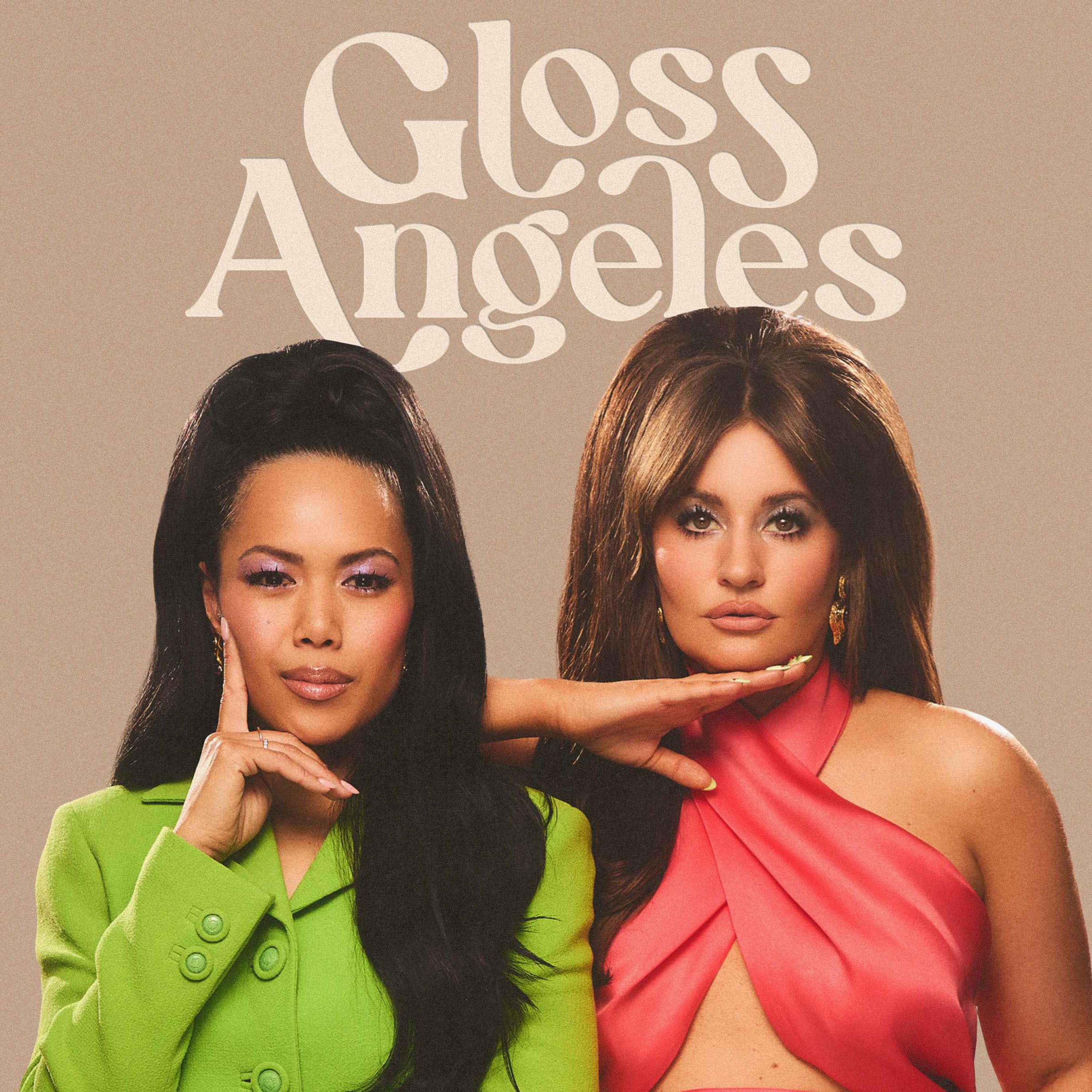
Loading summary
Transcript189 lines
- [00:00]
A
Before we had AT&T business wireless coverage, our delivery GPS wasn't the most reliable. Once our driver had to do a 14 point turn to get back on route. A 14 point turn. An influencer even livestreamed the whole thing. Not good for business. Now with AT&T business wireless, routes are updating on the fly and deliveries are on time. And the influencer did get us 53 new followers though.
- [00:25]
B
AT&T business Wireless connecting changes everything. So for most of you listening, it's not spring yet. I mean, actually it's not spring yet for anybody listening because it's February. But mentally, I'm leaving my jacket at home.
- [00:46]
C
Yep. I mean, brr. But mentally it's. It is in the car, it is in my closet. Because late February is when I start retiring the giant puffer. And craving lighter layers, Macy's is giving
- [01:01]
B
a full spring sneak peek. Especially that classic coastal vibe. Think fresh whites, clean stripes, tailored linen, like preppy yacht style with a modern twist. Turn on that yacht rock.
- [01:12]
D
Cue Michael McDonald.
- [01:20]
B
Exactly.
- [01:22]
C
And then all you have to do is add some mesh details, some bangles, cuffs, little nautical textures like rope accents and crisp silhouettes. You can find these great pieces from Kenneth Cole or Calvin Klein.
- [01:34]
B
Listen, we did say yearning was going to be big in 2026. A rope accent, that's kind of given. That's given. That's giving something.
- [01:43]
C
Fanning myself.
- [01:45]
B
Or you can add a mess shoe style from our guy, Steve Madden. Dolce Vita or guess. And suddenly you're spring ready.
- [01:52]
C
Shop the spring fashion sneak peek at macy's and macy's.com foreign.
- [02:06]
D
Los angeles. Hi, kirby.
- [02:10]
B
Hi, sarah. Welcome to los angeles. Today's episode is for everyone, whether you wear wigs or not. What if you could wear a wig without anyone knowing? The renatural was born out of a need for innovation. A wig with a patented skin replica hairline that's three times thinner than lace. There's no residue, no lace grid. With three different textures made from 100% virgin human hair. Today, the founder joins us. Hasiya Abdulsalam. Welcome to Gloss Angeles.
- [02:45]
D
Thank you for having me. Of course.
- [02:47]
B
You are so gorgeous. It's your walking billboard for your work. I'm sure people probably compliment your hair all the time.
- [02:55]
D
It depends on what I'm wearing. A whole run of prototypes.
- [02:59]
B
So that you're testing out. Oh, my gosh. I was on the website and I kept thinking, I want the short bob.
- [03:06]
D
Oh, yeah, that would look amazing on you.
- [03:08]
B
Thank you.
- [03:09]
D
What color are you thinking? Chestnut.
- [03:11]
B
Well, I've always wanted, like really? Blonde. Blonde hair.
- [03:14]
D
Okay.
- [03:15]
B
Yeah. Because this is mostly my natural color. I have some highlights, but I've always wanted a short blonde bob.
- [03:20]
D
Well, next time you're in New York, you have to come over and we have to get you fitted.
- [03:25]
B
Totally. I need to see the robot.
- [03:27]
D
Yeah, yeah.
- [03:27]
B
I need to see the robot. Which we will get to in a second. But Hasia first. What's on your face? What are you loving right now?
- [03:35]
D
So Edum Guava Fresca. I live by it. I'm on my, like, fourth bottle. I love deer. Their moisturizer. They're actually, like, one street away from me.
- [03:45]
B
Your neighbors.
- [03:46]
D
Yeah. In Dumbo in New York. And I love to go on, like, little tours. I like Skin Lab is awesome. Joyce, the founder, is like, it's been such a great help. I think it's called Bink the Mascara. The, like, tubing mascara. And it just keeps adding and, like, I feel like my lashes are, like, four times longer. They want to be original.
- [04:02]
B
They were the original. Yeah. I mean, way back in the day, before everyone made a tubing mascara.
- [04:09]
D
Glad to pay homage.
- [04:10]
B
The blink with a C at the end. Yeah, yeah. I mean, they were truly innovators in that sense, so.
- [04:15]
D
And Ursa. Ursa nails. I don't have them on right now, but they're like press ons.
- [04:20]
B
Ursa.
- [04:21]
D
Yeah.
- [04:21]
B
Ooh, I don't know this brand.
- [04:23]
D
Oh, my God, they're amazing. They're like, the most phenomenal designs. I'm such a baby pink, and I'm, like, scared to commit to anything else. And I bought, like, four of them, and I'm like, obsessed.
- [04:34]
B
Okay, Hasiya, you graduated from the London School of Economics and Political Science. What did you originally think you were going to school for?
- [04:42]
D
Oh, I was pretty sure I was going to work in, like, some sort of sewage system. Recyclables, something like that. I studied geography, then behavioral economics, and I was pretty sure I actually got a job, but then declined it and moved to Bangkok for a year. But that's a whole other story.
- [05:00]
B
You're so well traveled because I was reading about you. So you moved to Bangkok, which I did not know, but you also moved to Korea at some point.
- [05:07]
D
Yeah, that was during my first degree, so I got to write my dissertation about the wig industry. There's a methodology I think you would like this being such a consumer focused person. But it's when you embody an inanimate object and then you write about your life history. So the most popular piece is like a Piece of fruit by I Think Isaac cook papaya. And he's like, my dad in Argentina did this. And yeah, people usually do, like, conferences or MacBooks, but I thought wigs would be a page turner. So I became obsessed. And I'm very, like, narrow focused on things. So I ended up in Korea working for a wig factory for six months to get to know more about the industry.
- [05:44]
B
Wow. What did you learn during that process?
- [05:47]
D
Just how, like, laborious it was. So, like, I was spending days in a factory, and people are doing, like, the same action for, like, millions of times, like, a month. And it's just fascinating to watch. I'm just like, that is a monotonous, repetitive action. Like, my first thought was, like, how can that be automated? Because it didn't. I think that laborious intensity removed, like, the artistic element of wig making because
- [06:10]
B
you're just constantly doing it over and over and over and over.
- [06:13]
D
So, yeah, I was thinking of ways to kind of make it better because I knew the end product. There was a massive disconnect between the end product and the actual manufacturer. Like, they don't talk enough. So people have to bleach, tint, pluck, dye, resize their wigs before they wear it. And it's like, unlike any other beauty product, you have to go through all these hoops and hurdles just to make it wearable.
- [06:34]
B
And for people listening that have never worn a wig or have never looked into a wig, can you talk a little bit about that process? Like, when you're talking about the labor of it all, what exactly goes into that?
- [06:45]
D
So if you're me, were to go to a website, first of all, you would probably end up asking a friend or going to some kind of forum. We've done, like, years of research into, like, discovery process. That's usually how people find a wig. Wigs were actually banned on stripe until, like, 2018 because it was so fraudulent. There were so many chargebacks that you weren't allowed to, like, sell human hair wigs on stripe. Like the biggest payment platform. Yeah.
- [07:09]
B
Wow.
- [07:10]
D
Because it's really easy to sell something that doesn't look like the end product. You usually ask a friend, go to a forum, find a website, spend hours trying to, you know, find images and see how the wig actually looks. You would buy it thinking that it's going to look like whatever the person presented. And then you would come with, maybe you have to cut the lace, maybe you have to put makeup on it. Sometimes wigs come and they can be, like, $5,000, and, like, you can use makeup. They're glues clips, combs, tapes that you have to add to your wig to make it secure or make it more wearable. And it really depends on your taste and, like, your. Like, how you're wearing your wig. Are you going to work out in your wig? Are you going swimming in your wig? Or are you just wearing it for a couple of hours a day?
- [07:52]
B
So a glam moment, a big event.
- [07:54]
D
Yeah. So it really depends.
- [07:56]
B
And even speaking of the labor, the first thing that came to mind were the people knotting these wigs, because, I mean, if you have never really looked into wig making before, it truly is an art. But like you said, because it's so monotonous, because it's like, what, 10,000 knots you're having to tie with, like, single strands of hair. I don't even want to know. Or I can't even think of how difficult that would be to sit and have to do, which is why your company is so amazing and innovative.
- [08:24]
D
Thanks. I made a full 360 wig, and it took me five months.
- [08:29]
B
Yeah. I write a lot about the artisans that work behind the scenes in film and television.
- [08:34]
D
You do? I love that. Like, it is so niche, but, like, I eat it up.
- [08:40]
B
I love it, too. That's why I write about it. And what I've learned is, you know, oftentimes they keep stock of wigs that they've had made to use and loan out because they are so expensive, not only to produce, but then also it takes forever. So there is this need to be able to make a wig in an efficient amount of time. But then I also kind of worry about, like, the artisans, like, will they disappear? But we'll get to. We'll get to all that. So you initially thought you were going one direction, then you wrote your. Your dissertation on wigs. What did you learn about the history of wigs? Because I was looking on your LinkedIn and you said wigs were originally created for who? King Louis.
- [09:20]
D
King was king Louis the 14th. And this was in the 1700s. It was popularized. So that's when lace wigs really became a thing. It's kind of stuck with that sense. They're like 17 different ways to basically have a hair follicle and loop it into the lace and knot it. So there's like, double knots, single knots, single lift injections, the list goes on. V loop. But, yeah, lace became popular at that time, and it really is still the core of wig bases today.
- [09:47]
B
That is fascinating that there really hasn't been a big change at all after all of these centuries. So this is not your first rodeo. The Renatural. You sold your brand Alero Jasmine.
- [09:58]
D
I did, yeah. Okay.
- [09:59]
B
That was in 2019. That was a fashion brand.
- [10:03]
D
That was. I'm five foot, so I amend and tailor everything. And I had to do it myself because it gets expensive. So I started making, like, outfits for myself. They're very like festival Coachella like outfits. It went viral on Tumblr shows how far back this was and people wanted to buy it. So I started making it. And we did pretty well in our first year. We were Stockton Topshop, we were touring with Afropunk festivals, and yeah, then it kind of just took off from there. I love fashion, but I'm an admirer particularly. Never thought of myself as like, being in the industry.
- [10:35]
B
And then you launched the Wig Fix. What was the Wig Fix and what did it serve?
- [10:39]
D
The Wig Fix is the first of its kind. It's a 100% medical grade silicone wig gripper that allows you to secure your wig and also promotes natural hair growth underneath. Before that, you had to rely on clips, combs, glues, or tapes. And we've sold about like nearly a hundred thousand units since we launched in 2020.
- [10:57]
B
Congratulations.
- [10:58]
D
Thank you.
- [10:59]
B
Okay, so from there you launched the Re Natural. It really does fill a white space. And that seems to be the track that you like to be on. You like to see what solutions you can provide to people. When I was looking online, the top questions that a lot of people search for when it comes to wigs are, will it look fake? Can people tell if it's a wig up? Does the hairline look real? I think that's like, number one. And what happens if someone touches my head? Which is really interesting. The Re Natural solves all of those problems. What did launching those brands prepare you for with the Natural?
- [11:36]
D
The Natural was the parent company. It was like my core idea. And then the Wig Fix was the first product because I wanted to launch wig solutions. And I always had this, like, wig concept in mind. But the Wig Fix was my first, like, foray into the wig industry. So launching this wig, I really have collated. Like, we've sold over 100,000 units. So all of those questions from, like, how can I make my wig look real? All the questions you listed I've received like thousands of times now. We've, like, collated that and put that into a biggest problem, like pain points. And we wanted to solve for it for a wig. Like, I didn't want to just launch a wig that was like, you know, another lace wig. And we Rely on the same manufacturer. And there's kind of no product differentiation apart from brand. I really wanted to solve these problems. So that's the crux of how this wig era of the RE Natural started.
- [12:28]
B
And the RE Natural wig, the reason why it's so different and the point of difference is that it's three times thinner than your standard lace and it looks like your scalp, right?
- [12:38]
D
Yeah. So I really leaned into, like prosthetics. I studied it deeply because I wanted a wig that was wearable. Like you put it on in the morning, you go to work, you go to a workout class, and you go home to your kids and your 2 year old's like, pulling at your head and, and your wig is fine and it feels like your natural hair. I wanted a wig for all realities of someone's life. People have to alter their lives for the wig and I didn't want that anymore. I wanted it to feel like a true immersed beauty product. So that's where, like, it started with, like the hairline piece. We use a polymer bamboo hybrid. So the base of the wig replicates your scalp. So we have six different skin mimicking shades. And then the hairline of the wig is like three times thinner. Has like micro pores. We use like optical infiltration to make sure that, like, it's not too glossy or not too matte and it looks like skin. It's been arduous, but definitely worth it.
- [13:30]
B
This is so up my alley. I love prosthetics and I love that you're incorporating it into this because I have so much admiration for women that wear wigs every day, especially the lace fronts.
- [13:40]
D
Like, oh, yeah.
- [13:41]
B
I love watching Jackie. I know she's in there like, you know, blow drying her hairline and stuff, and I'm like, I don't even think I'm capable of doing that and making it look good, you know, like, it truly is an art form. This kind of helps take that arduous work out of being able to wear it every day. Like you said. That's awesome. So you mentioned the bamboo polymer. For whatever reason, I think of bed sheets and how bed sheets are more breathable and cooler when they're made with bamboo. Is there like a similar mechanism there?
- [14:13]
D
It's definitely more breathable and just softer in general. Yeah. That's why we lean towards that instead of relying on like a pure, like four way stretch nylon.
- [14:22]
B
Wow. Okay. So Glossy reported in 2024 that data from market research Intellect that the global human hair wigs and extension market was anticipated to reach 9.3 billion by 2023. And then McKinsey had this 2025 report that I thought was really interesting, and it predicted that the sector will grow at a rate of 5% from 2025 last year to 2030. So clearly there's opportunity there. And like you said. Did I read this somewhere or did you just say it? I can't remember. But there are women that wear wigs three times a day. No, I'm, I'm messing this up.
- [15:00]
D
So there are 100 million frequent wig wearers and that's people that wear wigs three times a month or more.
- [15:06]
B
Thank you. Okay, three times a month or more. Did you say that during this conversation or did I say it earlier? I read it.
- [15:11]
C
Okay.
- [15:12]
B
I was like, I'm losing my mind right now. I feel like, you know, it is still niche, I guess, in the grand scheme of beauty, but that's still a lot of people wearing wigs frequently.
- [15:21]
D
And it's such an outlier in beauty when you look at the spend. So it's $600 three times a year between the ages of 21 to 65. So it is truly an ally when it comes to spend. And then just like the commitment towards the product itself.
- [15:36]
B
I feel like wigs can be intimidating for a lot of people. And, you know, based off this research, they're lumping in extensions with wigs. Right. Like, I guess, like any type of like hair. Accentuation.
- [15:47]
D
Yeah.
- [15:48]
B
What do you see on your end behind the scenes that shows like, wigs are the next frontier? And not to say that they're not already massively popular.
- [15:57]
D
Right.
- [15:57]
B
But like, I think a lot of people are like, oh, I can just throw in an extension and call it a day. Or we see celebrities like, donning a different wig and it's very glamorous. But what shows you that the normal person is going to start actively investing in wigs?
- [16:13]
D
So I hate to credit all to tick tock, but I think people are just, you know, you're seeing behind the scenes of what something actually entails and looks like. And people are, people are a lot less, like, shameless. There's a lot of like, shame around wigs, but there's also a lot of curiosity. So, yeah, people are sharing that they wear wigs more. You have like, you know, Sabrina Carpenter, like just uploaded that picture with her in a wig cap and, you know, it went like viral. People are really, really interested around, like, are you wearing a wig? Are you not? Like, most of Hollywood wears wigs. Like, how do you think they're changing their hair so frequently without, like, the damages. So I think that people are just being more open about it, for sure.
- [16:50]
B
In your opinion, why do you think people are so fascinated by wigs? Is it because, I guess the celebrity aspect, like you said, has become really popular, and they're like, oh, celebrities are just like us. Like, they don't have this, like, gorgeous, full, voluminous hair or why do you think there's now just a sudden fascination? And I. I agree with you. Over the past year, I think tick tock has, like, completely changed how people perceive, like, if they can or cannot wear a wig.
- [17:16]
D
I think wigs, it. I mean, I may be a little biased, but wigs are truly the epitome of beauty. You have endless options and instant transformation. Like, you put a wig on you, and you're gonna look like a completely different person. That is fascinating. That is, like, it transformed the way, like, you sit up, you speak, the way you act. And I think that curiosity is just, like, appeals to a lot of people. So I think that's what's, like, becoming more popular.
- [17:41]
B
And obviously, I would be remiss. Like, not to mention, black women have been wearing wigs forever. So this is not like, a new thing for especially for black women. But I think that it is starting to become a thing where it's more attainable and that we're seeing prices go down a little bit for, like, really great quality wigs, too. Do you agree with that?
- [18:00]
D
I do, yeah. 50% of the market are, like, black women that actually wear, like, lace wigs. So that is super specific. No extension. Just, like, lace wigs. But then you also also have, like, the orthodox Jewish market. They have been wearing wigs for decades.
- [18:16]
B
Wow, I did not know that.
- [18:18]
D
Oh, yeah. It's called a sheet house. So when you get married, you wear a wig to cover up your hair. That's a huge market. It's about 20% of the market. And then I would say, like, 25% is a medical market. So 1 in 8 women in the US alone experience some form of hair loss. In 33% of them choose to wear a wig or some type of extension. And then 5% are, you know, the fashion curious, entertainment type.
- [18:43]
B
Fascinating. I'm loving you're. You're schooling me on so many things
- [18:47]
D
I love, so many facts.
- [18:49]
B
I know. I'm like, keep it coming, keep it coming. Okay, tell me more about this wig robot. This is a true game changer.
- [18:55]
D
Thank you. So it really stemmed from that monotonous, repetitive action coupled with the fact that where I was like, let's imagine. Let's like, forget the entire industry and think about the premise of a wig. What would a wig look like without any material limitations, without any, like, putting in, like, what the world makes of a wig right now? What would a wig look like? It was if it was just solving our problems and did what we wanted it to do. So from that, I invented the robot. It was basically like a embroidery machine, like kind of de. Hacked with a lot of Photoshop. And I was like, this kind of works. And then we developed it some more, hired some brilliant engineers, and yeah, we built the fastest way to make a wig right now. So it can take three to 12 weeks to make a full 360 wig, to ventilate a full 360 wig. And we can do that in just under 45 minutes, hands free in our lab, I guess, in Dumbo, New York.
- [19:51]
B
That is so incredible, because I'm just thinking of all of the brands that have probably thought about reaching out to you about, like, acquiring this robot technology. I'm sure there people wanting to know how can they make these wigs as quickly as you are.
- [20:04]
D
Definitely. Yeah. Yeah. There have been, like, really interesting offers so far, but I think I'm really excited about the partnerships around, like, production and the medical field that we're going into as well.
- [20:15]
B
Are you allowed to talk a little bit about those, or can you.
- [20:18]
D
Not yet.
- [20:18]
B
Okay, so for most of you listening, it's not spring yet. I mean, actually, it's not spring yet for anybody listening because it's February, but mentally, I'm leaving my jacket at home.
- [20:32]
C
Yep. I mean, brrr. But mentally, it's. It is in the car. It is in my closet. Because late February is when I start retiring the giant puffer and craving lighter layers.
- [20:46]
B
Macy's is giving a full spring sneak peek, especially that classic coastal vibe. Think fresh whites, clean stripes, tailored linen, like preppy yacht style with a modern twist. Turn on that yacht rock.
- [20:58]
D
Cue Michael McDonald.
- [21:06]
B
Exactly.
- [21:07]
C
And then all you have to do is add some mesh details, some bangles, cuffs, little nautical textures like rope accents and crisp silhouettes. You can find these great pieces from Kenneth Cole or Calvin Klein.
- [21:20]
B
Listen, we did say yearning was going to be big in 2026. A rope accent. That's kind of given. That's given.
- [21:27]
C
That's giving something fanning myself.
- [21:31]
B
Or you can add a mesh shoe style from our guy, Steve Madden. Dolce Vita or guess, and suddenly you're spring ready.
- [21:38]
C
Shop the spring fashion sneak peek at macy's. And macy's.com.
- [21:49]
B
I was thinking a lot about the wigs, and I'm curious, have you received any concerns from traditional wig makers about the invention of the robot?
- [21:58]
D
I think that we are positioning the product as an alternative. So the person that doesn't want to deal with lace, it doesn't want to pluck, bleach, tint, dye, go to an expensive stylist, have reoccurring fees and costs, who wants a true glueless skin like wig? That's what we're targeting. We're not selling toppers right now. We're not selling extensions. We're not selling halo wigs. We are selling six by six closure wigs for, like, the everyday wig wearer. And I think that's a really specific segment of the market. And we're just focused on, like, the customers themselves. Yeah.
- [22:29]
B
Do you think ren1 will bring down costs of wigs, or is the majority of the cost tied to the type of hair that you're using?
- [22:35]
D
I would say about 70% is tied to the type of hair that we're using. Unfortunately, the labor isn't, like, as compensated as I would like because it is a true skill. However, with the cost, the wigs that we're selling right now, they would usually retail between like 3 to $10,000, and we sell them from 900 to $2,000. So there definitely is a cost difference there.
- [22:55]
B
And how do you ensure that you're ethically sourcing hair?
- [22:59]
D
So that is the good thing about being in this industry since, like, 2015. After writing my first paper on the wig industry, I have built relationships with a lot of great suppliers, a lot of great niche wig makers all over the world. And wig by weight is worth more than gold. So a lot of people just sit on their stock until they find the right buyer. And, and I can circle back and be like, we want this specific type of hair, and we're building out our library in New York right now. Can't wait for you to come and see it.
- [23:26]
B
I need to see this.
- [23:27]
D
Yeah, it's just like, all different types of hair, and we keep it in, like, a certain type of humidity and temperature to ensure, like, the hair is kept well. And I can't wait to have people come in and truly do, like, color matching for their specific type of wig. I think that'll be really fun.
- [23:41]
B
I don't think this is talked about a lot, but for anyone that's listening, that's like, how do you even get hair like that? Is it like, you know, hear locks of love? Like people like Chop off their hair, and then that hair is somehow managed and sourced and then provided. Or can you explain a little bit about how that works?
- [23:58]
D
Yeah. So the human hair market is. It really blew up in the 70s. So after the Korean War, it was in Korea, a lot of people started selling their hair. It was in 1972, I think, and 73. It was one of the biggest sources of foreign direct income into Korea, selling human hair and making products out of the human hair to the US So that market matured, and some of the best and most incredible like, hair factories have come out of South Korea. And then it was like the mass market kind of entered China. So there are a lot of people that are willing to sell their hair for varying degrees, for varying reasons. Sometimes it's like cultural. It's like, normalized. Especially like in Laos, Cambodia, Vietnam, some parts of Eastern Europe as well. You can fetch like, tooth thousand dollars for like five pounds of like, a certain color of hair. And then there's a lot of people, like I said, there's a lot of like, stock. So it's really a huge market. Like, we're not gonna run out of hair anytime soon. But then I must mention there are a lot of developments with synthetics. I think brands like Ruka Hair, brands like Rebundle are doing like, incredible things around, like banana fibers or introducing collagen into synthetics. So I think there's going to be a lot of development in that space as well.
- [25:12]
B
And what do those things do for synthetic hair?
- [25:14]
D
The ban, it just replaces the use of, like, plastics and collagen increases, like the lifespan, elasticity and texture retention.
- [25:21]
B
Are you able to use hot tools
- [25:24]
D
then on it for some? I think the highest you can go right now is about 250 degrees Fahrenheit with some of the highest grade synthetics.
- [25:32]
B
Wow, I'm so impressed with you. And I'm truly just thrilled that you're here because I have a lot of admiration for you as a person and a founder. You raised 6.2 million in funding in the last two years for the business. Is that correct?
- [25:45]
D
That is correct.
- [25:46]
B
Okay, so as a serial entrepreneur, a woman, and a black founder, what trials have you experienced that are not being talked as much as they should be?
- [25:54]
D
I think the messy middle and the commitment to being committed. So you have an idea, you have a startup, and it is out of this world. I mean, like, I can't believe that. I spoke to some of my earliest investors and they were like, I was like, I'm going to build a robot that's gonna make this hyper realistic wig. I'm gonna sell hundreds and thousands of them. And they were like, okay, that's great. We'll support you. Looking back, just like, so audacious. Like, where did that come from? But I think we should embody that. That delusion. Like, so many things can happen and like, what's the worst? Someone's gonna tell you, no, you're gonna be a bit embarrassed if you fail. Like, that's fine. You can try again. So definitely that and then having a startup is just being like, committed to the commitment. So I had a really strong idea of what the company is going to look like, what the product's gonn and the timeframe, and sometimes you have to like, abandon that and just be committed to problem solving. If we're in like the beta phase of the week right now and people are asking questions and we need more directions, and I'm just like, let's work with the customer until we have. I'm committed to the customer having the best experience that they have always deserved to have. And the road there is not linear. And yeah, forgive yourself for thinking that.
- [27:08]
B
Is that the messy middle?
- [27:09]
D
Yeah.
- [27:10]
B
Okay. That's the messy middle. You have had a lot of support from a variety of different investors. Mark Cuban being one Olama day from Topicals, who I'm personally obsessed with. You won a grant from Pharrell.
- [27:23]
D
Did. Yeah. Okay.
- [27:25]
B
This is crazy. This is crazy. Like, everyone basically just looked at you and said, yes, she knows what she's doing. We believe Take our money.
- [27:30]
D
Thousands of no's that out.
- [27:33]
B
Okay, yeah. Fair, Fair. It wasn't everyone just like throwing money at you, but I mean, these are huge names that are showing their vote of confidence in you by investing in this. What do you think sold them when you went in and presented to them? Because I think there's probably a lot of people listening to this episode thinking, I want to achieve what she's achieving. But how did she do it?
- [27:55]
D
I think the first thing is I've proven myself to some degree. So the wig fix, our first product out of the Re Natural, was completely bootstrapped. And I bootstrapped nearly $3 million in the first three years, entirely my own money. There was no investors at that point. So I was like, I've done this before and I'm going to do it again on a much bigger scale. So that was a really solid pitch and just the ability to attract great people, like great engineers. I have great ops people, brilliant marketers that I've worked with and being Able to, like, just talk about your idea, like, with a laminate. I was just meeting for coffee and she was like, yo, what's going on? Update me. And I did. And she was like, before we. Even before I even comment, can I invest? And I was like, okay. You're like, yes, with Mark Cuban. And she got an investor check from another investor. And he was like, oh, I think my friend would really like this. And I must say, like, with the grants. I applied for a grant with Eminem Candy and it was like, change makers. And I am. I didn't have a US Address yet, so I didn't end up, like, getting the grant because, like, I wasn't permanently based in the US but when I won that, I was like, oh, I could win more. And I started applying to more and more grants. So glossier have been phenomenal. Harvard Business School, Yale. I didn't go to any of those schools. But yeah, if you just put yourself out there, of course you're going to get no's. But sometimes people are going to see the tenacity and respect it.
- [29:17]
B
And I also think the innovation, it's. There's a true point of difference. There's so much of the same in the beauty industry and a ton of brands copying each other, you know, seeing what other people are doing well and then wanting to capitalize off of that innovation. So the fact that you're truly bringing something new to the table is really sexy to someone like me that reports on this. Thank you. Of course. Okay, I'm curious. Have any famous faces purchased a re natural wig that you know of and can speak of?
- [29:45]
D
So two so far, but I can't speak of it. I know, I know.
- [29:51]
B
Dang it. I would love to see Dolly Parton in a renatural.
- [29:53]
D
Oh, my God. That's a dream. That is the dream. Dolly. She has wigs for dogs.
- [29:58]
B
Of course she does.
- [30:00]
D
She's my type of person, 100%. This is going to be a follow up in one of your articles about, like, wigs. You're going to have a little placeholder. Yes. Who the re natural was referring to.
- [30:10]
B
Hopefully I will be waiting for those names for sure. Let's do a little rapid fire. In your opinion, what celebrity has the best wigs?
- [30:17]
D
I have to say Beyonce. That's obvious.
- [30:19]
B
She's the queen. What's your best trick for wig application?
- [30:23]
D
Oh, making sure it's properly fitted. So somewhere where people go wrong is you measure your head, but your head, you have hair or you don't have hair. You have to Compensate for that. So sometimes I have, like, cornrows or like a low pony re. Measure your head to get the right sizing and make sure your wig is adjustable for that.
- [30:43]
B
And then these are a few common questions that I just. I wanted to get your take on. Okay. Do you need a wig cap to wear a wig?
- [30:50]
D
You don't, but it's great protection if you do. Increases the longevity of the wig and also protects your bio hair and skin underneath.
- [30:58]
B
I know that, you know, a lot of women, like, will braid their hair underneath their wigs. Are you okay with, like, for certain hair types, like, slick backs, like the wig prep that we see a lot of times on, like, I would say, like, white women or like, women that
- [31:10]
D
have, like, straighter hair, I would do the lowest tension. Again, the first thing with wigs is protect your natural hair and your skin underneath. So, yeah, lowest tension hairstyles.
- [31:21]
B
Will a wig damage my real hair?
- [31:24]
D
It can if you are wearing it incorrectly.
- [31:27]
B
In what ways?
- [31:29]
D
So if you are someone who loves to glue their wig on on a daily or even monthly basis, Wig alopecia is a real thing. It's actually, it's with a dermatologist. Have a. A term that we worked with influencer Maria Musa on. So it's when you develop a thick line of hyperpigmentation along your hairline because of the repeated use of wig glues. It went so viral. We were actually on the real daytime tv, Miriam and I talking about how the wig fix helped her not use glues as much. So that's a real issue. I personally hate glues, but that's because I'm lazy. I can't commit to doing that every morning. Totally.
- [32:08]
B
What are you actually paying for with a wig?
- [32:11]
D
You are paying for the hair. You were paying for the labor. You're paying for the hairline possibly tailored to you. And you're paying for years of longevity depending on the type of wig that you buy.
- [32:22]
B
And how long does a good wig last?
- [32:26]
D
So natural wig lasts five plus years. A good wig, I would say, lasts like three to five years and.
- [32:32]
C
Five.
- [32:33]
B
Five years. That's amazing.
- [32:34]
D
Yeah, well, we've launched like, we have a really good warranty. People can come in and get, like, the skin, like, part replaced. And we're launching an insurance, a wig insurance system soon.
- [32:45]
B
Brilliant. Do you worry about repeat customers? Like, do you worry, like, okay, this wig's gonna last you five years? How are we keeping our customers coming back and acquiring new customers?
- [32:55]
D
Yeah. So two things really excited about, like, we're focused on wigs great wigs for the customer. So there's so many incredible hair brands that have approached us. Yeah, we shouldn't mention names just yet. So many brands that approach us. But for shampoo, like, for example, you're gonna have that blonde wig. You're gonna need maybe a purple toner. So we are partnering with brands so that you can get like the best deals for those brands or possibly get like within your wig package. So that's one thing that we're doing for like customer attention. And then the average wig owner owns between four to six wigs. So it's like once you go wig, you can't go back. So. And again, between 21 to 65 years old is like the core target market for wigs, which is huge.
- [33:40]
B
How often are you washing a wig?
- [33:42]
D
Depends on the usage. If you're wearing a wig every day, treat it like your natural hair like one to two times a week.
- [33:49]
B
And are you washing it differently than you would wash your normal hair? Like can you use your shampoo and conditioner that you have at home or do you have to buy a specific like a sulfate free shampoo or like a different hydrating mask for the hair?
- [34:03]
D
It's a really good question. Some shampoos can be damaging to the lace, so they can actually like loosen the knots of the hair and make your wig shed even more. So I'd be really cognizant of that. Of course we don't have the knots in our wig, so we don't have that issue. Issue. But also a trick that I. Not really a trick. I think it's a must have. You should use a disinfectant on the internal construction of your wig and then use a shampoo and conditioner on the hair of your wig. So that's like a difference when it comes to washing your natural hair in a wig.
- [34:34]
B
What kind of disinfectant, like hypochlorous acid
- [34:37]
D
or you can, you can use dish soap, you can use any kind of like disinfecting soap just to make sure like you are cleaning bacteria from the internal part of your wig.
- [34:46]
B
And then is there anything to stay away from? You mentioned like sometimes depending on the shampoo or conditioner, it can loosen the knot and cause shedding. Is there anything specific to. For listeners to stay away from in terms of ingredients?
- [34:58]
D
I would just say be careful with like the wig glue usage. That of course is damaging and decreases the lifespan of the wig over time.
- [35:06]
B
This was a question that popped up on search that I thought was really interesting. What's A sign that a wig will not photograph well.
- [35:13]
D
If it's too thick, it can look really great on a mannequin, but if you put it on, someone just looks very wiggy. I think that's where the term comes from. It's like a blunt, straight hairline. A wig with, like, no part that isn't, like, feathered can look really wiggy as well. Yeah.
- [35:29]
B
Is there anything that you wanted to talk about that we didn't cover today?
- [35:32]
D
When you asked me about who has the best wigs, I would say Tyra banks in the 90s.
- [35:37]
B
Okay.
- [35:37]
D
That's another one.
- [35:39]
B
I'm so glad. Tyra, really, for me, growing up, like, I loved her and Dolly Parton, and I remember reading in a magazine that they wore wigs, and I was like, there's no way. There's no way. They're too good. But obviously they had a lot at their fingertips. They were able to, like, get the really good wigs. What's next for you and for the re natural?
- [35:58]
D
So our first run of wigs are sold out. So that's super exciting. And then we're working through. We're going to launch early spring again with the wigs, and we're opening up our wig factory in Dumbo. So I'm really excited to have visitors. When people come and see their wig being made or just a wig being made, it's like, I forget how cool it is sometimes when you're, like, in it, you know?
- [36:21]
B
Exactly. Well, I'm looking forward to it. I am definitely going to drop by.
- [36:25]
D
Amazing.
- [36:25]
B
Thank you so much for making time to come on gloss.
- [36:28]
D
Thank you for having me.
- [36:29]
B
And Sarah does send her best. She's currently on vacation with her family in Hawaii, but she says that she has so much admiration for you and is sad that she couldn't be here.
- [36:38]
D
Oh, thank you.
- [36:39]
B
Of course.
- [36:50]
E
Why choose a sleep number?
- [36:52]
B
Smart bed. Can I make my site softer? Can I make my site firmer? Can we sleep cooler?
- [36:57]
E
Sleep number does that cools up to eight times faster and lets you choose your ideal comfort on either side your sleep number setting. Enjoy personalized comfort comfort for better sleep night after night. And now during our president's day sale, take 50 off our limited edition bed plus free home delivery with any bed and base ends Monday only at a sleep number store or sleepnumber.com.