
Podcast
Golden State Naturalist
Hosted by Michelle Fullner · EN
Golden State Naturalist is a love letter to California's ecological past, present, and future.
Come with Michelle Fullner as she climbs to the top of a beaver dam, descends into a tar pit, peers into the canopy of a giant sequoia, and basks in the glow of the Milky Way under the eerie silhouettes of Joshua trees.
Each episode, Michelle interviews captivating experts in their natural habitats across California to find out how the unique plants, animals, geology, and hydrology of this biodiversity hotspot make this state Golden.
18episodes
Episodes
Newest firstAll episodes
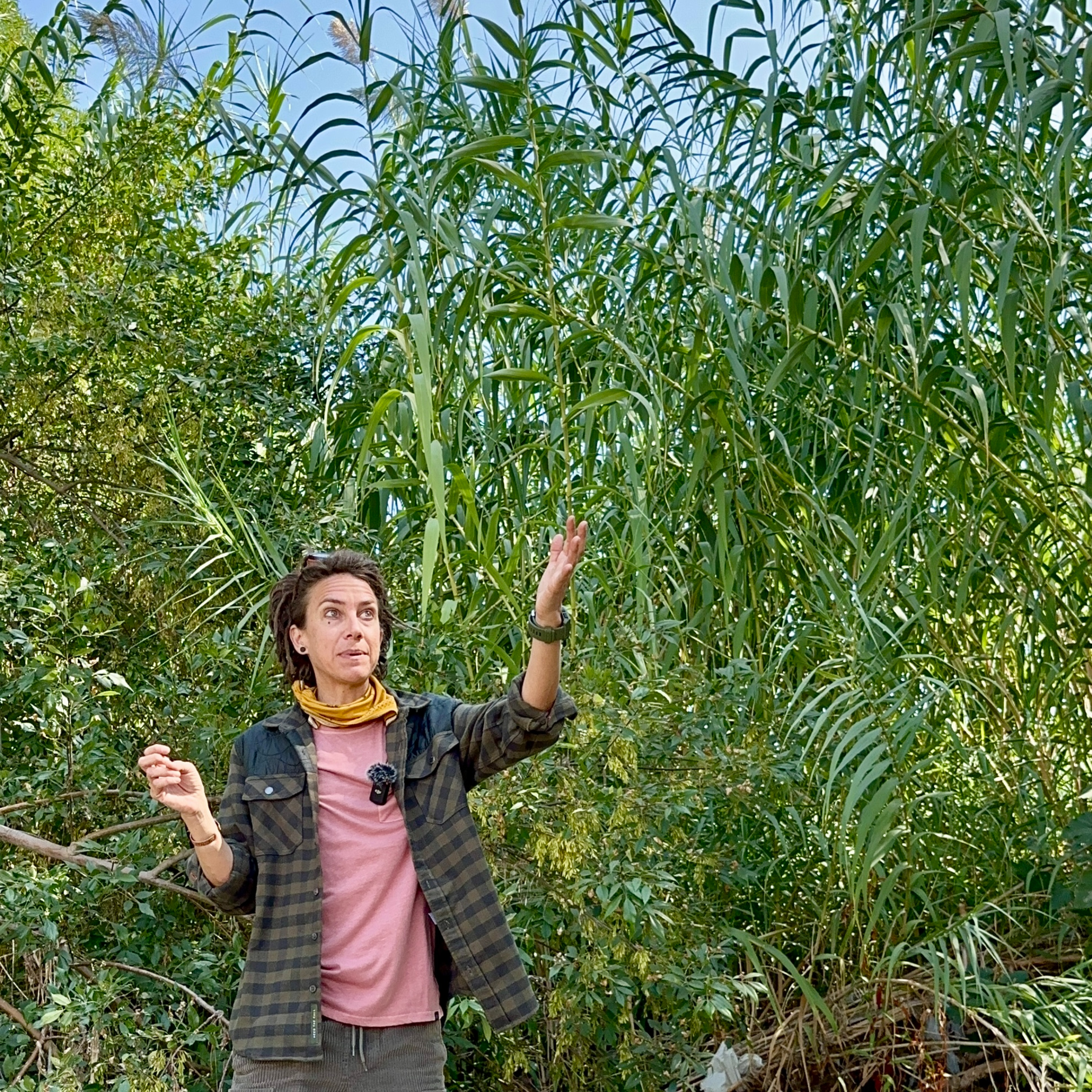
The LA River with Kat Superfisky
Sep 300:45:30Tap to summarizeDescend with me and LA's first ever urban ecologist into the concrete channel of the Los Angeles River as we discuss novel ecosystems, eminent domain, Greased Lightnin', flood prevention, Ice Cube, soft bottoms, emerald necklaces, and why the LA River is the perfect microcosm of everything LA was, is, and one day could be. Helpful Links: Kat’s website Jason Wise's websiteJuan Crespi’s journal CalMatters LAPD Helicopters article Grease Filming Locations Support Golden State Naturalist on Patreon and get perks starting at $4/month. Follow me on Instagram. My website is goldenstatenaturalist.com. Get podcast Merch. The theme song is called “i dunno” by grapes and can be found here.
Transcribe →
California Red-Legged Frogs with Brad Hollingsworth
May 6, 202501:11:53Tap to summarizeChances are, you’ve never seen our state amphibian in the wild. In this episode, find out how the California red-legged frog became so rare while also delving into international border crossings with endangered frog eggs, urban drool, The Celebrated Jumping Frog of Calaveras County, things that can fit into a bullfrog’s mouth, and the essential mindset shift that might just change the world. Join me and Brad Hollingsworth from the San Diego Natural History Museum as we discuss all of this and so much more. Links: Trivia Night! Join me in-person on May 12th or online on May 27th for Quiz for a Cause, a fundraiser to help rebuild the Eaton Canyon Nature Center. And check out the silent auction here! Saving the California red-legged frog from extinctionFAUNO: Fanua del Noroeste. Learn more about the work in Mexico or sign up for a workshop. ECOS information on red-legged frog federal listing Support Golden State Naturalist on Patreon and get perks starting at $4/month. Follow me on Instagram. My website is goldenstatenaturalist.com. Get podcast Merch. The theme song is called “i dunno” by grapes and can be found here.Episode cover photo courtesy of the San Diego Natural History Museum.
Transcribe →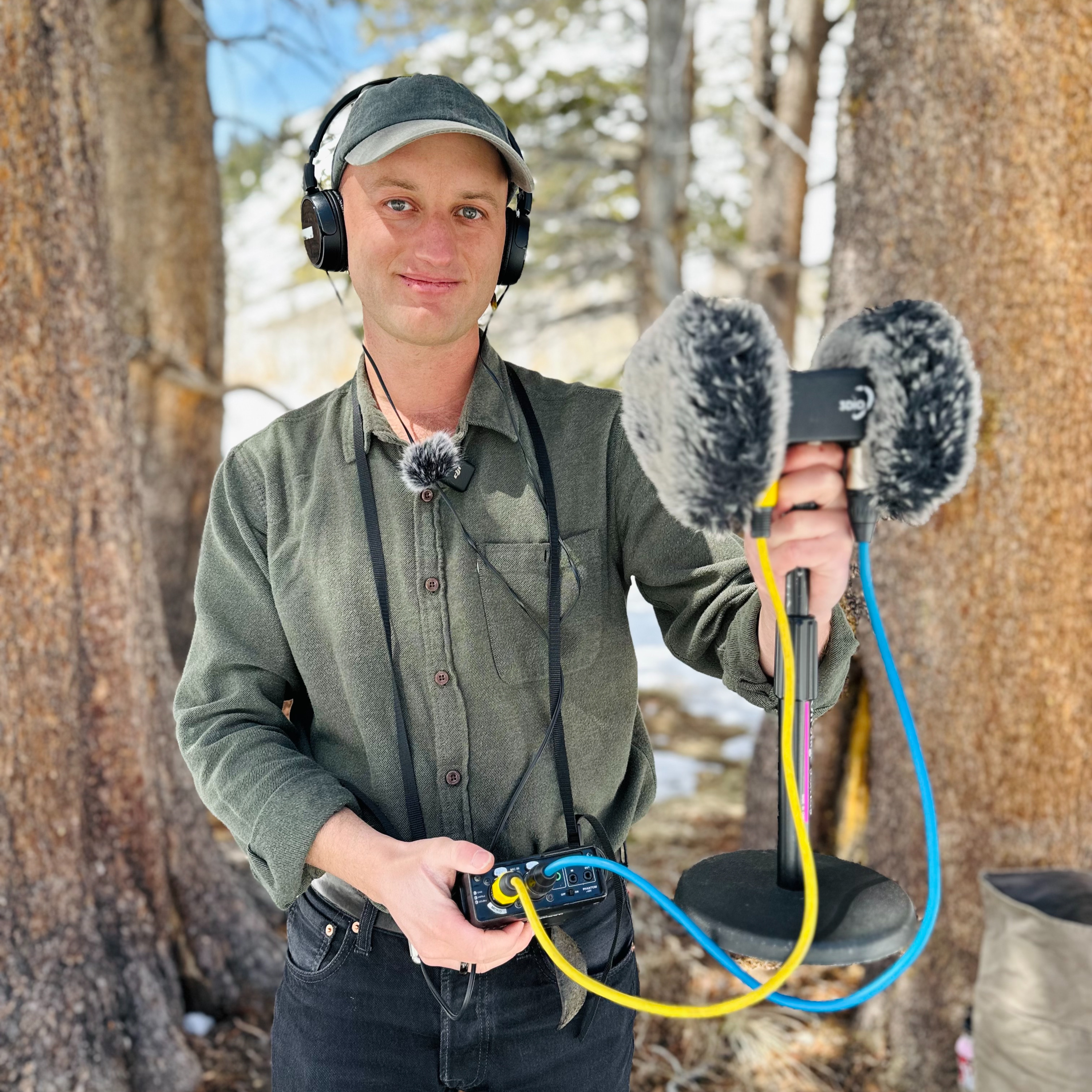
Listening in Nature with Fil Corbitt
Mar 13, 202501:03:24Tap to summarizeHow can listening deepen our relationship with place? What do birds think about highway noise? Is that ice bridge safe to cross at this time of year? How can I learn to listen more closely? Join me and Fil Corbitt as we snowshoe down the Eastern slope of the Sierra Nevada Mountains in search of a handmade desk and a place to listen to flowing water, to birdsong, to each other, and to the ever-changing landscape itself. Links: Fil's podcast is called The Wind. Check out their Coyote episode. "Birdsongs alleviate anxiety and paranoia in healthy participants"Support Golden State Naturalist on Patreon and get perks starting at $4/month. Follow me on Instagram. My website is goldenstatenaturalist.com. Get podcast Merch. The theme song is called “i dunno” by grapes and can be found here.
Transcribe →
Torrey Pines with Jon Rebman
Feb 27, 202500:44:39Tap to summarizeWhat do cacti and rare pines have in common? What’s a paleoendemic? Do pinecones have teeth? Why do so many different plant species live in Mediterranean climates? Join me and Jon Rebman as we go behind the scenes of the San Diego Natural History Museum, explore the herbarium, and discuss the rarest pine species in North America. Links: San Diego Natural History MuseumUniversity of California Museum of PaleontologyCool study about redwood leavesInfo about Torrey pines and bark beetlesSupport Golden State Naturalist on Patreon and get perks starting at $4/month. Follow me on Instagram. My website is goldenstatenaturalist.com. Get podcast Merch. The theme song is called “i dunno” by grapes and can be found here.
Transcribe →
Ringtails with Dave Wyatt and Kristyn Schulte
Jan 30, 202501:19:46Tap to summarizeHave you ever wondered what little-known and mysterious beings are living among us, just out of sight? This episode is about one such creature that most Californians have no idea even exists. Join me, Dave Wyatt, and Kristyn Schulte as we discuss clever little foxes, oak mistletoe, the floor is lava, dissolved poop, the smallest mountain range in the world, tasty taxidermy, classroom design, convergent evolution, weasel lemurs, and a whole lot more. Links: The California Ringtail Project Mistletoe toxicity Support Golden State Naturalist on Patreon and get perks starting at $4/month. Follow me on Instagram. My website is goldenstatenaturalist.com. Get podcast Merch. Subscribe to the GSN email newsletter. Episode cover photo by Dave Wyatt. The theme song is called “i dunno” by grapes and can be found here.
Transcribe →
Fire in Built Environments (Special Episode: LA Fires) with Alexandra Syphard
Jan 16, 202501:12:12Tap to summarizeJoin me and Dr. Alexandra Syphard as we discuss what makes some neighborhoods more fire prone than others, the Santa Ana Winds, defensible space, the massive differences between fires in forested Northern California and shrubby Southern California, the pendulum swing of public opinion, ways that climate change does and doesn’t contribute to wildfires, the WUI, positive uses of abandoned Fry's electronics buildings, waxy leaves, invasive plants, and so much more. This episode is an attempt to add context for everyone struggling to comprehend the scale of the fires in Los Angeles, especially those impacted. I hope it helps. Sending love. Links: California Fire Hazard Severity Zones Support Golden State Naturalist on Patreon and get perks starting at $4/month. Follow me on Instagram. My website is goldenstatenaturalist.com. Get podcast Merch. The theme song is called “i dunno” by grapes and can be found here. Cover art by Raquel Raclette.
Transcribe →
Urban Canyons with Michelle Thompson
Dec 19, 202400:43:59Tap to summarizeFlying over San Diego, you can see them: Fingers of green extending through neighborhoods all across the city. San Diego’s urban canyon’s serve as refuges for people and wildlife alike, but they’re also often isolated islands of habitat. This can keep animals from accessing the resources they need to survive. And human neighbors aren’t always able to access these spaces, either. In this episode, join me and Michelle Thompson as we search for reptiles in one of San Diego’s urban canyons, discuss what makes canyons special, and explore how the San Diego Natural History Museum is setting the foundation for the long-term health of these spaces. Links: Healthy Canyons Initiative Go on a FREE hike with the Canyoneers Want to help SD canyons? Email Michelle Thompson at: conbio@sdnhm.org 1988 Michael Soulé Study Support Golden State Naturalist on Patreon and get perks starting at $4/month. Follow me on Instagram. My website is goldenstatenaturalist.com. Get podcast Merch. The theme song is called “i dunno” by grapes and can be found here. Episode cover photo provided by The San Diego Natural History Museum.
Transcribe →
Keystone Plants with Doug Tallamy
Dec 5, 202400:58:18Tap to summarizeWhat do oak trees, goldenrod, willows, and ceanothus all have in common? They all belong to the group of roughly 14% of plants supporting 90% of caterpillar species. In other words, they’re all keystone plants. Join me and Doug Tallamy as we discuss the vital role these plants play in their native ecosystems and how we can bring them home to welcome hundreds of species into our own yards. Helpful Links: Doug’s books Calscape by The California Native Plant Society Keystone Plants in Mediterranean California (National Wildlife Federation Resource) Homegrown National Park Map Article: “The Illusion of a Trillion Trees” Support Golden State Naturalist on Patreon and get perks starting at $4/month. Follow me on Instagram. My website is goldenstatenaturalist.com. Get podcast Merch. The theme song is called “i dunno” by grapes and can be found here.Episode cover photo by Parker Sturdivant.
Transcribe →