
Podcast
Grain IQ
Hosted by Rural Radio Network · EN
We know farmers are good at producing grain, but we want them to be good at marketing it, too. Grain marketing is a critical part of keeping farming operations profitable.
From the history of grain trading to the importance of domestic and international markets, we’ll help you understand all facets of grain marketing. And, we’ll give you resources to build your own grain marketing
Hosted by Chad Moyer, GrainIQ is a production of the Nebraska Rural Radio Association in cooperation and with support by the Nebraska Soybean Board.
10episodes
Episodes
Newest firstAll episodes
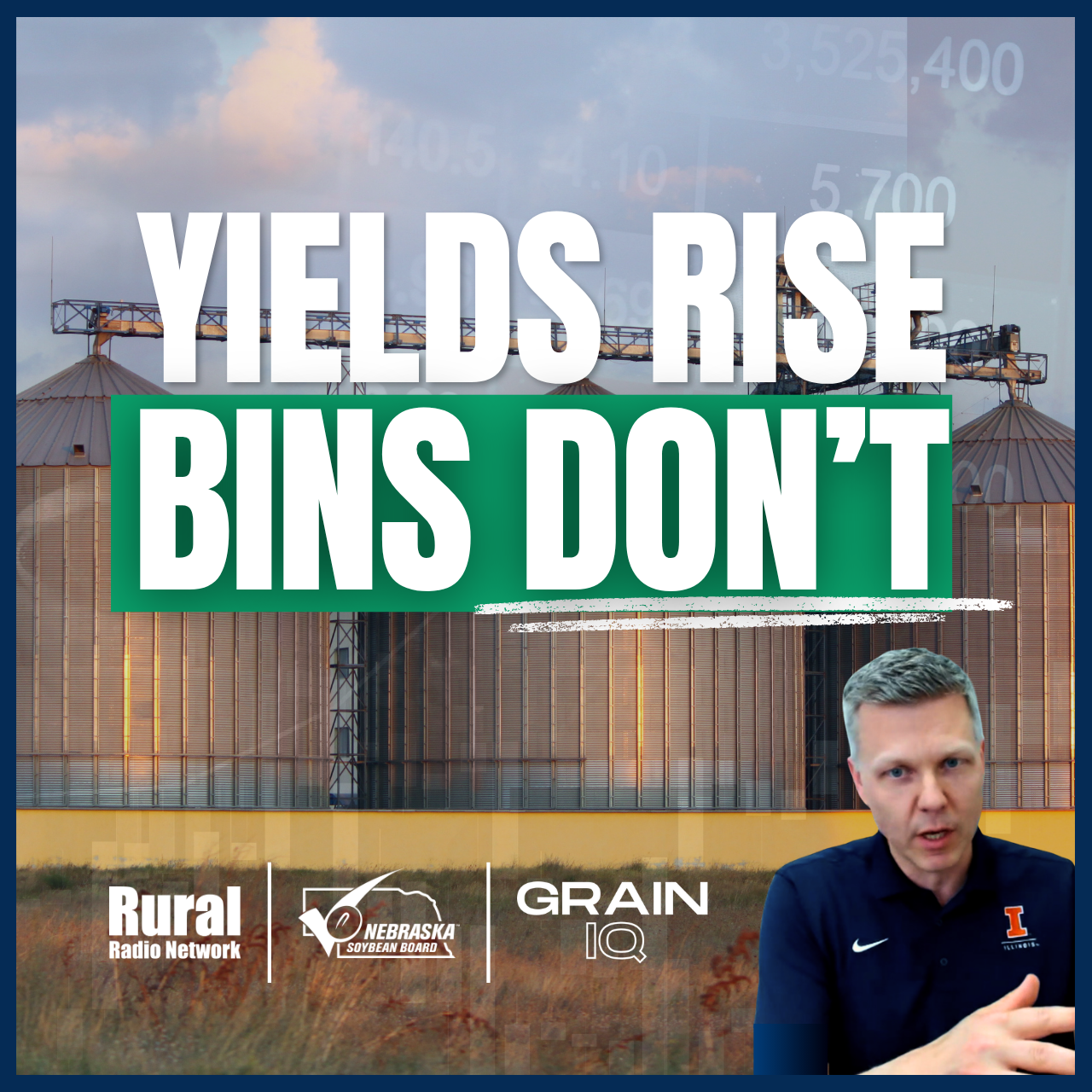
Yields rise, bins don’t: The end of ‘bushel-for-bushel’ storage growth | Grain IQ Podcast
Apr 2800:26:13Tap to summarizeFor twenty years, the math for U.S. grain storage was simple: for every extra bushel the American farmer grew, the industry built a bushel of space to hold it. But according to University of Illinois economist Joe Janzen, that "bushel-for-bushel" trend has officially snapped. In this episode of Grain IQ, Janzen noted that while U.S. grain production continues to climb in a "straight line," aggregate storage capacity has been flat since 2020. Grain IQ is an original production of the Nebraska Rural Radio Association with support from the Nebraska Soybean Board.
Transcribe →
The Big Shrink - What a peaking global population means for U.S. agriculture | Grain IQ
Feb 1100:30:10Tap to summarizeWhat happens when the world stops growing? In this episode of Grain IQ, Chad Moyer talks with Matt Clark and Don Close of Terrain about The Big Shrink, a new series examining how declining populations in major trade partners could reshape grain and livestock markets. From fertility rates in China and Japan to potential shifts in U.S. crop choices and livestock expansion, this episode gives farmers a long-term perspective on the future of agriculture. Learn how domestic consumption, niche crops, and trade diversification may become key to sustaining success for generations to come. Grain IQ is an original production of the Nebraska Rural Radio Association, supported by the Nebraska Soybean Board.
Transcribe →2026 Grain and Livestock Market Outlook: Risk, Demand, and What Producers Should Watch
Dec 2200:28:10Tap to summarizeWhat does 2026 have in store for grain and livestock markets? On this episode of Grain IQ, host Chad Moyer sits down with Matt Wiegand of FuturesOne and Ross Baldwin of AgMarket.Net for a wide-ranging market outlook recorded live at the Nebraska Ag Expo. The conversation covers risk management fundamentals, grain and livestock market drivers, herd expansion signals, global trade impacts, processing capacity, and what producers should be watching as the industry moves into 2026. Grain IQ is brought to you by the Nebraska Soybean Board.
Transcribe →Grain IQ: Breaking Down the 2025 Pro Farmer Crop Tour with Chip Flory
Sep 3000:19:35Tap to summarizeThe Pro Farmer Crop Tour is one of the most anticipated events of the year for farmers and the grain trade. Now in its 33rd year, the tour provides boots-on-the-ground insights into yield potential across the Corn Belt. In this episode of Grain IQ, host Chad Moyer sits down with Chip Flory, leader of the western leg of the tour, to dig into what scouts are seeing in Nebraska and beyond. Flory explains how the tour’s routes have evolved, why Nebraska’s irrigated acres play such a unique role in yield estimates, and what makes the 2025 crop different from past years. From disease pressure like southern rust and gray leaf spot, to the difference between irrigated and dryland yields, to the stories (and even meals) from the road — this episode gives you an inside look at how the Pro Farmer Crop Tour gathers data and why it matters to your marketing decisions. Grain IQ is a production of the Nebraska Rural Radio Association, with support from the Nebraska Soybean Board.
Transcribe →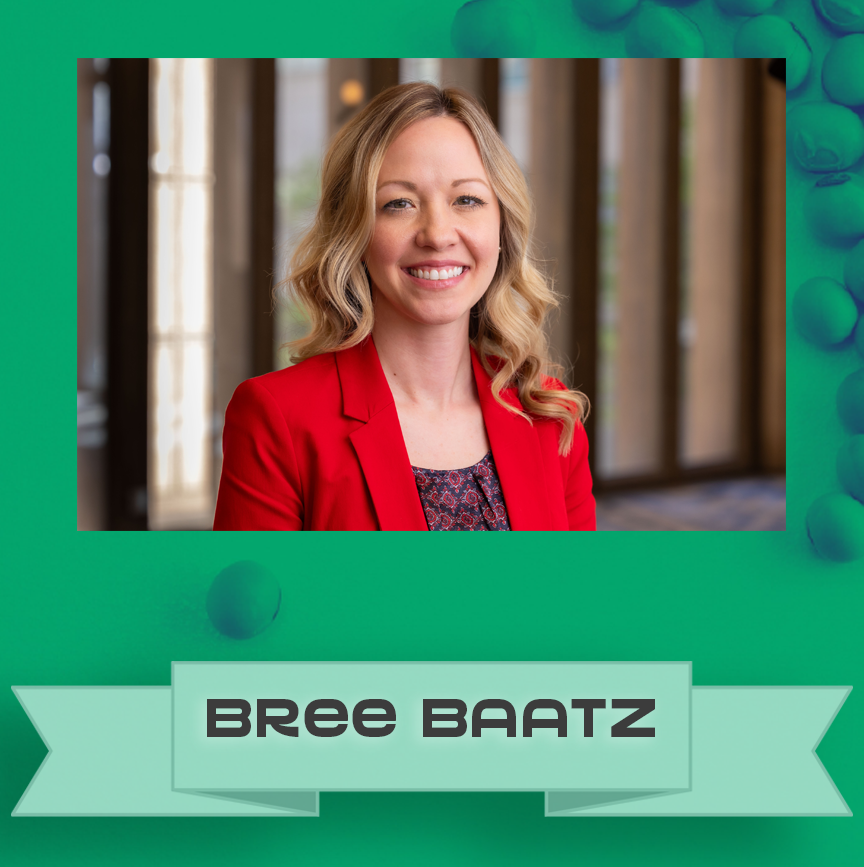
Harvest 2025: Grain Marketing Decisions Farmers Must Know
Sep 2900:25:00Tap to summarizeHarvest is here, and so are the tough grain marketing decisions. Prices are below break-even. Biofuel policy is uncertain. Global competition and interest rates add even more pressure. In this episode of Grain IQ, host Chad Moyer talks with Bree Baatz, grain and oilseed analyst at Terrain, about what farmers must know right now to make smart marketing calls. Bree shares insight on: - Corn vs. soybeans: which to store this harvest - Nebraska’s role in the crush and biofuel story - Global signals from South America and China - How basis and demand could shape marketing opportunities Grain IQ is a production of the Nebraska Rural Radio Association, with support from the Nebraska Soybean Board.
Transcribe →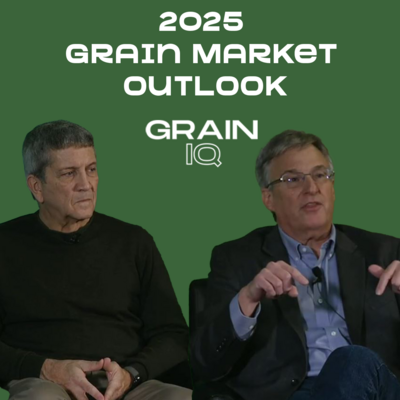
2025 Grain Market Outlook | Market Experts Weight In on Corn, Soybean Markets
Dec 30, 202400:52:29Tap to summarizeDive into a grain market outlook for 2025 with industry experts Darin Newsom of Barchart and Alan Brugler of Brugler Marketing and Management. Recorded live at the 2024 Nebraska Ag Expo, this Grain IQ episode captures key insights from their panel discussion, Grain Markets – Now and Into 2025. Hosted by Rural Radio Network’s Chad Moyer and supported by the Nebraska Soybean Board, this conversation tackles current market trends, strategies to navigate challenges, and practical advice for staying profitable. Don’t miss the Q&A segment where audience questions drive actionable takeaways for farmers and agribusiness professionals.
Transcribe →
Season 4, Ep. 10 – Consistent randomness: Does data from the Pro Farmer Crop Tour impacts grain markets?
Aug 21, 202400:29:07Tap to summarizeConsistent randomness and investigative reporting are two themes that come from the Pro Farmer Crop Tour every August. The tour has become an industry event that analysts, agronomists, farmers and more closely watch for real-time insights on crop conditions in seven states: Nebraska, South Dakota, Iowa, Minnesota, Illinois, Indiana, and Ohio. But what's the significance of the data to the markets? Is it accurate? And how should the data be used in grain marketing decisions? Chip Flory with Pro Farmer leads the Western Leg of the tour each year. He said their team of scouts has the same route during the same week with the same calculation methods to gather realistic data about the crop year after year. In addition to consistent randomness, Flory said the tour serves as an investigative report to level the playing field for farmers with access to data. “There have been years when the crop tour has deviated significantly from what USDA has showed us,” he said. Flory joins us to elaborate on the tour and its significance to grain marketing. Grain IQ is a production of the Nebraska Rural Radio Association, in cooperation and with support from the Nebraska Soybean Board.
Transcribe →
Season 4, Ep. 8 – What economic factors should I consider with on-farm grain storage?
Aug 19, 202400:18:01Tap to summarizeOn-farm grain storage has drastically changed how producers harvest and market their grain. What are the economic benefits of keeping grain in good condition? Are there considerable differences in storage practices? In part one of a two-part discussion, Dr. Ken Hellevang, a professor and extension engineer in the Department of Agricultural and Biosystems Engineering at North Dakota State University, answers these questions. Grain IQ is a production of the Nebraska Rural Radio Association, in cooperation and with support from the Nebraska Soybean Board.
Transcribe →
Season 4, Ep. 9 – How should I factor on-farm grain storage into my marketing plan?
Aug 19, 202400:17:33Tap to summarizeOn-farm grain storage gives farmers another option at harvest, but it also adds a few more factors to consider in a risk management plan. For farmers considering expanding their on-farm storage capacity, what specifically should they be factoring into that decision? What technological advancements in grain storage are making an economic impact? What do farmers need to assess for their grain marketing plan? Dr. Ken Hellevang, a professor and extension engineer in the Department of Agricultural and Biosystems Engineering at North Dakota State University, joins us to answer these questions in part two of this conversation. Grain IQ is a production of the Nebraska Rural Radio Association, in cooperation and with support from the Nebraska Soybean Board.
Transcribe →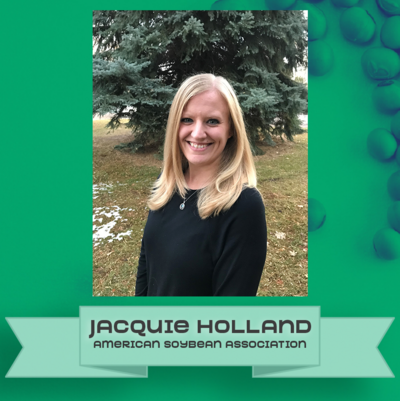
Season 4, Ep. 7 – Expanding soybean crush: Will it increase soybean prices?
Jul 29, 202400:21:18Tap to summarizeDue to the growing demand for soybean oil, soybean crush capacity is rapidly expanding across Nebraska to increase soy oil output. Will this lead to increased soybean prices? How do you factor these elements into your risk management plan? In recent years, there has been a notable increase in demand for soybean oil for use in renewable fuels. Here's some quick math to consider: One bushel of soybeans weighs 60 pounds. Of that, 12 pounds (20%) is soybean oil, which accounts for 37% of the soybean’s value. The remaining 47 pounds or so (80%) is soy meal, making up 63% of the soybean’s value. Jacquie Holland, an economist with the American Soybean Association, joins us on Grain IQ to explain how crush expansions in the Midwest will impact your grain marketing plan. Grain IQ is a production of the Nebraska Rural Radio Association, in cooperation and with support from the Nebraska Soybean Board.
Transcribe →