Podcast
Grid Connections
Hosted by Grid Connections · EN
Discover the future of energy in the Grid Connections Podcast. Join our expert host as we explore the latest innovations and developments in the world of renewable energy, electric vehicles, and sustainable transportation.
In each episode, we dive deep into topics such as the future of electric vehicles, charging infrastructure, and the impact of renewable energy on our society. We'll discuss cutting-edge technology, industry trends, and the challenges faced by those working to create a more sustainable future.
By listening to the Grid Connections Podcast, you'll gain valuable insights and knowledge from industry experts, policymakers, and thought leaders. You'll also have the opportunity to stay up-to-date on the latest developments in the world of sustainable energy and transportation.
Don't miss out on this exciting and informative podcast. Download the Grid Connections Podcast today and join us on our journey towards a cleaner, reliable future.
10episodes
Episodes
Newest firstAll episodes
How EVs Are Powering Rural America: Lower Costs, Farm-Ready Utility, and Real Stories from the Road
Aug 12, 202501:02:16Tap to summarizeSummary On this episode we talk with Steve Gutmann and Robert Wallace about making electric vehicles practical, affordable, and appealing for rural drivers through the new EVMath program. Drawing from their work on agricultural electrification and hands-on experience with EVs like the Tesla Model 3, Rivian, and Ford F-150 Lightning, Steve and Robert share how low rural electricity rates, high gas prices, and at-home charging can make EV ownership cheaper than running a diesel pickup—often with fuel savings exceeding the monthly payment. They discuss the eFarms program’s real-world testing of electric farm equipment, the surprising utility and range of EVs in remote areas, and the potential of vehicle-to-home power for resilience during outages. With EVMath’s online calculator, case studies, and resources, rural residents can see exactly how switching to electric can save money, increase convenience, and keep more energy dollars in their communities.⚡ Tune in now and don’t forget to Subscribe to our new newsletter!Plus check out our new consultancy site: Grid Connections ConsultingTakeaways1. Rural EV Ownership Can Slash Driving Costs by 80% or More Robert Wallace’s switch from a diesel pickup to a used Tesla Model 3 dropped his fuel cost from over 20¢ per mile to just 2–3¢ per mile—proving EVs can dramatically reduce transportation expenses in rural communities.2. EVs Offer Surprising Utility for Country Living From hauling livestock feed and farm tools to loading up 50-pound bags of dog food, EVs like the Tesla Model 3 have unexpected cargo space and functionality that rival or exceed many gas-powered vehicles.3. Electric Farm Equipment Brings Big Advantages Beyond Zero Emissions Programs like eFarms are putting electric tractors, trucks, and side-by-sides into the hands of farmers—offering quiet operation, instant torque, and even mobile power for running irrigation pumps in remote fields.4. Destination Charging Can Be More Useful Than DC Fast Charging For many rural drivers, Level 2 chargers at hotels, workplaces, or meeting locations are more than enough to recharge during the day—reducing the need for constant DC fast charger access.5. EVs Improve Reliability in Remote Areas In rural Oregon, fuel stations can be 40 miles away and have limited hours. Home charging ensures a “full tank” every morning, eliminating the risk of being stranded or delayed due to fuel access.6. Vehicle-to-Home Power Could Be a Game-Changer for Rural Resilience Pickup EVs with large battery packs can power essential farm equipment, well pumps, and refrigeration during outages—an especially valuable feature during wildfire season or severe weather events.7. Used EVs and Federal Tax Credits Make Electrification Affordable Robert purchased his 2018 Tesla Model 3 for just $21,000 after applying the federal used EV tax credit—showing that the used EV market is opening doors for budget-conscious rural drivers.Support or Connect with Grid ConnectionsLooking to either buy a Tesla or even test drive one, use our referral code.Travel for work and looking for a card that rewards your travel needs? Earn 60,000 bonus points with either Chase Sapphire card. Looking to go off grid or just need a better internet setup? Try Starlink FREE for a month.Want to be a guest on Grid Connections?Website | YouTube | Twitter | Instagram | FacebookNEVI, EV charging, infrastructure, federal policy, rural charging, electric vehicles, multifamily, charging deserts, state responses, industry trends, DCFC, DC Fast Charging
Transcribe →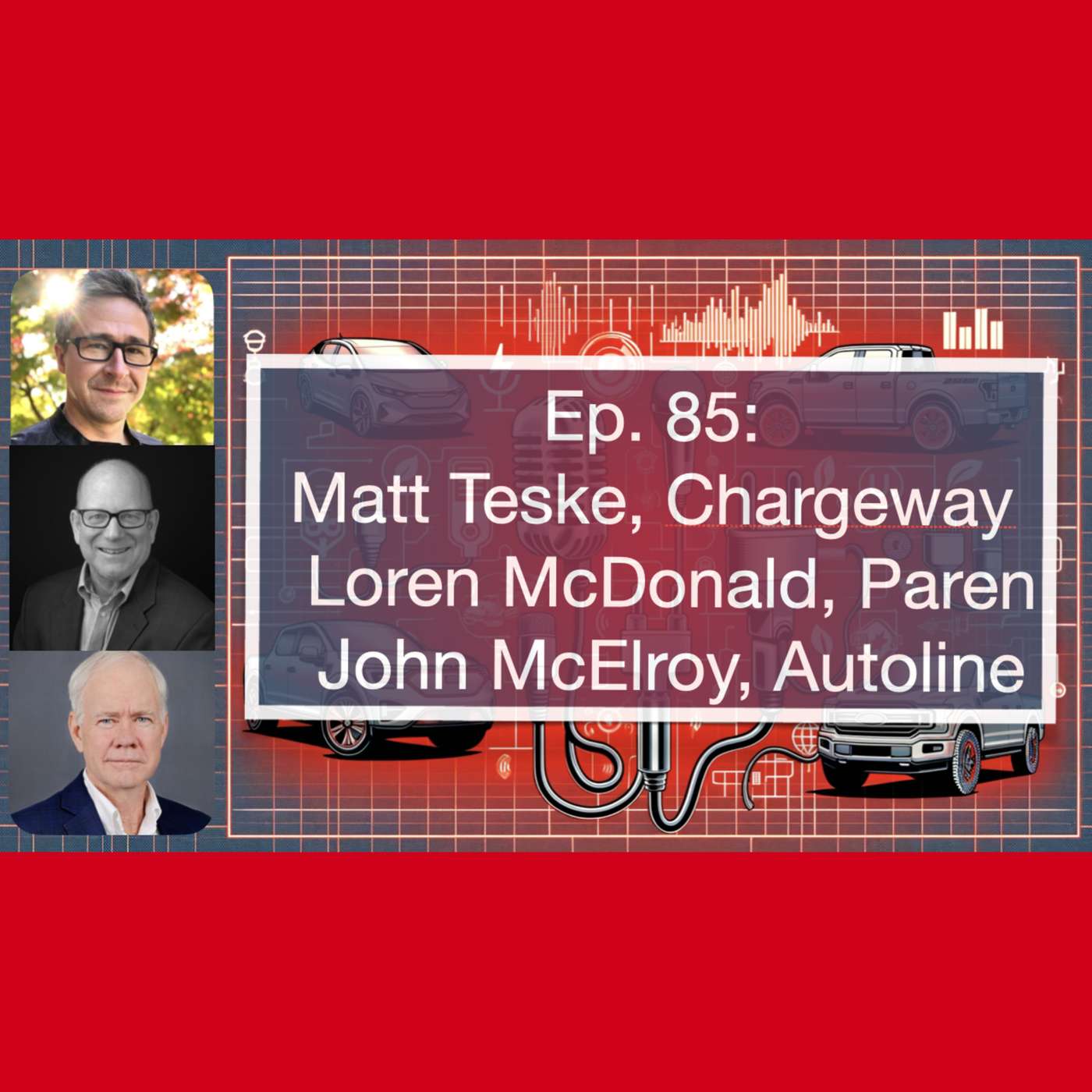
EV Charging Is Booming—Why the Narrative Is Wrong and What’s Next
Jul 31, 202501:23:32Tap to summarizeSummaryIndustry experts Matt Teske (Chargeway), Loren McDonald (Paren), and John McElroy (Autoline Network) join host Chase to tackle the most pressing myths and realities in EV charging. They break down the surprising growth in U.S. charging infrastructure, challenge the mainstream narrative that EV adoption is stalling, and highlight why better communication—not just better technology—is critical for the next wave of EV buyers. From fast-charging expansion and policy headwinds to automaker struggles and the impact of leasing and used EVs, this episode is packed with insight for anyone navigating the future of clean transportation.⚡ Tune in now and don’t forget to Subscribe to our new newsletter!Plus check out our new consultancy site: Grid Connections ConsultingLinks from this EpisodeParen's US EV Fast Charging — Q2 2025 ReportTakeawaysFast Charging Is Scaling—But With Growing Pains While fast-charging installations are breaking records, some regions are facing underutilization due to overbuilt infrastructure or slow EV adoption, revealing the importance of aligning deployment with real-world demand.Charging Station Visibility Is a Major Barrier The lack of consistent signage and recognizable branding for EV chargers is creating consumer confusion. The panel argues that marketing electricity as a fuel—complete with price signage—can dramatically shift public perception.The Real EV Education Problem: Zero Public Messaging Despite billions in public investment, there’s virtually no nationwide campaign explaining how EV charging actually works. The absence of clear messaging continues to slow adoption among mainstream drivers.EV Sales Are Fragmenting Across More Models, Not Growing Per Model With over 80 BEV models on the market and many more on the way, the data shows EV sales are plateauing per vehicle. Most sales gains come from newly introduced models, not sustained growth across existing ones.Used EVs Are Creating Wildly Competitive Price Points Consumers can now find luxury EVs like the Mercedes EQS for under $35K, putting pressure on automakers to justify new model pricing—even for upcoming sub-$30K EVs.Automakers Are Losing Money—And Options Are Limited As leasing incentives phase out and tariffs ramp up, legacy automakers face difficult decisions: cut margins further, eat the costs, or risk sales decline. Profitability is increasingly tied to platform efficiency and software.Bidirectional Charging May Be the Game-Changer No One's Talking About As grid reliability declines, EVs with power backup capabilities—like the Cybertruck—offer new value propositions for homeowners. Yet, the industry has barely scratched the surface in promoting this benefit to consumers.Support or Connect with Grid ConnectionsLooking to either buy a Tesla or even test drive one, use our referral code.Travel for work and looking for a card that rewards your travel needs? Earn 60,000 bonus points with either Chase Sapphire card. Looking to go off grid or just need a better internet setup? Try Starlink FREE for a month.Want to be a guest on Grid Connections?Website | YouTube | Twitter | Instagram | FacebookNEVI, EV charging, infrastructure, federal policy, rural charging, electric vehicles, multifamily, charging deserts, state responses, industry trends, DCFC, DC Fast Charging
Transcribe →
How PSE&G Is Powering New Jersey’s EV Future with Scalable, Equitable Infrastructure with Dawn Neville
Jul 10, 202500:55:23Tap to summarizeSummaryDawn Neville, PSE&G's Manager of Electric Transportation, shares how New Jersey’s largest utility is scaling EV infrastructure through innovative programs, strategic grid investments, and a focus on equity. From supporting multi-unit dwelling charging to enabling fleet electrification, Dawn breaks down how PSE&G is preparing the grid for mass EV adoption while ensuring access for all communities. Whether you're in policy, utilities, or EV deployment, this episode delivers actionable insights into the future of clean transportation.⚡ Tune in now and don’t forget to Subscribe to our new newsletter!Plus check out our new consultancy site: Grid Connections ConsultingTakeawaysCustomer education is key — PSE&G is investing in outreach and education to help customers understand the benefits and logistics of EV charging, especially for first-time EV buyers.Utility incentives aren’t just for residential drivers — PSE&G offers tailored programs for commercial fleets and workplace charging to accelerate large-scale electrification.Partnerships with local governments are accelerating deployment — Collaboration with municipalities is helping streamline permitting and siting for public charging infrastructure.Data-driven planning is shaping the grid of the future — PSE&G is using EV adoption forecasts and geospatial mapping to proactively plan grid upgrades before bottlenecks emerge.Interoperability matters — Dawn emphasized the importance of building charging networks that work across different hardware and software platforms to ensure a seamless user experience.Equity is embedded from the start — Rather than retrofitting equity considerations, PSE&G bakes them into program design, with targeted incentives and outreach to underserved communities.Support or Connect with Grid ConnectionsLooking to either buy a Tesla or even test drive one, use our referral code.Travel for work and looking for a card that rewards your travel needs? Earn 60,000 bonus points with either Chase Sapphire card. Looking to go off grid or just need a better internet setup? Try Starlink FREE for a month.Want to be a guest on Grid Connections?Website | YouTube | Twitter | Instagram | FacebookNEVI, EV charging, infrastructure, federal policy, rural charging, electric vehicles, multifamily, charging deserts, state responses, industry trends, DCFC, DC Fast Charging
Transcribe →
Revolutionizing Maritime: David Tyler Shares How Artemis Technologies Builds Fast, Electric, Hydrofoil Vessels
Jul 8, 202500:54:09Tap to summarizeSummaryWe sit down with David Tyler, Co-Founder and Managing Director of North America at Artemis Technologies, to explore how electric hydrofoil vessels are revolutionizing maritime transit. Spun out of the America’s Cup, Artemis is applying cutting-edge racing tech to build fast, zero-emission ferries that drastically cut energy use, eliminate diesel fumes, and make commuting by water quieter, smoother, and more efficient. We dive into vessel design, charging infrastructure, and the role of ferries in sustainable urban mobility, with real-world examples from San Francisco, New York, and beyond.⚡ Tune in now and don’t forget to Subscribe to our new newsletter!Plus check out our new consultancy site: Grid Connections ConsultingTakeawaysHydrofoils drastically reduce drag, enabling electric vessels to travel farther and faster on the same battery capacity — making high-speed electrification viable in maritime transit.Traditional ferries lose efficiency exponentially at higher speeds, while Artemis’ foiling boats maintain a flat energy curve, unlocking faster, more frequent service with lower operating costs.The maritime industry has been slow to adopt new tech, but Artemis is seeing a major shift as operators experience their vessels firsthand during North American demos.Electrification in maritime brings additional benefits beyond emissions, including reduced noise, smoother rides, less wake, and the ability to operate in more locations at more times of day.Artemis vessels use CCS2 and MCS fast charging standards, borrowing proven tech from the EV industry to support scalable charging for commercial boat fleets.Cities like San Francisco are turning to water transit to ease road congestion, and Artemis’ technology could unlock entirely new ferry routes and help reshape urban commuting.Support or Connect with Grid ConnectionsLooking to either buy a Tesla or even test drive one, use our referral code.Travel for work and looking for a card that rewards your travel needs? Earn 60,000 bonus points with either Chase Sapphire card. Looking to go off grid or just need a better internet setup? Try Starlink FREE for a month.Want to be a guest on Grid Connections?Website | YouTube | Twitter | Instagram | FacebookNEVI, EV charging, infrastructure, federal policy, rural charging, electric vehicles, multifamily, charging deserts, state responses, industry trends, DCFC, DC Fast Charging
Transcribe →
Fixing EV Charging with Better Data: Gabe Klein & Paren’s Push for Standardization
Jul 1, 202501:02:11Tap to summarizeSummaryWe sit down with Gabe Klein, Chair of the Advisory Board at Paren and former Executive Director of the U.S. Joint Office of Energy & Transportation, alongside Paren CEO Florent Breton and Chief Analyst Loren McDonald. The conversation explores how Paren is bringing much-needed transparency, standardization, and real-time data to the EV charging ecosystem—tracking over 140 million charging events this year alone. The team breaks down the shift from fragmented infrastructure to a scalable, user-centered network, shares insights from automakers and charge point operators, and outlines how better data can drive better business decisions, improve reliability, and help EV adoption reach critical mass.⚡ Tune in now and don’t forget to Subscribe to our new newsletter!Plus check out our new consultancy site: Grid Connections ConsultingTakeawaysParen’s data is now trusted across the industry, with some of the largest charging networks preferring their insights in conversations with government and enterprise stakeholders.New charging players like convenience stores and automakers have different motivations—focused on customer experience and retail engagement, not just selling electricity.Paren’s platform enriches basic CPO data by adding third-party insights like Google ratings, hours of operation, amenities, and even safety factors to improve routing and driver confidence.Time-of-use pricing is not yet influencing behavior as intended, showing the need for stronger price signals and better visibility for drivers in real time.Paren is operating in listening mode, co-developing solutions with stakeholders based on actual pain points, rather than trying to force-fit generic data tools.EV charging station size is increasing, with a national average moving toward five ports per location—signaling industry recognition of utilization spikes and congestion challenges.Gabe Klein sees Paren as picking up where the federal government left off, enabling collaboration across siloed private players with accurate, actionable, and standardized insights.Support or Connect with Grid ConnectionsLooking to either buy a Tesla or even test drive one, use our referral code.Travel for work and looking for a card that rewards your travel needs? Earn 60,000 bonus points with either Chase Sapphire card. Looking to go off grid or just need a better internet setup? Try Starlink FREE for a month.Want to be a guest on Grid Connections?Website | YouTube | Twitter | Instagram | FacebookNEVI, EV charging, infrastructure, federal policy, rural charging, electric vehicles, multifamily, charging deserts, state responses, industry trends, DCFC, DC Fast Charging
Transcribe →
Building Reliable EV Charging Networks with Aubrey Gunnels, CEO of 3V Infrastructure
Jun 26, 202500:51:32Tap to summarizeSummaryAubrey Gunnels, CEO of 3V Infrastructure, joins us to explore how strategic, data-driven infrastructure is key to overcoming the "charging deserts" that currently challenge EV adoption. Aubrey highlights practical ways 3V Infrastructure leverages partnerships, advanced analytics, and scalable deployment models to accelerate charging station availability and reliability. He also discusses critical lessons learned from real-world deployments, insights into navigating policy hurdles, and the importance of community-driven solutions to foster equitable access to clean transportation. This episode offers essential perspectives for anyone interested in the intersection of electric vehicles, infrastructure innovation, and sustainable growth.⚡ Tune in now and don’t forget to Subscribe to our new newsletter!Plus check out our new consultancy site: Grid Connections ConsultingTakeaways:Reliability drives adoption: Consistent charger availability is critical for consumer confidence in EVs—more important even than sheer volume of chargers.Data analytics enhances uptime: Using real-time data and predictive analytics significantly reduces charger downtime by proactively addressing issues before they occur.Community-first infrastructure planning: Prioritizing underserved communities through targeted deployments not only promotes equitable EV adoption but also ensures long-term infrastructure sustainability.Partnerships are pivotal: Strategic partnerships with utilities, municipalities, and private entities streamline permitting processes and accelerate the pace of charger deployments.Standardization simplifies scaling: Implementing consistent hardware and software solutions enables rapid and cost-effective expansion of charging networks.Flexible funding approaches: Blending public incentives with private investment helps overcome initial financial barriers and supports quicker infrastructure rollout.Future-proof infrastructure investments: Ensuring infrastructure is built with the capacity for growth, including higher-power chargers and potential vehicle-to-grid (V2G) integration, prevents early obsolescence.Support or Connect with Grid ConnectionsLooking to either buy a Tesla or even test drive one, use our referral code.Travel for work and looking for a card that rewards your travel needs? Earn 60,000 bonus points with either Chase Sapphire card. Looking to go off grid or just need a better internet setup? Try Starlink FREE for a month.Want to be a guest on Grid Connections?Website | YouTube | Twitter | Instagram | FacebookNEVI, EV charging, infrastructure, federal policy, rural charging, electric vehicles, multifamily, charging deserts, state responses, industry trends, DCFC, DC Fast Charging
Transcribe →
Cutting EV Charging Costs by 80% with Solar + Storage with Tom McCalmont of Paired Power
Jun 24, 202500:52:20Tap to summarizeSummaryWe kick off season 7 of Grid Connections with Tom McCalmont, CEO of Paired Power, breaks down how microgrid EV charging—powered by solar and supported by intelligent load management and battery storage—is reshaping the future of clean transportation. Tom walks us through Paired Power’s live design and monitoring platform, Periscope, showing how organizations can reduce energy costs by over 80%, overcome grid constraints, and even enable bidirectional charging. From pop-up solar canopies to large-scale fleet solutions, Tom shares how their flexible systems offer resilience, cost savings, and reliability for workplaces, remote sites, and fleet operators alike. Whether you're an EV driver, site host, or clean energy advocate, this conversation is a deep dive into the real-world benefits of solar-powered charging infrastructure.⚡ Tune in now and don’t forget to Subscribe to our new newsletter!Plus check out our new consultancy site: Grid Connections ConsultingTakeawaysThree-Year Wait Times Are Real In high-demand states like California, utilities are facing years-long delays in expanding grid capacity for EV charging—a bottleneck that Paired Power’s microgrids can bypass entirely by working within existing infrastructure.$283,000 Saved Through Intelligent Load Management By staggering EV charging times intelligently rather than charging all vehicles at once, site hosts can reduce demand charges and save hundreds of thousands annually—before even adding solar.Solar + Storage Can Cut Annual Charging Costs by Over 80% In a real-world design scenario, combining solar and batteries reduced a workplace charging site’s yearly energy bill from $400,000 to $62,000.AC Charging Won the Practicality Battle (for Now) Despite starting with pure solar DC-to-DC charging, Paired Power pivoted to AC solutions due to the lack of universal DC standards—highlighting a major hurdle in charging hardware compatibility.V2G Support for Emergencies and Demand Response Paired Power’s systems already support bidirectional charging, allowing EVs to supply power back to buildings or the grid during outages or peak demand periods.Design in Minutes with ‘Periscope’ Simulation Tool Their in-house tool, Periscope, allows for rapid modeling of site-specific EV charging deployments—factoring in tariffs, load profiles, solar irradiance, and charger types to instantly visualize ROI and system performance.Off-Grid Charging at Parks and Beaches? Already Possible. Paired Power’s PairTree system is a pop-up solar EV charger that can be deployed and operational in just one day—perfect for remote areas without existing grid access.Support or Connect with Grid ConnectionsLooking to either buy a Tesla or even test drive one, use our referral code.Travel for work and looking for a card that rewards your travel needs? Earn 60,000 bonus points with either Chase Sapphire card. Looking to go off grid or just need a better internet setup? Try Starlink FREE for a month.Want to be a guest on Grid Connections?Website | YouTube | Twitter | Instagram | FacebookNEVI, EV charging, infrastructure, federal policy, rideshare, rural charging, electric vehicles, multifamily, charging deserts, state responses, industry trends, DCFC, DC Fast Charging
Transcribe →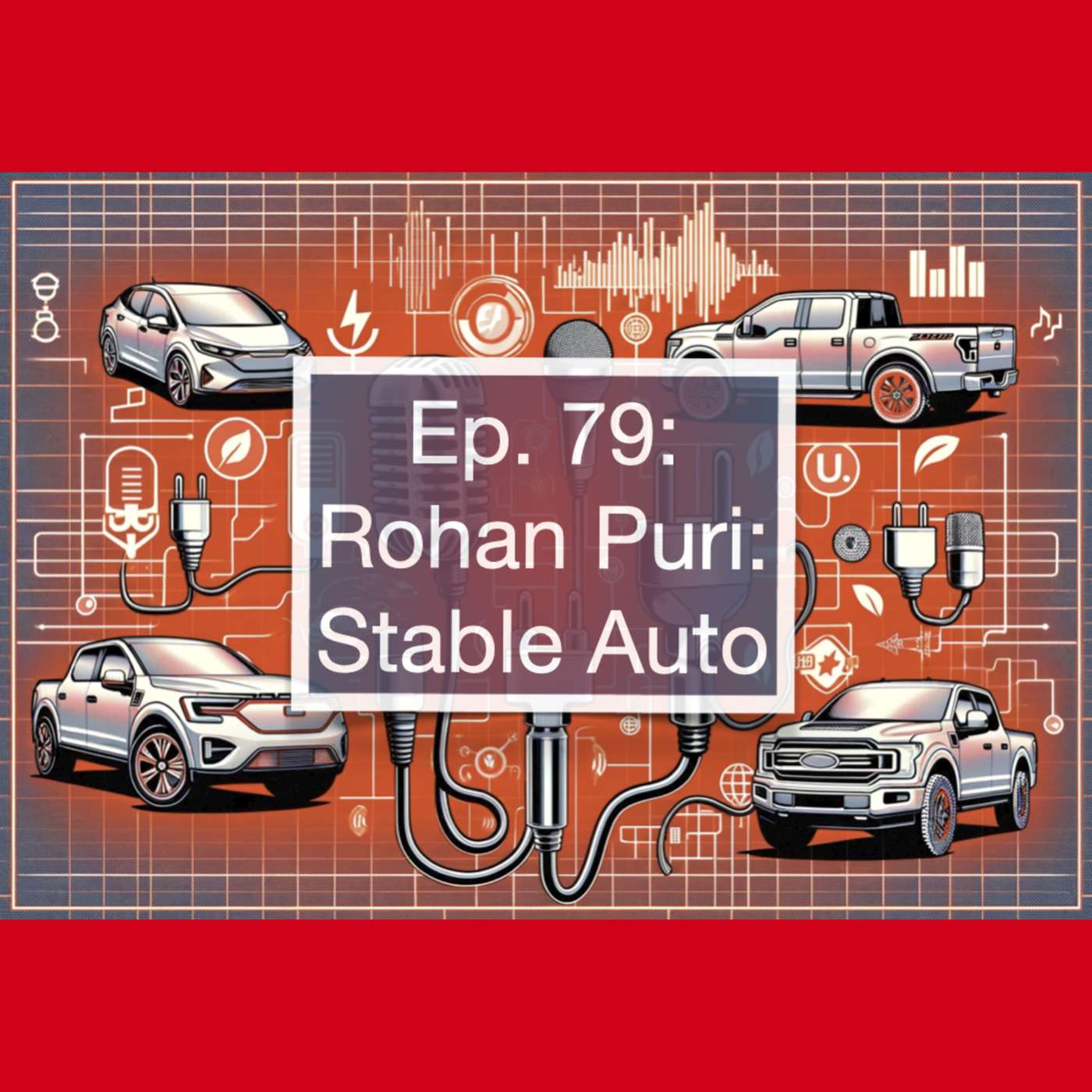
Rohan Puri of Stable on Making EV Charging Profitable with Smart Sites and Dynamic Pricing
May 6, 202500:47:14Tap to summarizeSummaryIf you care about the future of EV charging — whether you're deploying stations, investing in infrastructure, or just want a smoother road trip experience — this episode is a must-watch. Rohan Puri, CEO of Stable, breaks down why most charging sites underperform, how data-driven decisions can dramatically improve ROI, and what it takes to build a network that’s both profitable and user-friendly. From dynamic pricing strategies and rideshare trends to a vision of vehicles bidding for the best charge, this conversation reveals what’s really shaping the next wave of EV infrastructure. Don’t miss it — the insights here could change how you think about the entire charging ecosystem.⚡ Tune in now and don’t forget to Subscribe to our new newsletter!Plus check out our new consultancy site: Grid Connections ConsultingTakeawaysSmart pricing = higher margins Most charging networks update prices quarterly (or less). But by adjusting rates weekly based on demand, Stable clients have seen double-digit margin improvements — proving that dynamic pricing is a powerful, underused lever in EV charging profitability.Competition can boost utilization Contrary to industry assumptions, Rohan shares how placing EV chargers near competitors often increases usage for both networks — echoing the “dealership effect” where clustering drives more foot traffic and customer trust.Rideshare drivers reveal hidden patterns While often overlooked, rideshare EV drivers show distinct usage and price sensitivity behaviors, offering an early signal for identifying high-demand locations — especially near airports and city hubs.Regional investment is replacing national coverage As public incentives slow, private capital is flowing into regional fast-charging strategies, with most networks now adopting a “portfolio approach” that mixes high, medium, and low-utilization sites to manage risk.Software is the new differentiator With hardware becoming increasingly commoditized, CPOs that embrace software optimization — from adaptive pricing to demand forecasting — will be the ones who thrive in the post-subsidy EV charging economy.Charging reliability is improving — but slowly Stable doesn’t directly fix charger uptime, but its software helps operators detect underperformance through pricing and usage anomalies, giving networks a new tool for monitoring site health without extra hardware.Support or Connect with Grid ConnectionsLooking to either buy a Tesla or even test drive one, use our referral code.Travel for work and looking for a card that rewards your travel needs? Earn 60,000 bonus points with either Chase Sapphire card. Looking to go off grid or just need a better internet setup? Try Starlink FREE for a month.Want to be a guest on Grid Connections?Website | YouTube | Twitter | Instagram | FacebookNEVI, EV charging, infrastructure, federal policy, rideshare, rural charging, electric vehicles, multifamily, charging deserts, state responses, industry trends, DCFC, DC Fast Charging
Transcribe →
Charging 2.0: How Data, Reliability, and Retail Giants Are Reshaping the EV Charging Experience with Loren McDonald & Bill Ferro of Paren
May 1, 202501:17:21Tap to summarizeSummaryIf you want to understand where EV charging is really headed—and why the next wave of growth will be driven by data, reliability, and retail giants like Walmart—this is the episode you can’t afford to miss. Loren McDonald and Bill Ferro of Paren break down what they call “Charging 2.0”—a pivotal shift where charging infrastructure is no longer just about land grabs and incentives, but about real business models, driver experience, and uptime. From soaring urban utilization rates and rideshare demand to the J3400 transition and NEVI’s uncertain future, we explore the most important trends shaping EV infrastructure today. Whether you're in policy, fleet management, CPO operations, or just curious about the future of clean transportation, this episode is packed with insights you won’t hear anywhere else.⚡ Tune in now and don’t forget to Subscribe to our new newsletter!Plus check out our new consultancy site: Grid Connections ConsultingTakeawaysEV Charging Hubs Are Evolving Fast The average number of ports per station is increasing, with leading networks now deploying 6+ stalls per location—crucial for reducing wait times, improving reliability, and meeting rising demand from rideshare and urban EV drivers.Retailers Like Walmart Are Quietly Filling NEVI Gaps As federal NEVI funding stalls, retailers with national footprints are stepping in to build reliable charging in underserved rural and mid-market areas, helping normalize EV adoption where it's needed most.Data Is Becoming a Competitive Advantage for CPOs With real-time uptime metrics, predictive reliability algorithms, and utilization tracking, data-rich platforms like Paren are helping networks and fleets optimize site performance and drive revenue.Poor Charger Visibility Is Still a Barrier to EV Adoption From disconnected payment apps to broken card readers and limited cell service, poor UX continues to turn away would-be EV drivers—underscoring the need for software-led reliability improvements.Rideshare Drivers Now Account for Up to 25% of Charging Throughput This power-user segment is reshaping charging patterns, creating peak congestion in urban areas—and surfacing opportunities for dedicated infrastructure and off-peak pricing strategies.EV Route Planning Is Moving Beyond GPS Paren’s work on intelligent routing companions includes not just charger availability but real-time assessments of safety, amenities, and charger functionality—ushering in a more personalized driver experience.Tesla's OS Opening to Third-Party Chargers Could Reshape the Game As Tesla begins surfacing highly-rated non-Tesla stations in its navigation, third-party CPOs have a new incentive—and pressure—to meet stricter performance and reliability standards.Links from Today's EpisodeParen Website & Q1 Report 🔍 Access Paren’s data insights and download the Q1 EV Charging Report: https://www.paren.app/reportsU.S. NEVI Program (National Electric Vehicle Infrastructure) 🛣️ Learn more about NEVI and its funding roadmap (Federal Highway Administration): https://www.fhwa.dot.gov/environment/nevi/Cool the Earth / UC Berkeley Charger Reliability Study 📊 Landmark field study that helped define the true uptime of public chargers: https://www.cooltheearth.org/ev-charging-studyChargeX Consortium 🤝 Industry collaboration on improving EV charging quality and data transparency: https://chargex.consortium.io/ (or [insert actual ChargeX site])J3400 / NACS Charging Standard 📘 Learn about the emerging North American Charging Standard: https://www.sae.org/news/press-room/2023/12/sae-publishes-nacs-as-j3400Revel Charging Hubs (San Francisco and Beyond) 🚖 EV charging hubs designed specifically for rideshare support: https://gorevel.com/chargingSupport or Connect with Grid ConnectionsLooking to either buy a Tesla or even test drive one, use our referral code.Travel for work and looking for a card that rewards your travel needs? Earn 60,000 bonus points with either Chase Sapphire card. Looking to go off grid or just need a better internet setup? Try Starlink FREE for a month.Want to be a guest on Grid Connections?Website | YouTube | Twitter | Instagram | FacebookNEVI, EV charging, infrastructure, federal policy, rideshare, rural charging, electric vehicles, multifamily, charging deserts, state responses, industry trends, DCFC, DC Fast Charging
Transcribe →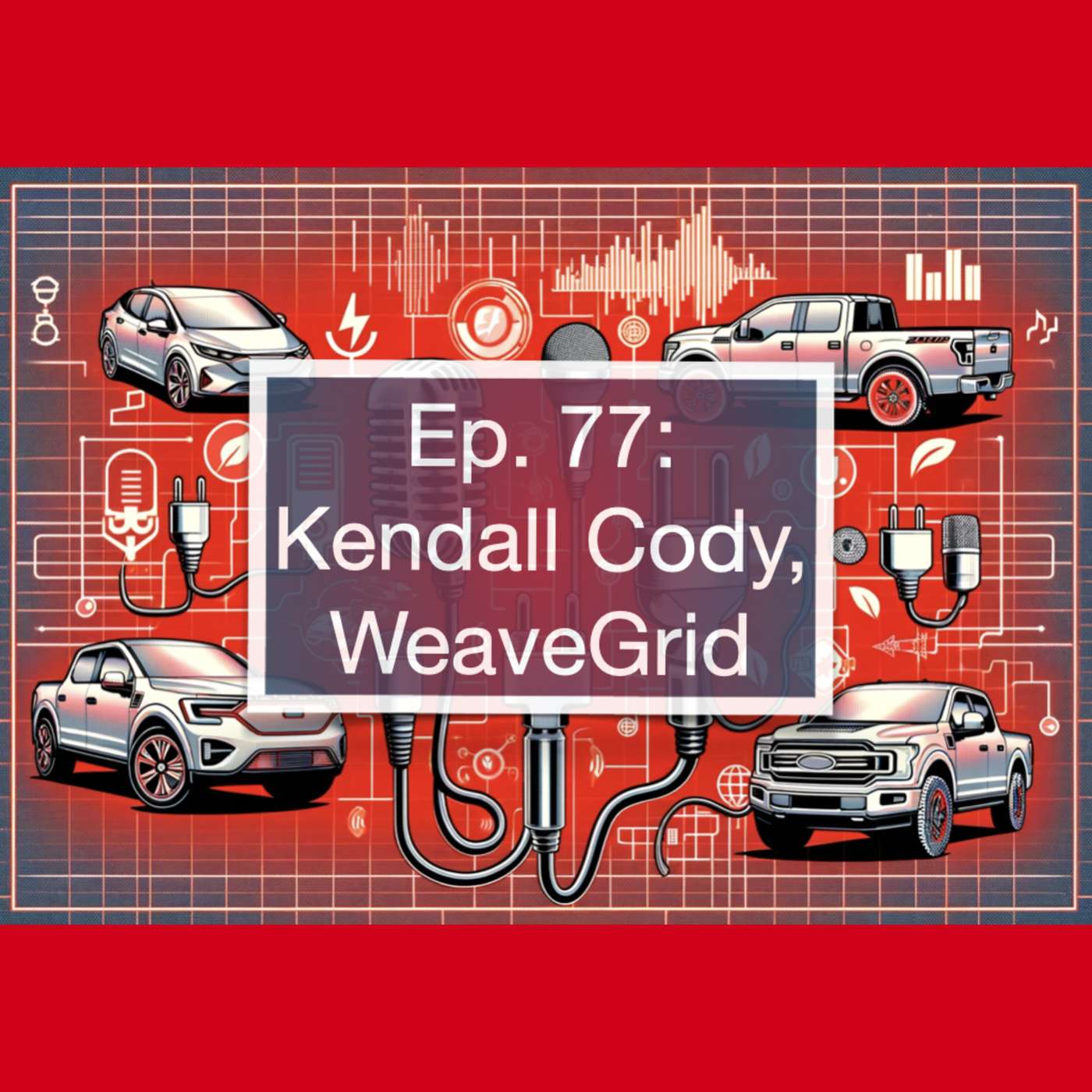
Optimizing EV Charging for a Smarter Grid: How WeaveGrid Connects Drivers, Utilities, and Clean Energy with Kendall Cody
Apr 24, 202500:50:48Tap to summarizeSummaryIf you're curious about how electric vehicles can play a bigger role in stabilizing our power grid—and how drivers can actually get paid to charge smarter—this episode of Grid Connections is a must-listen. We sit down with Kendall Cody, Director of Marketing and Communications at WeaveGrid, to explore how their intelligent software is helping utilities and EV drivers work together to unlock cheaper, cleaner, and more reliable charging. From behind-the-scenes insights on utility partnerships to real-world examples of managed charging programs across California, Colorado, and Maryland, this episode offers a front-row seat to the future of grid-integrated EVs. Whether you're a utility professional, EV owner, policy advocate, or just passionate about clean energy innovation, you’ll leave this conversation with a clearer view of how software, data, and smart infrastructure are reshaping the electric mobility landscape.⚡ Tune in now and don’t forget to Subscribe to our new newsletter!Plus check out our new consultancy site: Grid Connections ConsultingTakeaways1. Why utility-backed EV incentives are more than just rebates Kendall explains how WeaveGrid’s programs go beyond one-time perks, offering ongoing savings and rewards for EV owners who charge at optimal times.2. The growing role of telematics in managed EV charging Discover how direct API partnerships with automakers allow WeaveGrid to deliver seamless charging optimization—without compromising user privacy or vehicle control.3. How AI detects EV ownership using smart meter data WeaveGrid’s machine learning models can identify EVs at residential addresses just by analyzing electricity usage spikes—enabling smarter outreach and program design.4. The equity challenge: Making EV programs accessible to all Utilities are focused on ensuring managed charging doesn’t just benefit luxury EV owners. Learn how WeaveGrid helps broaden access across income levels and housing types.5. Why multifamily housing is the next frontier in EV charging WeaveGrid is launching new utility pilots to address the unique constraints of shared charging infrastructure in apartments and condos—unlocking untapped adoption potential.6. How vehicle-to-home (V2H) may outpace vehicle-to-grid (V2G) Kendall shares why using your EV to power your home during peak grid times may be more achievable (and practical) than sending energy back to the grid—at least for now.7. What "invisible EV charging" could look like in the future The future of managed charging may not involve apps or dashboards at all. WeaveGrid envisions fully integrated experiences directly inside automaker and utility apps—no extra logins, no new accounts, just clean charging in the background.Support or Connect with Grid ConnectionsLooking to either buy a Tesla or even test drive one, use our referral code.Travel for work and looking for a card that rewards your travel needs? Earn 60,000 bonus points with either Chase Sapphire card. Looking to go off grid or just need a better internet setup? Try Starlink FREE for a month.Want to be a guest on Grid Connections?Website | YouTube | Twitter | Instagram | FacebookNEVI, EV charging, infrastructure, federal policy, rideshare, rural charging, electric vehicles, multifamily, charging deserts, state responses, industry trends, DCFC, DC Fast Charging
Transcribe →