
Podcast
Growing Cities
Hosted by Viviana M. Addo · EN
Growing Cities is a global podcast exploring how capital, policy, design, and innovation shape the future of cities.
Hosted from New York by Viviana Addo, the show brings together real estate investors, developers, architects, urban policymakers, and operators who are actively influencing how cities grow, adapt, and endure. Conversations move beyond theory to examine the real decisions behind development, infrastructure, affordability, sustainability, and long-term urban value.
Each episode offers practical insight from leaders working across markets and disciplines, making Growing Cities a platform for thoughtful dialogue at the intersection of real estate, cities, and capital.
Viviana is available for speaking engagements, collaborations, and select partnerships aligned with the mission of advancing informed, responsible urban growth.
Join the conversation and explore what it truly takes to grow a city.
Host and Executive Producer's Bio
Viviana Addo is a global real estate capital strategist and Managing Principal at VMCASA, where she advises owners and investors on portfolio and capital decisions before execution begins.
With more than two decades based in New York and experience across the Americas, Africa, Europe, and the Middle East, Viviana brings a long-cycle, cross-border perspective shaped by both institutional training and generational exposure to real estate ownership and development.
She is the host of Growing Cities, a podcast exploring how capital, infrastructure, policy, and innovation shape the future of cities. Through conversations with investors, developers, operators, and policymakers, the podcast bridges global insight with practical decision-making in the built environment.
Viviana also teaches international real estate and development, bringing real-world capital and portfolio strategy into the classroom.
Contact Viviana for more info or to join the conversation.
10episodes
Episodes
Newest firstAll episodes
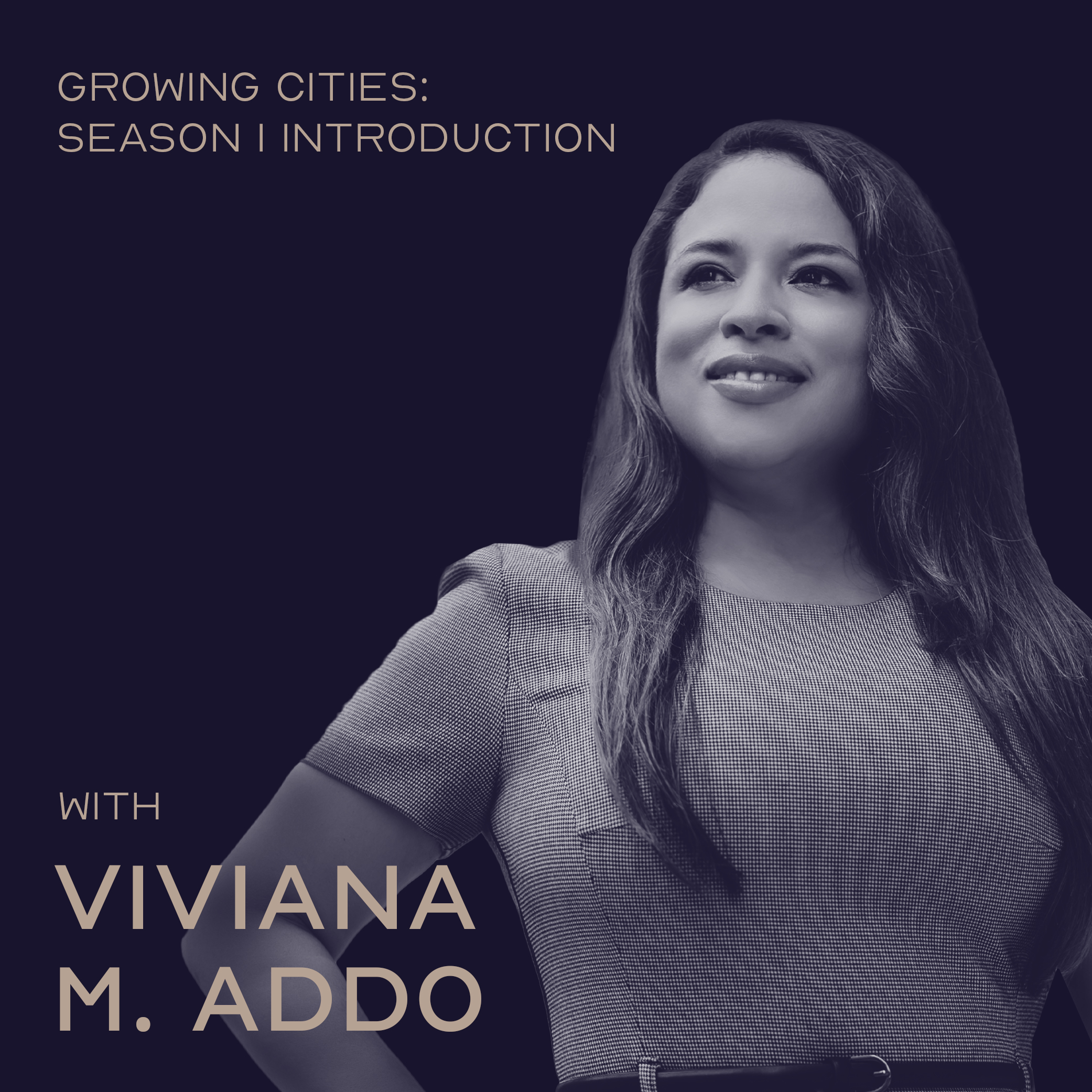
The Growing Cities Podcast with Viviana Addo (Season 1 Introduction)
Aug 5, 202100:26:37Tap to summarizeDuring this episode, Viviana describes her motivations and inspirations leading up to the founding of the Growing Cities Podcast, relaunching her branded consultancy and how her experiences at the NYU's Schack School of Real Estate has prepared her for a career in real estate asset management. She compares her experiences as a consultant for Lemor Development Group to working for Cushman and Wakefield. She overviews her podcast episodes with guests about how to grow a city. Season 1 Guest List (in order of appearance) Nadya Rangel (Secretaria Distrital of Habitat Bogotá-Colombia), Claus Skaaning (CEO of DigiShares) Pedro Ortiz (UN & World Bank Senior Consultant on Metropolitan Management), Phap Vu (Architect for Hawaii Construction & Development Consulting) (HCDC), Frank Braconi (Former Chief Economist, NYC Controller's Office) Stuart Brodsky( Director of the Center for the Sustainable Built Environment at NYU Schack ), James-Robert Sellinger (Co-Founder, Chief Financial Officer, Board Director at The Natural Resilience Foundation) Carlos Patiño Millan (Associate professor School of Social Communication of the Universidad del Valle) Constanza Garcia (Real Estate Attorney) Julian Espinosa (Counselor and Head of Urban Development Commission-Bogota) Diego Piedrahita (Architect & Creative Director)
Transcribe →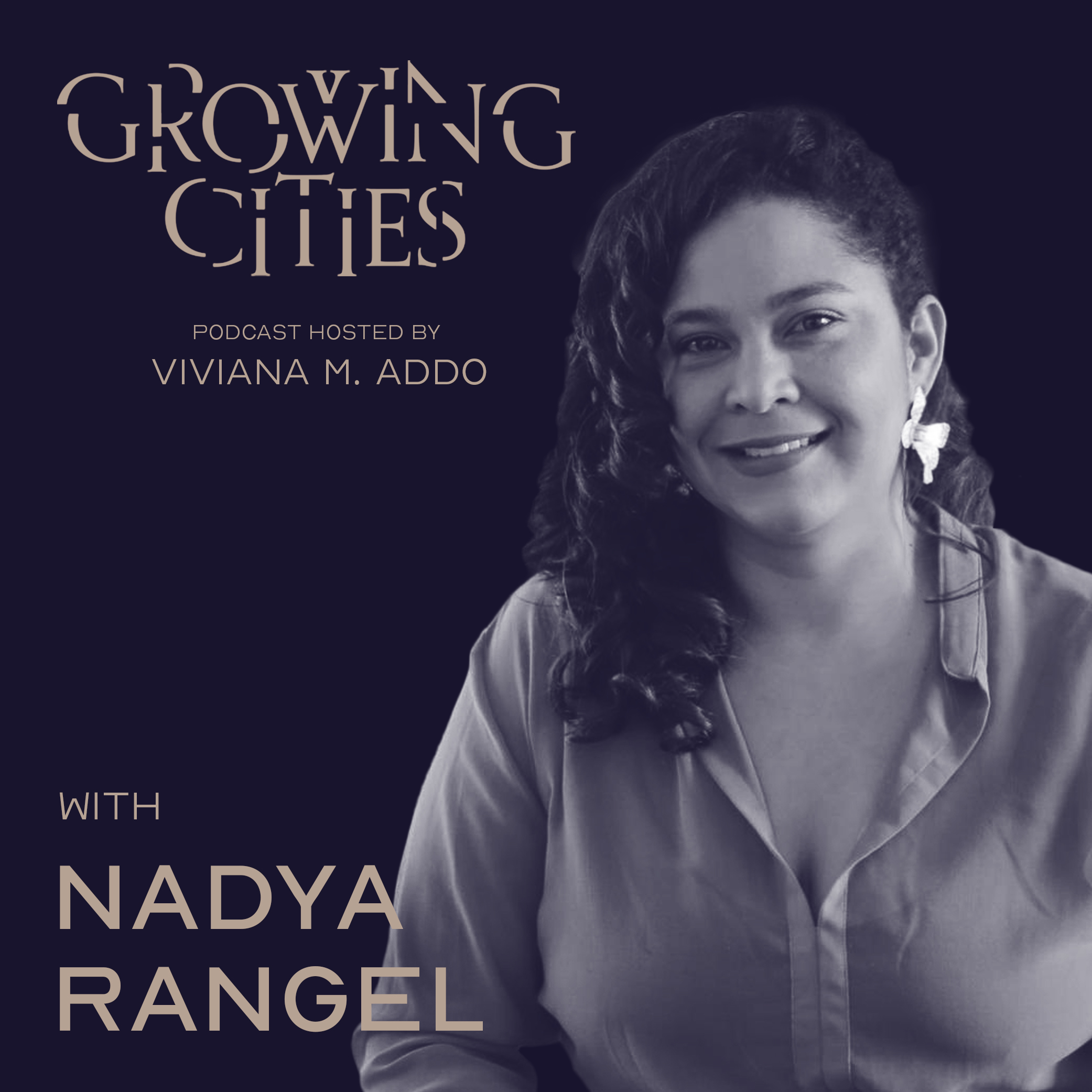
The Future of Bogota
Jul 18, 202100:57:23Tap to summarizeIn this episode we talk to a shining star of Colombian urban development and land use expert Nadya Rangel. She is the head of Secretaria Distrital of Habitat Bogotá-Colombia. She has decades of experience working with underserved communities to integrate them to the Bogota built environment in a way that is strategic to the sustainable urban development of Bogota, and fair to the community.
Transcribe →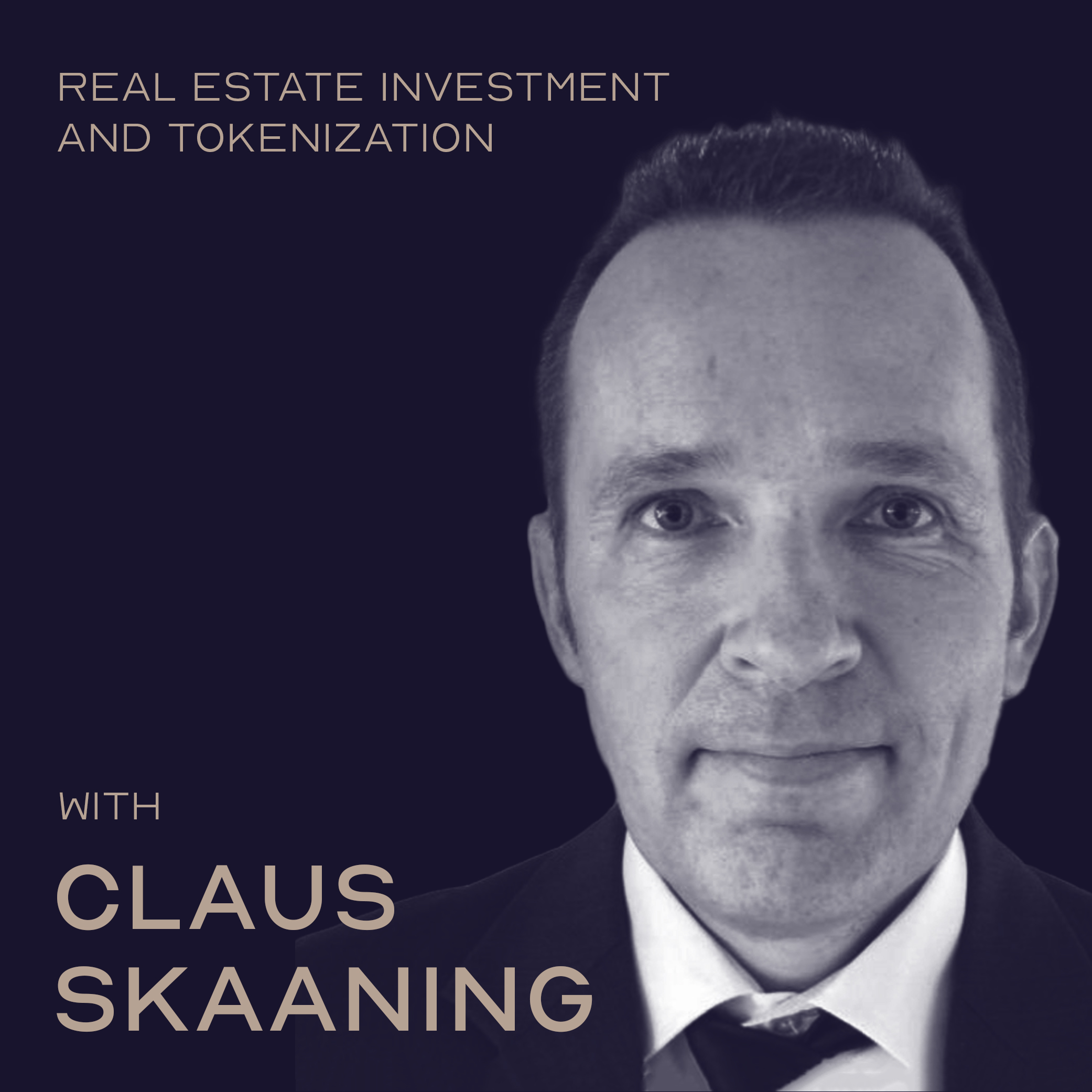
Real Estate Investment and Tokenization
May 25, 202100:39:50Tap to summarizeOn this episode Viviana talks with finance and blockchain technology expert, Claus Skaaning. The topic of our conversation is how to use cryptocurrency or tokens as a new vehicle to invest in real estate. Claus is a PhD in Computer Science from Denmark, passionate about the democratization of currency at the global level, and CEO of DigiShares. He shares his insight on how the real estate and finance industries can capitalize on a future that would be founded on blockchain infrastructure. In a nutshell, tokenization is one way to securitize real assets. To securitize an asset means to divide it into shares that you can sell to investors. In the same way, to "tokenize" an asset is to divide it into shares, or "tokens", that represent a predefined share of the underlying asset. Those assets can be real estate. This is an innovative way to invest in real estate using cryptocurrency, and in manageable inclements depending on your investment capacity and appetite. Claus also shares news about a Digital Securities and Tokenization Summit hosted by DigiShare this month. Learn more about DigiShares and the summit here www.digishares.io
Transcribe →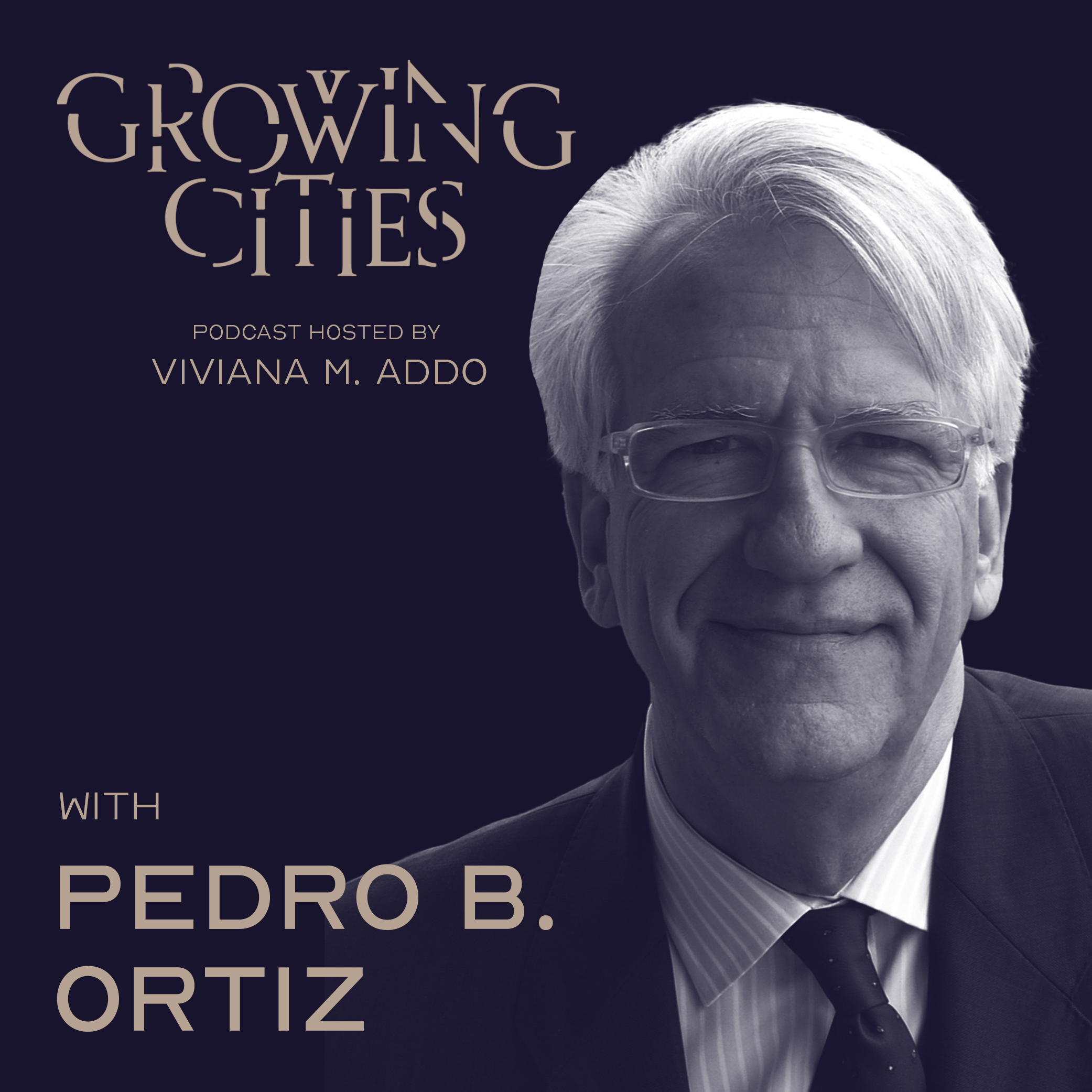
Metropolitan Management and Planning
May 25, 202100:53:22Tap to summarizeIn this episode Viviana talks with Pedro B. Ortiz. He is one of the few experts in metropolitan management and planning, and a leader in bringing awareness to the latent reality that large cities have to grow in a more strategic and sustainable fashion. Metropolises carry the inheritance of starting under situations in which social equity, and long term thinking was not part of the strategy. The result of it is the uncontrollable spread of slums all over the world. Mitigating this problem could not be more urgent, and governments addressing it is paramount. The real estate industry will be instrumental in contributing to mitigate this issue and help grow cities efficiently. Read more about Pedro and Metropolitan Management and Planning on www.pedrobortiz.com
Transcribe →
Hawaii Built Environment, Affordable Housing and Floating Architecture
May 18, 202100:23:51Tap to summarizeViviana talks with Architect, and rising star for Hawaii Construction & Development Consulting (HCDC), Phap Vu about the Hawaiian built environment, and real estate development. He has a wide range of experience from luxury development, to floating architecture, to sustainable and affordable real estate. He has a PhD in architecture from the University of Hawaii where he focused on floating architecture, and did an abroad scholarship to the Netherlands for a prestigious internship. Phap tells us about the current Hawaiian real estate development industry, the wonderful mix of asian cultures that influence Hawaiian architecture style, and his optimism about affordable housing and infrastructure under the Biden administration. Learn more about Phap and the work he does on www.hawaiicdc.com/about/team
Transcribe →
How a Mature City Manages Growth
Apr 21, 202100:42:26Tap to summarizeViviana talks with Former Chief Economist at the NYC controller's office about his insight on how a mature city like New York City manages growth. He is an expert and super star in this arena, and has written several publications on this topic. As well as on the effects of gentrification and displacement due to city growth and other factors. Mr. Braconi shares his views on how New York mitigates the negative effects from city growth, how to use data to analyze urban growth, and about the future of affordable housing as a way to grow a city sustainably. Frank's commitment to the growth of the capital of the world is evident in his work as Executive Director for over 12 years for the Citizens Housing & Planning Council of New York. Where he collaborated with other built environment intellectuals who envision a greater future for this growing city.
Transcribe →
Unlocking Value from Sustainability in the Built Environment
Apr 3, 202100:32:12Tap to summarizeViviana talks to Stuart Brodsky about sustainability in the built environment and how it helps to unlock value for CRE investors. Historically the real estate industry has affected the natural world. The real estate sector affects, and is affected by climate change. Buildings account for around one-third of global greenhouse gas emissions and consume 40% of the world's energy. The real estate industry's commitment to more sustainable practices is an area of opportunity. Therefore we must identify solutions to reduce emissions and mitigate climate impacts. This approach can reap financial as well as moral dividends.
Transcribe →
Green Building, Investment and Government Incentives
Mar 26, 202100:31:33Tap to summarizeViviana is pleased to speak with James Robert Sellinger about Green building, real estate investment, and the government incentives currently available in New York City. Green building is a holistic concept that starts with the understanding that the built environment can have profound effects, both positive and negative, on the natural environment, as well as the people who inhabit buildings every day. Green building is an effort to amplify the positive and mitigate the negative effects throughout the entire life cycle of a building. Throughout her career in real estate and her years at NYU Schack graduate school it became crystal clear that a more holistic manner of understanding the built environment is paramount. That everyone can contribute to making the built environment healthier and more sustainable, especially government officials and institutions. Change is unavoidable and cannot wait any longer. The private sector has started investing in green building and sustainability because there is a universe of profitable opportunities in this arena. For the most part the cost differential is low, just around 5% for multifamily properties, and the market seems to be ready to cover that cost in order to build a healthier built environment for the community that inhabits it in the long term. During Viviana's time at Cushman & Wakefield managing the NY Presbyterian portfolio, she experienced first hand the commitment of some in the private sector to be a part of this movement of forward thinkers who envision a greater future for New York City, and growing cities across the globe. Viviana invites her audience to also be a part of this movement, and hopes enough people and organizations join forces to make the world a better place.
Transcribe →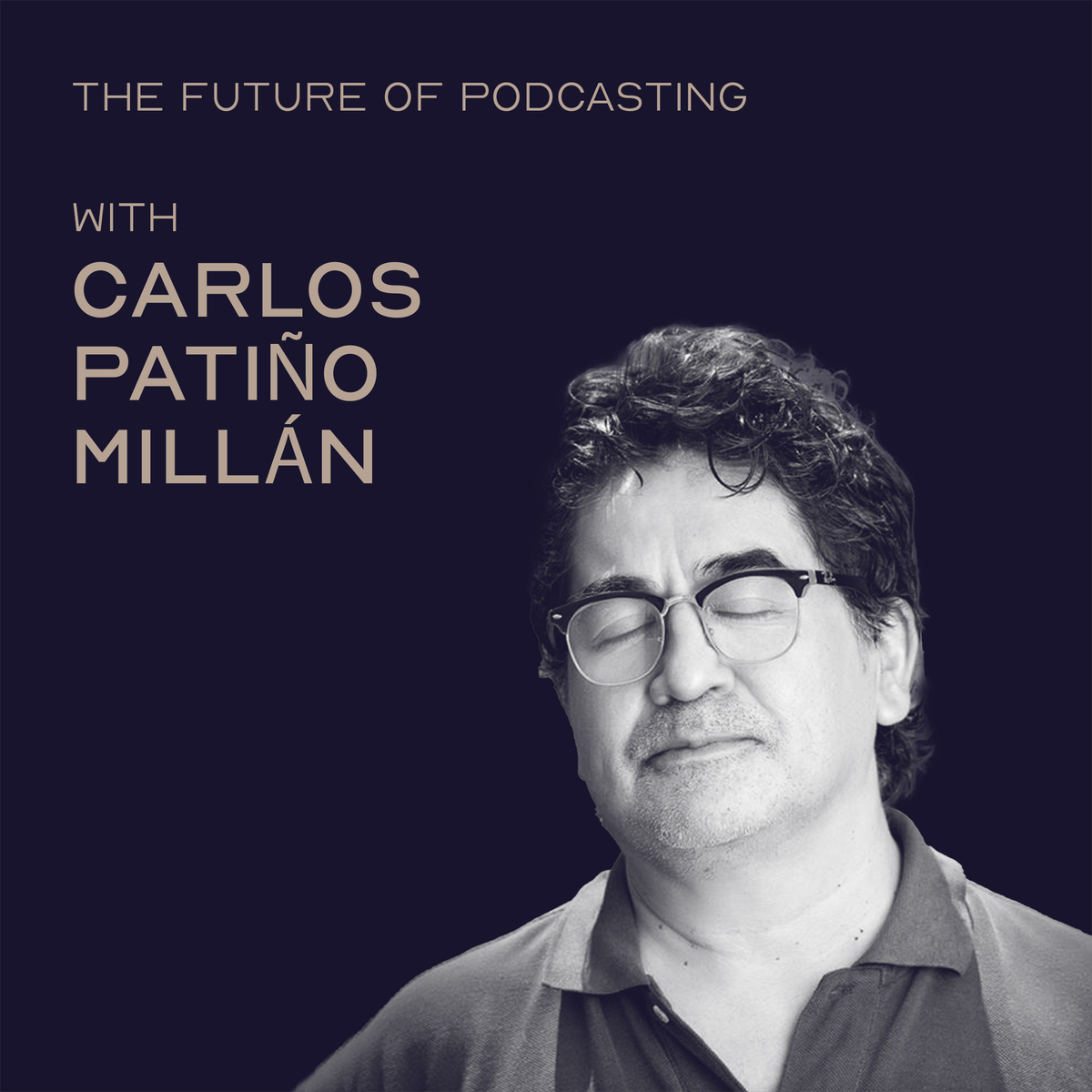
The Future of Podcasting with Carlos Patiño Millan
Mar 9, 202100:49:07Tap to summarizeBroadcast media is constantly evolving. The transition from radio to podcasting is a great example of it. Thanks to new technology and the democratization of access to this type of audio broadcasting, professionals from all industries including real estate are able to have a voice. In this episode we talk to radio and communications expert Carlos Patiño Millan. He is also a writer, journalist and professor. He is a PhD candidate of Humanities at the Universidad del Valle and a professor at the School of Social Communication of the Universidad del Valle. He talks to us about his tesis on the impact of displace population in the Colombian territory. In addition he has a Bachelor degree in Social Communication Journalism at the University of Antioquia, a Master's in Audiovisual Practices with Emphasis on Documentary at the Universidad del Valle, and Master's in Colombian and Latin American Literatures at the Universidad del Valle. He offers a sophisticated point of view in areas of film, music, and literature as well. He has directed three documentaries and has published ten books of poems, stories and short stories. His name appears in national and international literary anthologies. Lives in Cali, Colombia
Transcribe →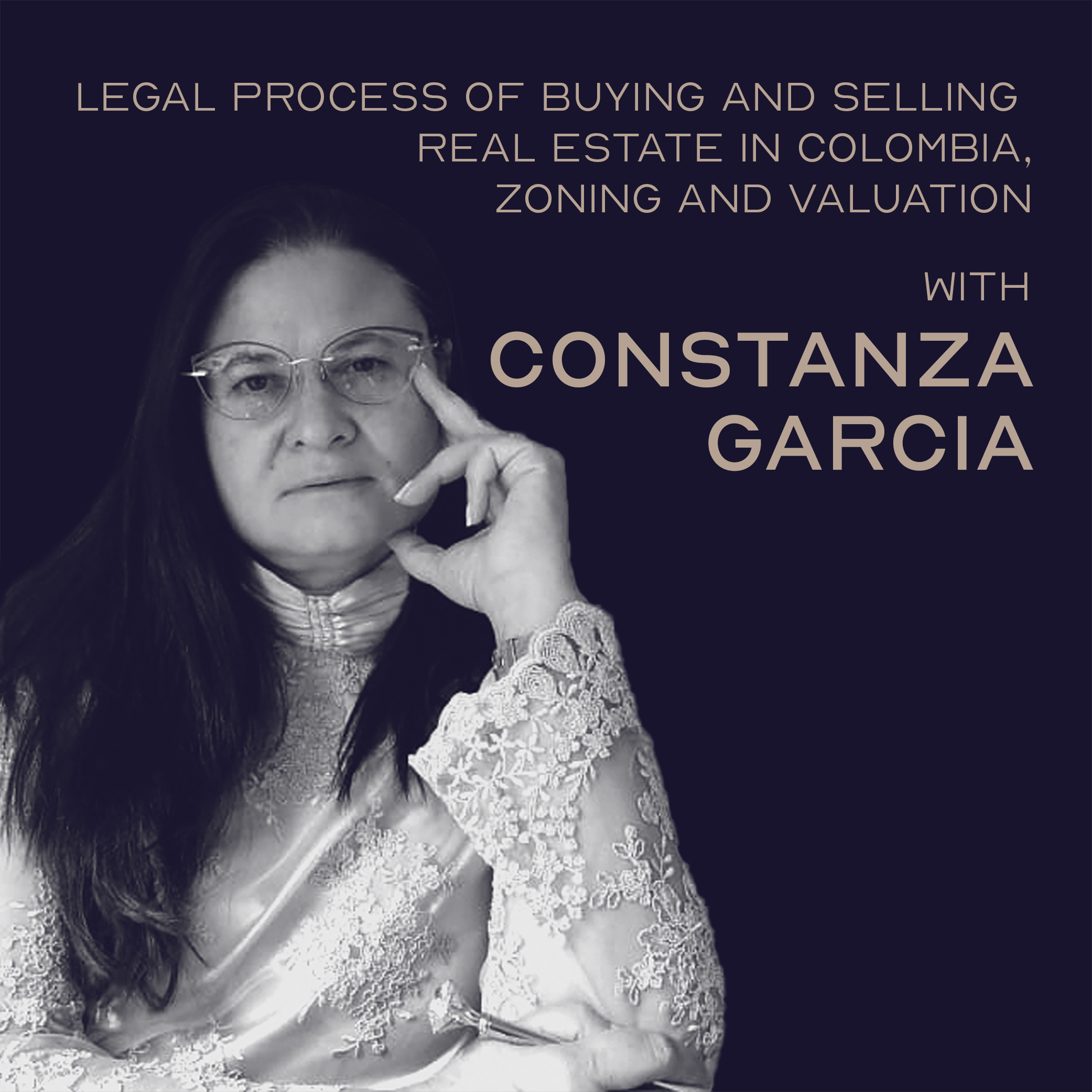
Buying and Selling Real Estate in Colombia - Legal Process, Zoning and Valuation
Feb 27, 202100:35:40Tap to summarizeEnglish: Legal process of buying and selling real estate in Colombia, zoning and valuation. Talking with lawyer Constanza Garcia about the legal aspect of buying/selling real estate in Colombia, development, property value, and zoning. Spanish: Aquí vamos hablar con la abogada Constanza Garcia, sobre el aspecto legal de la compra y venta de inmuebles en Colombia, y el desarrollo de bienes raíces multifamiliares y de uso mixto.
Transcribe →