
Podcast
Gulf Intelligence Podcasts
Hosted by Gulf Intelligence · EN
Gulf Intelligence is a Dubai-based Energy Markets Publisher that offers Think Tank Consultancy services to partners engaged across the full value-chain of the Middle East Energy Sector. GI leverages its unparalleled last mile of connectivity in the Gulf region to facilitate critical knowledge exchange and intimate networking between National and International stakeholders tasked with leading the commercial development and advancement of the East of Suez physical energy markets.
74episodes
Episodes
Newest firstAll episodes

PODCAST: Daily Energy Markets - June 11th
Jun 1100:34:59Tap to summarizeToday’s Daily Energy Markets Podcast examined why oil prices remain relatively contained despite renewed strikes between Israel and Iran following a fragile ceasefire. Giovanni Staunovo highlighted that strong U.S. crude exports are delaying supply shortages. Yan Chong Yaw emphasized China’s sizeable inventories and reduced exports as key market stabilizers. Gisele Widdershoven warned that mounting shipping, insurance, and compliance pressures could ultimately prove more disruptive than the immediate loss of oil supply.
Transcribe →
PODCAST: Daily Energy Markets - June 10th
Jun 1000:39:32Tap to summarizeToday’s Daily Energy Markets examined why oil and commodity markets are softening despite ongoing Strait of Hormuz disruptions and falling inventories. Andy Laven said traders are increasingly ignoring geopolitical noise, David Wech argued supply chains have adapted, Yuriy Humber highlighted Japan’s mounting energy-import costs, while Bora Bariman warned inflation remains the crisis’s most damaging consequence.
Transcribe →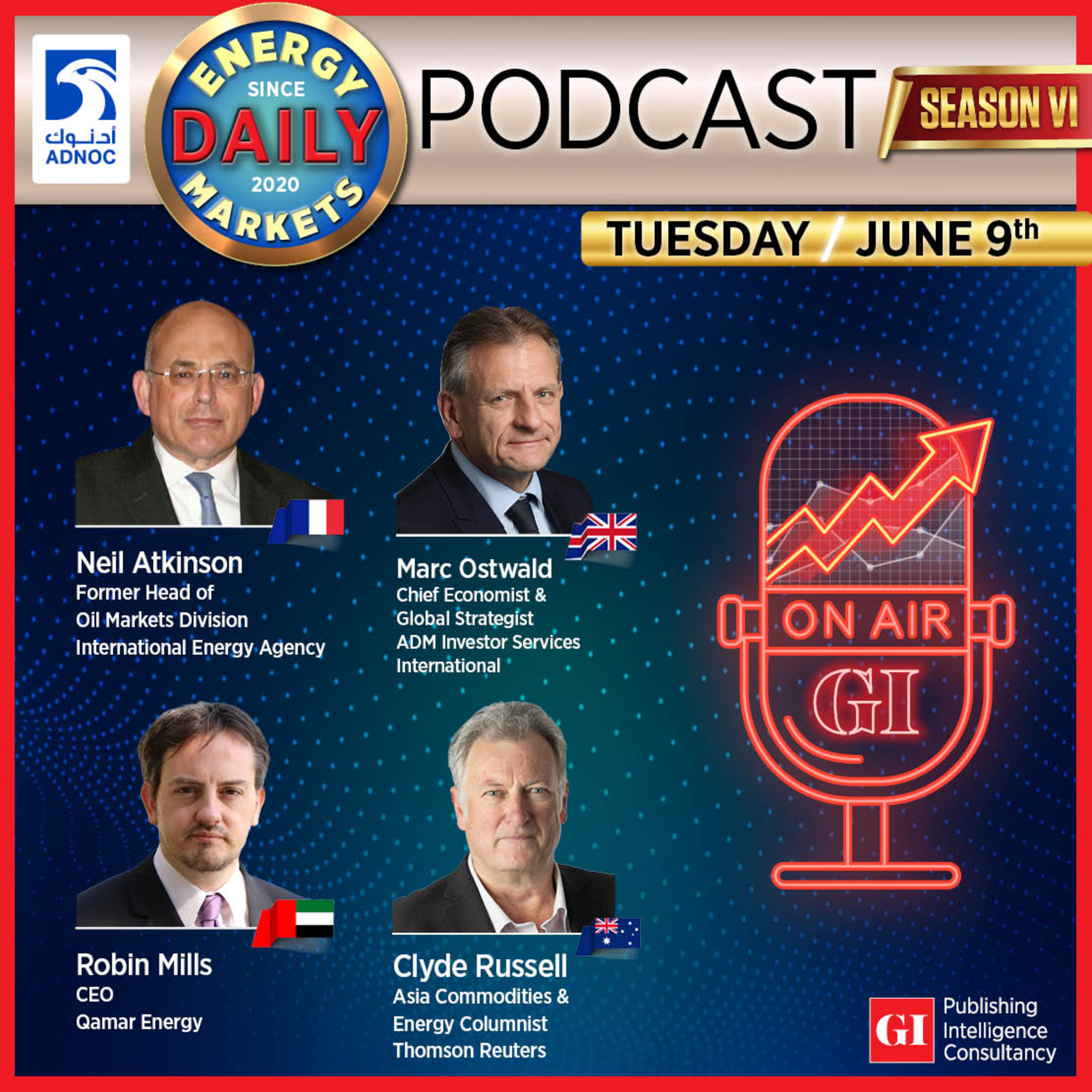
PODCAST: Daily Energy Markets - June 9th
Jun 900:41:50Tap to summarizeToday’s Daily Energy Markets asked a puzzling question: why are oil prices falling back toward $90 when millions of barrels per day remain stranded by the Strait of Hormuz crisis? Neil Atkinson highlighted how inventories, SPR releases, and rerouted flows are cushioning markets. Robin Mills argued that market resilience is easing pressure for a diplomatic breakthrough. Clyde Russell pointed to China’s demand shifts and electrification, while Marc Ostwald explained why strong US growth and weak European demand are sending mixed signals.
Transcribe →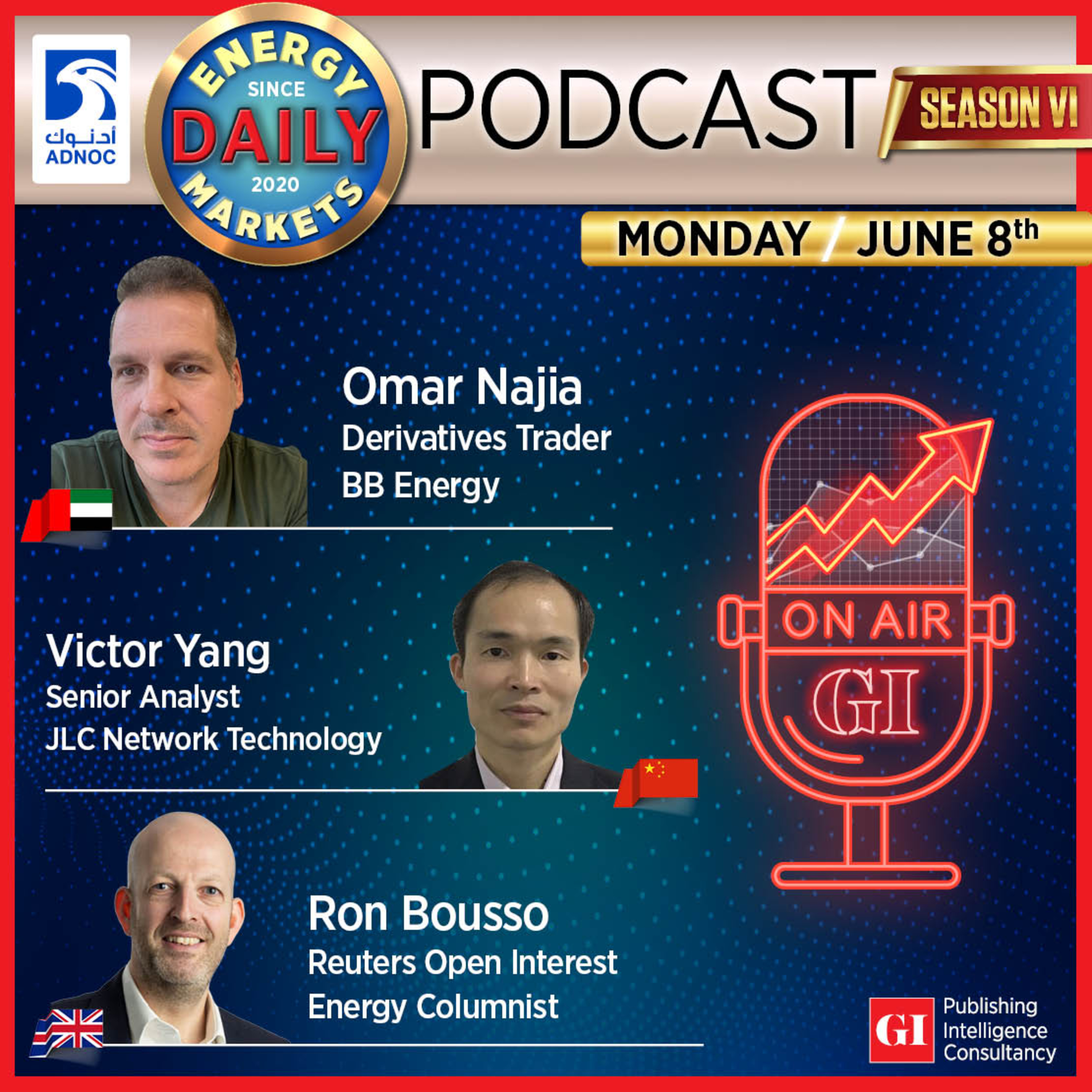
PODCAST: Daily Energy Markets - June 8th
Jun 800:35:57Tap to summarizeToday’s Daily Energy Markets explored whether renewed Israel-Iran hostilities and Hormuz disruptions are creating a supply crisis that markets are failing to price in. Omar Najia warned investor complacency could give way to higher oil prices and economic pain. Ron Bousso highlighted falling inventories and hidden supply losses, while Victor Yang pointed to weakening Chinese demand and imports.
Transcribe →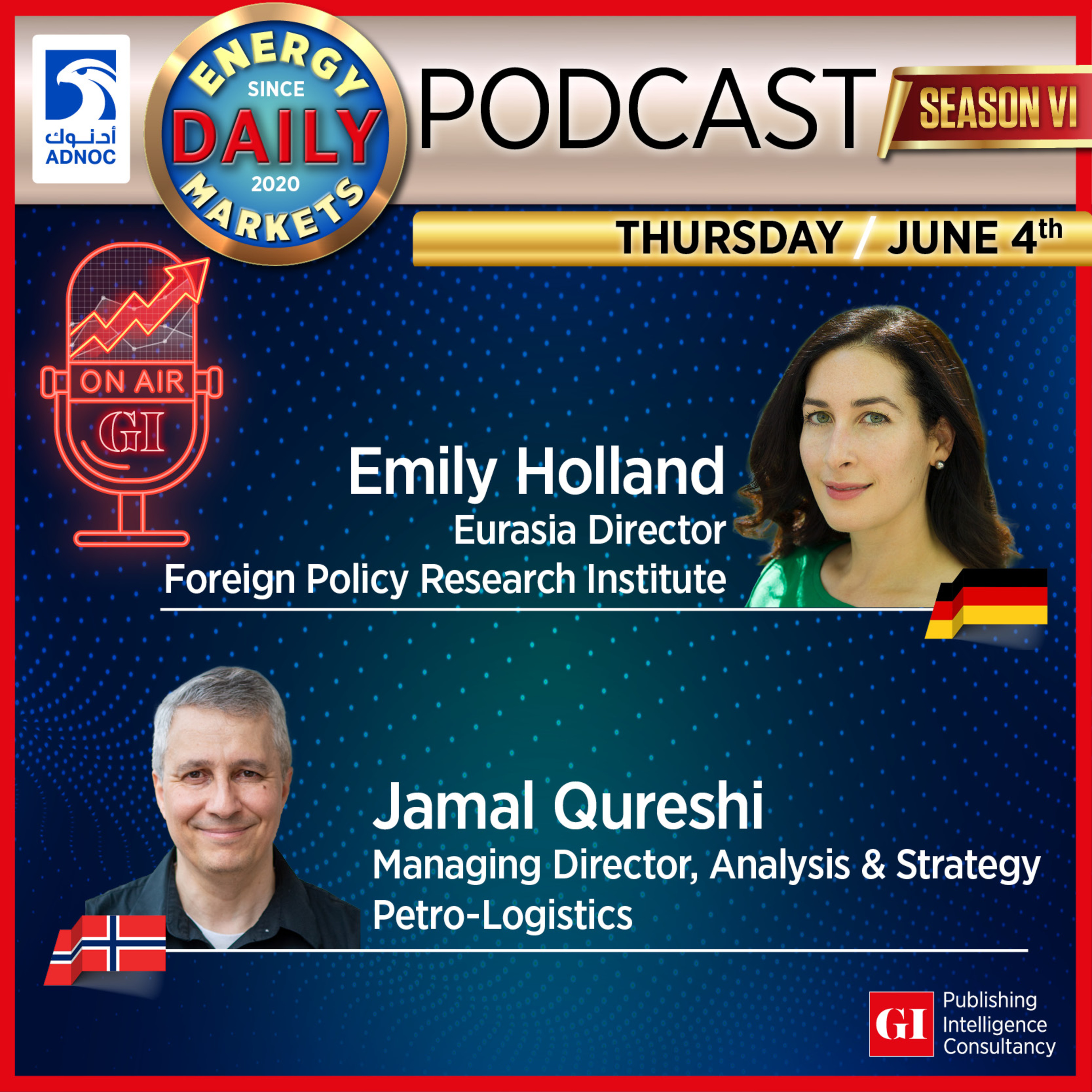
PODCAST: Daily Energy Markets - June 4th
Jun 400:29:10Tap to summarizeToday’s Daily Energy Markets examined whether demand destruction can offset an estimated 11 million bpd supply disruption linked to the Strait of Hormuz crisis. Jamal Qureshi warned that inventories and market psychology are masking severe supply shortages and higher-price risks, while Emily Holland highlighted how Ukrainian attacks are straining Russia’s energy infrastructure and reshaping exports.
Transcribe →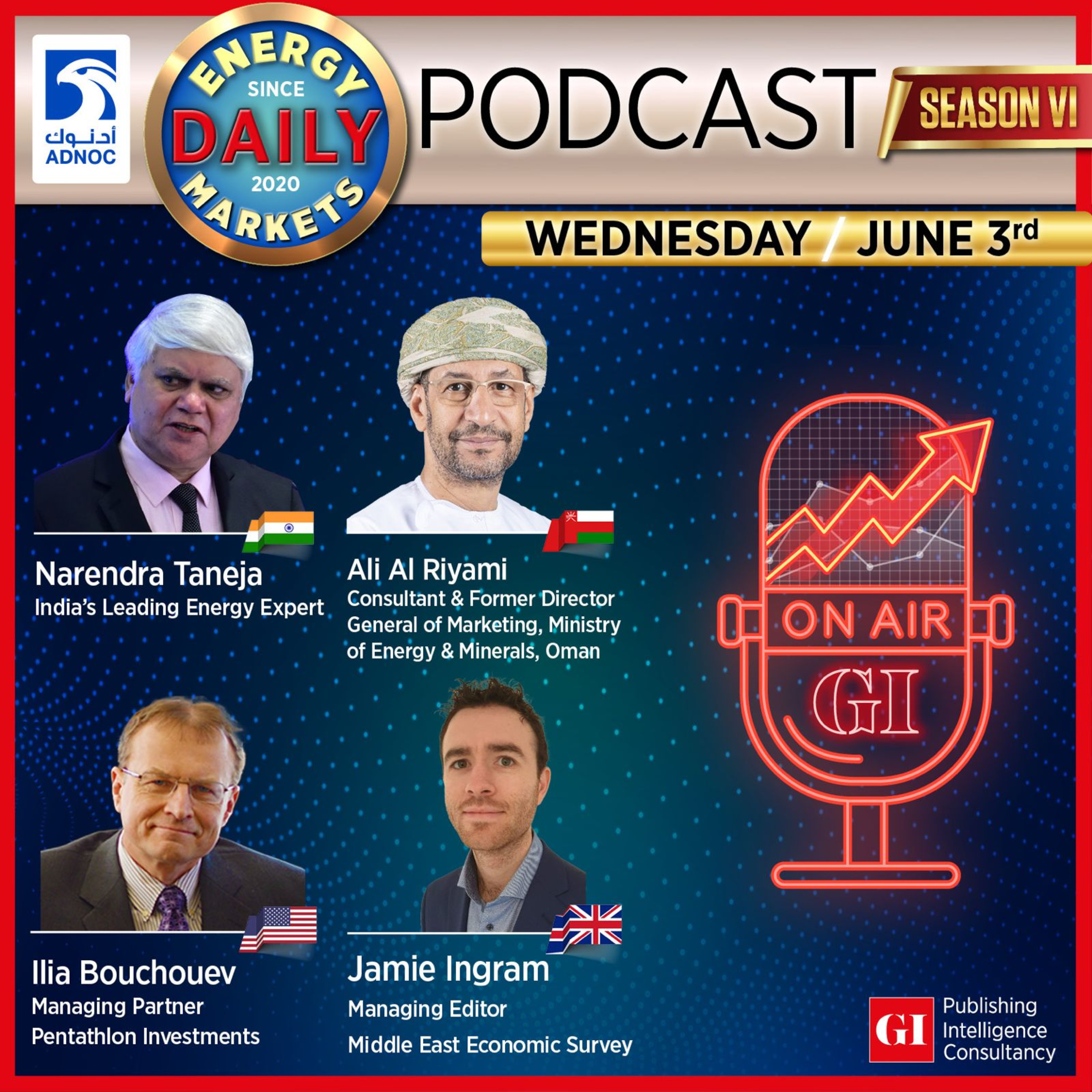
PODCAST: Daily Energy Markets - June 3rd
Jun 300:43:38Tap to summarizeWill the Strait of Hormuz reopen before tightening inventories trigger a global energy crunch? Today’s Daily Energy Markets examined whether diplomacy can outpace disruption as Brent nears $100. Ali Al Riyami defended Oman’s engagement with Iran, Narendra Taneja warned Asia is rethinking Middle East energy dependence, Jamie Ingram flagged looming supply shortages, while Ilia Bouchouev highlighted financial markets’ surprising complacency.
Transcribe →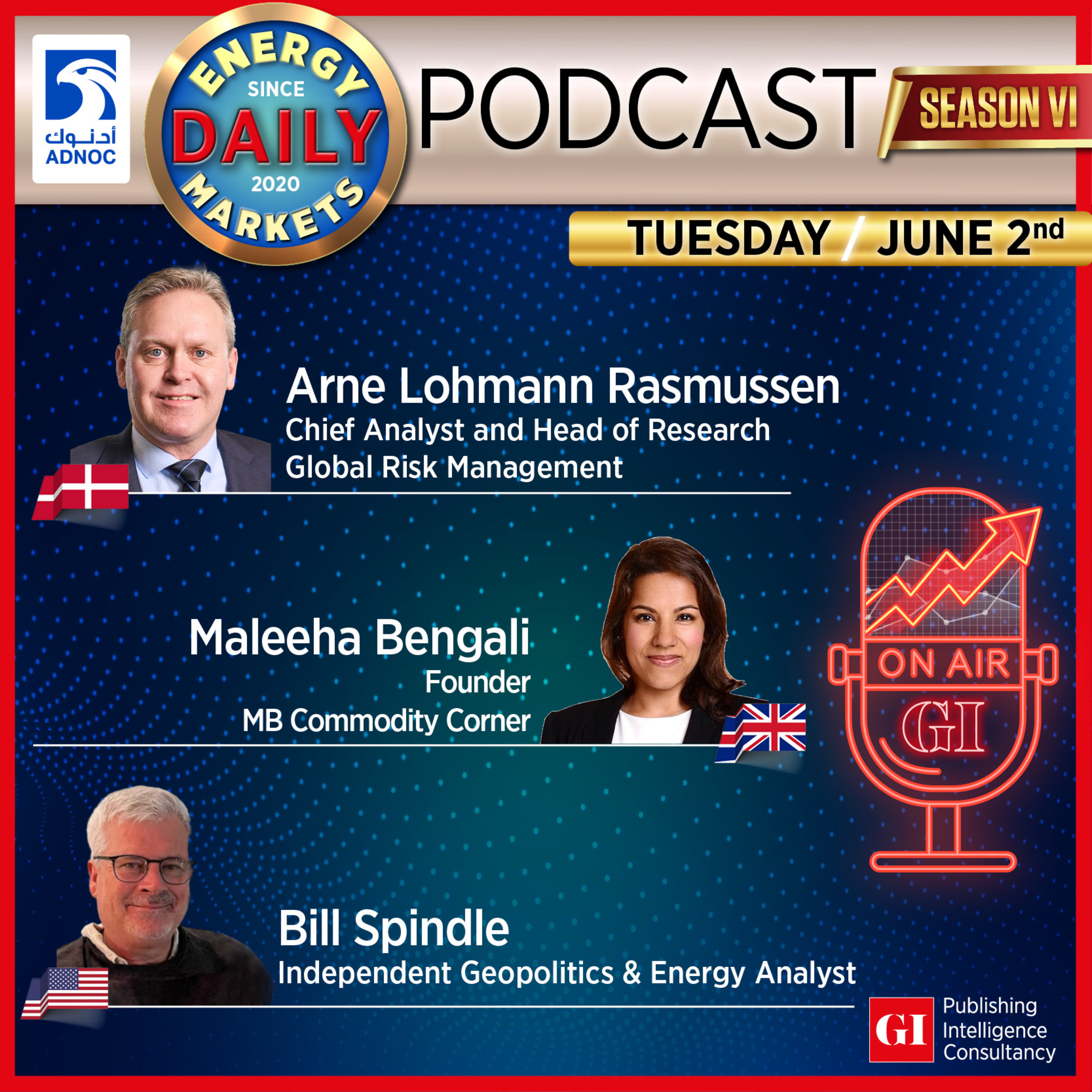
PODCAST: Daily Energy Markets - June 2nd
Jun 200:32:38Tap to summarizeWill Trump’s intervention with Netanyahu bring the US and Iran any closer to a deal? Today’s Daily Energy Markets explored whether hopes for a breakthrough are justified as Strait of Hormuz tensions persist. Bill Spindle argued negotiations remain stalled. Maleeha Bengali warned inflation could pressure Washington into concessions. Arne Rasmussen highlighted risks to shipping, LNG markets, and global energy supply chains.
Transcribe →
PODCAST: Daily Energy Markets - June 1st
Jun 100:36:26Tap to summarizeHave markets become too optimistic about a US-Iran breakthrough? Today’s Daily Energy Markets examined whether last week’s oil sell-off was misplaced as negotiations appear further from a deal than before. Omar Najia argued oil has found its floor and could rise. Rachel Ziemba warned inflation pressures are building. Andy Critchlow highlighted mounting regional economic strain and energy security concerns.
Transcribe →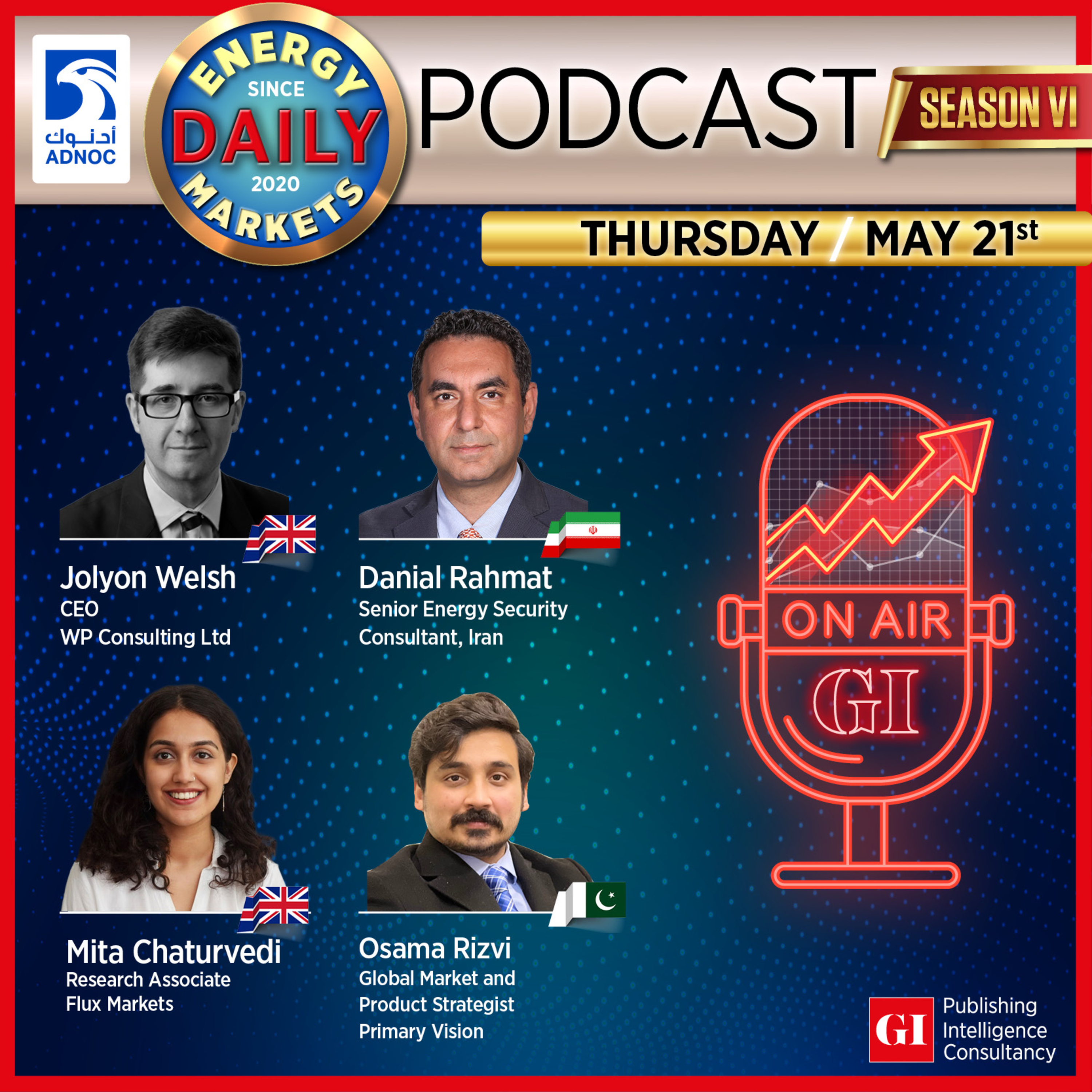
PODCAST: Daily Energy Markets - May 21st
May 2100:39:32Tap to summarizeCan oil markets absorb a prolonged Hormuz disruption without another price shock? Today’s Daily Energy Markets unpacked Iran’s crude export resilience, Pakistan’s worsening LNG shortages, and fragile summer fuel balances. Danial Rahmat warned inflation is squeezing Iran’s economy, Osama Rizvi highlighted looming Pakistani blackouts, Jolyon Welsh questioned prospects for diplomacy, while Mita Chaturvedi tracked increasingly volatile oil and refined products markets.
Transcribe →
AI Arabia Center of Excellence Dialogues | Roundtable Podcast 5 "Part B"
May 2000:33:05Tap to summarizeAI Arabia Center of Excellence Dialogues | Roundtable Podcast 5 "Part B"In Part B of The AI Arabia Dialogues Podcast Series, leading experts from technology, banking, sustainability, cybersecurity, and digital transformation continue the conversation on how nations and enterprises can leverage AI infrastructure, data economies, and digital ecosystems to strengthen competitiveness in the age of artificial intelligence.Featured Speakers:• Panos Tsiakis, Partner, Infosys Consulting• Zainab Alamin زينب الأمين, Vice President of National Digital Transformation, Microsoft Saudi Arabia• Jay Sadiq, Founder & CEO, FortyGuard• Xi Liang, Head of Artificial Intelligence, Mashreq• Dr. Mohammed Al-Surf, Managing Director, Tilad Sustainability Co. & Tilad Institute; Founder & CEO, Saudi Green Building Alliance (SGBA)As Saudi Arabia accelerates its Vision 2030 transformation, conversations around trusted AI ecosystems, digital infrastructure, sustainability, and innovation-driven growth have never been more important.
Transcribe →