Podcast
Happy English Podcast
Hosted by Michael Digiacomo Happy English · EN
The Happy English Podcast helps English learners learn natural American English with clear lessons, practical phrases, everyday conversation tips, and listening practice.
Hosted by American English teacher Michael DiGiacomo, the show features short and practical lessons to help you build vocabulary, improve pronunciation, and speak English confidently in real conversations.
Episodes range from quick tips to longer explanations and cover useful topics like phrasal verbs, idioms, pronunciation, grammar, and natural conversation patterns used by native speakers.
If you want to learn English, improve your American English pronunciation, practice English listening, and speak English more confidently in everyday conversation, the Happy English Podcast will help you step by step.
Since 2014, the podcast has published over 1,000 episodes and reached more than 8 million downloads worldwide.
Get free weekly English lessons plus instant access to my FREE Vocabulary Workshop.:
https://learn.myhappyenglish.com/free-english-lessons
Watch video versions of the podcast:
https://www.youtube.com/@HappyEnglishNY/podcasts
Hosted by American English teacher Michael DiGiacomo, the show features short and practical lessons to help you build vocabulary, improve pronunciation, and speak English confidently in real conversations.
Episodes range from quick tips to longer explanations and cover useful topics like phrasal verbs, idioms, pronunciation, grammar, and natural conversation patterns used by native speakers.
If you want to learn English, improve your American English pronunciation, practice English listening, and speak English more confidently in everyday conversation, the Happy English Podcast will help you step by step.
Since 2014, the podcast has published over 1,000 episodes and reached more than 8 million downloads worldwide.
Get free weekly English lessons plus instant access to my FREE Vocabulary Workshop.:
https://learn.myhappyenglish.com/free-english-lessons
Watch video versions of the podcast:
https://www.youtube.com/@HappyEnglishNY/podcasts
83episodes
Episodes
Newest firstAll episodes
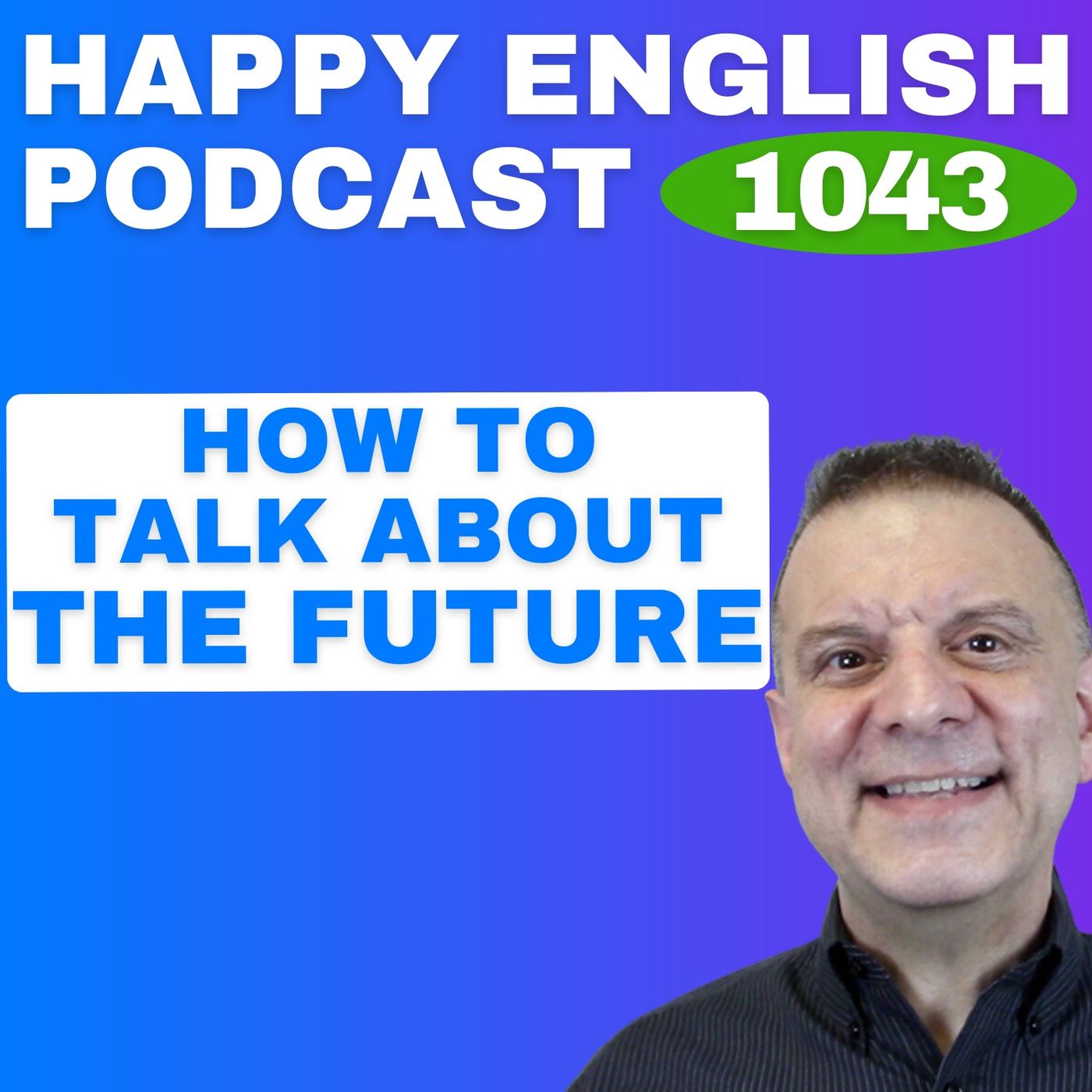
1043 - How To Talk About the Future
May 100:08:39Tap to summarizeWe’re going to have a meeting tomorrow. We’re having a meeting tomorrow. Maybe we’ll have a meeting tomorrow. All three of these sentences talk about the future… but they don’t feel exactly the same. So what’s the difference? If you’ve ever wondered when to use “going to have,” "having", or “will have,” today’s podcast English lesson is going to make this really clear.The Happy English PodcastHelping people speak English better since 2014Over 1,000 episodes • 8 million downloads📘 Build your vocabulary with my free Vocabulary Workshophttps://learn.myhappyenglish.com/vocabulary-workshop-signup🎥 Watch video versions of the Happy English Podcast on YouTubehttps://www.youtube.com/@HappyEnglishNY/podcasts🌐 Learn more about my English lessons and courseshttps://www.myhappyenglish.com
Transcribe →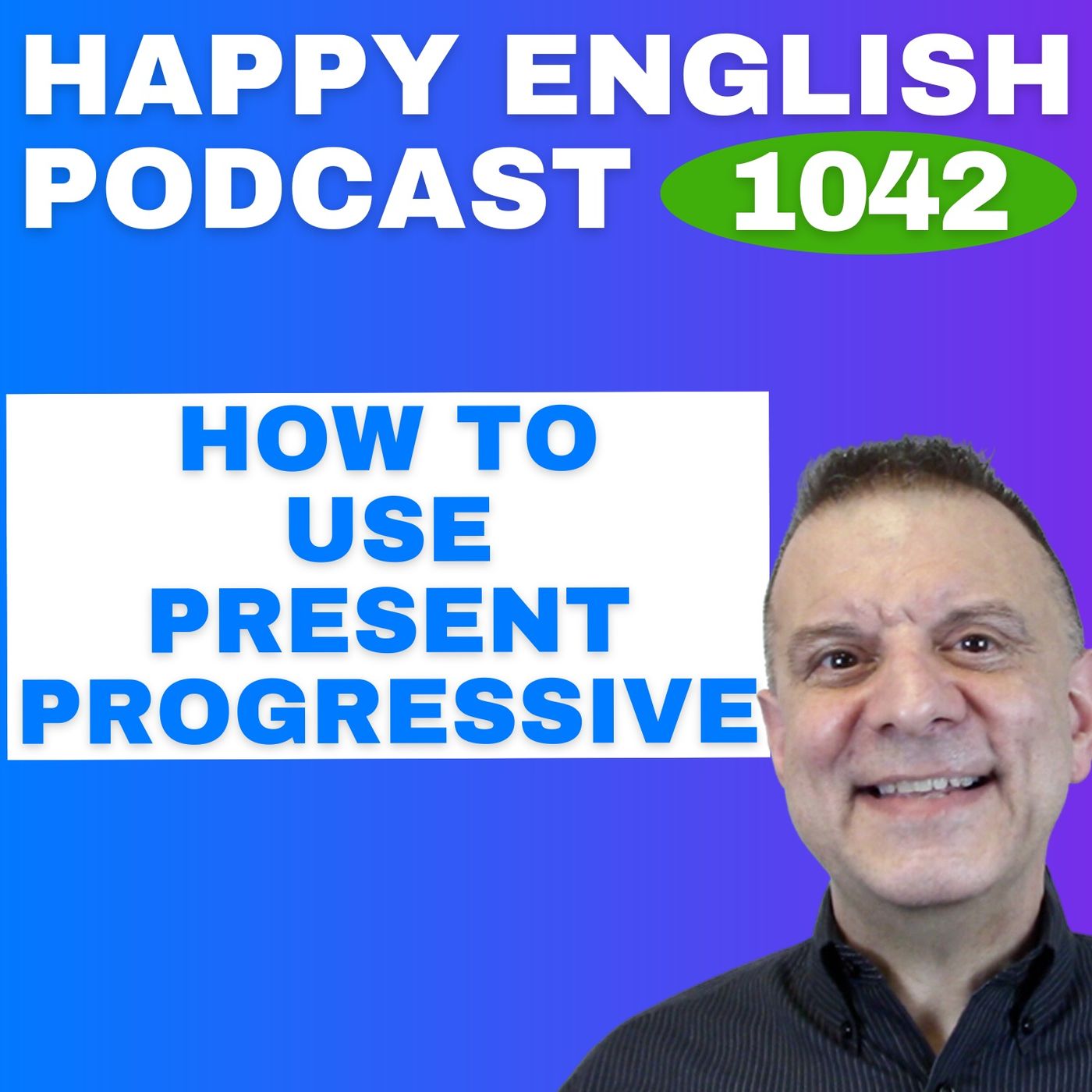
1042 - How to Use the Present Progressive Naturally in English
Apr 2900:06:25Tap to summarizeI’m recording this podcast right now. These days, I’m also working on a new pronunciation course. And tomorrow, I’m meeting a friend for coffee. Did you notice something? In all three sentences, I used the present progressive tense. But each one has a different meaning. So what’s going on here?If you’ve ever wondered why we use “I’m doing” in different ways, today’s podcast English lesson is going to make this really clear.The Happy English PodcastHelping people speak English better since 2014Over 1,000 episodes • 8 million downloads📘 Build your vocabulary with my free Vocabulary Workshophttps://learn.myhappyenglish.com/vocabulary-workshop-signup🎥 Watch video versions of the Happy English Podcast on YouTubehttps://www.youtube.com/@HappyEnglishNY/podcasts🌐 Learn more about my English lessons and courseshttps://www.myhappyenglish.com
Transcribe →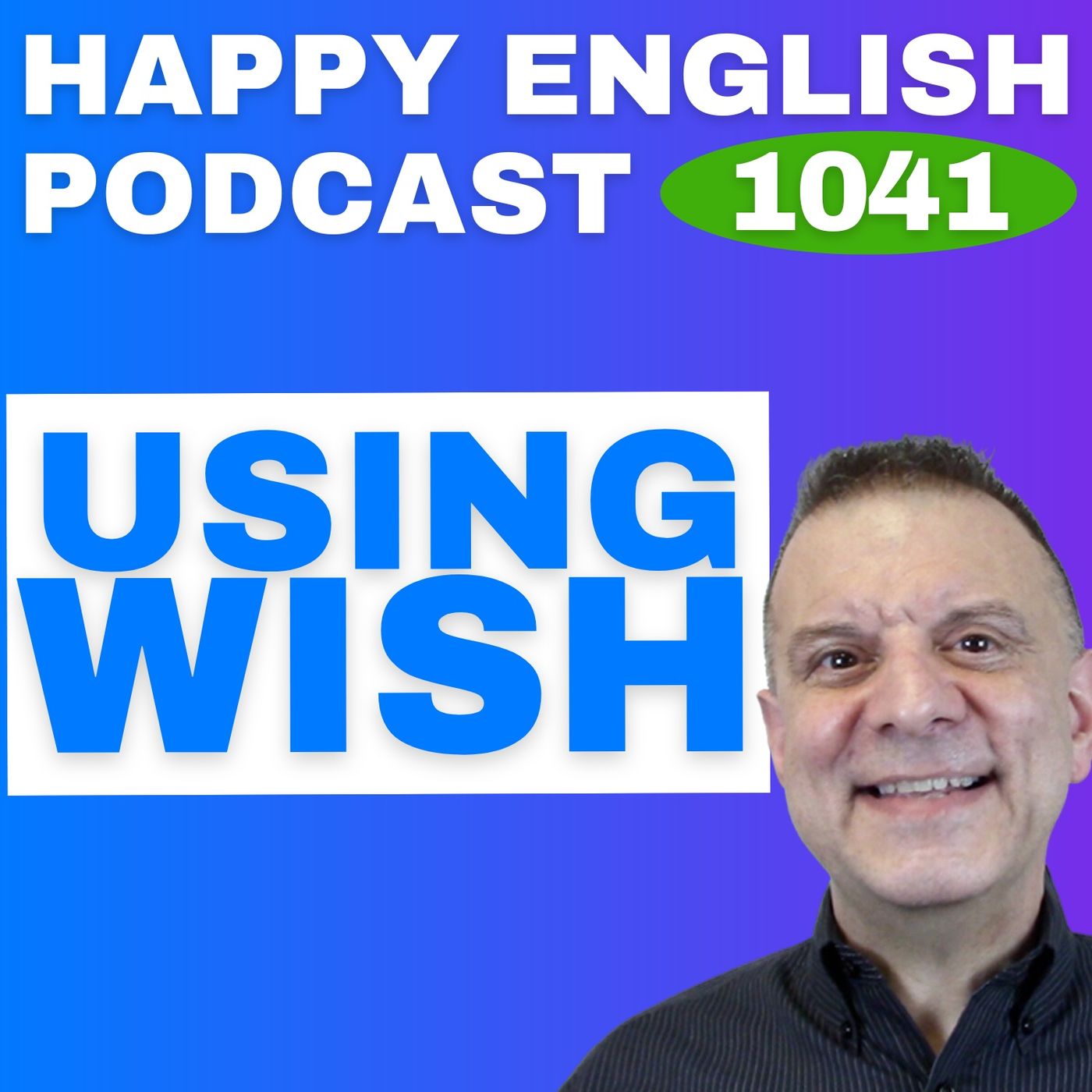
1041 - How to Use WISH Naturally in English
Apr 2700:08:06Tap to summarizeI wish I had more time. I wish I could travel more. I wish it wasn’t raining today. You’ve probably heard sentences like these before. Do you wish using the word wish wasn't so confusing. Should you say, “I wish I have more time”? Or “I wish I had more time”? And what’s the difference between wish and hope? If you’ve ever wondered about that, today’s podcast English lesson is going to make this really clear.The Happy English PodcastHelping people speak English better since 2014Over 1,000 episodes • 8 million downloads📘 Build your vocabulary with my free Vocabulary Workshophttps://learn.myhappyenglish.com/vocabulary-workshop-signup🎥 Watch video versions of the Happy English Podcast on YouTubehttps://www.youtube.com/@HappyEnglishNY/podcasts🌐 Learn more about my English lessons and courseshttps://www.myhappyenglish.com
Transcribe →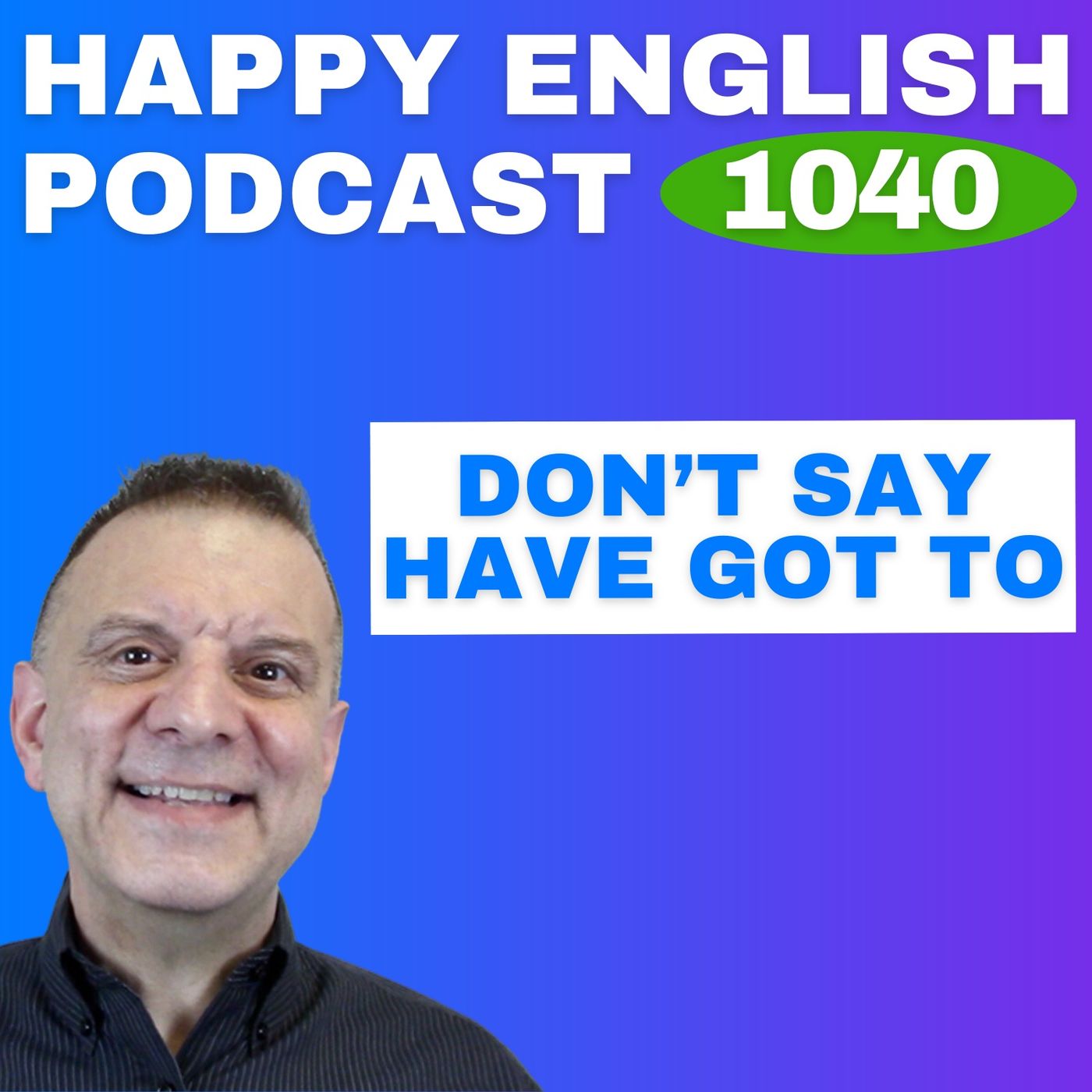
1040 - Got to → Gotta Speak Naturally in a Minute
Apr 2600:01:20Tap to summarizeHey there! It’s Michael here - and welcome back to Speak Naturally in a Minute from Happy English. I’m here every week with a quick one-point lesson to help you improve your pronunciation, rhythm, and intonation.Today, let’s talk about another very natural reduction in American English: “have got to.” In everyday conversation, HAVE GOT TO becomes “gotta.”I've got to go. Becomes I gotta go.You've got to see this. Becomes You gotta see this.We've got to hurry. Becomes We gotta hurry.This is very common in casual, spoken American English.Let's practice. Repeat after me. I gotta go.You gotta see thisWe gotta hurry.Nice and smooth - gottaHey, thanks for listening! And remember to follow and subscribe so you won’t miss the next Happy English Podcast and next week’s Speak Naturally in a Minute. Until next time, keep learning and keep it cool.The Happy English PodcastHelping people speak English better since 2014Over 1,000 episodes • 8 million downloads📘 Build your vocabulary with my free Vocabulary Workshophttps://learn.myhappyenglish.com/vocabulary-workshop-signup🎥 Watch video versions of the Happy English Podcast on YouTubehttps://www.youtube.com/@HappyEnglishNY/podcasts🌐 Learn more about my English lessons and courseshttps://www.myhappyenglish.com
Transcribe →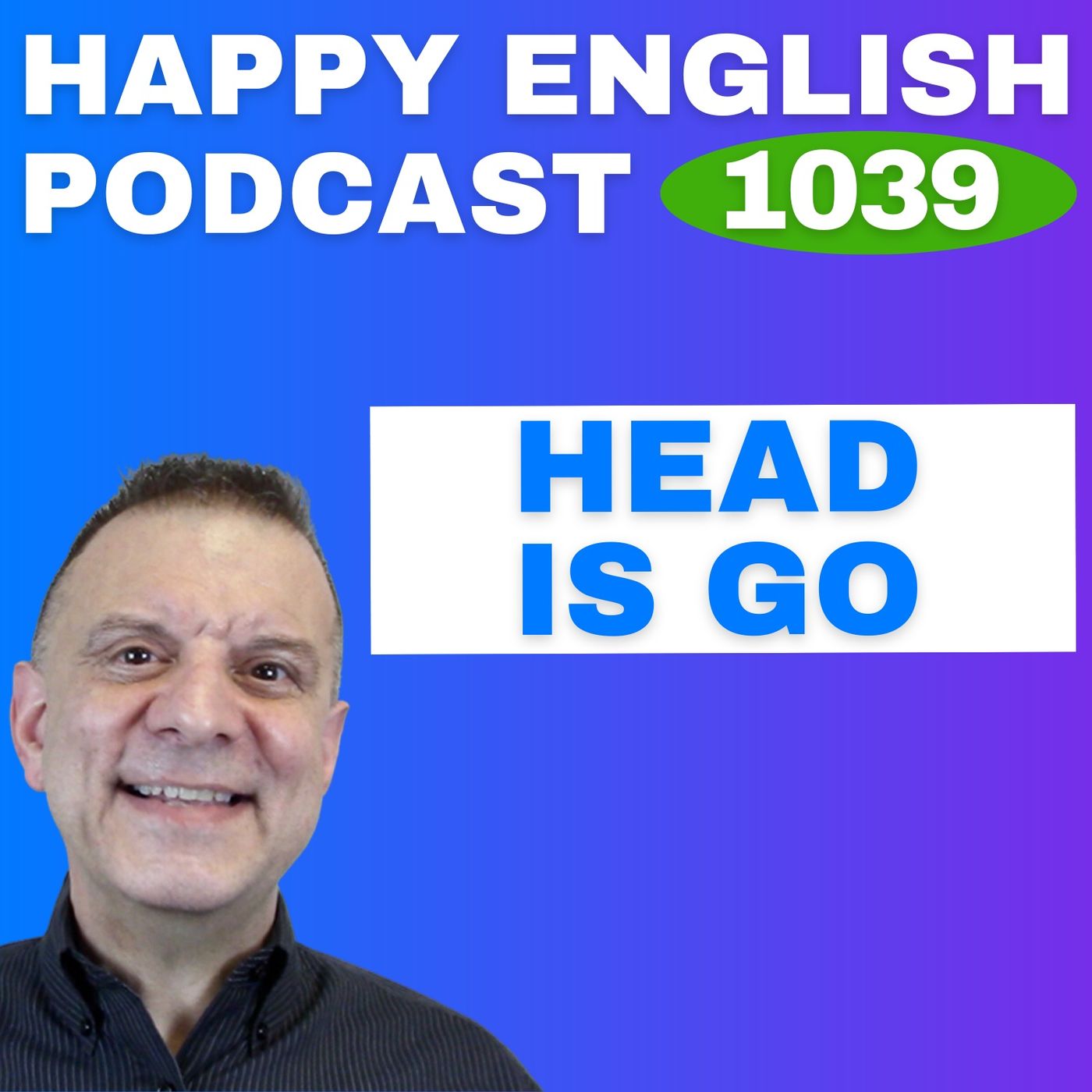
1039 - Head Means GO - English Tips in a Minute
Apr 2500:01:16Tap to summarizeHey there! It’s Michael here — and welcome back to English Tips in a Minute from Happy English. I’m here every week with a short, simple tip to help you speak English more naturally and confidently. Today, let’s look at a really common conversational use of the word “head.” In everyday English, we use head or head to to mean go to or move toward a place. It’s a very natural way to talk about going somewhere. You can say things like, “I’m gonna head to the gym.” OR “Let’s head to the pub.”You can also use it in the past tense: “We headed home early.” or “After work, I headed to the store.”This use of head is very common in everyday conversation. So let me know in the comments where you’re gonna head today, and remember to follow or subscribe so you don’t miss the next Happy English Podcast and next week’s English Tips in a Minute. Hey, thanks for listening — and until next time, keep learning and keep it cool.The Happy English PodcastHelping people speak English better since 2014Over 1,000 episodes • 8 million downloads📘 Build your vocabulary with my free Vocabulary Workshophttps://learn.myhappyenglish.com/vocabulary-workshop-signup🎥 Watch video versions of the Happy English Podcast on YouTubehttps://www.youtube.com/@HappyEnglishNY/podcasts🌐 Learn more about my English lessons and courseshttps://www.myhappyenglish.com
Transcribe →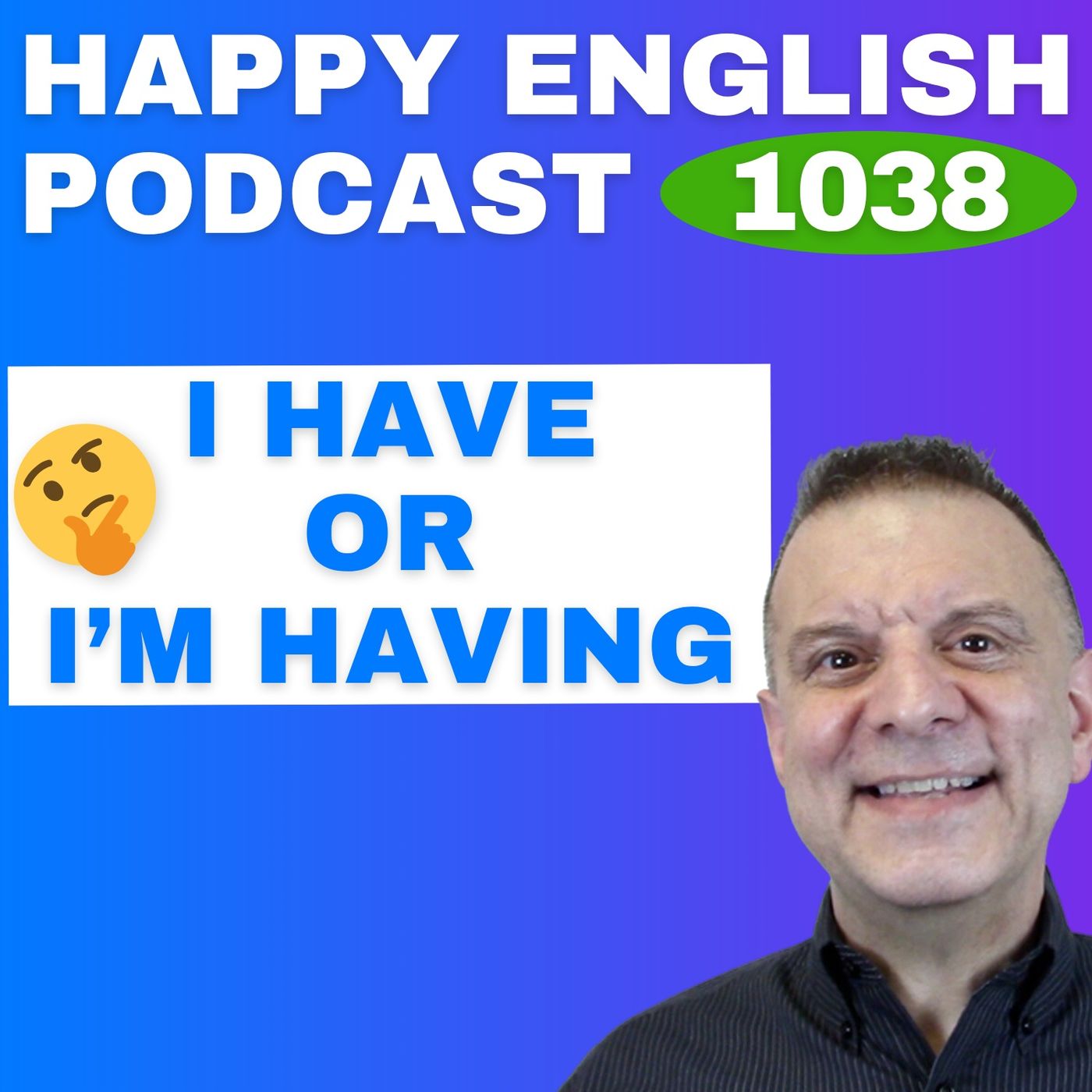
1038 - Is It I Have or I’m Having?
Apr 2400:08:37Tap to summarizeI have a dog. I’m having fun. Two very simple sentences, right? But here’s the question… why can we say “I’m having fun,” but we can’t say, “I’m having a dog”? Yeah… that sounds strange. So what’s going on here? Why does have sometimes work in the progressive form, and sometimes not?If you’ve ever wondered about that, today’s podcast English lesson is going to make this really clear for you.The Happy English PodcastHelping people speak English better since 2014Over 1,000 episodes • 8 million downloads📘 Build your vocabulary with my free Vocabulary Workshophttps://learn.myhappyenglish.com/vocabulary-workshop-signup🎥 Watch video versions of the Happy English Podcast on YouTubehttps://www.youtube.com/@HappyEnglishNY/podcasts🌐 Learn more about my English lessons and courseshttps://www.myhappyenglish.com
Transcribe →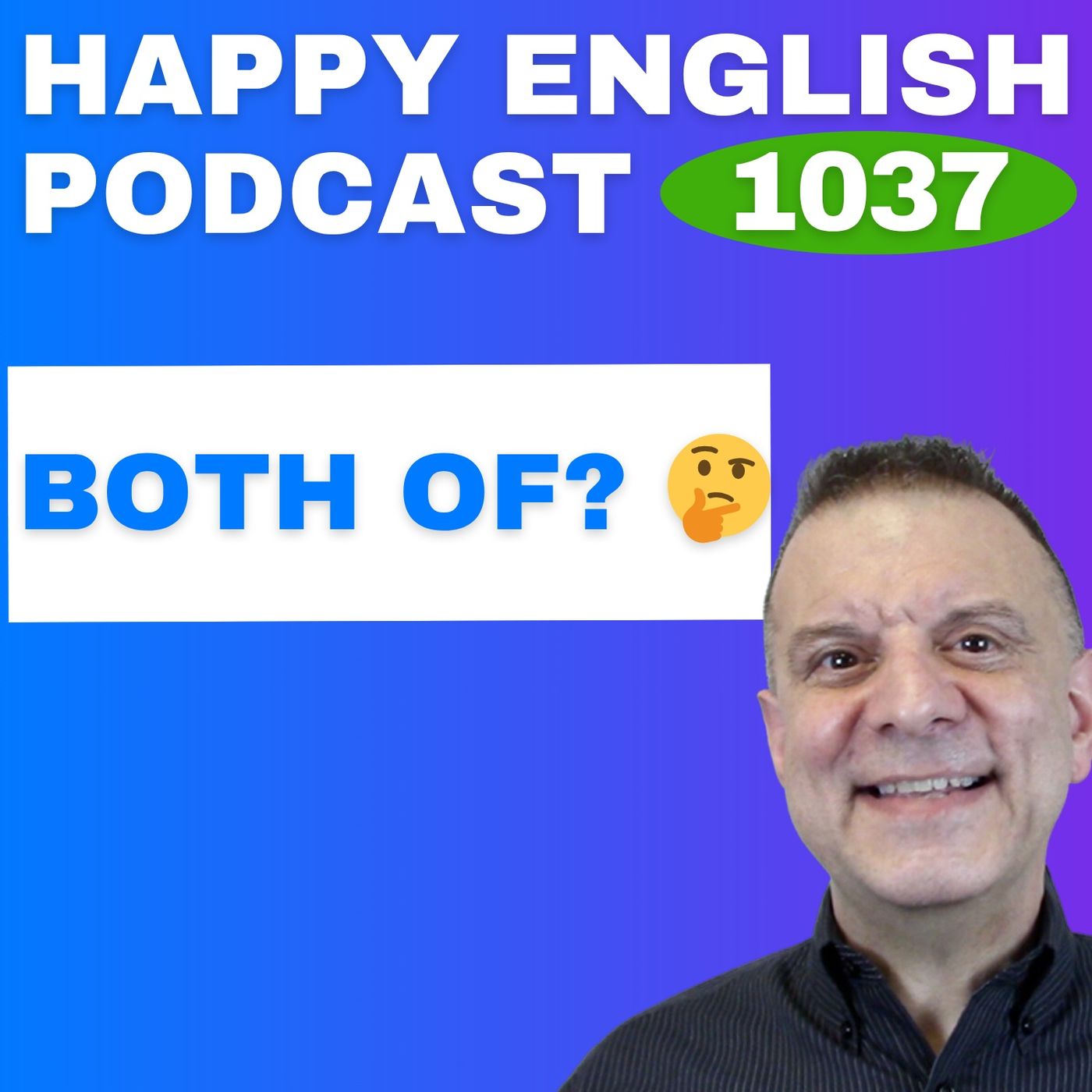
1037 - How to Use BOTH Naturally in English
Apr 2200:07:26Tap to summarizeBoth. Such a simple word, right? But when you actually try to use it in conversation… things can get a little tricky. Should you say, “Both of us went”? Or “We both went”? Or maybe… “Both we went”? Yeah… that one doesn’t sound right. So what’s the deal with both? Where do you put it in a sentence? And how do native speakers actually use it in everyday conversation? That’s what we’re going to look at today.The Happy English PodcastHelping people speak English better since 2014Over 1,000 episodes • 8 million downloads📘 Build your vocabulary with my free Vocabulary Workshophttps://learn.myhappyenglish.com/vocabulary-workshop-signup🎥 Watch video versions of the Happy English Podcast on YouTubehttps://www.youtube.com/@HappyEnglishNY/podcasts🌐 Learn more about my English lessons and courseshttps://www.myhappyenglish.com
Transcribe →
1036 - Either vs. Neither - What’s the Difference?
Apr 2000:08:43Tap to summarizeI don’t smoke. Me neither. I don’t drink. I don’t either. Hmm… so which one is it? Either? Or neither? Or maybe a better question is - when should you use either, and when should you use neither? Should you say, “I don’t smoke either”? Or “Me neither”? Or maybe… “I don’t smoke neither”? Yeah… that last one doesn’t sound right. So what’s going on here?If you’ve ever felt unsure about using either and neither, you’re going to want to listen to this lesson. Because today, we’re going to look at how to use these words naturally in everyday conversation.The Happy English PodcastHelping people speak English better since 2014Over 1,000 episodes • 8 million downloads📘 Build your vocabulary with my free Vocabulary Workshophttps://learn.myhappyenglish.com/vocabulary-workshop-signup🎥 Watch video versions of the Happy English Podcast on YouTubehttps://www.youtube.com/@HappyEnglishNY/podcasts🌐 Learn more about my English lessons and courseshttps://www.myhappyenglish.com
Transcribe →
1035 - WANNA WANTS-TUH Speak Naturally in a Minute
Apr 1900:01:56Tap to summarizeHey there! It’s Michael here - and welcome back to Speak Naturally in a Minute from Happy English. I’m here every week with a quick one-point lesson to help you improve your pronunciation, rhythm, and intonation.Today, let’s look at another very common reduction in American English: “want to.”In everyday conversation, want to becomes wanna.Do you want to go? becomes Do you wanna go?I want to eat. → I wanna eat.They want to leave early. → They wanna leave early.want to becomes wannaBUTwants to becomes wants-tuh: I wanna go, You wanna go, she wants-tuh goDon't use wanna for he, she, or it!!!Let's practice. Repeat after me. I wanna go.They wanna have itHe wants-tuh do it.She wants-tuh know why.Hey, thanks for listening! And remember to follow and subscribe so you won’t miss the next Happy English Podcast and next week’s Speak Naturally in a Minute. Until next time, keep learning and keep it cool.The Happy English PodcastHelping people speak English better since 2014Over 1,000 episodes • 8 million downloads📘 Build your vocabulary with my free Vocabulary Workshophttps://learn.myhappyenglish.com/vocabulary-workshop-signup🎥 Watch video versions of the Happy English Podcast on YouTubehttps://www.youtube.com/@HappyEnglishNY/podcasts🌐 Learn more about my English lessons and courseshttps://www.myhappyenglish.com
Transcribe →
1034 - What's GRAB? - English Tips in a Minute | Happy English
Apr 1800:01:13Tap to summarizeHey there! It’s Michael here - and welcome back to English Tips in a Minute from Happy English. I’m here every week with a short, simple tip to help you speak English more naturally and confidently. Today, let’s look at a really common conversational use of the word “grab.”In everyday English, we use grab to mean quickly get something or go get something, often in a casual way. It doesn’t always mean physically grabbing - it just means getting something fast or without a lot of planning.I’m gonna grab a coffee.Let’s grab lunch.I need to grab my keys before we go.This use of grab is very common in everyday conversation, especially when talking about food, drinks, or small things you need.Lemme know in the comments what you’re gonna grab today, and remember to follow or subscribe so you don’t miss the next Happy English Podcast and next week’s English Tips in a Minute. Hey, thanks for listening - and until next time, keep learning and keep it cool.The Happy English PodcastHelping people speak English better since 2014Over 1,000 episodes • 8 million downloads📘 Build your vocabulary with my free Vocabulary Workshophttps://learn.myhappyenglish.com/vocabulary-workshop-signup🎥 Watch video versions of the Happy English Podcast on YouTubehttps://www.youtube.com/@HappyEnglishNY/podcasts🌐 Learn more about my English lessons and courseshttps://www.myhappyenglish.com
Transcribe →