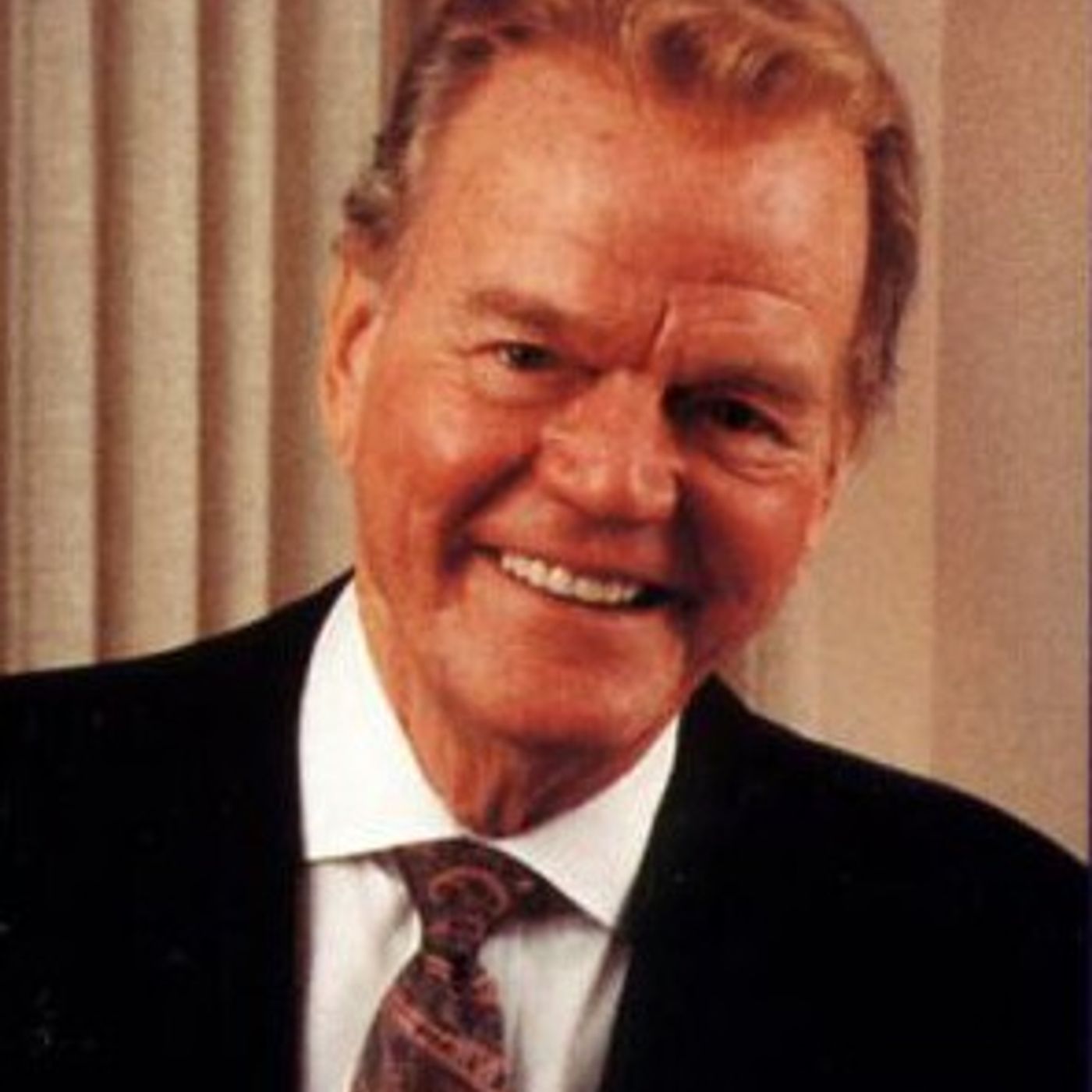
Podcast Summary: Paul Harvey - Ralph Tucker
Podcast Title: Harold's Old Time Radio
Host: Harold's Old Time Radio
Episode Title: Paul Harvey - Ralph Tucker
Release Date: February 21, 2025
Introduction
In this captivating episode of Harold's Old Time Radio, listeners are transported back to the Golden Age of Radio with a fascinating story narrated in the classic Paul Harvey style. The episode, titled "Paul Harvey - Ralph Tucker," delves into the extraordinary life of Ralph Tucker, a retired insurance agent who transformed his passion for snails into a thriving business. This summary captures the essence of the episode, highlighting key discussions, insights, and memorable quotes that bring Ralph's unique journey to life.
The Accidental Entrepreneur
The story begins with Ralph Tucker, a 67-year-old retired insurance agent residing in Fresno, California. Two years prior, during a vacation in Hawaii, Ralph encountered an unexpected culinary experience that would change the course of his retirement. As he recounted:
“I was vacationing in Hawaii when I saw something on the menu called escargot. Escargot, I was told, is a delicacy. A snail bathed in garlic and butter and roasted...” [00:00].
Intrigued by the prospect of trying snails, Ralph was initially reluctant. However, the persuasive waiter convinced him to give it a try. He described the experience:
“They were not bad. There were six of them, I remember, on the plate—a half dozen of those shriveled up little nothings.” [02:15].
This encounter sparked a realization. Back home in Fresno, Ralph had a garden teeming with snails—not the petite variety served as escargot, but robust, sizeable ones. This memory planted the seed for his future venture.
Founding the Snail Club of America (SCA)
Ralph's Hawaiian experience ignited a passion that led him to establish the Snail Club of America (SCA). As of the episode's release, the SCA boasts 800 members who have embraced snail farming with impressive numbers, some cultivating herds of over 50,000 snails each. Ralph humorously reflects on his new title:
“Once retired, I am back in business as king of the snails.” [10:05].
This transformation from a retired insurance agent to a prominent figure in the snail industry underscores Ralph's entrepreneurial spirit and ability to seize unexpected opportunities.
The Snail Harvesting Process
The episode provides an insightful look into Ralph's meticulous methods for harvesting snails, showcasing the blend of traditional practices and innovative techniques that have propelled his success.
Snail Roundups
Ralph explains his unique approach to snail collection:
“I sprinkle bran flakes at the perimeter of my garden. Snails love bran flakes. Takes most of them about a day to reach their favorite food, at which point I gather them up.” [15:30].
To manage the influx of snails, Ralph employs a wooden fence ringed with a copper band. The copper acts as a deterrent:
“When the snail's antenna touches the copper, they receive a slight static electricity shock which turns them back.” [16:45].
This method effectively corals the snails, making the roundup process efficient and humane.
Post-Harvest Processing
After collecting the snails, Ralph adheres to a strict regimen to ensure their quality:
-
Water Diet:
- Snails are placed on a water diet for three days to flush out any grit from their systems.
- Ralph notes, “This ensures that the snails are clean and ready for the next steps.” [18:10].
-
Shelling and Parboiling:
- Following the water diet, the snails are shelled and lightly boiled to prepare them for packaging.
-
Packaging and Shipping:
-
Once processed, the snails are packed in ice and shipped to various markets.
-
However, Ralph acknowledges the challenges of live shipment due to the snails' tendency to escape. He shares an amusing anecdote:
“Once, a half ton of them ate through their shipping crates and then started eating the truck that was transporting them.” [21:25].
-
Another incident involved a rogue snail commandeering a restaurant’s dessert cart:
“A live snail got loose in a restaurant kitchen and remained undetected until it was seen riding through the dining room on top of a cheesecake.” [23:55].
The Rise of Domestic Snail Production
Ralph's dedication to snail farming is having a significant impact on the American culinary scene. Historically reliant on foreign snail imports, American restaurants are increasingly turning to domestic sources like Ralph and his fellow SCA members. This shift not only supports local agriculture but also offers fresher and more sustainably sourced snails.
Economic and Agricultural Impact
An intriguing irony highlighted in the episode is the dual role of snails in California's agriculture:
“The snail which destroys $30 million in California crops per year is now a full-fledged California crop itself.” [27:40].
This transformation showcases how an agricultural pest can be repurposed into a profitable and sustainable business, benefiting both farmers and the culinary industry.
Market Competitiveness
Ralph's business acumen is evident in his pricing strategy. He discusses his calculations:
“I could easily afford to wholesale snails for 20 cents each. And yet for those six scrawny ones in that restaurant, I had paid $12 and 50 cents.” [30:15].
This savvy approach not only ensures profitability but also positions his snails as a premium product in the market, differentiating them from cheaper, lower-quality imports.
Conclusion
Ralph Tucker's journey from a retired insurance agent to the "king of the snails" is a testament to the power of seizing opportunities and turning unique experiences into successful ventures. Through the founding of the Snail Club of America and his innovative farming techniques, Ralph has not only created a profitable business but also contributed to reshaping the American snail market. His story serves as an inspiring example of how passion and ingenuity can lead to unexpected and rewarding paths in retirement.
As Paul Harvey might conclude, Ralph Tucker's tale is a reminder that sometimes, the smallest creatures can lead to the biggest successes.
Notable Quotes:
- “I was vacationing in Hawaii when I saw something on the menu called escargot. Escargot, I was told, is a delicacy..." [00:00]
- “Once retired, I am back in business as king of the snails.” [10:05]
- “Snails love bran flakes. Takes most of them about a day to reach their favorite food, at which point I gather them up.” [15:30]
- “The snail which destroys $30 million in California crops per year is now a full-fledged California crop itself.” [27:40]
This episode of Harold's Old Time Radio masterfully blends humor, ingenuity, and entrepreneurial spirit, offering listeners a delightful glimpse into Ralph Tucker's unique world of snail farming. Whether you're a fan of classic radio storytelling or intrigued by unconventional business ventures, "Paul Harvey - Ralph Tucker" is a must-listen.