Episode Overview
In this episode of "Harold's Old Time Radio," listeners are treated to a classic "Ripley's Believe It or Not" segment that exemplifies the show's fascination with the extraordinary and the unexplained. The episode delivers two remarkable true stories—one about a determined mountain climber overcoming adversity, and another about a young boy’s eerie premonition of death that would come true years later.
Key Discussion Points & Insights
1. The Triumph of Thomas Meischberger ([00:12])
- The episode opens with the story of Thomas Meischberger, an Austrian mountain climber renowned for his incredible achievements, despite a major physical challenge.
- Accomplishments: He successfully ascended some of Europe’s most prominent peaks, including Mont Blanc, Montrosa, the Matterhorn, the Jungfrau, and the Meiji.
- Remarkable Detail: His climbing feats were accomplished with a wooden leg, accentuating both his determination and skill.
- Insight: This segment highlights the "spirit of human resilience," a recurring theme in Ripley’s stories.
Quote:
“Thomas Meischberger, an Austrian mountain climber, ascended such peaks as Mont Blanc, Montrosa, the Matterhorn, the Jungfrau and the Meiji. Yet he was handicapped by a wooden leg. Believe it or not.”
— Host (00:12)
2. The Premonition of William Blake ([00:31])
- The narrative shifts to William Blake, described as a "mystic point artist and musician."
- At just 14 years old, Blake began an apprenticeship with William Rylands, a prominent English engraver.
- Premonition: From the first day, Blake claimed that whenever he looked at Rylands, he had a vivid, extra-sensory vision of Rylands hanging from a gallows.
- Outcome: This haunting vision eventually materialized—twelve years later, Rylands was indeed executed by hanging for forgery (on August 29, 1783).
- Insight: This account raises questions about intuition, fate, and the limits of human perception, all central curiosities for the Ripley’s franchise.
Quote:
“The reason he left Ryland’s employ was that whenever the 14 year old boy looked at his employer, he had the extra sensory vision of Rylands hanging dead on a gallows. The vision became a reality 12 years later when Rylands was hanged for forgery on August 29, 1783. Believe it or not.”
— Host (00:31)
Notable Quotes and Memorable Moments
Important Segment Timestamps
- 00:00 — Introduction and show’s signature phrase.
- 00:12 — Story of Thomas Meischberger, the mountain climber with a wooden leg.
- 00:23 — Teaser for the next story.
- 00:31 — William Blake’s premonition and conclusion.
Tone and Presentation
The episode maintains the trademark Ripley’s curious, credulous, and slightly eerie tone by presenting incredible stories as factual challenges ("Believe it or not"). The host’s voice is authoritative yet filled with wonder, inviting listeners to question what they think is possible.
Summary
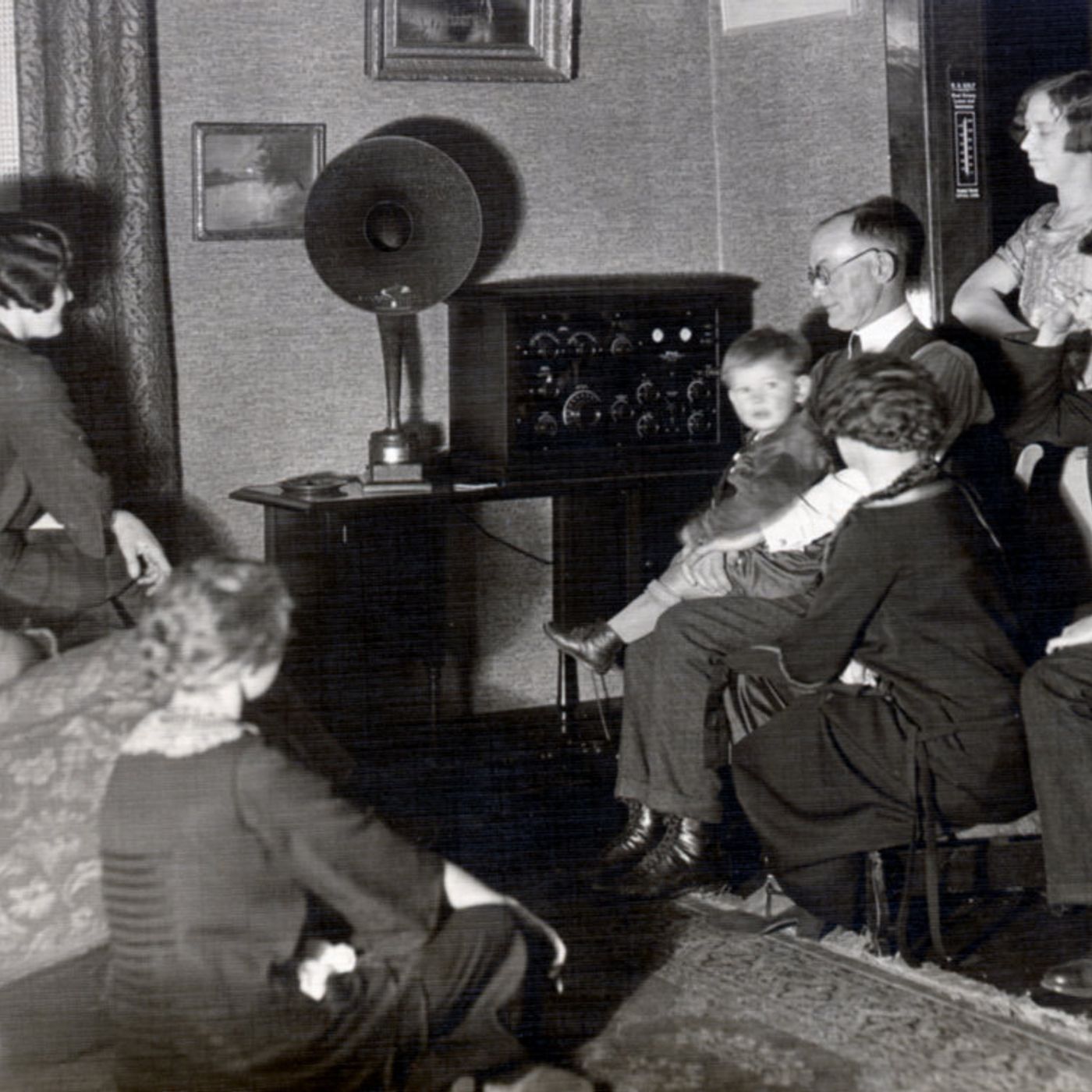
This episode encapsulates the charm of Golden Age radio—delivering concise, astounding anecdotes with dramatic flair. Whether marveling at human perseverance or pondering inexplicable foresight, "Ripley's Believe It or Not" continues to intrigue and entertain, just as when families gathered around their radios decades ago.