

Podcast Title: Harold's Old Time Radio
Episode: Vintage Commercials: Armour Hot Dogs
Release Date: July 29, 2025
Introduction
In the July 29, 2025 episode of Harold's Old Time Radio, host Harold delves into the nostalgic world of vintage radio commercials, focusing specifically on a classic advertisement for Armour Hot Dogs. This episode transports listeners back to the Golden Age of Radio, offering a detailed exploration of how products were marketed to families gathering around the radio set.
Overview of the Armour Hot Dogs Commercial
The centerpiece of this episode is the Armour Hot Dogs commercial, a quintessential example of mid-20th-century advertising aimed at children and families. The commercial features a catchy jingle performed by child voice actors, designed to appeal to young listeners and evoke a sense of fun and excitement around the product.
Notable Quotes:
- [00:33] Unknown Child Voice: "Hot dog Armour Hot Dog what kinds of kids eat Armour Hot Dogs?"
- [00:40] Unknown Child Voice: "Fat kids, skinny kids, Kids who climb on my mock duck Kids, sissy kids."
- [00:46] Unknown Child Voice: "Even kids with chickenpox love hot dogs."
- [00:49] Unknown Child Voice: "Armor Hot Dog the dog kids love to bite."
Analysis of the Commercial Content
Harold breaks down the commercial's structure, highlighting how it employs humor and relatability to connect with its audience. The use of diverse child voices singing about Armour Hot Dogs serves multiple purposes:
-
Inclusivity: By mentioning different types of kids—"fat kids, skinny kids," etc.—the commercial attempts to create an inclusive image, suggesting that Armour Hot Dogs are for everyone.
-
Humor and Playfulness: Phrases like "Kids who climb on my mock duck" and "sissy kids" inject humor, making the commercial memorable and engaging for children.
-
Catchy Jingle: The repetitive and rhythmic nature of the jingle ensures that the product name sticks in the listener's mind, a common strategy in radio advertising of that era.
-
Visual Imagination: Lines such as "Pickin it up on the old banjo Put on the mustard and away we go" encourage listeners to visualize the act of enjoying a hot dog, enhancing the sensory appeal of the product.
Notable Quotes:
- [00:55] Unknown Child Voice: "Pickin it up on the old banjo Put on the mustard and away we go."
- [01:09] Unknown Child Voice: "When men bite dogs and do say yay."
- [01:12] Unknown Child Voice: "But when kids bite dogs they yell."
- [01:15] Unknown Child Voice: "Hooray for hot dog. Armour Hot Dog the dog is proud to bite it."
Historical Context and Marketing Strategies
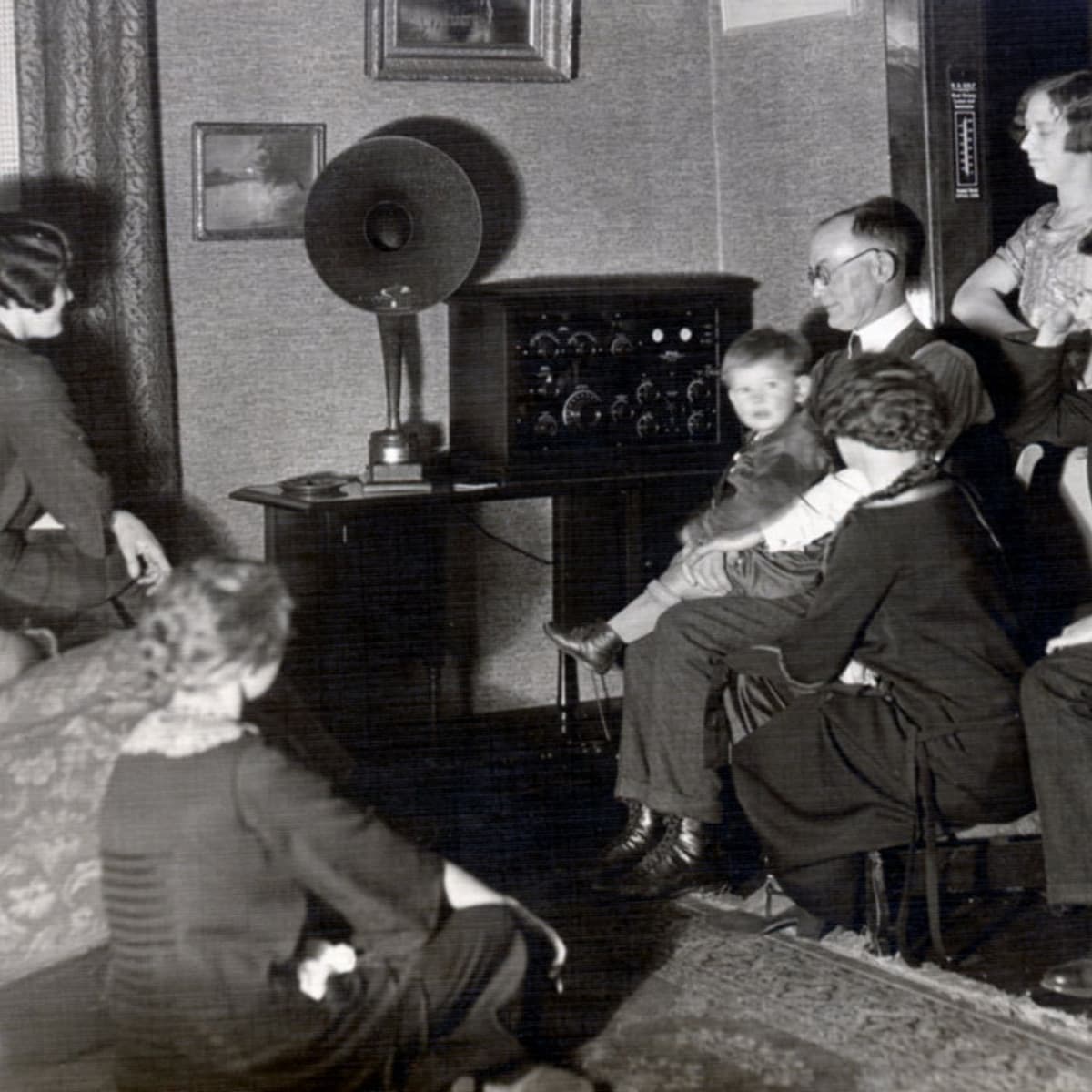
Harold contextualizes the Armour Hot Dogs commercial within the broader landscape of 1940s and 1950s advertising. During this period, radio was the primary medium for family entertainment, making radio commercials crucial for product promotion.
-
Target Audience: The commercial primarily targets children, leveraging their influence on family purchasing decisions. By appealing directly to kids, Armour Hot Dogs aim to foster brand loyalty from a young age.
-
Product Association: Associating hot dogs with positive and playful experiences helps establish Armour Hot Dogs as a fun and desirable product, rather than just a meal option.
-
Sponsorship and Integration: The seamless integration of the commercial within regular radio programming ensures maximum exposure without disrupting the listener's experience.
Impact and Legacy
Harold discusses the lasting impact of such commercials on American culture and advertising. The Armour Hot Dogs jingle exemplifies how radio commercials of the time used simplicity, repetition, and relatability to create effective and enduring advertisements.
Notable Quotes:
- [01:29] Ryan Seacrest: "Is Ryan here and I have a question for you. What do you do when you win? Like are you a fist pumper? A woohooer? A hand clapper? A high fiver?"
This contemporary quote from Ryan Seacrest, albeit part of a different advertisement within the transcript, highlights the evolution of advertising strategies from the playful jingles of the past to interactive and engaging promotions in modern times.
Conclusion
The Vintage Commercials: Armour Hot Dogs episode offers a comprehensive exploration of a bygone era of radio advertising. Through meticulous analysis of the Armour Hot Dogs commercial, Harold not only showcases the creativity and ingenuity of vintage marketers but also underscores the enduring principles of effective advertising—simplicity, relatability, and memorability. For listeners, this episode serves as both a nostalgic trip and a valuable lesson in the evolution of marketing strategies.
Note: This summary excludes non-content sections such as advertisements, intros, and outros, focusing solely on the main content of the episode.