← Hasan Minhaj Doesn't Know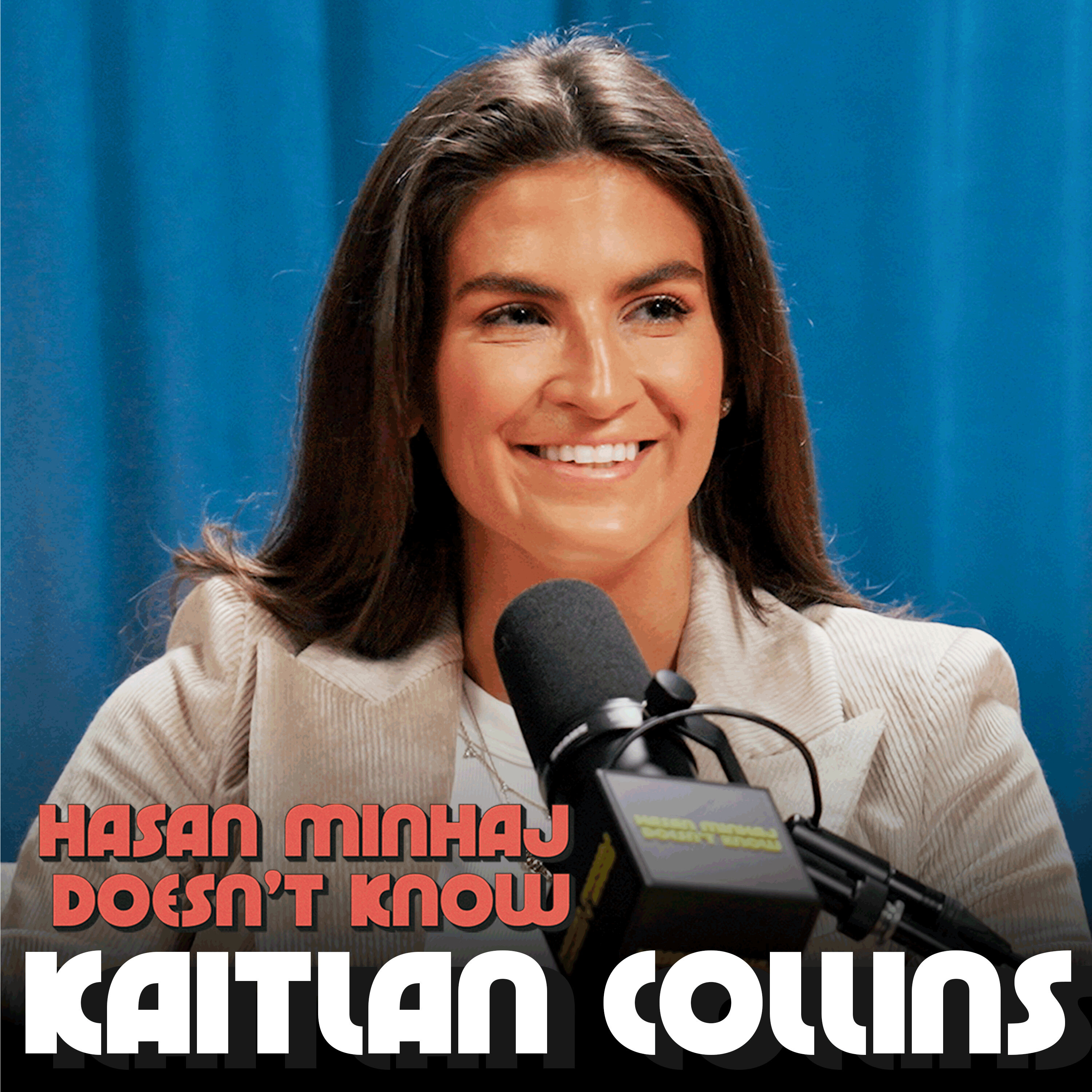
Loading summary
Transcript276 lines
- [00:00]
Host
It's 2025 and making money is now easier than you think. Whether you want to nab a high paying job or launch something on your own, AI isn't just helpful anymore, it's a requirement. Not sure where to begin? Well, this weekend you can join the two day AI mastermind workshop by OutSkill, the world's first AI focused education platform. During this two day live training you will learn how to prompt, engineer, automate your workflows, build AI products without code, and more. Expert mentors from Outskill have already helped over 10 million people who've attended this training in the past year. And now it's your turn. Normally this Training costs almost $900, but I have partnered with OutSkill to give away 1,000 seats for free. I'm even encouraging my team here at HMDK to join if they can. It is an important skill set to learn. That's this Saturday and Sunday from 10am to 7pm Eastern Standard Time. Grab your seat right now via the link in the description Hear me out. Thanksgiving is the most elite American holiday. It's all about gathering together, acknowledging the blessings in our lives and enjoying delicious food. The way I know Thanksgiving is actually the best is because the average person I know has at least three of them. And no, I'm not talking about you children of divorce. I am talking about friendsgivings. Yes, the early Thanksgiving potlucks you do with your friends, then you'll do one with your co workers and then I'm basically eating a Thanksgiving feast every week of November. No other holiday has that you're not celebrating multiple Valentine's days. Well, I mean, if you are, that is more of a discussion for Maury Povich. Now for my 17 Thanksgiving dinners I will be shopping at Whole Foods. They have unbeatable deals for the quality that they provide, like antibiotic free Turkey starting at 1.49 a pound. I love their grab and go options like the creamy mashed russet potatoes and the new holiday berry pie. But if you really want to enjoy your day off, Whole Foods will cater your entire Thanksgiving dinner. Just order online at shop.wfm.com before November 25th. Shop everything you need for Thanksgiving right now at Whole Foods Market. Lemonade why did George Santos get released from prison and when will CNN be hiring him as an analyst?
- [02:19]
Kaitlan Collins
I don't think we're gonna hire him as an analyst.
- [02:21]
Host
He recently came on I feel conf.
- [02:23]
Kaitlan Collins
Yeah, but we have people on all the time. Our job is to have people on. He's in negotiations and that's okay, you're saying this jokingly. I just want to make clear for everyone that that's not true.
- [02:31]
Host
Kaitlan Collins is CNN's chief White House correspondent, which historically has been one of journalism's most prestigious roles. But what does it mean to be the chief White House correspondent at a moment in history when the White House is a literal poster? I mean, don't get me wrong. Caitlin is brilliant at her job. Every week we see her viral clips of her going toe to toe with the White House press secretary.
- [02:52]
Kaitlan Collins
Is this setting a precedent that this White House will retaliate against reporters? What would you say to people who believe that you're only releasing these doc to improve your standing with the president? How is the administration deciding which laws to follow?
- [03:04]
Host
And I understand that those make great content, but I was curious what value they actually have for journalism and whether it even makes sense to fact check a president who lies more than, well, me. So I sat down with Caitlin to talk about sharing a workspace with OAN. Does it kill you inside that 1992 Macaulay Culkin has the same job as you? How zoom is destroying my respect for journalism. World leaders and experts with earbuds in a 13 inch Mouse MacBook Pro looking up your nostril hair. And to ask her when exactly CNN will be hiring George Santos as an analyst. Come on, we know you want him. Cnn. He's so infotaining.
- [03:45]
Kaitlan Collins
Hurry. Right away. No delay. Stop. Dick. Make your daddy glad. You have had such a laugh.
- [03:52]
Host
You started your career at the Daily Caller.
- [03:55]
Kaitlan Collins
Yes.
- [03:56]
Host
How do you make sense of Tucker's core philosophy when he was at the Daily Caller to Fox News to now?
- [04:04]
Kaitlan Collins
Like, what is his core philosophy? Yeah, yeah.
- [04:06]
Host
What was he like to work with and like, what was his central philosophy behind what he was trying to do?
- [04:10]
Kaitlan Collins
I think you would have to ask him, you know, what that is today and how he defines that and what that looks like now that he's in independent media. When I worked there, he was in the office a bunch. I think, you know, he had great stories from his, you know, days at CNN and MSNBC and, like, as a magazine reporter. And we'd, like, go back and read, you know, some of his old writings and, like, you know, trips that he did. And then I think really what he was then was kind of contrarian skeptical of, you know, whatever the talking point of the day was, whoever, you know, that was that was saying it. I think that was kind of of.
- [04:45]
Host
The viewpoint that he had in 2025. Left is right, down is up. People are complicated. Someone might say something that you completely agree with. Like right now, Steve Bannon, Tucker Carlson and Candace Owens might say something where I'm like, hey, I totally agree with your position about the military industrial complex. And it reminds me a little bit about. Did you ever read Harry Potter?
- [05:07]
Kaitlan Collins
Of course.
- [05:08]
Host
All seven.
- [05:10]
Kaitlan Collins
I was like deeply emotional after reading the final book.
- [05:12]
Host
Totally remember how for the first six books you were like, I cannot fucking stand Severus Snape. But then by the seventh book, oh, I loved Snape the whole time.
- [05:21]
Kaitlan Collins
Yeah. I was a big Snape person.
- [05:23]
Host
So you never thought, because you could.
- [05:24]
Kaitlan Collins
Kind of see the through line of like, he was good. He was good underneath.
- [05:28]
Host
So you, the whole time you're like, people are complicated.
- [05:30]
Kaitlan Collins
Yeah. Fourth grade, I was like, people have multitudes.
- [05:32]
Host
Okay, so then, then you feel the same way about Tucker, then Severus Snape Tucker? Is that what you're saying?
- [05:38]
Kaitlan Collins
I. Well, that's what you're saying, I think. But I see your point because I think this is something that we saw last week with Marjorie Taylor Greene. She came out and she. And we asked, I asked AOC about this. We had a town hall with AOC and Bernie Sanders.
- [05:51]
Host
Yeah.
- [05:51]
Kaitlan Collins
In terms of the fight over the health care subsidies, why the government is shut down. And Marjorie Taylor Greene came out and she was blaming Democrats. She said they created this because obviously Republicans don't like Obamacare, but it's now deeply popular and ingrained into the American health care system. But she said Republicans don't have any solutions either on what to do about this. And I thought that was an interesting moment. And this is what I always like interviewing politicians who, who just actually tell the truth and speak their minds, even if it's unpopular and if it doesn't align with the party talking points. Because I think that's what people like to hear the most, is someone who is genuinely coming forward and saying what I think people who are authentic resonate.
- [06:30]
Host
But how did you know in that moment she's telling the truth? Was it just an instinct thing? You're like, I think she's telling the truth.
- [06:34]
Kaitlan Collins
Well, she, I mean, she came out and said it. She did an interview with. To a Michael.
- [06:38]
Host
I mean, just because a politician says something doesn't mean.
- [06:40]
Kaitlan Collins
Well, and this is, this is actually exactly the point that AOC made when I asked her, like, could you guys work together on this?
- [06:45]
Host
Yeah.
- [06:45]
Kaitlan Collins
And she said, it's nice that she's saying that. She's like, but I haven't seen her come and say, I'll support this legislation with you or I'll do this. And so her point was kind of I'll believe it when I see actions from her. Then back up what she's saying. I think people can talk a good game, but until they actually support policy that helps people, people, I, you know, I, I'm not particularly interested.
- [07:12]
Host
You are someone who is covering the White House, and as chief correspondent to the White House, how do you cover a White House that constantly shitposts so crazy things happen and then also the White House will just shitpost.
- [07:28]
Kaitlan Collins
Yep.
- [07:29]
Host
And then you at cnn, you have to cover this How?
- [07:35]
Kaitlan Collins
I think you have to differentiate because with shit posting. You mean like a video that Trump posted over the weekend? I mean, because there's also that where.
- [07:42]
Host
Like, let's actually show the viewers. Let's show the AI generated video.
- [07:45]
Kaitlan Collins
Yes.
- [07:45]
Host
So this is an AI generated video of Russell Vought as the grim reaper and then Trump playing the cowbell. And then it actually gets weirder. So here's if that's possible. Yeah. How do you report on this? What is the breaking news Chiron here?
- [08:02]
Kaitlan Collins
You know, it's wild because it does speak to how politics have changed so much in this moment of if there was a government shutdown like 10 years ago and federal workers are hanging in the balance, the people who do your security at the airport are not getting paid. Trump has figured out a way for the military to get paid in this one paycheck. We'll see if they continue to do so going forward. But a government shutdown, you know, typically has been taken really seriously. And the way the White House has been messaging on this is we're just going to use it to inflict as much pain as possible to get Democrats to come to our side. And I think there's more and more videos like that. The longer the shutdown goes on because Dems are not folding the way the White House predicted. I talked to the White house on day three of the shutdown. We're day 19 now, 20ish. And they were like, oh, by Friday it's going to be over because they're going to fold.
- [08:53]
Host
So wait, just on following you correctly, you're saying the memes are a byproduct of this series stretching on longer and longer.
- [09:00]
Kaitlan Collins
Yeah, because I think they're frustrated that Democrats aren't folding in the way that they thought that they would.
- [09:04]
Host
When you're working with your producer, do you go, hey, do we cover this meme? Do we not?
- [09:09]
Kaitlan Collins
Oh, no, we. Well, we choose. We have a whole. I have a Whole team for my show, like, at night of what we.
- [09:14]
Host
The White House.
- [09:15]
Kaitlan Collins
And we're brainstorming. We always. That's kind of our thing. I always say we're not sanitizing the presidency. Like, I don't want to take, you know, a cabinet meeting will go on for three hours. I've literally stood in a cabinet meeting for two and a half hours before. And that's like, when the press is in there. So it's. I mean, it's not even clear, like, what happens when we're not there or if it continues to go on. But there are moments in there that are really like, Trump took a moment at one point and kind of like, showed us all the new decorations that he had put up.
- [09:44]
Host
Super gold. The super, super.
- [09:45]
Kaitlan Collins
All the gold. The frames. And there was kind of a moment when we're deciding what from that warrants was news, what gets in the show. Like, what are we cutting? Because obviously we can't show all of it. But I have a really important principle that I don't think you should sanitize him or, like, not show stuff like that on the show. Because, yes, it's like, silly and AI generated, but also, like, that is their messaging on the government shutdown. And there are truly people who are not getting paid right now because of this. Or there's government services that you can't access, or, you know, air traffic controllers are calling out sick because they can't take off work right now and they're not getting paid. And so I think there's really serious consequences and impacts. And so I think. I just think we should always show that to people and make sure that they're. That they know it's happening. We did a whole segment when Trump posted. Did you see this med Bed conspiracy? No, Med Bed is a thing, like.
- [10:34]
Host
Because there's the Tylenol stuff, there's the autism stuff, then there was a thing about getting circumcised. There's a lot of stuff that's happening.
- [10:41]
Kaitlan Collins
It's never ending.
- [10:41]
Host
Yeah, okay.
- [10:42]
Kaitlan Collins
But it's like my job to keep up with that stuff. Well, anyway, Med Bed was this conspiracy that there's like, this medical bed that you could go and lie on and it would fix all of your problems. Basically, it's like some conspiracy that's been on the far right. Our conspiracy theorist reporter, Doni o', Sullivan, like, tried one out.
- [10:58]
Host
That's a real reporter. It's called the Conspiracy Theorist Reporter.
- [11:00]
Kaitlan Collins
That's not his actual title, but that's what we call it. Like, Our.
- [11:03]
Host
What's his lower chiron.
- [11:04]
Kaitlan Collins
When he's on, we say, like, conspiracy theorist. Like, you know, chief correspondent of the conspiracy theories.
- [11:10]
Host
Stop.
- [11:10]
Kaitlan Collins
No, it's not. But this is what he does. And so he already knew about it. He goes to, like, far right conventions and things like this. And he had known about this. So Trump post about it.
- [11:22]
Host
The med bed stuff. Okay.
- [11:24]
Kaitlan Collins
And the problem, you know, we asked the White House about this and we did a whole segment on it because I thought it was important to not just ignore the fact that he had posted this because it's basically saying, like, all of your health issues will go away if you do this one thing. And when the president posts that, like, maybe he realizes it's a joke and it's not serious. But there's a lot of people who follow him and believe the. Everything he says.
- [11:43]
Host
Sure.
- [11:44]
Kaitlan Collins
And I just, you know, so we, I was like, this is important for us to cover. So we covered it the next day on the show because I didn't feel like we should just ignore it.
- [11:52]
Host
Do you ever feel like, wait, so is this a prestigious job or is this not a prestigious job?
- [12:00]
Kaitlan Collins
It's not glamorous, that's for sure. But I mean, covering the White House is an amazing job.
- [12:04]
Host
So you still think it's a prestigious job?
- [12:06]
Kaitlan Collins
It's the center of power in Washington. Yeah.
- [12:08]
Host
I asked that because I want to spotlight one of the people that you share a workspace with. This is chief White House correspondent Daniel Baldwin.
- [12:18]
Kaitlan Collins
The Trump administration indicated that it might seek emergency relief from the Supreme Court on the tariff issue as soon as Friday. And we'll have to wait to see how that plays out. Daniel Baldwin, one American news. The White House.
- [12:32]
Host
Does it kill you inside that 1992 Macaulay Culkin has the same job.
- [12:36]
Daniel Baldwin
As, you.
- [12:38]
Kaitlan Collins
Know, my view of the press corps is the more the merrier. But I will say, and I think, I think it's. It's a weird slippery slope when you start saying this person is prestigious enough to cover the White House. Because some people might have looked down on me when I started covering the White House because of where I worked. I worked at the Daily Caller. I think you have to, like, look at the reporter. Do they ask good questions? Are they tough? You know, is there scrutiny? And, you know, one thing I said recently was because I do think the press corps matters, I don't think you should just ask fawning questions like, how great are you? Or how amazing are you? Or how many accomplishments do you have? I don't care if It's a Democrat or Republican president. You shouldn't be. Like, your job as a reporter is to hold them to account.
- [13:18]
Host
Sure.
- [13:18]
Kaitlan Collins
And so I just, I don't think, I don't like easy questions.
- [13:21]
Host
But does it secretly kill you that he gets this interview with Donald Trump? He's right there.
- [13:27]
Kaitlan Collins
No, it doesn't kill me.
- [13:28]
Host
It doesn't kill you that he's straight up on Air Force One, cheese in.
- [13:32]
Kaitlan Collins
You're like, I, I don't, I don't. I mean, I think our jobs are really different. And I think what we, what we do every day and our outcomes are very different.
- [13:40]
Host
What, What, So what's the job of the OANN chief?
- [13:46]
Kaitlan Collins
Well, I think, okay, for example, I'm not, I'm not a media critic, so I, I can do what I do. And, you know, we have a press corps that is made up of really good reporters, I think, so I think you can spotlight one or two. But I think overall, the press corps that covers Trump does a really good job covering him and covering his presidency. And I think you should ask tough questions. But can I say one thing, though, because this is actually something that bothered me recently, and I raised this with people at the White House. So when the Jeffrey Epstein saga really began in earnest this, this time, you know, when Trump was back in office and it became a thing again because his FBI and DOJ came out and said, basically, we're not going to release anything else. Like, we've looked through this. Nothing else is happening. And it erupted on the far right because they had been promised the Epstein.
- [14:30]
Host
Files and, yeah, drain the swamp.
- [14:32]
Kaitlan Collins
Yeah. All these people had been, you know, had not been held to account. It was a whole thing. So right after that, Trump is hosting a cabinet meeting. We're the pool. So CNN's the pool for the TV. So I go in to represent all the TV networks, and that was a huge. It was bubbling like it hadn't yet, you know, hit the breaking point where all of these podcasters were coming out and asking what was going on. People were typically really friendly and warm towards the Trump administration. But we go in and the New York Post reporter asked Trump about the Epstein stuff, and he kind of blew up and said, are you still talking about this? Is anyone still talking about this? And there were some of the right leaning reporters that have been added into the press corps that are friendlier to Trump, that were in the room that day or in the briefing that week, and they didn't ask about it because, you know, I guess maybe they were worried about backlash from the administration. But I thought if the point of adding more people to the press corps is because those people serve a huge audience and they deserve someone who is asking the questions they want asked. Those people were not asking the questions at the beginning. And I thought that said a lot.
- [15:37]
Host
Because that glaring omission said a lot.
- [15:39]
Kaitlan Collins
Right. That's, that's if you're there to rep. If the argument for you being in the press corps is that you're, you're representing this audience that other people are not. Right. Well, they were the most upset about the Epstein stuff, you know, at the beginning of when all this was playing out because they felt like they had been misled by Cash Patel and Dan Bongino and Pam Bondi, who had made all these public comments about what was coming and then basically nothing came out. And remember, they invited all those far right people, the podcasters, to the White House for the binders that were already. There was already information that was already out there. And so I just thought in that moment, well, that's why you are arguing you should be in the press corps, but you're not really asking the questions that your audience wants asked.
- [16:17]
Host
When people on TV watch the White House press briefing, there's the press secretary on one side and then there's the reverse camera.
- [16:26]
Kaitlan Collins
Yeah.
- [16:27]
Host
What is that room? How much time do you have with the White House press secretary and what's going on there in the briefings?
- [16:34]
Kaitlan Collins
Yeah, that's the James Brady briefing room. It's named after Reagan's press secretary. And you. It's, it's so much smaller on, in real life than it looks like on tv. I think that's like the one thing people come in the room, it's like their first comment they make. If you're a visitor at the White House and everyone has an assigned.
- [16:53]
Host
It's tight. I've been in the. I'm like, this is it.
- [16:55]
Kaitlan Collins
Yeah.
- [16:55]
Host
It's smaller than this.
- [16:57]
Kaitlan Collins
Yeah. Way smaller than this.
- [16:58]
Host
Yeah.
- [16:59]
Kaitlan Collins
And it gets crowded and there's people in the aisles because it's assigned seating, but the people stand in the aisles. Camera photographers are there back and on the sides. And you go in there for the bre. I mean, we have a once a week press briefing. You go in and yeah, everyone, like she calls on whoever, you know, you're kind of sitting there signaling, trying to get a question. You don't always get a question. And then that's it, you know, raise your hand. Yeah. Or I'll say like Caroline, Carol, I'll signal to get her attention. And then. But that's pretty much. I mean, that's like the moment. I think it's helpful to get people on the record, on camera, on. On things like that because of, you know, what's the legal justification for striking these boats that are, you know, off the waters that they're alleging?
- [17:45]
Host
The alleged Caribbean drug dealer boats.
- [17:47]
Kaitlan Collins
Yeah. Which is a really fascinating actually thing that they've been doing because they've been increasing. And the first time it happened, you know, there were Republican lawmakers who.
- [17:58]
Daniel Baldwin
We.
- [17:58]
Kaitlan Collins
Would ask them, do you support this? Do you defend this? And they would say, well, we need to see the legal justification. We need to see this. And now it's ramping up in its intensity. I mean, I think we're on, like, the seventh boat now. And this is actually an interesting point where for the first time, there were survivors from the strike. And what they're deliberating, doing is sending. Returning them to their home countries, which raises a lot of questions for me, because one, if you're saying that what these people are doing is so bad that you can just, one off, strike this boat because they're arguing that they're carrying all these drugs, they're trying to kill Americans.
- [18:30]
Host
Right.
- [18:31]
Kaitlan Collins
You know, why would you just return those people to their home country? I think it's legally, like, an easier thing to do.
- [18:36]
Host
Yeah.
- [18:36]
Kaitlan Collins
But it has raised a lot of questions about their practice.
- [18:38]
Host
And you get the opportunity to ask that in the White House press briefing room.
- [18:42]
Kaitlan Collins
Right. I mean, that's just like one of the many questions that you would ask about.
- [18:45]
Host
I have this theory. I think the reverse camera. Do you know when that was added? Do you know what year that was added where you could see the reporters asking questions?
- [18:51]
Kaitlan Collins
I don't know, but, I mean, there's like 50 cameras. There's like, a lot.
- [18:53]
Host
I think the reverse camera, plus Twitter, it turned that White House press briefing room into part journalism and then part Juilliard performance. Because on Twitter, people be clipping. They're like, jim Acosta, my mouth is agape. Like, let's fucking go. I can't believe. And then it's there. It's in the media ecosystem. And dare I say the highest compliment is if you get a moment in the press briefing room, you get to be in the SNL cold open. Chloe Feynman's played you in the SNL cold open.
- [19:30]
Kaitlan Collins
Yes.
- [19:30]
Daniel Baldwin
Yeah.
- [19:31]
Kaitlan Collins
Yes. I mean, I. I don't. That's not why you're there. I see what, what your. Your point is that that happens, but I Don't. I mean, no one goes in there thinking, let me get my SNL moment. I mean, you're going in there to ask questions. And I also think if you watch the whole press briefing, it's not as electric sometimes as you see in the clips that are edited and put online. Because this happens. Yeah, sometimes it's people who love your question are clipping it. It's also the reverse. I mean, people saying like, I can't believe you asked this or totally, you took that time to do that.
- [19:59]
Host
Surreal.
- [19:59]
Kaitlan Collins
And I'll say this happens not just when Trump's in office. This also happened when Biden was in office and Jen Psaki was the press secretary, where people would be so upset about a question you asked or that you implied something. But that is our job truly, is to ask questions. No matter who's the press secretary or who's the president, there's always a bit of tension between the press office and the press corps because you're asking questions that they don't like sometimes. And so your job is definitely not to get an SNL moment. Your job is there to ask tough questions.
- [20:29]
Host
How do you navigate that social media Rorschach test? Because you're right, it goes both ways. So I'll give you an example. Let's watch some Kaitlan Collins game tape. This is a prime example of like you doing you.
- [20:39]
Kaitlan Collins
I spoke to the police chief of Portland last week. He said that the president's claims just don't match up with what's happening on ground.
- [20:45]
Daniel Baldwin
I would encourage you as a reporter to go on the ground and to take a look at for yourself because there's been many members of the press, not press in this room, but independent journalists, some of whom will be inviting to the White House very soon to share their stories because they have been in the middle of these riots and they have witnessed the anarchy that is taking place night after night. It's on video. You should play it on your show. You have a great opportunity on primetime on CNN to show your audience. Yeah, but you're probably talking to partizan Democrat officials who are opposed to every everything this president does.
- [21:15]
Host
Now, coming out of this, here's what I just saw. You present her with a verifiable fact. She then dismisses it. She then asserts something false and then implies you're a partisan hack. Take me through what was happening there for you in what happened later.
- [21:37]
Kaitlan Collins
Well, I had the police chief, Bob Day of Portland on my show.
- [21:42]
Host
Yes.
- [21:42]
Kaitlan Collins
And I asked him, do you need the National Guard? Is it out of your control?
- [21:48]
Host
Yes.
- [21:49]
Kaitlan Collins
Is this atypical?
- [21:50]
Daniel Baldwin
Right.
- [21:50]
Kaitlan Collins
How big are the protests? Like, where is this spreading and what he told us on the show, I think it was the day before that briefing, or maybe even two days before. He said, no, we don't need the National Guard. He was very straightforward. He's like a very straightforward person. Um, he's not a partisan official. He wasn't, you know, the argument. I think she maybe thought I was talking to like the Democratic mayor or governor. No, I was talking to the police chief and he said no. He said it's about a block wide of a protest right around this ICE facility. If you go to other parts of Portland, it looks completely normal. It's not out of control in any way, shape or form. Obviously there were protests actually happening. There was a police presence required, but he said it wasn't out of control and they didn't need the National Guard. And he was very straightforward about it. He didn't hedge or anything. And so I asked her about that and obviously, you know, she was trying to imply that we didn't know it was actually happening in Portland because I wasn't physically there on the ground. Obviously, I'm covering the White House. My job is to be at the White House. But we had reporters who were in Portland and we had them first thing on the show that night. Shimon Porcupas was there. We had him on. And I said, okay, what's happening on the ground? Like, you've been there, what does it look like? And he walked us through and you could see the scene for what it was. And so that was a moment where they tried to turn it into something that, you know, I was just asking, you know, police chief says he doesn't need your help. Like, and my question was, which local official has said, we need you to send in the National Guard? Because if the National Guard needs to go in, don't you think someone locally would say, we really need this?
- [23:12]
Host
Right.
- [23:12]
Kaitlan Collins
And she couldn't point to anyone.
- [23:14]
Host
She wasn't going to distinguish who that representative was specifically or no one told them that. Got it. Now, look, our team did do a little bit of research. We wanted to find out what is going on the streets of Portland right now. We have a frog and a painter. That's what's happening right now. We obviously have dinosaurs. And then of course, we have naked joggers. And really shout out to the photographer for making this photo work.
- [23:40]
Kaitlan Collins
Friendly, inappropriate.
- [23:42]
Host
Exactly. You read my mind. I say that to say this, jokes aside, so I see the value of that exchange for content, Certainly social media had its day with it. I mean, just watching it unfold as a digital Rorschach test, it was super wild, like from both sides. So there were people that were like, Kaitlan Collins Cooks, the White House press secretary. And then I saw the other way. It's like White House press secretary sticks it to Kaitlan Collins. So I see the content play there. What's the journalism value play there? But more importantly, what's the value for the American public? How should the American public take this and consume this and make decisions in their life?
- [24:34]
Kaitlan Collins
That's a good question. And I think that anyone watching that exchange, whether you are someone who believes the National Guard should be sent into every democratic city, or you're someone who thinks this is a huge overreach of power and is worried about putting our, our, our military members on the streets of American cities to do things that they're not trained to do. And so which was part of what happened in Portland, they sent the National Guard or they tried to, but they weren't even like, actually deployed. And so I think the value of that is where whoever you are in that moment watching that exchange, you know, I think it's an unimpeachable question which, who told you that that's needed there? Like, justify your reasoning for wanting to send in the National Guard as an administration. And I think when they can't and they can't point to anyone who has said we need the National Guard to come in, I think that's really telling. And I think that's an important moment because I think regardless of where you fall on that, it says a lot.
- [25:33]
Host
Wouldn't it be a dream to always find what you're looking for immediately? Like nabbing a parking spot at the mall, finding a perfectly fitting pair of jeans, or picking the pair perfect movie to watch that is both appropriate for your kids and doesn't make the adults question their life choices, you definitely save a lot of time. While you may never instantly find those things, if you're hiring, you can find qualified candidates right away time and time again with ZipRecruiter. And today you can try it for free at ZipRecruiter.com hustling ZipRecruiter's powerful matching technology can find top talent in a matter of minutes. Plus, with ZipRecruiter's advanced resume database, you can unlock top candidates contact info the moment their profile crosses your desk. Want to know right away how many qualified candidates are in your area? Look no further than ZipRecruiter four out of five employers who post on ZipRecruiter get a quality candidate within the first day. And right now you can try it for free@ziprecruiter.com Huston again, that is ziprecruiter.com ZipRecruiter the smartest way to Hire this episode of HMDK is brought to you by booking.com as I'm sure you all know, your boy is basically a business mogul. And while I'm conquering media and autumnal beverages, it has come to my attention there is a major market I haven't tapped into yet. Vacation Rentals. If you are in the vacation rental space, booking.com is the place to be. Since 2010, they have helped over 1.8 billion travelers find vacation rentals. But here's the thing. Most vacation rental hosts don't even realize they can just list their properties on booking.com and if you're not on the platform, your rental is basically invisible to millions of Booking.com travelers worldwide. After all, they can't book what they can't see right now. Thankfully, it's super easy to list. Your property can take as little as 15 minutes, and nearly half of hosts get their first booking within a week of registering. So if your vacation rental isn't listed on booking.com, it could be invisible to millions of travelers searching the platform. Don't miss out on consistent bookings and global reach. Head over to booking.com and start your listing today. Get Seen get booked on booking.com hear me out. Thanksgiving is the most elite American holiday. It's all about gathering together, acknowledging the blessings in our lives and enjoying delicious food. The way I know Thanksgiving is actually the best is because the average person I know has at least three of them. And no, I'm not talking about you children of divorce. I am talking about friendsgivings. Yes, the early Thanksgiving potlucks you do with your friends, then you'll do one with your co workers and then I'm basically eating a Thanksgiving feast every week of November. No other holiday has that you're not celebrating multiple Valentine's days. Well, I mean, if you are, that is more of a discussion for Maury Povich. Now for my 17 Thanksgiving dinners I will be shopping at Whole Foods. They have unbeatable deals for the quality that they provide like antibiotic free turkey starting at $1.49 a pound. I love the grab and go options like the creamy mashed russet potatoes and the new holiday berry pie. But if you really Want to enjoy your day off? Whole Foods will cater your entire Thanksgiving dinner. Just order online at shop.wfm.com before November 25th. Shop everything you need for Thanksgiving right now at Whole Foods Market. I want to zoom out philosophically because in my industry, comedy and then society at large, there's this conversation around discourse. How do you engage in good faith discourse when sometimes you're engaging with bad faith actors?
- [29:17]
Kaitlan Collins
I think if you're engaging with a bad faith act, hey, actor, the best thing you can do is to expose that and to show what's happening. I think with politicians, I mean, this is mainly politicians for me. And taxpayer funded officials I think should face intense and tough questioning no matter which side they're on, because they're making huge decisions that affect everybody. People. I mean, this is literally what's playing out right now with the health care subsidies debate. Like if they don't get anything passed, people's premiums will jump. Republicans say, well, that's because Obamacare was a disaster. But regardless, it's going to happen. So what are they doing on either side to handle that? And so I think, you know, for our job in that point is to have people on who say, Democrats right now in this fight just want to give illegal aliens, as they put it, free health care. Okay, so we spent hours actually going through this and researching this to fact check this claim because you just kept hearing it repeated and there wasn't a ton of pushback because it's a difficult thing to fact check. It's not just say that's not true. It's saying, okay, here's actually what they're trying to do and here's what you're saying and why that's not true. And we spent, we were having the House Speaker Mike Johnson on one night and we two weeks ago, and we spent a lot of time, my team and I, going through this and making sure we had it completely right. So he couldn't say that's not true, Caitlyn. It's this. And we spent a lot of time on that. And it was a lot of effort and energy going into it, but it was completely worth it because I wanted to be able to say whoever's watching my show, whether it's my dad in Alabama or a senior Democratic staffer in Washington, I wanted both of them to be able to watch it and say, okay, what Caitlin is saying is completely true. And so I think when there's a lot of talking points circulating, you know, the best thing you can do is be able to like, puncture those and actually like really dig in on what are they actually saying. I think so many politicians just say things and then people move on from it. And, you know, the way we structure our questions when we have a guest on is if they don't answer the second question, we will spend the entire interview on that second question. We'll never get to anything else because I just think you'll have your index.
- [31:19]
Host
Card and you're just like, I'm on 2A. I haven't even moved. I could go to 17, but I can't.
- [31:24]
Kaitlan Collins
Yeah, I mean, my team wants to kill me because I have like 30 questions for every person we have on and it's always like 1.1.5.
- [31:29]
Host
Sure.
- [31:30]
Kaitlan Collins
But I think we try to rank them in order and obviously there's other things we'd like to get to with them. But I think so many times you're pressed for time in an interview and you want to just, you're like, okay, I'm just going to move on because I really want to get to this. I think to just stay on something is really important. In the briefing, I stayed on just that question the whole time. And I think that's, you just need to stick with it because they'll say the talking point once and you follow up. And I think when there's a non answer, it's just as telling as an answer is sometimes.
- [31:58]
Host
So you'll have Jim Jordan on the show. So this clip that I'm about to show you, this is you pushing Jim Jordan about federal workers being on furlough and them not receiving back pay. Check this out.
- [32:12]
Kaitlan Collins
You voted in 2019 that federal workers who are furloughed should get their back pay. So why is your position different now?
- [32:18]
Jim Jordan
It's not different now. It depends on what the president decides to do and then what we pick up as Congress. All I'm saying is most. Okay. And all I'm saying is. All I'm saying. What I'm saying is most Americans say if you're working, you should get paid. If you're not, that's a different question now in the past, but that's not.
- [32:32]
Kaitlan Collins
The law you signed. You didn't say when you voted yes on this that you voted for in 2019. You didn't say the caveat. If they're working, they get paid. It said all furloughed workers.
- [32:41]
Jim Jordan
I'm just commenting on what the president said. And I think the easiest way to remedy this is what I've said now several times. Chuck Schumer, open Up the government.
- [32:46]
Kaitlan Collins
Yeah, but I'm talking about what you voted for. So if your position is still then, then it's that furloughed workers who aren't to going. Going to the office.
- [32:52]
Jim Jordan
And we may vote for that again because I think it would take a change in the law to undo what we did back in 19.
- [32:56]
Host
Okay. So right now I am in the dryer and I'm in heavy spin. I don't know what's happening right now. Explain to me what you're asking him and what he's saying.
- [33:06]
Kaitlan Collins
So I actually had a whole conversation with my dad about this the next day because he was watching and he was like, why were you grilling him so much?
- [33:12]
Host
Well, your dad's a character in a lot of this. What's. What's my dad.
- [33:15]
Kaitlan Collins
Because he's like my, like, poll audience. He just watches every night.
- [33:18]
Host
Okay.
- [33:18]
Kaitlan Collins
And I like to see what he thinks because he, like, you know, lives in Alabama, sells mobile homes for a living.
- [33:23]
Host
Okay.
- [33:23]
Kaitlan Collins
He's great. So with this moment, there were 50 other questions we had for him. We really spent like a majority of the interview on this back pay thing because the last government shutdown, I covered it. It was 35 days Trump was in office, and he signed a federal law that Jim Jordan and a lot of other Republicans voted for that said, we just want to take away the mystery of government shutdowns of, like, the pain on the federal workers who are not choosing to not go to work. They're furloughed. They truly. I just ran into a Park service employee the other day who said, I'm furloughed. They cannot go to work, so they are not getting paid. What the law that they voted for and Trump signed in 2019 was, no matter what, we're guaranteeing that when you come back to the office, you will get your back pay. So you will get. If it's closed for two months, you will get your back paid.
- [34:13]
Host
The Monday you come back, you will pick up a check for the two months that Friday.
- [34:16]
Kaitlan Collins
But, yeah, but it's still, it's still difficult because I, A lot of people can't go a month without a paycheck. You know, one in six families in America lives paycheck to paycheck. So it doesn't take away the pain. But I think it helps reassure that you're going to get it. So what Trump had said that day in the Oval was, well, we'll see if everyone should get their back pay because this legal memo had been circulating at the White House saying maybe only for the people who are required to go into work, they'll get paid and if you're furloughed, you may not get paid. They were trying to find some wiggle room in the law. And so when we had Jim Jordan coming on that night, we looked up how he voted. He voted yes. And that was only six years ago. He said that if you're furloughed and you come back, we should guarantee your back pain. As you heard him there, he's saying, well, the American people think if you're working you should get paid and if you're not. But the people who aren't working aren't choosing to not work. They are. They didn't shut the government down. They're in the middle of this.
- [35:09]
Host
Yeah, they're the collateral damage to this bureaucratic fight that's happening.
- [35:12]
Kaitlan Collins
And his argument was shifting from what he had voted for.
- [35:15]
Host
Right.
- [35:15]
Kaitlan Collins
In 2019.
- [35:17]
Host
Why do they come on your show? Jim Jordan, Ted Cruz, what's their deal? Are they there to connect with voters or people that watch CNN on mute at the LaGuardia terminal while they wait for their Delta flight or are they.
- [35:29]
Kaitlan Collins
Just, they're watching it on loud.
- [35:31]
Host
Are they just masochists? Are they just masochists that like love the pain?
- [35:34]
Kaitlan Collins
Well, one, I think it's really important to have lawmakers from both parties on. I don't want to just have Democrats on the show. I think they come on because one, you can't just speak to an audience who already agrees with you. I don't that doesn't benefit you politically. And you know, we make this argument to people. If you're only speaking into the ether like it's not going anywhere. But if you come onto an audience that maybe hasn't heard your argument before, maybe you'll reach people. And I what we always guarantee people who come on is it's going to be a substantive interview. They'll have time. I will let them speak and answer. But we say it's going to be a tough, tough but fair, you know, we're not going to, you're not just going to come on and say you're talking points and then leave, but you're also not going to come on and it's going to be like a gladiator showdown. Like I don't like yelling, I don't like raised voices. I think having a sober minded argument and being able to push people is effective.
- [36:26]
Host
Why won't he come on my show then?
- [36:27]
Kaitlan Collins
I don't know.
- [36:28]
Host
I'm Ted yeah, I Don't know, we go deep in the cut.
- [36:33]
Kaitlan Collins
Can I, can I tell you? We actually. But booking is my hardest part of my job, actually, because I'm the chief White House correspondent. But I also have the 9 o' clock show. And you know, when you're a reporter, you know, you're, you're questioning these people. But like I'm also trying to get people to come on my show. And as you know, booking is really difficult and it takes a lot of investment and work because you have to build a relationship to a degree to get people to come on. And I've had this experience not just with Republicans, I've had it with some Democrats. And then typically if we have them on once and they see how the experience goes, they'll come back because I, I want to have people come on regularly. But booking is really difficult because some people just don't want to, they don't want to do a tough interview. It's like the better you are at it, the less likely they are to come on because it takes some work, you know.
- [37:18]
Host
Right. One of your colleagues is Daniel Dale. Can you explain to our audience who was Daniel Dale?
- [37:25]
Kaitlan Collins
Canadian. Daniel Dale is our fact checker that CNN hired. He was already doing this before CNN hired him masterfully. And OG fact checker, he's really good and he, he is someone who, when you've covered someone a long time, you kind of like memorize things that they say because politicians truly just repeat themselves that when you talk about like the glamour of the White House job, you're just listening to people who repeat themselves a lot. And so obviously like that's, that's your job because the American people may not hear it as much as we do. And Daniel Dale is, he fact checks every fact checks Republicans and Democrats, but obviously primarily focuses on Trump. But if you go to so many.
- [38:06]
Host
Wikipedia, like what he is known for is for over a decade he has been fact checking Donald Trump.
- [38:11]
Kaitlan Collins
Right. Well, that's how he emerged. Like, I mean I remember following him on Twitter before CNN hired him before he's my colleague.
- [38:16]
Daniel Baldwin
Yeah.
- [38:17]
Kaitlan Collins
And he's excellent at what he does and I think he just does it in a really sober minded approach and just says that's not true. You know, like one thing that he fact checked and I read all this stuff because it's really helpful to me was Trump always says all of these South American countries are emptying out their insane asylums and dumping those people in the United States. And Daniel, this was on the campaign trail and argument that, that Trump Made.
- [38:41]
Host
Yeah.
- [38:42]
Kaitlan Collins
And Daniel Dale asked the campaign, like, can you point me to any evidence? Like, what are you basing this off of? And they never could and never have. So every time Trump says it, Daniel Dale's always on TV saying, this is like one of my most fact checked statements of his.
- [38:57]
Host
Right. So for people that don't know, he has, like, fact checked almost like 145,000 lies. Basically. Daniel Dale is at the McDonald's, 99 billion people served.
- [39:12]
Kaitlan Collins
He kind of sounds like someone at, like an auction, like an auctioneer after Trump gives a speech, when he comes on and it's like, boom, boom, boom, boom.
- [39:20]
Host
Yeah. Does it matter now? Like with McDonald's fact checking matter, or with Daniel Dale being 148,000 lies? McDonald's, we get it. Billions and billions have been served. Donald Trump lies.
- [39:34]
Kaitlan Collins
But what's the alternative? Like, just, I don't know, let it go.
- [39:38]
Host
I have no idea.
- [39:38]
Kaitlan Collins
I don't think that's a good alternative. I guess you're. The question you're asking is more existential, like, does it make a difference?
- [39:43]
Host
Yeah, it's that.
- [39:44]
Kaitlan Collins
But that's not for us to decide. You know, like, we. When you. What you're saying about social media and how they react to things in the briefing room, I'm not basing my questions off how Twitter is going to react to that. Like, maybe I'll ask a question that they don't care about or that they think is boring or not relevant. You can't base your job off of, like, reaction to it. So whether that's social media or does it resonate to have tough coverage of Trump because he was reelected and the American people chose to put him back in office? Yeah. I still think it matters. I still think you have to do that. The American people decide, but we have to do our job still, regardless.
- [40:19]
Host
Last week, dozens of reporters at the Pentagon turned in their press passes after Defense Secretary Pete Hexseth demanded that they sign a new policy. Now, this also includes Fox News, newsmax, the Washington examiner, everybody but OA nn.
- [40:38]
Kaitlan Collins
And a few other, like, independent outlets. Yeah.
- [40:40]
Host
Yes. Why did that happen? And what were the restrictions that Pete Hexseth was asking for that made people at Newsmax go, whoa.
- [40:48]
Kaitlan Collins
So actually too far. I'm really glad you brought this up because I think this is really alarming for people who don't. Aren't paying attention. And I'm gonna pull something on my phone that's relevant.
- [40:56]
Host
Sure. You have two phones this.
- [40:57]
Kaitlan Collins
Wow. But with the Pentagon press corps, I mean, There is no press corps at the Pentagon. Right. Like what you see in the briefing room at the White House. That does not exist at the Pentagon right now because of this new policy that no other defense secretary has felt the need to put in place, whether it was Trump's defense secretaries the last time, or Biden's or Obama's. And I was in an argument with someone actually at the Pentagon about this policy the other day, which is why I'm gonna pull up because basically this new policy is so vaguely worded. And I read through it because I wanted to read it for myself and see what they were asking people to sign.
- [41:31]
Host
Yeah.
- [41:31]
Kaitlan Collins
And one of the, one of the things was, and I was asking why is this necessary? Because they were upset that they were facing blowback. And part of it was basically saying that reporters can't solicit information from people at the Pentagon. Obviously your job is to get information. You get information from people who worked at these departments or bureaus and they. Part of the statement that they asked people to sign says any solicitation of Department of War personnel to commit criminal acts would not be considered protected activity under the First Amendment. Then it also says that you shouldn't publish information or you should talk to them about whether it's a national security matter, if it recklessly endangers American lives. Both of those things and part of what this pledge was are so vaguely worded and kind of threatening sounding when it says it's not covered under the First Amendment. And reporters aren't asking people to commit criminal acts. Like this notion that you're going around saying, hey, do you want to commit a criminal act? Is not how this works. The reason this is so dangerous is because the Pentagon press corps is one of the most serious, fair minded press corps in Washington. If you watched a Pentagon press briefing ever after a military strike or after something like the Afghanistan withdrawal, these are reporters who know their. And they ask really good questions about accountability and serious decisions where American troops are at risk potentially. And so this idea that there is no press corps physically there in the building besides these people who agreed to sign this ridiculous pledge is really alarming because part of the job is you run into people, the Joint Chiefs, chairman, generals who are there and ask them what's going on. Talk to us. That is truly part of your job as a reporter is just source up with these people. And we've heard from other past officials who. They'd go to the press corps and say, what are you working on? Like, what's on your mind today? What do you have questions about? And so the fact that they don't exist there anymore because they were not willing to sign a vague and restrictive policy should be really alarming for people.
- [43:35]
Host
Is this unprecedented? Has it happened before in history? Or is this feels.
- [43:39]
Kaitlan Collins
Not in. Not in recent history? I was. I was looking into this, and I think also worth noting and something that I noted to this official that I was arguing with about the policy was the Justice Department hasn't done this. The State Department hasn't done this. You know, we haven't signed any statements over at the White House press corps saying, here's how our coverage is gonna work. Because basically what they're saying is, if you violate this pledge, we will revoke your press pass, which helps you get into the. To the Pentagon. And I interviewed Barbara Starr, who was a longtime CNN correspondent, deeply respected by the military and very good at her job about this the other night. And there was this notion that Hegseth said in front of the president, Secretary Hegseth, that reporters could just walk anywhere in the Pentagon. That's not true. The Pentagon's one of the most difficult buildings to get into. And you go through security, and you only have certain areas where you can go without an escort. So this idea that you're just, like, roaming the halls of the Pentagon and you're going into a skiff, which is where you look at classified information, is just. It's a farce, and it's ridiculous. And I think that they will be poorly served by doing this. I think the reporters will continue to report, but it's making it more difficult by not letting them in the building.
- [44:47]
Host
Today's POD is brought to you by the International Planned Parenthood Federation, the world's largest network for sexual and reproductive health rights and justice. The fight for universal reproductive health isn't just an American issue. It is a global issue, a human one, because everybody has a story. And when people have power over their bodies, when they can access the care their bodies need, they can begin to write their own stories. IPPF is sharing some of these stories from women and health workers around the world who are fighting for sexual and reproductive dignity. And you can learn about people like Elena from Malawi, who ended up giving birth while trying to walk to her nearest clinic for care. Go to ippf.org everybody to read their stories today in 2023, you know, this. This was. This was a moment. This was a Kaitlan Collins moment. You hosted a CNN town hall with Donald Trump.
- [45:43]
Kaitlan Collins
Yeah.
- [45:44]
Host
Now, was this an attempt to win back Republican voters that May have stopped watching cnn.
- [45:51]
Kaitlan Collins
No.
- [45:53]
Host
What was it?
- [45:53]
Kaitlan Collins
We do town halls with presidential candidates all the time. Trump was very clearly going to be running for office. And I think the town hall obviously generated a lot of controversy. I think one thing that would be different if that town hall was tomorrow was Trump had not been in the public eye. He had not done a mainstream media outlet since leaving office. Since January 6, he had done Fox News or friendly outlets. I don't think he had done, based on what I looked up at the time, he had not done CNN or NBC or ABC or anything like that. And so it was a chance. I mean, we spent the first 25 minutes that town hall on January 6th and on his election lies.
- [46:33]
Host
Yeah.
- [46:34]
Kaitlan Collins
And I think, but I think people had not been used to seeing him in public because he obviously he had gone to Mar a Lago, he had lost the presidency. And I think it was jarring for people because they hadn't seen him in some time and it hadn't, he hadn't been on your TV every single day as he was for four years.
- [46:50]
Host
Going into that interview, how much were you thinking about, I need to challenge our core audience that would watch. Be watching this on CNN or I need to cater to the core audience that watches cnn. Or did you have a completely different plan?
- [47:08]
Kaitlan Collins
I didn't think about that. My plan going in was to challenge Trump and to fact check him and press him on his statements. And also it's a town hall, so it's not just a sit down, one on one interview. There's voters in the audience who are asking him questions about where he stood on certain policies. And, you know, if he was running for reelection, what that was going to look like. I mean, my job going into it, I think as the moderator is when he doesn't answer a question from someone in the town hall to follow up on that or to spend those moments where we did following up on classified documents, all these investigations that were swirling around him that he had not, you know, really been challenged on in months.
- [47:43]
Host
Did the audience reaction throw you? Cause when I was watching it, I was like, holy shit. The audience reaction is intense.
- [47:51]
Kaitlan Collins
I think part of that also with these town halls, that was my first town hall that I'd actually ever moderated. Like I just did one with Bernie Sanders and with AOC this week. And the audience, you always hear the reaction when it's positive and they like them and they're, they're cheering or whatever. You don't hear the people though, who are sitting there who are not applauding, who maybe don't like what his answer was, because obviously, that's the nature of an audience. I mean, you know that better than anyone.
- [48:14]
Host
Sure.
- [48:14]
Kaitlan Collins
And so I think that was part of it. And the audience was loud in the room. But, you know, I was really focused on. On Trump in that moment. But can I say, on that Town hall, it foreshadowed the election. If you watched that town hall, you weren't surprised when Trump went on to sweep the Republican nomination, and you weren't surprised when he won the election, Trump was reelected and put back in office. I think in that moment, people thought, trump is dead politically. He's not going to be able to come back. You know, after the way he left office in disgrace, he cannot return. Like, there's just. There's no. Maybe there's the diehards out there, but there's not support for Trump. And actually, what that moment showed was there was still a lot of support for Donald Trump. And I think it was jarring for some people to remember that maybe, and to see that, but that was reality. And, like, our job is not to sanitize things and say, well, this is what you want the narrative to be, or this is what you want to happen. Our job is just to cover it as it happens and to show you what that was. And I think that town hall showed people that, like, my job is, like, not to take down Trump. I'm a reporter and an anchor.
- [49:18]
Host
So right now it's 2025. Apparently, this is a big deal that Barry Weiss is now the head of CBS News. What does that mean? And is Gayle King going to be okay? Because I love Gayle King.
- [49:32]
Kaitlan Collins
You really do love Gayle. I mean, and I love Gail.
- [49:35]
Host
Have you ever. Have you been interviewed by Gayle King?
- [49:37]
Kaitlan Collins
I've never been interviewed by her, but I. I'm friends with her. I love her. And I actually just messaged her about her Cardi B interview because it was popping up my algorithm. It was a month ago, but it's. She's just a delightful interviewer.
- [49:48]
Host
Gayle King's the shit.
- [49:49]
Kaitlan Collins
But you know what? It's also a testament to. She does a great. I think. I love Gayle. I think that's, like, bipartisan. She does a really good job in tough interviews. And then you've seen those moments, and R. Kelly, or whoever it is, of letting the moment kind of sit. And that's actually. I mean, you know this as someone who interviews people, but you kind of have to let the moment sit for a second and it can be uncomfortable or, you know, it's. It's. You're not there, and it's just like a welcoming environment always where you're following up. Like with Jim Jordan, he don't think he loved my line of questioning, but you're sitting there and you just. You kind of have to embrace the uncomfortable. And I think Gail does a good job of saying what everyone else is thinking when they're watching that interview.
- [50:25]
Host
John Oliver did 34 minutes on Barry Weiss in CBS. I didn't have time to watch it, but people are talking about it.
- [50:34]
Kaitlan Collins
Yeah. What.
- [50:34]
Host
What does that mean? I don't know what that means for journalism.
- [50:37]
Kaitlan Collins
I didn't see the full 30 minutes, 34 minutes of what John Oliver said, but obviously he was really critical of this. I don't know. I don't work at cbs, obviously, so I haven't personally experienced what this is like. I have read the Free Press a lot in their reporting. I think they do a good job. And I think that Barry Weissel is like, kind of a Rorschach test. I think people who want to see what they want to see, like, they think it's bad or people think it's like the saving grace for journalism. I think we have to see how it plays out and see what it actually means for the reporters who work at CBS and what that looks like and what the industry looks like.
- [51:10]
Host
So Paramount's trying to buy Warner Brothers Discovery. Are you worried that you may now have to report to Editor in Chief Jordan Peterson?
- [51:19]
Kaitlan Collins
Is he going to be the editor in chief?
- [51:21]
Host
It could happen.
- [51:23]
Kaitlan Collins
I have no idea. It's, like, way above my pay grade. I have no clue. And also, I mean, to my point earlier, CNN has gone through a couple mergers and changes since I've been there over eight years ago. I mean, we had the AT&T merger. We've had all these moments where things change. We've had new presidents. And I think, you know, at the core, every day, when people think of, like, the media. I just wish people could come and go to Israel with me as I was there a few weeks or a few days ago for the ceasefire brokering. I wish people could go and see, you know, the manpower that goes into CNN covering a story like that, because that is actually what's the part. And the backbone of CNN is like, these reporters who go in who have been covering this story for months and on the ground and following every development. That is, like, what we do. And when I think of what is cnn, that's what I think of the reporters and producers and photojournalists who do that and do a really good job at covering conflict overseas or covering what's happening here and on the ground in places like Portland. And I think no matter who owns us or who's in charge, that will not change. Like that core mission of what we do.
- [52:26]
Host
Can I pitch what I think would help the American public?
- [52:29]
Kaitlan Collins
Yes.
- [52:29]
Host
And what you're just asking for, where you're like, I wish people understood this. Two things. Number one, if they added a twitch stream, I'm not kidding, a live twitch.
- [52:39]
Kaitlan Collins
Don't say this because now my producer, my executive producers and be like, let's.
- [52:41]
Host
Do this literally in the other room where you guys are putting together the story, you're fact checking the story, you're getting basically the who, what, when, where, why, the exposition, your critical analysis, you as Kaitlan Collins being like, hey, I think we should push harder on this. Actually, I don't believe, believe this. If people understood how much went into it. Yeah, I think that immediately would air out the. Is there bias? Are they alighting key or critical information? Why aren't they doing this? Why aren't they sending journalists to that part of the world? All of this stuff would be addressed because, because you, you cannot do it in an eight minute block as you throw to commercial. Like right there is so much that's, I mean, literally, as you pulled out your phone, you couldn't, I don't know if you could. Could do that on air or you'd have to do it as an over the shoulder. You have to go full screen gfx. Like there's a lot of critical detail that you can get into the weeds.
- [53:32]
Kaitlan Collins
So we try to do this with the White House right now. We every week at the end of the show on Friday nights, we shoot these behind the scenes pieces. It's five minutes ish. And it's everything we, it's White House specific. So it's not all the show stuff, which I think actually is a really good idea. But it's like us going into the briefing room, like us being in the booth out on the lawn, like, you know, as people, lawmakers or officials are walking back, like Tom Homan will grab him and like ask him questions. We tried to shoot all of that because I think people don't realize like what goes on behind the scenes and what this looks like.
- [54:02]
Host
But here's another thing that I just think would add to the credibility of the whole shebang. I think one of the biggest things that has eroded fundamental trust and news media. It's not Elon buying Twitter. It's not the 24 hour panic news cycle that gives my dad anxiety. It is you guys having guests on Zoom. We need to eliminate the Zoom meeting.
- [54:32]
Kaitlan Collins
Because it looks bad or what?
- [54:33]
Host
Your producer out there is watching this. I'm not just doing this to you. I'm doing this.
- [54:38]
Kaitlan Collins
This is a direct plea to camera.
- [54:39]
Host
This is a plea to camera. I am talking about world leaders and experts with earbuds in a 13 inch MacBook Pro looking up your nostril hair.
- [54:50]
Kaitlan Collins
Terrible lighting. Terrible lighting, glitchy connection. These are my nightmares. Yeah, I dream about this stuff. Not in a good way.
- [54:56]
Host
And I've heard of. Oh, it's about convenience. I'm like, listen, this is a geopolitical expert talking about what we need to do to fix Ukraine. And meanwhile their bed isn't made. And now you've turned me into Indian Jordan Peterson. I'm like, chapter one, make your bed, then fix Ukraine. Do you understand? Get rid of the Zoom meetings.
- [55:16]
Kaitlan Collins
This is so funny because my bookers are going to watch this and be like, oh, my God, did she tell him to say that? Because I always am, like, in person. Because I think being in person makes such a difference.
- [55:25]
Host
Thank you.
- [55:25]
Kaitlan Collins
In conversations because it's just more natural and you're like, you can see body language and how someone's responding. And also it's easier to push people if you're in person and they can't just go on this long soliloquy. And then you're like, okay, hello, I am here to ask you questions.
- [55:38]
Host
And like I said, I told you this, Caitlin, like 20% of people are watching us have this conversation literally on their television.
- [55:44]
Kaitlan Collins
Yeah.
- [55:44]
Host
Like on a 53 inch OLED Samsung TV. Treat it with some respect. Yeah, that's what we're trying to do.
- [55:51]
Kaitlan Collins
I think it's a Covid era thing that became Whatever. But I will say there are moments where it's like, you should just take it where you can get it if it. Even if it's grainy. There was a hostage who's being returned from Russia, I believe. And we were having the hostage negotiator come on the show that night. I said he was landing at Joint Base Andrews right around nine. I said, can you please call in? Like, just tell us what happened, how this happened, what you guys did to negotiate this. And he was like, sure, I'll. I'll join on FaceTime. And so we had him on. He was with Secretary Rubio. And I'll show you this clip because it's like they're holding an iPhone and it's like upside down at one point. And I'm like, I'm like sitting there being like, oh, the control room's probably freaking out. And we kind of laughed about it after, but it was a moment where they were like in an airport hangar and we're like, just get on the phone and tell us. And I actually thought that was good because I think you should, to your point about it not being polished and beautiful, like it was real and it was in the moment and it was like, tell us what happened here.
- [56:46]
Host
That's an extenuating circumstance.
- [56:47]
Kaitlan Collins
I agree, I agree, I agree.
- [56:48]
Host
I mean, you're not FaceTiming your grandchildren. Come to the studio.
- [56:53]
Kaitlan Collins
I, I'm pro. I'm pro studio, pro person. So thank you for that. I'll send this to every single guest who tries to join bs.
- [56:58]
Host
Please, please.
- [56:59]
Kaitlan Collins
Your plea will not go unheard.
- [57:01]
Host
Can you get me up to speed on a few of these current events very quickly in a rapid fire round, hopefully. Okay. What's happening with the shutdown?
- [57:10]
Kaitlan Collins
It's dragging on. It's not in the headlines in the way that you would expect a government shutdown would be. I think it will become More so after November 1st, which is when open enrollment happens and people will find out that their premiums are going up should Republicans and Democrats not come to an agreement. But right now, the House has not been in Washington in weeks. We're broadcasting live from the Hill every night, and there is no movement.
- [57:36]
Host
This episode is coming out one day after the New York City mayoral election. Is Donald Trump going to invade New York City if Mamdani wins personally, will he invade it? I mean, it could be personally, it could be emotionally, or the National Guard.
- [57:50]
Kaitlan Collins
I do think that he is going to, as we've seen the shutdown, try to inflict pain on New York if Mamdani wins, which it seems, based on the recent polling that he's going to win. And I had Zoran on the show a few weeks ago or two weeks ago, and I was, I asked him, what are you going to do? Like, what is in your. If you are mayor, what is in your capacity to stop him from pulling federal funding? And are you game planning how you're going to handle that? Because I do think Trump will. Will try to make it difficult. I also think Trump will just try to use him as a foil. So let's see if it actually happens and what he actually does with Mamdani. But I think he will try to use his policies and his platform, even though what he's talking about are the same things Trump talked about on the campaign trail, which is that you can't afford. Affordability is too difficult in the United States.
- [58:33]
Host
Right. Why did George Santos get released from prison? And when will CNN be hiring him as an analyst?
- [58:39]
Kaitlan Collins
I don't think we're going to hire him as an analyst.
- [58:40]
Host
He recently came on, I feel confident.
- [58:42]
Kaitlan Collins
Yeah, but we have people on all the time. Our job is to have people on.
- [58:45]
Host
He's in negotiations, and that's okay.
- [58:47]
Kaitlan Collins
You're saying this jokingly. I just want to make clear for everyone that that's not true.
- [58:51]
Host
I'm saying more absurd things have happened.
- [58:55]
Kaitlan Collins
I'm not in charge of hiring in any way of our contributors, but I feel really extremely confident that we are not hiring George Santos as a contributor at cnn.
- [59:02]
Host
Okay.
- [59:02]
Kaitlan Collins
He was released from prison, though, by Trump because he lobbied Trump for a commutation of his sentence, which is what he got, or a pardon, which he might still get, and basically made the argument, you know, all these other people in Capitol Hill are liars and whatnot. Trump called him somewhat of a rogue in his post announcing his commutation. And basically he appealed to Trump in that fashion. And after serving less than, I think, three months, he got out.
- [59:27]
Host
What happened with the racist Republican group Chat? JD Vance said it was just a few kids, but one of the kids was a Vermont state senator.
- [59:34]
Kaitlan Collins
Several of them were either in the Republican Party. And actual jobs? I wouldn't describe them as kids. I mean, they're adults who have jobs, and some of them are state representatives.
- [59:43]
Host
Several. It was okay.
- [59:44]
Kaitlan Collins
I think it was one or two. I think it was multiple that were actually in government.
- [59:48]
Host
And then one of them stepped down. Right.
- [59:50]
Kaitlan Collins
And I think the chat disbanded. I don't know what that means using it, but okay.
- [59:56]
Host
Why are we giving $40 billion to Argentina? Are they building a new soccer stadium?
- [60:00]
Kaitlan Collins
I don't know on that, but Trump said his bailout, it's 20 billion, is conditioned on them, on his candidate, Javier Milay, actually winning the elections. So we'll see if it happens. What I have been obsessed with, for your audience who doesn't pay attention to soybeans is we sell a lot of soybeans, typically to China. China's not buying any soybeans from the US right now. The US is bailing out Argentina to the tune of $20 billion, and Argentina is selling discounted soybeans to China so they don't have to buy ours. So it's hurting American farmers.
- [60:31]
Host
Macro. Are we going to be okay?
- [60:34]
Kaitlan Collins
Like me and you. Specifically the world.
- [60:37]
Host
We. You can interpret we any which way that you want.
- [60:40]
Kaitlan Collins
I hope so.
- [60:41]
Host
Okay. Am I going to be okay?
- [60:43]
Kaitlan Collins
I don't. Tbd. I just met you.
- [60:44]
Host
I know. Kaitlan Collins thank you so much for doing the show.
- [60:47]
Kaitlan Collins
Thanks for having me.
- [60:56]
Host
If you haven't subscribed to Lemonada Premium yet, now's the perfect time. Because guess what? You can listen completely ad free. Plus you'll unlock extra exclusive bonus content like Halle Berry on how to be a good partner during menopause, or Mehdi Hassan on the dumbing down of media clips you won't hear anywhere else. Just tap that subscribe button on Apple Podcasts or head to lemonadapremium.com to subscribe on any other app that's lemonadapremium.com don't miss out.