
Podcast
Heads & Tales
Hosted by Oppidan Education · EN
Heads & Tales is a podcast series from mentoring company Oppidan Education where leaders from the world of education discuss their life and career.
18episodes
Episodes
Newest firstAll episodes
Tracy Fedonchik
6d ago00:23:53Tap to summarizeTracy Fedonchik is head of school at St Luke's School, a K-8 school on a rare two-acre campus in downtown Manhattan. She came to education as a career changer in her late twenties, quitting a job as a vice president of sales and marketing to volunteer in a third grade classroom at the Dalton School, where she stayed for more than two decades before taking up headship in 2023. In this episode, Tracy reflects on what makes a New York education distinctive, why she leads through a conference table rather than a desk, and makes a heartfelt case for K-8 schools and the value of letting children stay children for longer.
Transcribe →
Dr Carl Ward
2w ago00:19:27Tap to summarizeDr Carl Ward is one of the most influential voices in national education. He advises Number 10's policy unit, chairs the Foundation for Education Development and has run City Learning Trust in Stoke-on-Trent for close to 15 years, making him one of the longest serving trust CEOs in the country. In this episode, Carl argues that the Secretary of State should govern the education system rather than lead it, explains why democracy struggles with the kind of long-term planning that education needs, and makes the case that despite all the complexity we layer on top, education remains fundamentally simple: a single act between a child and an adult.
Transcribe →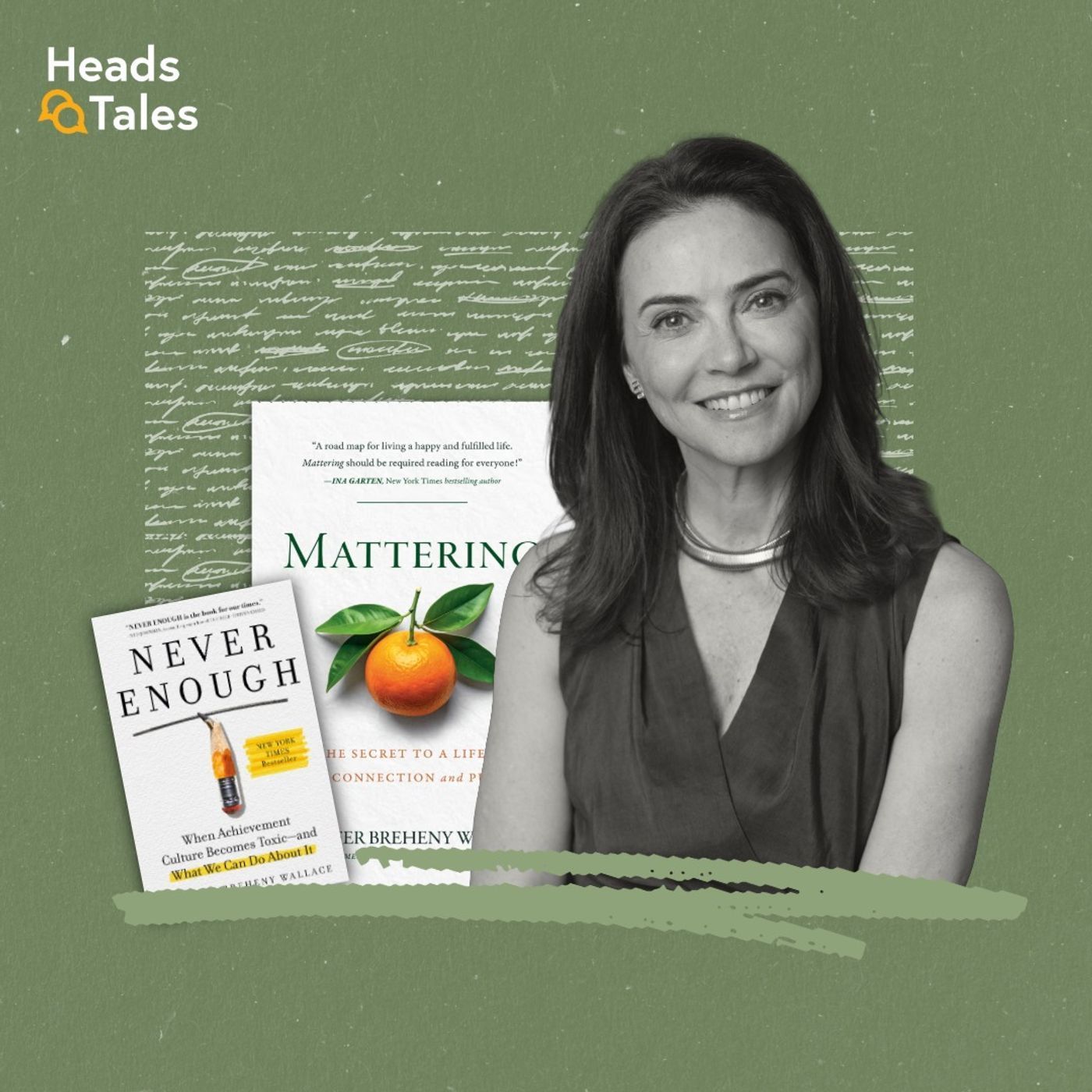
Jennifer Wallace
3w ago00:23:17Tap to summarizeJennifer Wallace is the New York Times bestselling author of Never Enough and Mattering, and a former producer at CBS's 60 Minutes. Her work began with a 2019 article covering two national policy reports that named students at high achieving schools as a group at serious risk, two to six times more likely to suffer from clinical anxiety and depression than the average American teenager. In this episode, Jenny explains why the pathway to high achievement is paved with mattering rather than pressure, why belonging on its own doesn't go far enough for young people, and the one thing about AI that keeps her up at night.
Transcribe →
Dr Alex Curtis
4w ago00:22:44Tap to summarizeDr Alex Curtis is head of school at Choate Rosemary Hall, the Connecticut boarding school whose alumni include JFK. He has led the school for 15 years, but his journey started on the other side of the Atlantic – at St Paul's Boys in London in the 1980s, where rigour and discomfort were treated as the same thing. It was only at Swarthmore that he discovered learning could be joyful. In this episode, Alex reflects on why American schools have freedoms their British counterparts don't, shares his philosophy on fundraising and explains why he thinks banning technology is a mistake. Also: VAR should end tomorrow.
Transcribe →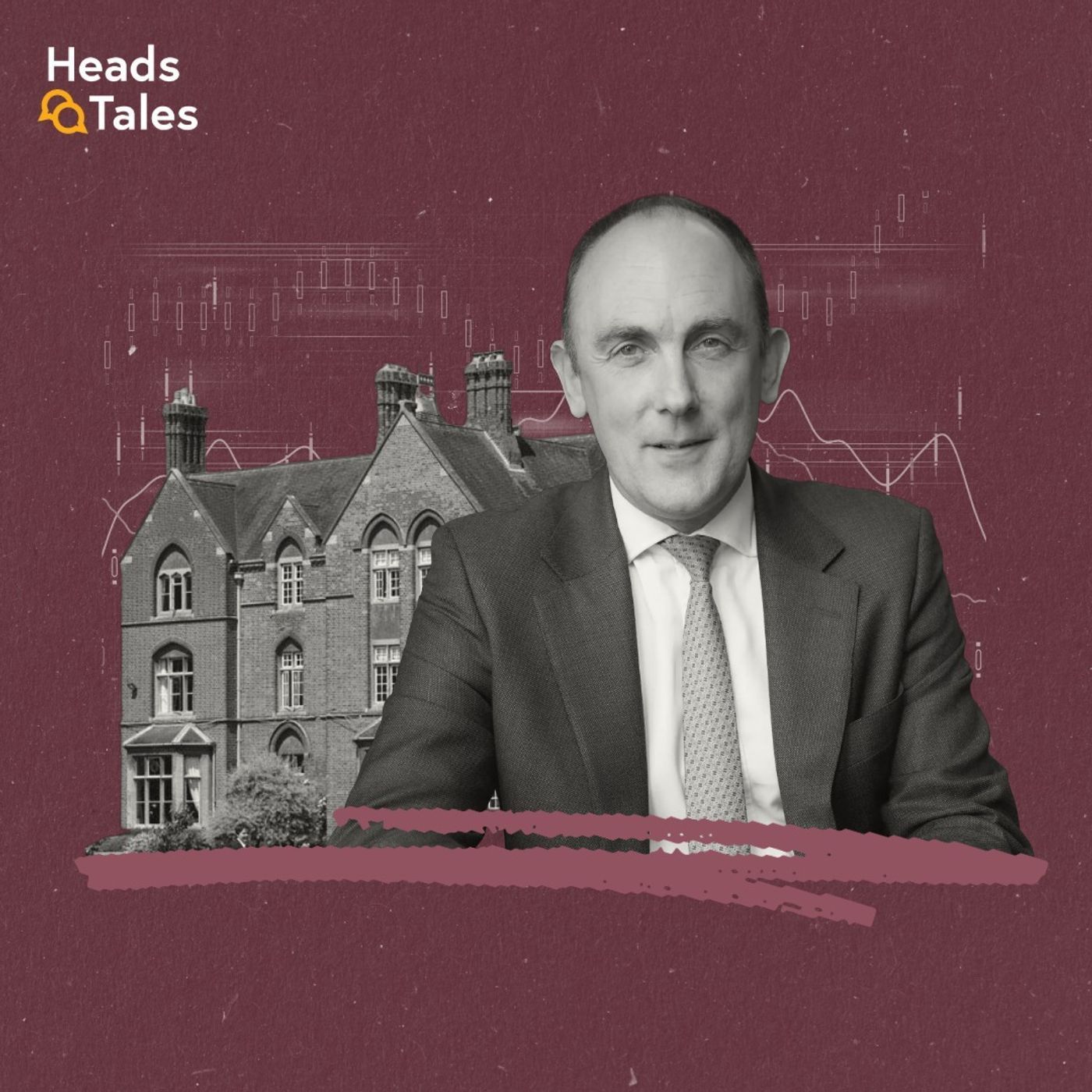
Alastair Chirnside
Jul 1500:24:44Tap to summarizeWe recorded this conversation with Alastair Chirnside when he was warden of St Edward's School, Oxford. This month, it was announced that he will become the next Head Master of Eton College. Alastair was Henry's classics teacher at Eton, but his route into education was far from conventional – he spent five years in fund management at Schroders before deciding that finance was not for him over a 30-year career. In this episode, he reflects on what it means to arrive at a school and read its culture before trying to change anything, the two concerns that sit at the front of his mind (VAT on fees and boarding schools staying connected to society), and his advice via Wayne Gretzky: you miss 100% of the shots you don't take.
Transcribe →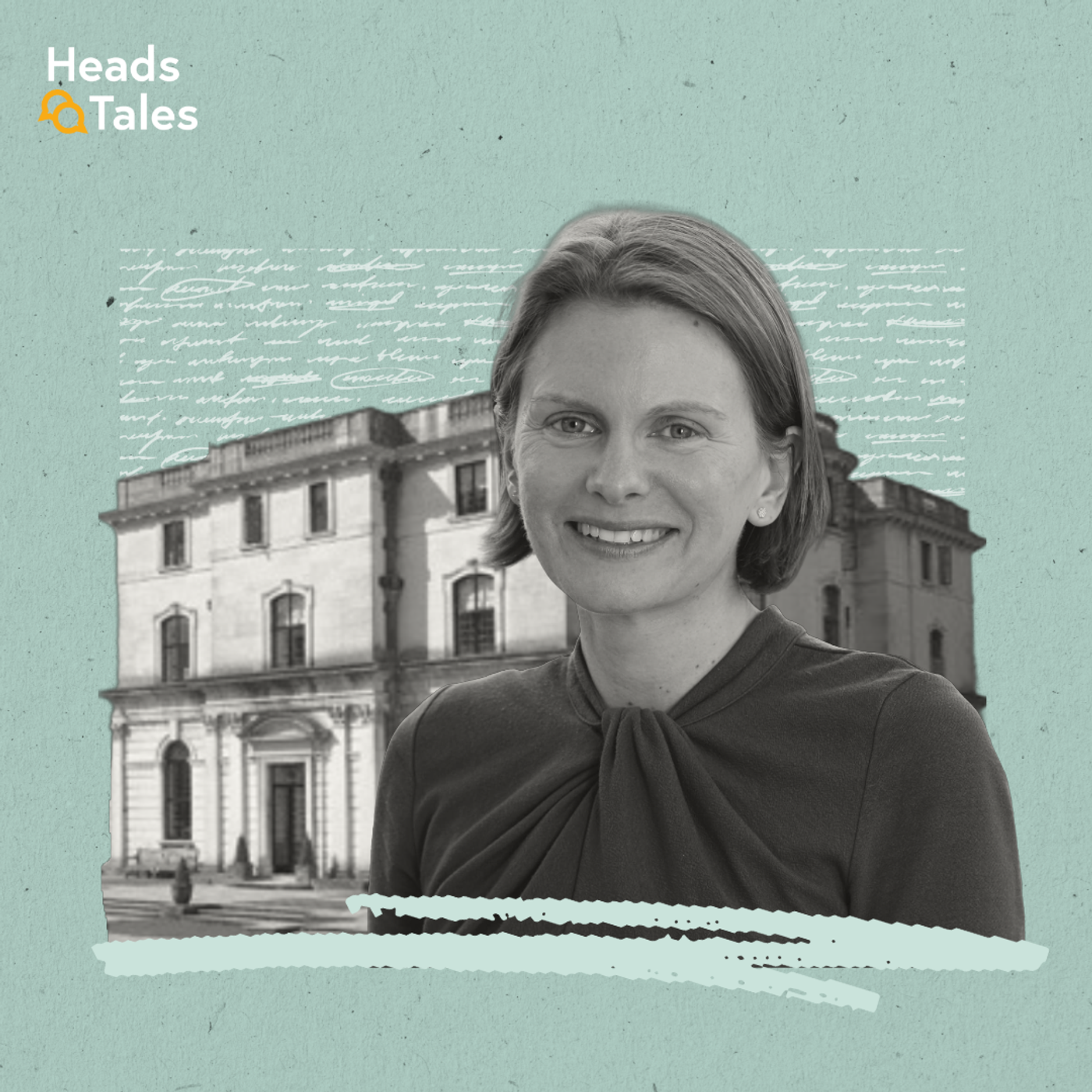
Vicky Bingham
Jul 900:23:48Tap to summarizeVicky Bingham is headmistress of North London Collegiate School, only the 10th head since the school's founding in 1850. A classicist by training, she's spent her entire career in girls' education after falling in love with the culture at her first teaching interview. In this episode, Vicky explains why girls' schools have a culture that enjoys change, shares her phone policy (Year 7s can't bring smartphones even onto the coach), and pushes back on the "let's teach mortgages" mentality. Her advice to her 16-year-old self: this too will pass, and what you worry about today, you will laugh about tomorrow.
Transcribe →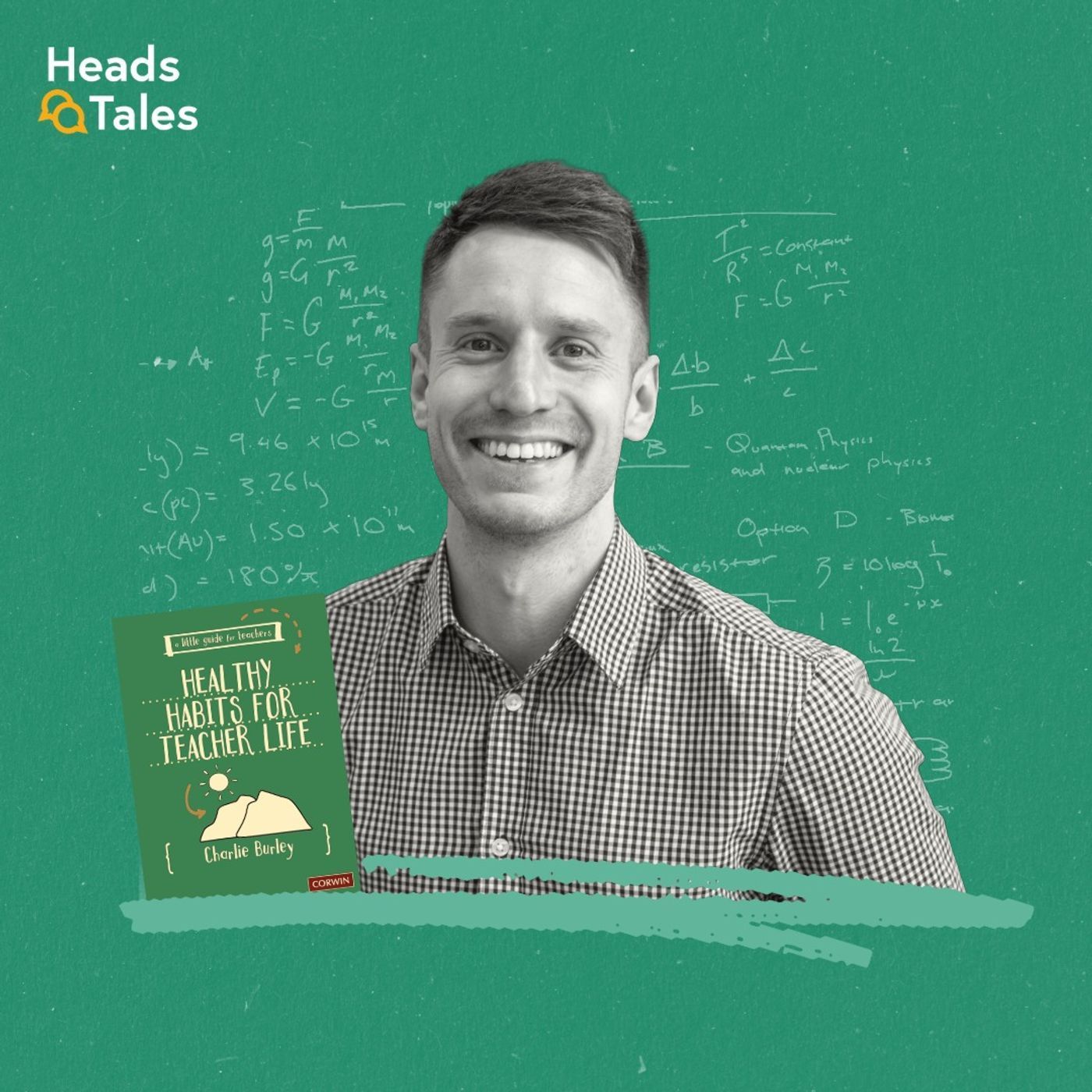
Charlie Burley
Jul 900:23:46Tap to summarizeCharlie Burley was a primary school teacher until a panic attack in his year six classroom led to a diagnosis of chronic stress and anxiety. The doctor told him he needed a whole lifestyle change. Now he runs The Teacher's Health Coach, helping teachers build sustainable habits without sacrificing their health. In this episode, Charlie explains his six Cs framework for teacher wellbeing, offers a reality check for those thinking of leaving the profession and shares his unpopular opinion: wellbeing isn't just about workload.
Transcribe →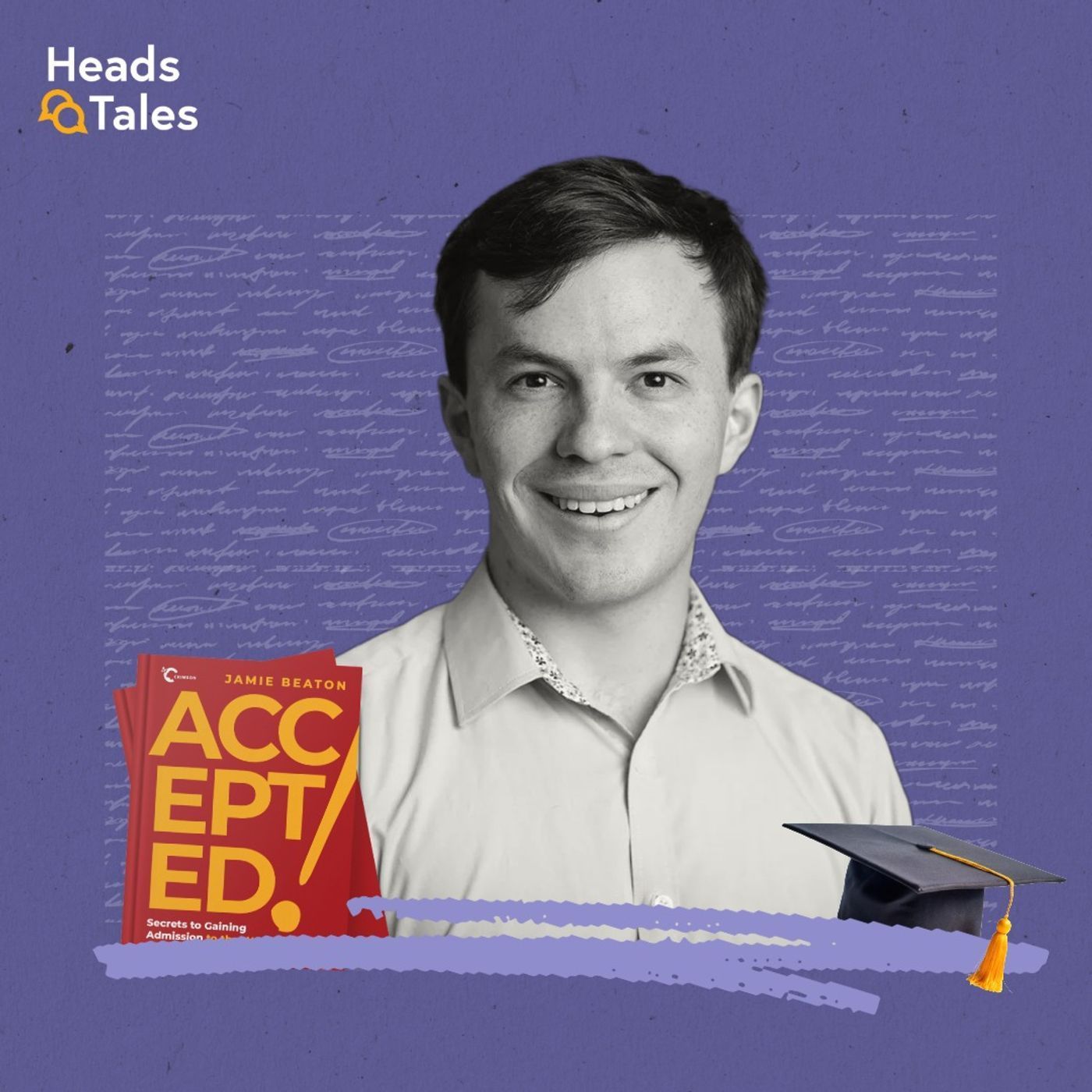
Jamie Beaton
Jun 300:27:41Tap to summarizeJamie Beaton started Crimson Education at 17 after getting into 25 of the world's top universities. He went to Harvard two years ahead of schedule, is now on his 12th degree and has built Crimson into a billion-dollar company operating in 20 countries. In this episode, Jamie explains what his mum did differently when he was growing up, shares his view that countries moving away from standardised exams generally pay a price and reflects on the mentor who transformed his life: the late Julian Robertson, who had more confidence in him than he had in himself.
Transcribe →
James Hooke
May 2700:21:57Tap to summarizeJames Hooke has been headmaster of Harrodian School for over 25 years. He joined in 1995, just two years after it was founded, responding to a tiny ad in the TES and turning up to the interview with his six-month-old daughter in a car seat. The school then had 60 pupils; today it serves over a thousand. In this episode, James reflects on how to retain a family feel as a school grows, explains the mentoring programme he's built over 19 years and shares what he looks for in Harrodian students: children who are happy to arrive and sad to leave.
Transcribe →
Bill Kuhn
May 2000:23:54Tap to summarizeBill Kuhn is head of school at Birch Wathen Lenox, a K-12 school on Manhattan's Upper East Side. He came to education late after a career in finance, and fell in love with explaining things to kids while tutoring on the side. In this episode, Bill explains why BWL puts "constructive dialogue" at the heart of everything, from kindergarten debates about ice cream flavours through to upper school students tackling complex opposing viewpoints. He shares his view that technology has "terrible default settings" and argues that schools should tackle controversial topics head on. His controversial opinion: protecting students from discomfort actually makes them weaker, not safer.
Transcribe →