
Podcast
Here & Now Anytime
Hosted by NPR · EN
The news you need to know today — and the stories that will stick with you tomorrow. Plus, special series and behind-the-scenes extras from Here & Now hosts Robin Young and Scott Tong with help from Producer Chris Bentley and the team at NPR and WBUR.
50episodes
Episodes
Newest firstAll episodes
The 'desperate cry' for affordable housing
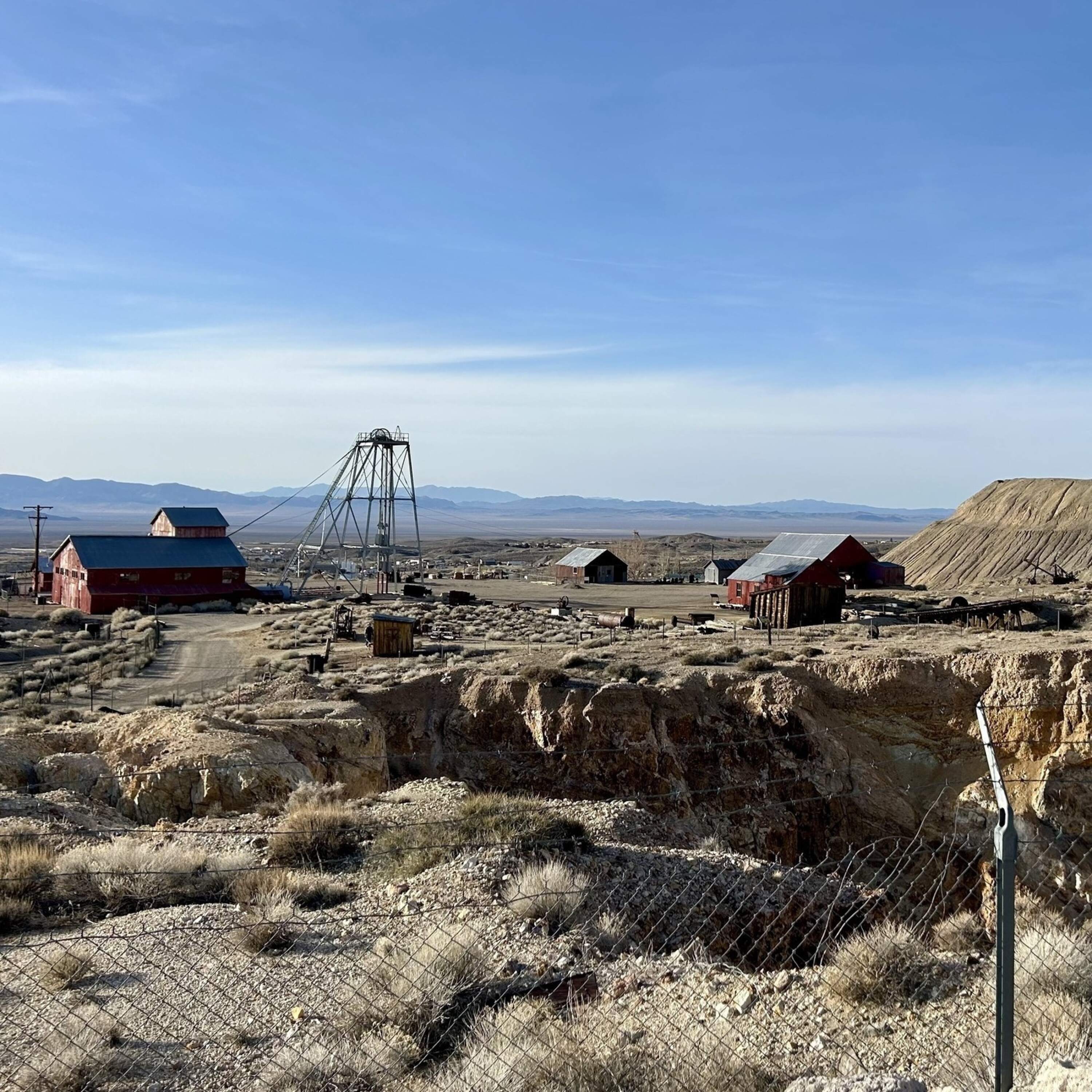
Mar 2700:26:26Tap to summarizeMore than 100 years ago, miners in Tonopah, Nev., risked their lives to pull a fortune of silver and gold from the nearby mountains. The mines are quiet now, but Here & Now’s Peter O’Dowd visited the town of a little more than 2,000 people to learn why residents are betting that another boom is on the horizon.Then, O’Dowd heads to Las Vegas to understand the “desperate cry” for affordable housing there as real estate prices surge, but wages in the city's multi-billion-dollar hotel and gaming industry remain stagnant.To manage podcast ad preferences, review the links below:See pcm.adswizz.com for information about our collection and use of personal data for sponsorship and to manage your podcast sponsorship preferences.Learn more about sponsor message choices: podcastchoices.com/adchoicesNPR Privacy Policy
Transcribe →
The whistleblower who thinks change is coming to social media
Mar 2600:19:24Tap to summarizeYou might be cynical about the size of awards this week in two trials looking at social media harm against children. But Facebook whistleblower Frances Haugen says rulings against Meta and Google could signal a larger trend. She joins us. Then, the war with Iran is having massive ripple effects across the Middle East. Princeton University's Bernard Haykel explains how Iran's neighbors across the Persian Gulf, Saudi Arabia, see the war. And, Corpus Christi, Texas, is weeks away from a potential water emergency, with reservoirs below 10% and demand outpacing supply. KEDT's Spencer Cihak talks about who gets water in Texas and what happens when there isn’t enough.To manage podcast ad preferences, review the links below:See pcm.adswizz.com for information about our collection and use of personal data for sponsorship and to manage your podcast sponsorship preferences.Learn more about sponsor message choices: podcastchoices.com/adchoicesNPR Privacy Policy
Transcribe →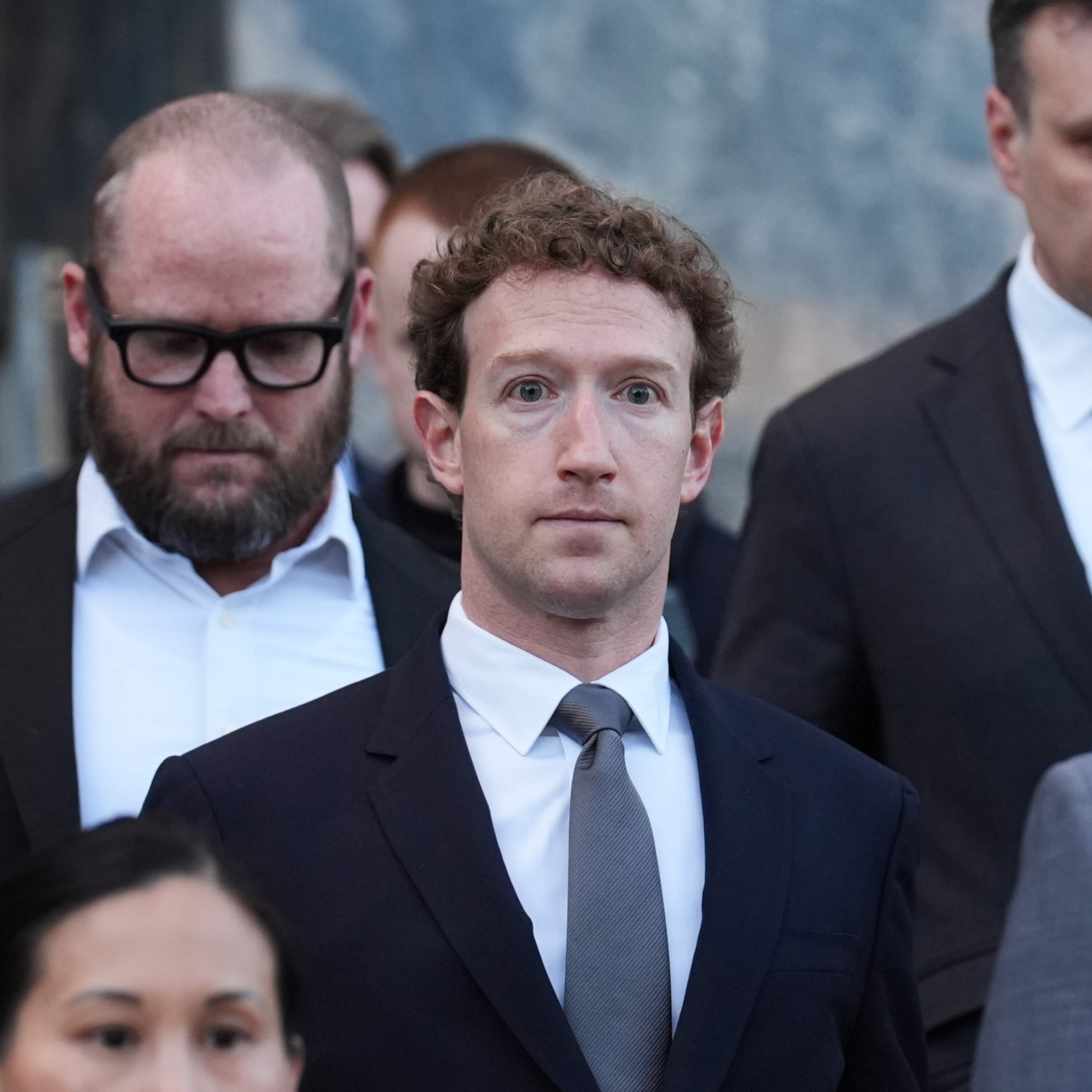
Why NM Meta child safety verdict could be 'first crack in the dam'
Mar 2500:24:43Tap to summarizeIn a first-of-its-kind verdict, a jury in New Mexico found Meta hid what it knew about child exploitation on its social media platforms. New Mexico Attorney General Raúl Torrez explains how the company misled children and teenagers about the safety of Facebook and Instagram.Then, the Department of the Interior is paying a French energy company nearly $1 billion to stop plans to build an offshore wind farm in the Atlantic Ocean. Grist staff writer Jake Bittle details why the Trump administration is so against wind energy.And, the war in Iran continues to harm energy markets around the world. Samantha Gross, director of the Energy Security and Climate Initiative at the Brookings Institution, discusses the long-term effect.To manage podcast ad preferences, review the links below:See pcm.adswizz.com for information about our collection and use of personal data for sponsorship and to manage your podcast sponsorship preferences.Learn more about sponsor message choices: podcastchoices.com/adchoicesNPR Privacy Policy
Transcribe →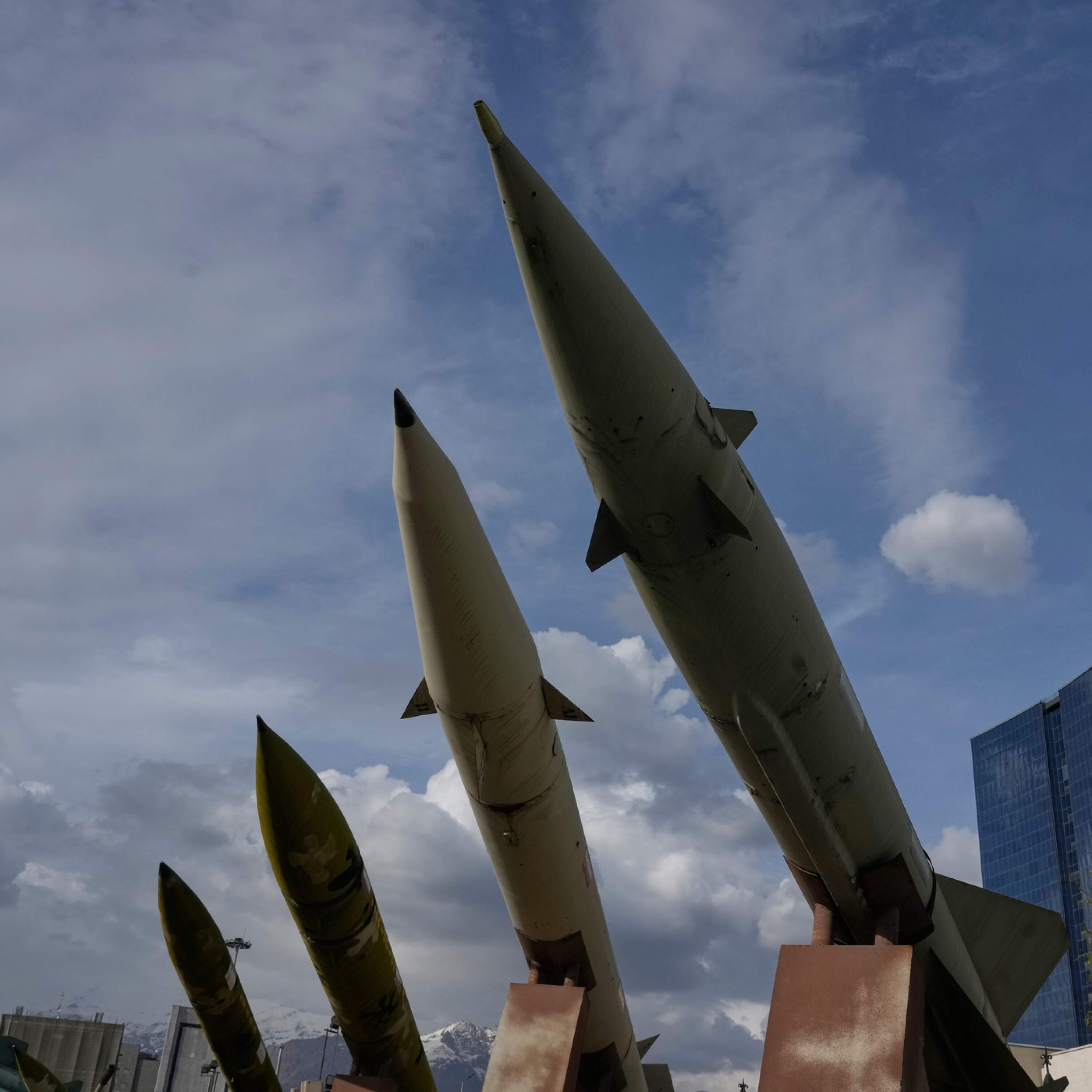
Could Iran be the next 'forever' war?
Mar 2400:20:34Tap to summarizePresident Trump says there is a good chance for a deal to end the war in Iran, but Iran has denied that any peace talks are happening. Wendy Sherman, former U.S. deputy secretary of state, details the state of affairs.Then, traders bet hundreds of millions of dollars on oil contracts before Trump announced the U.S. would pause strikes on Iranian energy infrastructure. Roben Farzad discusses why some observers are questioning whether insider trading is at play.And, the Supreme Court is considering the legality of a policy that bars migrants at the border from entering the U.S. and applying for asylum. The Wall Street Journal’s Michelle Hackman explains more. To manage podcast ad preferences, review the links below:See pcm.adswizz.com for information about our collection and use of personal data for sponsorship and to manage your podcast sponsorship preferences.Learn more about sponsor message choices: podcastchoices.com/adchoicesNPR Privacy Policy
Transcribe →
Is Cuba about to collapse?
Mar 2300:23:16Tap to summarizeA former top American official in Cuba discusses whether President Trump's pressure campaign on Havana could lead to the collapse of the country's communist leadership. Ambassador Jeffrey DeLaurentis, who was charge d'affaires ad interim at the U.S. Embassy in Havana from 2015 to 2017, joins us. Then, the war with Iran is costing the U.S. tens of billions of dollars as it enters its fourth week. The Harvard Kennedy School's Linda Bilmes joins us to discuss the long-term economic costs. And, after 24 years as an immigration officer with the Department of Homeland Security, Eric O’Denius is now training to be a paralegal on immigration cases as enforcement has grown broader and more aggressive. We talk with O'Denius about his journey from deportation officer to paralegal.To manage podcast ad preferences, review the links below:See pcm.adswizz.com for information about our collection and use of personal data for sponsorship and to manage your podcast sponsorship preferences.Learn more about sponsor message choices: podcastchoices.com/adchoicesNPR Privacy Policy
Transcribe →
25 at 250: Costumes from ‘The Wiz’ and the car that changed America
Mar 2000:18:56Tap to summarize“The Wiz” premiered on Broadway a little more than 50 years ago, reimagining a classic American story, “The Wizard of Oz,” as an all-Black production filled with gospel, funk and soul music. Dwandalyn Reece from the Smithsonian National Museum of African American History, shares the story of one of the show’s iconic costumes, worn by André De Shields, who played “The Wiz” himself. And, the Ford Model T first hit the road in the early 1900s. Kathleen Franz from the Smithsonian National Museum of American History explains how the car not only changed transportation, but nearly all facets of American life.To manage podcast ad preferences, review the links below:See pcm.adswizz.com for information about our collection and use of personal data for sponsorship and to manage your podcast sponsorship preferences.Learn more about sponsor message choices: podcastchoices.com/adchoicesNPR Privacy Policy
Transcribe →
Why Iran and Israel are targeting energy facilities
Mar 1900:20:40Tap to summarizeIran launched attacks on the world's biggest liquefied natural gas complex in Qatar on Thursday. These strikes are in retaliation for Israel's attack on a major natural gas field in Iran. NPR's Aya Batrawy shares the latest. Then, AP's Cristiana Mesquita explains what life is like now in Cuba, where there's an energy shortage, frequent blackouts and an uncertain future. President Trump pledged to do "something with Cuba very soon," and the island's socialist government vowed to resist any U.S. aggression. And, more than a month into the shutdown, Transportation Security Administration officers are still working without pay. Christine Vitel, a TSA officer at O’Hare International Airport in Chicago and executive vice president of the American Federation of Government Employees Local 777, shares the conditions workers are facing. To manage podcast ad preferences, review the links below:See pcm.adswizz.com for information about our collection and use of personal data for sponsorship and to manage your podcast sponsorship preferences.Learn more about sponsor message choices: podcastchoices.com/adchoicesNPR Privacy Policy
Transcribe →
What China thinks of Trump's war with Iran
Mar 1800:20:16Tap to summarizePresident Trump was scheduled to go to China for a summit in Beijing at the end of the month, but he has postponed the trip to focus on the Middle East. Professor David Lampton explains China’s interests in the conflict and the significance of a U.S.-China meeting.Then, Joe Kent, the director of the National Counterterrorism Center, resigned on Tuesday in protest of the war in Iran, saying the country posed “no imminent threat to the U.S.” Retired Gen. Barry McCaffrey explains the significance of the departure.And, the Wall Street Journal reports Amazon plans to cut back on how many packages it sends through the U.S. Postal Service. Roben Farzad of the Full Disclosure podcast explains what this could mean for the Postal Service’s already fragile financial situation.To manage podcast ad preferences, review the links below:See pcm.adswizz.com for information about our collection and use of personal data for sponsorship and to manage your podcast sponsorship preferences.Learn more about sponsor message choices: podcastchoices.com/adchoicesNPR Privacy Policy
Transcribe →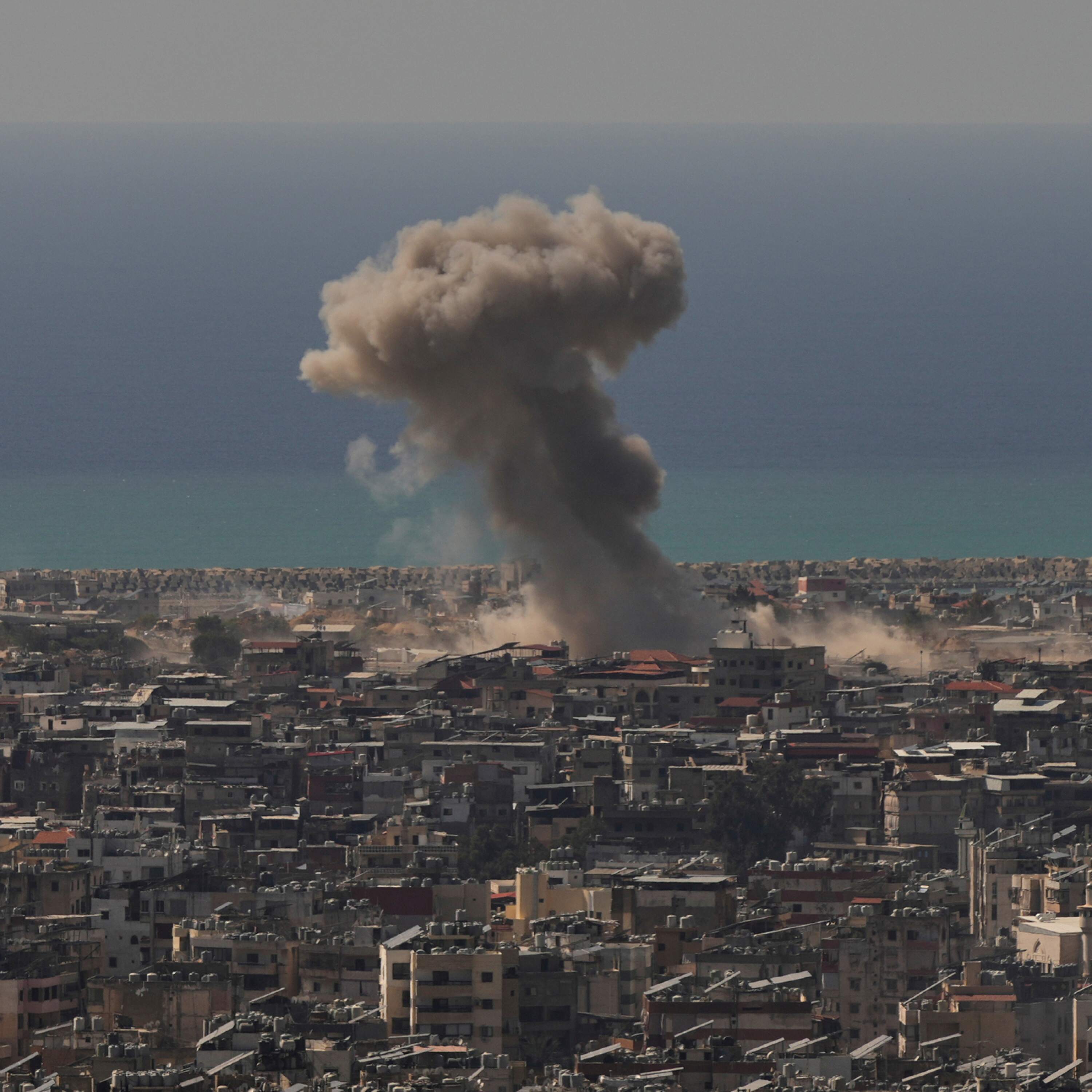
War is deadly. Why is Trump turning it into a meme?
Mar 1700:23:18Tap to summarizeIsrael says it killed two of Iran’s highest-ranking leaders in an airstrike on Monday night. And President Trump is bashing allies for declining to help secure the Strait of Hormuz, which Iran has effectively closed. Jon Finer, former principal deputy national security advisor to former President Joe Biden, joins us to discuss what this means for potential diplomacy in this war. Then, artificial intelligence is playing an important role in the war in Iran. We look at how it's being used and how it is changing warfare with Paul Scharre of the Center for a New American Security. And, the internet is full of memes around the ongoing war, many made and posted by the White House account on X. Nottingham Trent University's Tine Munk weighs in on the objective of these memes.To manage podcast ad preferences, review the links below:See pcm.adswizz.com for information about our collection and use of personal data for sponsorship and to manage your podcast sponsorship preferences.Learn more about sponsor message choices: podcastchoices.com/adchoicesNPR Privacy Policy
Transcribe →
Why U.S. allies are saying 'no' to Trump
Mar 1600:18:52Tap to summarizeAs the war in Iran enters its third week, the Straight of Hormuz remains effectively closed, with Iran blocking oil tankers from moving through. This has caused oil and gas prices to skyrocket. Now, President Trump is demanding U.S. allies help reopen it. Journalist Negar Mortazavi details the latest in the war.Then, new artificial intelligence-powered headsets will give Burger King workers a "friendliness score" based on their customer interactions. Law professor Ifeoma Ajunwa unpacks the ethical questions surrounding this type of workplace surveillance.And, the Irish music scene in Japan is growing, and O'Jizo is one of the bands driving it. WBUR's Amelia Mason reports on the band’s contemporary grooves and inventive arrangements.To manage podcast ad preferences, review the links below:See pcm.adswizz.com for information about our collection and use of personal data for sponsorship and to manage your podcast sponsorship preferences.Learn more about sponsor message choices: podcastchoices.com/adchoicesNPR Privacy Policy
Transcribe →