← Hit Parade | Music History and Music Trivia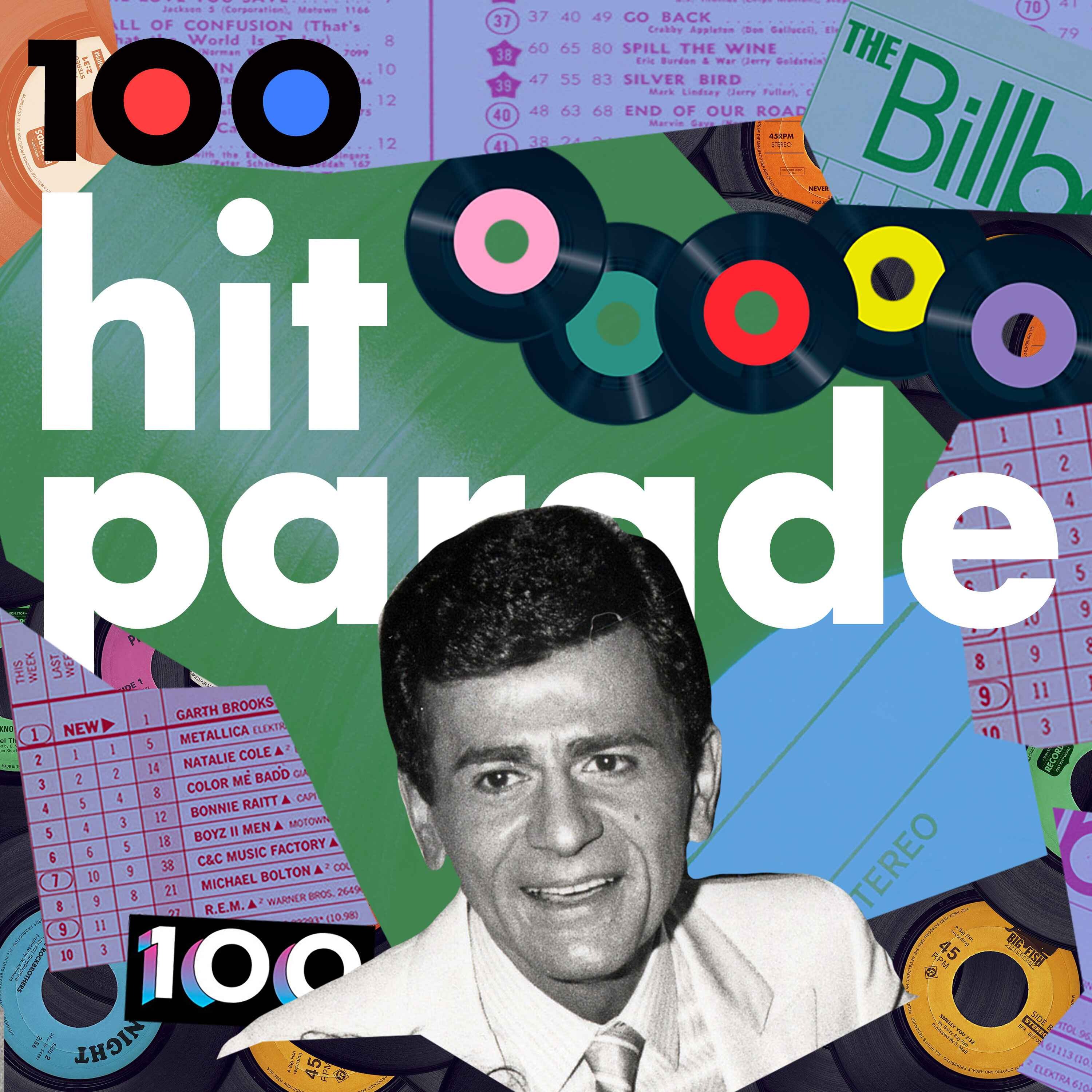
Hit Parade | Music History and Music Trivia
Feet on the Ground, Reaching for the Stars Edition Part 2
00:52:13
For Hit Parade’s 100th episode, Chris reflects on the nature of chart fandom—and salutes the countdown king.
Loading summary
Transcript118 lines
- [00:00]
Advertisement Narrator
Security and compliance done wrong is a giant headache. Security and compliance done right, that's Vanta. Vanta helps you earn trust and speed up growth. No spreadsheets required. For startups low on time and resources, Vanta becomes your first security hire, using AI and automation to get you compliant fast and unblock big deals for enterprises. Vanta is your AI powered hub for compliance and risk, bringing together data from across your businesses and automating workflows so you can prove trust at any moment. Vanta scales with you at every stage. That's why top companies from startups like Cursor to enterprises like Snowflake choose Vanta do security and compliance right. Get started today@vanta.com tedaudio shipping, billing, admin, Payroll, marketing. You're managing all the things, so why waste time sending important documents the old fashioned way? Mail and ship when you want how you want with stamps.com print postage on demand 247 and schedule pickups from your office or home. Send save up to 90% with automated rate shopping. That's why over 1 million small businesses trust stamps.com go to stamps.com and use code podcast to try stamps.com risk free for 60 days.
- [01:32]
Chris Melanfi
Welcome back to Hit Parades, a podcast of pop chart history from Slate magazine about the hits from coast to coast. I'm Chris Melanfi, chart analyst, pop critic, and writer of Slate's why Is this Song number one series. On our last episode, we celebrated the 100th episode of Hit Parade by telling my story how I became a chart nerd, all the songs I heard counted down on the radio, and how reading Billboard in front of formed my music fandom. For part two of this special century episode of hp, I'm going to tell the story of one of my radio heroes and a perennial inspiration for this podcast, the late, Great American Top 40 host Casey Kasem. Back in 2014, when Casey Kasem passed away, I wrote a tribute slash eulogy about him for Slate, and I tried to capture what made him so special to chart lovers like me. Quote if the top 40 is our sport, Casey Kasem was our Howard Cosell and Bob Costas rolled into one. Like Cosell intoning about the thrill of victory or the agony of defeat, Casem could make a pithy epigram for how the charts work sound momentous, and like Costas, he seemed eternally unflappable, his voice rock steady and unmistakable.
- [03:03]
Casey Kasem
Hello again and welcome to American top 40. My name's Casey Kasem and I'm all set to count down the most popular songs in the usa. These are the records you're buying and radio stations are playing all over America. And how do I know? Because Billboard magazine says so.
- [03:17]
Chris Melanfi
I even called Kasem, the original poptimist who believed that a full range of popular music can be as important and worthy of appreciation as rock. A bit grand, perhaps, but for us chart nerds, he really was a totemic figure. Let me make one more analogy to another famed broadcaster, the late Jeopardy. TV host Alex Trebek. Number one songs for 400 in 2013 and 2014.
- [03:48]
Casey Kasem
This rapper had a monster hit with
- [03:51]
Chris Melanfi
the monster featuring Rihanna.
- [03:54]
Casey Kasem
Steve, who is Kanye West? No, who was Eminem?
- [03:58]
Chris Melanfi
Trebek always sounded so smart delivering those Jeopardy. Clues, even though, of course, he didn't write them. Nonetheless, Trebek projected gravitas, took the game seriously, and made viewers value the trivia. That, I would argue, is what Casey Kasem did for music trivia and chart positions on American Top 40.
- [04:22]
Casey Kasem
Well, this week those two acts are involved in yet another chart. First because Genesis and their song Invisible Touch is knocked out of the top spot and their former lead singer moves into the number one spot. And that's never happened before in the history of the Billboard charts. The new number one song in America is Sledgehammer, by former lead singer of Genesis, Peter Gabriel.
- [04:51]
Chris Melanfi
Casey cared, so he made you care. He and his American top 40 producers created a show where not just the music but the knowledge was the showcase. If you were the sort of Ernest teen boy who liked that sort of thing, like your hit parade host, Casem's momentous pronouncements spoke to you. And apparently a lot of people, given how long at 40 has lasted and how popular it was, especially when Kasem was voicing it. And about that voice, sure, it was earnest, self amused, maybe a bit glib, with those odd dramatic pauses it was easy to make fun of. I've heard countless comedians riff on Casey Kasem's voice over the decades. Probably my favorite was Saturday Night Live's Dana Carvey, who at least did it with affection.
- [05:52]
Casey Kasem
And now, this week's trivia question. In the 1980s, what band had the most top 10 hits on the pop charts and the soul charts while never existing? The answer? Nobody. No band that never existed had no such hits. Well, there you have it. Keep your head in some stars and both feet near some clouds. I'll give you back to that bad master jammer Dennis Miller. I'm Casey Kasem.
- [06:28]
Chris Melanfi
But that voice, however goofy, was Casey Kasem's trademark And speaking as a chart historian, it was perfect for our field. Kasem conveyed a lot of detailed information very economically American top 40 the hits
- [06:47]
Casey Kasem
get bigger as the numbers get smaller.
- [06:49]
Chris Melanfi
Number three.
- [06:50]
Casey Kasem
Here's the smash that recently spent two weeks at number one and now it's in its second week at number three, Denise Williams. And let's hear it for the boy.
- [07:03]
Chris Melanfi
By the time he began hosting at 40, a show he not only voiced but co created, Kasem had been on the mic for decades. But as polished as he sounded, his beginnings were quite humble.
- [07:17]
Casey Kasem
It's make Believe ballroom time Put all your cares away all the fans are here to bring good cheer your way.
- [07:31]
Chris Melanfi
Kamal Amin Kasem was born in Detroit in 1932 to a pair of Lebanese parents who ran a grocery store. The future Casey Kasem began dreaming about the radio at age 17 when he heard Detroit DJ Eddie Chase hosting Make Believe Ballroom in 1949. A feature of Chase's show was a top 10 list, and Kasem thought that could be the whole show. Quote, I said to myself, if I ever became a dj, kasem recalled to Rob Durkee, author of the book American Top 40, the Countdown of the Century. That's the kind of show I'd want to do. A national countdown. Song number six.
- [08:20]
Casey Kasem
Eileen Wilson sings the romantic ballad the survey finds in spot number six, be My Love.
- [08:30]
Chris Melanfi
At first, there weren't many DJing opportunities for a Lebanese American named Kamal Kasem. Nonetheless, young Kamal was a member of his high school radio club in Detroit, covering local sports. When he got to Wayne State University, he voiced radio serials including the Lone Ranger and Challenge of the Yukon. Then in 1952, Kasem was drafted into the Korean War, where he worked as a DJ and announcer on American Forces Korea network. After Korea, Kasem returned to Michigan to focus on DJing, and he worked short stints at stations in Flint and Detroit. It was while at one of those Detroit stations that Casem developed his signature moniker.
- [09:23]
Casey Kasem
If only Casey could get a whack at that. We put up even money now with Casey at the Bat.
- [09:29]
Chris Melanfi
Casey at the Bat is a baseball poem by Ernest Thayer that dates to 1888. It was well known American lore. By the 1950s, when Kamal Kasem was at Detroit, writes WJBK, a fellow DJ suggested that Casem go by Casey, as in Casey at the Bat. Listeners and fellow radio employees were messing up Kamal's name and referring to him as Casey. Anyway, so Kasem branded himself on air as Casey at the mic and the name stuck.
- [10:06]
Casey Kasem
Congratulations to you, Russ. You're the first winner on the Casey's Word Watchers contest tonight. In this hour, the Sounds. We'll have another contest in the next hour, so stand by. I'll be telling you what the word is and I hope you'll stand by for it and I hope you will be a winner. On K E W B from 10 to 11 with the case under the
- [10:23]
Chris Melanfi
name Casey Kasem, he developed a polished radio voice and worked at stations in Cleveland, Buffalo, San Francisco and Oakland, California. It was in Oakland in 1962 that Casem had his first Proto at 40 brainstorm. While introducing an Elvis Presley hit.
- [10:45]
Casey Kasem
Ah, Oh yeah.
- [10:55]
Chris Melanfi
In 1962, the general manager at KEWB in Oakland told Casem to change the on air DJ format he had been using during his broadcasts. Casem was unsure what to do until just moments before he was going to go on the air. That's when he found a copy of the magazine who's who in Pop Music in the garbage. Casem fished it out and decided to pull as many facts about the artists Kewb was playing from that magazine. He went on the air that night with patter like quote, he was born in a three room shack and went on to live in a 30 million dollar estate. He is Elvis Presley, unquote. Come on and be my little, my good luck chum, you sweet delight.
- [11:53]
Casey Kasem
I want a good luck.
- [11:54]
Chris Melanfi
Deploying facts about artists and songs became Cason's trademark. He took it with him when he transferred from Oakland to Los Angeles and the top rated AM radio pop station krla. In this KRLA promo, you can hear Kasem doing a dress rehearsal for what he would become most famous for a decade later.
- [12:21]
Casey Kasem
This is Casey Kasem. The KRLA Top 30 tunedex is Southern California's authentic guide to the most popular music heard 24 hours a day on KRLA. Yes, Saturdays at 12.
- [12:31]
Chris Melanfi
A year after arriving in LA in the fall of 1964, Kasem achieved something rare for a radio DJ. He scored a hit record under his own name. Okay, it was a minor hit. It bubbled under the Hot 100 at number 103. And Casey wasn't singing or playing an instrument. It was a spoken word single released to capitalize on the peak of Beatlemania. In fact, the letter Casem is reading on the track is about the Beatles. This curio of a single was called Letter from Elena.
- [13:11]
Casey Kasem
Something caught my eye. I looked up and saw George and Paul walking together behind them Ringo and John, George and Paul were talking with a couple of guards and laughing. They didn't see me. Before I knew what was happening, I was running to George. I caught him and I hugged him. Boy, I sure did cling.
- [13:28]
Chris Melanfi
By the way, in case you don't recognize it, the melody playing underneath while Kasem reads Elena's letter is the Beatles hit from the Hard Day's Night soundtrack. And I love her.
- [13:40]
Casey Kasem
The kiss my lover brings, she brings to me and I love her.
- [13:50]
Chris Melanfi
Letter from Elena may have been a footnote in Casey's career, but it too would pay dividends later when Kasem added a different kind of fan letter to American top 40. By 1964, Casem was emerging as a Los Angeles media personality. After hosting some dance hops on local tv, Casey attracted the attention of famed producer and American Bandstand host Dick Clark. In 1964, Clark hired Casem as co host of a daily teenage music show called Shebang that put Casem on camera weekly for the first time.
- [14:33]
Casey Kasem
Well, just in case you just joined us, we'd like to welcome you to Anaheim Stadium. We're being hosted. Shebang is by the wonderful angel organization in Hanaheim. Right now it's time to take a look at our sweetheart tree letter and see what we have in store for us tonight. It comes from Wayna park and it's signed by Mary. Dear Casey.
- [14:58]
Chris Melanfi
And while he was in la, Kasem auditioned for movie and television appearances and voiceover work. He got bit parts in several low budget biker movies and a part on the hit CBS police procedural TV show Hawaii Five.
- [15:15]
Casey Kasem
O. I know your sources, they called me in the 5 0. They showed me a list of stolen goods, they showed me a list of my stock. And that's just the beginning. You know there's gonna be a grand jury probe.
- [15:25]
Chris Melanfi
But Kasem's most enduring non radio work turned out to be voicing a major character on a long running cartoon, Shaggy, the tremulous stoner sidekick to the titular mutt on Scooby Doo, which launched on CBS in 1969 and would go on to run for some 300 episodes.
- [15:49]
Casey Kasem
Well, that's the first wind I ever
- [15:50]
Chris Melanfi
heard with a sense of humor. I'm so scared, I wish I had
- [15:55]
Casey Kasem
a ham sandwich to calm my nerves.
- [15:58]
Chris Melanfi
But through it all, Casey Kasem never dropped the idea of a nationwide countdown show vision he'd had as a teenager back in 1949. In late 1968, Kasem contacted a hometown friend and fellow Lebanese American broadcaster Don Bastani. And they formed a production company to incubate their countdown ideas. They connected with a radio syndication company called Watermark, who contracted with Billboard magazine to get the rights to count down the top 40 of their flagship Hot 100 chart. It was a win win for Everybody. Through the 1960s, the Hot 100 was largely known within the recording industry, but not to the general public. And Billboards was one of several major music charts competing with surveys from magazines like Cashbox and Record World. Using Billboard's chart on a syndicated radio show would enshrine it as the music business standard for all time. They hired a jingle writer, Jim Kirk, to write a theme tune that he called Shuck, a tune. That Shakatoo melody would later be sung by a radio chorus to identify the name of the show. On July 4th weekend, 1970, American Top 40 launched on just seven radio stations and the broadcast feed of Armed Forces Radio. But from the jump, the seasoned 38 year old Casey Kasem sounded like he had already been doing the show for years.
- [18:12]
Casey Kasem
Here we go with the top 40 hits in the nation this week on American Top 40. The best selling and most played songs from the Atlantic to the Pacific, from Canada to Mexico. This is Casey Kasem in Hollywood and in the next three hours we'll count down the 40 most popular hits in the United States this week, hot off the record charts of Billboard magazine for the week ending July 11, 1970.
- [18:31]
Chris Melanfi
For the record, the first song ever counted down by Kasem on at 40 was a now forgotten single by Motown legend Marvin Gaye called the End of Our Road. It peaked at number 40,
- [18:54]
Casey Kasem
I can't Think it no more.
- [18:58]
Chris Melanfi
And then Kasem segued smoothly into the number 39 hit silver bird by Paul Revere and the Raiders singer Mark Lindsay. Casey had a quirky story about Lindsay at the ready.
- [19:12]
Casey Kasem
Number 39. Here's a star who doesn't spend all his money foolishly. Some of it went for gold hubcaps on his $72,000 rolls. In fact, he replaced all the chrome with 14 karat gold. And I' he doesn't park it on the street. Mark Lindsay.
- [19:28]
Chris Melanfi
This showcasing of Trivia helped define at 40 just as much as Kasem's smooth delivery when the countdown wound up nearly three hours later. And in case you're curious, the number one song that first week was Mama Told Me not to come. By three dog night, Mama told Me. Casey Kasem signed off his first at 40 broadcast with this cryptic aphorism that became his trademark. He'd actually been saying it on the radio off and on since the late 50s, but at 40 would make it legendary.
- [20:16]
Casey Kasem
Well, this is Casey Kasem saying, I hope I'll see you again next week. Can we count on it? Because we're going to count down the 40 most popular songs in the country. Until then, keep your feet in the ground and keep reaching for the star.
- [20:28]
Chris Melanfi
We'll be back momentarily.
- [20:34]
Advertisement Narrator
Busy work weeks can leave you feeling drained. Prolon's five day fasting mimicking diet works at the cellular level to rejuvenate you from the inside out, providing real results that include fat focused, sustainable weight loss with no injection needed. NextGen builds on the original Prolon with 100% organic soups and teas, a richer taste and Ready to Eat me. Developed at USC's Longevity Institute and backed by top medical centers, Prolon supports biological age reduction, metabolic health, skin appearance, fat loss and energy. Get 15% off plus a $40 bonus gift when you subscribe at prolonlife.com start that's prolonlife.com start over 90 of the
- [21:18]
Bill.com or Podcast Advertiser
top 100 US accounting firms trust Bill to handle bill pay processes. Why? Because our tools are built on over a trillion dollars of secure payments. We're not just moving money, we're powering financial workflows for half a million customers. That's a level of expertise you just can't fake. Ready to talk with an expert? Visit bill.comproven to get started and grab a $250 gift card as a thank you. Terms and conditions apply. See Offer page for details.
- [21:49]
Casey Kasem
Introducing Home Care Plus, a new subscription service from Lowe's that helps make life easier by giving members a home maintenance Let Lowe's tackle the tasks you keep meaning to do, like electric dryer, vent cleaning, replacing hard to reach light bulbs and more. Subscribe to Home Care plus for just 99 a year and consider your to do list done. Members get more at Lowe's. Available in select zip codes only. Cancel anytime. Non refundable fee, product purchase required terms and service restrictions apply. Details@lowe's.com Terms subject to change
- [22:21]
Chris Melanfi
the number of affiliate stations carrying American Top 40 skyrocketed pretty quickly. In the first six months, it went from seven stations to 75, then leapt to nearly 120 the following summer of 71. Casey Kasem was also refining his vocal delivery, adding folksy phrases to remind listeners the show was broadcast across the whole
- [22:46]
Casey Kasem
country, from the Great Lakes to the Rio Grande. You hear the nation's top hits every week at this time on @40K. My name's Casey. The countdown continues with another debut song at number 39, one toke over the line, Brewer and Shipley.
- [23:02]
Chris Melanfi
And he mastered the tease, getting listeners to stay tuned in by leaving them hanging for the resolution of a piece of trivia. The tease was the man's art form.
- [23:13]
Casey Kasem
Here's a question sent in from Oregon. Dear Casey, what city has been named the most times in song titles that made the top 40? Well, there's a city in the south mentioned in the titles of six top 40 hits, and the sixth one is currently in our countdown. We'll have the answer in 10 minutes. Hits from coast to coast.
- [23:31]
Chris Melanfi
By the way, when he came back from that break, Casey revealed that the answer was New Orleans. See how many of those songs you can name Anyway, by 1973, the show had enough radio affiliates paying to run at 40 every week that it finally started started turning a profit. For the first two years, Kasem was essentially working for free, waiting for the show to break even and earning most of his income from his other voiceover work like Scooby Doo and TV advertisements. All those radio affiliates were compelled by the AT40 producers to play the show in its entirety, which some stations found challenging because one novel element of at 40 while Kasem was leading it was its breadth of genre. It counted down all 40 songs, leading the Hot 100 that included R B, funk and soul. And at 40 might be the only time certain pop or rock stations, especially in the southern United States, played those hits by black artists. So if, say, James Brown was in the top 40 with Sex Machine,
- [24:46]
Casey Kasem
Come on, stay on the scene Like a sex Machine the way I like it.
- [24:55]
Chris Melanfi
Casey Kasem counted it down and radio stations played it. According to Rob Durkee's book, some stations would complain to at 40 distributor Watermark. But week in and week out, Casey, who by the way, was an old school R B fan, counted down all the hits.
- [25:15]
Casey Kasem
Here's his latest single, a fast climbing hit already at number 15. Get up, I Feel Like Being a Sex machine, James Brown, 1, 2, 3. Both
- [25:27]
Chris Melanfi
in short, at 40 defied typical radio formatting. A regular week's worth of top 40 hits might contain pop, rock, R B, country, Latin, disco and even the occasional jazz crossover single. This is what I mean when I call Casey Kasem the original pop optimist. He knew musical variety meant great radio. When we first went on the air, kasem told Durkee, I thought we would be around for at least 20 years. I knew the formula worked. I knew people tuned in to find out what the number one record was.
- [26:30]
Casey Kasem
It's taken the four seasons 12 long years to return to the top of the charts. This week they have the new number one song in the nation. Here they are, the Four Seasons with December 1963.
- [26:49]
Chris Melanfi
As the 70s progressed, several innovations were added to at 40. The show was first broadcast in stereo, not mono, in 1973. In 1978, the show expanded from three hours to four. Four song lengths kept drifting higher throughout the 70s. The Eagles number one smash Hotel California, for example, even in its single edit, was over six minutes long. Over the course of an entire top 40, those song lengths added up. But the extra hour also gave Casey Kasem more room for special sidebar content like trivia and answering listener questions. Which led to the other great @40 innovation of 1978, perhaps Kasem's greatest radio brainchild, the long distance dedication.
- [27:58]
Casey Kasem
I want to read you a letter from a teenage boy in Louisiana who wants us to dedicate a song to a sweetheart. His first name is James and it
- [28:06]
Chris Melanfi
goes Dear Casey, Remember Casey's hit record Letter From Elena? It made quite an impression on him. It might have only been a number 103 hit, but Kasem said he got a ton of listener feedback. That's why Warner Records released it as a single in the first place.
- [28:26]
Casey Kasem
The guards were trying to pull me away while George grinned and Paul stared. Finally, when they pulled us apart, Paul opened the door for George and they both climbed into the car.
- [28:37]
Chris Melanfi
What Kasem loved about the Letter from Elena experience was the letter was real. A fan of his radio show had met and hugged George Harrison, her favorite Beatle, and just wrote Casey to tell him about it. When at 40 launched in 1970, he told Don Bastani and the rest of the production team if a letter ever came into the show from a fan that told a similarly moving story, they should put it on the air. But Casey wouldn't force it. The letter had to be real, and it had to be music related, romantic and broadly relatable. It took eight years from the show's launch for that letter to arrive, but when it did, Kasem knew he had to put it on the air. On the at 40, dated August 26,
- [29:30]
Casey Kasem
1978 Dear Casey, 10 months ago I fell in love with a girl named Desiree. This was the first time I'd ever heard the name. But a week after we met, Desiree had to move to Germany with her family because her father is in the army, and that's where they sent him it was a really sad experience for the both of us. Then, not long after she left, a song called Desiree came out where Neil diamond sings about things similar to our relationship. I felt it was written for me, which I know is not true, but I like to believe it. Casey, if you could play Neil Diamond's Desiree on American top 40, maybe my Desiree in Germany will hear it and know it's for her. Sincerely, James. Well, James, you got it. Here's your long distance dedication.
- [30:26]
Chris Melanfi
By the way, Desiree had been a top 40 hit for Neil diamond just a few months before that letter showed up. It peaked at number 16 in February of 78, which mattered because Casey wanted any dedications on the show to be songs that could have been played on a American top 40. As the Neil diamond song faded out, Casem indicated that he wanted more letters.
- [30:57]
Casey Kasem
Well, this is something we haven't done before on American top 40. We just played a dedication song, Desiree, by Neil diamond, because a young man wrote in and asked us to play it for his sweetheart in Germany. If anybody else has a special reason for dedicating a song to someone they love will choose one letter each week and play your dedication. All I ask is that you dedicate a song that's been a hit.
- [31:19]
Chris Melanfi
Mail came pouring into the offices of at 40. For the first six months, the staff were barely able to keep up with the long distance dedications, sending postcards to letter writers indicating that their requests had been received and would be considered. By the spring of 1979, that became impossible. The long distance dedication became a permanent feature of AT40 for the next two decades. Soon Kasem was reading two LDDs per show just to keep up with the volume. One of the boldest letters was a two parter that took nearly a year to resolve. In April 1979, a high school high school junior from Minnesota named Barry asked Casem to play Think it over by Cheryl Ladd, who was both a pop singer and one of the stars of TV's Charlie's Angels, in the hopes that Ladd herself would think it over and be his date to the prom.
- [32:31]
Casey Kasem
From number Take it over.
- [32:38]
Chris Melanfi
Paris social fandom was so much more innocent in the era before the Internet. Anyway. The following February, Kasem read a follow up letter from the same high schooler.
- [32:51]
Casey Kasem
Now a follow up to the long distance dedication of several months ago that drew one of Charlie's Angels into the actual. The letter from a high school student in Pelican Rapids, Minnesota tells the whole story. Dear Casey, remember how all this time I've been trying to get Cheryl Ladd to come to the prom. Remember how I made a long distance dedication tour on your very own show? Well, guess who called last night?
- [33:13]
Chris Melanfi
FYI, Cheryl Ladd kindly, politely turned young Barry down for the prom. But she confirmed with Kasem's team that it had really been her who called him him. Most of the letters were not this ambitious. Homesick folks who had to move away from a best friend, lovelorn singles pining for a missed connection, parents dedicating songs to their children. Casey read them all. By the way, America. In case you're wondering, we are a very sentimental people. In his book about the history of American top 40, Rob Durkee tallied all of the long distance dedications that ran on the show from 1978 through 99. There had been roughly 1500 of them, and he determined that the most dedicated song was Kenny Rogers mawkish 1982 hit through the Years,
- [34:13]
Casey Kasem
through all the good and bad. I know how much we have.
- [34:21]
Chris Melanfi
But the long distance dedications were not always so predictable. One of my favorites came in April 1986, when a woman from Trinidad wrote Casey to tell a story of how she'd met Neil Tennant of the Pet Shop Boys in a London pub two years earlier while on vacation before the pop duo got famous, and she encouraged him to keep pursuing his dreams. She dedicated their debut hit, West End Girls, which was at number five on the countdown that very week on its way to number one, to Neil Tennant himself, congratulating him for making it. By the 80s, American Top 40 was a radio fixture. A record 520 stations were now broadcasting the show, and Casey Kasem was a cultural icon with a star on the Hollywood Walk of Fame. The public also now knew what he looked like. In 1980, Casem expanded the AT40 franchise to television when he began hosting the syndicated America's Top ten, a half hour show that typically ran on Saturday mornings with a tight focus on the very top of the Billboard charts.
- [35:51]
Casey Kasem
Now here's Casey Kasem. Thank you and hello again, everybody. Welcome to America's top 10. Right off, let's look at the top of the Billboard pop single chart and run through the 10 biggest hits in the land this week.
- [36:02]
Chris Melanfi
Once again, Casem was also well known enough by 1984 that he made an audible cameo in the summer movie blockbuster Ghostbusters, his voice coming out of Sigourney Weaver's radio.
- [36:17]
Casey Kasem
Still making headlines all across the country, the Ghostbusters are at it again. This Time at the fashionable dance club the Roads. The boys and Grace slugged it out with a pretty pesky poltergeist, then stayed on to dance the night away with some of the lovely ladies who witnessed the disturbance. This is Casey Kasem, now on with.
- [36:33]
Chris Melanfi
It was around this time, the mid-1980s, that a bootleg tape began circulating among radio and music business professionals involving kasem and an at 40 long distance dedication that had gone awry. It became infamous and could have derailed Kasem's career. It became known colloquially as the Dead Dog team.
- [37:00]
Casey Kasem
He was a little dog named Snuggles, but he was most certainly a part of. Let's go. Start again from coming out of the record. Play the record, okay? Please.
- [37:10]
Chris Melanfi
The taping had gone down in September 1985. The producers had positioned a long distance dedication letter right after that week's number 13 hit, the Pointer Sisters jam Dare Me. Kasem objected to the shift in tone between the Pointer's uptempo party record and a letter from a family whose dog had just died. They were dedicating the 1976 Henry Gross hit Shannon, which was about a dog, to the deceased pooch Snuggles. On the final version that ran on the radio, Kasem handles the tempo shift with aplomb.
- [37:59]
Casey Kasem
Casey, could you please play Shannon? And dedicated to my daughters Kathleen and Ryan. I want them to know that Snuggles is resting peacefully in his favorite place and still very much with the rest of the family. Sincerely, Walt. Okay, Walt, here's your long distance dedication.
- [38:22]
Chris Melanfi
But that was the final take in the studio outtake, which was copied so many times as it passed covertly from DJ to dj. The audio quality is terrible. Casey makes it known that he is not happy. Happy Warning, Very explicit language.
- [38:42]
Casey Kasem
See, when you come out of those up tempo goddamn numbers, man, it's impossible to make those transitions. And then you got to go into somebody dying. You know, they do this to me all the time. I don't know what the hell they do it for, but God damn it, if we can't come out of a slow record. I don't understand it is Don on the phone, okay? I want a goddamn concerted effort to come out of a record that isn't a uptempo record. Every time I do a goddamn dick deaf dedication.
- [39:05]
Chris Melanfi
The Dead Dog tape became legendary in the radio biz. One DJ likened it to hearing Julie Andrews cursing on the set of mary poppins. Other DJs played bleeped versions of the tape on their morning shows. Five years after the incident, Negative Land, an experimental music group slash art project, released a 1991 single called YouTube that mixed Kasem's rant with an instrumental version of U2's 1987 hit I Still Haven't Found what I'm Looking For. You may recall we played the Negative Land single on our YouTube episode of hit Parade because it pokes fun at both U2 and Casey Kasem. Negative Land were sued not by Kasem or his production company, but by U2, and the CD was pulled from the market, but not before dozens of bootleg copies circulated. As for Casey Kasem, this Feat of Clay moment showed first, how seriously he took his job and second, how much goodwill he'd accrued in the industry and with the public. As hilarious as other DJs found the dead dog tape, they respected that Casem cared enough about what the hit songs on his program sounded like and how he should sound transitioning into and out of them. And as for the public, Kasem laughed off the incident, even appearing on Late night with Conan O' Brien in 1994 and letting Conan tease him about it. Quote, you got really mad, o' brien told him Him. Yeah, I used every expletive there is, kasem replied. I really learned a lot from that tape, o' Brien joked. But then, after Casey explained the up tempo record to Sad Letter Circumstances, Conan added, quote, you were right to flip out. Well, Casey replied, I did flip out. I flipped out all right. Unquote. We'll be right back.
- [41:39]
Casey Kasem
Back
- [41:42]
Advertisement Narrator
the youth mental health crisis is growing and social media is a major driver. Kids are spending up to nine hours a day on screens, often unsupervised, and studies show a direct link to anxiety, depression and even suicidal thoughts. That's where Gab comes in. Gab offers safer phones and watches for kids with no social media. Tailored to every age, offering the right tech at the right time or tech in steps. From GPS tracking enabled watches for younger kids to phones with parent enabled apps for teens, each device allows kids to more safely grow their independence. Visit gab.com getgab and use code getgab for an exclusive offer. That's gabb.com getgab Gab Tech insteps independence for them, peace of mind for parents
- [42:33]
Bill.com or Podcast Advertiser
when it comes to managing money, forget the hype and look at the results. Bill has a trillion dollars of secure payments powering our bill pay tools Instead of just moving money, Bill is powering the financial operations of nearly half a million customers. So stop the guesswork and start scaling with the proven choice ready to talk with an expert? Visit bill.comproven to get started and grab a $250 gift card as a thank you. Terms and conditions apply. See Offer page for details.
- [43:06]
Chris Melanfi
In 1988, Casey Kasem announced his departure from American Top 40 after 18 years with the show. Behind the scenes, he had been embroiled in a contract renewal dispute with ABC Radio Networks, which had acquired Watermark, the company that syndicated at 40 back in 1982. ABC was unwilling to increase Kasem's multimillion dollar contract. He was now making considerably more than when At40 launched back in 1970 out of a belief that the show and possibly Top 40 radio itself were going into decline. In May of 88, Kasem announced he had signed a five year $15 million contract with a new radio syndicator, Westwood One, and would launch a new countdown show with them before he did. On August 6, 1988, Kasem hosted his last American Top 40 in its original incarnation. He didn't make a big deal about his departure, doing his usual sign off at the end of the show. In case you're curious, the lap of last song Kasem counted down on at 40 was Steve Winwood's 1988 song of the Summer. Roll with it. The very next week, April 13, Kasem's at 40 successor, Shadow Stevens took right over as countdown host. Appropriately enough, Steven's first Countdown song was Bobby McFerrin's well meaning pablum, don't worry, be happy.
- [44:56]
Casey Kasem
Number 44 debuts in this week's countdown and we lead off with one of them. It's the first time in the chart for a singer known to a lot of happening hipsters in the world of jazz, he's jazz vocalist Bobby McFerrin. I've been hearing this song on the radio for the past few weeks and it has has become one of my favorites. Coming in at number 40, this is Bobby McFerrin and don't worry, Be Happy. Here's a little song I wrote.
- [45:25]
Chris Melanfi
Meanwhile, Kasem's new show, simply called Casey's Top 40, premiered on a new slate of radio stations in January 1989. Even at age 56, Kasem still sounded like a natural behind the mic, counting down the hits.
- [45:45]
Casey Kasem
Count them down. On CT40, I'm Casey Kasem and climbing a notch to number 33 is the hit that brought the great Tom Jones back to the charts after a 12 year absence. Here's the Art of Noise featuring Tom with Kiss. You don't have to be beautiful.
- [46:05]
Chris Melanfi
Kasem's new countdown used a competing chart to Billboard Radio and Records Contemporary Hits chart, which was based entirely on radio airplay and featured less rap and heavy metal. Indeed, one thing that didn't survive long on any countdown show was the use of Billboard's Hot 100. As stations began narrow casting in the 1990s, refining their formats to focus on tighter demographic niches, the breadth of the songs in the top 40 on the Hot 100 proved too eclectic. Some stations that broadcast at 40 were even skipping the rap songs entirely. One late 1989 hit, the Two Live Crews, Me so Horny generated particular alarm among radio programmers when it cracked the top top 40 on the Hot 100, fueled largely by singles sales on at 40, Shadow Stevens played an abbreviated version of Me so Horny. Casey Kasem never played it at all. A couple of years later, the original American top 40 with Shadow Stevens switched from the Hot 100 to the Billboard top 40 radio monitor. No major countdown would ever again use the top 40 of the actual Hot 100. A blow for chart fanatics. One fan even wrote to Billboard to express his, quote, disgust with at 40s decision, and the magazine ran his letter in the May 23, 1992 issue. That fan's name, one Chris Melanfi from New Haven, Connecticut. Seriously, I wrote that I wanted a countdown that would play both Nirvana's Smells Like Teen Spirit and Ghetto Boy's mind playing tricks on me Checking my telephone
- [48:17]
Casey Kasem
for test I'm staring at the woman on the corner of it's messed up when your mind is playing tricks on you.
- [48:29]
Chris Melanfi
Ah, well, a boy can dream. The switch to the all radio chart didn't do anything to slow the erosion in American Top 40's ratings. Shadow Stevens would last just under seven years as host. His edition of American Top 40 was canceled in early 1995. In an unexpected twist, two years after it was canceled, Casey Kasem and his old friend and colleague Don Bustani bought back the American Top 40 name and trademark and relaunched the show in 1998. With Casey at the mic. They were still using radio and records chart rather than Billboards, but for Kasem's fans, it was a return to a warmly familiar voice.
- [49:18]
Casey Kasem
And there's the country star from Windsor, Ontario, who's making her mark on the pop charts this week, debuting on American Top 40 at number 37. Here's Shania Twain with you're still the one. When I first saw you,
- [49:38]
Advertisement Narrator
I saw love.
- [49:40]
Chris Melanfi
At the end of 2003, at age 7, 1971, Casey Kasem announced he would leave American Top 40. The four hour show was becoming too much for him. He would be replaced by rising radio DJ and American Idol TV host Ryan Seacrest. To this day, Seacrest still hosts a modern version of at 40.
- [50:04]
Casey Kasem
This is American top 40. Here's your host, Ryan Seacoast.
- [50:08]
Advertisement Narrator
Seacrest.
- [50:10]
Chris Melanfi
Seacrest with you from Hollywood with the 40 hits all and Casey. He didn't fully retire right away. While Seacrest took over, Casey continued hosting a weekly adult contemporary hits countdown called American top 20. In 2005, Kasem renewed his deal with Premier Radio Networks to continue hosting. His main show had been reduced to 10 songs and was retitled American Top 10. Finally, in 2009, Casem, age 77, decided against finding another syndicator or replacement host and announced he would simply retire from radio on July 4th weekend 2009, the 39th anniversary of the first American top 40. He fell just one year shy of counting down the hit hits as many years as there were songs in the top 40. For the record, the last number one song Casey counted down on American top 10 based on the AC chart was Love Story by Taylor Swift, an artist literally 1/4 his age.
- [51:31]
Casey Kasem
Just have to do is run.
- [51:32]
Bill.com or Podcast Advertiser
You'll be the prince and I'll be the princess. It's a love story baby, just say
- [51:40]
Chris Melanfi
in 2013, Carrie Kasem, Casey's daughter, announced that her father had Lewy Body dementia, which had left him unable to speak. He had first been diagnosed with Parkinson's disease, which is similar to Lewy body, back in 2007, but he made it two more years after that diagnosis before hanging up his mic a few months after Kerry's announcement. Casey Kasem died on June 15, 2014 at age 82 in a Gig Harbor, Washington hospital. Around the time of his death, there were lurid headlines about a long, protracted battle between his wife, Jean Kasem, and his children from his his first marriage over Casey's elder care and even his burial. These disputes are frankly too complicated and depressing to summarize here. His body was eventually laid to rest in Oslo, Norway. Among the chart fan community, however, feelings toward Casey's passing were uncomplicated and heartfelt. Obituaries and tributes poured in, highlighting Kasem's years of humanitarian work for the Arab American community, progressive politicians and the unhoused, and attesting that he was the best radio host ever to count down songs from number 40 to number one.
- [53:16]
Casey Kasem
Hello again and welcome to American top 40. My name's Casey Kasem. And we're about to do our weekly weekly countdown of the most popular songs in the land.
- [53:26]
Chris Melanfi
As part of my research for this 100th hit parade episode, I've been nostalgically going back to the American Top 40 episode. In late June 1981, when I first heard Casey Kasem's voice when he was counting down Kim Karns's return to number one with Bette Davis Eyes, I can still recall the suspense I felt before I heard what was number one and the satisfaction of Casey's big reveal.
- [53:58]
Casey Kasem
After five weeks at number one in the pop chart, Kim Karns fell to number two and Medley by Stars on 45 moved into the top position. That was last week, but there's no keeping Kim Karnes down. Returning to number one. Here she is for her sixth non consecutive week with Bette Davis Eyes.
- [54:24]
Chris Melanfi
To nine and a half year old me, the Kim Kard song practically sparkled. It sounded like geeky chart magic. Little did I know chart fandom would be in my life for decades to come. Thanks for thanks in large part to Casey Kasem. And I also couldn't have imagined that I would one day have my own kind of cyber radio show, a chart history podcast to share my passion with all of you. Thank you for the time you've given me over these 100 shows. My production team and I will be reimagining Hit Parade to last us through another hundred episodes, so stay tuned. And in the meantime, as Casey Kasem says, keep your feet on the ground and keep reaching for the stars. I hope you enjoyed this episode of Hit Parade. Our show was written, edited and narrated by Chris Melanfy. That's me. My producer is Kevin Bendis, our supervising producer is Joel Meyer, and the Executive producer of Slate Podcasts is Mia Lobel. Check out their roster of shows@slate.com podcasts. You can subscribe to Hit Parade wherever you get your podcasts. In addition to finding it in the Slate Culture feed. If you're subscribing on Apple Podcasts, please rate and review us while you're there. It helps other listeners find the show. Thanks for listening and I look forward to leading the Hit Parade back your way. Until then, keep on marching on the one. I'm Chris Melany knows just what it takes to make it pro blush. All the boys think she's a spy. She's got petty Davis eyes.
- [56:46]
Bill.com or Podcast Advertiser
Over 90 of the top 100 US accounting firms trust Bill to handle bill pay processes. Why? Because our tools are built on over a trillion dollars of secure payments. We're not just moving money, we're powering financial workflows for half a million customers. That's a level of expertise you just can't fake. Ready to talk with an expert? Visit bill.comproven to get started and grab a $250 gift card as a thank you. Terms and conditions apply. See Offer page for details.
- [57:17]
Chris Melanfi
Looking for soccer analysis More knowing than a Carlo Ancelotti eyebrow raise?
- [57:21]
Casey Kasem
With the World cup around the corner, join me, Max Rushton and the Guardians,
- [57:24]
Chris Melanfi
expert soccer journalist on Football Weekly for all the latest soccer action and news throughout the week. We'll cover more ground than Jude Bellingham in a Champions League final, with conversations sharper than an Arsenal set piece for
- [57:34]
Bill.com or Podcast Advertiser
fine margins, fun debates and full blooded tackles.
- [57:36]
Casey Kasem
Football Weekly Listen wherever you get your
- [57:38]
Bill.com or Podcast Advertiser
podcasts and watch the full episodes on YouTube.