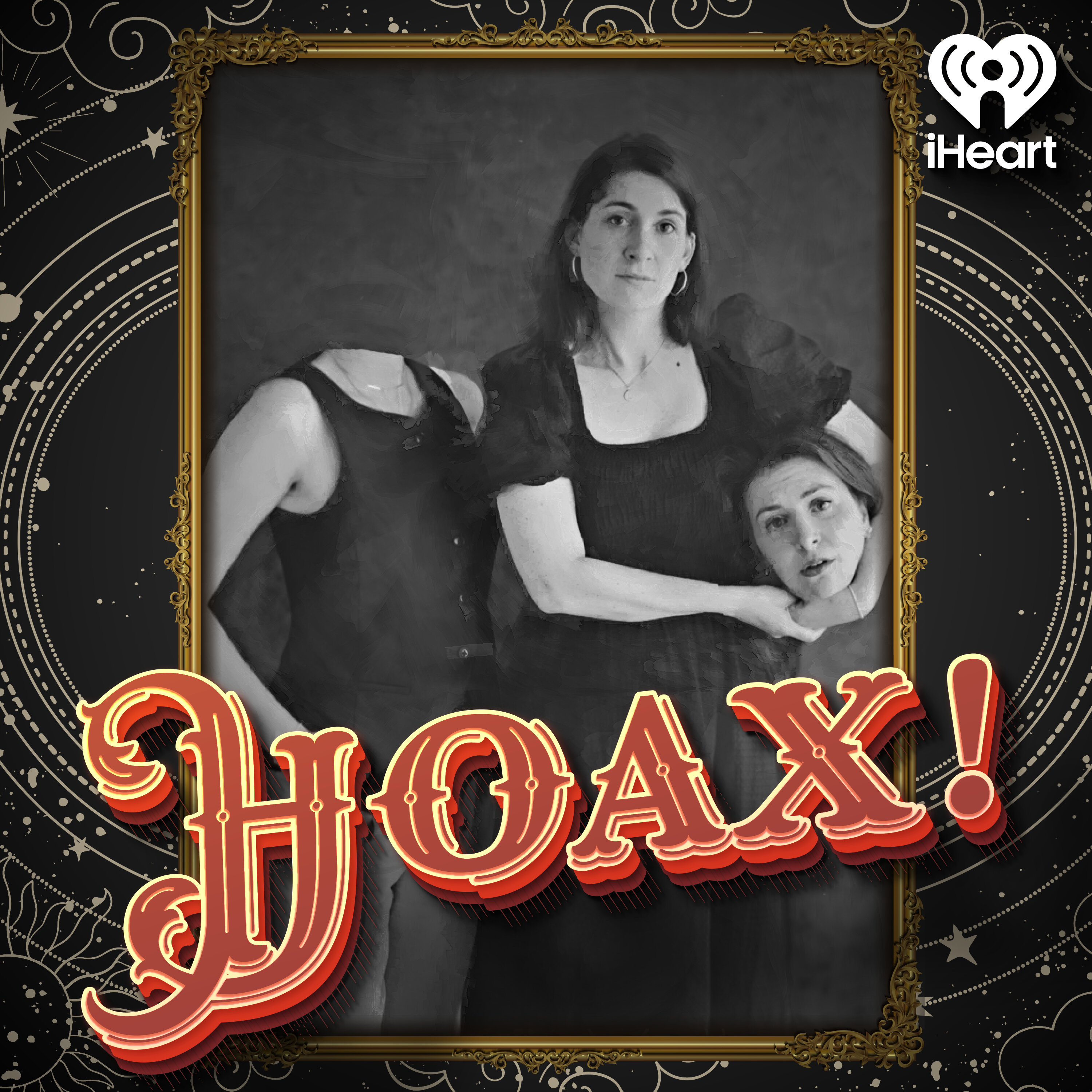
Hoax! – Introducing: Hoax!
Podcast Host: iHeartMedia
Date: July 28, 2025
Co-Hosts: Dana Schwartz (Noble Blood), Lizzie Logan
Episode Type: Trailer/Introduction
Episode Overview
This brief introductory episode sets the stage for the new pod series "Hoax!", driven by curiosity about why people are so often fooled by falsehoods—both historical and contemporary. Dana Schwartz and Lizzie Logan invite listeners to journey through history's most extraordinary pranks, hoaxes, and scams. Their aim: to unravel not just the mechanisms of deception, but the psychological reasons people want to believe—even in the face of evidence to the contrary—and how this timeless tendency still shapes our modern media age.
Key Discussion Points & Insights
1. The Cottingley Fairies Hoax (00:01–00:40)
- The episode opens with the famous story of the Cottingley fairies.
- In 1920, a magazine article claimed two girls had photographed real fairies in England.
- Legendary author Sir Arthur Conan Doyle authored the article and was wholly convinced of the photos’ authenticity.
- Quote:
“Yes, the man who invented literature's most brilliant detective was fooled by two girls into thinking fairies were real.”
– Lizzie Logan (00:26)
- Even Doyle, originator of Sherlock Holmes, let his belief override logical skepticism.
- Reflection:
“The thing which you probably know is that fairies aren't real. But Sir Arthur Conan Doyle wanted to believe they could be. And so he found ways to dismiss all of the logical ways the photos of the Cottingley fairies could have been faked.”
– Dana Schwartz (00:40)
2. The Enduring Allure of Hoaxes (00:55–01:10)
- Hoaxes are not new; they're woven throughout history for a variety of motivations.
- Some are for profit.
- Some are for fun or personal expression.
- In today’s world of rampant misinformation and “fake news,” developing critical thinking skills is more crucial than ever.
- Quote:
“In an era of misinformation, the ability to think critically and to understand what's real and what isn't seems more important than ever.”
– Lizzie Logan (00:55)
3. What to Expect from "Hoax!" (01:10–01:27)
- The podcast will cover iconic deceptions:
- Stories about forged Shakespeares, modern media stunts like “Balloon Boy,” and more.
- Each episode explores the psychology and history behind why people get duped—and why sometimes, they even want to.
- Quote:
“Every episode, we'll explore one of the most audacious and ambitious tricks in history, from the fake Shakespeares to balloon boys, all trying to answer the question why we believe what we believe.”
– Lizzie Logan (01:14)
4. Launch Information (01:27–01:35)
- The first full episode drops August 4th.
- Available on all major podcast platforms.
Notable Quotes & Memorable Moments
Timestamps for Key Segments
- 00:01 – The Cottingley fairies story and Doyle’s involvement
- 00:40 – Reflection on belief and skepticism
- 00:55 – The prevalence and evolution of hoaxes
- 01:10 – Introduction of hosts and podcast concept
- 01:14 – Teaser for future episodes and thematic exploration
- 01:27 – Announcement of first episode’s release date and platforms
Summary
The "Introducing: Hoax!" episode is a succinct and engaging pitch for a podcast that will unravel some of history’s best-known deceptions, examining both the mechanics of the hoax and the psychology of the deceived. Dana Schwartz and Lizzie Logan invite listeners to enjoy stories spanning from Edwardian fairy tricks to contemporary media stunts, always returning to the central question: why do we believe what we believe? As misinformation spreads more easily than ever in the digital age, "Hoax!" aims to entertain, educate, and inspire more mindful engagement with the world’s many claims.