← How Brands Are Built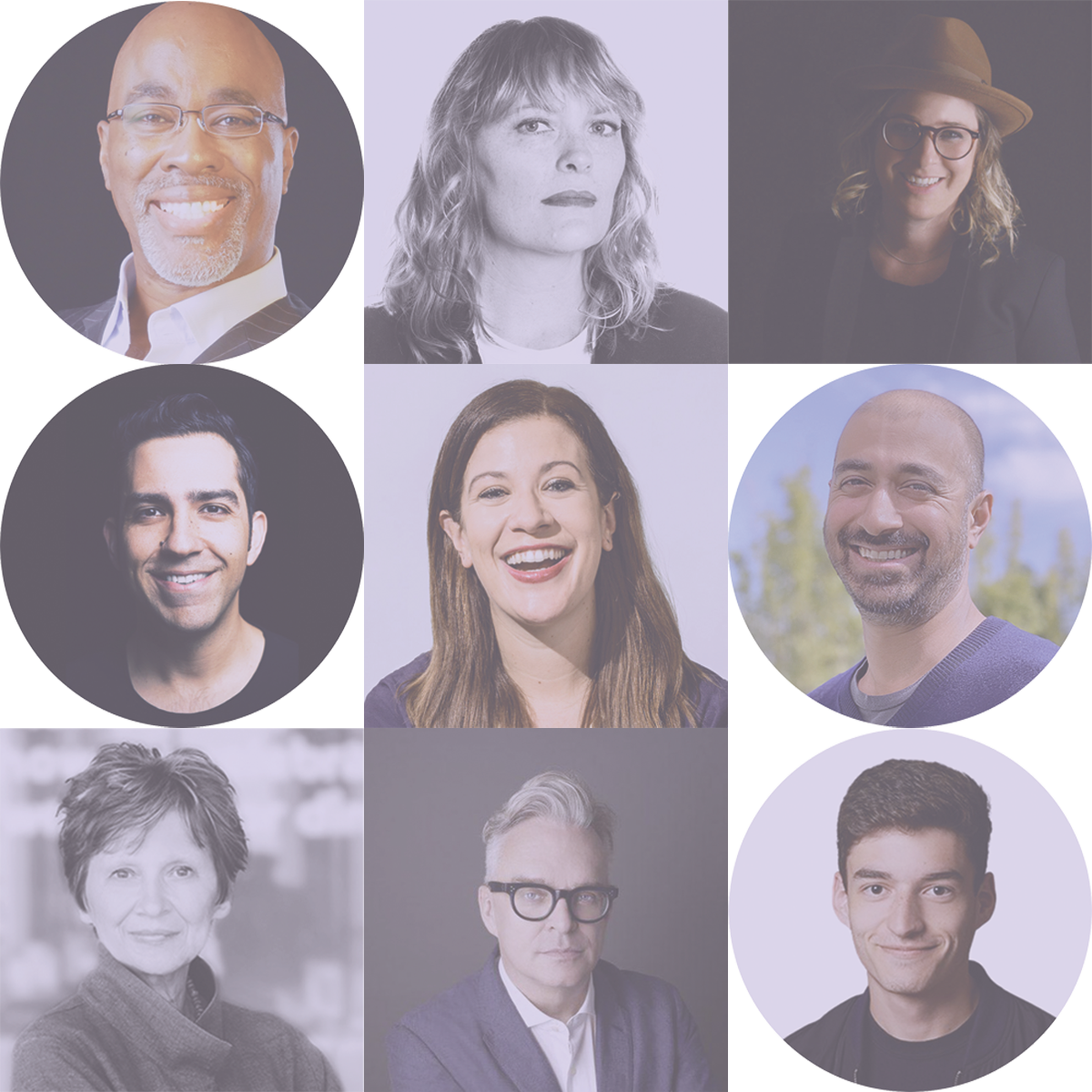
How Brands Are Built
Season four wrap-up: How brands (and branding professionals) can do good
00:39:30
Loading summary
Transcript56 lines
- [00:05]
Rob Meyerson
Welcome to How Brands Are Built, where branding professionals get into the details of what they do and how they do it. I'm your host Rob Meyerson. Thanks for listening. Just like every other episode in season four, today's episode is brought to you by Squadhelp, the world's number one naming platform. It's June 2021, a little more than a year since the murder of George Floyd in Minneapolis, Minnesota, and if you're wondering what that has to do with a podcast about branding, let me explain. In early 2020, I had a plan for season four of How Brands Are Built, but in the wake of George Floyd's murder and protests around the world, my plan changed a bit. 2020 was already a pretty awful year for most people, and it just seemed to be getting worse and worse. So I started thinking about whether there was a way I could use this little platform of mine to do some good, or at least talk about something positive. That led me to reach out to my most diverse set of guests yet, starting with Dr. Jason Chambers, who talked about the origins of racist brand names and what to do about them. I talked to female agency founders like David Guthmiller of Noise 13, Sonny Bunnell of Motto, and Emily Hayward of Red Antler about how they got started and the role of diversity in their agency cultures. The season ended with a two part episode featuring Brian Collins and his agency's design apprentice, Diego Segura, who told me about one way to create opportunities for talented but less privileged designers and strategists. And along the way, I talked to Armin Vit of Brand New, Alina Wheeler, author of Designing Brand Identity, and Nurm Schanbag of Sid Li. While I talked to guests about their agencies, books they'd written, or other topics specific to their areas of expertise. I also asked nearly all of them about what brands and branding professionals could be doing to improve the state of the world in light of COVID 19, in light of racial injustice, and just in general, are brands a force for good? Can they be? Should they even try to be? In this episode, based on what I heard and what I learned this season, I'll share five ways brands and branding professionals like you and me can, sorry to say it, make the world a better place. I'll get to that in a minute. But first, a few housekeeping notes. First off, thank you to all my guests this season and to you for all you do to support this show, Listening, subscribing, leaving a rating and a review, engaging on social media and the blog, and signing up for the newsletter Second, this is the final episode of Season four. You may have noticed the pace of episodes slowed significantly toward the end of this season. There were a number of reasons for that, one of which is that producing a podcast is hard and time consuming. I'm not complaining. I started this podcast simply because I wanted to, and it's been an amazing experience. But I also have client work to do, not to mention other side projects, including a book. I've just finished writing more on that soon. In order to maintain some balance, I'll be hitting pause on the podcast a little while. At least. I may drop the occasional audio recording into this feed, whether it's from something like the Big Brand debate or my appearance on someone else's podcast. But in terms of a season five, that's tbd, and I don't expect it anytime soon. If you've been a listener since the beginning, I can't thank you enough. I wasn't sure anyone would ever tune into a podcast about branding, and I've been overwhelmed by the positive response. So thank you and I hope we can find other ways to stay in touch online. With that, let's talk about how brands and branding professionals can do good in the world. Aunt Jemima, Uncle Ben's and the Washington NFL football team. These brands and others announced they'd changed their names or mascots in the wake of George Floyd's murder and the ensuing protests for racial justice. A year later, Aunt Jemima is Pearl Milling Co. Uncle Ben's is Ben's original and the Washington football team is the Washington football team, pending another new name change coming sometime soon. Ish. I asked Dr. Jason Chambers, Associate professor of advertising at the University of Illinois, what might be a bit of an ignorant where do these brand names come from? Why do these racist brand names exist to begin with? Here's his response.
- [04:30]
Dr. Jason Chambers
I think a couple of reasons. Symbols are simply shorthand, right? They're like a logo or a trade character. It's a way for consumers to recognize my brand in the marketplace without me having to take 6, 8, 10, 12 paragraphs. If we think about when these symbols were created back in the world of print advertising, even before radio becomes a thing. So these symbols become shorthand, the stereotype about the group of people for which the symbol is being utilized, in this case, African Americans. Well, even within all of the racist tropes that have existed about African Americans, then or now, there are certain areas at which African Americans are stereotyped to be good at, right? Stereotyped to be expert at, right? If we just kind of sat back and just off the top of our head, listed stereotypes about African Americans, whether good at sports, particularly basketball. They're fast, they're tall, they're good dancers, they're good at music. So we could list categories of life or areas of operation which we. The stereotype, though it exists and is racist in aspects of it, are racist in and of themselves are taken to be perceived to be good at. Right, Right. Sports and the like. Cooking, if you turn the clock back to the early 20th century, late 19th century, cooking would have been one of those for African Americans as well.
- [05:54]
Rob Meyerson
Right.
- [05:56]
Dr. Jason Chambers
They're good cooks. Right. So you combine that stereotype of good cook and expertise and service and authenticity and quality. Well, if I've got a quality cook who has a recipe for pancakes and we've been able to mirror that recipe in the box, and then we surround that in the wrapper of an old black mammy in the old south who served her famous pancake recipe to not quite the slave owner, because at the time it's created, slavery is over. But this kind of white master in the old south kind of model. Well, that stereotype, that sense of authenticity, that sense of quality that's conveyed in that idea, it's conveyed to the brand itself. And then we wrap the rest in the story of the old south and all of that kind of foolishness. And then you can see the same thing for other brands. Land O Lakes, Butter and Margarine, if we want to convey the quality. Quality of our ingredients while we utilize this Native American image, Because who are the people that are closest to the land and the greatest, you know, really typify this sense of authentic connection to manufacture and the making of an agricultural product.
- [07:13]
Rob Meyerson
Right, Right.
- [07:14]
Dr. Jason Chambers
Well, I can simply use Native Americans to convey that kind of natural imagery, this kind of connection that I want to make.
- [07:22]
Rob Meyerson
I also asked Dr. Chambers why these names hadn't changed sooner. His response pretty much came down to money and inertia. But I didn't ask him how brands can avoid naming mistakes like this going forward. A big part of the answer, however, is diversity. Diversity in the team coming up with the names, diversity in the people vetting the name ideas, and so on. So let's talk about diversity a bit. When I interviewed Sunny Bunnell of Motto, I was shocked by a statistic she cited. According to Sunny, 0.1% of all creative agencies are owned by women. I asked her to talk about the importance of diversity on an agency team.
- [07:58]
Sunny Bunnell
You know, when you meet our team at Motto, specifically, there's one thing that you pick up on immediately, and that's that we're very different from one another. You know, some of us grew up under democracy, others under dictatorship. We were born into privilege and disadvantage, into cities and onto farms, into enough and into never enough. We identify as female and male, a blend of both, maybe neither. We've got fur babies, we've got human babies. You know, we're just a. You know, we've Got folklorists with MBAs and logistics logisticians who are artists. You know, some of us kind of roam the streets of New York and others, you know, may tuck themselves away into a forest. But what I've learned is that sameness only brings sameness. And we need more people who don't nod their heads in agreement. We need black leaders. We need more women at the top. It's really time to shatter templates and shed the old guard. And that's how you get different perspectives to get a seat at the table.
- [08:54]
Rob Meyerson
Deva Guthmiller, founder of Noise 13, agreed that there are too few female led agencies, although she says it's gotten better since she started noise 20 years ago. Deva's agency has a diverse team, but I also talked to her about a conference she's created, Invisible Talks. And we started talking about how speakers are selected for the event to ensure it's not just a bunch of white men on stage. It was interesting to hear because even if you're looking to host a diverse event or hire a diverse team, it's not like you can just snap your fingers and make it happen. Here's what Dava said about the process of finding speakers.
- [09:30]
Sunny Bunnell
One of the things that we do in the beginning when we're sort of kicking off the project, is that we sort of put together this list, right? So, like, all the time you're meeting people, hearing about creatives that you want to meet, that you want to talk to that are doing great things. And we just put this huge spreadsheet together and we had to start actually putting their background, right, their ethnicity, to make sure that we were having a representative set of people. And, you know, we also. Part of that spreadsheet also looks at their age and we're. We do not have, you know, oh, we need to have one Asian person and one black person and one, like, we don't do that at all.
- [10:14]
Rob Meyerson
I'm glad David talked a little bit about the how of creating diversity, because it's one thing to want a diverse agency team, but wanting it doesn't make it real. And I'm sure you've heard this before. People say they want to add diversity to their team, but they couldn't find a black designer or couldn't find any women with the right experience for the job and so on. Well, Collins, the design agency led by Brian Collins in New York, came up with a great solution. They created an internship program to educate young designers who can't afford the biggest, most prestigious schools, as well as a summer internship for high school students of color. Here's Diego Segura, design apprentice at Collins, on why that's important based on his personal experience.
- [10:58]
Diego Segura
I had no idea at 16, 17 years old what SVA was. RISD Art Center. I had no Parsons. These were not on my radar. The only thing that was on my radar was the guidance counselor saying, hey, you have pretty good grades, you could get into a lot of great schools and you're automatically accepted into ut. All that stuff, the standard college stuff, coming out of high school, I had no idea that these things were available. It's funny that when I was out of high school for a year already joining Collins, people said, well, why didn't you go to art school? I said, to be completely frank, I made my dropout decision before I knew any of those things existed. I didn't know you could go to school really for design, which sounds stupid, but I wasn't thinking about it. When you look at the broader industry, I would venture to guess that the people who get into design somehow were made aware of it. Well, obviously they were made aware of.
- [11:55]
Dr. Jason Chambers
It at one point.
- [11:57]
Diego Segura
I would guess that a lot of lower income high schools, for example, the high school I went to was the lowest income in our district. We weren't made aware of those things, maybe as much as we could have been or should have been. And so it's a clear discrepancy between going to a wealthy school where, oh yeah, my friend is the director of marketing, my friend's mom is the director of marketing at some massive corporation, and so they're aware of that.
- [12:25]
Rob Meyerson
Emily Hayward, co founder and chief brand officer of Red Antler, also said our industry has a very long way to go on diversity. But because Red Antler has so much clout in the branding industry right now, I also talked to Emily about her agency's ability to influence clients on issues like diversity and inclusion. And in answering, she again made a point about why diversity is important in any organization.
- [12:50]
Emily Hayward
We do play a role. So one is that we're much, much more likely to, to get flexible when it comes to taking on a project if it has A founder from a diverse background, whether that be a woman or person of color, both. That's where we're like, make this work. Because we are in a position where we can really help businesses succeed and we want to see more people succeeding who don't just look like your typical startup founder profile. So that's one, two is that when we do have a team of all men, I often find that my role is to sort of be a reality check for them. You know, I think that part of the problem of having, you know, a not diverse team is that you have blind spots, right? Everybody does, no one's fault. But you're going to be in a room all talking and think something's a good idea and someone else could very easily spot that it's not a good idea. But if you don't have that person at the table, you know, you run the risk of like putting the thing out there that everyone's like, what the.
- [13:54]
Dr. Jason Chambers
Hell were they thinking?
- [13:56]
Emily Hayward
So, you know, we're often in the position of being like, okay guys, like.
- [14:01]
Dr. Jason Chambers
Maybe we should rethink this.
- [14:02]
Emily Hayward
You know, that might not be the best idea, especially coming from an all male team. And you might want to think about that in a different way.
- [14:09]
Rob Meyerson
And that gets us to a major way. Branding people can do good by picking the right clients. If your job is to help your clients succeed, then it makes sense to choose clients that align with your values. Here's a little bit of my conversation with Armin Vit of Under Consideration and the website Brand New, about choosing clients carefully.
- [14:30]
Armin Vit
Where we can make a difference is who we make that work for. Because we're making that work for people, for companies, for organizations, for products and services that can make a difference in the world, a positive difference in the world. So we empower those, those clients to be their best, to communicate clearly, to do it engagingly, to, you know, to do it in a way that is memorable, that sticks in people's minds. So I think that's when we see our, our industry to be in service of other people who are making a difference in the world. I think that can be really empowering. And you know, it's important to choose who you work for. And I'm not saying like all your work has to be for Nonprofits or for NGOs or for people saving world. You can do work for profit for companies as long as it's not, you know, I don't want to name companies, but.
- [15:29]
Rob Meyerson
Right, but you're just advising people to have their own values and ideals in mind. And not just doing the work to do the work. I mean, some people, I suppose, are in a position where they can't afford to turn work down, and that's one thing. But I like what you're saying, that the power of designers and consultants and agencies is a lot of it is in simply selecting which clients to work for and which ones to kind of let, let pass. If you just feel like, well, I really like what they're doing, or I don't agree with what they stand for, then you have the power to just not help them and, and let them go on their way. Yeah.
- [16:02]
Armin Vit
And I think having that sense at the end of the night that you help someone be their best version of themselves. And by someone, I don't mean a person, but like an entity to communicate in the best way possible. And I think that's a really valuable job. It's just not going to save the world.
- [16:17]
Rob Meyerson
That idea that branding won't save the world was echoed by Nurm Schanbag, Chief Strategy Officer of Sidly usa.
- [16:26]
Emily Hayward
At the end of the day, you.
- [16:27]
Dr. Jason Chambers
Know, I've said this before and you probably heard me say a million times, but, like, there has never been a brand emergency.
- [16:34]
Diego Segura
Like the stuff we do.
- [16:36]
Dr. Jason Chambers
At the end of the day, it's just about brands. It's constructs, it's helping people make choices. Yeah. And while important, I think it pales in comparison to the discovery of elemental particles.
- [16:49]
Rob Meyerson
Nurm mentioned elemental particles because it came up after I'd asked him about his favorite books. He recommended A Brief History of Time by Stephen Hawking because it's a book about perspective. While we were getting philosophical, I asked Nirm directly whether he thinks branding is good or bad for society.
- [17:06]
Dr. Jason Chambers
Is brand good or bad? That's hard to answer because I don't think of brand as something that is inherently good or bad. Is a hammer good or bad? I mean, if you're driving a nail into a wall, a hammer is a good thing. If beaten over the head by your crazy neighbor, it's a bad thing. And so I think the brand isn't any different than any other tool that human beings have constructed. Sure, it's not physical, but still it's a thing.
- [17:38]
Emily Hayward
And I think there are examples of.
- [17:41]
Dr. Jason Chambers
Brand being used for bad. There's certainly clients I've had where they didn't necessarily agree in the end with their business practices.
- [17:56]
Emily Hayward
On the other hand, you can have.
- [17:57]
Dr. Jason Chambers
Brands that exist solely to improve things.
- [18:05]
Rob Meyerson
This episode of How Brands Are Built is brought to you by squadhelp, the world's number one naming platform. Here's how squathelp works. You launch a naming contest to engage hundreds of naming experts. You're guided through an agency level naming process that goes beyond traditional crowdsourcing. The platform uses AI and includes name validation features such as audience testing, trademark validation, linguistic analysis, and quality scoring. And squadhelp doesn't just do naming, you can also use their platform for taglines or slogans as well as logo design. To launch your naming contest Today, go to squadhelp.com and start receiving custom name suggestions instantly. Company brand and business name ideas by experts. But what about this buzzword Purpose? Brand purpose? Well, I won't get into the strategic value of brand purpose right now, but let's agree that a business can have a purpose beyond making money and and that organizations are made up of people who have values, maybe even shared values. So as Nirm said, if branding is a tool, it can be used to clarify and amplify that purpose and those values. Again, it's why picking the right clients is so important. Here's Sunny Bunnell of Motto Again talking about how leaders and leading brands can make an impact. And she even gives an example.
- [19:28]
Sunny Bunnell
Brands have huge influence, many of them that I've seen recently being extremely tone deaf with the pandemic. But that's another topic. But I absolutely believe that leaders can use that influence to stand for something, not just sell something and make a positive impact on the planet and the people living on it. And they should. Because why on earth would anyone have a problem with businesses doing good? I can't stand the argument personally that there's no place for politics and social opinions and keep it strictly business. A lot of people kind of have this ethos like stay in your lane. Well, I just say fuck the lane for rare breeds. There is no lane. And I think that we are Brands can inherently be good or bad. I mean look at Oatly. They are a huge business. I think they're valued at like 2 billion and fucking fearless. They took what used to be an invisible brand and turned it into a lifestyle brand by doing their own thing, having guts, sticking to their convictions, and really going against the norms of traditional marketing. It's not something you drink, it's something you believe.
- [20:34]
Rob Meyerson
But if branding is a tool like Nurm said, what are some examples of it being used by the dark side? I asked Sunny about this in a follow up question.
- [20:43]
Sunny Bunnell
We're seeing it all the time. I mean there's a lot of these brands. Ashley just wrote a post on LinkedIn that took off. And it was about. She was talking about how big brands had responded to the assassination of George Floyd and these with sort of anti racist messages. And what she said was Zillow in their, I think in a post that they did, it says racism has no home here. And we said, apparently neither do black people on your leadership team. Nike, don't pretend there's not a problem in America. Well, how about not pretend that there's not a problem in your C suite? There's a lot of these. I believe there's maybe less than 5% of Fortune 100 companies that have black people at the top. This is a conversation about business and money and power. And there's not equality in representation in business right now. And I think you're seeing it even with two other brands that are aligning to the dark side. You have companies that align and celebrate on the light side. And I think it's just the conversation that's out there is some of these brands, they are rooted in some evil practices.
- [21:52]
Rob Meyerson
To be clear, I don't think Sonny's saying Zillow and Nike are evil brands over. But in this one example, they're using part of the branding tool, let's call it messaging, to glom onto social justice movements and espouse values that they can't back up very well in practice. And that, I suppose, is a form of evil or negligence, at least to give them the benefit of the doubt, let's hear a few more examples of how branding designed specifically can make a positive impact on people's lives. Here's Brian Collins talking about a point in his career when he went from leading the Levi's business at Footcomb Belding to starting a design and innovation division for Ogilvie.
- [22:32]
Brian Collins
When I arrived for my interview and I walked into this huge lobby on 49th street and 8th Avenue was a giant Skidmore, Owings and Merrill building in a very intimidating lobby that was like 100 stories tall, covered with Italian marble. The lobby was. It looked like what it was as a headquarters of a large global enterprise. But on the wall there was this logo that said Ogilvie made it. And it was like in brass or bronze, and it kind of looked like a hip Lenin sort of mausoleum head to toe, like Italian marble everywhere. It was very sort of mid-90s corporate gothic. And Rick asked me to work with him on the redesign of the Ogilvy brand itself. And so we did. And so we changed the identity. One of the things we wanted to do is reassert David's relevance and Thinking as you were moving into the 21st century.
- [23:35]
Rob Meyerson
This is David Ogilvie.
- [23:36]
Brian Collins
Yeah, David ogilvie. This is 1998, 1999. It turns out that many of Ogilvy's thoughts about branding, which he wrote in the 50s, 60s and 70s, were even more timely now than they were when you first wrote them. So we wanted to reassert David's philosophy as a key part of the Ogilvy culture. The other thing we wanted to do is sort of research his personality. And so we went and got some of those old letters and we pulled his signature from one of them and we turned his signature into the logo of the company. Along with doing that, I remember walking down as we were doing design development Identity. I walked in and I looked at the security guards at Oberleigh, and there was a massive suitcase. Security desk. It was like the size of the Runway at jfk. And there were like four security guards behind the desk. And they were always really kind, really nice, but they were dressed like, like attendants at the zoo. It was like marooned, textured polyester suits. Really bad spun polyester with this horrible maroon texture. Did gold piping along the shoulders and down the edges. And it said security on the front, on the front jacket pocket and security on the left shoulder and security on the right shoulder. And they had black pan, a maroon jacket with black sort of flared pants. It was hideous. They looked awful and they were embarrassed to wear them. And they had big clunky ties. And the women had this outfit. See, it was awful. But we had it, apparently. I said, well, why don't we change those outfits? Rick had explained that they had a contract with the security company. The security company supplied those outfits. And I said, well, that's ridiculous. Let's go and get better outfits for them. Let's get nice looking suits. So I went and I found out who made the suits, whether it's Carlton for the Four Seasons. And we went out, worked with them, found an exquisite suit with beautiful, like, thin lapels. We found a very elegant sort of crew neck black. So this is the late 90s. So it was a black suit, black crew neck, black pants that was slightly pegged, and some nice shoes. And then both men and women, we tried it on them and they looked awesome. And I banished the word security. Didn't say security under pins. It said security nowhere. I remember other executives and said, well, how do they know they're security guards? Well, maybe it's because they're behind the security desk. And it made no sense to me.
- [26:02]
Rob Meyerson
That they need to say security on each sleeve.
- [26:06]
Brian Collins
Yeah, exactly. Rob, these were the diplomats. These are the first people who welcomed you as you came into the company. They greeted you, they said hello, there's who you were speaking to. They asked how they could be of help, they told you which office to go to, they called ahead, they pointed you to the elevators, they asked if you needed anything. They're our first voice to people when they visited us at our New York. And I remember when they first tried them on and they really liked them and it looked like. And they look like a million bucks. I mean, they looked great. It looked like you're walking to the lobby of like a five star hotel, which is, you know, David Ogle said, we run first class business in a first class way. And these, our lobby now looked like a first entry into like a first class hotel. Which made sense. A month after we relaunched the brand and a month after everything happened at the same time. The identity changed, the website changed, and all the uniforms of the security guards in New York changed. And about a month after that, one of the security guards who'd worked at the company for at least 15 years came up to me and he pulled me aside and he said, brian, can I talk to you? Sure. And he said, I have to tell you something. I said this for the first time in my life. My daughter called and she said, I'm coming by to see you. And I took my daughter out, I walked her outside. She hadn't seen me in that outfit. And I took her down to the Starbucks and we had coffee in the Starbucks. And for the first time, I felt like I worked at Ogilvy and Mather. I didn't feel like I was just a security guard. And it changed my relationship with my daughter that I wasn't wearing an ugly, hideous security outfit.
- [27:46]
Rob Meyerson
I didn't have to be embarrassed about it.
- [27:48]
Brian Collins
Being a security guard is a good job. But he felt, because of the way he was dressed, he felt like he was part of the culture, not just a contracted employee.
- [27:58]
Rob Meyerson
Right.
- [27:59]
Brian Collins
Because we. Because the agency provided him with a suit that made him look great. And he got a little emotional in telling me this. I saw my relationship with my daughter change because I could take her out in public and she was going out with her dad who worked for Ogilvy, rather than her dad, who was a contract security guard. And all that changed was a suit. And so that's a very small thing. Of all the things I did at Ogilvy and Mater, that's the story that I'll never forget.
- [28:29]
Rob Meyerson
What a great story from Brian Collins. So let's recap. Based on all my conversations with my guests this season, I've boiled everything down to five ways brands and brand consultants can make a positive impact on the world. 1. Be selective and stick to your values 2 walk the talk 3 wield your influence 4 proactively pursue diversity and 5 don't underestimate the power of your work. I'll break these down one by one. Be selective and stick to your values. I think it's right, at least in this context, to think of brand as a tool. As Nurm said, that on its own is morally neutral, but that can be used to advance good, neutral or bad causes. Put simply, one purpose of branding is to get the message out. Usually the message is buy our product, but of course it can be more than that. Recently, due to shifts in consumer expectations and events in the world, brands seem to have a lot more to say, and many align themselves with ideas ranging from environmental sustainability to outspoken support for a political party. Armin Vit and others reminded us that as consultants, we get to choose which brands we help strengthen, assuming we're in a position to be picky, that is. So stick to your values and choose wisely. By the way, the same logic applies to brands looking to enter co branding relationships with other brands. Walk the talk. It's not enough for brands to say the right things, though. Sonny Bunnell reminded us that some brands want to associate themselves with racial equality, for example, but don't seem to be working toward it inside their own organizations. So look beyond the romance, copy and Instagram posts when you're making decisions about whether to support or work with a brand. Do your homework and again, stick to your values. Wield your influence. Emily Hayward made the point that beyond being selective about our future clients, we can often influence our current clients in ways that align again with our values, and hopefully theirs too. We've been invited into these organizations to help make them better, and sometimes that means encouraging them to take action. Maybe that means cutting energy use or hiring more diverse talent. Maybe it just means producing a higher quality product or putting an end to a somewhat annoying email campaign. Even these little changes could positively impact many people's lives, even if you want to be cynical about it and do it all under the guise of creating proof points for a recommended brand promise. Who cares as long as the positive changes get made? Proactively pursue diversity from Dr. Chambers, we heard about one of the many things that can go wrong with an insufficiently diverse team, and Emily Hayward mentioned some challenges she's seen with all male leadership teams. I won't go into all the benefits of diversity here. I feel like that case has been made already. What I liked about some of these conversations was hearing about how to pursue diversity, how to be proactive and thoughtful about it. David Guthmiller talked about something as simple as keeping track of the backgrounds of people she's inviting to speak at her conference. Not as a quota, not we need three black people and three white people, but just keeping track so you're conscious of how diverse or not diverse a group is. And Diego Segura talked about the internship program at Collins, which aims to create a pipeline of diverse talent. This is a great way to build diversity on the Collins team, but more importantly, it does a huge service to these high school kids and to the design industry overall. Lastly, don't underestimate the power of your own work. What did you take away from Brian Collins story about redesigning the security team's uniforms? What I hope you took away is that your work, even when it might seem trivial, can make a huge impact. Whether you're a strategist, a designer, or some other kind of marketing professional, your work may make someone more proud to do their job, or it could create new jobs or help your clients get promoted. It might make someone try a product that they end up loving or stop using a product that's bad for their health. Some of my most meaningful projects have been helping second or third generation business owners revitalize their family business, which as you can imagine, is deeply meaningful to them. On a personal level, it's part of why I named my agency Heirloom. So yes, branding is not the discovery of elemental particles. I don't want to pretend we're saving the world, saving lives, or that everything we do is good for the world even. But I hope that you'll listen to this episode and Brian's story and realize that you can make an impact. That your work does make an impact. And if you think about being selective and sticking with your values, walking the talk, wielding your influence, and proactively working to ensure greater diversity, the impact you make will be a positive one. I'd like to leave you with one more clip from this season. Another question I often ask interviewees is about advice for people in the branding community. If you want to hear what people like Marty Neumeyer, David Aker and others have to say about this, please go back and listen to their episodes or previous season wrap up episodes. But today I'm leaving you with this little bit of Wisdom and inspiration from Alina Wheeler, author of Designing Brand Identity. A fantastic reference for anyone working in branding, now in its fifth edition. Here's a bit of my conversation with Alina.
- [34:00]
Alina Wheeler
Dream big, right? Put your big, audacious dreams on a post it note on your forehead and share them with everyone. Because sometimes some of the biggest opportunities come from the most unlikely places. Disengage from your digital devices and just, you know, wander around some more and explore. Expose your brain to things that have nothing to do with your day job. Do something crazy. Get rid of toxic people and clients. Make sure you have an I believe in you person, especially when you're really stretching and coming up with big ideas. Yeah, find a professional tribe like I had. Aiga, you know, you just have to dream big. Like, I never, ever when I wrote this first edition, I never dreamt that I would have a week like this week. So this week I have been contacted by a business owner in Barcelona, an entrepreneur in Bavaria, a brand strategist in India. I talked to Simon in Ghana. I talked to somebody who has a brand consultancy in Dubai. I mean, I never dreamt.
- [35:36]
Rob Meyerson
And you're doing the How Brands are Built podcast, which is about as prestigious as it gets in the world of branding.
- [35:42]
Alina Wheeler
I love it. No, well, look at all the people you've interviewed. Oh, my God. To be interviewed by the same person that did David Aukor a couple weeks ago. Holy smokes. Yeah, you're right.
- [35:58]
Rob Meyerson
Well, I love your advice to dream big and I love the fact that you're a living example of doing that and seeing how it can pay off. And I, like you said, put it on your forehead. I like that idea of not only dreaming big, but sharing it with people because I suspect that a lot of people have these big dreams or ambitions or ideas, but maybe keep them to themselves, partly because they're afraid to share it, because they think people might laugh at them or think that they can't achieve it. But by sharing it, not only are you making yourself accountable to some degree, people might follow up with you and say, hey, did you write that book or did you do that big thing you thought you were going to do? But also, you never know where inspiration is going to come from or potentially like a partner, somebody that wants to work on it with you. So the more you kind of get out there and connect with people and talk about these big ideas, I think the more likely they are to happen.
- [37:00]
Alina Wheeler
I think when it, for me, when you write it down and you kind of put it on the wall, it becomes real. When you, when you talk to people, it becomes real. And I'm just always surprised about where possibilities are born and opportunities happen. So it's exciting, it's making the dream tangible, and it's bringing me one step closer. My favorite quote again, another dead person that I quote in the book is George Eliot. It's never too late to be who you could have been. So it's like, start now, start today.
- [37:48]
Rob Meyerson
Well, that's it for this wrap up episode and for season four. I hope this gave you a taste of this season's conversations or a nice refresher if you listened to everything. To hear more from each of these amazing guests, go back and listen to each episode or read the transcripts on howbrownsarebuilt.com and if you don't already know, the website is not just a repository of podcast episodes. I also post original articles there, some written by me, some by others. There's a ton of content about brand strategy, naming, brand architecture, design, trademarks, you name it. Take a look. Thanks for listening today and for the past four seasons and for leaving ratings and reviews, subscribing, signing up for the newsletter and connecting our social media. It all helps support the show and the blog and I appreciate all of it. How Brands Are Built is a production of Heirloom Agency, llc. Our theme music is by Esha Erskine Project. I'm Rob Meyerson and I'll talk to you soon. Thanks again.