
Podcast
How I Ally
Hosted by Lucinda Koza · EN
How I Ally is a podcast about showing up — for ourselves, for each other, and for the people navigating life’s hardest seasons.Through intimate conversations, expert insight, and lived experience, the show explores motherhood, mental health, disability, neurodiversity, reproductive journeys, caregiving, identity, and systemic change. Each episode centers real stories and thoughtful dialogue to examine what allyship looks like in practice — in families, healthcare, workplaces, and communities.How I Ally is a space for honesty, learning, and growth. It’s about listening without fixing, advocating without overpowering, and choosing compassion even when it’s uncomfortable. Whether you’re a parent, partner, provider, caregiver, or simply someone who wants to do better by the people you love, this podcast invites you into conversations that challenge, affirm, and expand what it means to truly ally.
25episodes
Episodes
Newest firstAll episodes
We Will All Be Unskillful At Times
Apr 2800:33:23Tap to summarize In this episode of How I Ally, Lucinda sits down with comedian and storyteller Jessica Wood for a conversation that is equal parts hilarious, unfiltered, and deeply human. From growing up in chaos to navigating identity, motherhood, and societal expectations, Jess brings humor to the hardest truths—and challenges everything we think we’re “supposed” to be as women. This episode explores the tension between freedom and responsibility, the silence around women’s mental health, and the radical act of choosing your own life. In this episode, we cover: Using comedy to process trauma—and why timing mattersThe silence and stigma around postpartum mental health and suicideWhy there’s no safe space for women to be honest about how they feelThe pressure on mothers to be “happy” and selfless at all timesThe double standard in how men vs. women talk about parentingWhat it means to choose not to have children—and the judgment that followsGrowing up with instability, neglect, and unconventional parentingHow early experiences shape identity, relationships, and resilience The invisible labor of women as “support systems” for everyone elseRadical self-acceptance and letting go of shameThe concept of “dukkha”—and why we don’t need to punish ourselves for being human Key Takeaways Women are expected to feel—but only certain feelings.Motherhood is idealized, but rarely discussed honestly.Choosing your life (with or without children) is an act of autonomy.We are hardest on ourselves—and we don’t have to be.Kindness toward yourself is the foundation for everything else. Memorable Quotes “There’s no safe space to say how you actually feel.”“Women are told how to feel—and how not to feel.”“You’re basically a human support beam.”“We’re always going to be unskillful sometimes. That’s being human.”“Be nice to yourself so we can be nice to each other.” About the Guest Jessica Wood (aka “Jess Wood”) is a comedian and storyteller known for her raw, fearless humor and deeply personal material. Her work blends trauma, truth, and comedy in a way that challenges audiences while making them laugh. Her comedy album Breaking Bad Barbie is coming out soon. Connect Follow Lucinda: @lucindarogerskoza Listen, share, and leave a review if this episode resonated 🤍
Transcribe →
Black Maternal Joy and Justice
Apr 2400:44:32Tap to summarizeIn this powerful episode of How I Ally, Lucinda sits down with Amani Echols, Senior Policy Analyst for Maternal Health at the National Partnership for Women & Families, to unpack the realities behind the Black maternal health crisis in the United States.This conversation goes beyond statistics—exploring the lived experiences, systemic barriers, and deeply human moments that shape pregnancy, birth, and postpartum care.Together, they discuss the meaning behind Black Maternal Health Week, its 10th anniversary theme of justice and joy, and why both must exist at the same time.In this episode, we cover:What Black Maternal Health Week is—and why it mattersWhy the U.S. has worse maternal outcomes than other high-income countriesThe shocking reality that nearly 90% of maternal deaths are preventableWhy Black women are 3.5x more likely to die from pregnancy-related causesThe difference between racism vs. race in health outcomesThe concept of “weathering”—how chronic stress and racism impact the body over timeWhy many Black women are not listened to in medical settingsThe role of midwives and doulas in improving outcomesThe postpartum period (“fourth trimester”) and why it’s often overlookedMaternal mental health, stigma, and the fear of speaking upThe lack of paid leave and postpartum support in the U.S.How we can begin to build a more just, equitable system for mothersKey TakeawaysThis crisis is preventable. The issue isn’t biology—it’s systems.Racism—not race—is the risk factor.Maternal mental health matters. It’s one of the leading contributors to maternal mortality.Support doesn’t end at birth. The postpartum period is critical—and often neglected.Listening to mothers is essential. Their experiences must shape policy and care.Memorable Quotes“The most radical thing a mother can do is raise her children with love in a world that tries to deny their humanity.” — Angela Davis“We are failing our mothers right now—and Black mothers in particular.”“The problem is not race. The problem is racism.”“Your body keeps score.”About the GuestAmani Echols is a Senior Policy Analyst for Maternal Health at the National Partnership for Women & Families, where she works at the intersection of equity, health justice, and maternal care policy.Resources & LinksLearn more about Black Maternal Health WeekFollow Lucinda: @lucindarogerskozaShare this episode to help raise awareness
Transcribe →
Caregiving is Leadership; or, The Hospice Doctor's Widow
Mar 2800:39:53Tap to summarizeIn this powerful and deeply personal conversation, Lucinda sits down with caregiving expert and author Jennifer A. O’Brien to explore what it really means to lead—at home, in crisis, and in the quiet, unseen moments of caregiving.From navigating communication with caregivers to redefining what “good leadership” looks like in parenting and grief, this episode reframes caregiving as one of the most complex and demanding leadership roles a person can hold.Jennifer shares how Lucinda’s message—“you are the CEO of your situation”—inspired her book Care Boss, and why caregiving is often harder than being an actual CEO.Together, they unpack:How to set communication boundaries with caregivers and professionalsThe difference between urgent vs. important (and why it matters)The power of pinpointed positive feedback in parenting and leadershipThe emotional complexity of caregiving, grief, and identityWhy “okay” is sometimes the highest form of successAnd how to survive—not just care for others—through it allKey Takeaways1. You are the CEO of your caregiving experienceWhether you’re parenting, supporting a partner, or caring for a loved one—you are leading. That means setting expectations, defining communication norms, and making decisions with intention.2. Not everything is urgent (even if it feels like it)Using a framework inspired by Dwight D. Eisenhower, Jennifer explains how to distinguish:Urgent & important (true emergencies)Important but not urgent (most caregiving moments)Urgent but not important (distractions or noise)3. Feedback shapes behavior—especially positive feedbackInstead of only correcting what’s wrong, highlight what’s working. Specific, positive reinforcement builds trust, confidence, and better outcomes—whether with kids, caregivers, or teams.4. Caregiving is often harder than leadership in businessJennifer, a seasoned healthcare executive, shares that caregiving is more demanding than being a CEO—because it’s constant, emotional, and deeply personal.5. “I am surviving while they are dying”One of the most profound distinctions in caregiving:You and your loved one are on two different paths—and holding both realities at once is one of the hardest parts.6. Grief doesn’t follow a timelineThere is no “how long.” Instead, healing happens in moments—sometimes even just making it through the next hour.7. Flip the narrative: measure backward, not forwardInstead of asking “How will I get through tomorrow?”Ask: “I made it through today. That counts.”Powerful Quotes“Caregiving is by far the harder job—even compared to being a CEO.”“You are always speaking to the most sensitive person in the room.”“He is dying. I am surviving.”“Okay is rock solid.”“At the end of the day, congratulate yourself—you did another day.”About the GuestJennifer A. O’Brien is a healthcare executive, caregiver advocate, and author of The Hospice Doctor’s Widow and Care Boss. With decades of leadership experience and firsthand caregiving for her husband and parents, she brings a rare blend of strategy and humanity to the conversation.
Transcribe →
The Future of Work Is Human: Gen Z, Leadership, and the Need to Be Seen
Mar 2000:20:45Tap to summarize What if the “disruption” we’re seeing from Gen Z in the workplace isn’t dysfunction—but a signal? In this episode of How I Ally, Lucinda sits down with Kris Erickson, co-founder of Workforce Science Associates, to unpack what’s really happening inside today’s workforce. Drawing from a database of over 10 million employee responses, Kris shares a surprising insight: Gen Z—those newest and often most excited to begin their careers—are the least engaged generation at work right now. Together, they explore what that means—not just for organizations, but for how we understand leadership, identity, caregiving, and connection in a post-pandemic world. This conversation goes beyond workplace trends. It’s about what happens when people are no longer willing to separate who they are from what they do.
Transcribe →
Re-Broadcast: The Hidden Burden of Unpaid Labor
Mar 900:41:13Tap to summarizeWhen I first launched How I Ally, the very first episode I recorded was with Bianca Sprague.Re-releasing it to open Season 2 feels exactly right.Because the conversation is just as urgent today as it was then.Bianca is the founder of BeboMia, an international maternal health training organization operating in over 50 countries. But what makes her voice so powerful is not just her expertise—it’s her willingness to say the things many mothers are thinking but rarely feel allowed to say out loud. In this episode, we talk about the invisible labor of motherhood, the emotional cost of unpaid care work, and how systemic forces—from capitalism to cultural expectations—shape the way women experience parenting.And the truth is uncomfortable.
Transcribe →
Post Traumatic Parenting
Sep 500:33:43Tap to summarizeWhat if your trauma could become your superpower in parenting? In this powerful conversation, I sit down with Dr. Robyn Koslowitz, clinical child psychologist and author of Post-Traumatic Parenting: Break the Cycle, Become the Parent You Always Wanted to Be. We explore how childhood trauma shapes the way we show up as parents—and how the very act of raising children can be our path to healing. We discuss: The difference between the trauma of presence and the trauma of absence Why conflict isn’t the problem in families—mismanaged conflict is How to “reprogram” the trauma app in your brain The power of repair and modeling healthy conflict for your children Why parenting is the perfect moment for rewiring and growth If you’ve ever worried that your “damage will damage your kids,” this episode offers hope, compassion, and practical tools to shift that fear into strength. 🔗 Resources & Links: Post-Traumatic Parenting by Dr. Robyn Koslowitz (Amazon) Follow Dr. Koslowitz on Instagram: @posttraumaticparenting Connect with me on Instagram: @lucindarogerskoza ✨ If this episode resonated with you, please rate, review, and share — it helps more parents find the support they deserve.
Transcribe →
Kumiko Kanayama is a Shiatsu Grandmaster
Aug 2100:24:16Tap to summarizeIn this episode of How I Ally, I sit down with Kumiko Kanayama, founder of the longest-running Shiatsu center in the U.S., to explore the healing wisdom of her family tradition. We talk about: How Shiatsu goes beyond massage to work with energy channels and meridians Simple practices that ease pain, improve digestion, and bring emotional clarity The transformative journey of motherhood—from exhaustion to deep connection Why rest, presence, and small daily rituals are essential for healing Kumiko’s story is a reminder that healing is not just physical—it’s emotional, cultural, and communal. Whether you’re a parent, caregiver, or simply seeking balance, her insights will leave you inspired. 👉 Tune in now, and don’t forget to subscribe, rate, and review so more listeners can discover these powerful conversations.
Transcribe →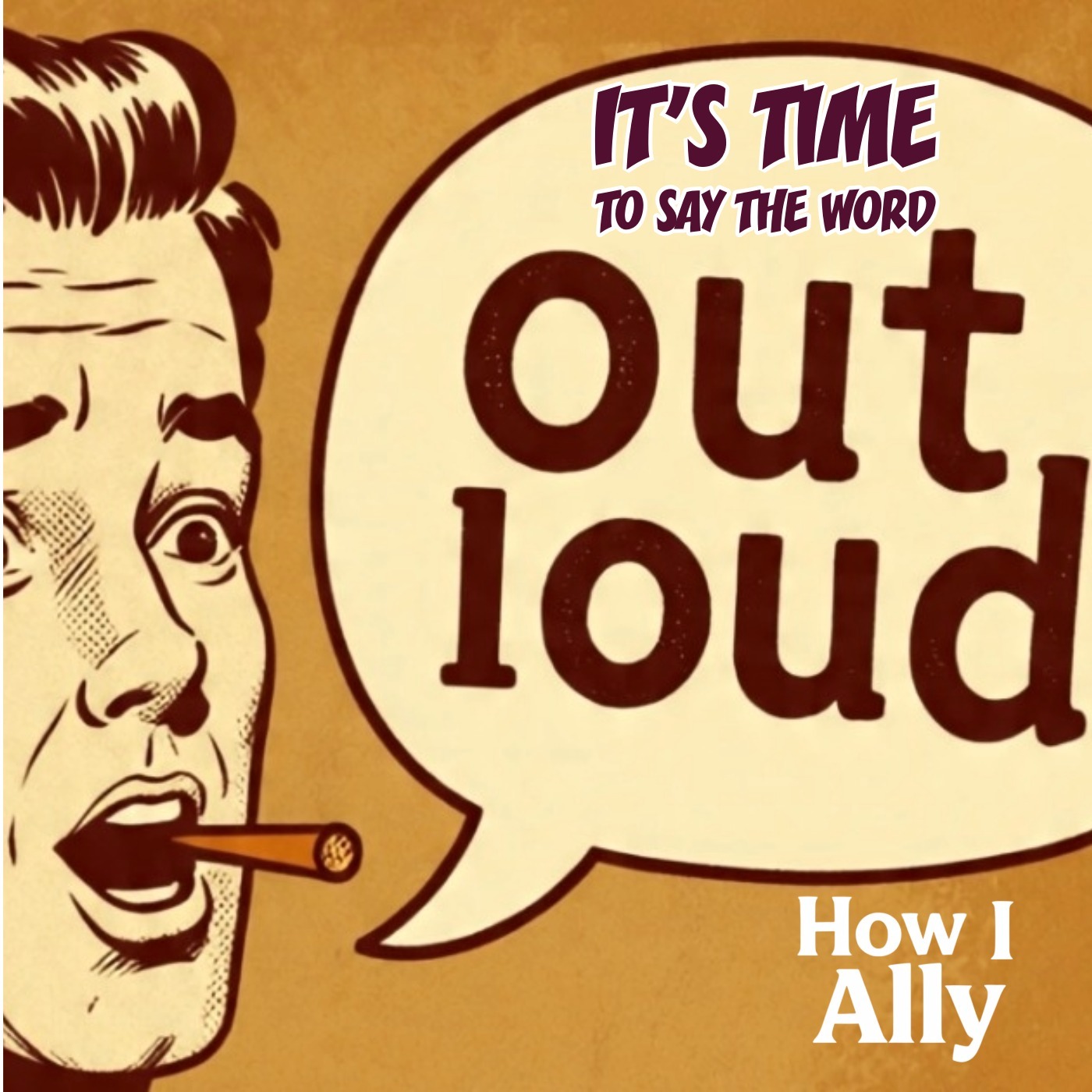
It’s Time to Say the Word Out Loud
Aug 1400:39:22Tap to summarizeIt’s time to say it out loud—vagina—and stop the shame. Lucinda Koza talks with Saundra Pelletier, CEO of Evofem Biosciences, about why accurate language saves lives, the first non-hormonal, on-demand birth control, and how to raise informed, empowered daughters and sons. Plus—the surprising link between weight-loss drugs and birth control. Listen, learn, and join the movement to reclaim women’s health and equality.
Transcribe →
And Then Something Like Caregiving Happens
Aug 1100:37:53Tap to summarizeIn this powerful conversation, Lucinda Koza talks with her longtime friend Melissa Gillis — caregiver, mom of twins, and therapist — about navigating life after a decade of caring for her mom with Huntington’s Disease. They share honest reflections on anticipatory grief, meeting loved ones where they are, finding your “tribe,” and letting go of toxic positivity. With equal parts humor, raw truth, and hope, they explore how to: Accept your loved one’s changing abilities without forcing the past Hold both love and frustration in caregiving Rebuild your identity after your role shifts Prepare your kids to handle life’s messiness Whether you’re deep in the caregiving trenches or on the other side, this episode will remind you: it’s possible to feel balanced, fulfilled, and whole again. 🎧 Listen now for real stories, laughter, and life-changing perspective. Contact Melissa Gillis for caregiver coaching services: melissa@melissagillis.care
Transcribe →
Spiritual Allyship: The Story of Sean/a
Aug 200:42:41Tap to summarizeWhat does it mean to truly show up for someone? In this powerful episode, Lucinda Koza speaks with psychologist and trauma specialist Dr. Kirsten Viola Harrison about her decade-long friendship with Sean/a—an intersex woman who overcame the hardest obstacles of homelessness and schizophrenia to become a beacon of strength and joy. Together, they explore what happens when we take a chance on one another. From daily Starbucks chats to a worldwide Pride tour, this is the story of two women who changed each other’s lives—and a whole community in the process. Topics We Cover: Sean/a’s resilience and life as an intersex woman living unhoused The emotional and spiritual power of allyship Post-traumatic growth and surviving the “dark night of the soul” Living with schizophrenia without medication Finding hope, dignity, and connection in unexpected places Guest: Dr. Kirsten Viola Harrison is a psychologist with 35+ years of experience in trauma work. She is the co-author of I, Sean/a: The Story of a Homeless Intersex Woman Who Inspired a Community. Resources & Mentions: 📖 I, Sean/a — Available on Amazon, Barnes & Noble, and Goodreads 🌐 Learn more about Sean/a’s story on TikTok (1M+ views!) 🗺️ Pride around the world: Sean/a’s first international journey at age 59 Follow & Subscribe: If this episode moved you, please follow, rate, and share How I Ally. Your support helps amplify voices that deserve to be heard.
Transcribe →