

Episode Overview
Podcast: How I Invest with David Weisburd
Episode: E278: What Separates the Top 1% of GPs
Date: January 8, 2026
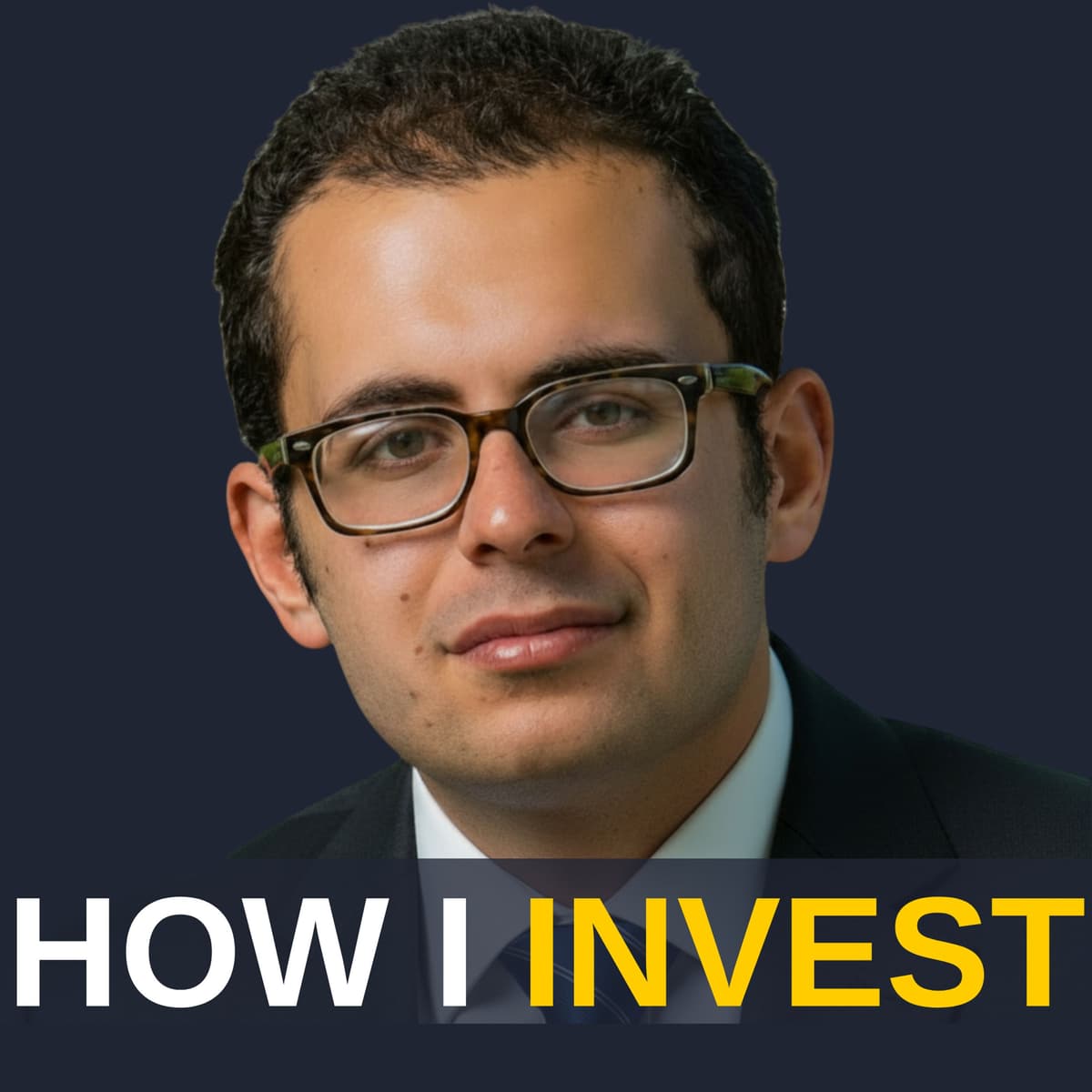
Guest: Joshua Browder, founder of DoNotPay and solo GP at Browder Capital
This episode dives deep into what truly differentiates elite venture capitalists and founders, as seen through the lens of Joshua Browder's unique journey. Joshua discusses building DoNotPay into a profitable, dividend-paying, venture-backed business, his philosophy of being the “first believer” in overlooked founders as an early-stage VC, and the patterns and heuristics that distinguish the top 1% of GPs and entrepreneurs.
Key Discussion Points & Insights
1. Building a Profitable, Scalable Startup
[00:04 - 01:23]
- DoNotPay’s Mission: Started as an AI tool to fight parking tickets, now serves over 100 consumer legal and advocacy areas, with hundreds of thousands of users.
- Lean Operations: "We have hundreds of thousands of customers and it's a very small team of only 14 people at this point." (Joshua Browder, 00:20)
- Profitability & Dividends: Despite being venture-backed, DoNotPay is profitable and pays dividends. Notably, Browder notes, "We were one of the first VC-backed companies to do that... A few months later Google paid their first ever dividend." (00:39)
2. The Venture Landscape: Myths and Realities of Profit
[01:23 - 02:56]
- Counter to Silicon Valley Dogma: Joshua challenges the notion that tech companies should consistently lose money to chase market share.
"It's more of a myth than people realize about whether you should be losing too much money and it's best to have a good business." (Joshua Browder, 01:47)
- For social networks/marketplaces, a longer path to profitability can make sense, but enterprise software should aim for gross profit even early.
3. From Accidental Founder to First-Believer Investor
[02:56 - 07:13]
- Thiel Fellowship Impact: Browder’s time among high-caliber, like-minded founders gave him both community and opportunity.
"The kind of question I always have is how do you convince a 35-year-old to work for you as a 19-year-old?" (Joshua Browder, 03:18)
- Origin as an Investor: His initial investments came from his Thiel Fellowship prize money, bet entirely on Adam Guild (founder of owner.com)—now a unicorn.
"I put it all into him and now the company is worth over a billion dollars." (Joshua Browder, 06:28)
- Investment Philosophy: Be the "first believer" in non-traditional, overlooked founders with high conviction.
4. The “One Decision Per Year” Principle
[07:13 - 08:15], [27:06 - 28:04]
- Thesis: Most impact comes from a single, high-conviction, binary choice annually, not a thousand optimizations.
"People spend too much time over optimizing for the 5% more on the margins... really the best decisions are binary." (Joshua Browder, 08:15)
- Practical application: Dramatically increased returns came from these bold, focused moves—such as investing everything he had into a single founder.
- Operationalizing: Sets personal and business quarterly goals to step back and remain intentional about “big decisions.”
5. Betting on Unconventional Founders
[10:03 - 17:16]
- Philosophy: Back non-credentialed, underestimated entrepreneurs. Many are pre-accelerator, even pre-incorporation; Browder acts as a “one-person accelerator.”
"It's better to create your own momentum than chase the hype of others." (Joshua Browder, 10:36)
- Key Traits He Seeks:
- Grit outweighs IQ.
- A "chip on their shoulder" mindset; deeply personal motivation.
- Top 1% execution in at least one area demonstrated young (e.g., coding, building businesses, distribution).
"If they were earnest and they never gave up, they didn't achieve some level of success." (Joshua Browder, 15:15)
6. Startups as Momentum Machines
[17:42 - 19:09]
- Momentum is Existential: Companies die by running out of money, hope, or from cofounder disputes. Momentum keeps hope alive and builds a snowball of credibility.
"The number one thing I do for the entrepreneurs I back is every week I want them to feel like they're making serious progress... it builds over time." (Joshua Browder, 18:15)
7. Founder-Driven Scaling and “Life’s Work”
[19:09 - 22:15]
- Role Evolution: Early-stage founders must be product obsessives; as momentum builds, they become organization builders.
- CEO Continuity: "If the founder's heart is in it, they are always the best person running the company, at least nominally as CEO." (Joshua Browder, 19:59)
- Life’s Work Indicator: Deep, personal reasons for building matter; ego attachment or emotional commitment often signal resilience over time.
8. Interviewing and Diligencing Grit
[22:15 - 23:58]
- Zero Tolerance for False Hustle: Tests founders’ real-time work ethic (e.g., scheduling late-night interviews, product metric recall).
"What type of serious entrepreneur doesn't have the Stripe app on their phone?" (Joshua Browder, 23:33)
- Grit and scrappiness matter much more than credentials/age.
9. Portfolio Construction: The Case for Focus
[24:36 - 27:06]
- Evolution: First fund ($2.5M): "Just find the smartest people I know and give them $100K." No construction.
- With Scale: Third fund ($13M): Focused on higher ownership (5%+).
- Key Realization: Highest value creation is at pre-pre-seed. For his fourth fund: "No reserves, all capital toward first-check, first-believer investments at low valuations." (Browder, 26:00)
- No Middle Ground: You're either a mega-platform or an ultra-early “Bay of Incorporation” operator.
10. Product Thinking and the Power Law of Time
[28:04 - 30:17]
- Biggest Hurdle: Not the lowest-priority task, but the second most important.
"The number one thing keeping businesses from solving their number one problem is their number two problem." (David Weisburd, 29:20)
- Sam Altman Example: Best leaders focus on the big levers—the 100x differences between priority #1 and #2, not micro-optimizations.
Notable Quotes and Memorable Moments
-
"It's more of a myth than people realize about whether you should be losing too much money and it's best to have a good business."
— Joshua Browder (01:47) -
"I put it all into him and now the company is worth over a billion dollars."
— Joshua Browder reflecting on his founder-first approach (06:28) -
"People spend too much time over optimizing for the 5% more on the margins... really the best decisions are binary."
— Joshua Browder (08:15) -
"It's better to create your own momentum than chase the hype of others."
— Joshua Browder (10:36) -
"If they were earnest and they never gave up, they didn't achieve some level of success."
— Joshua Browder, on the 1000+ founders he's observed (15:15) -
"The number one thing I do for the entrepreneurs I back is every week I want them to feel like they're making serious progress and it builds over time and it's like an escalator of momentum and credibility."
— Joshua Browder (18:15) -
"If the founder's heart is in it, they are always the best person running the company, at least nominally as CEO."
— Joshua Browder (19:59) -
"What type of serious entrepreneur doesn't have the Stripe app on their phone?"
— Joshua Browder, on founder diligence (23:33) -
"No reserves, all capital toward first-check, first-believer investments at low valuations."
— Joshua Browder, on his fund’s strategy (26:00) -
"The number one thing keeping businesses from solving their number one problem is their number two problem."
— David Weisburd, channeling Dave from HF0 (29:20)
Timestamps for Key Segments
- 00:04 – DoNotPay’s business & evolution
- 01:23 – Challenging SV’s growth-at-all-costs narrative
- 02:56 – Becoming an investor, the Thiel Fellowship, “first believer” thesis
- 07:13 – Big decisions vs. marginal optimizations
- 10:03 – Early-stage investment, finding undervalued founders
- 15:15 – The primacy of grit and personal connection to the problem
- 17:42 – Startups as momentum machines
- 19:09 – The founder’s journey: from product builder to organization builder
- 22:26 – Interviewing founders, “psychoanalytical aspects”
- 24:49 – Portfolio construction lessons across four funds
- 27:06 – Operationalizing “one decision per year”
- 28:04 – Product thinking, power law prioritization, operational wisdom
Tone & Language
The conversation is frank, practical, at times contrarian, and rich in real stories and operational examples. Joshua conveys a founder's intimacy with scrappiness and grit, while David probes for frameworks, patterns, and practical strategies.
Summary
This episode is a goldmine for those looking to understand early-stage venture capital not as a numbers game, but as a process of deep conviction, operational depth, and founder empathy. Joshua’s blueprint is clear: Find those with a chip on their shoulder, exploit the power law of focus, and above all, be the “first believer”—hugely before the market catches on. The best returns and the strongest companies, Joshua demonstrates, come from a blend of tactical support and betting on people for whom the work is personal, not just professional.