← How I Invest with David Weisburd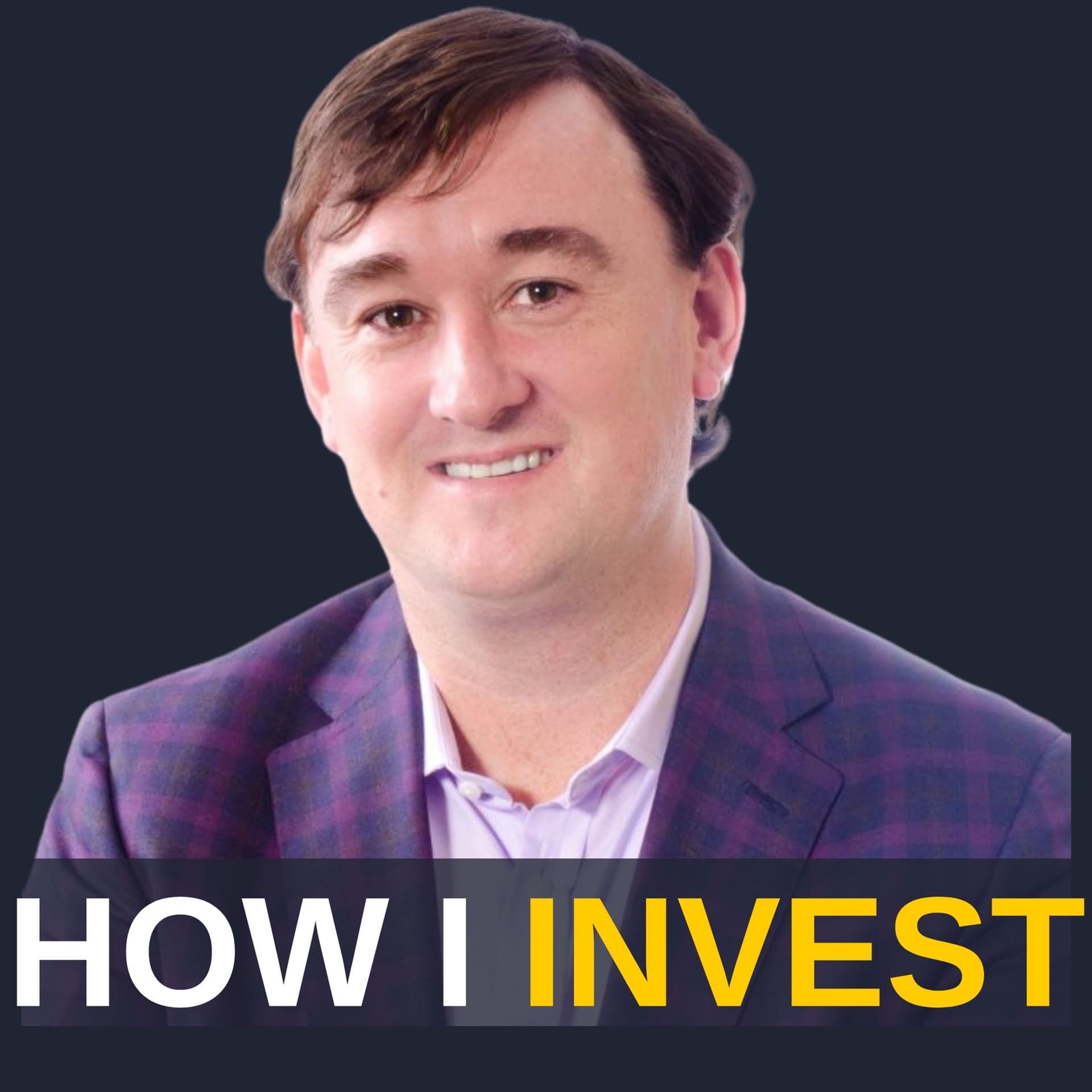
How I Invest with David Weisburd
E167: The Hardest Questions Limited Partners Ask GPs w/Stepstone’s Hunter Somerville
00:58:15
Loading summary
Transcript75 lines
- [00:01]
David Clark
Today I'm very excited to welcome Hunter Somerville, partner at Stepstone Group, a private investment firm with 179 billion under management as of end of year 2024. Hunter shares his insights on emerging managers, what makes VC successful in 2025 and how Stepstone tracks performance at the individual partner level across 300 venture and growth managers. We'll explore Stepstone's approach to spinouts, key metrics beyond simply DPI and tvpi, and leading indicators that a manager can build enduring venture capital franchise. Without further ado, here's my conversation with Hunter. Are emerging managers dead on arrival for us?
- [00:43]
Hunter Somerville
Not at all. I think it will be a harder fundraising market for emerging managers, but there's so many different profiles of emerging managers to consider out there. I think for some it will be much easier and more straightforward from a timeline standpoint for for others more difficult. And I guess to break that down a little bit further for those that are leaving an established brand, that have a very clear and fully attributable track record, that have reached some level of seniority, we are seeing those fundraises happen quite quickly. And I think the reason for that is LPs have realized they probably have too much exposure in groups that are larger in the multi billion dollar kind of size range and a need to mix in and dollar cost average down with fund sizes that are probably more in the 50 to 300 million range. That being said, they're not in a huge hurry to go out on the risk curve and add managers that have never run organizations or have bodies of work that are more opaque or less clear. And so when you see someone leave an established brand and start a new organization that has done all of that, you know, sophisticated LPs that are active in venture move pretty quickly and those fundraises happen, you know, in, in very short time frames. Where I think emerging managers are in more jeopardy are when it's someone that's a mid level person, that's never run an organization that has a body of work that maybe they sourced but they didn't cover, they didn't sit on the board of or operators that have never invested before, don't have an investment track record or have done very tiny angel checks that are just not indicative of their ability to execute as a lead or a number two in seed rounds going forward. So it becomes a bit of a have or have not story. The other groups that I think are in trouble are groups on roman numeral, maybe two or three that have just not shown enough in their early body of work.
- [02:46]
David Clark
There's these two conflicting memes in the marketplace. One is emerging managers are higher risk, higher rewards. A lot of emerging managers and funded funds subscribe to that. The other one is, I would call it the David Clark Ven cap, which is we want to invest into all the traditional funds because even on a, even on a post risk adjusted basis, they perform better than emerging managers. Where do you fall on the spectrum?
- [03:10]
Hunter Somerville
We don't believe in indexing venture as an asset class. And I think you have to be very picky among the spin outs. You know, we look at all of them, we try to be informed and in front of all of them we track all of their bodies of work and what they've done historically. So if a spin out happens, we come in with a prepared mind and have a point of view on whether we want to dig in further. But I would say not all are created equal. And even those that are leaving established brands and were general partners at those groups, you know, some of those are regrettable churns, you know, where it was not someone that the organization wanted to maintain or keep. And while it's a good brand and they had seniority, it's not something we want to do on a standalone basis. And so we try to be efficient with that filtering and spend time where it's warranted.
- [04:02]
David Clark
And even at the top firm, you have a wide variety of skillset within even a top firm. You mentioned that you have a prepared mind. You anticipate these spin outs. How do you get, how do you keep a prepared mind when it comes to managers? And what kind of metrics are you tracking?
- [04:18]
Hunter Somerville
You can't fully anticipate spin outs. You can look at organizations and know where there's dysfunction or where you think that it's going to get worse, where, you know, economics aren't being distributed appropriately or where there are people that are hanging on too long instead of retiring and where young people are overburdened taking on other people's workloads or covering companies that have not worked for senior level partners. So you have an opinion on like where the culture isn't working, where the economics aren't going in the right directions. But you never know because even when all of that is the case, it's still a comfortable existence for some of these folks and they don't want to go out on the risk curve and leave economics they already have in the ground to start something new. It takes a lot of faith in yourself and a lot of embracing of risk to do it. And many people just aren't built for that. That being said, we know those firms, we know where we think it will happen. And there we dig in even further on people's bodies of work and track records in case it does happen. But as an organization within our venture group, we are tracking attribution and performance for every individual within the funds that we're in and the fortunate position we find ourselves in. We are in over 300 venture and growth managers to begin with. And so we have very broad coverage of the venture and growth ecosystem just by the nature of the number of managers that we have capital behind. And that allows us to get the data on what each individual partner is doing, the roles they've served in sourcing and coverage in value add, post investment. And we compile all of that and go through it as a venture team on a quarterly basis where we look at the rising performers, who's doing well within those organizations, who we may have not appreciated just from like a diligence effort when you're spending time with the manager and who's had really good follow on activity in the investments that that they've made. And we start building narratives among our team both as we assess that manager and as we consider whether there's spin out potential from specific individuals within that manager. And that creates the prepared mind that I was talking about in case something does happen and becomes catalyzed. And we then try to move pretty quickly because not only would we like to be active in backing those groups, but we're very happy to be an anchor and a first group to commit. We don't need social proof we don't really care about. And we want to be part of the journey with those managers from the very beginning and help them think through building a great organization and picking the right LP partners, which as I mentioned before is a huge intrinsic risk if you don't do it. If you're picking folks that are fickle, that are not committed to venture for the long term, you don't diversify correctly. By type of lp, I mean that introduces massive risk on fund two or fund three. If things don't go linearly and they rarely do.
- [07:21]
David Clark
There's been this meme and venture where you don't really know whether you're good. For many decades there's this really long feedback loop. To me that's always seemed a little bit absurd. Even if a company has not had liquidity, if you invested at the seed round and it just raised a series D, that seems to be a sign of skill. Talk to me about what you're tracking pre DPI to tell if a manager.
- [07:44]
Hunter Somerville
Or a fund, yes, any LP who's waiting around for DPI metrics is never going to select correctly. Obviously we all care about dpi. We care about DPI more now than we probably ever have as liquidity continues to be maybe the number one challenge in our asset class. But you can't make manager decisions based on that. It takes too long and you need to be better at your job and more granular down to the company level. And that's always how we approach diligence. It's an asset by asset review and you need to have a point of view around that. And that's why people who spend a lot of time in venture have a deep team around round venture are always going to do better in selection because you can't just look at last round pricing and say that's success. You need to understand the operational traction within these businesses. You need to understand how they compare and contrast versus others within their category. You need to understand how important the manager has been as a partner to founders as well and be able to get to that level of informational asymmetry. And so that takes a lot of work and that takes a lot of knowledge on the individual subsectors and categories. That's the hard work you need to do. From a diligence standpoint. Follow on activity is a great indicator. Follow on activity from great syndicates is a better indicator. But beyond all of that, TVPI is subjective. You can manipulate it. You need to understand whether these companies are fundamentally high quality, whether the metrics warrant it, whether the unit economics are proven, and how they compare against others in their respective categories.
- [09:25]
David Clark
So just because the manager has an asset at 3x, another manager may have the same exact asset at a 2.5x or somebody might even be holding it at cost, depending on the situation. So you really have to double click on the asset and figure out the intrinsic value of it rather than where the manager is tracking.
- [09:42]
Hunter Somerville
We just, we just said you can't use DPI because it takes too long. You can't use TVPI because it's too subjective and manipulated. Particularly now because valuation policies have changed significantly and they're still not consistent across manager cohorts. We actually oftentimes look at assets and are curious on how they're valued by four or five different managers that are in it. And it's always different. And so you have to almost like recreate TVPI on a level that you think is appropriate, specific to those businesses, and then make an Apples to apples comparison on managers. You know, doing that you almost have to come to your own point of view on what the appropriate value should be because you can't rely on the manager. They may be too conservative, they may be too aggressive.
- [10:31]
David Clark
I found that this valuation policy and valuation mechanism underprices the top firms and overprices the bottom firms. What I mean is if you're right at the margin of being a great firm, so let's say you're right at the margin of having a good fund, you may be compelled to overvalue the assets so that you could raise more capital, get more management fees. Where if you're doing really well and you're a top firm, you're going to want to under promise over deliver in order to build a relationship long term. So there's more alignment on the long term than on the short term.
- [11:01]
Hunter Somerville
We consistently find that to be the case and it goes into our memos now where we look at aggressiveness of manager on valuation, what performance would look like at last round pricing, what we think is appropriate performance if we right size it versus how other people are carrying the value driving assets. And so it requires getting much more in the weeds around what appropriate value is per manager. And the best managers just don't care. You know, they, they are able to raise pretty easily and therefore don't have to maximize and would prefer to show their LPs they're being conservative and not taking marks up to where they could. And emerging managers are banking on the fact that LPs are not going to do the hard work, are only going to look at TVPI and are going to benchmark that performance against whatever benchmark they're using and only look at it at that level. And many people will do that because they don't have the team or the time to dig a level deeper. And so unfortunately it creates bad behavior from people that you know should be showing more conservativism and creates overconservativism on behalf of people who have already performed and don't need to think about fundraising in the same light.
- [12:20]
David Clark
Talk to me about the second order effects of this, the game theory on valuation.
- [12:24]
Hunter Somerville
Yeah, I mean it's indicative to some degree of like what kind of communicator you are. And I generally find like when you back an emerging manager, you get a sense for that pretty quickly. And I think people who are really focused on building like a lasting best in breed organization over optimize in a good way for communication up front. And they try to be extremely transparent with their investors on what's going well and what isn't going well. And I think that's appreciated and it creates trust. So I don't want to like overstate this, but we've seen pretty consistently that when we back a fund one or a fund two and they're great communicators just on the progress of their portfolio, it tends to be, you know, pretty good from a partnership standpoint. That doesn't ultimately mean they're good selectors or their sourcing is better than others. And so both need to be the case. But I do look for these kind of indicators on people that really care about building best in breed organizations because for that that's important to us. We can't back hobbyists, we can't back people that want to do this for five to 10 years and then get out, or people that view this as sort of like a side family office where they're bringing in third party capital. So yeah, I would say there is some indication that comes along with that just in terms of how they're thinking about building their firm and the organization around it.
- [13:48]
David Clark
What other behaviors and character traits do you see are predictive or leading indicators for someone that's trying to build a long term franchise?
- [13:56]
Hunter Somerville
There's a bunch. I mean there are personality indicators we care about very deeply. You know, I've talked about that historically, just around grit, chip on your shoulder, wanting to knock down walls to get things done, no sense of entitlement. Even if you have worked for one of those upper echelon brands like you should come into starting your own firm with a completely different mindset. I think it's generally a bad sign when you're automatically creating barriers between your investors and you up front or trying to insert people in the middle or just not being a good communicator. I think there are ways to build the internal operations of team. I'm very comfortable with people outsourcing up front, but as things go along, like oftentimes it does make sense to add a great COO and think about best in breed finance or people that can help you with brand building and marketing. And so all of these things I think are just important indicators about wanting to build a great firm and organization. Also getting, getting your message and content out clearly and effectively with granularity. Even when we're tracking managers that we maybe don't say yes to immediately. I will always read great content that they put out on their portfolios. I'll read content they put out on their opinions too. But I really like to see someone lay out everything that happens on a quarterly basis in terms of follow on activity, in terms of operational milestones within the portfolio. That's just so objective and if you can do it in a very concise, objective way, it's extremely helpful for me from a tracking standpoint. I also think how you think about your LP base, how you think about your advisory board, how you interact in that first year of business, whether you want feedback, whether you ask questions just around the organizational dynamics and the LPGP relationship side of things, all of those are great indicators as well from a success standpoint.
- [16:03]
David Clark
Thank you for listening. To join our community and to make sure you do not miss any future episodes, please click the Follow button above to subscribe. I want to highlight something that you said Mid office back office probably the most underrated aspects of firm building is how do you get the right cfo, the right reporting? Not only because it's great for managing relationships with LPs to your point on communication, but also it could be a source of insights and competitive advantage against other firms just knowing everything about your current portfolio. Something that I feel like a lot of VCs don't actually know.
- [16:36]
Hunter Somerville
I totally agree and I don't expect them to figure all of that out on a Fund one or even a Fund two. But you start incrementally building around that and getting insights on your portfolio is important to communicate and also to know internally. And we have found it generally feeds into whether you're thoughtful on reserve management, portfolio construction, thinking through ownership. You know, if you're loose on the tracking of what you do, it generally translates into mistakes you'll make on portfolio construction and portfolio planning.
- [17:09]
David Clark
You guys have invested billions of dollars in the asset class. Is there a right answer on reserve strategy by stage or is it all based on the venture strategy and the competitive position that the venture firm?
- [17:23]
Hunter Somerville
I would say more the latter. I don't like to be dogmatic and tell people what what to work for them and I generally am a believer in building concentrated positions behind your winners as early as you can. But maybe you're doing that all up front and have maximized ownership in that regard. If you haven't like I would. And so it doesn't need to be through reserves. But most of the groups that we've backed do have more aggressive reserve approaches and will continue to back their winners, you know, through whatever number of seed rounds there are through a very selectively and be and then take take the foot off the gas and if if they do have A selector, opportunity, fund, then there's a lot of considerations that are different that come in at that point. But. But I don't say like it has to be one way or the other, but we have a bias more towards folks that will reserve and build positions behind their winners.
- [18:19]
David Clark
There's an old proverb, success has many fathers, failure is an orphan. Talk to me about how you go about ascertaining who actually within the firm did the deal. Attribution, how do you know who's responsible for success with it?
- [18:33]
Hunter Somerville
I think it's a real mess right now in figuring that out. It's probably the worst that it's ever been. And the reason for that is because senior level partners within these organizations have so many board seats because there has not been realizations or a high level of IPO activity and a lot of the losers just won't die. And therefore they're maintaining massive board loads and they're giving a bunch of their middling companies or even their bad companies to junior or mid level partners or principals to start covering and to learn pattern recognition around and board coverage and board presence. And so the failures end up being inherited and they also take up a lot of the time of the new partners that you would instead prefer to be finding a few new good investments to actually get fully behind and have fulfillment on a day to day basis. I mean that comes with the job. You're always going to have to be helpful to people that have been doing this for a long time. But it does seem like a lot of junior level partners are just massively burdened by the history of an organization. And so from an inheritance standpoint, like hopefully you wouldn't see people push off their losers and then not continue to claim attribution. And for us, since we track all of this anyway, if they do, we'll know that they're doing it for new investments. It just becomes increasingly clear because a lot of firms are set up where they need to have like a senior GP level champion. And that champion probably didn't source the deal and may or may not be the one who actually attends most of the board meetings. You know, maybe they come to one a year, maybe they come to the first one, but they're still the named partner on it. And that's when you just have to do even more work as an LP to figure out what's going on. Like the backstory, who was involved in originating it, why, what was the connection, what led them to win? Was the senior partner critical in allowing them to win? Or were they just there and then who's actually interacting with the founder, either in board meetings or just through interaction and catch up and assistance in recruitment or customer introductions. And so you have to create your own attribution narrative. Like if all you're doing is hearing who talks about the company at the annual meeting or seeing who's listed in a quarterly report, if they give you that level of information, I mean, you're just not doing your job correctly and you're not getting to the core truth because a lot of this is obfuscation and a lack of clarity.
- [21:09]
David Clark
So around attribution, there's a sourcing component, there's the board component, there's the value add component. How do you bring these factors together when asserting attribution? And what really matters at the end of the day, is it not just sourcing that's driving the returns and benefits?
- [21:25]
Hunter Somerville
I mean, sourcing is probably the most critical for me. But at the same time, like some firms are just like doing massive outreach and cold calling. And just because you were an associate that found a good company and set a call, you know, I wouldn't call that sourcing. Like sourcing is, is broader and deeper than that. For me, it's finding a good company, it's doing research on the category, it's having a thesis and a point of view within that category, it's having gravitas, knowledge and network within that category. Ideally, maybe you've worked in that category historically or you have a network that very clearly ties you to that category. And when it came time to compete against other firms to be the preferred partner, you were able in some degree to be the major contributor to winning, probably not the only one, because you always need to bring in your teammates and take more of like a group mentality to that. But if all you did was find it and pass it off, I'm not going to say like you're responsible for sourcing on that. It needs to be, you know, bigger, broader and more thoughtful.
- [22:35]
David Clark
So even sourcing itself has a wide spectrum. You could be the person cold calling, you could be the person that's known the entrepreneur for 20 years, invested in three.
- [22:44]
Hunter Somerville
Did you consciously build that relationship? Did you know this person was special for a long time? Did you even track them at like their prior organization before they started to found and put together the company? Did you do real work on this space? Like, did you sell the founder on, on actually being knowledgeable, just doing outreach? You know, that that's more mechanical, that's more process, that's more firm Driven that that's not fundamental to your essence of being a good, thoughtful, prepared investor.
- [23:13]
David Clark
Last time we chatted, we chatted about this right to win, which is the entrepreneur, the top entrepreneur, choosing you as a firm over your direct competitors. Talk to me about how you figure out a specific partner's right to win, a firm's right to win and how that may evolve if somebody spins out.
- [23:33]
Hunter Somerville
That's the hardest part on, on emerging managers. And so you really need to figure out whether their success was driven by the prior brand that they worked with. Because we all know, particularly at Series A, there is still a massive brand halo effect, maybe less at seed, but certainly it's Series A. And you could fall into the fallacy of believing that this individual brand around them is more important than the firm that they worked at before. And so that requires pretty heavy referencing around the, the case studies and the stories on, on why the firm won, whether it was the brand, whether it was the individual. And now on a go forward basis, who's going to get their founder referrals that they inevitably will have? Are they going to send them to the original brand or are they going to send them to the person who they viewed as helpful and as a true partner? And to some degree that just speaks to the depth of relationship that the individual partner has formed with that founder. It has to be more than attending a board meeting two or three times a year. It has to be really like human to human depth of relationship building and also like proved network and expertise that they can bring to bear to be helpful. And so if you speak to enough of the value drivers within the track record and understand those dynamics, you can start piercing through whether or not it was the brand or the individual that really won out. What makes some of those considerations easier is if you feel like the brand itself has begun to deteriorate, or if you feel like the brand itself was driven by just two or three people and it wasn't as, as, as widely dispersed in terms of success within those groups. And so that can make your job easier. But if it's a great brand that still maintains that endurance and you're backing a spin out from it, you know that that's a hard thing to parse through and is oftentimes like a make or break decision on the success of that, that person on a go forward basis. So a lot of time and diligence needs to be spent there.
- [25:44]
David Clark
There's a consensus view by LPs, by the top LPs that the top founders choose the GP not the other way around, there's only so many great founders and they essentially do like a reverse, reverse roadshow more or less. Double click on brand. What is the second order effects of a good brand for an entrepreneur? Is it recruiting, is it fundraising? Why does brand matter for the entrepreneur?
- [26:08]
Hunter Somerville
I don't think brand matters at every stage. I do think like as a great investor you should always be selling founders and, and, and take that mentality. So I don't know that I believe brand matters across the board. I think it changes in, in different stages like at pre seed. I don't know that brand matters as much. It's, it's almost on identifying the right people the earliest and I think you can that way and, and get past brands. At traditional seed I think brand starts mattering more but it's also, you know, comes down oftentimes to how you can be helpful in terms of network and connectivity to series A and customer and beta customer introductions and what you can bring to bear. That way series A brand matters the most. And I think that's why when you see spin outs, you don't see as many people spin out and try to do series A right off the bat or at least not large series A because it is just so hard to compete against those 20 or so firms that are doing it. The way you compete is you sell that the to the founder that you're getting the most senior partner and a much higher level of engagement than they would be getting from the multi billion dollar brands that care obviously more about their companies that have gotten bigger and where they've put more capital behind them. And so that's on the brands to prove that they won't act that way. And that's on the the seed or the small series A firms to prove will give more. So I think that's where brand matters the most. And then once you get to early expansion, you're really selling your, your firm. I think brand matters just in terms of continuing to show momentum but oftentimes there's a lot more that goes into to that sale process and then right before ipo, you know it with crossovers it's probably about how you can be helpful in thinking through preparation of ipo, building a public book of investors and the considerations become more more around that. And so yeah, brand for me has the highest level of importance, you know, at probably A, early B or late.
- [28:19]
David Clark
C. Many nuggets to unpack there. One is if you're going head to head against top firms, you want to go a little bit earlier until you establish that brand. So that when you're competing against the Sequoia or Andreessen heads on, you have at least some brand. You're not starting from no brand. So you might be losing a little bit on brand but you're gaining more on other factors like senior partner involved.
- [28:43]
Hunter Somerville
And those are going to be hard to go up against. And so even if you can just find a way into that company alongside of them, that that may be the win.
- [28:52]
David Clark
And what are the other sales pitches or differentiation that you've heard at the A for these, call it, you know, for these funds that may be in the third, fourth vintage that have some brand. How do they compete and how do they win in the best companies when it happens, how does it happen?
- [29:09]
Hunter Somerville
Yeah, it's around what we just discussed where it's most senior level partner on the board, fully engaged, giving you them specifically and no one else and committing to do that and being that involved and it being one of their three most important projects that they're going to get behind in any given period of time. Number two, I would say you're providing customer introductions or beta customer introductions up front or very soon after and you're continuing it. Everyone's good at providing those like when you're trying to win a deal. But like can you consistently do that? And good founders will ask that and reference that. And so if you're bringing that to bear and really like, like showing the founder the love from a customer introduction standpoint, I think that that breeds competitiveness as well. Helping with recruitment, like, you know, I don't think many people do that well and they overstate their abilities to do that and great companies don't always need that. And so I'm just naturally skeptical. Some break the mold there but, but most don't from a value add standpoint, you know, I, I, I, and then like, like showing the health and longevity of your organization versus others, like has the team stayed the same? Is the culture really good? Like to some degree founders are betting on the ascendancy of your brand too and that it's not like at a peak and falling downward like some higher Roman numerals are. It's that you're actually getting behind someone that in, in five years is going to make you look even better year. It's almost like how, you know, some of us think about maybe their college or MBA that they, they've chosen and they hope like 10 years from now it looks even better on their resume than it did when they went there in the first place. That's sort of like the mental calculus you're going through with some of these at Roman numerals 3, 4 or 5.
- [31:05]
David Clark
Do you find that there's more openness for this pitch in terms of I'm you're going to be one of my three most important companies, I'm going to bring customers, I'm going to help you recruiting. Do you find that second and third time entrepreneurs that gone through the journey that some maybe even gone public and know the value of brand but also the limitations of brand that are more open to that pitch or do you find that it's regardless of whether it's a first time entrepreneur, second time entrepreneur.
- [31:33]
Hunter Somerville
It'S all over the place. I mean brand still does very much matter at that stage. I think, you know, the ascendant brands can sell themselves effectively but, but even among that cohort you have to be really good. You have to have a point of view. You have to known for being really high quality within certain categories and you have to follow through on what you say in terms of that engagement level. You probably also need to show more flexibility up front on like sizing or ownership percentage or how to think through the journey of financing for this company in the future and also show how you can be helpful if, if, if it's not like one of the top brands, then bringing in that top brand, you know, with good relationship bonds right after in a quick B or something like that. And so, you know, those are the intangibles that I think need to be thought through and, and brought to bear as, as one of those groups that are maybe on the ascending side.
- [32:33]
David Clark
Taking a step back, we last chatted, we last did a podcast over a year ago. Tell me where Stepstone is today in terms of your vision venture practice.
- [32:40]
Hunter Somerville
Yeah, it's very similar from before. I mean we continue to be extremely active in secondary, particularly on the company side. We've never been overly active on buying portfolios from people that need to sell. And you know, I would say that activity level has slowed down to some degree. It may pick up again as people continue to be overallocated and face stressors with denominator effect and continued public public performance deterioration. But for the time being, where we're seeing the most activity in secondary is on strip sale activity where people sell a third of their portfolio and change TVPI to dpi. And then also in people that have been in the cap tables of companies for 10 years and want, you know, 20 to 30% liquidity just because it takes so much longer for A company to eventually go public and, and and or because M and A has become more challenged over time and secondary continues to be a crit important part of what we do. And I think increasingly something that we are known for within the market. Beyond that, active and smaller managers have always been active there and are probably more aggressive in the cohort of like 50 to 125 million. Some of our smaller managers just through success have gotten bigger and have scaled to 200 to 400. And so we are increasingly thinking of replenishing some of our micro roster with managers that are more in the 50 to 100 range. And then we're also spending more time on what I call micro growth equity and finding the same dynamic except around bootstrap businesses and firms that are backing bootstrap businesses and spinning out of growth equity firms that have now grown to 500 to 2 billion, which is a different beast, which becomes more banked, which becomes more intermediated. And we think there's really interesting groups that are doing, you know, ARR businesses of 2 to 6 million in bootstrapped companies that won't raise five venture rounds will just raise one growth equity round and then they'll sell them to private equity or larger growth equity and it'll be financial buyer to financial buyer. And you don't have to depend on IPO and you don't have to depend on M and A becoming easier. You're just selling to someone else who has raised a lot of money and needs to put it to work. So that is an area that we think is increasingly interesting that we're spending.
- [35:07]
David Clark
More time around to double click on that. These deals that were supposed to go M and A strategic M and A and IPO are these deals structured to the very beginning to be private equity?
- [35:17]
Hunter Somerville
Like I mean I think they're structured to have optionality, but most of them are going to financial buyers just because it's a more straightforward path. There's a lot of people sitting in fund sizes of 500 to 2, 3 billion. And if a growth equity firm can come into a business and clean it up and clean the cap table up and get it on a good growth trajectory and add good management, they're basically positioning this as a great asset for someone with a 500 to $2 billion fund size range and they would be happy to take that on after the micro growth firm has been in that company for three to five years. And it can be a really nice de risk 3-5x kind of multiple for the micro growth firm and a really well positioned, polished business for the larger growth firm to then start doing add on acquisitions around or further team augmentation around. And so yeah, strategic is always a nice avenue to consider or pursue. But I love having a robust financial buyer as the end market there. I just think it's unique and different. You can't do that in venture because most people aren't going to want to sell for 500 million and most PE or growth buyers aren't going to want to buy because venture businesses are all hyper growth. These businesses are at or near or fully profitable even as an earlier top line business. So it's a much different prototype. And if for some reason the micro growth firm finds a business that becomes hyper growth growth, then it can veer into venture and someone can do a momentum round on that and the micro growth firm can sell to the momentum venture person in a late stage instead. So there's just a lot of optionality.
- [37:06]
David Clark
There, there's some AI factor and you're better well positioned than a de novo startup. There's this almost like dogmatic view in startups that everything has to start from the beginning, but sometimes you do have have incumbent resources as a company that helps you compete in these.
- [37:21]
Hunter Somerville
It's a great point. And around AI like I increasingly think a large cohort of these vertical SaaS businesses are actually better suited for the growth equity path than the venture path because they are going to be massively susceptible, more on the horizontal side, but even on the vertical side. And some of these are just going to be more niche businesses where you're really appealing to the functionality of a narrower customer set. And that's not really suited for momentum venture. That's suited for growth equity where you're nailing the customer experience and then you're selling to someone else that can think broader later on. But you've probably narrowed your TAM purposefully and it can work in growth equity and micro growth equity and it's probably really ripe for churn and disruption from AI and other sources if you go the venture path.
- [38:11]
David Clark
I was at a dinner last night, group dinner, and there was an asset manager, they have over a trillion as a bank and. Or he was talking about how AI was dramatically improving their diligence process, their ability to quickly create reports, quickly diligence funds and also portfolio companies. How is Stepstone using AI today and where do you see this evolving over the next year?
- [38:35]
Hunter Somerville
Yeah, no, it's something we think a lot about and it's actually something we've empowered a lot of like the upper mid level of our firm to implement because they are closer on the diligence deliverables, they're closer to some of the technology and the usage around that. And so we've been very conscious at doing this. We've been incredible, I think, at amassing massive amounts of data. Stepstone as an organization has always employed internal business intelligence people to compile that data and make it accessible for our investors and for others that are looking for research. And so we are known for doing this. What we probably have really upped our game around in the past two years is on automating a lot of our diligence processes and data collection and data assessment. So we do things internally called scoops where anytime a round happens or an exit happens, we want to know the impact across our entire portfolio on a real time basis down to the fund level, our fund level, and then the underlying manager level. We want to know DPI impact, we want to know TVPI impact before the next quarterly happens. And so a lot of that had been done historically manually by our team. That's where we've been able to insert technology, make it all automated, free up the time of our mid and junior level team to instead focus on finding great opportunities through the review of our data and bubbling that up instead of getting caught in just pure process. We also going back to the attribution analysis on thinking through what appropriate TVPI should be separately from what the manager reports. And then also in doing projection modeling where we think on what future value could look like on an underlying asset level when we do diligence. All of those processes can now be automated and done through the usage of technology instead of done through a spreadsheet sheet by our analyst, associate, senior associate and VP team. And so we love thinking through what parts of our diligence process, our reporting process, our analytics process can be automated and done in that direction. And I continue to think people on the venture side could do a much better job in thinking through how they handle Publix. And so we're internalizing that as well. For public stock we receive and also direct investments we have that go that direction.
- [41:02]
David Clark
There's a, there's all sorts of really interesting use cases for AI. One I heard at the dinner as well, Cigna software, which allows you to figure out influence circles so who follows who to see where the next great entrepreneur might come from or the next great influencer within the business community. So this kind of almost like social score that could be a really interesting vector for diligence.
- [41:27]
Hunter Somerville
Yeah, I think conceptually that is really interesting. I'm not sure that I've been blown away by, by anything that I've seen in terms of like the accuracy of that. But I think it will continue to be better. You know, we try to figure out a lot of that ourselves, just knowing sort of the intersection and overlap with the managers that we work with and the large number of seed groups that we assess and spend time around. But I do think a tool like that would be additive. I guess I'm just not fully sold on the data inputs that are going into that fully. If you're mapping social circles like that doesn't show the depth of relationship and you know, if you're looking at prior employment and trying to make decisions based off of that, there's still levels beneath that you need to understand on overlap, time of overlap, department level, points of view. I just don't think it's as straightforward as people make it seem. It'll get there though.
- [42:23]
David Clark
Stepstone has all these strategic aspects in that you go into a fund, you have access to direct investing, you have access to secondary. Tell me about how you start relationships with funds and how do those evolve over the lifecycle?
- [42:36]
Hunter Somerville
No one's too early for us to talk to. Like if someone is starting a new fund, we're happy to do a call. When they're 5 to 10 million, we're not going to invest in that because we'd be their entire fund. But we begin to build a relationship and see what they're up to, understand the founder cohorts that they're getting behind their prior connectivity to that the follow on activity that I've discussed today, the syndicate overlap with people that we work with or respect or think highly, highly of. And we love building pattern recognition as early as we can. And so, you know, nothing's too early. We're fortunate to get a lot of people who reach out to us proactively knowing that we're happy to be a first investor in funds and we don't need social proof and that we're very open to building relationships from the beginning. And we have, you know, 80 people on our venture growth team who can do this. And so it doesn't always have to be me or a senior level partner that's doing it. You know, there's principles and junior partners that would love to find interesting managers and build those relationships directly. And because of how we're set up, like I always read and know of everything that happens in terms of external interaction. You know, it all gets shared through email, it all gets shared to the entire team. We know on any call that has happened that's relevant on the fun side. And when I see something that maybe I wasn't on the call of that's interesting, then I ask questions or I insert myself in the future. And so people should be open minded to just building relationships with the organization, regardless of who the person is, you know, that they're speaking to up front. But for us, love being able to build pattern recognition and get to know people as early as possible.
- [44:20]
David Clark
Talk to me about your calendar. What percentage of time is spent with managers? What percentage with portfolios, internal, external, break it down for you.
- [44:29]
Hunter Somerville
I mean, I'm a, I'm a psycho just in terms of how organized and planned I am and also how much I load my calendar. You could also say I'm just a bad delegator, but you know, I, I take the good with the bad. But my calendar is generally broken into 30 minute increments. Increasingly I've even done 15 minute increments. I review it like three weeks in advance. I have reminders of people I need to do outreach on every day. I don't go to sleep until I finished that list. And so most of my evenings are spent reviewing that and making sure there's no one on the founder, gp, LP side that I have not followed up with. All of it is very systematized for me and thoughtfully put together. I add support on calls among our team where I think that that's important and I build dup duplicity of coverage thoughtfully in case it isn't me or I have to change something last minute for like an immediate ASAP kind of priority. I'm always accessible into the evening hours and over the weekend. I love what I do. I live and breathe it. I try to outwork people as much as I can because that's just important to me culturally. And it's because I love what I do that much. I cover a lot, so that is a very fair weakness that anyone can write about me in a memo. But I'm happy with that and I'll take that any day of the week. But that's how I think about my calendar. I have a great assistant I've worked with for over a decade who, who I riff with all of the time. She generally thinks I'm. I'm productive and proactive and not a nag and annoying, but I'm sure I veer in both directions there too. But yeah, a lot goes into thinking through calendar and placement and setting even the right timing where I want to Talk to certain people.
- [46:24]
David Clark
I have some of those, some of those traits as well. I do block off everything into calendar, even things like outreach, even things that are not as defined. Ironically, I found that the more I block off the calendar, the more freer I feel because I don't have to keep things in my head. And I know that everything has its time and place. Even like personal dinners, even hanging out with friends. I put that out on my calendar and people have just adjusted to it at first. Maybe they. First they mock you, then they, then they copy you once they see that.
- [46:55]
Hunter Somerville
I'm the same way. I'm exactly the same way. I do that with everything on the personal side and anything family related, even tennis, which is my exercise that I do in the mornings, early mostly before calls start. So I want everything there.
- [47:11]
David Clark
One of the dark sides of people that are so good at task completion is becoming rooted in this task completion. And one of the things that I often tell I like to write out everything that I need to do the those that day. And then I asked myself a question. One task could I do that will be more important than all the other ones combined? Is there one thing that I could do that would either make the other tasks moot or would be significantly more important than the other tasks?
- [47:36]
Hunter Somerville
Good feedback. Yeah. I probably don't think as much as I complete a day what that is leading into the next day. One thing I have tried to think more about is also just the mentorship aspects and carving out time for our outperformers at the mid level within our organization and really doing something more on like a personal social level with those folks. Because you can get so caught up on a day to day basis just in terms of talking to funds, to founders, you know, internal meetings, et cetera. And like the individualized aspect of team related stuff can get lost. And so I've been doubling down on that. But I like your, your suggestion on thinking through like that one critical thing for the broader organization and running that through for the rest of the week.
- [48:27]
David Clark
When I talk to founders, when I talk to gps, a lot of them have a similar issue which is they're too busy to do the things that will give them scale. So they're too busy to mentor the next generation. They're too busy to download Superhuman, which is an email software that I love. I'm not an investor but, but I just love Superhuman. They're too busy to go talk to a therapist once a week. That could unclog a bunch of internal things that could, that could make them more effective as a business person. And part of the things that I always tell them is sometimes for the next two weeks they're going to become busier, it's going to get worse. But we're doing this so that the other 50 weeks of the year you have more time to yourself and you can focus on the more core things. So sometimes you have to make things worse in order to make them better.
- [49:12]
Hunter Somerville
I think that's fair. And I can't claim to say that I've even come close to figuring that out.
- [49:17]
David Clark
Looking back at your career, what do you wish you knew when you started and what is some of the wisdom that you could give back to Hunter earlier on in your life?
- [49:25]
Hunter Somerville
While we've backed a ton of managers and a ton of people within those managers, like, when it comes to doing direct and secondary, I've narrowed my aperture over time. Despite the aperture of what we invest in broadening. I just like to work with people where I have like, really implicit trust and like affinity and love, like from a human to human standpoint. And so a lot of what I do on the direct side and on the secondary side is alongside of those key network nodes and individuals. And when I was coming up in the business, I was chasing interesting companies, interesting founders, where I probably didn't have a relationship or an informational advantage. And so I have just narrow. Made that more narrow over time time and have also tried to allow principals and junior partners to find their own people within those organizations. And so I, I don't necessarily need to be the one who's spending time with the rising partners within those groups. And, and people on our team like Anthony and Steven, who are new partners this year that we announced at our annual meeting, have just done a great job at doing that. Rather than them trying to, to build the same level of relationship with the people that I've worked with, they've actually found really high qual that I didn't know or that I wouldn't naturally go to because I already have my key point person within those groups. And so I think that's like a testament to a healthy organization where I'm not possessive over the entire firm, where they find their lanes and where they build those relationships with people I would have inadequately covered. But for me, when it comes time to doubling capital into direct and secondary, I want to feel like I've got an A plus plus relationship with the people that are already involved before I do it. So that. That's probably one of the biggest.
- [51:15]
David Clark
Yeah, so. So there's so many downstream consequences to not having that relationship. That lack of trust or lack of transparency can manifest itself almost in an infinite way within a transaction, especially the bigger the transaction. You have a $500 million, $200 million deal. So much of it actually comes down to trust. People think it's this rational, you know, transaction between parties, but I'd say at least the majority of it is.
- [51:39]
Hunter Somerville
Yeah. And, and while I have one network node, I'm fortunate that we have five or six other people that are in the cap table. Maybe I don't have the same level of trust with them, but I still get good data points and I, I, I find questions I need to ask and circle back to. And so I'm not saying that the network is an additive and important that we've built and broadened. It's just for me, like, I want to focus on working with certain people at this point in my career. More narrowly.
- [52:02]
David Clark
Do you ever do reverse references where you have a bunch of people that you've worked with that you've done large transactions with, basically chime in and reach out to the person that you're working with?
- [52:12]
Hunter Somerville
Yeah, I mean, references are completely 360 at this point. Like, when we're trying to work with the founder, they'll talk to all of the GPS that we've backed, they'll talk to other founders that we've backed, they'll talk to other secondaries we've been involved with, they'll talk to investors that we work with, work with. And so we just have so many points of connectivity, like, we're pretty easy to reference for better or worse out there across all of those. The other dynamic that like, I embrace and try to do more of is, is selling myself as a partner to gps. So I, I don't think it's all about them selling to us, and particularly if it's a good gp, even on a fund one or fund two. Like, I literally just scheduled a call for next Friday, Friday, where I am selling someone who's running a fund too, right now on why they should take our capital in the future. Like, I will come into that with a prepared mind on how we are not a limited partner, we are actually an unlimited partner in terms of what we can bring to bear alongside of them and be very thoughtful on what I can do to be helpful with customer introductions through our portfolio impact team, how I can connect them to downstream capital with the hundreds of managers that we work with, how we can be a secondary provider to them or to their customers, companies, you know, how we can be helpful with the, the customer network we have across all of this, the team depth that we have. Like I want to sell the best managers and, and obviously the best founders on working with us as, as a unique partner. And so oftentimes GPs aren't used to like you flipping the script on them in, in that regard. But like, I think it says a lot when you can make a persuasive case on how you're more than just money even at the GP level. Level.
- [53:53]
David Clark
It's a strong signal of how the relationship will develop.
- [53:56]
Hunter Somerville
Yeah. And I think it's just, it shows like you think like they do because they have to sell founders on taking their money. As an lp, you should sell them on, on them taking your money. You know, the more you think like a gp, the more they know that you, you are actually like in the weeds in this industry just like they are. And you're not passively sitting on the sidelines, maybe misunderstanding their success or their failure. Failure.
- [54:21]
David Clark
Investing is not for the fragile ego because if you just listen to people that are sucking up to you and selling you the most, you're going to have a very bad portfolio, almost irregardless.
- [54:31]
Hunter Somerville
Of what I'm not really good at doing that anyway. So there's other people that will be much better at sucking up than me.
- [54:40]
David Clark
Whether it's founders, GPs, LPs. What would you like our listeners to know about you and about Stepstone?
- [54:48]
Hunter Somerville
I think like as an organization, we think very much around ourselves as a system, though it's not really about me as an individual. You know, we talked about spin outs and brands and the individual brand. Like we don't want to build individual brands at Stepstone. We want to build an ecosystem and a system. The investors that choose to partner with us and provide us capital to do what they do, what we do. Like we want to cross pollinate those investors with the GPS we work with and even sometimes with the founders that we work with, work with. We think the strength of what we've built is completely around the ecosystem that we've built and the fact that we don't drive it off of our own individual brands. And so we don't do a ton of self marketing. We want the GPS and the founders to be the heroes. We're selective when we even do podcasts and talk about us. And ultimately like, I succeed if I leave and the system is as strong as when I'm here because we've built something that's enduring, that lasts, that's so interconnected that it has, has endurance and can't be disruptive. Like that is how we view success and why we think we've built something unique and different within the venture asset class.
- [55:59]
David Clark
How do you align incentives with this brandless, egoless organization that you guys have developed at Stepstone? How have you operate that?
- [56:06]
Hunter Somerville
We create a very fluid meritocracy where people aren't promoted on timelines, they're promoted on contribution. We create KPIs at every level. People know what they need to do to succeed and to be promoted. And economics come along with that as they, they rise and, and do great work. And so nothing is overly dogmatic or, or rigid. Like we have to be flexible and we have to, you know, move people along on a, on a pace where it's warranted. And we have to move people on that that don't fit the culture, the objectives, or hit the KPIs within the organization and not just keep people because we don't want to write in an RFI that, you know, people have moved on and are doing something else. Like we're happy for people who don't work here to join companies or join our GPS and do it there. And that's happened a lot of times. That's actually success in a lot of different levels because it reinforces the ecosystem in the network.
- [57:07]
David Clark
Ultimately your culture is not defined by what you put on your website or even what you repeat over and over. It's who you incentivize, what behaviors are incentivize of eyes, who you promote internally. That's ultimately the, the, the culture that is, is displayed versus.
- [57:23]
Hunter Somerville
Yeah, we're not a lateral promoter, a lateral hire kind of group. You know, we start at the very beginning. We have like 40 to 50 interns. We make 10 to 15 analyst hires out of that. We promote people on fast clips if they're, if they warrant it. We don't want to insert people from the outside above them when they've done good work and have spent time in the salt mines here doing, you know, some of the less gl. So we'd be happy if we can always groom and grow versus like selectively add shiny objects.
- [57:54]
David Clark
Hunter, again, this has been a second masterclass. Thanks for spending the time and look forward to sitting down in person.
- [58:01]
Hunter Somerville
Always a pleasure spending time with you, my friend. Thank you, David. Take care.
- [58:04]
David Clark
Thanks for listening to my conversation with Hunter. If you enjoyed this episode, please share with a friend. This helps us grow. Also provides the best feedback when we review the episode's analytics. Thank you for your support.