Podcast Summary: How I Invest with David Weisburd – Episode E173: Billionaire Michael Loeb on Risk, Innovation, and Never Giving Up
Introduction
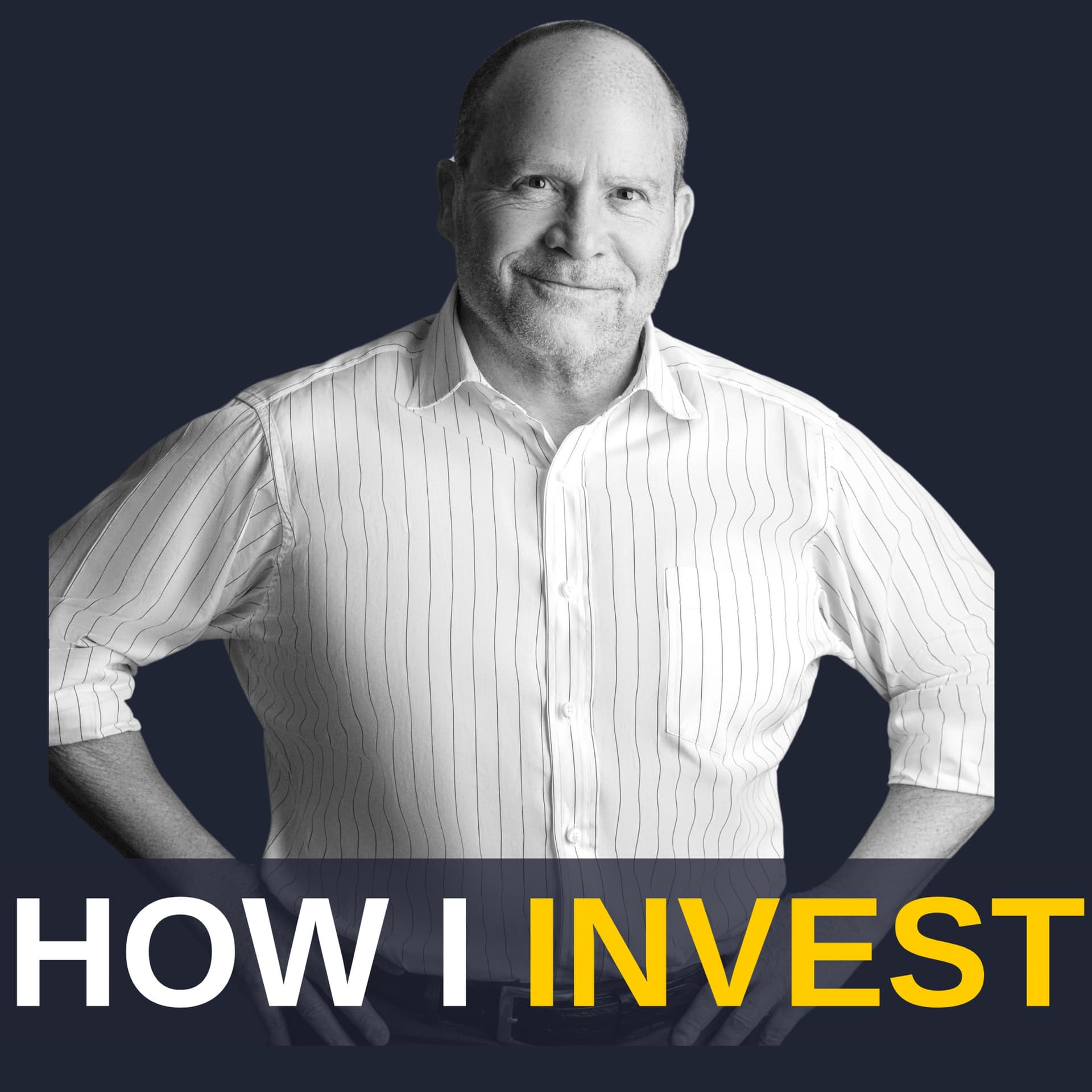
In episode E173 of How I Invest with David Weisburd, host David Weisburd engages in an in-depth conversation with billionaire investor Michael Loeb. The discussion spans a wide range of topics, including Loeb's entrepreneurial journey, the origins of Priceline, the philosophy behind his venture studio Lobe NYC, and his perspectives on innovation, risk, and leadership. This summary captures the essence of their dialogue, highlighting key insights and memorable quotes.
1. Turning Adversity into Opportunity
Michael Loeb begins by addressing a pivotal moment in his career—the day he was fired from Time Warner at age 36. Contrary to popular belief that this setback was the best thing that happened to him, Loeb clarifies:
“I never said that that was the best thing that ever happened to me. It's everybody else that said that about me...” (00:09).
Despite the initial turbulence and personal regrets about not starting his entrepreneurial journey earlier, Loeb seized the opportunity to redefine subscription models. He critiqued traditional positive options in subscriptions, advocating instead for what he termed "continuous service." This innovative approach leverages customer inertia to enhance lifetime value, a strategy that ultimately propelled his company forward.
2. The Acquisition by Time Warner
When discussing the acquisition of his company by Time Warner for $800 million, Loeb recounts the complex emotions post-acquisition. Time Warner aimed to position themselves as inventive and entrepreneurial by highlighting Loeb as a success story. This, however, led to an unexpected encounter with the individual who had previously fired him:
“He came up to the DS afterwards stuck out his hand, he said, Michael, I want to thank you. And I said, well, his name was Mike...” (03:25).
This anecdote underscores the unpredictable nature of corporate acquisitions and the personal dynamics that accompany such transitions.
3. The Entrepreneurial Edge: Disagreeableness and Insistence
Loeb delves into the traits that make entrepreneurs successful, emphasizing their disagreeableness and insistence. He argues that entrepreneurs often challenge the status quo and possess a relentless drive to innovate:
“Entrepreneurs are unemployable... they're insistent, they ask why, they don't accept no for an answer.” (04:18).
Using examples like Dick Fosbury's revolutionary high jump technique and Babe Ruth's transformative approach to baseball, Loeb illustrates how unwavering determination and the willingness to defy conventional wisdom are hallmarks of successful entrepreneurship.
4. The Birth and Rise of Priceline
A significant portion of the conversation focuses on the inception and growth of Priceline. Loeb describes his partnership with Jay Walker at Synapse, highlighting their complementary strengths and the strategic decision to self-fund Priceline initially. Despite early challenges and the necessity to seek external funding when Synapse's resources were stretched, Priceline emerged as a pioneering self-serve travel platform.
“Priceline was the very first of its kind... Jay Walker saw it, he was very prescient.” (07:49).
The company's innovative "name your own price" model capitalized on remnant travel inventory, setting the stage for Priceline's eventual success with a market cap reaching $165 billion.
5. Lobe NYC: Building a Venture Studio
Since 2006, Michael Loeb has been at the helm of Lobe NYC, a venture studio designed to foster innovation by combining ideas, entrepreneurs, know-how, and capital. Loeb outlines the studio's methodology:
“We self generate ideas, we then research those ideas, test those ideas, and if they test out, we put a team of entrepreneurs behind them.” (12:47).
Lobe NYC emphasizes shared services such as back-office accounting, legal, fundraising, technology, and marketing. This infrastructure supports startups without additional costs, creating an ecosystem where success is the primary currency. Loeb highlights the importance of offering "quality at bats" rather than penalizing failures, fostering an environment where entrepreneurs can experiment and pivot without fear.
6. Navigating Failure and Reinvention
A recurring theme in the discussion is the delicate balance between persistence and the willingness to pivot. Loeb shares his views on discerning when to abandon an idea versus when to iterate and innovate:
“Success is very fragile and sometimes... you can't program it, you can't say it.” (23:16).
He cites examples like the transition from MySpace to Facebook and BlackBerry's decline in the face of the iPhone's innovation to illustrate how subtle differences can determine an enterprise's fate. Loeb emphasizes the need for continuous rethinking of business models and the importance of aligning ideas with market needs.
7. Building and Supporting Entrepreneurial Teams
Loeb discusses his approach to assembling and managing teams within Lobe NYC. He underscores the value of creating a safe and supportive environment where entrepreneurs feel trusted to pursue their instincts:
“You gotta feel, you gotta feel safe and supported.” (28:02).
This philosophy contrasts sharply with typical venture capital (VC) environments, where rigid adherence to business plans often stifles creativity and flexibility. By prioritizing trust and the entrepreneur's judgment, Loeb fosters a culture that encourages innovation and resilience.
8. Personal Motivation and Work-Life Balance
When reflecting on his personal motivations, Loeb reveals that his drive remains consistent throughout his career. The fear and urgency of early entrepreneurship have evolved into a more calculated approach, though the underlying desire to win and make a difference persists:
“There is nothing more satisfying than coming up with an idea, planting a seed, and seeing a mighty oak grow.” (41:51).
Despite achieving substantial financial success, Loeb admits to ongoing anxiety about business outcomes but maintains that his passion for innovation remains undiminished.
9. Interaction with Others and Treatment After Success
Interestingly, Loeb notes that his wealth has not significantly altered how others treat him. He fosters an environment of open dialogue and encourages disagreement, believing that diverse perspectives strengthen decision-making:
“I encourage discourse, disagreement, as in different points of view. How about that?” (50:53).
This approach not only maintains humility but also ensures that the best ideas surface, free from the constraints of sycophancy.
10. Current Business and Political Insights
In discussing contemporary issues, Loeb touches on the New York City mayoral race, expressing support for Andrew Cuomo and critiquing his opponent's extreme policies. He also highlights his involvement with Uncharted Pitches, a collective aimed at empowering entrepreneurs to self-fund and innovate collaboratively:
“Uncharted was to say to entrepreneurs... we can self determine, we can self fund.” (55:09).
Loeb envisions Uncharted Pitches as a pitch club requiring members to contribute financially and participate actively, fostering a community-driven approach to entrepreneurship.
Conclusion
Michael Loeb's conversation with David Weisburd offers a wealth of insights into the mindset and strategies that underpin successful entrepreneurship. From turning setbacks into launching pads for innovation to building supportive ecosystems for startups, Loeb's experiences provide valuable lessons for aspiring and seasoned investors alike. His unwavering drive, combined with a strategic approach to risk and innovation, exemplifies the qualities that propel businesses to remarkable heights.
Notable Quotes:
-
“Entrepreneurs are unemployable... they're insistent, they ask why, they don't accept no for an answer.” (04:18)
-
“There is nothing more satisfying than coming up with an idea, planting a seed, and seeing a mighty oak grow.” (41:51)
-
“You gotta feel, you gotta feel safe and supported.” (28:02)
-
“Success is very fragile and sometimes... you can't program it, you can't say it.” (23:16)
-
“Uncharted was to say to entrepreneurs... we can self determine, we can self fund.” (55:09)
Timestamp Reference:
<a id="timestamp"></a>
- 00:09: Michael clarifies misconceptions about being fired as beneficial.
- 03:25: Encounter with the individual who fired him post-acquisition.
- 04:18: Discussion on entrepreneurial traits.
- 07:49: Origins of Priceline.
- 12:47: Lobe NYC’s venture studio thesis.
- 23:16: Fragility of success and the need for pivoting.
- 28:02: Building and supporting entrepreneurial teams.
- 41:51: Personal motivations driving success.
- 50:53: Interaction with others post-success.
- 55:09: Insights on Uncharted Pitches and the NYC mayoral race.