← How I Invest with David Weisburd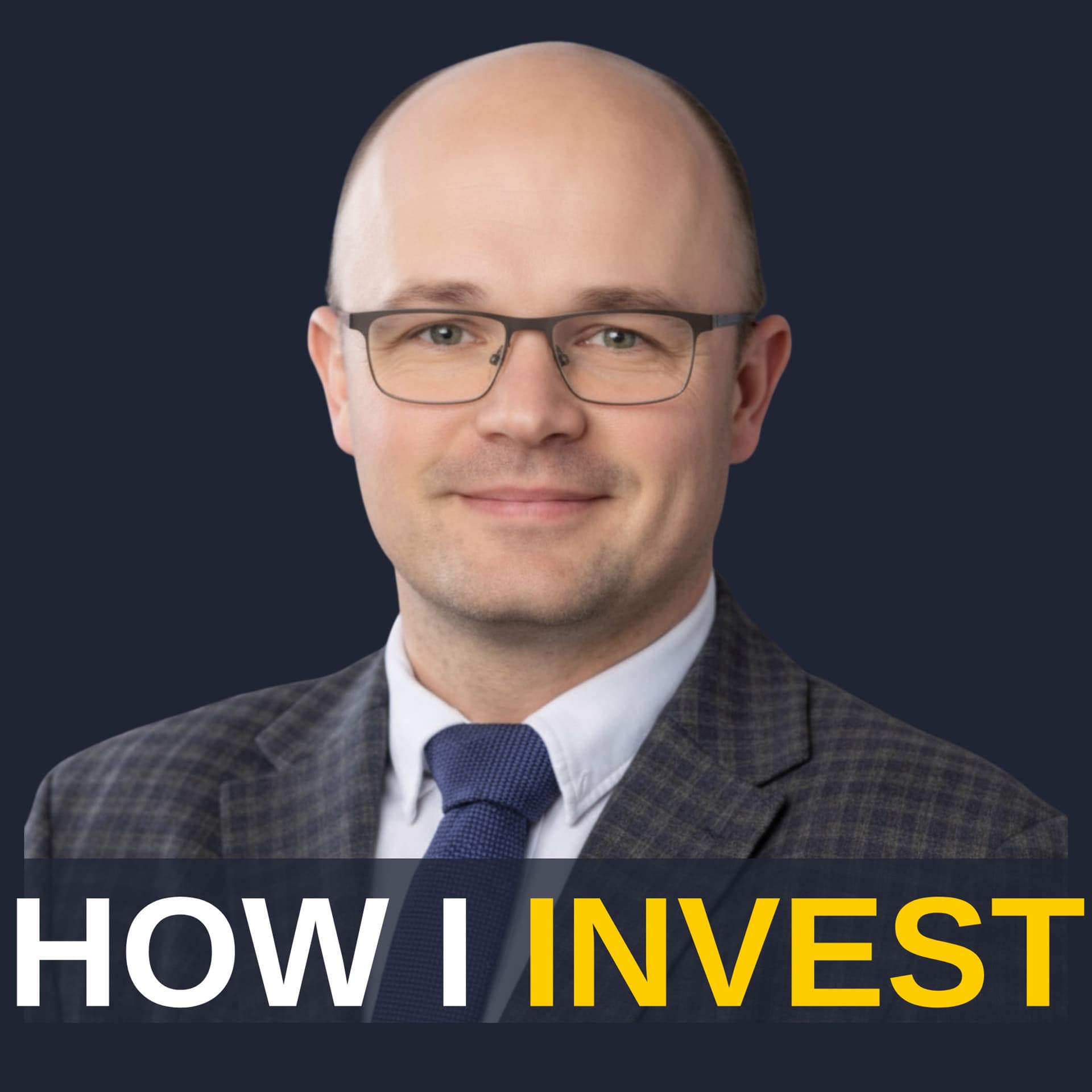
Loading summary
Transcript79 lines
- [00:00]
A
So tell me about Future Standard. What is Future Standard?
- [00:04]
B
So, Future Standard, we serve institutional and private wealth clients. We invest across private equity, private credit and real estate. We've got over 86 billion of assets under management, 30 plus years of servicing our clients and our investors. 12 offices, 600 professionals. And we rebranded recently in July of this year to Future Standard after a transformational merger of Portfolio Advisors and FS Investments, which occurred in June of 2023. And so future Standard is the combined name of our, our two firms and now, you know, bringing value to our investors across the globe as one, under one unified name.
- [00:44]
A
Tell me a little bit about your client base. So who are you investing on behalf and how does that change how you approach your portfolio construction?
- [00:53]
B
The client base is very mixed and it runs anywhere from, you know, a smaller wealth investor, which is what FS Investments was historically focused on, to large institutional allocator, which is what portfolio advisors focused on historically. And so we've got relationships with RIAs, with Merrill lynch, with Morgan Stanley and their wealth practices as well as Los Angeles. Fire and Police is one of our largest clients. And we've had them since, you know, for a very long time. We've got other state pension plans, we've got investors and clients in Europe. We've got foundations and endowments, universities. And so it really runs the gamut from, you know, small to large. And, you know, we feel like we're adept at servicing all different types of clients and investors.
- [01:41]
A
One of the biggest trends in alternatives, and potentially the biggest trend is this rise of the wealth channel. You've done this merger now essentially bringing those together. In what ways should high net worth individuals invest differently than your pension funds? And what's the main one or two considerations that a high net worth investor should have versus an institutional investor?
- [02:06]
B
I feel like wealth investors should have the same access, the same approach as an institutional investor. And that's what our entire business has been built on, is bringing those types of quality investments to the wealth channel while not taking away from our institutional investors who have scale and heft. We think we can provide structures and access to the wealth channel. And so we've done that via innovative solutions with regard to structuring, so evergreen funds and drawdown funds. We've done that by partnering with RAAS and with the wires to, you know, come up with customized solutions that work for their clients. And so the, the crux is we, we want institute, we want institutional and wealth investors to have similar experiences investing in private assets.
- [03:03]
A
And how practically could a high net worth Investor get access to buyout or venture, let's say their check size is 250,000 or half a million dollars. How do they access those asset classes? Exactly.
- [03:14]
B
So we, we've got multiple partnerships with Wire, so with ubs, with Merrill lynch, with Morgan Stanley. We've got products on their platforms that allow that will accept a $50,000 investor, we'll accept $100,000 investor. And so we've, you know, ever since, you know, FS started in 2007, the entire premise of the business was to democratize alternative assets. And so you know, hundreds of thousands of investors that you know, do small, small investments into, into these funds. And so, so we've got products that you know, whether they're open ended, whether they're closed ended, whether they're evergreen, whether they're drawdown on these platforms that allow even small investors to participate alongside institutions. And we think that's been very beneficial to, to these investors.
- [04:05]
A
I want to really drill down on large cap buyout. A lot of investors think that it's a very struggling class. There's a lot of dry powder, there's a lot of issues with how those funds are structured. They've gotten too big. What's your view on large cap buyout?
- [04:22]
B
We're mid market focused and we think we're mid market specialists. We've been invested with a lot of large cap managers for a very long time, having started investing in this asset class in the early 90s. And many of the mid market managers back then are now the large cap managers of today. And we'll still invest in large cap when and where it makes sense to do so. Some of our peers have taken a hard line with approach to fund size. Hey, if you're above a billion, we're not going to invest. We want to continue to support a manager if we think they can continue to outperform the market, both public and private. So our pitch is more one of partnership. We want to grow with managers as they grow. We can scale our check as you scale your business. However, all the data we believe and data that we have proprietarily and all the industry data has shown that the mid market tends and how you define mid market we can maybe get into that tends to outperform large cap, especially at the upper quartile. You know, somewhere in the range of 350, 400, 450 basis points on average. You know, mid market outperforms large cap. But I don't think it's dead right. I mean I think they're high quality Managers, I mean, Thoma Bravo has continued to outperform, GTCR has continued to outperform and there are groups in the large cap that I think if they've got a differentiated reason to exist, if they've got a real go to market that's different than some of the others and they can add value, they've got relationships clearly with you know, with banks, with, with managers, with, with the people that, that matter. But at the end of the day, if you want alpha, if you want mid market, if, if you want alpha in the private markets, you've got to go down market and we can get into that but, but we really think that's where, where investors will benefit is being in the mid market.
- [06:13]
A
So you mentioned Thoma Bravo. Tell me some of the characteristics on the private equity funds that are able to grow and still maintain that edge and still deliver those returns for investors.
- [06:24]
B
I think as, as managers scale, they really, I think specialization is key with scaling. I mean we've seen some generalist firms that have been able to scale, but you've got to have an element of specialization. Obviously Toma is in technology, right, and software. But as you think about, as we think about portfolio construction internally, we want our large cap managers to have some element of differentiation, right? The general, you know, the, the 1990s private equity of, hey, generalist, generalist, PE firm, you know, financial engineering, that doesn't work today. We really, we really don't, it hasn't worked for a long time. And so you have to be able to bring something to the table. Specialization, maybe operating partners, you know, relationships, track record, team cohesiveness, something that you know, as you scale and you know, something that we like to tell all of our managers that they may or may not agree with is that size is the enemy of returns. I think we push that pretty hard. But I think if you can buck that trend with specialization or with some differentiating factors, you're still able to outperform. And we did, we did an analysis, it's probably been two or three years ago, so I should refresh it, but there were no funds at the time over, I think it was $10 billion in size that had achieved a 2x net. Now many of those funds had been recently raised and so they weren't fully into their value creation phase yet. But in the history of private equity as of a few years ago, there was no funds over 2x net and that were over 10 billion in size. And so that's changed, that will change. There will be a fund that does that eventually, but we really think alpha is in the middle market. But that large cap has a reason to exist and plays a meaningful role in the ecosystem.
- [08:13]
A
Yeah, simple way to look at it is supply and demand. You have the supply of the capital and the fund, you have the demand. If the market for the, for the capital is growing at 20%, the manager could grow at 20%, still maintain their edge. If the market is growing at 40%, the manager is actually only growing at 20%, then actually there might be even more alpha, especially as they build up their brand, their reputation and other things. People make these general statements like we don't like billion dollar funds like you mentioned earlier, or this fund is too big and the next question should be too big for what? Too big for what market and for what strategy. And I think the devil is always in the details. And some funds should stay the same size, some should get bigger, some should, I would even argue should get smaller depending on the market dynamics.
- [08:58]
B
Yeah, I think we wholeheartedly agree with that. Right. There's so many factors that go into just fund size being your determinant on whether you're gonna invest. And obviously the market's matured, as you mentioned. Right. Inflation's happen. And so there's a lot of different things that go into that discussion and throwing out, and we believe this throwing out a good investment opportunity purely based on size is not prudent.
- [09:22]
A
So you go after middle market pe, that's where you believe alpha is. How do you go about finding those exact funds to invest in and what's your top of the funnel criteria and how does that process kind of evolve as you get to know a manager.
- [09:37]
B
Say multi year process? I mean, I think our best stories in the middle market in adding new managers have been backing spin outs, you know, partners or gps that we've known at prior shops who have elected to leave and start their own firm. And if you can build relationships with managers over multi funds and multi years before they leave, you know, you're well positioned to be a core LP in their, you know, new firm. And so that's one thing. We're always fishing in those ponds. We're always talking to managers, kind of getting a sense of maybe who's a little looser in the seat and who may be wanting to start their own firm. We've got some pattern recognition around that as well. And we have an emergency manager program. So a big part of what we do, one of our clients is big into emerging managers and we're very supportive of that. And so first second, third time, funds under 500 million. And so they've set aside a dedicated pool of capital to go after and find these next generation managers. We'll also do that in our fund and with some of our other clients where it makes sense to do so. And so we have a reputation that people know will back these funds in the intermediary community with gps. And so we, we just make sure that we're just abreast of what's going on and you know, talking to other limited partners and our peers, you know, that's a great way for us to find new investments. We think, you know, industry is big enough for all of us. We can all make money together as peers and as partners. And so, you know, we're just always out there looking. You know, we have a dedicated team that fully focuses on fund investing. And so we're out trying to find managers, most importantly, that we can grow with and build multi decade, multi fund relationships with. Right. We want to be with you from fund one to, you know, fund seven, beyond and beyond. And we want to, you know, scale our check as you scale your firm and, and you know, that level of partnership we think resonates and, and allows us to, you know, find and partner with the best up and coming gps.
- [11:46]
A
So maybe you could define, when you say building relationships, you like to build relationships from managers that may want to spin out. What does that mean to build a relationship with somebody in an existing firm?
- [11:57]
B
I wish it were easily definable. Right. I think partnership is, is, is messy just kind of by definition. Right. Like are you there when someone needs you? Right. Like when they're going through a difficult time, maybe they need to do an amendment for some reason or they had a partner departure or maybe a deal went poorly with or was written off. You know, how do you react? How do you, you know, how do you help them? How do you, you know, do you can potentially connect them with, you know, someone on the credit side? You know, our firm has a wide breadth of capabilities both in credit, equity and real estate. And so, you know, we have a workout group that can kind of help manage through some of these scenarios. We've got, you know, other gps that may have information or, or contact that, you know, we can, we can make an introduction and let people kind of work through things. You know, we, we, we're supportive on amendments for the most part.
- [12:50]
A
Right.
- [12:51]
B
When things are, when things are within reason, we want our gps to, you know, be able to have the flexibility they need to amend and, and work through challenges and so it's really that partnership angle. We, we don't see it as kind of a one, you know, one fund relationship. We, we kind of go into it as a long term, long term thing and whatever, a long term relationship and whatever we can do that, you know, keeps our fiduciary duty intact to our clients and make sure that we maximize value for them. But also be a partnership to a partner to our gps. We'll do that. I mean we're, we'll give tough feedback, right? We'll, we'll, we'll make intros. Well, you know, many times we'll get questions about placement agents, like who's the best placement agent, who should we use? Right. We'll, we'll candid feedback and our views on that. Or how would you approach this amendment? If we need to extend our investment period in this scenario, but we don't want to decrease our fee and how can you manage through that? And so just having a team here, we make 50 fund commitments a year. We're putting out $2 billion a year, $4 billion across equities, meaning co investment secondaries and, and primaries. Six plus billion including credit. You know, like there's a lot of capital and relationships here across our firm where we, there's someone here that could help a GP kind of get through a challenging time. And we think when you support someone when they're down, that's when you kind of gain that respect and they trust you. And that's what we're looking to build.
- [14:29]
A
In that vein of long term games and long term people is how I would define that. Where do you tolerate something from a gp, Maybe in a fund one that would be unacceptable or they should know better by fund three. And where's that leeway where you're, they're still learning to build their own firm and they may not know the best practices. And how do you kind of toe that line between expecting greatness from the beginning while also having a tolerance for making mistakes?
- [14:55]
B
Yeah, it's a tough question. And you're getting into the gray area here, which I appreciate and love. This is what we think we get paid for, right. Is, is making those tough decisions in Fund 1, Fund 2 and Fund 3, when things maybe haven't gone to plan.
- [15:10]
A
Right.
- [15:10]
B
And, and I think for us it's, you know, how do they respond to feedback, how do they respond to, you know, challenges. Right. I mean we've had, you know, we've had key person triggers, right. Some tragically through you know, passing away, others from partnerships not working out. How do you manage through that? Do, do you, you know, do you treat your LPs the right way or. We've had clawback situations where some GPs have elected to pay back their clawback early and show partnership and others have, you know, elected which is well within their right to hold that claw back out until they need to pay it in, you know, at the very end of the fund. And so, you know, these, each interaction, as we like to say here, every time you commit to a fund, then the diligence on the next fund starts that day, right? And so you're building this kind of four year, you know, know three to five year history and interaction with a GP and a sponsor in between fundraises that really informs the decisions we're going to make on behalf of our clients. But when things go poorly, it's the best time. I think for me that's the best time that we can understand how a GP is going to react both, you know, buyout venture and growth. And you know, we want to make sure that we're doing our part within reason to make sure or to ensure that they're thinking about things from all perspectives and making the right decision.
- [16:40]
A
So you have $86 billion behind you, which sure gives some challenges in terms of scale, but also gives some opportunities in terms of multi aspects of your platform. How do you use secondaries, co investments and all these tools at your disposal to provide more value to the GPS and get, get larger allocations than your top managers?
- [17:01]
B
That's a great question and it's the crux of our business, the core of our business. Now we set up our firm with separate teams. So each team is separate. So our fund investing team, fully separate from our co investment team, fully separate from our secondaries team, fully separate from our credit investing team. We think this allows us not to be biased in our investment decisions. They're separate ICs. There is some cross IC sharing, but, but we think that allows us to be unbiased and allows us to do just what you asked is to provide real value. Like our junior credit team and our global credit team. That's all they do, right? They're fully focused on all right, what are the best terms in the market? What flexibility might you need in completing this buyout and how can we play a role in your cap structure to allow you to accomplish your goals? And so on our secondary side, you know, we'll provide liquidity to LPs. We're on the buy list of many GPs that only want, you know, only allow five to 10 investors buy their funds because we've been long time investors with them or we're you know, do what we say we to do with speed and certainty on the, on the both LP secondary side and on the GP LED side where we'll also participate in single asset continuation vehicles and then in co investment we're easy to work with alongside our gps. We're quick. No. Or we're hey, we're in and we'll do our diligence quickly and likely get there. And so I think our GPS know that it takes a long time, decades to build those relationships. And I think that's the crux of this, right is that you've got separate teams that know these gps. We've invested with them on the capital fund side for many, many years. They want to partner with us and you know, each of our, we hold ourselves internally to a high standard both across teams and within teams that we want to continue to have that reputation with our gps.
- [19:02]
A
There's like two aspects there. There's. The aspect of every one of your groups is independent, has its own ic, has its own incentives so they're never corrupted across platform. But also having that interconnectivity internally allows you to do the handoff so that they can make their own decision. So it becomes strategic as an LP on the cap table of gp. But also for your, for your investors, you're making sure that you're making the right independent decision on every single fund and every single vertical. So you've been at future standard now for 11 and a half years and you've seen, if you think about PE vintages as every two to four years, three years on average, you've seen essentially four vintages.
- [19:40]
B
Yeah.
- [19:41]
A
You've seen people go from fund one to fund two to fund three to fund four and every, every vintage that narrows down, it becomes more and more difficult to make it to the next vintage. What is the one or two traits that make somebody go from a fund one to fund four or five? The truly elite superstar gps, what makes them different?
- [20:00]
B
Yeah, that's, I mean that's what we're looking for, right? I mean I just spent all my time just thinking about that question, like how can I find the next GP that will be in our portfolio and make money for our clients and our investors for the next five funds in 15 to 20 years, 30 years. I think it comes down to, if you distill it down is these gps know who they are and they know how they will add value. Whether that's in Venture buyout growth. They know how to add that value at the portfolio company level, whether that's a network, whether that's operating chops and resources, whether that's financial engineering and structuring. Like the theme I have and the common thread in successful GPS for me that go from fund one to fund three and beyond are groups. And they've now they've always got to innovate or they've always got to get better and improve and they can't rest on the laurels, but they know at their core how to make money, how to create value. And you know, how their strategy and kind of what they tell LPs mirrors with how they actually execute on creating that value. And so it like it's hard as an lp, I think sometimes to really get to the crux of that answer. And I think you never really know. There's at some point you've got to take a leap, right? You've got to take a leap that we think this manager, based on all the work we've done, all the diligence, all the reference calls, all the, you know, quantitative work, the past track record, the team cohesion, you know, at some point you have to take a leap and give and hope that they will do what you think they're going to do, which is perform. And you know, historically we've, I would say we've probably gotten it, I'm going to say, right, in quotes, 75 to 80% of the time. Right. We think that's, you know, in that we typically re up 80% of the time and there's 20% for new managers. So by definition 20% of the investments we made we don't re up in. Right. So I think we feel like that, that secret sauce, if you will, that differentiation comes down to knowing who you are and how you create value.
- [22:24]
A
At the portfolio company level, the value is the alpha. If there's no value over time, regardless of the narrative you spend, you're not going to get the returns, right?
- [22:34]
B
I mean, you mean you may get lucky, right? I mean, I think. And then, and then, and then is it repeatable? Right? I mean you may get lucky. We've had, we've had managers that, yeah, they, they co invested or they were a syndicate partner and a great deal and you know, their fund looks great but the rest of their fund, you know, their loss rate's very high but the performance is good. Right. Like that doesn't feel repeatable to us. So not only do you have to know who you are, create value, but You've also got to be able to innovate and repeat and change as needed over time. And we found that the groups that don't. Right. The ones that are still trying to execute like they did 20 years ago, it's just really hard to outperform when you aren't innovating and becoming, you know, approaching the market as the market changes and evolves.
- [23:23]
A
I want to take you back. You said you do your diligence, you do the references. I'm sure you do dozens and dozens of references. You do all the phone calls, you spend time in a data room, you go to meet the person, you track them over time. And then at some point, you have to make that leap of faith. You have two managers, you're both on the fence with those two managers. What's going to make you say yes to one manager and no to the other one?
- [23:46]
B
Yeah, I mean, I don't like the gut feel. I think there's part of that. Right. I mean, I think the biggest part, though, is our internal conversation. So we'll have, you know, we'll do a meeting purely just on that very topic. All right, we've got three to four managers for one slot. And here's all of our findings and let's have a discussion as a group on the pros, the cons, and why we think as a partnership that this is the right one to back. You know, this is, you know, for us, we have enough capital and enough, you know, managers to back that. It doesn't come down to that very often, but sometimes it does and we want to make sure we're making that decision. So it's the collective experience, it's the collective perspectives of the group. Not only in our funds group, but as we talked about earlier, the secondaries and co investment teams who have also probably done deals alongside these groups. And so you get all these perspectives and you make a decision on that leap based on that. But at the end of the day, there's probably not one thing that points to it, but it's a cumulative experience and decision process across multiple people and, you know, time.
- [25:00]
A
Imagine venture, you would say that picking the right manager is more important than not picking the wrong manager. In other words, the decisions that you make that turn out really well account for a lot of bad decisions in private equity. Is it more about how do you consistently bat a very high percentage, 75, 80% and never lose? Or do you sometimes. Would you trade off, Would you trade off as 75%, kind of follow on rate with. With more alpha More returns as an lp, what are you rewarded to do?
- [25:29]
B
Yeah. And our private equity, I would say we want our managers to have some losses. It's probably a little bit, maybe that's, maybe that's you know, controversial. You know. Now if someone could give me a 4x net fund and no losses, great, like I would be thrilled. But that doesn't happen very often. Right. We've seen a few of those. But, but we want our, our, our managers to, they're not going to be perfect. We know that. Right. And if they're not, you know, if they're not making mistakes like they will eventually make one like it's going to happen and we want to see how they react and we want them to know that it's okay to make mistakes. But how do you react in those scenarios? And we learn more I think from our managers on the 1x deal than we do on the 6x deal. That goes up into the. Right. From the beginning. Right. The deal that goes up and down that maybe was marked down 2.3 but then ends up at a 1x or a 1. 2. We learn a lot from how they react and they you know, to those scenarios. And so we want them to take enough risk where they are able to generate alpha. You know, we have some managers and we've moved away from some of these who have very, very low loss rates and generate kind of a 1.5 to 1.7 net return, you know, with a min teens net IRR like it's a median type return with no losses. And, and that may be what you know, some investors want. But we felt found that our clients and our approach has been more to, let's go for the 2-2x2-2 and a half x net in buyout with some losses because we think that's what is know that's what will not only beat the public markets but will outperform in the privates as well.
- [27:07]
A
Tell me about your portfolio construction within the buyout fund. So how many funds do you have? And, and explain the rationale behind your portfolio construction.
- [27:16]
B
So each client, we take a different, different approach. In our fund of funds or our multi manager fund we typically have eight to 10 managers in each fund or eight to 10 funds from you know, eight to 10 managers. So each of those probably has you know, 10 to 20 portfolio companies underlying. So you'll have somewhere between 100 to 200 portfolio companies in a fund vintage over a two year span, two to three year span. And so, so we think that portfolio construction is Balanced enough to provide enough diversification, but not, you know, over diversified where we're going to water down returns. You know, we like the, that same kind of approach for our clients. We'll typically, depending on the client, do somewhere between three to seven buyout funds a year. We'll do, you know, two to five venture or growth funds a year and you know, one to three special situation type funds a year. And so as they deploy, you know, depending on bite size, deploy anywhere from kind of 200 to a billion dollars a year. And we just think that's a balanced way to approach it without being over diversified, but still, you know, providing alpha or outperformance potential. Most of our clients, their benchmarks are typically the Russell or the S&P plus 2 to 300 basis points. And we found that this approach has allowed us to hit or exceed those benchmarks in most cases.
- [28:39]
A
You recently had a pension fund that invested $300 million. So pension fund investing 300 million into Evergreen Fund. Why in the world did that Pension Fund invest $300 million into Evergreen Fund?
- [28:51]
B
So this is a long term client of ours, someone who is very innovative, well funded pension plan. We have a long standing partnership with them, relationship of trust. And they're always looking for ways to improve their portfolio, to be innovative and to level up. And so we engaged in conversations with them. It's been almost five years now when we first had the initial conversation. And around four years ago they agreed to be our anchor partner in our first private equity evergreen fund, committing $300 million to that vehicle. Why? Why did they do that? I mean, you know, why? They have great access elsewhere. They have one of the best in my view, best portfolios. I'm a little biased, but best portfolios, both in buyout, venture and growth, and, and it has been really additive to their overall portfolio. But in their mind they could fully compound their investment. You know, with drawdown funds it takes time to kind of fully compound. They could diversify and core up in the middle market given this Evergreen is a middle market focused for product and they had a liquidity option that if they ever needed to get out, you know, they could do so at NAV as well as they participate economically in the growth of the fund as an ACRE partner. So I'm pleased to report today they're up 50% from that 300 million in just four years. So it's been a good decision to this point. Now we have to continue to execute. But it really added, you know, a different element to their portfolio and program. I mean It's a, it's a 40 plus billion dollar plan. So it's, it's a very large plan. So it's not a huge exposure for them, but allowed them something different that has continued to, you know, pay dividends, both figuratively. Figuratively and literally.
- [30:36]
A
Just to give the audience a sense the drawdown structure. You commit money, you get capital called over several years based on the cadence of the GP making the investments. If somebody finds a company, they invest it, they call for capital. In the Evergreen Fund, you invest in the beginning and basically there, there's no drawdowns, there's no called capital. How do you make that work for private equity without having all that money sin cash?
- [31:03]
B
Yeah. So this instance, they transferred a portfolio that we had constructed with them into the Evergreen Fund. So it was, it was kind of like a secondary transaction where they transferred their assets into the vehicle. And as we've invested the proceeds off of that vehicle and raised additional capital, we've put in co investments and secondaries alongside that capital. And so you've had this constantly, you know, invested portfolio. And as it's grown, the fund is now up to almost 1 1/2 billion. I think it's 1.4 billion doll billion today. We've just invested our co investment teams, our secondaries teams have been able to invest the capital as we've raised the money and the capital's come back from the underlying assets with realizations. And so for this client, it was a great way for them to stay fully compounded.
- [31:58]
A
I think the figure often cited as roughly 2/3 of the capital is actually invested across the length of a fund. In other words, a third of the money is essentially sitting in cash, so it's dragging down returns. So if you assume, just pick a number, 18% IRR in private equity, if a third of that is in cash, let's say at 4%, only 2/3 of that is getting 18% and 1/3 of that is getting 4%. So it's dragging down the entire portfolio considerably versus when you invest in Evergreen Fund, you're actually deployed from day one. So you don't have that like essentially tax or drag on your capital.
- [32:33]
B
It's a big part of why we like the Evergreens and why, why they've kind of taken off in our view. And you know, one point about our Evergreen is we don't charge on cash. Some of our peers do charge on cash. So the cash that we have in our Evergreen, that's not being invested or actively invested, we don't charge fee on we're also fans of drawdowns. Right. So our whole business historically was on drawdown and being able to manage that cast. Many of our investors have even put their undrawn capital into our evergreen fund, right. While it's not being deployed on the drawdown side. And then when they need to make that capital call, then they will redeem from the evergreen fund and put it into the drawdown. So there's a lot of innovative ways you can do this, but we also think drawdowns are. There's a lot of pros to drawdowns that evergreens maybe lack as well. And so to have a balanced portfolio, we've encouraged all of our institutional clients to look at evergreens. And most of our wealth clients, we've encouraged them to look at drawdowns because we think a balanced portfolio will have a mix of both evergreen and drawdown.
- [33:38]
A
I want to double click on what you just said because it's brilliant. So you have your clients, let's say, they want to access a top private equity fund. It's not available in evergreen structure, but you really want to be in the fund, and you have a relationship and you have access to that. They commit to that. And then the money that's not called, they're putting into an evergreen fund because they still want exposure to private equity. So they want, essentially, I wouldn't call it beta exposure, but they want directional exposure into private equity. And then when they get a call on the fund they really are dying to get into and willing to do, to draw down, they call the capital on the evergreen fund and call it. Make their capital commitment. That's. That's a very smart use.
- [34:17]
B
And people have done that for a long time with the public markets. Right. Where it's very liquid. You know, a lot of these evergreens aren't as liquid as they necessarily seem. Right. There is a. There's a. There's a time component to it, and, you know, there's a 5% max and, you know, liquidity over. Over time and so or on a quarterly basis. So it doesn't really work like that in real time. But a lot of our investors have expressed that sentiment and ability to. All right, hey, if I do need to make a capital call within the next 12 months, peace of mind, to know that there is some liquidity available through. Through the evergreen gives them confidence to be able to make those investments. And a lot of them have taken that, especially on the wealth side of taking that approach.
- [35:02]
A
The evergreen thesis, and you could correct me if I'm wrong, But one of the main thesis is it's really good for the high net worth channel because individuals, including myself, when I make an investment into a private credit fund, do I want to spend 10 hours a quarter figuring out when they're going to call capital and doing all that counting. I rather just put in the money and, and basically worry about that. Now you have at least the largest kind of asset class pension funds, maybe outside of sovereign wealth funds going into this asset class as well. So I think we're going to see a lot of evergreen structures. I think it's massively, probably underestimated how big evergreen will be in the next five, 10 years.
- [35:43]
B
I think that's true. I mean I think evergreens have clearly become in the wealth channel the vehicle of choice on the institutional side. We'll see. I mean a lot of investors have made a lot of money doing traditional drawdown approach. You know, I am interested to see how, you know, inevitably there will be an evergreen fund that stumbles at some point. Right. And you know, how does the market react when that happens and the gates go up? Right. We saw what happened with B reit.
- [36:11]
A
Right.
- [36:11]
B
And you're going to get some negative feedback on that. And is that going to slow down the growth of the evergreen trade in our industry? And I think time will tell. But to your point, I mean the evergreen funds are here to stay. It's you know, ease of use, perpetual offering, lower minimums, all the things that you like in the, in the wealth channel, you know, 1099 versus K1. But on the drawdown side, and we're, we're balanced here. I think the drawdowns allow managers to make decisions around timing and liquidity as opposed to investors. Right. I mean I think people that do this for a full time living, you know, do this full time, maybe make a more informed decision about hey, when's the right time to liquidate? Right. And when's the right time to maximize value? You know, some top performing managers won't participate in evergreens whether it comes to down to complexity or reporting requirements. So by definition when you do an evergreen, you're kind of not being able to invest in the full market because you know, there's a certain type of investor that will or manager that will participate in evergreens. And I, and I also think drawdown funds allow a portfolio manager to construct a target more targeted portfolio.
- [37:21]
A
Right.
- [37:21]
B
I mean evergreens are by definition diversified. You know, you're going to get a lot of different type of exposure here. And if you're, you know, experienced portfolio manager at one of these plans and you have good access, you can go make your own portfolio construction and targeted decisions that, you know, evergreens don't necessarily allow you to do. And so there's pros and cons to both. And like I said, it's, it's for us, we want to be able to provide the best access we can to private assets regardless of the structure and, you know, have our clients pick and choose what works best for them.
- [37:57]
A
There's also a behavioral aspect to it which is like this person sitting around for the perfect stock to buy, where if they had just put their money into S&P 500 or Russell the Russell over the last 10 years, they would have all compounded 10 times. So sometimes just doing something that works, that directionally works is much more powerful than kind of looking for that perfect structure or this kind of perfect investment. One of the saddest parts of the alternatives universe is that GPS will oftentimes go years, especially emerging managers will go years not raising money and they don't even get feedback. So they don't even know what they're doing wrong. If you put on like your advisor hat, not your investor hat, what would you advise the emerging managers that maybe are almost to the point where you would make an investment? What are the, some common mistakes that they're making that you advise them to improve upon?
- [38:47]
B
Yeah, we spend a lot of time here with our emergency managers and it is, you said sad. I think that's probably a fair word. The feedback loop and the incentives are not necessarily aligned and let me double click on that a little bit with you know, GP and lp. Right. For us to give real candid, transparent feedback. There isn't a lot of incentive for us to do that other than, you know, being a good partner. Right. Like, and so, and you know, our reputation matters to us and, and so we want to make sure similar to hey, how a VC we think should provide reasons to their portfolio companies or prospective portfolio portfolio companies for why they're not going to invest. We want to do the same with our managers, especially emerging managers. But I think some of the pitfalls we've seen for emerging managers for why they haven't been successful out of the gates is one trying to raise too much money. They a lot of them or thinking that raising institutional capital is going to take six months. Right. For most emerging managers. Now there's some exceptions. For most emerging managers, it takes a very long time to get that first fund up and running. And that first turn of the flywheel is very difficult. Right. And a lot of we found the ones that have stumbled are the ones that were at maybe larger shops, had good track records, but all they did was invest. Right. They didn't necessarily have to run a firm. They didn't have to go, you know, raise money from LPs, they didn't have to deal with, you know, auditors. They didn't have to deal with, you know, disaster recovery or it. Right. And so I think emerging managers forget or don't fully understand sometimes that you're actually running a company. And maybe I'm going too hard there on the feedback, but it can get, I think they sometimes lose what's important, what's most important when you're starting a firm, which in our opinion is building relationships with LPs and being able to invest their capital in good companies. And so it's sometimes easier to. All right, let's deal with the standing up of the firm today and we'll build relationships with LPs later or we'll go to that conference later, but let's go finish our pitchbook when, when a group is fully engaged on what we think matters most, which is investing in LP relationships, that for us we've seen is where emerging managers will typically get the most traction. And, and the last point on that is I think some emerging managers go too early, right? They, they just, they, they want to, they're so enthusiastic and excited about raising a fundamental and having their own firm that they, they push the envelope a little too early. And if they would wait, you know, maybe one more fun cycle or half a fun cycle at their current firm where they're able to monetize a deal or, or cement that track record or build real relationships not only with LPs, a lot of them don't really. It's awkward, right? It's hard to build a relationship with LPs before you leave, but you can do it. It's done. And those that do it well do it the right way and spin out at the right time. And maybe it's probably better to be a half fund too late in our opinion, to spin out and start your own firm than it is to be a half fund too early. It just, it just gives you a much better chance at making it in the institutional LP world. When you have real proof points and.
- [42:37]
A
Relationships, there's two aspects. One is how much of a track record do you have? Are you seasoned enough, have enough of a track record to go? And the second one is you need to align that with market timing, RLP's risk on or risk off. Have they recently gotten a lot of capital back from their current GPS where they're feeling more bullish on the market? Or are they like today or maybe six months ago in venture, where venture LPS had not gotten any money for a long time and it was a terrible time to start a gp, start a fund. Although you could also, over time it. Sometimes you could be a little bit early in the market's really hot and you go out a little bit ahead of your skis, knowing that kind of the market will pull you in that direction, especially if you have a couple early anchor lp. So there is an art and not a science. I don't think anyone's perfected it yet.
- [43:25]
B
It's definitely. No, I mean, the macro matters. To have an anchor is invaluable. Right. If you can secure that anchor and start investing or go deal by deal, right. And really show that on your own, like that matters a lot.
- [43:36]
A
Let's say it's a $300 million fund. What's the legitimate anchor size? Or maybe a couple anchors? And tell me about this, this anchoring strategy. What's a good signal to the market?
- [43:46]
B
Yeah, I think, I mean, if you're trying to raise 300, our rule of thumb is, is like a third of your capital, if you can raise a third of your capital from an anchor, it's not too big, it's not too small, but it's meaningful, then that, okay, wow, that's a real anchor. That person should probably get economics right of some kind. And we don't need to get into that. But that's true. So that gives you, you know, we don't necessarily want to be in a fund where an anchor is bigger than that because then we feel like they have undue influence. And so if you want to go to kind of the institutional LP masses, having an anchor of the right size, somewhere between, you know, 15, you know, a sixth or 16%, a six to a third of your fund, we think is, is an appropriate number. You know, I think having obviously having two is better than one. Not only from a dollar standpoint, but from a, you know, validation standpoint. You know, the more people you can have buy in early, the better. And, and when we have real conviction, we like to do that because we, we want to be, you know, a reference we want to be in early. People remember who backed them when they needed the most.
- [44:55]
A
There's a joke also between startups and VCs, like, everybody wants to invest once there's a Sequoia or a lead, and they're not real investors, et cetera, et cetera. But there's a huge rationality behind that in that as an lp, you're investing dollars, but you're also investing your time. You have a finite amount of hours every week, so you want to pick the opportunities, all things being equal, that have been vetted by other people. And if you could at least know that there's a higher likelihood that, that you're going to invest or that's an interesting opportunity you want to invest there. It's not because you're not independent, you're not doing your 24 references, you're not calling everybody, you're not meeting with a manager for six months. It's not because of that. It's because beyond up one level or upstream of the funds that you are investing in, you're investing in where to invest your time, which some might argue, especially when you have $86 million, you might argue that's actually more valuable than the incremental dollar. But, but that's really what I think a lot of GPS get hung up on is like that LP signal is, is a sign of efficiency for other LPs.
- [45:56]
B
We do 50 funds a year and, and you know, we always do our independent, our own work, as you mentioned. But you know, being able to do LP reference calls with colleagues at other firms that I, I know trust and appreciate and being able to see things from a different perspective and really get that holistic view of a GP matters. Right. And, and I think the, the LP community can be guilty at times of herd behavior in a negative way where, hey, if you know, so and so's in the fund, I'm coming in and I don't think, and then I think GPS can get frustrate, frustrated with that. I think rightfully so. Right. Each LP should, should make their own decisions independently. But to your point, there is only so much time. We, you know, we see every, we see pretty much every fund in our view that comes through, you know, hundreds of funds a year. We do 50, even pushing a thousand in some instances of investable opportunities. And we can't. We, you know, with our team even of, you know, full time, 10 doing this, we can't spend, you know, real time on each group. And so you have to make those decisions. And, and that efficiency factor is real.
- [47:05]
A
Let's say I'm thinking long term as a GP. I want future standard to invest into my Fund 2, Fund 3, and I pitch you on Fund 1. What can I do as a GP, in order to ensure that I get the second and third meeting with you or set another way as an, as the investor, what makes you say, okay, this gp, they're not yet ready for us to invest, but we want to build a relationship and we want to see how they perform.
- [47:31]
B
It comes down to kind of what we talked about earlier, that clarity, knowing why you exist and how you create value. If I, if I believe, if our firm here and team believes that you know how to do that and you're starting to show proof points of that you're in the middle market, I'll say for us then we'll want to track you. You know, we'll get probably 10 to 20 a year that we'll say, hey, we're going to monitor you and we'll track you for the next fund. And that's not just on them, right? That's on us like. And we, we want to, as I mentioned earlier, the diligence for the next fund starts the day that the prior fund closes. You know, we, that, that also is true when it comes to managers we don't invest in.
- [48:14]
A
Right.
- [48:14]
B
And we'll, we'll go to AGMs for groups that we're not invested in for groups that are on our target list. And so for us, it comes down to that clarity, staying in front of us, you know, showing us some deal flow. Right. Or finding ways to partner with us beyond just capital. Right. If you're just coming out with your tin cup every three or four years and we haven't had any interaction in between, it's going to be really hard for us to say, hey, what's changed? We should really, you know, invest in fund two. Even though we don't, the relationship is about the same as it was in fund one. And so, you know, that's.
- [48:49]
A
Yeah, go ahead, double click on that. So again, let's say I'm thinking long term. I'm not going around with my tin cup. I want to build a relationship. I've identified future standard as one of a handful of institutional peas. I want fund two, fund three. How could I, as the gp, provide the value for, for you to want to take the next meeting? What are some best practices?
- [49:12]
B
We want to be on your distribution list. We want, you know, every six months to a year, we want real interaction. We want to know, we want to see how you think. Like, show us a deal or show us a co investment or give us an anecdote for, for why you made a decision the way that you did. I don't need an hour. Give me, give me like 10 minutes on why you did a deal or, or show us a co investment, right? Show us or, or a credit deal or somehow peel back who you really are and you know, or, or you know, maybe have another LP or appear that, that it's in your fund, you know, reach out to us, right, or mention it to us. And so like there, there are a lot of creative ways that I think managers can do this in a balanced way without looking like they're, you know, overbearing or desperate and look in positioning for the next fund. But I think it's just, it's also patience, right? So you've got to marry kind of what you do, which is patience. I mean, LPs move slowly for the most part and that's by design. And I think for us, right, Time, the time optionality that we have to make decisions is very valuable, right? If something, you know, we've had instances where we've been in a first close or we've made a, a decision and then a team change happens, right? That's, hey, well if that, we knew that was going to happen, maybe we wouldn't have made that decision, right? And so time optionality is, is very valuable for us and we want to, we want gps, especially ones we're not invested with, with. If you tell me you're going to do something, you better do it. Like I need you to say if you're going to do something, you're going to do these deals, I need you to be able to back up and execute on kind of what you told me you would do. I think that's probably the biggest disqualifier which you didn't ask. You tell me you're going to do something and then you don't do it. That's going to give me some questions about how we should engage on the next fundraise.
- [51:09]
A
Time optionality. So all things being equal, you want to invest later on in the fund cycle you get, especially with new funds, you get to see how the team's together, you get to see how their early investments are performing. And maybe the answer is just minimizing fees or special terms. Is that really the way to kind of get an institutional investor to come in early, just making sure that they.
- [51:29]
B
Get anchor like economics, it's definitely a big factor, right? I mean if we know we're going to do a fund and there's first close discount, we, we'll be in the first close right now. That's if we know we're going to do the fund. So we're not going to sacrifice doing the fund just because of a first close discount. But if we know we're going to do it, we're going to come in. So, you know, we've spent a lot of time even in raising our own funds on this very topic. All right, how do you engage with LPs appropriately, with regard to discounts, with regards to economics with and those types of things? I think we also want to be supportive of gps when it comes to supporting their fundraise. So, you know, especially in our emerging manager program, we typically like to move a little bit earlier, first or second close if we can. So then we can be a reference. And we, like I said earlier, we can, we can, you know, people remember when you support them, when you supported them, when they needed you. And so we try to do that, but it's a balance, you know, sometimes it's factors beyond our control. Hey, we have a really busy deal pipeline right now. Like, we just can't get to it.
- [52:41]
A
Right.
- [52:41]
B
And so, so like I, I wouldn't as a GP necessarily take it personally or not that saying that they would on when we engage. But I would say, all things being equal, we like the time optionality, but we also want to be good partners and max, you know, do our fiduciary duty for our clients. I mean, if we come in the last close, we know we're probably going to have, you know, little to no, you know, negotiating power on the legal documents. Right. If we come in earlier, we'll probably have some. And so, you know, or at least more influence. And so it really, it's really balancing all those factors and clients calendars and all these things together to come up with, with when's the right time for us to formally engage on a fundraise.
- [53:20]
A
If you could go back when you started as an lp, you're obviously very smart, went to Yale and did all these things, but you still were fresh. What is one piece of advice you would give younger Peyton today, knowing what you know today, when you first started? Timeless piece of advice that would either help you accelerate your career or help you avoid mistakes.
- [53:42]
B
I've thought about this a lot. I think it's, it's just to be patient with yourself. It's a long career. I'm 11 years into this. I've learned a lot, but I've got a lot to learn. And you know, I think I went through this kind of personal, you know, kind of view or personal kind of come to grips moment with that where, hey, you don't need to know everything, right? This is probably four or five. You don't need to know everything. You have a team. Rely on your team. Like, be patient. Like reps matter. Like, go ask people. Be a partner. And I think for me coming out, I wanted to kind of prove myself right. I wanted to show occasionally other people how smart I was or not that I am. But you know, I think, and so I think from a, like, be patient with yourself, rely on your partners. You're gonna make mistakes, but just show your clients and your colleagues that you care about what you do and that you're earnest. And I think that goes a long way and, and building real relationships and partnerships not only with our clients and my colleagues, but with our GPS.
- [54:49]
A
Sometimes hindsight is 20 20, but also we also sometimes assume the same outcome and how we would have acted differently. And the truth is that if you go around and ask 100 questions when you first get started, most people will say, today I should have done that. But at the time it may have signaled the wrong information to senior senior leadership. So I would argue the only one of the ways to hack that is to listen to podcasts, of course, but outside, outside of how I invest podcasts, what other things would you add to your information diet in terms of how to be a better investor? What do you, what do you read today? What do you listen to? Who do you talk to?
- [55:26]
B
Definitely this podcast for sure. I think my, my colleagues, I mean, I think having, having, you know, my family and kind of outside, you know, outside reasons to exist and, and things that I spend time on to, away from work, you know, children and, and, and religious affiliation and, and commitments have been very helpful for me. You know, I, I do, I do read a lot, a lot, frequently and I'm staying abreast of the news. I think for me it's, it's typically within private equity. I, I will spend a lot of time there, you know, just with daily missives and the rags. But for me, the most valuable part of this has just been talking to my colleagues and trusted partners and friends about the industry and the market. Right. If I can get real feedback from people that I trust and know whether that's our clients, our investors, colleagues on our credit co invest secondaries team, that's how I really, from my perspective, become more well rounded and I'm able to deliver for our investors and our clients.
- [56:39]
A
I got to meet David Sundra from Founders Podcast and he referenced, he has this founder LLM, he's talked to hundreds and hundreds of founders and he's researched them and he's like this finely tuned large language model on founders. I try to do the same thing around LPs through the podcast through in real life meetings and I'm constantly trying to test my assumption. I throw something out there and I want the other person to correct me and better finely tune my LLM so I can be a better investor.
- [57:06]
B
I'm sure you are based on the podcast and everything that you've done the last year.
- [57:14]
A
Peyton. It's been absolutely masterclass and a joy to chat and look forward to sitting down soon in real life and looking forward to continuing conversation.
- [57:23]
B
Yeah, thanks for having me David. It was a great conversation. Really appreciate it.
- [57:26]
A
Thanks for listening to my conversation. If you enjoyed this episode, please share with a friend. This helps us grow. Also provides the very best feedback when we review the episode's analytics. Thank you for your support.