← How I Invest with David Weisburd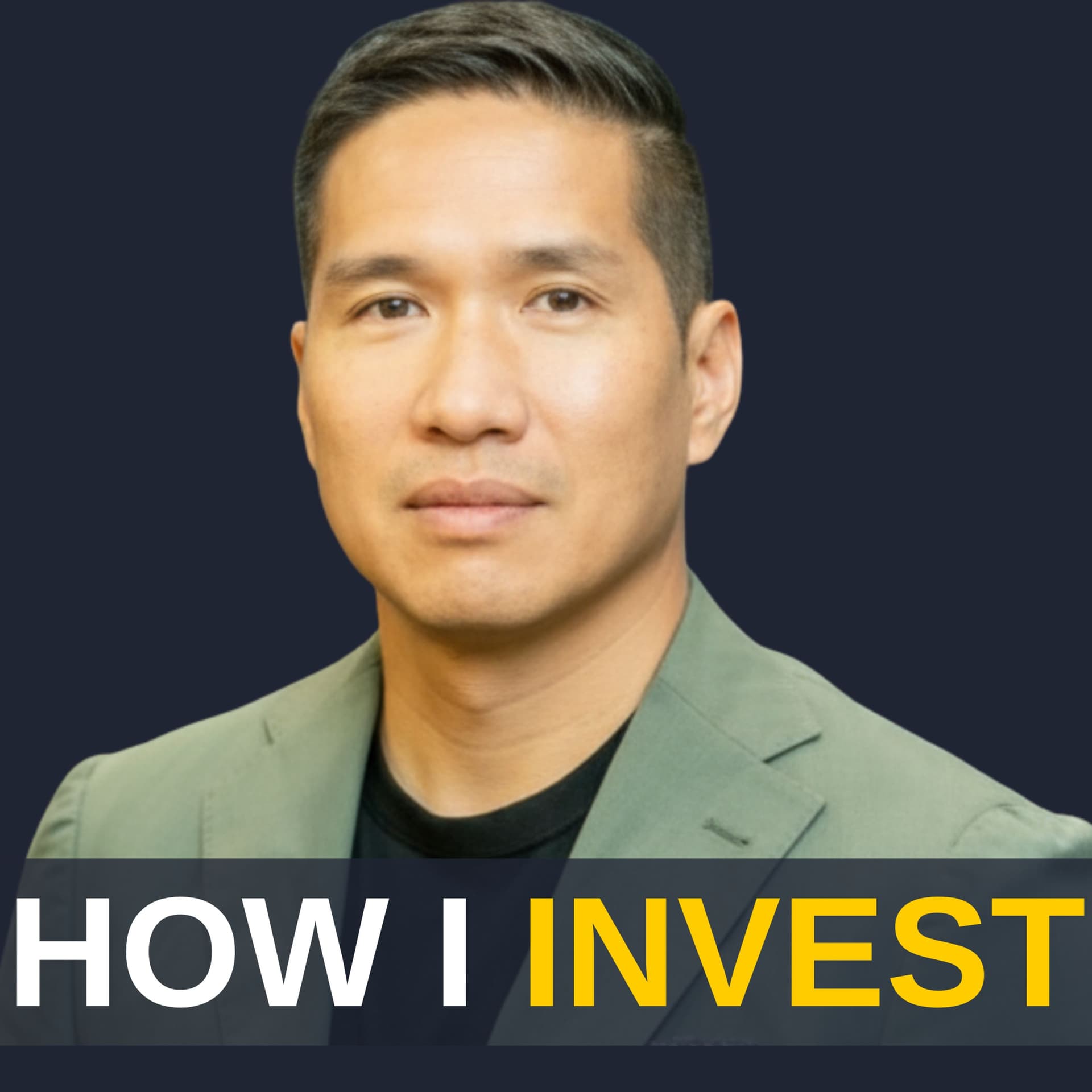
How I Invest with David Weisburd
E262: The 50-30-20 Portfolio: How Institutions Are Rebuilding 60/40
00:44:39
Loading summary
Transcript57 lines
- [00:00]
Host
Alfred, you've had one of the most interesting career arcs. You were the ETF strategist at BMO. You ran fixed income at a 30 billion fund. You even worked at bank of Canada during QE quantitative easing. How did those experiences affect how you think about building an asset management firm today?
- [00:20]
Alfred
I have a lot of luxuries in my career, right. I think I was very fortunate in many different ways. So at bmo I was very fortunate to work with a lot of talented individuals that I guess we all came up in the career or, you know, in the business together where we can learn the industry. A lot of those individuals have gone on to very influential positions within the industry up here in Canada. But more importantly, I think I've worked with a lot of good bosses that encouraged us to learn more than portfolio management, but also learn about the asset management business in general. So you mentioned, you know, the $30 billion mandate that I was in charge of in terms of leading fixed income portfolio management and also trading. So, you know, the good thing of that is I got in at the ground level and I basically was managing everything from governments, corporates, high yield credit derivatives, emerging market tips and preferred shares or anything that was fixed income related. So the benefit of that is I got to understand fixed income, you know, on a macro level, but also understanding the plumbing and the market structure as well. After the bank of Canada, actually I came, came out and oversaw the index equity business, which was pretty much a $50 billion mandate. So overseeing index equities, but also factor based strategies and also some thematic and sector based strategies as well. So when you look at a lot of portfolio managers, they don't have the luxuries of basically seeing both sides of the aisle, so to speak. So I got the luxuries of learning both sides of the business, but going back to my bosses that were very influential in terms of growth. I think one of the key aspects is that I learned how to take an idea and basically create a product out of it, work with legal and operations to get it up and running, also managing and trading it, but also coming up with the value proposition, the sales and marketing, going on the road and marketing and growing the assets. So very excited to come over to Q Wealth where we almost get to do it all over again. So in the last 12 months, working with one of our co founders, Larry Berman, basically set the foundation in order to get the business ready to scale. So super excited about it.
- [02:23]
Host
Maybe you could double click on this idea of taking an idea and building a product around it, launching it and scaling it. Give me an example of how you did that and what are some best practices?
- [02:36]
Alfred
So a good example is, you know, we were very involved in terms of launching the product, so working with our product team. But also, you know, a good example is, you know, we launched a gold bullion fund and we had actual vault underneath the building. So just working with, you know, basically the operations in terms of the custodian, getting everything to flow from, you know, the vault to the custodian, working with a sub custodian and getting everything up and ready. Right. But also doing the due diligence in checking out, you know, the vault and the operations as well. That was pretty cool as well. Right. So we actually got to do a tour of the, you know, the vault. So basically just holding the gold bars and the silver bars. So very interesting and very cool as well.
- [03:23]
Host
Now you're in the seat of Q Wealth Partners for those outside of Canada. Tell me about Q Wealth Partners and what are you trying to achieve?
- [03:30]
Alfred
So Q Wealth Partners is essentially, I would say, the Canadian equivalent of an rig aggregator. So up here in Canada, we. We actually don't have RAAs. Right. So it's a different registration. I would say the closest thing to an RIA is portfolio management firms, which we deal with. So we're essentially very similar to, let's say, Hightower or A Focus Financial. We're essentially providing the turnkey solutions for investment advisors, portfolio managers, and family offices that want to go independent. So if you want to go independent on your own, it's actually very difficult to do. So you have to go out and find a custodian, set out the legal and compliance framework, set up your investment. So it's very difficult. So we essentially provide the turnkey solutions that allow investors or, you know, investment advisors to have not just the legal and compliance, also the sales and marketing, the operations, the technology, and also more importantly, the investment platform as well. So what we want to do is essentially create a partnership and. And make it easy for those that want to go independent, because we are seeing a big push towards that independence.
- [04:37]
Host
Up here in Canada and within a context of being the backend, for lack of a better word, for these wealth managers and helping them build their relationships on the front end. You're the deputy Chief Investment officer. How do you think about portfolio allocation when you think about these kind of independent advisors trying to build portfolios for their end customers?
- [04:59]
Alfred
It's an open architecture, right. So, you know, portfolio managers are able to build portfolios the way they want, however they have to fit within the framework. Right. So the regulators will see, you know, for example, what does a balanced portfolio look like? They have the flexibility in order to create a balanced model the way they want. However, there is, you know, guardrails that govern, you know, each and every one of the partner firms. So we do have many different ways in which advisors could put together portfolios. Again, as I mentioned, it is open architecture where they could use, you know, external funds such as ETFs and mutual funds. We like to go, we have a pool fund structure where we allow basically advisors and we, we basically approach a lot of the fund managers to get institutional pricing. But essentially, you know, when we put together portfolios, we also launched asset allocation models based on different objectives. You know, whether it's, you know, let's say it's income and growth, but also tax efficient income, no matter, you know, what the objective they're looking for. We actually provide almost, you know, additional guidance if they need.
- [06:02]
Host
And like many asset managers, you're extremely bullish on alternatives. Private equity, private credit. Tell me about your views on alternatives and how does one go about building a portfolio? Q4, 2025.
- [06:18]
Alfred
We like alternatives. You know, when you look at portfolio construction as a framework right now, you know, you look at the public side of the portfolio. Obviously I come from the public side, you know, dealing with ETFs. But you know, the challenge with generating alpha from the public side of the market right now is becoming more and more difficult. Right. So this isn't really, you know, an active versus passive debate. But when you look at the underlying market, for example, it's very difficult to generate alpha, right? So you look at information flow, for example, it's not the 80s and 90s anymore, right. Where you know, if you see a headline hit, you know, back then, it doesn't hit the headlines until, you know, you Turn on the 6 o' clock news or you pick up the newspaper the next morning. So today you have not just the Internet, but you have social media, you have Twitter or X. Anything is priced into the market almost instantaneously. You add in the fact that you have things like, you know, high frequency trading, algorithmic trading, and you look at the general investor, even your do it yourself investors, they're so much more knowledgeable at this point. Right. So mispricing, there's a lot less mispricing in the market right now. Right. So generating alpha is, is much more difficult. That's not to say that I don't believe in active management. We do allocate to a lot of active Managers that we believe have a lot of skills that could consistently generate alpha. Having said that, however, I think that, you know, when you look at portfolio construction and where you want to dedicate resources, you look at the private side of the business and it's almost like, you know, the information is more asymmetric on that side of the business. So if you have a strong due diligence team, you have a strong legal team that could go through a lot of the financial statements, a lot of the legal covenants, it's almost as if you can extract alpha more easy on that side of the portfolio. And just one more thing, just in terms of when I look at the correlations in the public side of the market right now, having a background in both fixed income and equities, the correlations in both of those asset classes are increasingly going to be more elevated. And I think a big reason is that up until 2022, your general market sell off was. Economic conditions worsen, central banks jump in, ease interest rates, expand balance sheets. Now it's almost like, you know, you look at, you know, the growing debt levels of not just the U.S. but globally, I believe we're in this debasement regime where we're going to have bouts of inflation. So in that kind of environment, central banks may raise interest rates rather than drop interest rates. So I think fixed income and equities are going to become increasingly correlated in this environment.
- [08:50]
Host
It's top of mind. I just recently chatted to biologist Srinivasan for I think it was almost a three hour interview and he talks about this idea of the dollar losing value versus Bitcoin, some, some astronomical amount over the last decade. Yet if you look at the ten year inflation numbers, they're at about two and a half percent. That's, that's what's expected. How do you explain this disconnect between what people often feel in terms of their purchasing power going down and these kind of official numbers that we get from the Federal Reserve Board, but also from universities and other independent parties.
- [09:24]
Alfred
Well, there's a big disconnect, right? So when you look at a lot of those CPI numbers, it's really based on the basket that, you know, some government body sets. I don't think a lot of those baskets are reflective of, you know, real life cost. So as you mentioned, you know, anecdotally when, you know, just, you know, just from my own living standards, like going out to, you know, vacations or even, you know, everyday living has become more costly. We actually just got back from a vacation. I was just talking to my wife how much more these vacations cost compared to even 10 years ago. Right. So the general cost of living has gone up. I don't think a lot of that is captured in cpi. But when you look at real assets, for example, whether it's bitcoin or whether it's gold, that continues to go up. Right. So I do believe, as I mentioned, we are in this debasement regime where you look at government debt, especially the U.S. for example, where the U.S. obviously wants to maintain that reserve currency status of the world so they can't default on their debt and the only way out is to debase their currency. And we're clearly seeing that reflected in things like gold prices, but even digital currencies as well.
- [10:29]
Host
I've had the CEO bitwise, the CIO bitwise. Many people talk about crypto. Most of them obviously are very biased in terms of that's their role and they want as much bitcoin adoption as possible. But you're in the seat where you're helping, you know, thousands of underlying portfolios get to their efficient frontier and building the right portfolio for the right individual. What's the, what's your philosophy when it comes to having Bitcoin and, or gold in your portfolio and how do you think about that?
- [11:00]
Alfred
The way we see it is that, you know, we don't have a specific bitcoin exposure. So right now, you know, partners can allocate to bitcoin and gold individually in their own models and their portfolios. So we probably won't introduce something that's gold specific or bitcoin specific. I think if they want those specific exposures, they could go and get that through an ETF much more efficiently. What we want to do, however, is almost create solutions that make it more efficient for them to get that exposure. Right. So introducing almost like a one ticket solution that provides exposure to real assets. Right. So creating one ticket solution that provides exposure to things like real estate, maybe things like farmland, but also things like real infrastructure and also things like precious metals like gold. And having a little bit of bitcoin in there, I think that's the proper way of putting together the portfolio. Again, if they want that peer exposure, they could more efficiently get that through an etf.
- [11:55]
Host
The most underrated aspect of investing is actually behavioral finance, which is the decisions that people make. Not necessarily trying to outsmart the market and get that extra a hundred percent basis points on some public company. But it's like, how do we build the right decision making so that people don't make these behavioral mistakes. And one of the behavioral mistakes I see over and over is trying to be too smart versus directly correct. And what do I mean by that is I've had people over the last decade ask me essentially like what crypto to buy should I buy Ethereum, Solana, Bitcoin? And my answer is always the same, which is buy a basket and just make sure you get exposure. And the reason I give that advice is because I know that they're going to get in their own way other than and they're never going to pull the trigger. And although Solana might have a 30% return and Ethereum might have a 20% return, the biggest mistake is actually not having exposure to either. How do you think about that? Like basically building a basket versus trying to pick individual stocks or individual investments?
- [12:56]
Alfred
Well, that's our approach altogether. Right. I mean, you know, when you frame it in terms of con, the context of crypto especially, we're not crypto experts by any means. Right. So for us to provide exposure to something like crypto, you know, we would probably provide exposure to the entire complex. Right. So whether it's Bitcoin or whether it's things like, you know, Ethereum or Solana, but you know, we would provide exposure not just to, you know, those digital currencies, but mixing it into other real assets in general. Right. So, you know, as I mentioned before, you know, we're not specific experts in digital currencies. We what we want to do is embed it into a portfolio where they're going to get exposures to very similar assets but based on a certain theme. So again, you know, we are thinking about launching kind of more targeted one ticket solutions and this would be more based on that kind of debasement regime and that kind of inflation regime that provides almost like a bolt on to a traditional 6040 portfolio.
- [13:51]
Host
And have you started giving thoughts in terms of what percentage digital assets should have in this traditional 6040 framework or next iteration of this framework?
- [14:00]
Alfred
We haven't got to that point yet. It's something we're probably going to launch in the new year, December, January. At that point we usually have the opportunity to launch a few new kind of private pools for our partnership. This is something that I've been kind of thinking about, but we haven't really come up with a percentage yet. But as I mentioned before, it's going to be mixed in with other kind of real assets and other debasement themes as well. Again, I'm not a crypto expert, but again, we buy diversified exposure and tuck it into other real assets. I think that's the way we're going to approach it.
- [14:32]
Host
In that same vein, when you're looking 60, 40, it might have been our parents portfolio, 60% equity, 40% fixed income. What's your model portfolio today? Given the rise of alternatives and how much more access the individual investor has.
- [14:46]
Alfred
To alternatives, it's probably something like 50, 30, 20 is probably what we would use to replace a 60, 40, but obviously it's going to be geared towards your different risk profile, Right? So someone that is going to be less risky will probably have some other kind of different allocation in our model portfolio. Obviously, you know, some clients are not comfortable with alternatives. Those that are, however, we want to tuck in some alternatives into the portfolio, right? So what we find is that we have a lot of partner firms that join our partnership and usually what they do is when they come on, they have a 60, 40 portfolio, right? So as you mentioned, it's kind of like our mom and dad's portfolios. But what we do is, you know, we have an internal kind of portfolio management team. Part of their function is to optimize their portfolios to look through their models and just kind of rework how can we improve these portfolios? And I find, you know, the instant upgrade in terms of joining our platform is that we could tuck in some alternatives into their asset mix. Right? So whether it's privates or whether it's things like multistrad or even things like discretionary macro and CTAs, I think that's the proper way of putting together a portfolio. Right. So as we saw in 2022, you know, fixed income and equities became poorly. And I think we're going to see more of that going forward. But if you have things like discretionary macro, for example, you know, we have a discretionary macro manager that, you know, after April, for example, when, you know, after Liberation Day, when market sold off, he actually returned positive returns. So I think that's a proper way of getting that negative correlation or at least uncorrelated assets into your portfolio.
- [16:18]
Host
At the ex CIO of Northern Trust. And he did this whole exercise on equities and fixed income. And to your point, 2022, they were correlated. So all things being equal, the only reason you have fixed income is because in theory they're supposed to be negatively correlated. Stocks go down, fixed income goes up, and then you could rebalance it. What he found is the reason for a lot of the correlation was that people were seeking higher return from their Fixed income. So instead of doing Treasuries, they kept on going lower and lower in quality down to junk bonds trying to get a higher return. The problem with that is that those junk bonds were very highly correlated with equities. So instead of having something that's higher performing and negatively correlated, they had something that's essentially lower performing than the equities and as correlated. So he, he created a product around Treasuries and around levered Treasuries. But this aspect of correlation is something that I think people don't double click on and think about because this is in many ways the reason to have a 6040 portfolio. If there was 100% correlation, you would just have 1000 portfolio because that a hundred would give you higher returns during normal times and then it would be as correlated as something that was perfectly correlated between the 60 40.
- [17:33]
Alfred
Yeah, yeah. And we used to have a saying, you know, back in my old work when we managed high yield and other credit related products as well. Right. So credit essentially is equity on training wheels. So they are highly correlated to other risk assets in the portfolio. That's not to say that I'm bearish against fixed income. Right. Having a fixed income background, I obviously see value in terms of fixed income. I just think in a normal sell off at this point, relying on just duration exposure isn't going to provide that ballast. But having said that, I do believe that a proper portfolio should have some fixed income exposure in the case that we do get an easing cycle, as we're probably going to see in, in, in Q4, probably benefits of portfolio, you know, based on different regimes that we, we enter.
- [18:19]
Host
Without really saying it, you're looking at crypto as, as you mentioned, as a real asset, almost as a comparable asset to real estate, which is kind of inflation protection. I think a lot of times in asset management people look at the tools, call it private credit, private equity, almost as ends in of themselves versus part of a balanced portfolio. How do you think about the different modules within a portfolio and what are their purposes? So what's competing with what, what's grouped together? And maybe you could map, map the.
- [18:48]
Alfred
Industry for me in terms of, you know, the portfolio construction buckets. We almost map it as if there's three buckets. There's equities that you know, under equities we have different flavors obviously you have passive, you have active and then you have the components in between, which is factors on fixed income you have duration, you have credit, but then you have different buckets within that credit risk. As well, you could have things like clos and other kind of exposures as well. Then alternatives, we kind of bucket into everything together. So that's privates, we put in there things like discretionary macro, as I mentioned before, CTAs. And that's where to me there's actually two types of alternatives. There's alternative assets, which is things like infrastructure, privates. But then you have alternative strategies as well, right. Which could invest in public markets but could go long, short. So that return profile is very different than, you know, publics. But from my perspective, I think, you know, when you look at privates, you know, you talked about behavioral investing a couple minutes ago and I think that adding that privates into a portfolio is actually beneficial because you know, I come from the ETF world where you know, you ETFs are basically Mark to market per nanosecond. Right. The private side, it's basically mark to market much less frequent, much less frequently. And a lot of people will say, well, when you have privates in a portfolio, that's essentially volatility wandering. Which is not true to a degree. Exactly. Right. But there it is true to a degree. But you know, when you look at portfolio construction on a long term basis, I believe usually when you look at investing, staying invested is, is the right course of action. Right. So when you look at an ETF and in a market sell off like 20, 20, 28, you're going to see that portfolio tick down, tick down, tick down. So when I look at my statement, when I, when I look at the markets and your first reaction is, you know, I want to stop my losses right here. So you're going to sell it when in hindsight you probably should have just held onto it with the private side of the portfolio because it's not mark to market. It almost removes some of the behavioral elements to, you know, that, that you know, needing to sell and stop those losses. So you know, there is kind of a behavioral element to it when, when you're constructing these portfolios.
- [21:02]
Host
Just to put some more meat on that bone, I've talked to some of the top investors in crypto in terms of LPs like institutional think about endowments, you know, forward leaning pension funds, single family offices. And one theme, probably 90 plus percentage of the cases their best investments came in their illiquid structures where they couldn't sell at the wrong times. So not only was illiquidity not a bad thing, it was the one thing that driven their returns. More so than to go back to our previous example Picking Solana versus Ethereum or Bitcoin versus versus another asset. It was actually not selling at the wrong time and keeping your money in the game, which was what led to their returns. This, this behavioral constraint, I call it the virtue of illiquidity kept them from their own mistakes.
- [21:48]
Alfred
Absolutely. And, and you know, the thing is that, you know, when you look at privates, we, we had a few funds up here in Canada that have been gated. It's, it's made a lot of headlines because you know, a lot of people say well, you know, it's gated now, we can't get our money back. Which is true. However, you know, that is a function of the asset class. Right. So a lot of people will say, you know, I want, I want to earn this illiquidity premium or I want these higher yields from privates which comes from that illiquidity premium. But then at the same time they want daily liquidity as well. Right. So it's almost like you can't have your cake and eat it too. I think for privates to function properly, it needs to be gated from time to time. Because think of your, you know, if you are a manager allocating that capital and all of a sudden three weeks later after you allocate it, you know, investors want that back. Right. So that's, you know, coming from an ETF background, I know the ETF industry is pushing into the private space. I actually disagree with that. I think the ETF structure is very good for the public space. It's the best structure for it. But for the private space, I don't think it's a good structure because there is that liquidity mismatch.
- [22:52]
Host
This is a known concept in the privates world which is if you have the right LP base, they will actually back you in difficult times and redouble and triple down. Even though your returns are technically down. A, they might be relatively up versus other managers, but that might be a buying opportunity and your LPs will back you. The endowments are famous for this. Backing managers during difficult crisis and they end up getting these, these incredible returns. The same obviously could happen on the public side as well. I want to though double click on this whole function of assets in a portfolio.
- [23:26]
Narrator
Introducing Genius bank, the award winning bank that does things differently for our kind of genius. Spelled with a J. Award winning can mean many things like most locations. But who still goes to the bank for us? Award winning means best newcomer bank of 2025 by bank rate. Visit genius bank.com genius with a J Genius bank registered trademark is a division of smbc. Manu Bank Awards are independently granted by their respective publication, are not indicative of future or results.
- [23:56]
Host
One of the ways that I look at it. So let's take liquidity to aside for a minute. I look at, I have a personal portfolio of over 500 startups via managers or via direct. I of course have good access, good information, all those things. But the way that I look at this 500 portfolio of companies is like a mini S&P 500, meaning their equities. Maybe they're much higher beta than S&P 500, but they're essentially much more diversified than somebody that would say, well, you have X amount of money in startups or you have X amount of money in venture capital. Is there another way that investors should be looking at the function and diversification in their portfolio than simply kind of high level private equity, venture capital, private credit, stocks, bonds?
- [24:42]
Alfred
No. You know, I do think that is an efficient way to look at it. Obviously, you know, when you're looking at startups, a lot of those startups potentially may not work out. Right? Even though you have an asymmetric flow of information that goes to you, you probably have better intel than the rest of the general public. But the reality is that most startups do fail. So having a diversified exposure definitely makes sense. Right? So that's the way we approach things like private credit, private equity. We essentially provide exposure to the general building block. But then we kind of think about, you know, what's the most efficient way of providing that exposure, but then what are the shortcomings of that asset class? Right? So private credit is a good example where, you know, there is that J curve effect. What we want to do is provide exposure to the asset class in general. So similar to what you're doing in the startups, we provide exposure to a broad basket. But then in order to reduce that J curve effect, we have an investment probably in 30 or 40 different funds and LPs. A lot of those are at different points of the investment cycle. So because of that, you know, you have certain investments that are just entering that J curve, certain ones that are coming out. So that kind of smooths out that JCARP effect. But in addition to that, I think the benefit is that a lot of our investors, you know, whether you're $5 million or maybe $50,000, a lot of them will not have access to a lot of these private deals because the minimum barriers to entry is maybe, you know, three mil. You're not going to blow through 50% of someone's kind of, you know, net worth on a certain deal that could go sideways. Right. So we believe this structure almost democratizes the asset class where your $50,000 client is going to get the same opportunities as your $5 million client.
- [26:27]
Host
Is there ever a reason, let's say you have a client that has a billion dollars. Is there ever a reason for them to use interval funds? And if so, in what cases does it make sense for an ultra high net worth to be using some of these structures?
- [26:43]
Alfred
We don't have interval funds right now, just because when you look at our private credit fund, for example, around 550, 600 million Canadian dollars. So, you know, the, the luxuries that we've had is that we've had incoming liquidity. So we're a liquidity provider, not a liquidity seeker. Right. So for us, you know, we haven't really needed interval funds. But where I see a purpose for them is that, you know, eventually when we do kind of hit that critical mass and, you know, that fund stops growing with the way we manage it, is our private credit fund. Essentially, there is a liquidity sleeve. So that is made up of bonds, maybe some options to kind of dampen the volatility, but also to enhance the yield as well, to make it more private credit, like. But we have daily liquidity because they are public market vehicles. We may use some ETFs in their listed options as well. So that's a liquidity sleeve, which is maybe, you know, in the $600 million fund, let's call it 35 mil right now, we maybe increase it, given the concerns about private credit right now. But the second layer is, you know, that locked in capital that is untouched for five, seven years or whatever you call it. Where I see interval funds being used as almost bridging that gap.
- [28:00]
Host
Right.
- [28:01]
Alfred
So if we kind of like, you know, draw down our liquidity sleeve, we could kind of tap into interval funds where we could have monthly or quarterly liquidity. And I think that's potentially where I see a use case for interval funds.
- [28:13]
Host
Maybe it's because I have this podcast that talks to alternative asset managers many times a week. But I think of this situation where you're diversified in the way that we talked about. Let's just say it's 50% stocks, 30% bonds, 20% alternatives, have redefined the alternative space. And then somebody comes to you like somebody did on my podcast, and said, I'm, I'm investing into whiskey barrels. And here's how. It's not correlated to the market and all these things, or I, I have a chance to buy a portion of an NFL or NBA team. And here's kind of my thesis to that. How do you think about inbound opportunities that come when you're in your model portfolio and what are some operating principles to how to react to these net new investments?
- [28:57]
Alfred
Well, you know, to us, you know, we, we definitely have made a investment into, you know, sports franchises, for example, funds that provide that exposure. But for us, you know, anything that goes into the portfolio has to pass the same kind of rigor as anything that goes into the portfolio, whether it's private credit, private equity, a multi strat manager, or whether it's a sports ownership fund. Right. So you know, the sports ownership fund, we had a few partners that kind of had interest in it, but we're not going to add it just because we're getting pressure from partners. Right. It has to make sense for the end client. Has to make sense from an investment perspective as a fiduciary, as a portfolio manager, you know, has to make sense from an investment perspective. But when we look at a lot of these kind of sports franchises, it is a pretty interesting opportunity, right? I mean, you know, you look at the NFL, you look at the NBA, there is a scarcity where there's only that many amount of teams. And when you look at kind of the revenue kind of generation of these kind of sports franchises, you know, there's not just the tickets, there's the concessions, there's the merchandising, there's the TV contracts. Now they're going towards streaming. So not only do you get to grow revenues, you probably get to grow the audience on a global scale as well. We think it's recession proof as well. You know, personally, if I had a hard day at work and you know, we're going through some kind of economic crisis, I, I'm probably going to decompress on the weekend by watching maybe an NBA game or whatever, right? So we think it's very complimentary to, you know, the traditional risk assets in the portfolio. But at the end of the day it has to pass that institutional rigor from a due diligence process.
- [30:35]
Host
The easiest thing to do in asset allocation is, is to basically say yes and diversify, quote, unquote, diversify your portfolio more, which some would call deworsify. When taken to the extreme. I'm reminded Mel Williams, who founded True Bridge and does the Midas list with his partners. He thinks about this kind of rank scaling. So they have, I believe, 11 funds in their portfolio. And every new fund doesn't have to actually just compete with like other new funds, they have to compete with more of the same fund. And oftentimes his best opportunity is to get more allocation in existing funds.
- [31:13]
Alfred
I see it the same way as well. I mean, when you're looking at a certain asset class, for example, how much more diversification are you going to get from a 50 stock portfolio to maybe 150 stock portfolio? The likelihood is that additional diversification, especially if you go from like 500 to a thousand stocks, that's essentially diversification from my perspective. But if you're adding additional kind of assets to a portfolio, so not more of the same in the same asset class, but looking at different kind of exposures, you know, just going back to sports franchises, for example, the correlation between that and your traditional kind of public assets to me isn't diversification. Right. Because there are actual kind of true uncorrelated kind of return streams when you are, you know, adding different asset classes and different return streams to a portfolio rather than more of the same of, of a certain asset class. So that's kind of how we approach diversification. Not intra asset class, but more so like inter asset class across, you know, many different kind of non correlated returns.
- [32:17]
Host
And essentially the hurdle for that net new investment needs to make the portfolio better in some way. What does that mean? That means it has to have higher returns or more diversified. Meaning it accounts for different situations. They may not be correlated thrust to the asset, maybe more liquidity. Although we, we talked about why that could be a bad thing or maybe more tax advantages. Is that kind of how you think about it? And what other reasons would you add something to your portfolio?
- [32:43]
Alfred
I think it's return opportunities. That's one the diversification. But not just simple uncorrelated returns. Right. I think, you know, having lived through certain financial crises, you know, 2008, 2020, you learn very quickly that things could become very correlated very quickly. Right. So to me it's like, it's almost like the more liquid you are, the more correlated you're going to be, right. So 2020 was a very good example where the more liquid you are, it became correlated with risk assets. Right. So you know, when you have a rush for liquidity, you know, what I noticed in, in 2020 was that we saw a bigger sell off in investment grade bonds than high yield. The spreads almost widened further because, you know, if you have to tap on liquidity, you're going to tap on the investment grade market first before high yield that's why spreads kind of blew out more during that period. So to me, when you're putting together a portfolio, uncorrelated returns is very important. But it has to kind of withhold, you know, a liquidity crisis where if things sell off, is it still going to be uncorrelated? Right. So that's why we look at things like discretionary macro where you could short the market and kind of take advantage of, you know, sell offs and it is actually going to be uncorrelated.
- [34:03]
Host
I had this very conversation with Jackson Craig. So he's at H I G and they are, they're the first, first in the, in the battle lines, they're the credit funding. So they really have to understand these correlations because they're the first ones to get wiped out in, in down markets. And it's not always obvious what, what portfolio is diversified or not. Just to give you an example, you might have three companies that are within one block of each other in Columbus, Ohio. One is an oil rig, One is a SaaS startup, and one is a widget factory. They might have close to zero correlation. One is driven by energy prices, one is driven by interest rates, one is driven by supply and tariffs. It might be completely uncorrelated, but if you take that same example and change it a little bit and you might have three an oil rig in one state, a widget factory Another state, a SaaS startup in another state. They might be actually extremely correlated if they're all in the same energy space. If the SaaS startup is creating SaaS for, for, for energy companies, if the widget factory is making widgets for that oil rig, they might even be in different countries. So using these heuristics of geography or industry oftentimes do work. But sometimes you have to look past them and you have to really think about from first principles, is our portfolio diversified? And if so, have we looked at all the different events, environments, market dynamics? 2022 was so unique because it was supply side. Most recessions are demand side. So it had all these characteristics that maybe had, had, had been seen before, but maybe not in a hundred years. So that's what threw people off. But you really have to think deeply about your portfolio construction not just in these simple things that might show up in your report or in your spreadsheet, but really think from first principles.
- [35:53]
Alfred
Absolutely. I think, you know, when you look at the markets right now as well, I mean, you look at certain data points like, you know, I was looking at margin debt yesterday, so the amount of leverage in the market. And you know, it's, it's, it's almost like at all time highs right now. So there is a lot of kind of leverage and liquidity in the market. But if we hit some kind of, you know, major event, as we saw in 2008, 2020, a lot of that leverage is going to unwind and then you'll find a lot of these assets that are not just intercorrelated. So the ones you mentioned in terms of, you know, the, the oil rig and the widget producer that have kind of common kind of similarities or, you know, have certain supply chain kind of connectivity, but also if it becomes a systemic issue where you are kind of like unwinding leverage, that's when things in your portfolio that are not interconnected all of a sudden become interconnected. Right. So we often, we often have to think about that as well when we put together portfolios. So that's why we like things that have the ability to, you know, go things like, you know, going short in the market. So discretionary macros I come back to because, you know, when you are kind of unwinding and decreasing that leverage in the market, the shorts are going to work out where everything else is going to become interconnected.
- [37:12]
Host
You mentioned the cta. Those are literally taking advantage of the volatility. So, you know, they're uncorrelated in a way that they basically make all their money when people are buying and selling, when there's basically high, high volatility in the market, 100%.
- [37:27]
Alfred
I mean, that's why we like CTA. CTAs, I think, you know, are part of that kind of like debasement regime where commodities will, you know, hopefully appreciate if we continue to see more debasement. But to your point, they could take advantage of that volatility as well.
- [37:42]
Host
You guys today sit at roughly 6 billion AUA assets under advisement. What do the next five years look for, you guys? And where do you see what, what alternatives do you see driving that next five years of growth?
- [37:55]
Alfred
It's a good question, I think. You know, I've been here for 12 months, so when I came on board, we had 3.5 billion in, in AUA. 12 months later we have 6 billion. We're probably going to close the calendar year hopefully just shy of 7 billion. So we've grown a lot in terms of the wealth side of the business, the asset management side of the business, in terms of, you know, where the assets will reside. I think it really depends on, you know, how the business unfolds. I think five years from now in terms of AUA, hopefully we're between 20 to 30 billion in terms of where those assets will reside in the asset management side of the business. So right now our model is basically launching private pools that are used exclusively by the partner firms. So I think, I think if that continues to be the business case here, I think a lot of those assets will reside in essentially the privates, right? Because as I mentioned before, a lot of firms that join our platform, the instant, kind of instant upgrade for them is including privates and alternatives in their portfolio. So I think the public side of the portfolio, we are open architecture where they don't have to use our pools. So the public side, I could see them using maybe a combination of our pools, maybe some ETFs and mutual funds. So we maybe don't get as much penetration in the public side. However, if we do change our business model, maybe if we launch external funds, maybe if we launch ETFs, as I mentioned before, ETFs are a great investment vehicle for the public side of the portfolio. So if we do launch external funds, maybe those assets will reside more so in the public space. So it really depends on how the business unfolds.
- [39:34]
Host
Going back. You started your career at RVC in 2002. I'm not trying to age you, but just a historic attack. If you could go back to 2002 as we started at RBC, what piece of timeless advice would you give yourself that would have either accelerated your growth or kept you from some costly mistakes?
- [39:54]
Alfred
You know, I would say I'm a big believer in terms of everything that needed to happen probably happened. So I don't, you know, regret anything. But I think part of that journey was, you know, 2002 to 2022. I saw a lot of market crises, right? So I lived through the, I graduated, as you mentioned, during the dot com crisis. It's very difficult kind of market then. But also 2008, 2020, 2022 additional market crises as well. To me, 2008, 2020 was the worst. I guess the major kind of learning lesson during those time periods was that don't take liquidity for granted, right? So, you know, having not lived through 2008, 2020, it probably would not have a good understanding of that. So, you know, I remember when I was managing fixed income in 2020, I was managing, you know, one of the funds I managed was almost like a, A, a cash like fund and there'd be high quality investment paper that would be maturing in three weeks and we couldn't get rid of it. Right. So, you know, a lot of times when fund providers come by our offices now and trying to get us to allocate, they say, you know, trust me, don't worry, it's going to be liquid. So I think, you know, having gone through those incidences, you don't take liquidity for granted. So when we construct portfolios, knowing where to draw liquidity from having those liquidity pockets in the portfolio, I think that was the major learning lesson.
- [41:23]
Host
What's the right action during these crises with, with your liquidity outside of just buying at the absolute bottom? Like how do you practically game plan when there's a crisis and what do you do?
- [41:34]
Alfred
As I mentioned before, you know, unless you need that liquidity, do not tap into the portfolio. Right. So it's almost like you have a well constructed portfolio that's going to be sound, spread across different asset classes and different factors and hopefully that's going to provide you with enough insulation. But if you don't need liquidity, don't tap into it. It's almost like when you have that sell off, it's almost better to allocate more to it. But if you need to tap liquidity, what we like to do is, you know, nowhere to draw that liquidity. So have certain parts of your portfolio that is going to provide liquidity pockets, but also have a sequence of events in terms of, you know, knowing where to draw from. So first, you know, draw from, you know, your cash wedges or potential cash buckets in your portfolio, then the publics and then know the private side of your portfolio. Hopefully you don't need to touch it.
- [42:21]
Host
I, I oftentimes think about these as war games. Caler had this best idea contest and they found that the best idea was to prepare for the next crisis and they essentially simulated what they would do in that crisis. I think it's extremely underrated exercise that every asset manager should be doing.
- [42:39]
Alfred
Absolutely. I think, you know, I, I think being prepared is, is probably very underrated. Right. So again, you know, I point back to 2020. To me, you know, 2020 was almost worse than 2008 just because even though it was a lot more short lived, the velocity to sell off was much more violent. So I think, you know, as I mentioned before, you don't take liquidity for granted. Right. So anytime you have a portfolio, nowhere to draw liquidity from, and from my perspective it's that if you need to draw liquidity from your portfolio and you don't have it, the chances are your Portfolio wasn't structured correctly in the first place. You, you shouldn't have been tapped into that much locked in assets. So to me, gaming for that kind of war games is useful because it allows you to construct a portfolio that allows you to draw liquidity and is properly game planned as well.
- [43:33]
Host
I had a previous guest that worked with at Goldman Sachs for a decade and she would fly around and look for holes in people's portfolios. And one of the framing that she uses I think is extremely powerful, which she figures out within one or two standard deviation. The maximum drawdown in portfolio, let's say it's 20%. She actually starts with that, which is client XYZ. Tomorrow your portfolio goes down by 20%. How do you react and is that acceptable? And you start with absolute worst case, call it two standard deviation. And then when that happens, it's kind of part of the plan and you know what to expect. And also extremely easy. An extremely underrated behavioral exercise you could do to essentially make sure that you don't take wrong action at the exact wrong time.
- [44:20]
Alfred
That's a good exercise. You know, as I mentioned before, I think you know, going into that and doing that exercise before you construct the portfolio, you know, if they behave badly, then the chances are that, you know, you constructed the portfolio improperly for that client. So, you know, I definitely agree with that exercise. I think that is a good way to kind of game plan to find out, you know, what is the proper portfolio to put a client in.
- [44:44]
Host
Alfred, this has been absolute masterclass. Enjoy the conversation. Looking forward to doing this again soon.
- [44:49]
Alfred
My pleasure. Thanks for having me.
- [44:51]
Narrator
That's it for today's episode of How I Invest. If this conversation gave you new insights or ideas, do me a quick favor. Share with one person in your network who'd find it valuable or leave a short review wherever you listen. This helps more investors discover the show and keeps us bringing you these conversations week after week. Thank you for your continued support.