
Podcast
How We Got Here
Hosted by Caregiving.com · EN
Whether we’re in it or bearing witness to it, caregiving impacts everyone and profoundly shapes our purpose and identity. How We Got Here is a podcast that enriches our understanding of what it means to give and receive care by talking to people about the circumstances that introduced them to caregiving and how these experiences changed them.
11episodes
Episodes
Newest firstAll episodes
Farewells and Future Plans
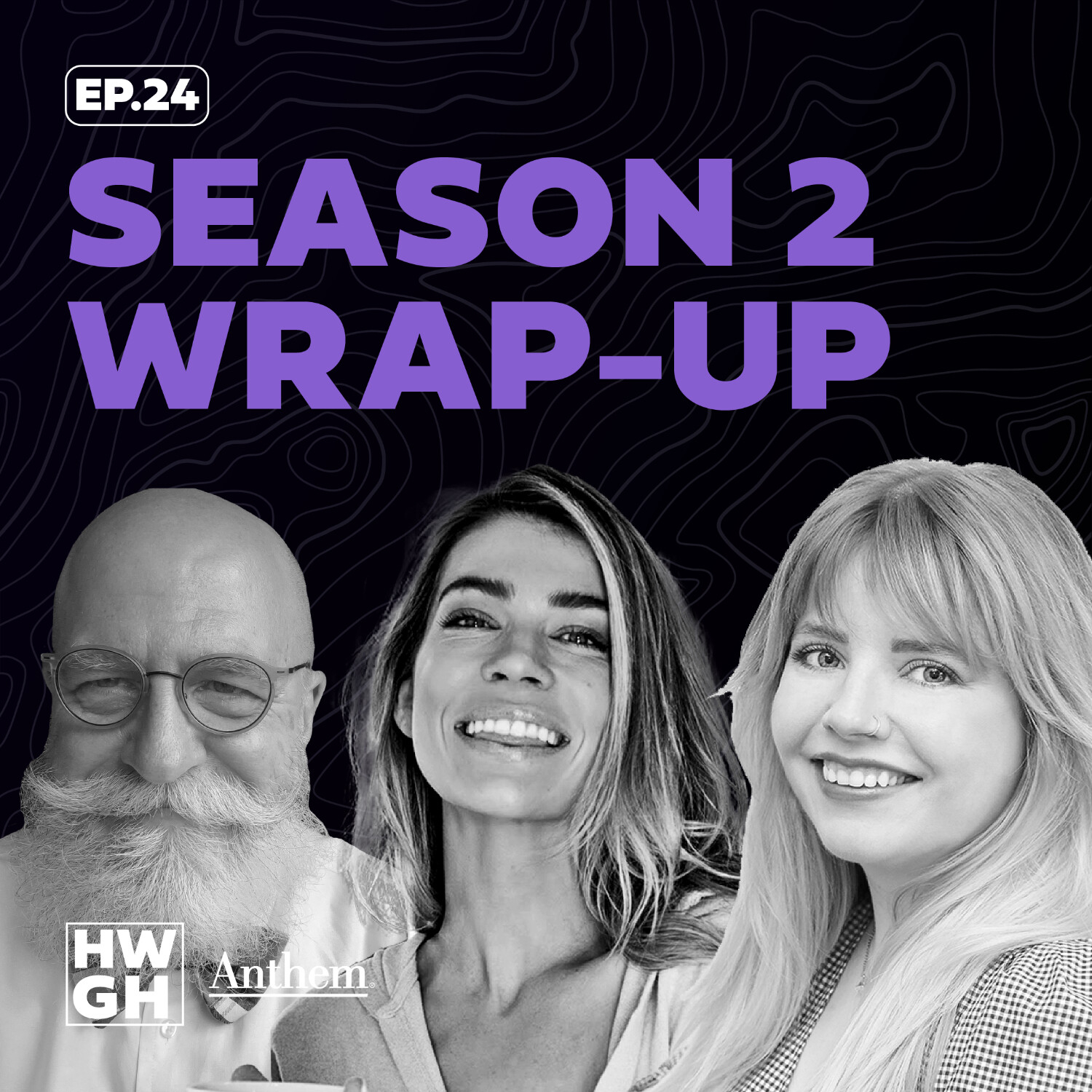
Mar 22, 202200:22:27Tap to summarizeOn the final episode of the season we say farewell to Chris who reflects on the knowledge and connections gained from being a part of How We Got Here. He expresses hope about the next chapter of where his life of "Aging Gayfully" will take him. We also introduce season 3 co-host, Caregiving.com Associate Editor Sarah Trott. Christina and Sarah share their plans for the forthcoming season. This season of "How We Got Here" is sponsored by Anthem.
Transcribe →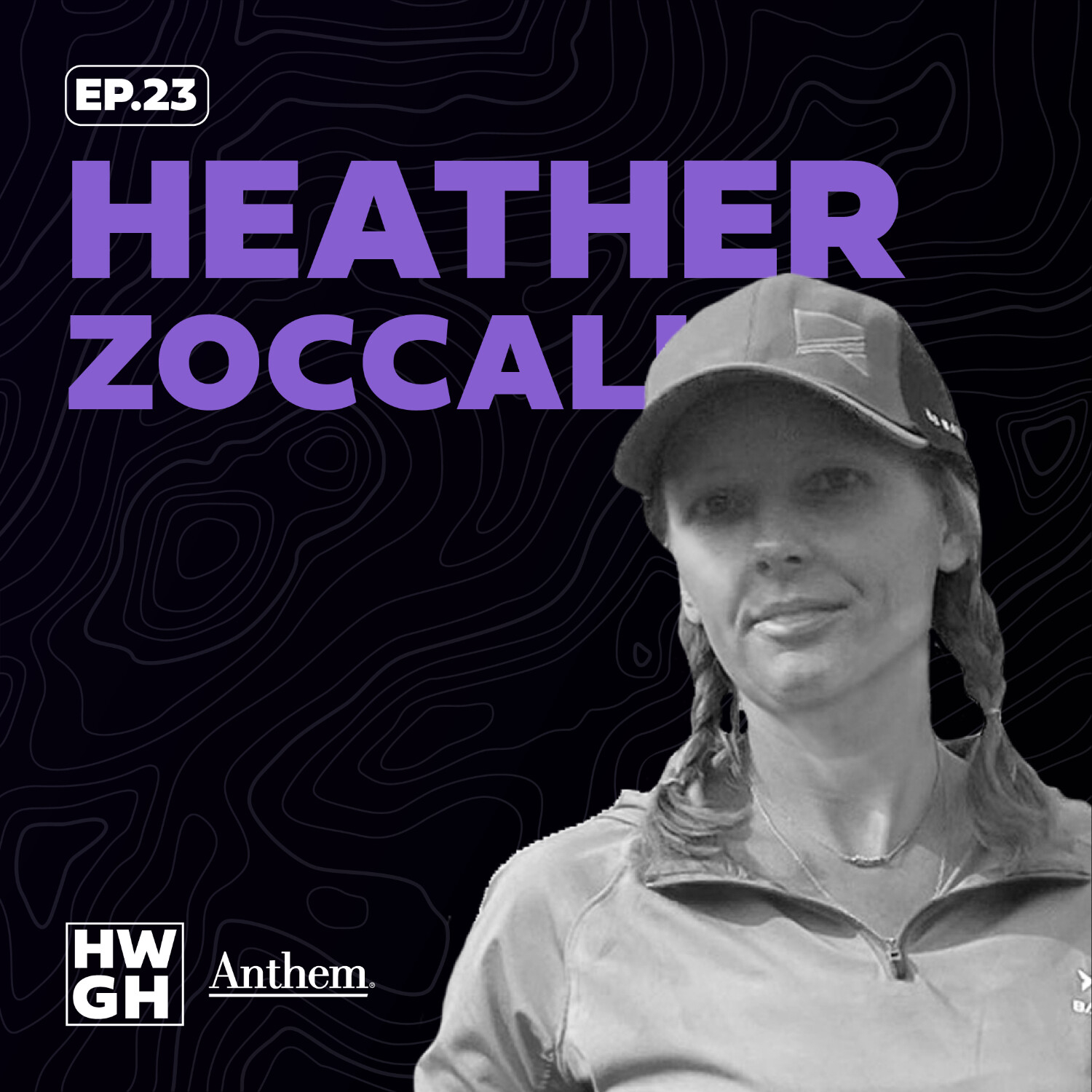
Heather Zoccali
Mar 2, 202200:59:16Tap to summarizeHeather Zoccali is the current founder and director of the No Barriers Caregiver Program. She is also a co-host for The Brutally Beautiful podcast. Heather has been on the giving and receiving end of care throughout her life. In this conversation with Chris and Christina, Heather talks about her personal health issues as well as her son Connor's life-changing accident and how he's doing now. She also reflects on forgiveness and self-compassion and shares how modeling this behavior in our own lives can help others do the same. Heather offers advice on how to let others know when we need them to listen to us. She explains what happens at a No Barriers retreat and the tools attendees gain to incorporate self-care and empowerment pracrices into their caregiving. This season of How We Got Here is sponsored by Anthem. The application and nomination deadline for all 2022 No Barriers Caregiver retreats is March 18.
Transcribe →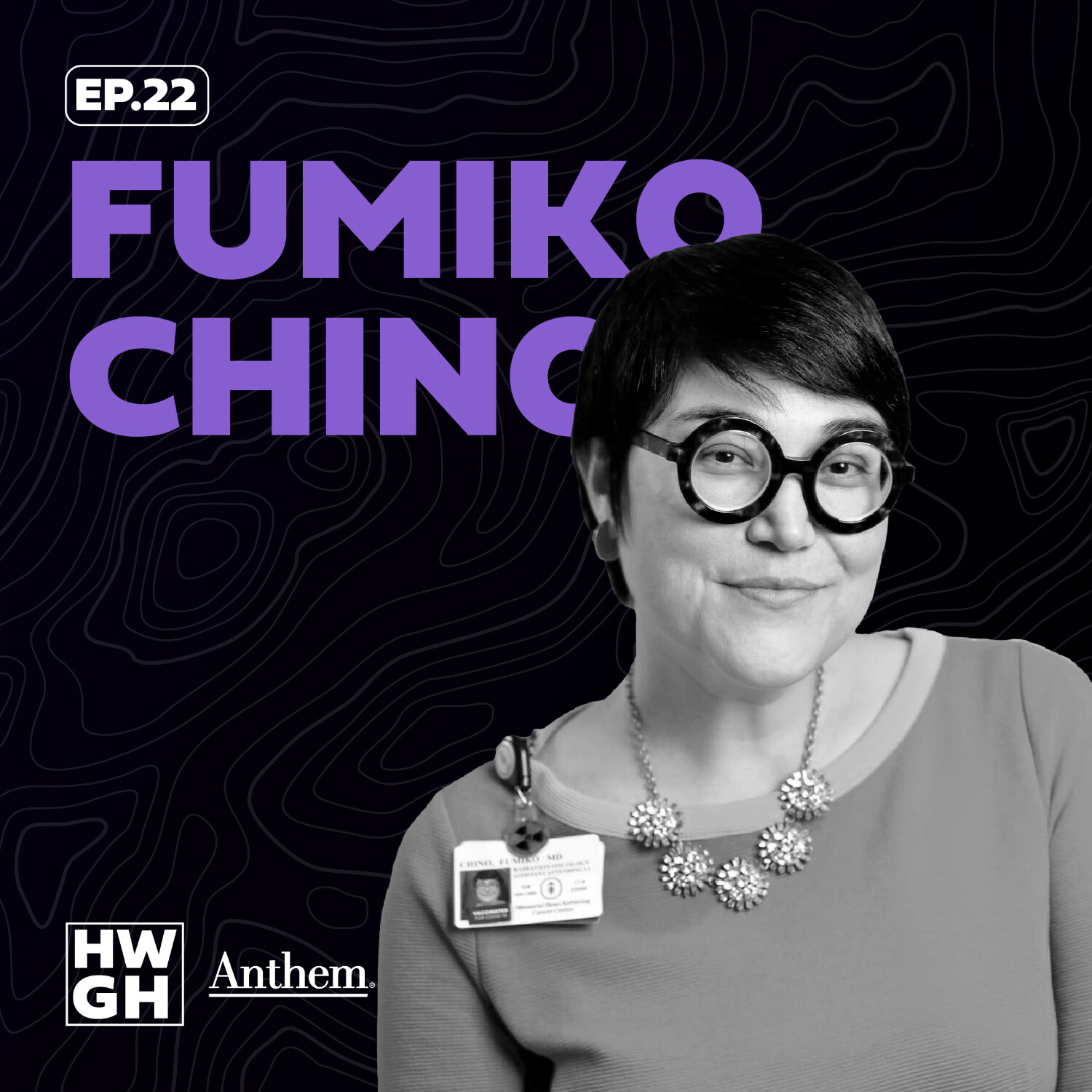
Dr. Fumiko Chino
Feb 23, 202201:00:26Tap to summarizeFumiko Chino, MD is a cancer researcher and Assistant Attending in Radiation Oncology at Memorial Sloan Kettering Cancer Center. She was also a caregiver for her husband Andrew Mark Ladd, PhD who died from cancer in 2007. Fumiko joins How We Got Here for a conversation about the many ways caregiving and loss shape and inspire us in our personal and professional lives. She talks about how caring for Andrew enriched her understanding of love and commitment. She also discusses the biggest challenge they faced — one that many families can relate to: the inability to keep up with the rising costs of medical care after a diagnosis (a phenomenon called financial toxicity). Fumiko explains how open conversations about care expenses can free us from the shame of not being able to afford care and make others more aware of our financial limitations. This season of How We Got Here is sponsored by Anthem.
Transcribe →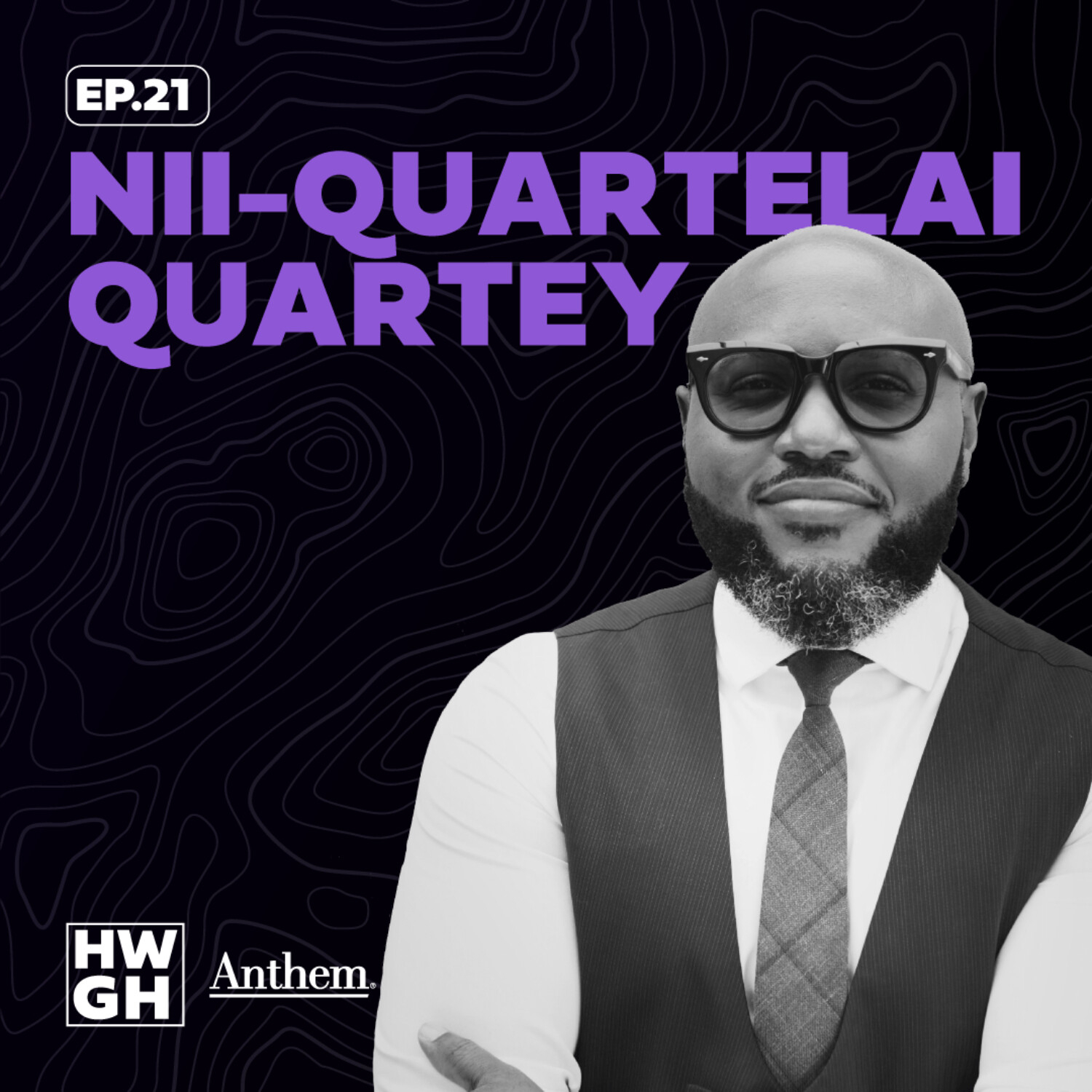
Dr. Nii-Quartelai Quartey
Nov 30, 202100:44:13Tap to summarizeDr. Nii-Quartelai Quartey serves AARP’s diverse membership, including over a million LGBTQ-plus members, as the organization’s Senior Advisor and National LGBTQ Liaison. In his conversation with How We Got Here, Nii-Quartelai describes several of the childhood experiences that ignited his passion for advocacy work. He also shares some of the latest AARP research on LGBTQ caregivers and how to care for members of the LGBTQ community and explains why advancing longevity is a justice issue. Nii-Quartelai also discusses the forthcoming long-term care index from SAGE and the Human Rights Council and how it will help families find safe and accepting communities, becoming a long-distance caregiver for both his mother and brother during the pandemic, and the difference between equality and equity. Click here for LGBTQ information from AARP, and click here to access their resources for caregivers. This season of How We Got Here is sponsored by Anthem.
Transcribe →
Robert Pardi
Nov 17, 202100:56:56Tap to summarizeRobert Pardi is a life coach and former caregiver to his wife Desiree, who was a palliative care physician. On this episode of How We Got Here, Robert describes his experiences with caregiving, including being trusted to execute his wife’s care wishes, and explains why a disease or diagnosis does not have to become your identity. He also talks about the unique nature of every caregiving experience and the importance of telling your story — while no two journeys are the same, there are pieces of every person's story that other's may benefit from. He also offers advice on how to talk to friends and family about caregiving and asking for help and reflects on the perspective to be gained from our impermanence. Learn more about Robert and his coaching services here. This season of How We Got Here is sponsored by Anthem.
Transcribe →
Michael Hebb
Nov 3, 202100:56:45Tap to summarizeMichael Hebb is the founder of EOL.Community and Death Over Dinner. On this episode of How We Got Here, Michael talks about how his father's Alzheimer's diagnosis, and the ways his family dealt with it, affected him as a child and helped shape his earliest memories of caregiving and grief. He also tells us about a life-changing experience he had as a patient that taught him surrender at a very young age. Michael explains why the the end of life is ripe with opportunity for healing and revealing our humanity and the beauty that comes from learning how our loved ones want to be remembered. He shares how his work is increasing death literacy and walks us through what happens at a Death Over Dinner event. Michael describes the steps you can take to make sure your care and end-of-life wishes are honored and why inner work is the most important work of all. Visit EOL.Community for resources on grief, end of life, and more. This season of How We Got Here is sponsored by Anthem.
Transcribe →
Brenda Blais Nesbitt
Oct 27, 202101:01:09Tap to summarizeBrenda Blais Nesbitt is a warrior mom from her daughter, Nikki, for whom she has cared for over 28 years. She is also the founder and president of Coaching for Caregivers Canada. Brenda has been both a patient and a caregiver and joins How We Got Here to reflect on the joys and challenges of caring for a medically-complex child through adulthood all while navigating a chronic condition of her own. Brenda shares some the people and moments that contributed to her defeat—and those that made her stronger by empowering her to speak up. She also talks about what self-care looks like for her and why advocacy and self-care often happen simultaneously for 24/7 caregivers. Brenda describes the losses parents of medically-complex children mourn and other normal caregiving thoughts they experience, like guilt and the fear. She also shares her hopes for her season of the Caring Conversations podcast and how you can help a caregiver in your life. Listen to Caring Conversations. Connect with Brenda at Coaching for Caregivers Canada. This season of How We Got Here is sponsored by Anthem.
Transcribe →
Tina Tchen
Oct 20, 202101:01:13Tap to summarizeTina Tchen is a lifelong advocate for women and girls whose credits include working for the Obama White House through both terms and serving as the President and CEO of TIME’S UP Now and the TIME’S UP Foundation. Tina joins How We Got Here to discuss what's in the Biden Administration's Build Back Better plan and why now is a critical time to share our caregiving stories. Tina also shares the personal and professional experiences that ignited her passion for gender equality and caregiver advocacy. She defines some of the common terminology and acronyms surrounding caregiving policy and summarizes the trends happening with women in the workplace and caregiving as the pandemic began that led to the creation of the TIME'S UP Care Economy Business Council. Tina explains why investing in caregiving makes good economic sense and how a national paid leave policy and wage protections for professional caregivers could transform the way we think about and support the care industry. Find out how you can get involved with Care Can't Wait. This season of How We Got Here is sponsored by Anthem.
Transcribe →
Michael Allio
Oct 13, 202100:57:32Tap to summarizeMichael Allio is the founder of The L4 Project. He also appeared on season 17 of the Bachelorette. In 2017, Michael's wife Laura was diagnosed with stage 2B triple negative breast cancer -- just seven months after welcoming their first and only son, James, to the world. On this episode of How We Got Here, Michael describes how he and Laura met and reflects on their life together before and after her diagnosis. He also talks about holding space for both hope and grief while caring for someone else and how caregivers are affected by toxic positivity. Michael and Chris discuss their decisions to share their experiences with caregiving and loss publicly. Michael explains how Laura's legacy lives on through The L4 Project and the ways his organization helps children living with cancer tell their stories. Find out how you can support The L4 Project. This season of How We Got Here is sponsored by Anthem.
Transcribe →
Susie Singer Carter & Don Priess
Oct 6, 202101:00:18Tap to summarizeSusie Singer Carter and Don Priess are close friends who have both been caregivers for family members diagnosed with Alzheimer’s disease. On this episode of How We Got Here, Susie and Don talk about how they met and the real-life story that inspired the creation of their Oscar-qualified short film, My Mom and the Girl, starring Valerie Harper. They also discuss the harmful assumptions that are made about those living with Alzheimer's and recall some of the people they've met who have forever-changed the way they think about this disease -- for the better. Susie and Don share what they've learned about themselves through both their caregiving experiences and their podcast, Love Conquers Alz. Listen to Susie and Don's podcast, Love Conquers Alz. This season of How We Got Here is sponsored by Anthem.
Transcribe →