Podcast
How We Survive
Hosted by Marketplace · EN
“How We Survive” is an award-winning podcast from Marketplace about the messy business of climate solutions. From the glitz and glam of Miami to the punishing Arizona desert, to a sinking island that our national security depends on, every season, we take listeners on an adventure. We explore the innovative, surprising, and occasionally disturbing ways that people are navigating solutions to a changing climate.
Previous seasons explored the underbelly of the lithium extraction economy with Tech expert Molly Wood; investigated the red-hot Miami real estate market that’s increasingly vulnerable to storms and sea level rise with journalist Amy Scott; and examined the world’s biggest emitter of greenhouse gases — the U..S military — with Marketplace host and former Navy pilot Kai Ryssdal.
In addition to long-form deep dive seasons, “How We Survive” has a spin-off series called “Burning Questions” that empowers listeners with information they can implement in their lives. We answer questions about climate-safe places to live, the best and worst foods to eat for the environment, maintaining hope when all you want to do is doom-scroll, and tips to climate-proof your house.
Previous seasons explored the underbelly of the lithium extraction economy with Tech expert Molly Wood; investigated the red-hot Miami real estate market that’s increasingly vulnerable to storms and sea level rise with journalist Amy Scott; and examined the world’s biggest emitter of greenhouse gases — the U..S military — with Marketplace host and former Navy pilot Kai Ryssdal.
In addition to long-form deep dive seasons, “How We Survive” has a spin-off series called “Burning Questions” that empowers listeners with information they can implement in their lives. We answer questions about climate-safe places to live, the best and worst foods to eat for the environment, maintaining hope when all you want to do is doom-scroll, and tips to climate-proof your house.
31episodes
Episodes
Newest firstAll episodes
Burning Questions: The EPA repealed the endangerment finding. Who are the economic winners and losers?
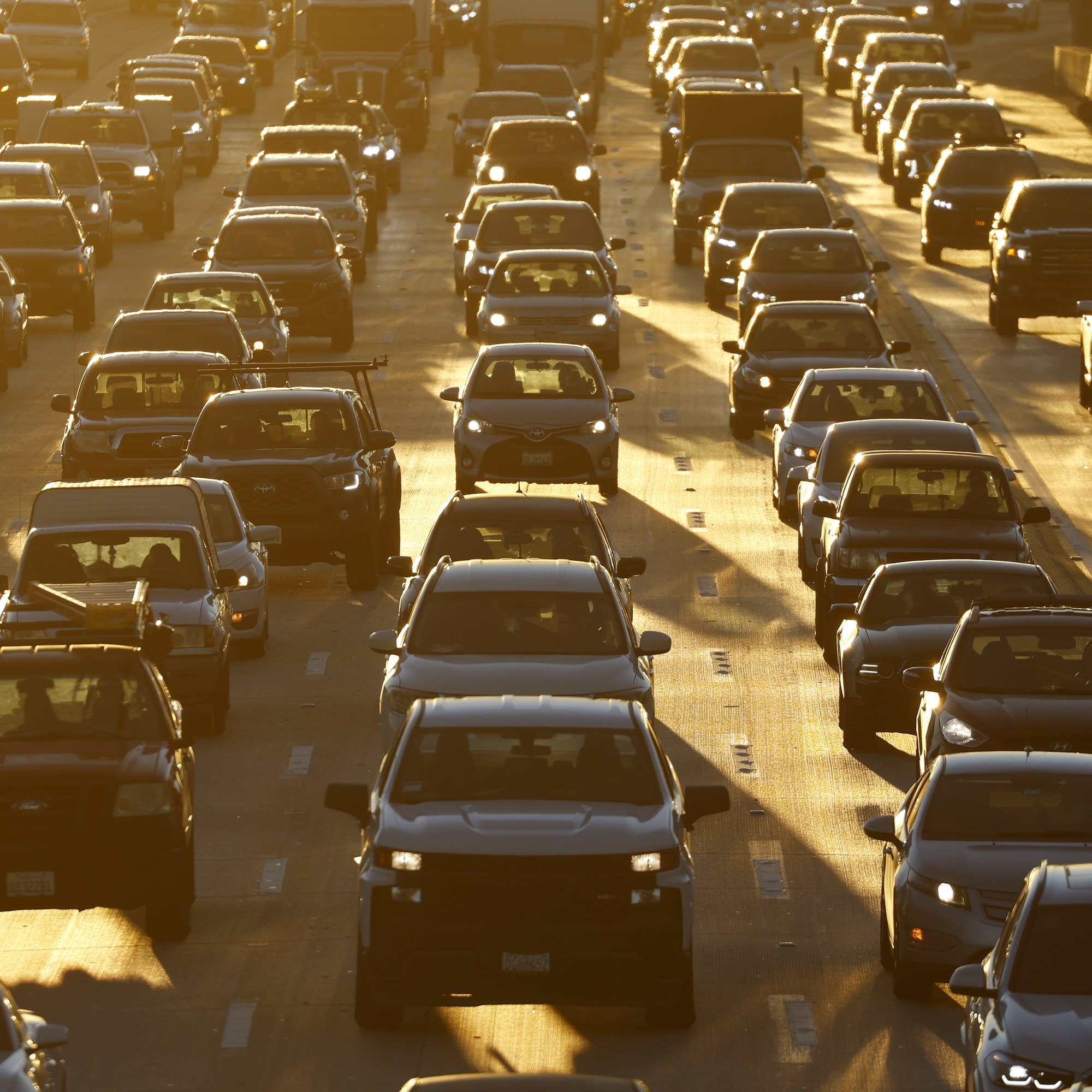
Feb 2400:17:44Tap to summarizeEarlier this month the Trump administration revoked the endangerment finding, which gave the federal government a legal basis for regulating greenhouse gas emissions. The move is already being disputed in court. If the repeal is successful, who are the economic winners and losers?“How We Survive” host Amy Scott talks with Stanford professor Chris Field to unpack the history and legal implications of the endangerment finding and how its repeal – though framed as saving Americans money – could lead to higher costs and a competitive disadvantage for the U.S. Later in the episode we turn to one specific winner (or loser, depending on who you ask): the U.S. auto industry. Amy talks with Rachel Muncrief from the International Council on Clean Transportation to find out if market forces and global competition will continue to push carmakers to innovate on cleaner vehicles or if this could seriously slow progress.
Transcribe →
Feeding the Family (bonus episode)
Nov 2600:52:02Tap to summarizeWe’re dropping into your feeds today to share this special bonus episode. For many people gathering around the table this holiday season, things feel a little different. Maybe it’s the cost of ingredients that’s on your mind, or cuts to USDA funding that have left your food bank running low. Or maybe it’s the simple reality of a packed schedule – there’s a lot to cook, and so little time. In this special from Marketplace, we bring listeners a collection of stories on the business and economics of food. Our reporters take us across the country to farms, home kitchens, and restaurants. We visit a refugee farmer in Houston, a chocolate-making lab in California, and stop for a bite at an award-winning restaurant in Portland.
Transcribe →
Is grass-fed beef more nutritious? How can I waste less food? Is insect protein tasty?
Nov 1200:24:58Tap to summarizeThroughout the season, we asked you all what questions you had about food, solutions and climate change, and you did not disappoint! In this episode, we find answers to your most pressing questions, like whether grass-fed beef is more nutritious than grain-fed, if cell-cultivated meat is considered an ultra-processed food, and we find out what’s going on with insect protein (of course, a taste test is involved). Plus some tips for reducing food waste.
Transcribe →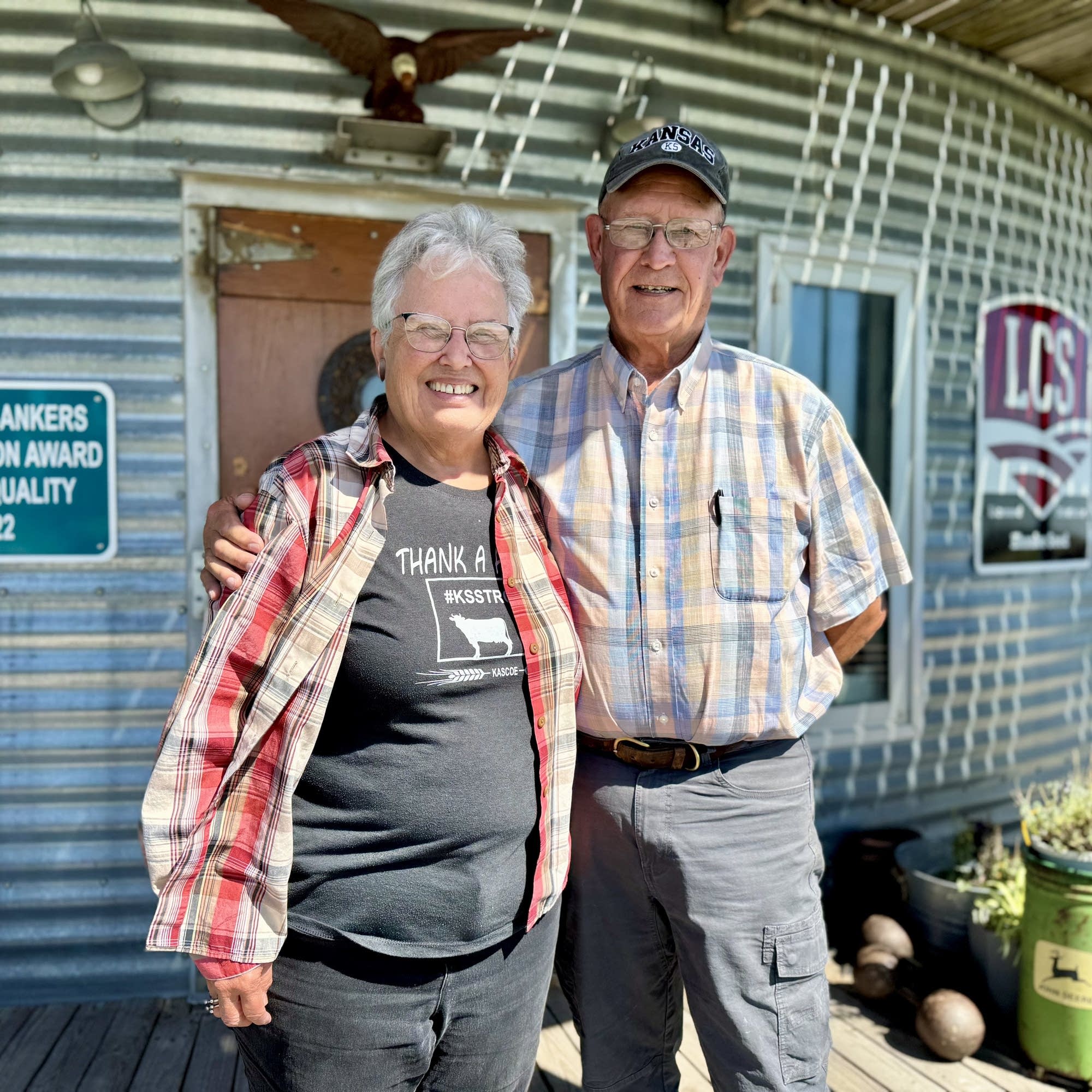
The Dry Line
Nov 500:33:13Tap to summarizeThe 100th meridian is the longitudinal boundary separating the humid East and the arid West. Researchers say the dry line is moving east because of climate change, threatening some of our cheapest and most reliable crops, like wheat and corn. In this episode, Amy drives across Kansas to talk to farmers on both sides of the dry line to see how they’re adapting to climate change. And we hear from a scientist who’s trying to breed crops that will thrive in a hotter, drier world.
Transcribe →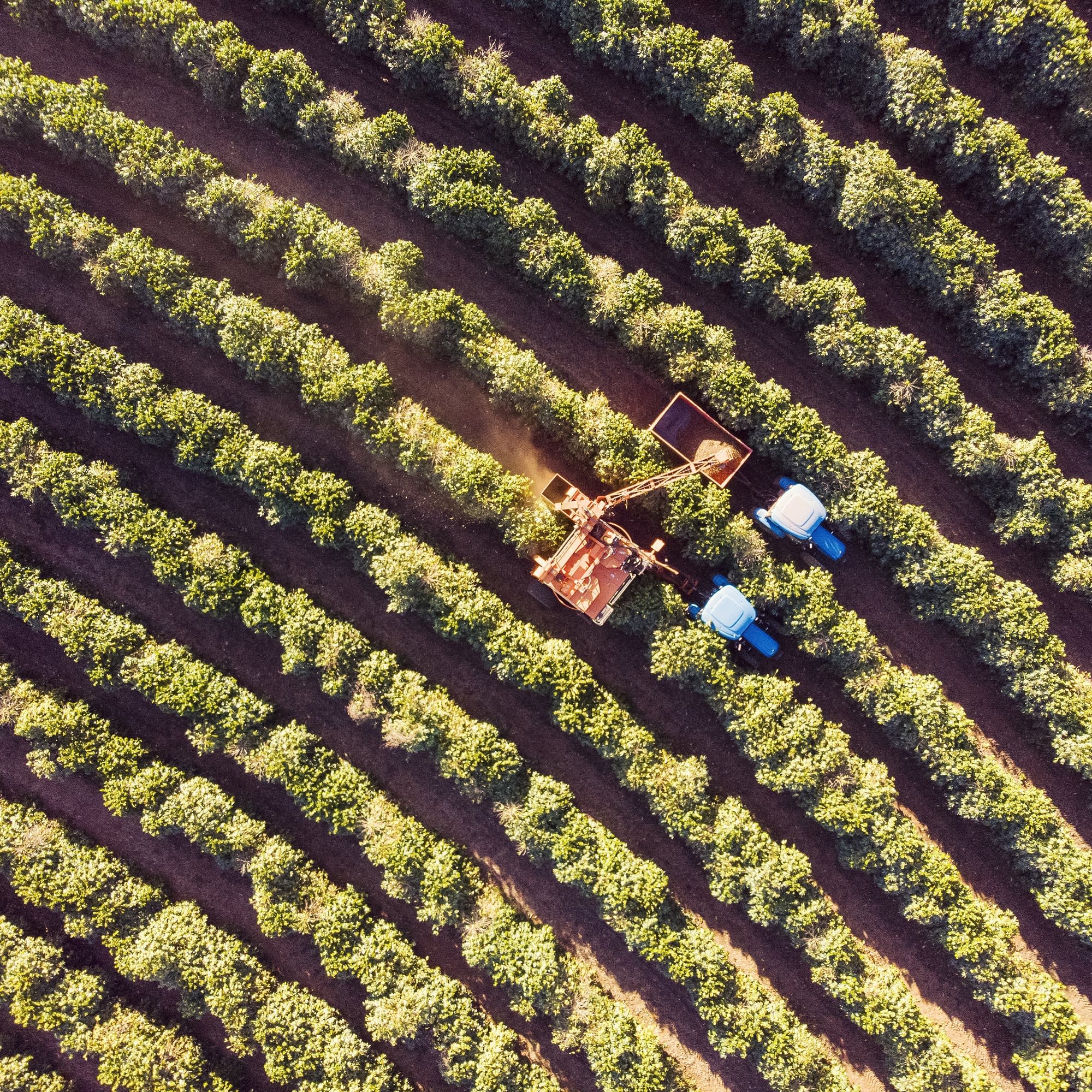
What the World’s Farmers Can Teach Us About Climate Resilience
Oct 2900:22:38Tap to summarizeClimate change is transforming how the world grows and eats. In this episode, host Amy Scott talks with New York Times international climate correspondent Somini Sengupta about what she’s learned from farmers adapting to extreme weather. From drought-resistant crops to regenerative practices, Sengupta shows how communities on the front lines of climate change are finding new ways to survive and feed their families — and what their stories can teach us about building a more resilient global food system.
Transcribe →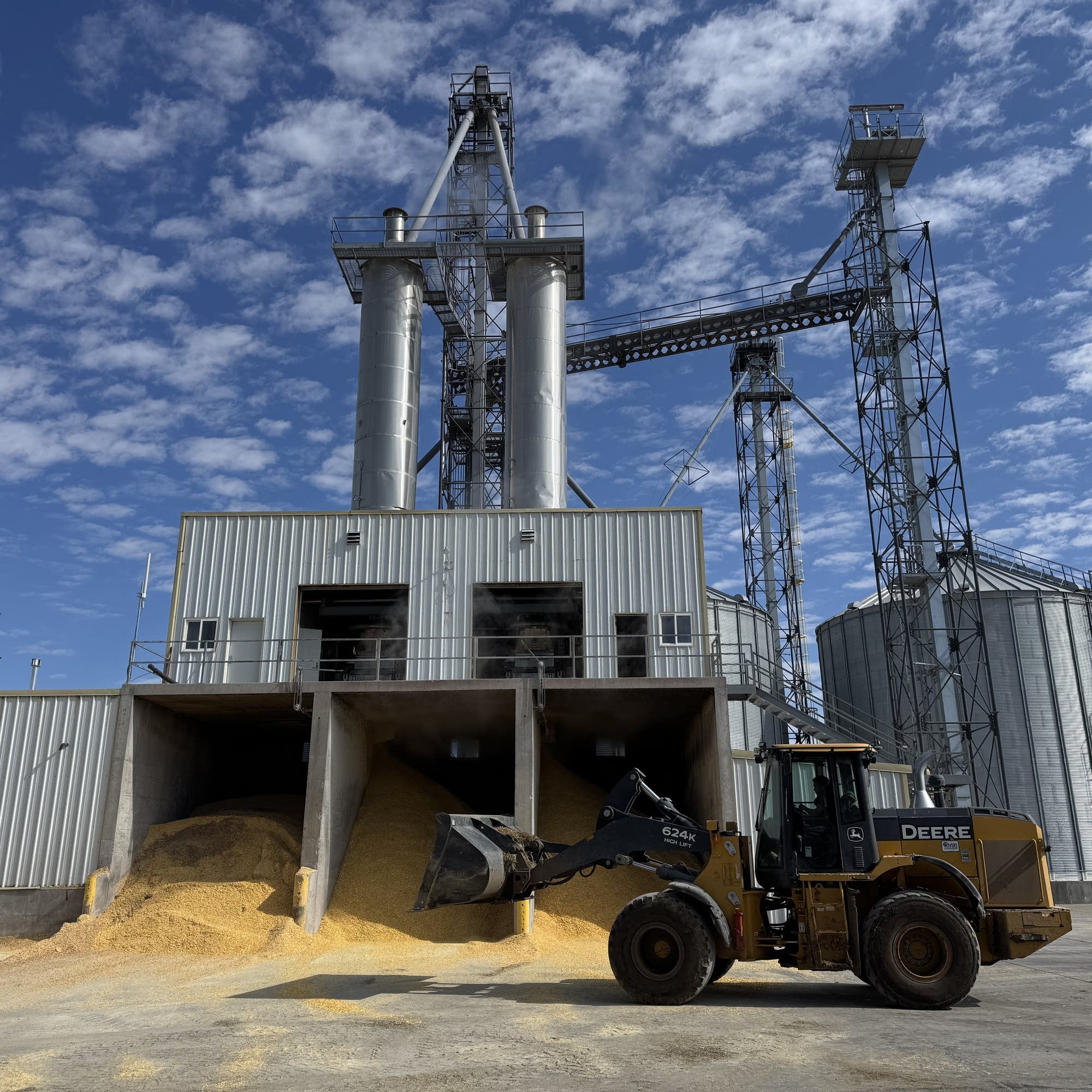
The Land Problem
Oct 2200:33:05Tap to summarizeAbout a third of the greenhouse gases cooking our planet come from our food. Agriculture and livestock production are incredibly taxing on the planet. To curb the impact, we need to drastically reduce the amount of land we use to make food, while at the same time making more food for a growing population. How are we going to do that? In this episode we go fishing with an eccentric rancher in Northern California and hop over to Colorado to get a rare peek into the demonized factory farm industry on our hunt for answers.
Transcribe →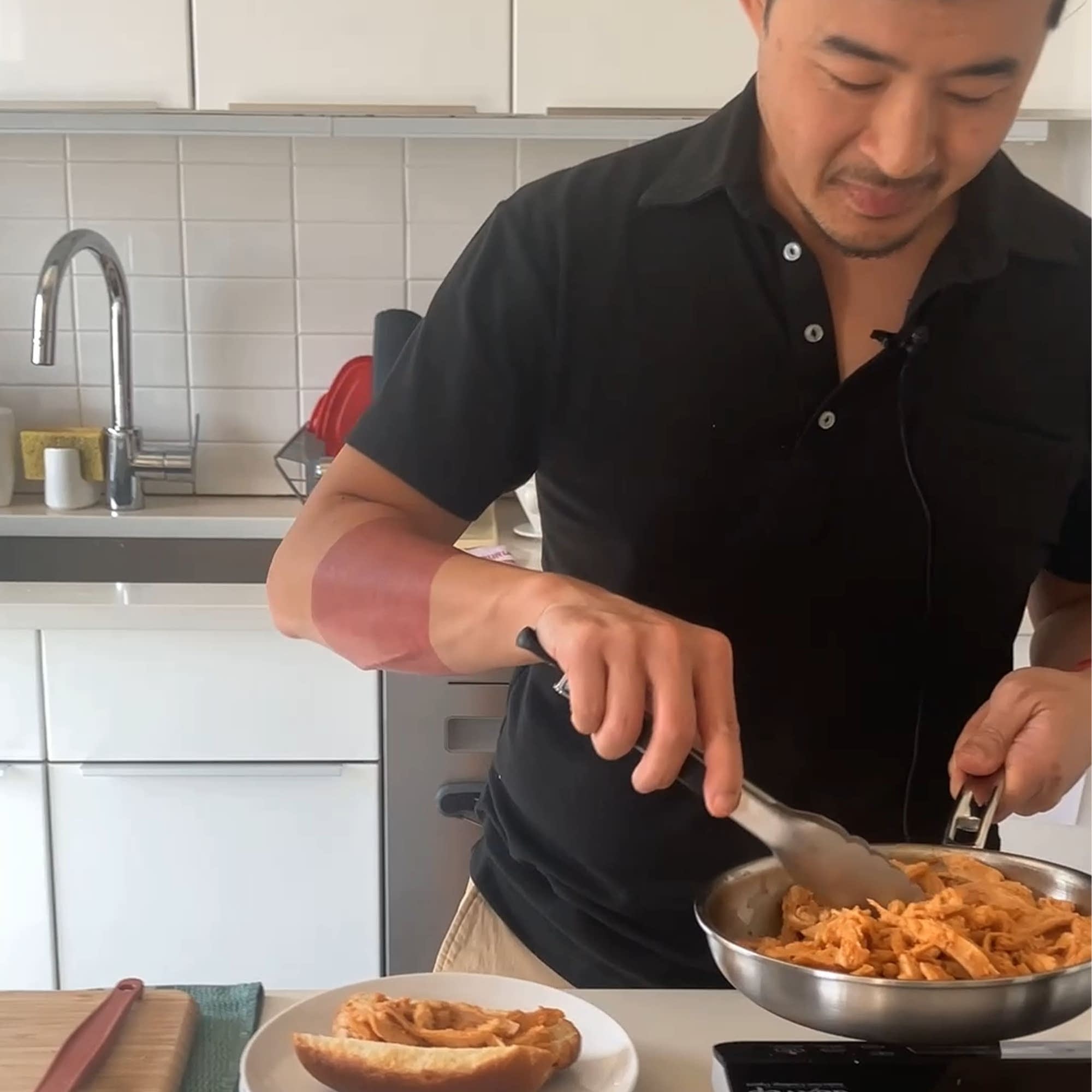
The Uncanny Valley of Meat
Oct 1700:32:15Tap to summarizeIf you have ever bitten into a plant-based burger and felt dissatisfied, or even grossed out, you’re not alone. In this episode, we explore the uncanny valley of meat and dive deep into what makes meat so … meaty. Plus, “The Splendid Table” host Francis Lam joins Amy Scott for a taste test of cultivated meat and shares his go-to recipes for climate-friendly proteins.
Transcribe →
Food Tour of the Future
Oct 1500:29:41Tap to summarizeClimate change is changing what we eat. As the planet heats up, foods like salmon, chocolate and coffee might be harder to come by and more expensive to buy. In this episode, the “How We Survive” team goes on a food tour around Northern California to find out how tech entrepreneurs are finding new ways to make all sorts of foods that are under threat from the impacts of the climate crisis.
Transcribe →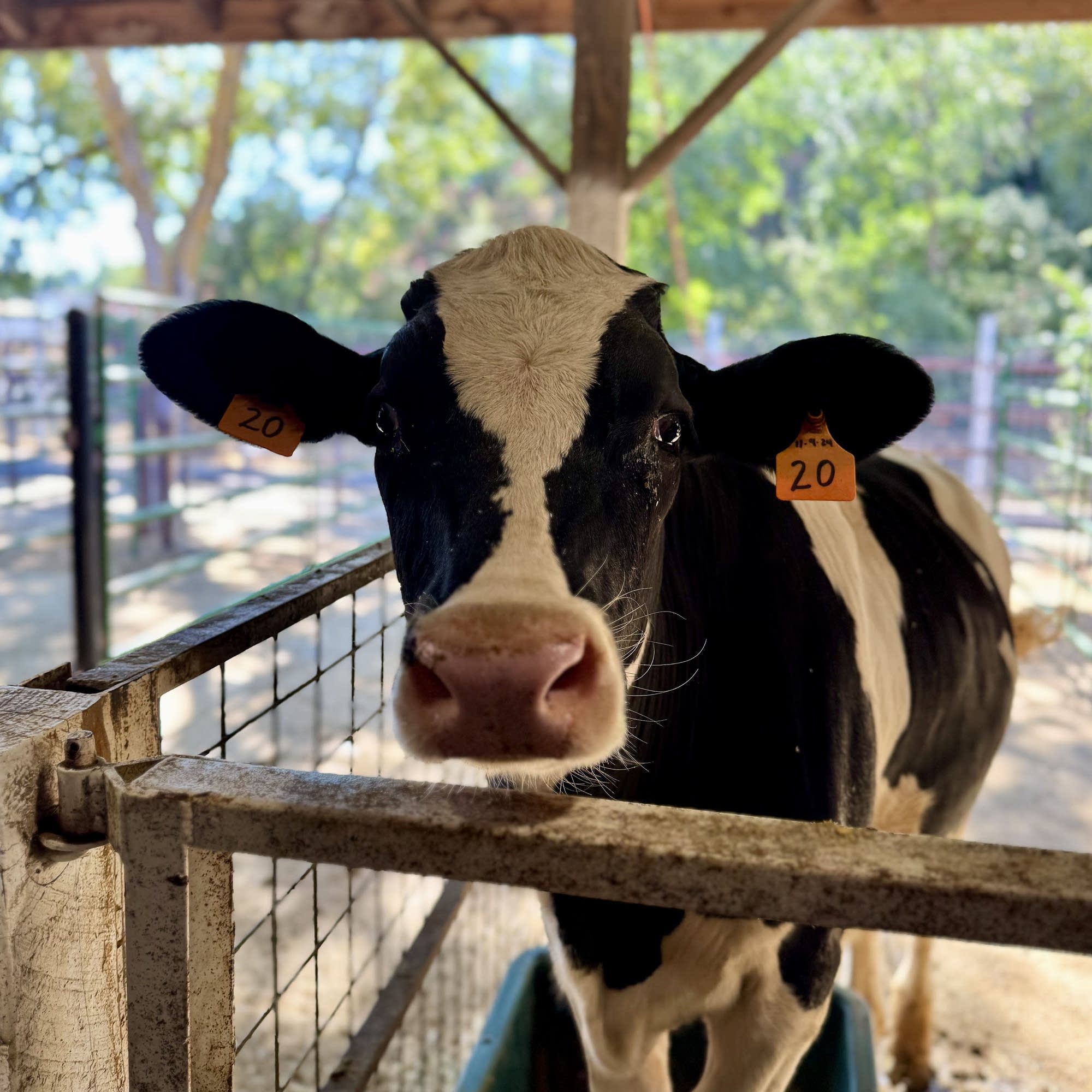
“How We Survive” returns Oct. 15
Oct 800:02:36Tap to summarizeImagine a future where chocolate and coffee are rare and expensive; where cheap, nutritional staples, like corn and wheat, are threatened.The climate crisis is a food and agriculture crisis. A third of global greenhouse gas emissions come from what’s on our plate. Cow burps, deforestation, water use and food waste all feed into making our planet unlivable. And it’s a double-edged sword, because as the planet heats up, staple crops are withering, soil is losing its nutrients, and droughts and famines will become more common. Our food systems are hurting the planet, and the hotter planet is hurting our food systems. To survive, we need to drastically cut down our use of farmland and we need to find alternative meat sources that don’t give consumers the creeps. How will we keep feeding millions of people? And how will we do that with less land? This season of “How We Survive,” we’ll take you on a food tour of the future. May we interest you in some lab-grown chocolate or some cell cultivated salmon (that is, if you’re not in Florida)? We explore the uncanny valley of meat and visit farmers in our nation’s breadbasket where hotter, drier, less predictable weather has global consequences. Finally, we’ll take you on the ground into one of the more demonized (and misunderstood) parts of the agricultural system: Factory farms.
Transcribe →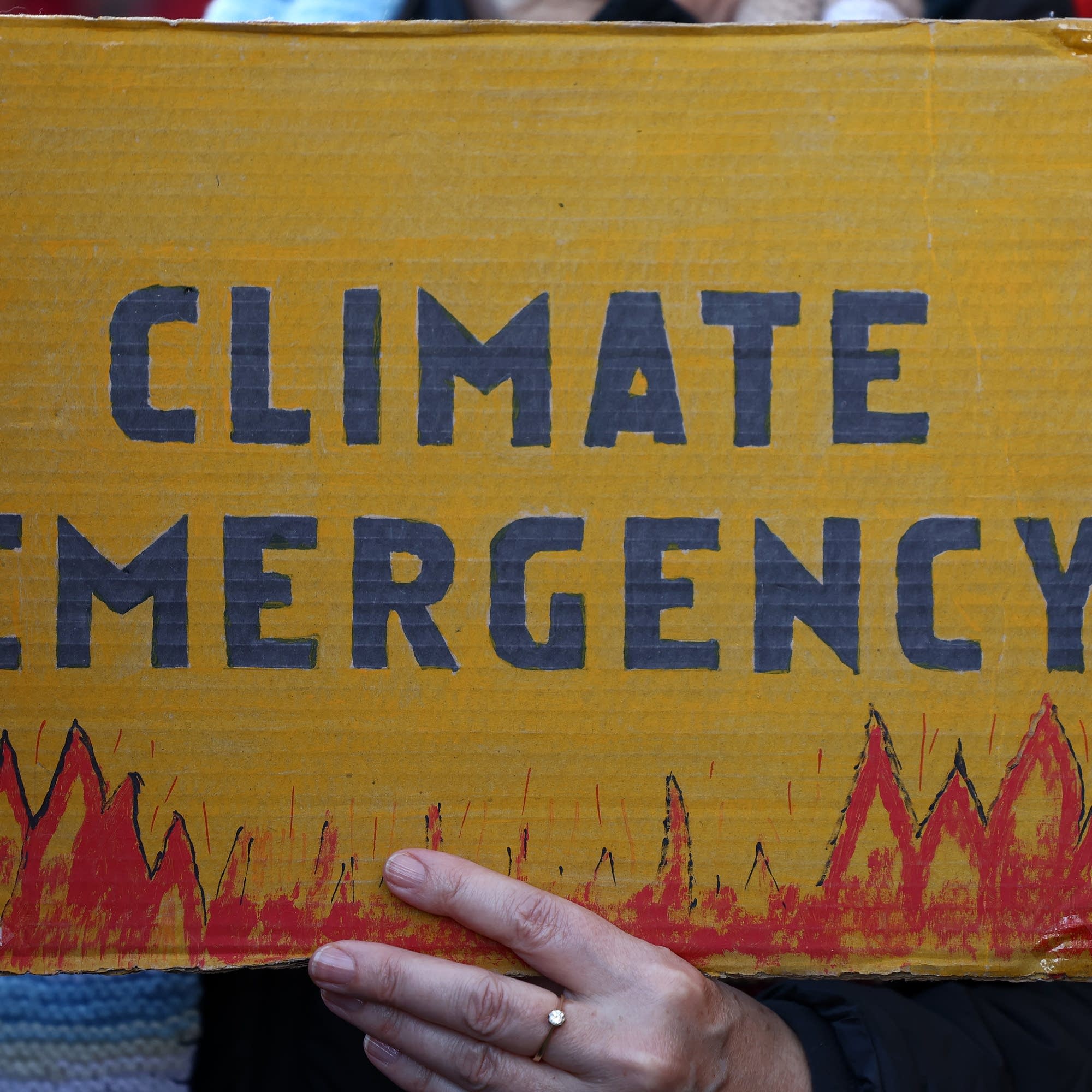
The climate crisis is an economic crisis (bonus episode)
Sep 2900:51:13Tap to summarizeWe’re dropping into your feeds today to share this special bonus episode.It’s a conversation between host Amy Scott, Marketplace host Kai Ryssdal and Pulitzer Prize-winning science writer Elizabeth Kolbert. We talk about how the accelerating climate crisis is creating economic disruption. And we get into some of the solutions that are giving us hope right now. This conversation was recorded live, over Zoom, in front of an audience. It’s presented by Odoo with additional underwriting support from The Economist.
Transcribe →