← Hoy por Hoy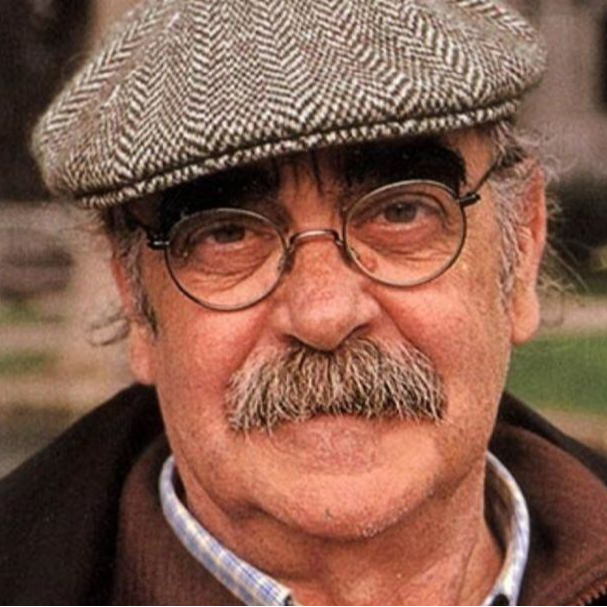
Hoy por Hoy
El viaje de ida | José Antonio Labordeta, una mochila llena de emoción y de bondad
00:20:50
Loading summary
Transcript130 lines
- [00:02]
Narrator
Ser podcast. Hoy por hoy Magazine. Ser podcast. La robaste Un camp de espigas y cargos.
- [00:44]
Interviewer
Es la hora de viajar. Una vida con Pepe Rubio. Hola, Pepe.
- [00:47]
Host
Hola, muy buenas.
- [00:48]
Interviewer
¿Quién es el viajado de hoy?
- [00:49]
Host
Pues alguien muy querido y de quien nos ha hablado muchísimo Luis Alegre. José Antonio Labordeta. El día de su muerte, Emilio Lacambra.
- [00:59]
Interviewer
Dueño del mítico restaurante Casa Emilio de Zaragoza, le rindió un bonito homenaje al desvelar un secreto de La Bordeta.
- [01:07]
Host
Si un mendigo se le acercaba en.
- [01:09]
Interviewer
La calle para pedirle dinero, lo enviaba a comer a Casa Emilio y corría con la cuenta. Cuando se lo conté a mi madre.
- [01:16]
Host
Ella, fascinada, me ¿Pero cómo se puede ser tan bueno?
- [01:25]
Interviewer
Y tú lo que quieres hacer hoy es responder a la madre de Luis Alegre. ¿Por qué era tan bueno José Antonio La Mordeta?
- [01:30]
Host
Exacto. Además de un hombre bueno, todo el mundo dice que tenía una empatía brutal. ¿Por qué? Responden sus tres Paula, Ángela y Ana Labordeta.
- [01:39]
Ana Labordeta
Él sufría con los que sufrían, se alegraba con los que pasaban cosas buenas. Yo creo que, como él dice, es un niño de la guerra. Y entonces. Yo creo que la empatía viene del sufrimiento de la infancia. El que pasa una posguerra o es empático o algo le pasa en la cabeza.
- [01:54]
Paula Labordeta
Y hay una anécdota de un guardia civil que le contó que estaba su mujer ingresada en el hospital Miguel Servet y que lo adoraba. La Bordete. Y que lo adoraba, que lo adoraba. Y mi padre no pudo por menos que se presentó en el hospital, en la habitación, para saludarla y estar con ella.
- [02:08]
Narrator
Era un hombre que le gustaba mucho escuchar. Era un hombre bondadoso. Yo creo que era un hombre muy poco tramposo, en el sentido de. Se le ponía una cámara o se le ponía un micrófono y era exactamente igual que si estuviera en el comedor de casa, ¿Sabes?
- [02:26]
Interviewer
La Bordeta era como de la familia.
- [02:28]
Host
Y hay dos personas claves en su infancia y adolescencia que explican por qué, además de ser bueno y empático, era culto. Y su padre, con el que tuvo algún desencuentro, y su hermano Miguel Labordeta, gran poeta periférico de la generación del 50.
- [02:42]
Paula Labordeta
Yo creo que el referente de mi padre fue más su hermano Miguel que su padre.
- [02:46]
Ana Labordeta
Miguel, que es un hombre bueno, es uno de los mejores poetas que ha habido en Aragón y yo creo que en España. Tiene una gran biblioteca en su casa. Y desde pequeño a mi padre le deja entrar en esa biblioteca y le va dando libros para que él se vaya metiendo, sobre todo en la poesía.
- [03:01]
Narrator
Su hermano Miguel sí que le marcó mucho, pero yo creo que también su padre era un hombre muy culto, era un hombre muy humanista. En esa casa había muchos libros y mucha gente muy interesante. Luego, con todo ese contraste de vivir al lado del Mercado Central, que era la tierra pura, que era la vitalidad.
- [03:21]
Ángela Labordeta
Dulcemente educado, de referentes tiene a su.
- [03:26]
Interviewer
Padre y a su hermano, los dos Migueles, pero también el espacio donde crece.
- [03:30]
Host
Crece en el colegio vivienda que tenían sus padres en el centro de Zaragoza, entre los olores del encerado y los del mercado. Así nos lo recuerda el propio Labordeta y lo ve hoy nuestra compañera de Radio Zaragoza, Eva María Pérez.
- [03:42]
Luis Alegre
Palacio enorme, un caserón. Para mí era como vivir en un transatlántico donde podías inventar todo lo que tú quisieras. Frente a mi casa estaba el Mercado Central. No sé, una isla divertida donde vendían pescados y verduras y todas esas cosas.
- [03:59]
Narrator
Una placa en la puerta del número uno de la calle El Buen Pastor revela que esta casa no es una vivienda cualquiera. El nombre de Miguel y José Antonio Labordeta están grabados en un cobre oscuro.
- [04:08]
Ana Labordeta
Que pega con la puerta de madera.
- [04:10]
Narrator
Al fondo, la vista que el cantautor y político aragonés describía tantas el Mercado Central, que ahora vive su versión más moderna, mezclando los puestos de siempre con los bares de tapas de ahora. Hemos envejecido desde que La Bordeta pasó su infancia y juventud en esta casa. Y también nos hemos vuelto mestizos. Los aragoneses son en este barrio de muchos colores y de muchos lugares. Desde aquel balcón donde el abuelo veía Zaragoza, ahora se puede ver además un trocito de mundo.
- [04:43]
Interviewer
Qué maravilla debía ser vivir en un.
- [04:45]
Host
Colegio y en el centro de una ciudad con toda su vida. Tras la muerte de su padre, el joven José Antonio La Brueta se empapa también de la noche zaragozana junto a su hermano Miguel en el mítico café Miquel.
- [04:56]
Paula Labordeta
Paula y.
- [04:56]
Host
Y Ángela, La Pordeta, Como dice mi.
- [04:57]
Ana Labordeta
Padre, ahí se hablaba de todo, excepto de poesía. Se lo decía porque tenía mucha sorna. Imagino que hablaban de mucha poesía, de mucha literatura y de mucha política. Ahí conoce a grandes poetas, que era.
- [05:09]
Paula Labordeta
Un grupo de gente, locos, locos poetas que estaban en esa Zaragoza gusanera que decía mi tío de los años 50 y 60. Entonces, por ahí, mi padre coge un filón cultural muy importante.
- [05:19]
Ángela Labordeta
Loca de calles locas, solitarias, con plazas deslumbradas y paisajes al borde del silencio.
- [05:25]
Interviewer
Pero no sólo de Zaragoza vive La Bordeta.
- [05:27]
Host
Poco a poco va conquistando Aragón. Y primero fue el norte, el Pirineo, Canfrán, que en tiempo de dictadura olía a libertad. Paula Labordeta. Y desde Canfrán, nuestra compañera de Radio Jaca, Cris Pérez.
- [05:38]
Ana Labordeta
Para él es muy importante. Cuando se asomaban a ese túnel, veían una luz al fondo. Y aquello era Francia. Era la libertad.
- [05:45]
Narrator
Estoy paseando frente a la estación de Canfrán. Detrás de mí, seguramente lo escucháis. La carretera. La que sube a Francia y la que sube también a las estaciones de esquí. Cuántas veces pasearía por aquí La Bordeta. Su infancia y su adolescencia estuvieron estrechamente ligadas a este entorno. Además, después La Bordeta se convertiría en el mayor defensor de la reapertura de la línea internacional del ferrocarril de Canfranc. Claro que también es verdad que la estación que entonces veía La Bordeta era una estación más destartalada, más descuidada, con mucho misterio. También con muchas preguntas.
- [06:22]
Ángela Labordeta
Polvo, niebla, viento y sol. ¿Y donde hay agua? Una huerta al noreste. Los Pirineos. Esta tierra es Aragón.
- [06:44]
Interviewer
Tenemos ya al José Antonio en La Bordeta. Bueno, empático, culto, sociable, viajero. ¿Pero tiene edad de enamorarse ya o todavía no?
- [06:50]
Host
Bueno, tranquilidad. Paso a paso. Filosofía labordetiana Llega a la universidad por contentar a su padre. Empezó Derecho, pero terminó en Historia, que era lo suyo. Y en los ratos libres, haciendo teatro, conoce a Juana de Grandes, Ana y Paula Labordeta.
- [07:04]
Narrator
Mi padre no era el director, pero debía de tener ahí. Y entonces como que le hacen una prueba y mi madre era muy guapa, muy guapa. Pero mientras mi padre me gusta tu voz, estás acatarrada. Entonces le dijo mi no, esta es mi voz normal. Y bueno, pues ahí surgió el enamoramiento, el flechazo.
- [07:25]
Ana Labordeta
Mi madre dice que era un poco pedazo. Y mi padre le mira y bueno, le mira y piensa. Luego lo cuenta. Dice con esta mujer me casaré.
- [07:38]
Interviewer
Y Juana de Grande se convierte en la mujer de su vida.
- [07:40]
Host
Y se casan. José Antonio Laboreta empieza a dar clases en el colegio familiar, pero su hermano Miguel le recomienda que haga oposiciones. También las hace Juana. Y el primer destino fue el Instituto Ibáñez Martín de Teruel. José Antonio Labordeta y Paula Labordeta.
- [07:52]
Luis Alegre
Llegamos a Teruel. Bajamos de Teruel con las maletas, no había taxis ni había nada. Subimos andando y lo primero que vimos en un hotel. Quedamos a dormir y a la mañana siguiente el dueño del hotel me preguntó ¿Y ustedes qué son? Somos funcionarios. Educación. Y pues entonces tendrán que marcharse de este hotel porque no podrán pagarlo.
- [08:10]
Ana Labordeta
Y evidentemente tenía toda la razón del mundo el director. Entonces se fueron a un hostal donde fueron muy felices. Mi madre lo recuerda con mucho cariño, aunque era un sitio oscuro, pequeño. Y se fueron allí. Pero mi madre se queda embarazada y ya mi madre ve aquello y uy, esto va para largo, vamos a buscarnos una casa. Y es ya cuando se busca la casa y se están cuatro años ahí.
- [08:27]
Ángela Labordeta
En Teruel, las arcillas de vieja.
- [08:30]
Interviewer
Y cumplieron el dicho de que a Teruel llegas llorando y te vas llorando.
- [08:33]
Host
Pero ahora lo importante es que dejaron de llorar y se quedaron cuatro años. Lo primero por el ambiente. Ángela y Paula Labordeta.
- [08:40]
Paula Labordeta
Hay dos personas fundamentales que son Eloy Fernández y Pepe Sanchís, que son los que le arropan en ese empezar a caminar y empezar a cantar. También de otra persona que no se nombra, que es el profesor Ceveira, que también tuvo con él mucha amistad.
- [08:53]
Ana Labordeta
También conoce a Joaquín Carbonell. Una unión de personas que de repente aparecen en Teruel y crean algo muy bonito que sigue en el tiempo y ya no se dejan de la mano en toda su vida.
- [09:03]
Ángela Labordeta
Que eres así, humilde y servidor porque nunca has pensado en gritar tu dolor.
- [09:10]
Interviewer
Primero los amigos y lo segundo Teruel.
- [09:12]
Host
Despertó al poeta y al cantautor que José Antonio Labordeta llevaba dentro. Y de Teruel es su primer disco. Andros, Ángela y Paula Labordeta.
- [09:19]
Paula Labordeta
Cuando él llega a Teruel en el año 65, es cuando se da cuenta que Aragón es mucho más que Zaragoza y que Canfranc, que es lo que él conocía, era una zona mucho más apertura, porque tenía Francia al lado. Entonces cuando llega a Teruel se encuentra el Aragón desolado, el Aragón de los leñeros, el Aragón de los masoberos, el Aragón totalmente desperdigado.
- [09:36]
Luis Alegre
Aragón toca a poco más de 25 soledades por kilómetro cuadrado. Cada cual campa libre en el hueco que le tocó en suerte. Un poco perdido, un poco solo en general. Porque una de las peores heridas de esta piel sin curtir es la emigración. La de esos habitantes que antes de sentirse definitivamente abandonados. Deciden ellos antes abandonar sus pueblos y dejarlos vacíos.
- [09:54]
Ana Labordeta
Ahí es cuando él se da cuenta de que puede alzar la voz por la gente que no puede a través de la canción.
- [09:59]
Ángela Labordeta
Hijos que van hacia Francia y otros hacia la ciudad de Miguel dice que va bueno y parió la del Julián.
- [10:11]
Interviewer
Teruel cierra el ciclo aragonés de La Bordeta.
- [10:14]
Host
Su alma territorial está completa y se va llorando de Teruel para volver a una Zaragoza de los años 70 en plena ebullición política, social y cultural. Son los años de la revista Andaland, de la represión y la censura, de los míticos conciertos del teatro principal en 1973 y de La Salle en 1976, del canto a la libertad. José André Labordeta y sus hijas Ana y Paula.
- [10:35]
Luis Alegre
El recital de La Salle fue un recital muy duro, muy bronco y a la salida hubo bastantes hostias.
- [10:42]
Narrator
Aquella tarde él decía muchas veces que no sabía si al terminar el concierto.
- [10:48]
Ana Labordeta
Llegaría a Casas, porque la libertad era mucho más fuerte que el miedo.
- [10:59]
Luis Alegre
En una noche de Navidad estoy en Villanueva, me viene la estrofa y habrá un día en que todos al levantar la vista veremos una tierra que ponga libertad. Esa canción es una canción de lucha. Es una canción de lucha y yo muchas veces cuando la canto, la canto en homenaje a aquellas gentes que están luchando en la memoria de ellos, que han luchado por la libertad toda la vida y que al final las ha llevado por delante.
- [11:17]
Ángela Labordeta
Habrá un día en que todos al levantar la vista veremos una tierra que ponga libertad.
- [11:30]
Interviewer
Canto a la libertad de La Bordeta, que es uno de los grandes himnos de la Transición. Emociona cada vez que lo escuchas esta canción.
- [11:35]
Host
José Andrés La Bordeta ya había conquistado a su público. Seguía con sus clases de historia, pero da un paso más en su compromiso, la política. Crea con un grupo de afines el Partido Socialista Aragonés, el PSA. Consiguen un diputado en las cortes constituyentes del 77 y nace el nacionalismo aragonés. Ana Paula y Ángela Labordinación.
- [11:54]
Narrator
Mi padre siempre se ha metido en todas las salsas. Mi padre era incapaz de decir no a nada. A donde le llamaban, allí iba.
- [12:01]
Ana Labordeta
Yo quiero estar. Yo no me quiero ir. Yo quiero estar, pero también quiero que vosotros me escuchéis. Es el nacionalismo aragonés es no estar fuera, sino estar dentro. Estar dentro y formar parte de la democracia y de esa España en la que pertenecemos.
- [12:14]
Paula Labordeta
No me toques. Canfrán, no me toques mis Pirineos, no me toques la Sierra de Albarracín. Es decir, hay un sentimiento muy pegado a la tierra.
- [12:22]
Ángela Labordeta
Somos como la humildad.
- [12:27]
Interviewer
¿Pero cómo podía hacer tantas cosas José Antonio Labordeta?
- [12:30]
Host
Pues por varias por talento, por su filosofía de vida y sobre todo por Juana de Grandes, Ángela, Paula y Ana.
- [12:37]
Paula Labordeta
Mamá, yo le enseñé a tu padre la familia y vuestro padre me enseñó a mí, a los amigos.
- [12:41]
Ana Labordeta
Juana de Grandes. La Bordeta. Hubiera sido La Bordeta, evidentemente, porque tenía ese algo, esa magia, pero a lo mejor hubiera sido otro La Bordeta. Mi madre siempre le bajaba los pies a la tierra. Cuando venía de un concierto o lo que fuera, mi madre siempre le decía oye, que yo doy 8 horas de latín y a mí nadie me aplaud.
- [12:58]
Narrator
La generosidad de mi madre es que no tiene precio. La fidelidad de mi madre hacia mi padre no tiene precio. Mi madre siempre ha tenido los pies en la tierra, que eso a mi padre le ha venido muy bien también.
- [13:08]
Luis Alegre
Porque no nos ven.
- [13:11]
Host
Habla.
- [13:14]
Interviewer
A final de los 70 y primeros 80 tenemos a la Bordeta por todas partes, la verdad.
- [13:18]
Host
Pero alguien creyó que podría ser el Sabina aragonés. Y en 1985 él deja la enseñanza para dedicarse en exclusiva a la música, con luces, bandas y grandes conciertos. Y no.
- [13:28]
Paula Labordeta
Esta decisión de convertirse en gran cantautor de masas la escoge en el momento peor. Es decir, en el momento que los.
- [13:33]
Ana Labordeta
Cantautores van de capa caída, los quieren transformar un poco en algo modernillo. Mi padre modernillo es otra cosa. Sí, pero esto no.
- [13:42]
Narrator
Esa fue una etapa un poco dura para mi padre. Yo recuerdo un concierto aquí que fue bastante triste porque estaba medio teatro solamente y él. Y eso fue muy duro para mi padre.
- [13:56]
Interviewer
Y se retiró. La Bordeta. Tras la crisis de los cantautores, eso.
- [13:59]
Host
Nunca volvió al pequeño formato, junto a su guitarrista inseparable, Javier inglés.
- [14:04]
Luis Alegre
Y nos tocaba cada cosa increíble. Por ejemplo, en la plaza del pueblo, tocar encima de un remolque que aún había que estar escobando la paja, que la acaban de traer del campo. Y la electricidad. Por ejemplo, en la casa de al lado, la señora María soltaba lo que era el enchufe de la lavadora y conectamos el equipo sonido. ¿Pero claro, hasta el propio Juan Antonio decía, pero dónde vamos por aquí?
- [14:25]
Host
Pero.
- [14:26]
Luis Alegre
Pero si este pueblo existirse existe porque viene aquí. ¿Pero quién me conoce aquí? Pues claro, cuando llegabas ahí, claro, que lo conocían y le tenían un cariño tremendo. Más de una vez veías a la gente llorar, porque lloraba de emoción. Es que era pena, emoción.
- [14:41]
Interviewer
¿Y qué saca de la crisis musical a José Antonio Labordeta?
- [14:44]
Host
Pues la televisión. En los 90 le ofrecen hacer un país en la mochila. Su productor fue Emilio Guzmán.
- [14:49]
Luis Alegre
¿Quieres un poco de vino de pitarra?
- [14:51]
Host
Hombre, cómo no siendo de pitarra.
- [14:53]
Paula Labordeta
¿Sabes que el profesor era una maravilla?
- [14:57]
Host
Había momentos que a la Bordeta lo dejábamos en medio de un monte y luego lo recogíamos desde otro punto lejano. Y el hombre se pegaba unas caminatas que a veces cuando llegaba al sitio no nos encontraba.
- [15:10]
Paula Labordeta
Y decía pero bueno, me dejéis solo.
- [15:12]
Narrator
Viajar, seguir conociendo este país, hablar con la gente. La señora que vendía en una pequeñita tienda de ultramarinos, la señora que tenía una fonda y hacía una comida. Eso mi padre es que le rechiflaba.
- [15:25]
Ángela Labordeta
Caminaremos.
- [15:28]
Interviewer
La televisión lo salva, tiene gran éxito y España entera conoce a José Antonio Labordeta.
- [15:32]
Host
Y tras el éxito televisión, llega la política. En el Congreso de los Diputados con la Chunta aragonesista en el 2000, con la mayoría absoluta de Aznar, Luis Alegre, Ana y Paula Labordeta y Usué Barcos.
- [15:42]
Interviewer
Él me contaba que cada vez que se cruzaba con José María Aznar amagaba con saludarlo.
- [15:47]
Narrator
Pero Aznar ni siquiera le miraba.
- [15:49]
Luis Alegre
Coño, a ver si no pueden hablar aquí. A la mierda, joder.
- [15:53]
Narrator
Hombre, él no se sentía muy orgulloso de ese momento. Para que mi padre saltase así, la situación tenía que ser muy desagradable.
- [16:02]
Ana Labordeta
Yo vivía con él en Madrid. Nunca había visto que a mi padre lo insultaran en ningún momento. Y sin embargo, en esos años sí que ocurrió lo que yo nunca jamás había visto. Insultarle por la calle. Lo que pasa que mi padre yo creo que aunque lo pasó mal en Madrid, lo disfrutó. Disfrutó, aprendió, hizo amigos.
- [16:18]
Narrator
Pues yo creo que era sobre todo un hombre muy convencido de sus posicionamientos. Tenía las cosas muy claras. Incluso en los momentos más difíciles, él seguía muy convencido y muy aferrado a sus convicciones.
- [16:33]
Ángela Labordeta
¿Qué vamos a hacer? ¿Qué vamos A hacer cuando el futuro venga con nosotros a tomar café?
- [16:41]
Interviewer
La Bordeta, que estuvo como diputado en la última legislatura de Aznar y la primera de Zapatero y que batió todos.
- [16:47]
Host
Los récords de propuestas Pero su gran momento no fue el a la mierda, sino cuando en el debate sobre la guerra de Irak, le respondió Aznar con un poema de su hermano Miguel. Histórico. Ángela y Ana Labordeta.
- [16:58]
Paula Labordeta
Él, siempre que podía, sacaba a su hermano Miguel.
- [17:01]
Narrator
En cuanto podía Le como sé que le gusta la poesía, voy a leerle este poema.
- [17:06]
Luis Alegre
Asesinaos, si así lo deseáis, exterminaos, vosotros, los teorizantes de ambas cercas, que jamás asiréis un fusil de bravura. Asesinaos, pero vosotros, los inquisitoriales azuzadores de la matanza. Pero dejad tranquilo a ese niño que duerme en una cuna, al campesino que nos suda en la harina y el aceite.
- [17:25]
Interviewer
Y cuando deja el congreso, llega la enfermedad, el cáncer.
- [17:28]
Host
Pero José Antonio Labordeta no paró.
- [17:30]
Ana Labordeta
No sé si la palabra, no sé si es reinventarse, pero lo que hace es no dejarse caer una vez más. Él, hasta el último momento, quería que los amigos le fueran a ver. Hasta el último instante quería vivir.
- [17:41]
Paula Labordeta
Yo creo que nos engañó siempre. Tipo muy listo. Y era un tipo muy generoso en la enfermedad, igual que fue muy generoso en su vida.
- [17:47]
Narrator
Lo único donde hubo suerte es que no tuvo dolor. Tenía mucho coraje. Y escribió muchas veces en los box de urgencias. Y cuando el pregón del Pilar, mi madre no quería porque era un momento de mucho bajón.
- [18:01]
Ángela Labordeta
De parte del señor alcalde de esta inmortal ciudad de Zaragoza, se hace saber que hoy se inician las festividades en honor de Nuestra Señora, la Virgen del Pilar. Somos igual que nuestra tierra, Suaves como la arcilla.
- [18:22]
Host
Duró.
- [18:22]
Interviewer
Y el 19 de septiembre de 2010 muere José Antonio Labordeta.
- [18:26]
Host
Y en su funeral se demostró, y citó a su amigo Luis Alegre, que España lo adoraba, pero Aragón lo amaba. Así lo recuerda con emoción Ana Labordeta.
- [18:35]
Narrator
Bajábamos en taxi mis hermanas, mi madre y yo. Y de pronto, claro, era septiembre. Íbamos con las ventanillas del taxi, bajaba, hacía calor, y empezamos a oír por las ventanas de la calle el canto a la libertad. Y cuando nos proponen que el féretro llevarlo a la Aljafería, nosotras tampoco éramos conscientes. Y estuvo ahí pasando Jesús durante horas y horas y horas y horas, y con un respeto y un cariño muy impresionante. Y luego viene el coche y se lleva el féretro. Ay, es que son cosas que no recordaba hace mucho tiempo. Ya era de noche y la Aljafería estaba llena de gente. Y ahí nos pusimos a cantar mientras el coche se iba hacia el cementerio.
- [19:44]
Interviewer
Han pasado 15 años de eso y escucharlo emociona una barbaridad.
- [19:48]
Host
Muchas gracias también a sus tres hijas, la actriz Ana Labordeta, la escritora Ángela Labordeta y la directora de cine Paula Labordeta, que hizo este magnífico documental sobre su padre Labordeta, un hombre. Y a Luis Alegre, que es siempre su amigo del alma. Y también quiero decir que desde entonces en Zaragoza, el Día del Pilar se canta el canto a la libertad para el principio de la fiesta y se cierra con el Somos desde entonces gobierne.
- [20:13]
Interviewer
Quien gobierne este Himnos de Aragón.
- [20:15]
Narrator
Gracias.
- [20:16]
Host
Hasta luego.
- [20:17]
Ángela Labordeta
Todos aquellos que hicieron lo posible por empujar la historia hacia la libertad. Habrá un día en que todos, al levantar la vista, veremos una tierra que ponga libertad.
- [20:44]
Narrator
Para no perderte ningún episodio, síguenos en la aplicación o la web de Láser Podium Podcast o tu plataforma de audio favorita.
- [20:55]
Luis Alegre
If you haven't seen your college besties.
- [20:57]
Host
Since well college you need a week to catch up in a snowy cabin. Take a week long vacation and save over two hundred dollars. Book now at vrbo. Com.