Loading summary
Transcript98 lines
- [00:02]
Narrator/Host
Ser Podcast Hoy por Hoy Magazine Ser Podcast.
- [00:27]
Family Member (possibly grandchild)
La robaste un camp de espigas y cargos.
- [00:41]
Mercedes Pinto (reading poetry)
Es tanto lo que adoro, la gesta de mi vida, que aquellos que la ignoran me desconocen. Pienso mas si me conociera, las gentes me darían hueco en su corazón, porque ignoran mi siembra de flores en las rocas, las fuentes de agua clara que me dio la arena rubiola.
- [00:57]
Interviewer/Host
¿De quién es esta voz?
- [00:59]
Historian/Expert/Commentator
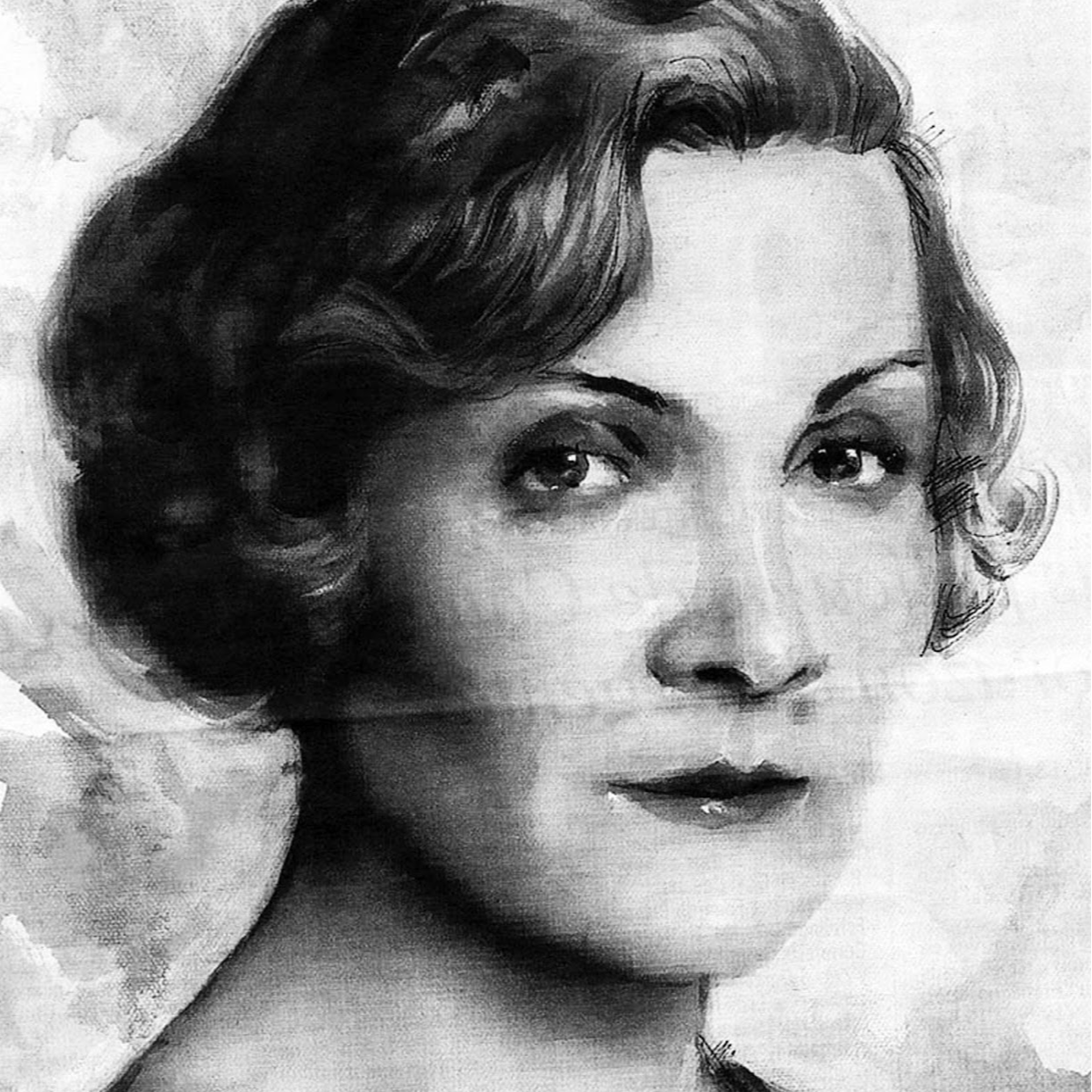
Es de las pocas que conservamos de la viajada de hoy. Mercedes Pinto recitando uno de sus poemas en la película de Pedro Olea Días de viejo color. Pero ella no era actriz, lo fueron sus hijos. Ella solo fue una de las grandes activistas feministas de la Edad de Plata española. Una gran poeta, novelista y dramaturga, conferenciante, radiofonista, tertuliana, pedagoga, agente cultural.
- [01:18]
Interviewer/Host
¿Habiendo hecho tantas cosas, por qué no me suena de nada Mercedes Pinto?
- [01:21]
Historian/Expert/Commentator
Porque hasta 2001, veinticinco aniversario de su muerte, estuvo prácticamente silenciada y porque la mayor parte de su vida estuvo fuera de España. Viajándola lo entenderás. Nace en San Cristóbal de La Laguna, en Tenerife, en 1889. Alicia Llarena, La biógrafa que la ha redescubierto recientemente, su nieta Alejandra Rojo y el editor Fran Garcera.
- [01:40]
Biographer/Researcher
Su padre era un famoso escritor de Canarias, Francisco María Pinto, muy apreciado. Su madre era original de Gran Canaria, del pueblo de Agaete, concretamente de la familia Armas. Era una familia acomodada, realmente una familia en la que pudo acceder a una educ. Individual, porque su padre murió cuando ella tenía apenas dos años de edad.
- [02:05]
Family Member (possibly grandchild)
Fue una casa de mujeres, era matriarcal, porque mi abuela tenía una hermana, vivían en una misma casa allí en La Laguna.
- [02:13]
Cultural Commentator/Expert
Pero ella se va a nutrir de todas las redes intelectuales y culturales de.
- [02:18]
Family Member (possibly grandchild)
Su padre y ella enseguida ya dio recitales muy pequeña de poesía y todos los que conocían a su padre. Jerón, la heredera de las letras, o.
- [02:28]
Interviewer/Host
Sea que de niña ya escribe poesía. Todo un prodigio.
- [02:30]
Historian/Expert/Commentator
Sí, y con 14 publica un poem. Mario escribe en prensa. Un prodigio y mucho más. Fran Garcerá, experto en la Edad de Plata y editor de su poemario Cantos de muchos puertos.
- [02:39]
Cultural Commentator/Expert
Su familia, según cuenta ella en sus memorias, la apodaban la anarquista, porque no solamente tenía una potencia literaria, sino que además tenía unas ideas que estaban completamente avanzadas a su momento y también a su edad, que esa es otra de sus características, la gran conciencia social que tuvo desde muy joven.
- [03:04]
Interviewer/Host
Todo va demasiado bien con Mercedes Pinto.
- [03:06]
Historian/Expert/Commentator
Hasta que muy joven se casa con Juan de Foronda, un hombre con una grave enfermedad psiquiátrica que la maltrató.
- [03:13]
Biographer/Researcher
El matrimonio con Juan de Foronda fue el antes y el después, incluso el motivo central de toda su producción intelectual. Mercedes se casa inocente, ingenua de todo aquello, y la primera noche de bodas ya empieza a su particular infierno.
- [03:31]
Cultural Commentator/Expert
Fue precisamente la necesidad de proteger a sus hijos lo que hizo que ella diera un paso al frente. A Juan de Foronda le diagnosticaron con una paranoia celotípica en 1919. Ella logró desplazarse con él hasta Cien Pozuelos para que ingresara a un centro sociosanitario.
- [03:52]
Interviewer/Host
Su marido ingresa en el psiquiátrico de.
- [03:54]
Historian/Expert/Commentator
Ciempozuelos y Mercedes Pinto empieza a relacionarse con la intelectualidad madrileña, que no solo le busca trabajo, sino que la protege del marido, que con la ayuda de su familia consigue salir del psiquiátrico. Alicia Llarena y Alejandra Rojo.
- [04:06]
Biographer/Researcher
En ese tiempo empieza a conocer algunos intelectuales importantes de Madrid, por ejemplo Colombine, que fue una amiga importante en esa época. Conoció a Ortega y Gasset, también a Miguel de Unamuno. Y Mercedes Pinto decide quedarse en Madrid con sus tres hijos.
- [04:23]
Family Member (possibly grandchild)
Él era un tipo muy inteligente, convencía a todo el mundo que ella no era lo suficientemente cariñosa o que no era lo suficiente no sé qué. Bueno, tuvo que coger a los niños y decir o mis hijos y yo.
- [04:34]
Biographer/Researcher
O él, huyendo incluso de pensión en pensión para no poder ser localizada al inicio. Y toda esta red de intelectuales la apoyan, le buscan trabajo como columnista en algún periódico, articulista en algún periódico de Barcelona, de Madrid.
- [04:51]
Interviewer/Host
Pero estamos ante una mujer muy valiente.
- [04:53]
Historian/Expert/Commentator
La verdad que mucho. Mercedes Pinto vivía como pensaba, que quiere separarse de su marido y buscando ayuda jurídica conoce al abogado Rubén Rojo y surge el amor.
- [05:02]
Biographer/Researcher
Fíjate, es curioso, el primer marido tenía 14 años más que ella y el segundo va a tener 14 menos. Conoce a Rubén Rojo porque precisamente necesita un abogado.
- [05:13]
Family Member (possibly grandchild)
Ella sigue tratando tener una especie de protección legal, una separación.
- [05:18]
Biographer/Researcher
Está hablando con el director del despacho, le rubén acompaña a la señora Pinto hasta su casa. Bueno, y en ese paseo comienzan a hablar, quedan en fin, y se desarrolla toda la historia amorosa y ella se queda embarazada de su primer hijo con Rubén Rojo. Fíjate en la situación, bígama, adúltera, o sea, impresionante, increíble para la España de aquella época.
- [05:41]
Interviewer/Host
Mercedes Pinto es muy moderna y no.
- [05:43]
Historian/Expert/Commentator
Para protegiendo a su familia, publicando de esos años el poemario Brisas del Teide, sobrevive como puede. Y en este contexto su amiga Carmen Burgos Colombine, que tenía que dar una conferencia en la Universidad Central, enferma y le pide a ella que la sustituya. Y ni corta ni perezosa, en una España muy católica y con miembros de la Casa Real entre el público, decide hablar del divorcio. Recreamos un fragmento.
- [06:04]
Narrator/Host
Oiga, es que ustedes piden pruebas, Pruebas del maltrato. Pero ustedes comprenderán que muchas veces ese maltrato se da en la intimidad y es imposible que podamos traer pruebas de algo que sucede en la intimidad. Yo sé que muchas mujeres sentirán al oírme la impresión de que soy una librepensadora a la moderna. Yo puedo declarar sencillamente que soy cristiana y que el hogar y la familia son los tesoros que enajenan mi espíritu. Pero no un hogar a la fuerza ni una familia creada en medio del terror. Por eso digo divorcio como medida higiénica.
- [06:36]
Interviewer/Host
El divorcio como medida higiénica. Y eso va y lo suelta en la Universidad en Madrid, en 1923 y.
- [06:42]
Historian/Expert/Commentator
En plena dictadura de Primo de Rivera. El general la citó al día siguiente en su despacho y este fue el diálogo recreado por Sergio Castro y Ana Uslé.
- [06:50]
General Primo de Rivera (recreated voice)
¿Es usted la señorita que ha dado esta semana una conferencia sobre el divorcio?
- [06:54]
Narrator/Host
Sí, solo que soy señora y con hijos.
- [06:56]
General Primo de Rivera (recreated voice)
¿Y no sabe usted que España tiene un concordato con el Vaticano?
- [07:00]
Narrator/Host
No, señor, no lo sabía.
- [07:01]
General Primo de Rivera (recreated voice)
España es católica y no se puede consentir que se hable de cosas que Roma prohíbe. No lo puedo consentir porque otros seguirán hablando de cosas cada vez más prohibidas. ¿Entendido? Y que no se hable más, Hombre, es que.
- [07:15]
Interviewer/Host
Que te cite el dictado en su despacho y te eche esta bronca debió ser brutal para Mercedes Pinto, pero ella no se retractó.
- [07:21]
Historian/Expert/Commentator
Además le empiezan a llegar rumores y amenazas de que sería deportada a Fernando Poa Ecuatorial. Pero ella se mueve antes. Le recomiendan como destino Uruguay, un país muy avanzado en aquella é Fran Garcerá.
- [07:33]
Cultural Commentator/Expert
Antes. Ella tiene que solucionar su situación matrimonial para poder salir de España con sus tres hijos, puesto que necesitaba el permiso de su marido. Lo que hace es casarse en un pueblo de la frontera con Francia, con Rubén Rojo, y entonces incurre en un delito de bigamia. Pero consigue, gracias a ese matrimonio y los papeles que se derivan de él, abandonar España hacia Portugal.
- [08:00]
Narrator/Host
Ven y dame tu mano, que en la mía será como de bronce. Y así fundidas romperemos el mundo, si en el mundo vallas levantan manos enemigas.
- [08:10]
Interviewer/Host
Y Mercedes Pinto, casada y feliz, llega a Lisboa con su marido, sus cuatro hijos, tres del primer matrimonio y Rubén del segundo, para embarcar con destino Montevideo.
- [08:19]
Historian/Expert/Commentator
Pero no todo es tan feliz. Alicia Llarena y Alejandra Rojo.
- [08:22]
Biographer/Researcher
El hijo mayor de Mercedes Pinto, con quien ella tenía una afinidad preciosa, le da un ataque cerebral y se muere en Lisboa. Y tienen que dejarlo atrás y seguir hacia adelante con el resto de la familia.
- [08:36]
Narrator/Host
Reposa, reposa ya, corazón, que en el rincón de la fuente donde crecen las oscuras, tristes, largas espadañas, el amor no ha de buscarte.
- [08:46]
Family Member (possibly grandchild)
Muere su hijo mayor en Portugal, pero nace mi padre en alta mar.
- [08:52]
Interviewer/Host
Toda la huida la hace embarazada. Pierde a un hijo en Lisboa, pero le nace otro en el barco.
- [08:57]
Historian/Expert/Commentator
Es una constante en la vida de Mercedes Pinto la sucesión de dramas con situaciones de felicidad. Y a mitad de los años 20 llega con su familia a un país entonces muy Uruguay. Allí es libre por primera vez y demostró dónde podía llegar Alicia Llarena.
- [09:10]
Biographer/Researcher
Enseguida empieza a trabajar en los diarios de Uruguay, como articulista en revistas literarias, como entrevistadora de grandes figuras femeninas. Se convierte incluso en oradora. Y el gobierno de Uruguay la contrata para dar conferencias. También allí se publica también la novela. Él publica allí también su segundo libro de poemas, Cantos de muchos puertos.
- [09:34]
Interviewer/Host
Uruguay es la explosión de Mercedes pinta.
- [09:37]
Historian/Expert/Commentator
Pero es que estrena también en el Gran Teatro Solís de Montevideo su obra Un señor cualquiera. Crea una compañía de teatro. Y lo que le hace más famosa, que ya lo era, es la creación de la Casa del Estudiante y la radio.
- [09:49]
Biographer/Researcher
Fundó en su casa la casa del estudiante. ¿En qué consistía esto? Pues que en el patio de su casa, todos los sábados había una actividad cultural que estaba abierta a toda la ciudadanía de Montevideo. Un sitio cultural, un lugar cultural tan famoso que hubo un momento en el que, de hecho, ya no tenía sillas para todo el mundo.
- [10:08]
Family Member (possibly grandchild)
Tanta. Tanta gente que el ayuntamiento le mandaba sillas también.
- [10:12]
Biographer/Researcher
Incluso en la radio, ahora que estamos en la radio, ella tuvo una sección que era una especie de consultorio. En aquella época se llamaba mucho Los consultorios sentimentales, pero ella lo llamó Consultorio espiritual. Toda la ciudadanía de Montevideo la conocía por ese programa en la radio.
- [10:28]
Interviewer/Host
Pues qué pena que no tengamos grabaciones de la voz de Mercedes Pinto en la radio.
- [10:32]
Historian/Expert/Commentator
Entonces, como aquí, nada se grababa prácticamente. Pero gracias al documental sobre ella de David Bauté, sabemos que siempre se despedía de la misma para todos mimos, caricias, halagos y ternura. Pero hablando de despedidas, a principios de los años 30 abandona Montevideo y la ciudad le despide en el puerto.
- [10:49]
Narrator/Host
Cuando me vi abrazada por cientos de brazos de mujeres, saludada por el pueblo, por los estudiantes, los intelectuales y mis amigos los obreros, en forma indescriptible, rodeada de flores, envuelta en lágrimas y en voces de amor, yo sentí la emoción más grande.
- [11:06]
Cultural Commentator/Expert
Lo último que hace Mercedes Pinto antes de abandonar Uruguay es fundar la Compañía de Arte Moderno Mercedes Pinto, y con ella comienza toda una gira por Sudamérica.
- [11:17]
Interviewer/Host
¿Por qué se va de gira?
- [11:18]
Historian/Expert/Commentator
Ella quería volver a España republicana, pero antes quería recorrer y vivir en algunos países americanos. Era como la Piquer, conferenciante, su nieta Alejandra Rojo.
- [11:27]
Family Member (possibly grandchild)
Iban en barco con baúles, con el preceptor, con la ex monja, con el mono de mi tío Rubén. Me encuentro un librito de no sé qué lugar del mundo donde pone todas las conferencias que da en un día y alucinas. Cada conferencia era de diferente tema, era de diferente lugar, podía ser en la universidad o en la iglesia de un pueblo. Y entonces me empecé a reír, porque No es posible. ¿Cómo se puede tener esa capacidad de en todo un día tener todas estas conferencias, hablarles de distinta manera a cada uno para llegarles donde ella quería llegar?
- [12:04]
Interviewer/Host
Pero es muy grande esta mujer.
- [12:06]
Historian/Expert/Commentator
Pero hay un momento, tras ir de país a otro, que llega a Chile, Alicia y Arena, donde pensaba estar un.
- [12:11]
Biographer/Researcher
Rato, vaya unos meses si acaso. Pero se encuentra allí, por ejemplo, con Pablo Neruda, que de hecho le va a escribir un pequeño poema que hoy en día es el epitafio en su tumba en la ciudad de México. Publica también su segunda novela, la novela Ella, y finalmente se queda trabajando para el gobierno chileno. Se ganaba la vida también como oradora, también trabajando en periódicos chilenos, y lo que iba a ser una visita, al final se convirtió en una visita de tres años que estuvo viviendo allí.
- [12:43]
Interviewer/Host
Imagino que Mercedes Pinto volvería a su soñada España republicana.
- [12:46]
Historian/Expert/Commentator
Pues no, porque en 1935 decide ir primero a Cuba, país con el que siempre soñó. ¿Y qué pasó? Que estalló la guerra civil en España un año después y se tuvo que quedar allí. Su hija Pituca se hace una gran actriz y se va a México. Sus hijos Rubén y Gustavo también optan por este camino. Y ella, además de seguir activa intelectualmente en La Habana, se dedica a ayudar a los que huyen del fascismo y del nazismo en Europa.
- [13:08]
Cultural Commentator/Expert
Uno de los grandes hitos en Cuba de Mercedes Pinto fue conseguir que 930 refugiados judíos del fascismo nazi pudiesen desembarcar en la isla.
- [13:20]
Family Member (possibly grandchild)
Salían del Holocausto, no había ningún puerto que los quería admitir. Entonces ella, con sus relaciones políticas consigue que ese barco pueda entrar.
- [13:29]
Cultural Commentator/Expert
Israel le dedicó por su ayuda a los refugiados del nazismo un bosque de más de 2.000 árboles en su país.
- [13:37]
Interviewer/Host
No para de sorprenderme la fuerza en todos los campos de Mercedes. Y además en cada país se convierte algo así como en un faro.
- [13:42]
Historian/Expert/Commentator
Y en Cuba está hasta 1943. Su hija Pituca triunfa en México en el cine y ella se va con ella cuando muere su marido en Cuba, el amor de su vida, Rubén Rojo.
- [13:51]
Family Member (possibly grandchild)
El gran héroe escondido detrás de todo esto fue mi abuelo. Porque irse con una mujer con hijos 17 años mayor, a semejante aventura, desheredado, porque la familia, Imagínate el escándalo lo sería ahora, Pues imagínate entonces. Y se arriesga a ir con ella a pesar de todo, por encima de todo. Y fue una gran ayuda y siempre fue un gran apoyo para ella.
- [14:17]
Interviewer/Host
Y ya tenemos a Mercedes Pinto en México.
- [14:19]
Historian/Expert/Commentator
Llega con 70 años. Se dedicó más a seguir la vida de sus hijos, actores muy populares también a relacionarse con toda la intelectualidad. Luis Buñuel lleva al cine su novela Él y se hace tertuliana de la televisión. Pero cómo eran familia, Alejandra Roja sabía.
- [14:33]
Family Member (possibly grandchild)
Escuchar, era muy dulce, nos reíamos mucho. Además eran risas muy naif. Le encantaban las historias que contábamos los jóvenes. Le encantaba rodearse de gente joven. Nunca la oí un mal tono, nunca lo oí quejarse. Tampoco hablaba de su pasado, porque era el día a día el que importaba.
- [14:52]
Narrator/Host
No quiero hablar de muertes, de éxodos ni dolores. No quiero hablar de penas, no quiero hablar porque las llevo dentro de mí como una carga.
- [15:01]
Interviewer/Host
Mercedes Pinto vivía en presente. A España vino.
- [15:04]
Historian/Expert/Commentator
Vino con ruego, Gustavo, sus hijos, porque fueron estrellas también, además del cine mexicano en España en los 50. Incluso se alquilaron un pisito en Madrid que sirvió a Mercedes para relacionarse con los intelectuales y se reconcilió un poco con España y a Canarias, aunque terminó visitándola. También le costó más. El escritor Juancho Armas Marcelo es familiar y ha escrito mucho sobre su vida.
- [15:21]
Family Member or Narrator (reflective voice)
Escuché hablar desde pequeño, con sigilo y con murmullo oí hablar a mi familia de Mercedes Pinto. Por qué Mercedes había escogido un camino que no era exactamente que los Armas pensaban que debía dentro de una mentalidad tan conservadora como la que era la de ellos, la de mi familia, pensaban que había escogido un camino no deseado por ellos.
- [15:46]
Interviewer/Host
La herida familiar de Mercedes Pinto, hoy ya superada. Ella muere ya muy mayor, Sí, a.
- [15:51]
Historian/Expert/Commentator
Los 93 años, en México, donde está su tumba y se puede leer los versos de que le dedicó Palo Neruda. Pero trabajó hasta el último tuve la.
- [15:58]
Family Member (possibly grandchild)
Gran suerte de estar con ella la última noche de su vida y acababa de venir de Cuba porque la había invitado el gobierno cubano a dar unas conferencias allí y entonces se le complicó un poco toda la cosa digestiva, pero bueno, todavía enferma. Me decía no te preocupes, vamos a salir, vamos a ir al teatro.
- [16:19]
Family Member or Narrator (reflective voice)
Mercedes Pinto vive en el viento de la tempestad, con el corazón frente al aire, con la frente y las manos frente al aire, enérgicamente sola, urgentemente viva.
- [16:30]
Biographer/Researcher
Gracias a la vida, o sea, enorme.
- [16:34]
Interviewer/Host
Mercedes Pinto hasta el último momento, hasta el final de su vida.
- [16:37]
Historian/Expert/Commentator
Pero lo más importante es lo que nos ha dejado. En su caso fue adelantadísima su tiempo. Alejandra Rojo, nieta Fran Garcerà, editor y David Bauté, director de su documental Podrán.
- [16:46]
Narrator/Host
Tu cuerpo aprisionar, feroces tu boca amordazar como a las fieras, pero no te podrán quitar los goces de pensar y adorar. Lo que tú quieras está escrito diez.
- [16:55]
Family Member (possibly grandchild)
Años antes que el poema de Virginia Woolf.
- [16:58]
Narrator/Host
Cierra con llave tus bibliotecas si quieres.
- [17:00]
Family Member (possibly grandchild)
Pero no hay barrera, cerradura ni cerrojo que puedas imponer a la libertad de mi mente. Lo que pasa es que nosotros olvidamos muy fácilmente.
- [17:08]
Cultural Commentator/Expert
Mercedes Pinto lo que hizo al marcharse fue dejarnos un poco huérfanos, porque nos hubiéramos nutrido tantísimo de sus ideas y hubiéramos avanzado tanto el mensaje de la defensa de los derechos de la mujer, de la violencia machista, del derecho de un niño y tantos mensajes que pudo lanzar en su época y que de alguna manera, 100 años después son totalmente actualizables.
- [17:29]
Interviewer/Host
No sabrán de ella, pero se llama Mercedes Pinto, gran poeta, novelista, activista cultural y pionera del feminismo y recuperada gracias.
- [17:37]
Historian/Expert/Commentator
Al esfuerzo de la filóloga Alicia Llarena. Y hasta aquí una vida. Se cierra el telón.
- [17:42]
Narrator/Host
Bajamos ahora este telón como el del eterno femenino gritando con palabras parecidas y unánime, ideal. Hay que cambiarlo todo, las costumbres, la indiferencia, las leyes, todo.
- [17:56]
Interviewer/Host
Mercedes Pintó, otro descubrimiento. Pepe, gracias a ti.
- [17:59]
Historian/Expert/Commentator
Hasta luego.
- [18:02]
Narrator/Host
Para no perderte ningún episodio, síguenos en la aplicación o la web de Lasser Podium Podcast o tu plataforma de audio favorita.