← Hoy por Hoy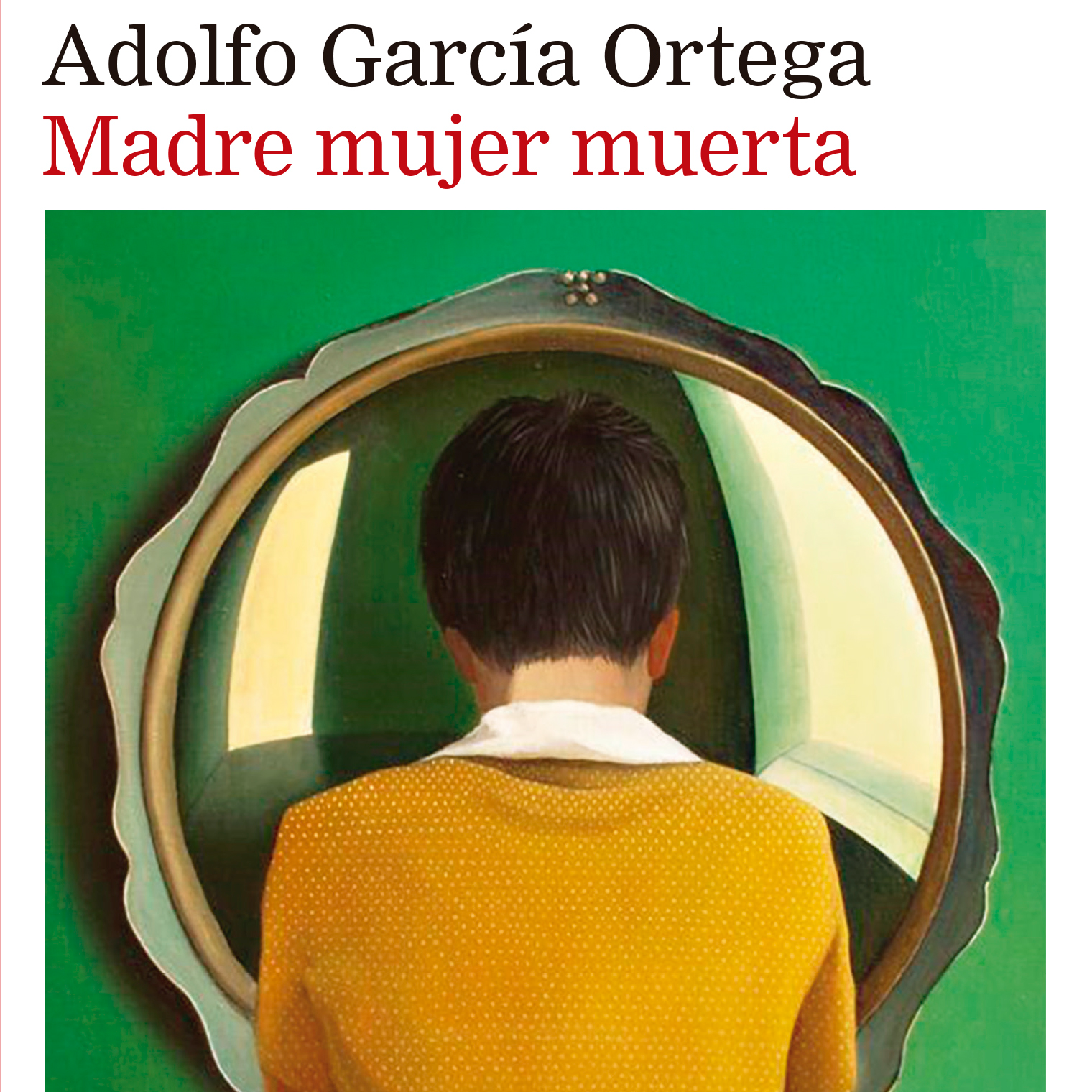
Hoy por Hoy
La biblioteca | Adolfo García Ortega vuelve a la Biblioteca de Hoy por Hoy con 'Madre mujer muerta'
00:41:16
Loading summary
Transcript164 lines
- [00:02]
Ángel Sánchez
Ser podcast. Belinda Marrero, escritora canaria y empleada de.
- [00:11]
Antonio Martínez Asensio
La biblioteca de Don Asensio.
- [00:13]
Pepe Rubiola
En Hoy por Hoy trae noticias frescas.
- [00:16]
Antonio Martínez Asensio
A sus compañeros y compañeras.
- [00:19]
Belinda Marrero
Chicos, chicas, estoy impactada. Me llevo ayer un paquete con documentos que me llevan a los orígenes de mi segundo apellido.
- [00:26]
Pascual Donate
¿Tienes segundo apellido? Pues como todo el mundo, Pascual, es que me sacas de quicio. Yo que sé.
- [00:31]
Ángel Sánchez
Como todo decimos, Belinda Marrero.
- [00:33]
Belinda Marrero
A ver, tranquilito. Yo soy belinda Marrero Wakanagari. ¿Wakana qué? Guacanagari tampoco es tan difícil.
- [00:40]
Adolfo García Ortega
Va, avancemos, que yo no tengo toda la mañana.
- [00:43]
Belinda Marrero
Bueno, resulta que según unos documentos del paquete que me ha enviado un remitente secreto que conoció a una tía abuela mía de Cayo Samaná, resulta que yo soy descendiente del cacique nativo Wakanagari, aliado de Cristóbal Colón porque le defendía de su archienemigo Quisqueya.
- [00:56]
Ángel Sánchez
Caolado esto como la canción de Sopa de caracol.
- [00:59]
Pascual Donate
Guatang soup yupi pa ti, yupi pa mi Luli ruan mi guanaga sopa de caracol.
- [01:07]
Belinda Marrero
Pascual, yo no te voy a permitir que hagas guasa ni con mi lado guanche ni con mi lado Quisqueya, que acabo de descubrir mi genealogía es mestiza en origen. Un respeto.
- [01:16]
Adolfo García Ortega
Dios, no me entero de nada, me estoy volviendo loco.
- [01:18]
Pascual Donate
Por favor, Pascual, ¿Por qué no te.
- [01:20]
Ángel Sánchez
Vas a buscar libros perdidos si dejas a Belinda Marrero contar su historia?
- [01:24]
Belinda Marrero
¿Marrero o a Kanagari o era Guanahani? No, no, los Guanahani son de otra isla.
- [01:30]
Adolfo García Ortega
Al grano, por favor.
- [01:31]
Belinda Marrero
Pues que mi remitente secreto, del que solo sé que vive en las antiguas islas de Paraguachoa, me dice que se ha enterado que soy escritora y quiere que cuente la historia de mi familia materna cuyos ancestros se remontan a más de cinco siglos.
- [01:43]
Adolfo García Ortega
¿Pero el remitente secreto también es de origen Wakanagari, no?
- [01:47]
Belinda Marrero
Él o ella no lo sabemos, es de origen guaimí, que son nativos de lo que hoy es Panamá.
- [01:52]
Pepe Rubiola
Con todo el respeto, Belinda, pero acabo de leer la nueva novela de Adolfo García Ortega, Madre mu muerta, que hoy viene a la biblioteca y lo tuyo es una burda copia, una farsa. Con la única diferencia de que los nombres y apellidos de los personajes de Adolfo son castellanos viejos y más conocidos.
- [02:10]
Pascual Donate
Y pronunciables para nosotros, imagino.
- [02:12]
Pepe Rubiola
Eso ya no tanto porque se llaman Galia, Selva, Sixto, Fermina, Petra, Pergentina, Verísimo, Goliarda, Dominica, Rubiros o Jubillo.
- [02:21]
Belinda Marrero
La mañana que me estáis dando.
- [02:22]
Mari Carmen / Pilar (two different callers)
Para que luego digan que hablando a luces no se nos entiende.
- [02:25]
Ángel Sánchez
Hoy por Hoy Magazine, Ser Podcast. Antonio Martínez Asensio, buenos días.
- [02:35]
Antonio Martínez Asensio
Buenos días, Sánchez.
- [02:36]
Ángel Sánchez
Bueno, enhorabuena por ese premio. Andas. No sabes la ilusión que me hizo cuando escuché tu nombre.
- [02:43]
Antonio Martínez Asensio
Muchísimas gracias. Estoy feliz, la verdad.
- [02:45]
Ángel Sánchez
¿Sigues en la nube todavía?
- [02:47]
Antonio Martínez Asensio
La verdad es que sí, estoy muy contento. Y como que sí me lo creo, pero no. Y sigue la nube.
- [02:52]
Ángel Sánchez
Recordar a los oyentes que Antonio es premio Ondas a la mejor idea radiofónica por el programa Un libro una hora. Es como si un cachito muy pequeñito, muy pequeñito también, fuera para todos nosotros por la amistad y por la relación que mantenemos. De verdad, Antonio, muchísima felicidad y que lo disfrutes una barbaridad el día de la entrega del premio.
- [03:12]
Antonio Martínez Asensio
Gracias, Ángel.
- [03:13]
Ángel Sánchez
¿Es verdad que tu empleada, Belinda Marrero, ha intentado plagiar a nuestro invitado, Adolfo García Ortega?
- [03:17]
Antonio Martínez Asensio
Parece que sí. Se lo ha llevado a su territorio, pero yo creo que es un plagio.
- [03:21]
Ángel Sánchez
Vamos, ella lo que ha hecho es que se ha inventado una familia precolombina. ¿Tú crees que la coprotagonista de la novela de Adolfo era una antepasada suya?
- [03:31]
Antonio Martínez Asensio
Esa es la gran pregunta que yo querría hacerle, pero como lo tenemos aquí con nosotros, yo creo que lo suyo es preguntárselo a él.
- [03:36]
Ángel Sánchez
Pues se lo pregunto. Adolfo García Ortega, ¿Qué tal? Muy buenos días.
- [03:39]
Adolfo García Ortega
¿Qué tal? Buenos días. Buenos días.
- [03:41]
Ángel Sánchez
Primero disculpas por lo de Belinda. La gran duda, que después ya entraremos a fondo en ella. ¿Ficción o realidad? Ole. Tu parentesco con Galia Cervino, coprotagonista de tu novela, ¿Qué relación hay?
- [03:53]
Adolfo García Ortega
Claro. Bueno, efectivamente es una novela, todo es ficción, pero hay un origen familiar que es un poco el embrión de esta historia, que es el hecho de que mi bisabuela era una joven que se parece muy lejanamente a la protagonista, Agalia, solamente en tres cosas importantí en que era joven, era soltera, muere en el parto en un pueblo que no era el suyo y de la que no sabemos absolutamente nada.
- [04:24]
Ángel Sánchez
Vamos a dejarlo aquí porque después vamos a tirar de este hilo porque enseguida volvemos a nuestro libro de la semana, que es Madre, mujer muerta, de Adolfo García Ortega, que está editado por Galaxia Gutenberg. Pero antes ya saben que esta temporada hemos iniciado tradición cada viernes. El libro que nos cuenta Antonio en tres minutos, ¿Hoy cuál será?
- [04:45]
Antonio Martínez Asensio
Pues mira, como mañana es el día de Todos los Santos, hoy te voy a contar un libro que habla de la muerte. Las intermitencias de la muerte, de José Saramago. Y cuenta más concretamente lo que pasa en el mundo cuando la gente deja de morir. Y esa es su primera al día siguiente no murió nadie y la sociedad colapsa. Efectivamente, eso es lo que cuenta la primera parte del libro. El Estado empieza a tener problemas que no sabe resolver. De hecho, la Iglesia se plantea si tiene sentido sin resurrección. Los hospitales dicen que si no se les muere a la gente, que no va a tener sitio. La industria funeraria se revela, las residencias de mayores, las familias que cuidan a los ancianos, las aseguradoras. Y el Estado se da cuenta de que si no se muere nadie, no va a poder seguir pagando las pensiones.
- [05:23]
Ángel Sánchez
¿Y esto sucede en el mundo entero?
- [05:25]
Antonio Martínez Asensio
No, no. Esto ocurre en un país que se supone que tiene frontera con otros tres países. Un país imaginario. Y resulta que los que viven más cerca de la frontera se preguntan si al cruzarla las cosas cambiarían. Y efectivamente, nada más cruzar la frontera, sus seres queridos, a los que trasladan de forma penosa, mueren. Y allí les entierran. Y entonces se produce la reacción porque el ejército blinda la frontera. Y ahí empiezan a surgir las mafias, que en este caso lo que trafican es con gente que se va a morir. Y el Estado colapsa hasta que reciben un sobre.
- [05:55]
Ángel Sánchez
¿Quién recibe un sobre?
- [05:57]
Antonio Martínez Asensio
Bueno, pues el sobre lo recibe nada más que el director general de la televisión. Nadie sabe cómo ha llegado a su despacho ese sobre. Un sobre de color violeta. En cuanto lee las primeras líneas llama al primer ministro, que en cuanto lee esa carta convoca una rueda de prensa, una comparecencia televisada y anunciada que la muerte. Dice que había suspendido las muertes para que los humanos supieran lo que era la vida eterna. Pero que ante las quejas, volverá a morir la gente. Pero va a haber un cambio. A partir de ahora, cuando alguien se vaya a morir una semana antes, va a recibir un sobre que se lo anuncia y así tiene tiempo para poner en orden sus cosas.
- [06:30]
Ángel Sánchez
Pero eso es terrible, ¿No? Como para volverse loco que una semana antes recibas la carta.
- [06:34]
Antonio Martínez Asensio
Horrible. Pero bueno, la gente se llena. De hecho las calles se llenan de personas paradas, aturdidas, desorientadas, gente que llora, gente que se abraza. Otros dicen que la culpa la tiene el gobierno. Y todos los que van a morir reciben sus sobres sin que puedan rechazarlos. No pueden quemarlos, no pueden ignorarlos. Pero de repente hay alguien que sí que es capaz de devolver su carta. El destinatario es un violonchelista relativamente joven y la muerte está desconcertada. Decide entonces ir a la ciudad y conocer al violonchelista. Entra en su casa, le ve dormir, se sienta en el sillón delante de la cama para observarle. Y entonces el perro del violonchelista se sube al sillón y la Muerte sabe por primera vez lo que es el calor de un perro durmiendo en sus piernas.
- [07:17]
Ángel Sánchez
Y se muere. El violonchelista con esta visita no, la.
- [07:20]
Antonio Martínez Asensio
Muerte no puede matarlo. Así que decide tomar la forma de una mujer e irse a conocer al violoncherista y de paso descubrir cómo es la vida de los humanos y por qué se aferran tanto a la vida. Va a un concierto a escucharle interpretar a Bach. Habla con él en un bar, pasean juntos por un parque. Y un día ella le acompaña a su casa, le pide que toque el violonchelo para ella. El hombre toca como nunca lo ha hecho y cuando termina, las manos de ellas ya no están frías, las de él arden. Se besan, se desnudan, se acuestan. Y cuando él se ha dormido, ella se levanta desnuda. Va al salón y entonces busca dónde dejar la carta. Entonces va a la cocina y sucede algo que lo cambiará todo, ¿O no? Y esta última escena se lo van a tener que leer porque es brutal.
- [08:00]
Ángel Sánchez
Esto han sido tres minutos. Tres minutos. Tendrán que leerlo, seguro que les han entrado ganas. Las intermitencias de la muerte, de José Saramago, que está publicado en Alfaguara. En unos minutos entramos página a página en nuestro libro de la semana, Madre, mujer muerta, de Adolfo García Ortega, en Galaxia Gutenberg. Pero les recordamos a cada uno de los oyentes que pueden depositar en nuestras estanterías un libro que les haya gustado, que les haya marcado en algún momento de su vida. Así que a ver qué libro nos donan, qué libro nos recomiendan. Llamen al 900-1800 para decírnoslo. 900, 1800 Llame y descúbranos libros que les han gustado Hoy por Hoy Magazine Ser Podcast.
- [09:12]
Pascual Donate
Vegalegua estaba situado en el norte de una provincia sin mar, ni costa, ni puertos. Una provincia con valles, páramos y bosques. En su plaza mayor rectangular, amplia, de soportales bajos, el doctor Luis Selva curioseaba el pasaje que se apeaba de la motina procedente de Boriz. Era el médico, un hombre maduro, de buena estatura, pelirrojo, mirada luminosa, algo oblicua, barba cuidada, sombrero blando, chaquetón de pana y corbata en lazo, calzado con botas de media caña, no siempre sobrio, pero sí circunspecto.
- [09:47]
Ángel Sánchez
Pues ya estamos dentro de nuestro libro de la semana Madre, mujer muerta de Adolfo García Ortega, editada por Galaxia Gutenberg, que acabamos de escuchar un fragmento y ahora le toca el turno a nuestro bibliotecario Antonio. ¿Por qué has elegido este libro?
- [10:00]
Antonio Martínez Asensio
Pues mira, yo básicamente porque he disfrutado muchísimo leyéndolo, me ha parecido un libro extraordinario que cuenta una historia alrededor de la valentía, alrededor del miedo y sobre la maternidad y me ha encantado sobre todo, todo cómo está contado, cómo está contado desde un acontecimiento que ocurre y a partir de ahí un hombre que empieza a buscar las razones de lo que ha pasado y empezamos a descubrir todo y hasta que no terminamos el libro no tenemos esa visión completa de todo lo que ha pasado, entonces ese descubrimiento es un auténtico placer para ubicar a los oyentes.
- [10:32]
Ángel Sánchez
¿Estamos en la Castilla de finales de siglo XIX, en el entorno de la ciudad de Valladolid, con dos personajes que son Luis Elba y Galia Cervino, que de entrada Adolfo, podemos calificar que son valientes?
- [10:47]
Adolfo García Ortega
Hombre, podemos calificar que son dos personas que están olvidadas en su momento y en el filo del fracaso y tienen que asumir, por supuesto, una más que otra, es decir, asumir el destino que les espera, que es el olvido realmente. Cuando antes hablabas de la muerte del libro de Saramago, yo he querido rescatar de la muerte precisamente, precisamente a figuras que estaban en la periferia de la historia, una mujer y un homosexual como es el Dr. Selva, que si no hay una voluntad de rescatarlos a través de la literatura, rescatarlos en la historia, pues como todos los seres humanos quedan en el saco del olvido y en la frustración de todas las esperanzas.
- [11:36]
Ángel Sánchez
Iba a decir, porque no son dos personajes únicos, es decir, hablamos de mujeres embarazadas en un momento determinado, expulsadas en muchos casos de la familia, incluso con la pareja que no quiere hacerse cargo por lo que sea, y después la homosexualidad en ese tiempo. Es decir, no son dos personajes únicos, sino que son dos tipos de personas en un momento determinado.
- [11:56]
Adolfo García Ortega
Claro, yo quería contar la reconstrucción que hace una de esas personas de la vida de la otra persona. Digamos que esta joven es una joven perdida en la historia, de la que no se sabrá nunca nada y que muere en el parto. Y el médico que atiende a este parto, que es un hombre totalmente marcado por el fracaso de su vida, por el hombre atormentado, y un hombre hombre que está perdido en este pueblo, Vegalegua, olvidado de todo y olvidándose de sí mismo, decide reconstruir la vida de esta joven. Quiere saber qué era esta joven, pero también quiere saber qué era esta joven como mujer, porque realmente lo que a él se da cuenta en ese momento, en esa falta de historia, de ese anonimato tan grande que tenía esta joven, se da cuenta que en realidad es el papel de las mujeres entonces, que era totalmente secundario y que le iguala quizá a su propio papel como homosexual, que era perseguido, maldito y también secundario. Entonces en esa reconstrucción, él va descubriendo el universo femenino, el universo de la mujer, el hecho de ser madre y se redime a sí mismo. Él acaba encontrando una especie de identificación con esta joven a la que idealiza o sencillamente revitaliza. Acaba encontrando un sentido para su vida.
- [13:11]
Antonio Martínez Asensio
Porque todo arranca un poco con un sentimiento de culpa del médico que en realidad no la ha atendido como debería haberla atendido.
- [13:17]
Ángel Sánchez
Cuando le van a buscar no está.
- [13:19]
Antonio Martínez Asensio
Disponible porque está borracho. Y entonces de repente, con esa culpa empieza a preguntarse quién era esa mujer. Y la historia realmente de ella es fantástica. Y él va un poco asimilándose a esa valentía de ella.
- [13:35]
Adolfo García Ortega
Él decide llegar hasta el final. ¿Cómo ha llegado esta mujer a esta situación? ¿Es por amor o porque la han violado o es una situación personal de catástrofe? Y lo que va descubriendo en su investigación, porque acaba siendo una investigación, va descubriendo el asunto, el surgimiento de la lucha de clases en ese momento en España. Es la Castilla que empieza a descubrir un poco el mundo del ferrocarril, el mundo de la industria vinculada con el País Vasco, la industria pesada. Aparecen diferencia de clases, donde los ricos acaban estando en un espacio muy poderoso y los pobres cada vez más preteridos. Y en ese contexto, la novela lo que recrea es el mundo que luego ha proliferado, lamentablemente ha crecido en España, esas dos Españas que ya apuntan en la novela y que realmente han cuajado en todo el siglo XX, esperemos que no en el XXI.
- [14:30]
Ángel Sánchez
Y el hilo que los une a los dos también es la huida. Los dos huyen de algo, es evidente.
- [14:36]
Adolfo García Ortega
Sí, los dos huyen. Ella más que huir buscando, busca y quiere encontrar. Y él huye porque adonde ha llegado se ha dado cuenta que es un sitio donde no puede respirar, no puede vivir ese mundo de la homosexualidad tan opresiva en el siglo XIX y en todo el siglo XX, y por desgracia en muchos sitios todavía hoy. Yo quería también escribir una historia que pasa en el siglo XIX, pero no contar una novela del siglo XIX. Quería contar una historia que pueda tener referencias y lecturas y búsquedas también en las situaciones contemporáneas, en el mundo más actual. Y creo que ese es el mayor reto que me planteé, es contar una historia muy lejana que diga muchas cosas a los lectores y a las lectoras de hoy. Y ahí es donde está el reto de la novela.
- [15:25]
Ángel Sánchez
Galía llega con un nombre de un familiar, una monja. Llega al pueblo donde está el médico y llega con un papel con el nombre de un familiar que yo creo que ya no conoce. Es monja en un convento. Es la última esperanza. Luis Selva atiende el parto, salva a la hija, pero no salva a la madre, a esa joven Galia que muere entre sus manos. Akira El giro la novela porque él decide saber, como nos estaba diciendo Rodolfo, quién era aquella joven desconocida que ha muerto entre sus brazos.
- [15:55]
Pascual Donate
Ya en su casa, Selva tomó la determinación de ir en pos de la vida que Gali había dejado atrás. Intuía claramente que con esa decisión entraría en un mundo cerrado, una de esas prisiones del alma sobre las que tanto había leído en los libros. En adelante sería para siempre un hombre dividido en dos. El hombre que no salvó a Galia y el hombre que huía de sí mismo por crueles motivos. Los dos serían él, y él no sería en realidad más que la mitad de ambos. Era, pues, una manera de desaparecer, lo cual en el fondo anhelaba. Tenía por tanto, que pensárselo.
- [16:32]
Ángel Sánchez
La investigación o la búsqueda que hace Luis Selva de la vida de Galia es una búsqueda interior. Para él corren paralelas las dos búsquedas.
- [16:43]
Adolfo García Ortega
Sí es una búsqueda interior para él, pero yo creo que él lo descubre a medida que va investigando, a medida que va descubriendo.
- [16:51]
Ángel Sánchez
En el inicio no tiene este objetivo.
- [16:52]
Adolfo García Ortega
En el inicio lo que quiere es restituir la memoria de esta joven, que ante su culpabilidad, él se da cuenta que es una vida que se ha truncado muy pronto. Entonces él empieza a buscar un poco los orígenes de esta mujer y también implícitamente él va buscando, va intentando encontrar, pero lo hace más adelante, su sitio en el mundo. Pero su sitio como ser humano es un sitio de fracaso, porque él realmente está en camino de la autodestrucción y lo único que le puede salvar es construir esa vida, identificarse con esa joven. Pero quiere llegar hasta el final, quiere llegar hasta saber realmente por qué, cuáles son los orígenes y por qué llegó esta mujer a vivir una historia que él presupone de amor.
- [17:34]
Antonio Martínez Asensio
Claro, y lo primero que hace es adoptar a su hija como primer acto de responsabilidad. Voy a dedicar mi vida a esto. A mí me han encantado los personajes, porque, como decías antes, es una historia del XIX, pero ellos dos son súper modernos. Ella también en la relación que tiene, es una mujer moderna y él en el fondo, un homosexual enamorado que huye, que de repente se pone hasta arriba porque huye de sí mismo. Son dos personajes muy modernos.
- [18:02]
Adolfo García Ortega
Sí, además huye porque también ha tenido una tragedia en su propia vida ante la que no ha sabido responder. Entonces ante eso, él se siente fracasado como ser humano y también como médico. La paradoja es que él se siente fracasado en todo. Y esta mujer le da una luz que al ver la cantidad de personajes que van surgiendo en torno a Galia, él va descubriendo también que no era simplemente una joven perdida de la que no se sabe nada, sino que tiene una historia alrededor de muchas otras mujeres muy fuertes, muy valientes. Siempre digo, cuando cabe la novela. Hay una frase en los diarios de Patricia Highsmith, cuenta que para ella la esencia de la masculinidad era la ternura, pero la esencia de la feminidad era la valentía. Entonces yo me di cuenta que esos dos aspectos acaban siendo un poco metafóricamente lo que son Selva y Galia. Entonces la valentía de las mujeres que hay en su entorno y la valentía incluso de las mujeres más duras, capaces de enfrentarse a su propia feminidad. Como hay algún personaje más.
- [19:06]
Ángel Sánchez
Y ahora que hablas de esto de la fuerza de las mujeres, y antes pronunciabas la palabra amor, A medida que avanza la investigación de Luis Selva sobre la vida de Galia, él se da cuenta que es una vida muy marcada por maternidades difíciles. La de Galia, por ejemplo, que muere en el propio parto, pero también la de la madre de Galia, que tuvo que criarla a ella sola porque el padre las abandonó. Y en los dos casos, tanto el de la madre como el de la hija, ellas optaron por el amor. La madre por un revolucionario y la hija por Sixto, el niño rico que deja embarazada a la chica más pobre.
- [19:38]
Adolfo García Ortega
Sí, de hecho, la fuerza de las mujeres en esta novela es que ellas, casi solo ellas, sostienen el amor. Es decir, la relación amorosa la buscan, la tienen, la tienen en plenitud, pero la otra parte nunca llega a ser satisfactoria. De hecho, los personajes masculinos, salvo Selva, son todos personajes que rozan, no digo el ridículo, pero rozan un cliché que se ha mantenido históricamente, porque el elemento feminista que puede tener la novela, que hay algo buscado en eso, lo que acaba siendo es una corriente que hasta las conquistas feministas de los últimos treinta, cuarenta años se ha mantenido, y sobre todo en España se ha mantenido. Ese papel del hombre perdido con su cliché y que en el amor nunca ha sabido ni siquiera amar.
- [20:23]
Antonio Martínez Asensio
Y ella le busca, porque de hecho es una de las claves, busca la razón por la que este hombre, hijo de unos caciques, al final, después de una gran historia de amor, abandona.
- [20:35]
Ángel Sánchez
¿Era un amor mutuo?
- [20:36]
Adolfo García Ortega
Sí, pero pasa mucho con muchos hombres. Igual que pueden ser muy tiernos, pueden ser muy cobardes. Y la cobardía es una de las características de estos personajes. Ambientamos en el XIX, pero responden a clichés que hemos visto en otras novelas de Oscar Wilde en adelante, o de Dickens, o incluso de Pardo Bazán. Pardo Bazán tiene novelas donde los personajes masculinos tienen ese punto de cobardía enorme.
- [21:05]
Ángel Sánchez
Luis Elba va buscando y va intentando recomponer la vida de Galia. Decíamos que los dos al final tienen como ese denominador común, esa búsqueda o dos historias de. De amor que ellos creen que es posible, que puede cambiar el mundo. Los dos tiraron para adelante. Eso les une, aunque solo coincidieran en vida, lo que dura un parto.
- [21:27]
Pascual Donate
Desde cierta perspectiva, Galia y Selva tenían un rasgo en común, pero este último aún no lo sabía. El rasgo que los unía o identificaba era el valor, una valentía que, sin reconocerlo, era lo que Selva buscaba en su viaje hacia la vida pasada de Galia, la valentía de ser por fin quien en realidad él era. Una especie de conquista de la voluntad tan nietzscheana. Esa misma valentía que demostró con creces Galia cuando exhausta y sin esperanzas, puso los pies en los pardales y entonces por fin fue la mujer que en realidad era.
- [22:02]
Ángel Sánchez
Decías antes, Adolfo, las coincidencias con alguien de tu familia por parte de los. Lo mismo que le pasa a Galia, mujer embarazada que muere en el parto en aquel momento. ¿Tú crees que la valentía era excepcional? ¿Es decir, encontrarse personas y personajes que decidieran seguir adelante era lo excepcional?
- [22:24]
Adolfo García Ortega
Yo creo que la valentía siempre es excepcional. Otra cosa es que cada vez hay más valentía y no de una manera equilibrada. Creo que las mujeres siempre han demostrado una mayor valentía en todo, pero su papel siempre ha sido más secundario y no les han permitido expresar esa valentía. Pero ya desde el hecho de ser madre y de dar a luz, ya significa un gesto de enfrentamiento al dolor de la vida, que requiere fuerza, valor.
- [22:53]
Ángel Sánchez
Incluso ella en momentos tiene dudas de qué hace con la criatura, si seguir adelante con el embarazo o no seguir adelante con el embarazo.
- [22:59]
Adolfo García Ortega
Claro, yo creo que muchas mujeres, o si no todas, no puedo decir más que desde mi perspectiva de hombre, eso se lo pueden plantear. Hay una cosa que quería apuntar simplemente, que es el papel. El libro está dedicado a mi madre. Yo esta historia la supe hace muchos años, porque mi madre me dijo, ya mayor, que ella había vivido una situación parecida a la de su abuela. Mi madre se queda embarazada, soltera de mí, y pasó unos meses hasta que realmente luego se casó con mi padre, que era su novio, pero pasó unos meses de miedo, ilusión, de miedo. Yo deduje de valentía. Y ese momento de unión me dijo, y esto me iguala a mi abuela, de la que no sabíamos nada absolutamente, como decía al principio. Entonces siempre me quedé con la idea de que hay un nexo familiar en mi familia por parte de mi madre, donde las mujeres han tenido que tomar alguna decisión en un momento dado que tiene que ver con la maternidad, que han sido tiempo de dolor, de miedo, de duda, no sé si meses, horas o segundos, pero que se han dado ese paso ha sido porque lo han reflexionado y han pensado hay que seguir o caso, a lo mejor lo han seguido, no lo sé, pero los que han seguido lo han pensado y bueno, pues está dedicada a mi madre, por el tiempo que pasamos juntos los dos solos.
- [24:21]
Antonio Martínez Asensio
Y luego, cuando Galia va a buscar realmente a quién era su pareja, aparece otra mujer muy fuerte también, que es la madre de Sisto, que demuestra que en esa época el caciquismo, ellos creen que están por encima absolutamente de todo. Y tiene absolutamente claro que esa no es la que va a ser la mujer de su hijo.
- [24:44]
Adolfo García Ortega
Claro. Es decir, aparece ese tipo de mujer poderosa en sociedades o familias muy matriarcales, donde es la contramujer, por así decirlo, donde pone por encima de todo los valores y estatus económicos, sociales de su familia, sobre todo de su hijo. De sus hijos. Es el caso de esta mujer que tiene eso. Pero eso también revela otro aspecto, que es el de la lucha de clases, las clases sociales que en aquel momento estaban cobrando mucha fuerza, y que se refleja también con la política muy contrastada y muy polarizada que había entonces. Sabemos poco del gobierno de Cánovas y de Sagasta, pero aquel gobierno de Cánovas, que era absolutamente reaccionario, y el de Sagastas, que era tímidamente progresista, capaz de intentar, que no consiguió el sufragio universal y el voto para las mujeres, pero no se consiguió. Eso ya pinta una España y una sociedad polarizada que se ha ido ahondando a lo largo de los años y casi el siglo y pico, bajo los auspicios, por supuesto, siempre del caciquismo y de la Iglesia.
- [25:51]
Ángel Sánchez
Déjame que vaya publicidad, pero que lo haga con una frase del libro que me parece maravillosa, que el amor es una condena dictada por uno mismo. Te hace feliz e infeliz a la vez. Pero no amar es peor. No amar es un infierno.
- [26:05]
Pascual Donate
A Selva lo acusaron finalmente de conducta inmoral y viciosa, pena de exilio. Selva lo tuvo, lo exiliaron. Hubo de salir de Madrid para no volver. Dio tumbos hasta llegar a Vegalegua, un agujero donde esconderse. Y ahora Galia, al identificarse con esa joven, con. Con su fulgor, le daba la oportunidad de recuperar una manera de felicidad que había perdido, la de restituir, la de pagar y hacer pagar el precio de algo injusto. No había pues, resquicio para la decepción.
- [26:46]
Ángel Sánchez
Hoy por Hoy Magazine.
- [26:59]
Pascual Donate
En la maleta de Selva, mezclado con la ropa, Sixto halló el certificado de defunción de Galia, que él mismo había redactado en su día. Le había sido devuelto por el juez, una vez resuelta a su favor la adopción de la niña Gloria. En uno de los márgenes superiores del certificado, cerca del nombre caligrafiado de Galia Cervino Selva con tinta roja, había Mí madre, mujer muerta.
- [27:29]
Ángel Sánchez
Madre, mujer muerta de Adolfo García Ortega, que es nuestra novela de la semana. Que la protagonista es mujer, madre y muerta, lo sabemos desde el título y desde el inicio prácticamente de la novela. No les estamos haciendo ningún tipo de descubrimiento de cómo termina. Pero Adolfo, esta novela al final es un canto. La vida es una novela, es un canto al no darse por vencido.
- [27:51]
Adolfo García Ortega
Pues sí, efectivamente, Ángel, es una novela que lo que buscaba era contar un drama que acabara siendo una apuesta por la vida, que está reflejada en lo que Galia no pudo ver ni tener en sus brazos, que es su hija, y en la esperanza que ha mantenido la investigación que ha llevado Luis Elba todo el tiempo, haciendo una reconstrucción de una vida que se perdió y que por Luis Elba tiene fuerza.
- [28:21]
Antonio Martínez Asensio
Y también es una historia de amor maravillosa. Perdóname, pero la fuerza del amor, la.
- [28:27]
Adolfo García Ortega
Vida y el amor, es difícil desvincularlo.
- [28:31]
Ángel Sánchez
Y además el amor, como yo leía esa frase tremenda antes de irnos a publicidad, te hace feliz, infeliz a la vez, pero no amar es peor. No amar es un infierno. Al final el amor lo que también te da es la gasolina, la gasolina para seguir viviendo en muchos casos, sin.
- [28:45]
Adolfo García Ortega
Lugar a dudas, es lo que. La fuerza que tiene Galia para buscar, buscar un poco lo que le está pasando y saber qué le ha pasado en esta historia hasta que llega a ese pueblo ya a punto de dar a luz. En realidad lo que está es buscando la vida, buscando la fuerza por amor.
- [29:03]
Ángel Sánchez
Pues nos quedamos nosotros ya con esta novela, con Madre, mujer muerta, para nuestra biblioteca. Y ahora es el turno, Adolfo, de que seas tú, además de este libro que nosotros ya nos quedamos, que nos dones otro libro por el motivo que tú ahora nos vayas a explicar.
- [29:21]
Adolfo García Ortega
Mira, pues hay un libro que se llama Zorro, de una escritora croata que se llama Dubravka Ugresic, que falleció hace dos años, pronto vamos con 73 años, y que es una escritora que ha sido muy combativa croata, con una fuerza también antinationalista, feminista. Y este libro, Zorro, es una mezcla de género, entre ficción y no ficción, que trata una serie de viajes que ella hace, la protagonista, la narradora, que puede ser la propia Ugresic, por diversos países en busca de saber cómo se hace un cuento, cuál es la raíz, el origen de por qué y cuál es el motivo de las historias, de los cuentos, de los relatos. Y en esa búsqueda, a través de vivencias personales, de gente que ha conocido, de lecturas que ha hecho, le lleva a hablar de la fascinación de la ficción, la fascinación de los relatos, de la historia de los cuentos en las sociedades, en todo tipo de sociedades. Ella va a Nueva York, va a Japón, vuelve a Croacia, y hace una serie de viajes personales, interiores y también físicos, en búsqueda del origen del mito de los cuentos. Y Zorro, Zorro es porque no sé si fue Chéjov quien dijo que los escritores son un poco zorros, porque son astutos, son independientes, son inteligentes y son un poco ladrones. Entonces, esa imagen del zorro como el buscador de historias es lo que mueve a esta Dubraca Ugresic, cuya memoria quiero poner muy en valor. Creo que es una escritora extraordinaria, no dejó mucha obra, es una mujer también muy valiente, que se enfrentó a los momentos de hipernacionalismo que hubo en su país, en toda Yugoslavia, y ahora Impedimenta está sacando todos sus libros, porque además también publicó en Alfaguara, publicó en Anagrama, y creo que es una buena incorporación a esta biblioteca tan estupenda que tenéis.
- [31:18]
Ángel Sánchez
Pues para nosotros, zorro de Dubrav Kaugresic, editado en Impedimenta. ¿Conocías Asensio? ¿Tú lo conocías?
- [31:25]
Antonio Martínez Asensio
No lo he leído, lo conocía, no lo he leído. Pero es que me encanta porque Adolfo es un gran recomendador. Yo me fío de todo lo que recomienda, es maravilloso.
- [31:32]
Ángel Sánchez
Pues tomen nota, Zorro de Dubravka Ugresic. Está aquí el empleado también de la biblioteca, Pepe Rubiola.
- [31:39]
Pepe Rubiola
Buenas. Pues vengo con un libraco aquí de casi 800 páginas, petróleo, de Pierpaolo Pasolini. Es una obra gigantesca, tan gigantesca que da para todo, porque es una obra híbrida y fragmentaria, que mezcla diferentes estilos como ensayo, poesía y guione, y trata temas como el submundo de Italia y la identidad a través de un protagonista llamado Carlo, todo en un volumen, como te digo, muy enorme.
- [32:01]
Antonio Martínez Asensio
Claro, porque es, digamos, la obra inacabada, la gran obra inacabada de Pier Paolo Pasolini, y de hecho sus capítulos son apuntes, digamos, van numerando los apuntes y sería un poco el germen de lo que podría ser su gran novela, que no pudo ser porque le asesinaron en el 75 estábamos hablando Adolfo García Ortega y yo de Pasolini y de lo vigente que es Pasolini, de lo importante que es recuperar su literatura. Y ahora Nórdica Libros recupera Petróleo, que me decía Adolfo que ya lo publicó en los años 70 seis barral y que desde entonces no se había reeditado y yo creo que es una gran noticia.
- [32:35]
Ángel Sánchez
Pues se vuelve a editar Petróleo de Pierpaolo Pasolini. En Nórdica Libros ya lo pueden encontrar. ¿Y alguna otra novedad?
- [32:41]
Pepe Rubiola
Pues después de estas 20 horas leyendo a Pasolini, más o menos, ¿Qué tal haríamos?
- [32:45]
Ángel Sánchez
¿Te queda tiempo?
- [32:45]
Pepe Rubiola
¿Te queda tIempo? Tenemos algo más ligero. Laberinto de Charles Barr. Es una novela gráfica en Reserva Book. Laberinto es una obra repleta de referencias de de filmes clásicos como impresionantes representaciones de la naturaleza, el lenguaje cinematográfico y los paisajes de lo surreal. Esta edición contiene tres álbumes, que son los tres álbumes que componen la obra completa.
- [33:03]
Antonio Martínez Asensio
Yo me lo he pasado de maravilla leyéndomelo, de verdad que he disfrutado muchísimo esta historia de unos chavales que están rodando una película sobre alienígenas y cómo sus referencias son el cine clásico y luego las relaciones que hay entre ellos y las relaciones de amor y las paranoias que tienen cada uno de ellos, con unos dibujos maravillosos. La verdad es que es un volumen extraordinario y yo recomiendo a todo el mundo que se sumerja en los Laberintos de Charles Burns.
- [33:28]
Ángel Sánchez
Está en Reservoir Books. Laberintos de Charles Burns. Vamos a escuchar a los oyentes después de todos estos libros que ya están en nuestras estanterías, a ver cuáles son los que nos donan los oyentes. Pedro, desde Ávila, ¿Qué tal? Muy buenos días.
- [33:41]
Pedro (caller)
Hola, buenos días.
- [33:43]
Ángel Sánchez
Hola. Pedro, ¿Cuál es el libro que donas tú para la biblioteca del Hoy por hoy?
- [33:48]
Pedro (caller)
Puesto que la mayor parte de la gente está proponiendo libros de ficción o incluso de poesía, yo quiero ir a por un ensayo histórico que es Posguerra de Tony Jude, un libro potente pero buenísimo, muy recomendable y muy fácil de leer, a pesar de que tiene más de mil páginas, no sé cuánto exactamente, pero es un buen libro.
- [34:07]
Ángel Sánchez
¿Por qué crees que hay que leerlo?
- [34:09]
Pedro (caller)
Bueno, a ver, yo creo que hay que leer mucho a Tony Jud porque es un ejemplo de compromiso político, digamos, bien entendido, o sea, Tony Jupiter era uno de los grandes, no sé si el último defensor público de la socialdemocracia, porque es muy fácil tomar posturas de máximos en política y proponer lo que sea. Sin embargo, proponía cosas muy sencillas. Defendía como el estado del bienestar. Y en todas sus obras, porque además es un historiador muy serio, siempre está sobrevolando esa postura. Sin embargo, eso no compromete su objetividad. Es una persona que da gusto leerlo, que expone todos los puntos de vista, que se escribe con una claridad, además, increíble, lo cual para un ensayista, por lo menos en nuestras latitudes, no es tan normal. Y bueno, pues por todo esto yo creo que es una persona que hay que tener en cuenta. Falleció hace poco después, una muerte muy dura al final, unos últimos años muy duros, pero creo que es momento de reivindicarlo y tenerlo siempre en cuenta.
- [35:03]
Ángel Sánchez
Pues esa es la recomendación de Pedro, Posguerra, de Tony Jude. Un libro grande, extenso, está en Taurus, en Taurus y tú.
- [35:13]
Antonio Martínez Asensio
Y Tony Jude. A mí me encanta. Y es un hombre que murió muy joven, murió muy joven con una enfermedad terrible y la verdad es que tiene una obra extraordinaria. Esto es la posguerra, pero la posguerra en el sentido europeo, quiero decir, la posguerra de la Segunda Guerra Mundial.
- [35:26]
Ángel Sánchez
Pues Pedro, muchísimas gracias por la recomendación. Hasta luego. Mari Carmen, desde Granada. ¿Qué tal? Muy buenos días.
- [35:34]
Mari Carmen / Pilar (two different callers)
Hola, buenos días. ¿Qué tal, Ángel?
- [35:36]
Ángel Sánchez
Muy bien.
- [35:36]
Mari Carmen / Pilar (two different callers)
Encantado de oírte.
- [35:38]
Ángel Sánchez
Igualmente. A ver, ¿Qué libro nos donas tú?
- [35:41]
Mari Carmen / Pilar (two different callers)
Pues a ver, yo donaría el libro de Edgar Allan Poe, los cuentos de Edgar Allan Poe, las narraciones cortas que tiene. Y eso va en consonancia con los días que vienen ahora.
- [35:57]
Ángel Sánchez
¿Por qué te gusta? ¿Por qué te Gusta? Porque te gusta.
- [36:01]
Mari Carmen / Pilar (two different callers)
Pues verás, me gusta porque yo no he visto. Yo he tenido muchos libros en las manos. Siempre me voy a la cama con un libro, leo mucho, pero es que este autor, vamos, que tuve que. Yo empieza a leerlo y tuve que cerrar el libro del terror. Ya llevaba, digo, bueno, un cambio de cuento, pero era un estado de nervios, cambio de cuerpo. Pero es que te engancha, de tal manera te engancha que dices, no lo dejo, sigo, continúo, continúo.
- [36:35]
Ángel Sánchez
No puedes dejar de leerlo.
- [36:37]
Mari Carmen / Pilar (two different callers)
No puedes dejar de leerlo. Y cuando vas pasando páginas, Pero es que no eres incapaz de seguir. Es que hay una lucha. Yo, vamos, no lo he pasado peor, pero que lo recomiendo siempre, lo recomiendo.
- [36:50]
Ángel Sánchez
A todo el mundo. Muchísimas, muchísimas gracias. Es una recomendación con advertencia. Me ha encantado, pero me ha dado.
- [36:59]
Antonio Martínez Asensio
Un poco de cambias de cuento e igual es peor el siguiente.
- [37:03]
Ángel Sánchez
Claro, dejo este un ratito y me voy a por otro. Pero en cualquier caso, entonces una muy buena recomendación.
- [37:09]
Antonio Martínez Asensio
Adiós. Poes, el padre de toda la. Y esta literatura de terror que ahora.
- [37:14]
Pepe Rubiola
Hay, que hay muchas ediciones.
- [37:17]
Antonio Martínez Asensio
Y acaba de sacar una edición, Página de espuma de los cuentos de Poe, traducida de nuevo porque se trabajaba siempre con la traducción de julio Cortázar y os ha hecho una nueva traducción y es un volumen maravilloso en Páginas de espuma.
- [37:28]
Ángel Sánchez
Pues venga, una última donación. Pilar, desde Tenerife, buenos días.
- [37:32]
Mari Carmen / Pilar (two different callers)
Hola, buenos días.
- [37:33]
Ángel Sánchez
Cuéntanos.
- [37:34]
Mari Carmen / Pilar (two different callers)
Pilar, llamo para recomendar Han cantado Bingo de Lana Corujo. Es una escritora de Lanzarote, es muy jovencita, debe andar por la treintena si llega. Y es un libro que me encantó, me lo regaló mi hija y me gustó muchísimo porque es casi casi poesía, pero en prosa, en los aspectos formales, en la forma en que está escrito es diferente y luego la temática pues es intimista, es preciosa, triste y preciosa. Y además me gusta porque incluye algunos vocablos del habla canaria que no impiden para nada su comprensión porque son que se entiende perfectamente.
- [38:19]
Ángel Sánchez
Nos quedamos con este encantado Bingo de Lana Corujo en Reserva Book. En Reserva Book también. No sé si lo conocías, Antonia.
- [38:26]
Antonio Martínez Asensio
Yo no lo conocía.
- [38:27]
Ángel Sánchez
Pues una recomendación que nos llega desde Tenerife. Ha encantado Bingo de Lana Corujo. Pascual Donate, buenos días.
- [38:34]
Pascual Donate
Muy buenas.
- [38:35]
Ángel Sánchez
El señor que rescata libros desde los. Entre los. Bueno, empezamos con los montones de libros que hay en la redacción, pero ya sé que vas hasta los contenedores a buscar libros abandonados allá donde hay un.
- [38:44]
Pascual Donate
Libro abandonado y olvidado. Hoy es de la redacción y se nota que es viernes. El libro se titula Sexo Salvaje. ¿Quién? Sexo Salvaje.
- [38:54]
Ángel Sánchez
Cuéntanos esto.
- [38:56]
Pascual Donate
El Kamasutra de la naturaleza, vamos por ahí. Está firmado por Ricardo Moure, que es un biólogo que nos cuenta cómo es el dale que te pego, el dale candela de los animales, por ejemplo, te cuenta que lo están ganando, eyaculan tan fuerte que revientan, que los carneros le dan a pelo y a pluma, que los koalas se montan bacanales, lépicas y que hay unos murciélagos que ejercitan el sexo oral entre los pétalos de unas plantas muy raras, o sea que.
- [39:21]
Ángel Sánchez
Bueno, dime una cosa, Pascu, ¿Tú cuando lo cogiste te pensabas que iba de otra cosa?
- [39:26]
Pascual Donate
Efectivamente, ya que estoy muy falto.
- [39:30]
Ángel Sánchez
Lo que me extraña es que estuviera abandonado, o sea, un libro con un título tan explícito como Sexo salvaje me extraña que estuviéramos.
- [39:36]
Pascual Donate
Nadie lo quiso, ¿Quién lo quiso?
- [39:37]
Pepe Rubiola
Pues yo.
- [39:38]
Antonio Martínez Asensio
En fin, Sexo salvaje me lo llevo y luego va de patos.
- [39:42]
Ángel Sánchez
Bueno, no, no, pero perdona lo que acaba de contar, yo ahora ya tengo curiosidad por otros animales, por otras especies.
- [39:48]
Pepe Rubiola
Mucho más modernos que nosotros.
- [39:50]
Ángel Sánchez
Claro, claro, o sea, Sexo salvaje de Ricardo Moure es muy explícita la portada, ¿No?
- [39:56]
Pascual Donate
Es una X y bueno, X con pececitos, patos, elefantes. Bueno, sí, ahora que vaya, están haciendo cositas, haciendo cositas.
- [40:09]
Ángel Sánchez
Sexo salvaje de Ricardo Moure, que está en la esfera de los libros y en un libro una hora, Antonio, ¿Con qué vas a ir? Claro, además ahora tienes una responsabilidad añadida porque eres premio Ondas a la mejor idea radiofónica.
- [40:20]
Antonio Martínez Asensio
Claro, pues mira, es como cuando uno.
- [40:22]
Ángel Sánchez
Tiene una estrella Michelin, Pues mira, he.
- [40:25]
Antonio Martínez Asensio
Hecho una cosa que me he vuelto a leer las leyendas de Bécquer, que no me las leía bien sabe Dios desde que me las leí en el colegio y me lo he pasado estupendamente, he pasado mucho miedo también y me he dado cuenta que están también muy vigentes. Entonces hemos seleccionado cinco leyendas y es lo que vamos a contar en un libro una hora este fin de semana que pega todo porque es el fin de semana de todos los santos, de.
- [40:47]
Ángel Sánchez
Todos los santos, así que Leyendas de Gustavo Adolfo Bécquer, que está por si después de escuchar en libro una hora tienen ganas de ir a buscarlo, está publicado. Anaya es una de ellas. Leyendas de Gustavo Adolfo Bécquer, Adolfo García Ortega, muchísimas gracias, madre, mujer muerta, léanlo que lo pasarán de verdad muy, muy bien leyendo este libro. Adolfo, muchísimas gracias.
- [41:07]
Adolfo García Ortega
Gracias a ti, Ángel.
- [41:08]
Ángel Sánchez
Un beso grande, Antonio. Hasta la semana que viene.
- [41:11]
Antonio Martínez Asensio
Hasta la semana que viene, Adiós.
- [41:13]
Ángel Sánchez
Para no perderte ningún episodio, síguenos en la aplicación o la web de Laser Podium Podcast o tu plataforma de audio favorita.