← Hoy por Hoy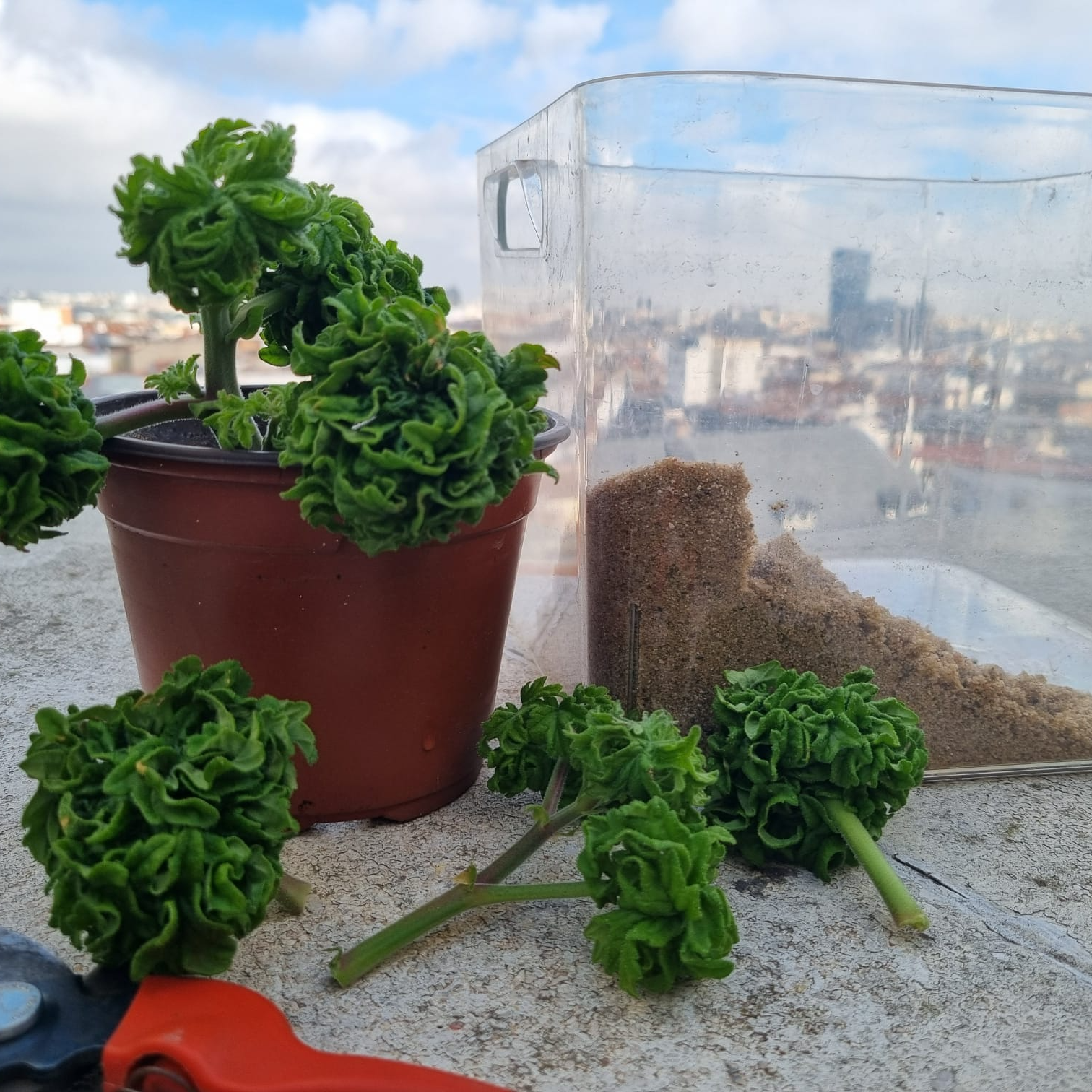
Loading summary
Transcript96 lines
- [00:02]
A
Ser Podcast Hoy por Hoy Magazine Ser.
- [00:19]
B
Podcast.
- [00:30]
A
You know you better.
- [00:32]
B
Eduardo Barba, buenos días.
- [00:33]
A
Buenos días, Ángel.
- [00:34]
B
¿Es verdad que dice Páramo que ya has metido pocas plantas aquí dentro?
- [00:37]
A
¿Me estoy reformando, no? ¿Sabes qué pasa? Que es que tenemos un problema ya siempre en la terraza, que es que están tan grandes, cuesta mover y además están con los goteros integrados, o sea, con los goteros pinchados. Entonces ya solo estoy metiendo algunas ya clásicas, como nuestro Aglaonema Silver Queen, que está hoy aquí abajo, una planta de interior maravillosa. Y bueno, un poco de atrezzo, porque hoy lo que vamos a hablar de solo una planta, fíjate.
- [00:59]
B
Solo una planta es una cosa rara.
- [01:00]
A
Pero ojo, mira, eso sí, he traído un poquito del balcón, porque mira, Tenemos los crisantemos. ¿Que llevan esos crisantemos? Tenemos un crisantemo de flor blanca, otro amarillo y otro anaranjado. Llevan con nosotros desde la primera temporada del programa. Entonces, bueno, pues ya es el tercer año que llevan en flor y una preciosidad.
- [01:19]
B
¿Y este cuál es?
- [01:20]
A
De eso vamos a hablar ahora, porque tenemos esa florecita de color morado púrpura que estás tocando. Nos va a servir para hablar un poco de pelargonios.
- [01:30]
B
¿Y esto?
- [01:31]
A
Eso vas a tocar la hoja. Es una hoja muy aromática. Frótala y huélela. He traído simplemente qué olor, un aroma de limón, que es ni más ni menos que de la melisa, una planta.
- [01:41]
B
Que seguramente la más grande huele menos, la más pequeñita huele menos a veces.
- [01:44]
A
Bueno, depende de cada hoja. Ahí está.
- [01:47]
B
Vamos a ponernos aquí un jarrito de flores aquí para empezar. Vamos con el tema, que es este esqueje de una planta que yo creo que no he visto nunca. ¿Qué es esto?
- [01:57]
A
Es que es una cosa un poco extraña. La estoy sujetando ahora con mis manos. ¿Geranio o un pelargonio? Vamos a ver, porque ahora veremos qué diferencia hay entre uno y otro. Lo que tengo aquí es un geranio, que es un cultivar o una variedad realmente extraña que veremos ahora cómo se llama. Pero lo primero que yo quería hablar es de una cosa que ya hemos tratado alguna vez, que es la diferencia entre geranio y pelargonio. Porque en lo que nosotros normalmente llamamos en jardinería a nivel popular, geranio, en realidad son pelargonios. Entonces el geranio es este que estabas tocando aquí, por ejemplo, es esta flor simple de 5 pétalos de 1 color morado. Aquí tenemos el geranium Rozane porque pertenece al género Geranium y aquí en cambio tenemos un Pelargonio porque es un Pelargonium. Los dos pertenecen a la misma familia.
- [02:46]
B
Pero yo a esto así le puedo.
- [02:47]
A
Llamar geranio también Le puedo llamar geranio perfectamente, pero a nivel botánico sería una pequeña incorrección. Pero nos da igual porque la jardinería ha de ser popular y. Y eso es lo que nos gusta también. Porque lo que he traído aquí es un Plargonium suaveolens. Ya te estás riendo por los nombrajos. Pelargonium suaveolens Von es un cultivar realmente extraño porque es un geranio de los de olor. Seguro que todos los oyentes habrán tocado alguna vez un geranio que tiene las hojas muy rígidas, de color plano, un poco velloso.
- [03:22]
B
A mí no recuerdo haberlo visto mucho, este geranio, pero cuando me lo has hecho oler te he dicho, digo, ostras, me está transportando algún sitio que no localizo todavía en mi cabeza, pero me está transportando algún sitio porque yo lo he olido esto.
- [03:33]
A
Claro, porque este es muy típico de verlo en balcones, en terrazas, en jardines, por toda España, principalmente en zonas también cálidas, muy habitualmente yo he llegado a ver incluso setos de este Geranium, perdón, de este Pelargonium suaveolens. Es el que cuando lo tocas tiene un aroma muy fuerte, muy marcado, que algunas personas le recuerdan a un producto de limpieza con olor a limón, de esos muy fuertes. Tiene un punto también resinoso, un punto aconífera, un punto lejano. Hoy de hecho en el metro, que se me ha abierto la bolsa porque estaba buscando una cosa en la mochila, ha habido una chica que se ha reído porque se ha dado cuenta del aroma, un aroma muy fuerte, porque ha.
- [04:11]
B
Pensado que llevabas otra cosa en la bolsa.
- [04:13]
A
No lo sé, no lo sé, no ha llamado a la policía ni nada. Pero aquí tendríamos este pelargonio que es realmente increíble. Una cosa, Ángel, ¿Te acuerdas del nombre que he dicho, del apellido? He dicho suaveolens y eso significa de fuerte olor. Y de hecho hay otras plantas, como por ejemplo el apio. El apio a nivel científico se llama Apium graveolens o también la ruda Ruta graveolens, que son dos plantas que normalmente a muchas personas no les gusta el olor porque tiene un olor muy fuerte, muy marcado.
- [04:45]
B
Ah, vale, pero entonces tiene que terminar en Noelens.
- [04:48]
A
En graveolens. Graveolens significa de fuerte olor como este pelargonio, como este Geranio von Tross.
- [04:55]
B
¿Tú dónde lo descubriste, este geranio?
- [04:58]
A
Este geranio lo descubrí en una entrevista que le hicieron a un jardinero paisajista y entomólogo francés que se llama Gilles Clement. Es muy conocido por todas las personas que amamos las plantas y sobre todo un cierto tipo de plantas como son las plantas urbanas. En las fotos que ilustraban esta entrevista a Gilles Clement había una planta muy extraña en un ventanal que subía hasta un metro setenta. Era más alta que incluso el propio Gilles Clement. Y yo veía esas hojas acogolladas, porque son unas hojas que están como des. Como unas bolas. Y yo decía ¿Pero esto qué es? ¿Entonces me puse en contacto con un muy buen amigo, jardinero también, y le pregunté oye, sabes qué es esto? Entre los dos nos pusimos a indagar sobre todo él y encontró que era este Pelargonium graveolens, variedad Vontrosai. Y lo que tiene esta planta es que no es muy vendida y no muy comercial. Entonces gracias a.
- [05:52]
B
No lo encuentras en cualquier vivero.
- [05:53]
A
No lo encuentras en cualquier vivero. Pero yo me puse en contacto con otro colega jardinero del norte de San Sebastián, que a su vez me viene un viverista francés a la feria de Bilbao. Le puedes contactar por si acaso lo tiene. Le escribí a este viverista francés y me efectivamente, tengo varios Pelargonium von Trosai, si quieres vente a la feria de Bilbao. Yo no podía ir ese fin de semana y otra colega jardinera lo compró. Esa colega jardinera a su vez se la dio a otro colega jardinero. A otro colega jardinero Madrid, que lo trajo a Madrid y lo tuvo durante varios meses. Yo no le pude ver durante varios meses hasta que finalmente me lo dio. Este geranio lleva ya este Pelargonium vonmigo desde junio en la terraza y se ha puesto como una mala bestia. Tiene cinco o seis patas, como un pulpo vegetal ya de un metro y algo alguna. Y está tremendamente fuerte. Porque lo que tienen los Pelargonium graveolens es que tienen un vigor inusitado y como tiene sol, como está, encuentra el sitio.
- [06:52]
B
Eso se va a convertir.
- [06:53]
A
Te puede echar de la terraza directamente.
- [06:55]
B
Una cosa me llama mucho la atención. Yo he dicho que son como bolas. Me llama mucho la atención la forma de las hojas.
- [07:00]
A
Sí, porque es su peculiaridad increíble. Son hojas en forma de pompón o de moño, en vez de salir la hoja plana, lo que hace es que se recurva hacia abajo, como si fueran garras. Y está tan recurvada que ni siquiera puedes ver. De hecho, mira, voy a cortar esta, que ya la voy a cortar luego. Es la parte más baja. Mira, si yo la estiro, esta hoja, vas a ver de dónde proviene. Es una hoja increíblemente rizada y recurvada hacia abajo. Se recurva sobre sí misma y se riza. Es rizar el rizo. El refrán este de rizar el rizo, Pues aquí este Von Troussai lo cumpliría. Y hace tanto rizo que la hoja casi se convierte en una flor. Es una bola perfecta. De hecho, fíjate cómo le llaman los anglosajones en traducción algo libre. Sería como un geranio alimonado escultural. Lemon sculpture, Scented geranium. Ahí tendríamos este olor, que es un.
- [07:55]
B
Olor tirando a limón y luego escultural, porque se puede convertir en una escultura.
- [07:59]
A
De hecho, a veces parece un pequeño bonsai.
- [08:01]
B
Es que a mí me lo ha parecido. Ahí cuando lo has entrado, este que tienes en la mano. Esto podría parecer un pequeño bonsai.
- [08:08]
A
De hecho, yo he visto como hay personas que lo podan y lo repodan para mantener una forma compacta, así como de bonsai.
- [08:14]
B
Mira, ahora vamos a seguir hablando de este pelargonio, pero déjame que escuchemos algún oyente. Y además yo creo que es que la primera que nos ha llamado, que es Marina, desde Zaragoza. Marina, ¿Qué tal? Muy buenos días.
- [08:24]
C
Hola, buenos días. ¿Qué tal?
- [08:25]
B
Muy bien. ¿Tú quieres hablarnos de un geranio?
- [08:28]
C
Sí, un geranio que es una planta que siempre me recuerda mucho a mi abuela y me hace ilusión. Entonces, hace como dos años mi marido me regaló uno. Entonces, pues uno los compra siempre como muy recogidos y muy monos. Y se ha ido desparramando un poco y ahora tiene una forma un poco fea, pero bueno, sigue haciendo mi jer. A mí me encanta. La cosa es que hace unas cuantas semanas empezó a perder todas las hojas, a la vez que le empezaron a salir un montón de capullitos como de flor. Y yo me creía que estaba en muerte inminente. Y no, las flores han salido. De hecho, ahora ya se han empezado a marchitar. Pero es la primera vez que veo que a un geranio le pasa eso, que pierde prácticamente todas las hojas y echa flor en una temporada que yo me creía que no era.
- [09:11]
B
Ha estado sin hojas, pero lleno de flor.
- [09:14]
C
Sí, flor ahora de tiempo, que normalmente no es en esta época y ha perdido. Yo me creía que se me estaba muriendo, pero de repente le empezaron a salir los.
- [09:23]
A
Perfecto, Marina. A ver, pues mira, atacamos porque no tenemos mucho tiempo. Y te iba a preguntar qué tipo de geranio es. ¿Tiene la hoja muy grande y muy recortada, como con filos el borde de la hoja o no?
- [09:35]
C
No, es más bien redondeadita.
- [09:38]
A
Es una hoja muy suave, como un poco pelosa.
- [09:41]
C
Sí, un poquito pelosa.
- [09:42]
A
Vale. Mira a ver lo que tienes ahí es un geranio que ha sufrido algún tipo de estrés. Que un geranio tire toda la hoja, como tú muy bien has dicho, Marina, es algo inusual. Es fruto de que ha actuado de repente, de manera muy rápida, una hormona que se llama etileno. El etileno lo que hace es la caída rápida y repentina de la hoja por completo y eso responde a un estrés extremo de la planta. El geranio lo que ha hecho es siente que va a morir y destina absolutamente toda su energía a una última floración. Porque él piensa tremendo esto que estás contando, por favor.
- [10:16]
B
El geranio siente que va a morir.
- [10:18]
A
La jardinería es tremendamente filosófica también y tiene ahí ese punto de estrés al límite. Entonces mi pregunta ¿Tú notas que está saliendo ahora nuevas hojas o no?
- [10:28]
C
Pues la verdad que es una planta que está en casa de mi padre y la veo varios días a la semana, pero no a diario. Y ahora llevo como justo cinco días que no la veo. No te sé decir, pero las ramas están fuertes. Ya te digo que creía que estaba en muerte inminente y al final no.
- [10:46]
A
Claro, porque es una respuesta de estrés. Lo que vais a hacer con ese geranio ha sido una respuesta a algún tipo de abonado que le habéis echado algún tipo de cambio. Un encharcamiento de las raíces también puede ser muy habitual para que un geranio tiré toda la hoja. Entonces mira a ver qué es lo que habéis hecho, qué habéis cambiado en ese geranio que llevaba ya un tiempo que estaba bien. Porque para que haya surgido ese estrés al límite y recomponlo. Es decir, vuelve al lugar de donde partía ese geranio, colócalo con más luz, no lo riegues para encharcar la tierra y el sustrato nunca más. Y mira a ver qué tal responde ese geranio.
- [11:21]
C
¿Me recomiendas poda salvaje?
- [11:24]
A
No, yo esperaría que el geranio responda. Es una planta que ahora mismo es un ser vivo que está al límite, entonces su equilibrio es muy inestable. Si le metemos un estrés mayor con una poda, es le vamos a retirar energía y puede que esa sea ya la puntilla que lleve a esa planta a la muerte. Ahora lo que tienes que hacer es mejorar todas las cualidades de cultivo de ese geranio para intentar que ese geranio se autoequilibre. Es como un ser vivo cualquiera, es como un animal, es como una persona. Una persona que de repente se pone enferma. Muchas veces lo único que hay que hacer es mejorar su condición de entorno. ¿De qué manera? Buena alimentación, buen descanso, buena hidratación y de esa manera muchas veces el propio cuerpo se reequilibra. Mira a ver si con eso ese geranio que te han regalado tan bonito vuelve al equilibrio que ha perdido.
- [12:09]
B
Pues ya nos dirás, Marina, muchísimas gracias.
- [12:13]
C
Nada, a vosotros.
- [12:14]
B
Hasta luego. ¿Con qué términos hablamos de las plantas? El geranio, muerte inminente.
- [12:19]
A
La jardinería es pasional.
- [12:22]
B
Vamos con los esquejes. ¿Cómo vamos a reproducir este esqueje del palergonio von?
- [12:30]
A
Para los oyentes, poned geranio von con B de Barcelona y os vais a encontrar con estos pomponcitos. Lo que vamos a hacer es que se nos cae una hoja pompón. Vamos a esquejarlo como hemos hecho en otras ocasiones, pero esta vez, como hemos esquejado en otras ocasiones, hemos metido algunos esquejes directamente en agua o a veces lo hemos pinchado directamente en una maceta con sustrato, un sustrato de cultivo normal y corriente, porque muchos funcionan muy bien. Pero esta vez, mira lo que he metido aquí. Este regalo de estas cajas transparentes nos viene genial porque esto nos lo hizo el compañero Tino. Y aquí tenemos en esta bandeja transparente de plástico, arena de río. Es la típica arena de río lavada que se utiliza en construcción. Nos la encontramos muchas veces metidas en sacos de plástico transparente o incluso si la construcción que están haciendo es grande, ya en grandes montones. De hecho, podemos pedir a los albañiles.
- [13:26]
B
Y vemos que nos den una bolsita.
- [13:27]
A
Exacto. Me des una bolsita porque este medio es ideal para hacer un esquejado. Normalmente esta arena de río tiene una granulometría media a gruesa y genera una cosa que es muy interesante, que es mucha porosidad. Lo que nosotros queremos en un esquejado siempre es que el esqueje en la parte baja tenga mucha aireación y una retención de agua justa para que no haya un exceso de agua que puede llevar a la pudrición al esqueje. Hay algunos enemigos naturales del esqueje que son muy claros. El primero es el exceso de agua o la deshidratación. Los dos son como. Van muy de la mano. Cuando yo meto un esqueje muchas veces que es tan grueso, tan carnoso como un geranio, este exceso de carnosidad es un festival para bacterias y hongos, entonces le atacan muy rápidamente y pueden llevar a una pudrición a este esqueje. Entonces lo que hay que evitar es meterlo en un sustrato que retenga mucha agua. Y para eso la arena de río.
- [14:21]
B
La vale, es ideal porque lo vamos a pinchar directamente en el sustrato. No vamos a enraizarlo en un vasito con agua.
- [14:26]
A
No, no, lo vamos a enraizar en un vaso con agua. Yo he traído una maceta de TRE del 13, que es de 13 centímetros de diámetro en boca, y lo que voy a hacer va a ser echar abajo de esta maceta una capita de un dedo de sustrato, de sustrato universal cualquiera, para que actúe de filtro de la arena de río con la que yo voy a rellenar.
- [14:44]
B
Metemos la arena de río, porque si.
- [14:46]
A
Relleno solo con la arena de río una maceta es muy probable que se pierda mucha arena por los agujeros de vale.
- [14:51]
B
¿Y el esqueje lo cortaríamos por debajo de un par de hojas, como has hecho otras veces, o por dónde cortamos exactamente?
- [14:57]
A
Lo vamos a cortar por debajo de una hoja solo porque lo hacemos de un par de hojas. Si, las hojas son opuestas, es decir, si sale una enfrente de la otra. Pero si te fijas en los geranios, en la mayoría de los pelargonium, las hojas son alternas, por no decir en todo.
- [15:12]
B
Una por cada lado del tronco.
- [15:13]
A
Exacto. Una sale para la derecha y un poquito más arriba del tallo sale otra para la izquierda. Entonces lo que vamos a hacer va a ser dar un corte, justamente un corte recto, justo por debajo de la última hoja. Esa última hoja la voy a apalancar La voy a cortar hacia abajo. La puedo apalancar hacia abajo.
- [15:32]
B
Apalancar es arrancar.
- [15:33]
A
Apalancar es arrancar. Y voy a mantener este esqueje que se seque. Con los pelargonios, hay otros esquejes que no. En cuanto tú cortas por debajo, lo pinchas ya en el sustrato, lo metes en el agua para que no se deshidrate. Pero en el caso de los geranios, de estos geranios carnosos, que muchos de hecho se consideran como una planta suculenta, lo que hay que hacer es dejar secar el corte. ¿Por qué? Porque de esa manera el corte se deshidrata y genera una pequeña película seca, un pequeño callo que evita que los hongos y las bacterias del sustrato penetren en la planta.
- [16:10]
B
Entonces lo cortamos por ahí el esqueje y dejamos que se seque solo la base.
- [16:14]
A
Exacto. Yo lo que acabo de hacer con este pequeñito, porque he traído solo dos, uno chiquitín y uno un poquito más grueso, es cortarlo. Quito esa última hoja e incluso quito otra hoja más si veo que se va a quedar enterrada. Y lo que voy a hacer va a ser dejar secar este corte durante una hora, por ejemplo, dos horas, y.
- [16:35]
B
Entonces ya lo pinchamos en el sustrato.
- [16:37]
A
Exactamente. Aquí ya ves que. Mira, este corte se lo he dado esta mañana.
- [16:41]
B
Ya se nota sequito.
- [16:41]
A
Está sequito. Entonces eso ya es ideal porque hace una pequeña película protectora.
- [16:45]
B
Si conseguimos que saque raíces, ¿Qué condiciones de cultivo le damos? ¿Qué necesita?
- [16:49]
A
Bueno, pues lo que necesita este esqueje es mucho sol. Esta planta es un geranio, como todos los Pelargonium, necesita mucha sol, al menos unas tres horas de sol directo para que se ponga fuerte. El frío lo va a resistir. Resiste temperaturas hasta menos 4 grados sin problemas. Y ya, pues si vivimos en un Tenerife, en un Cádiz, pues ya ahí el geranio va a ser feliz como una lombriz. Y luego interesante el darle algún tipo de abonado para que se ponga fuerte. Al menos un abonado en primavera, ideal. Otro en el otoño.
- [17:19]
B
Y echa flores.
- [17:19]
A
Echa unas flores muy pequeñitas, que por eso no es muy.
- [17:23]
B
Es más, lo bonito de este geranio son las hojas.
- [17:25]
A
Exactamente. Lo bonito de este geranio son estas hojas que son apomonadas, porque lo que son las flores son muy pequeñas, son rositas, pero se quedan a veces hasta incluso medio abortadas. Se quedan como casi sin salir y no son nada estéticas. Así que aquí la estás viendo en el este, si ponéis Pelargonium von Trossai, vais a ver unas pequeñas flores rositas.
- [17:48]
B
Que no tienen, pero ya con las hojas tenemos suficiente. Y luego la maldición de los geranios le afecta la mariposa del geranio, ¿No?
- [17:55]
A
Así que este es un geranio que es repelente para ellas y atractivo para nosotros.
- [18:00]
B
Perfecto. Anoten el nombre, Pelargonio von Troçai. No es fácil de encontrar, pero a lo mejor si lo pedimos en nuestro vivero nos lo pueden encargar o hacerlo.
- [18:10]
A
Llegar y os va a dar una alegría porque sus hojas en forma de pompón molan un montón. Si no me va a sacar ahí Toral Bizu. Hay Porfirio que te saque a ti.
- [18:20]
B
Saca a los dos. Oye, mira lo que le está pasando a la Melissa.
- [18:23]
A
Se está poniendo pocha porque no la he metido suficientemente rápido en agua y tiene unas hojas tan tenues que todavía no se han hidratado con el agua que hay abajo del vasito.
- [18:32]
B
Pues la semana que viene más.
- [18:33]
A
La semana que viene más.
- [18:34]
B
Venga, adiós.
- [18:35]
A
Hasta luego. Para no perderte ningún episodio, síguenos en.
- [18:38]
B
La aplicación o la web de Laser.
- [18:40]
A
Podium Podcast o tu plataforma de audio favorita.