Podcast
Humans, On Rights
Hosted by Stuart Murray · EN
Humans, On Rights is an intellectual and stimulating conversation with human rights grassroots influencers, community leaders, policymakers, advocates and educators about their passion to become human rights champions. Humans, On Rights host Stuart Murray, the Inaugural President & CEO of the Canadian Museum for Human Rights will explore with his guest the power of a positive outcome when you connect the three human rights dots - Education. Mobilization. Take Action.
13episodes
Episodes
Newest firstAll episodes
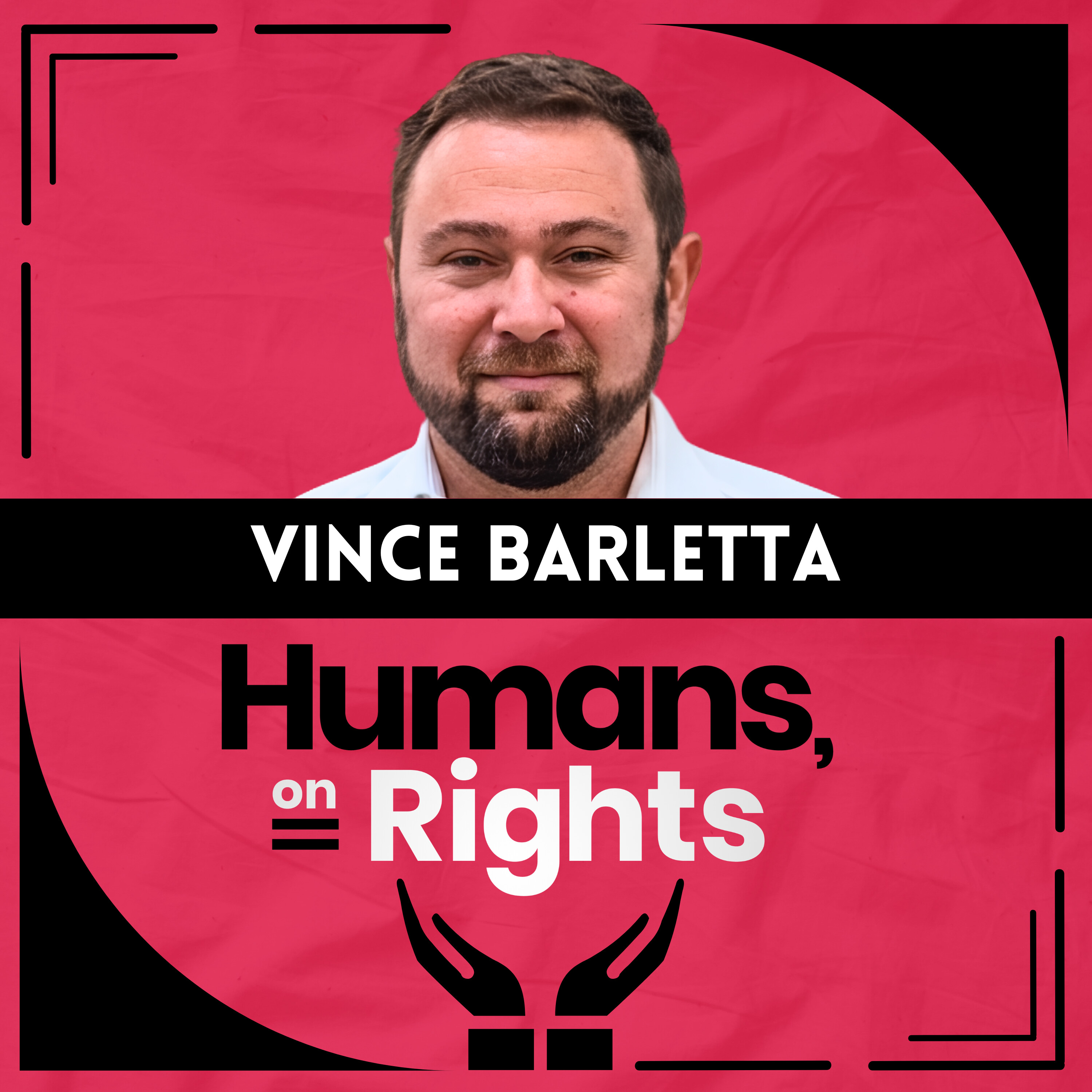
Vince Barletta: Manitoba Food Banks Weren't Supposed to Be Permanent
Jun 2500:53:32Tap to summarize\When Harvest Manitoba opened in 1985, it was meant to be temporary. A stopgap for a rough economic patch. Today, they serve 1,200 families a day, and 30% of them have jobs.Stuart Murray sits down with Vince Barletta, President and CEO of Harvest Manitoba, to talk about what that shift means, and what it would actually take to build a Manitoba where the food bank isn't a permanent fixture.In this episode, Vince shares:Why 30% of people coming to food banks in Manitoba today are employed, and what that shift means for how we understand food insecurityHarvest Manitoba's journey toward indigenous reconciliation, including serving nine remote fly-in First Nations communities and a new indigenous-led urban food bank coming soon in partnership with the Ma Mawi Wi Chi Itata CentreThe scale of Canada's food waste problem ($50 billion annually) and the Manitoba Food Transformation Centre Harvest is working to buildAs Vince puts it: "It takes a province to feed a province."Get Involved:Visit harvestmanitoba.ca to volunteer, donate, or learn more about partnering with Harvest Manitoba.Read Harvest Voices, Harvest Manitoba's annual community survey on food insecurity.
Transcribe →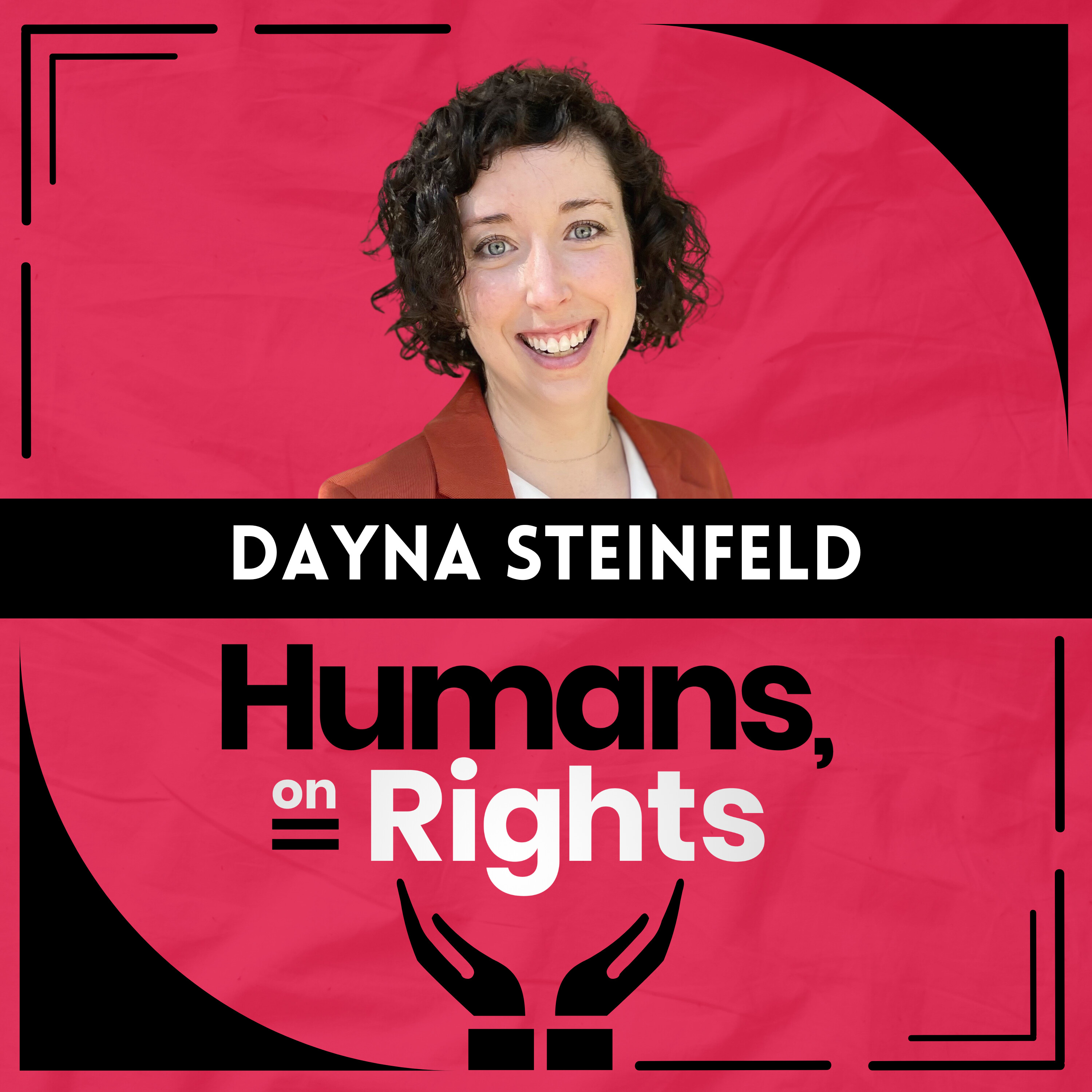
Dayna Steinfeld: The Notwithstanding Clause and the Silencing of Minority Rights
Jun 1100:49:12Tap to summarizeWhen governments can override the Charter before a court even looks at it, who's left to protect the people who can't protect themselves at the ballot box?Winnipeg labour and human rights lawyer Dayna Steinfeld joins Stuart to break down one of the most consequential constitutional debates in Canada right now: the expanding use of the notwithstanding clause, and what Manitoba's Bill 4 is trying to do about it.Provinces like Alberta and Saskatchewan are invoking Section 33 to push through so-called "parental rights" legislation: restricting access to gender-affirming care, controlling names and pronouns at school, limiting sports participation. Legislation that physicians say causes measurable harm. And some governments aren't waiting for courts to weigh in. They're invoking the clause preemptively, with the argument that courts aren't even allowed to look at it afterward.Manitoba's Bill 4 is a direct response to that. It would make court review mandatory any time the province invokes the override, keeping the judiciary in the conversation even when government has the last word.We're talking:What the notwithstanding clause is and how its use has shifted dramatically since 2018Why Alberta's "parental rights" legislation almost certainly violates the Charter — and why the government invoked the clause anywayWhy this isn't only a trans rights issueWhy "just vote them out" fails when the people most affected are children, or minorities without electoral powerWhat Bill 4 does, and why it matters that a future government could repeal itDayna also shares how growing up in Winnipeg and studying the General Strike — particularly the role of immigrant and Jewish communities, and the women who helped sustain it — set her on the path to labour and human rights law.
Transcribe →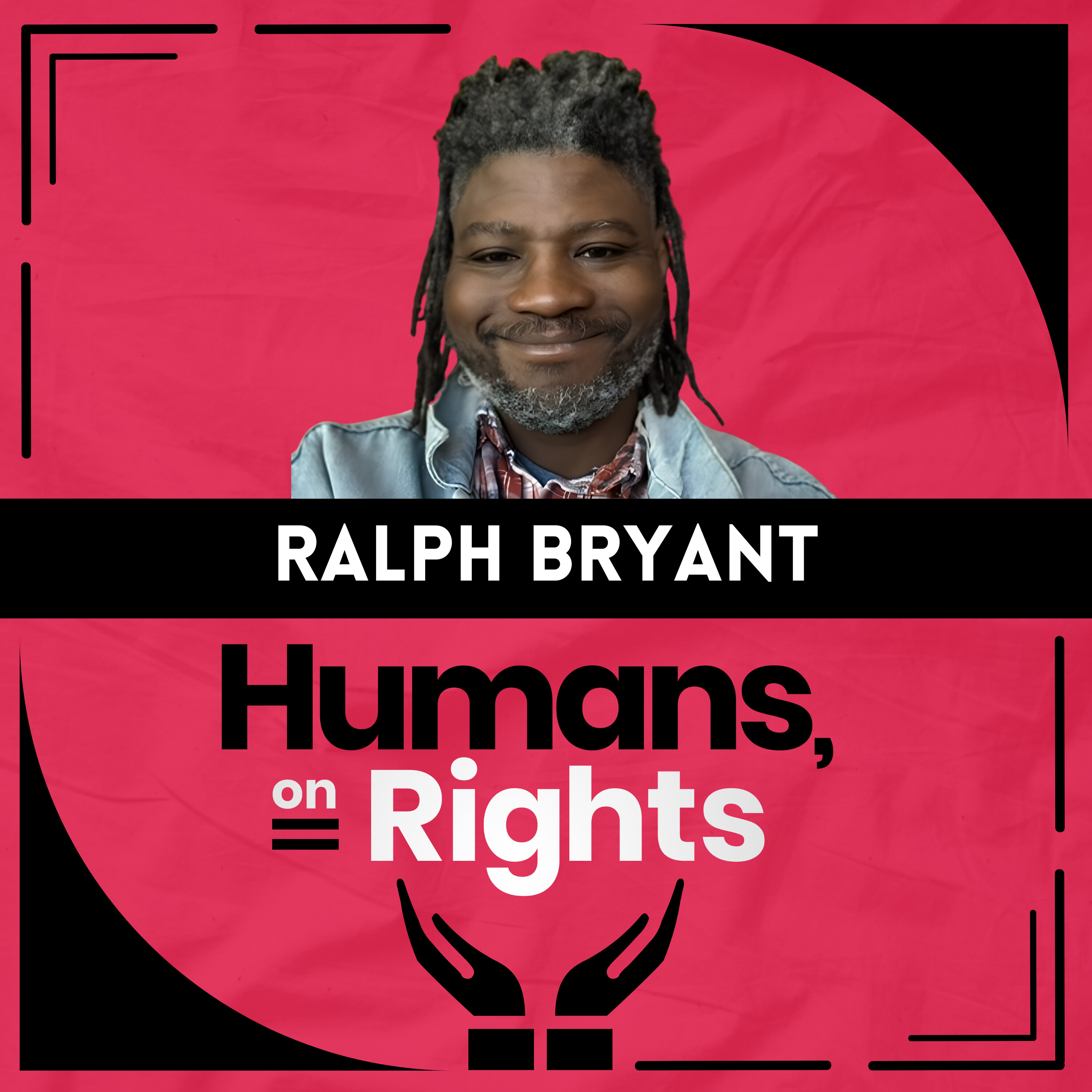
Ralph Bryant: State of the Queer — Manitoba's first-of-its-kind 2SLGBTQ+ Survey
May 2800:42:42Tap to summarizeAs we move into Pride month, Ralph Bryant returns to Humans, On Rights. This time, the Rainbow Resource Center's Manager of Stewardship sits down with Stuart to dig into The State of 2SLGBTQ+ Communities in Manitoba 2026 — the first report of its kind in Manitoba.This report surveyed 623 queer Manitobans alongside 1,000 members of the general public. It provides, for the first time, a true snapshot of the experiences, needs and priorities of queer Manitobans, as well as the state of allyship among straight Manitobans.The findings paint a picture of a community that is resilient and connected — but still navigating serious gaps in mental health, safety, and acceptance.We're talking:Why mental health ranked as the number one issue facing 2SLGBTQ+ communities in Manitoba by a wide margin, and what's driving itWhat it means that 54% of Manitobans believe gender ideology has "gone too far"The striking gap between soft and strong support for 2SLGBTQ+ legal protectionsThe candid "In Their Own Words" section of the report, where queer Manitobans name systemic exclusion within queer spaces themselvesThe single data point Ralph most wants to see change when the survey is done againThe full report — including key findings and complete data — is available at rainbowresourcecentre.org/reportsGet Involved:Download and share the State of the Queer reportConnect with Rainbow Resource Centre's Learning and Change department if your organization wants to work toward a more authentic and inclusive cultureVolunteer with Camp Aurora (sleepaway camp) or Spirit Day CampAttend or support Rainbow Resource Centre's community programs and social groups
Transcribe →
KC Adams: Red Dress Day and the Art of Relational Making
May 1400:40:05Tap to summarizeFollowing Red Dress Day earlier this month, Stuart sits down with KC Adams, a Cree and Anishinaabe relational maker, curator, writer and educator based in Winnipeg, whose work uses photography, installation and public art to explore identity, cultural reclamation and the ongoing impacts of colonialism.KC brings both lived experience and creative practice to a rich conversation about Red Dress Day, the evolution of Jamie Black's iconic installation at the Canadian Museum for Human Rights, and what it really means to make art as an act of advocacy and community uplift.We're talking:Why national recognition of missing and murdered Indigenous women, Two Spirit people, and men matters so deeplyWhy KC prefers the term "relational maker" over "artist," and how Western art terminology fails to honour Indigenous ways of knowing, creating and being in relationshipThe story behind the reimagined Sky Woman installation at the Canadian Museum for Human Rights, and how KC and Jamie Black collaborated to shift the conversation from awareness toward action and ceremonyWhat meaningful allyship looks like, and why KC believes moving forward requires bringing people into the circle, not pushing them awayLearn more about KC Adams and her work at kcadams.netLearn more about the Red Dress Project by Jamie BlackVisit the Canadian Museum for Human Rights to see the Sky Woman installation in person.
Transcribe →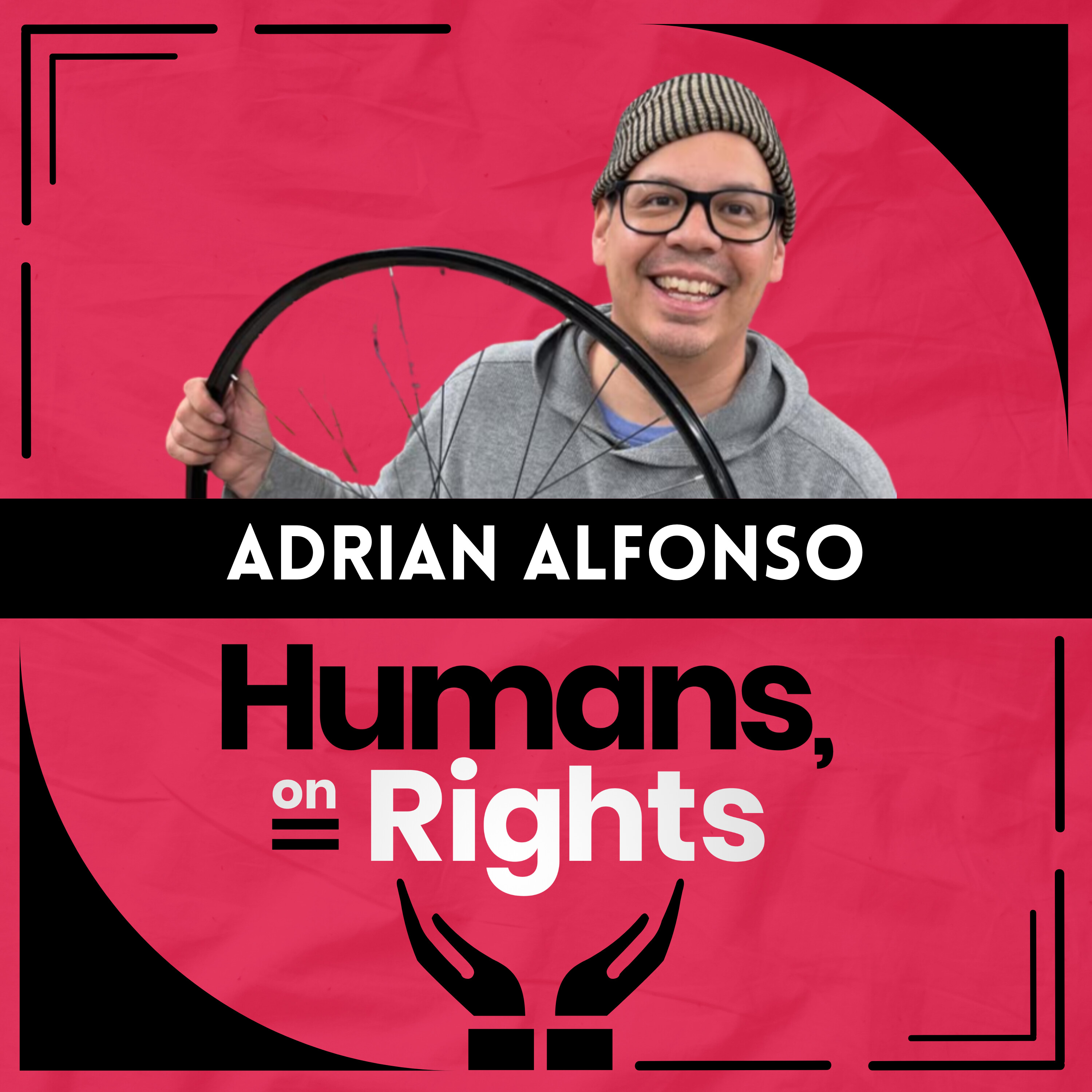
Adrian Alfonso: Trails, Truth, and Reconciliation on Two Wheels
Apr 3000:47:07Tap to summarizeAdrian Alfonso has been building trails in Winnipeg since he was a kid ripping around on a BMX bike in South Osborne. Today, he's a cyclist, trail builder, Indigenous advocate, and founder of Clear Paths, a program that uses cycling routes and green spaces as a framework for Truth and Reconciliation education. Stuart sits down with Adrian to talk about what trails can teach us, what it means to be a contemporary First Nations person in Winnipeg, and why the land beneath our wheels has a lot more to say than most of us realize.We're talking:How Adrian's childhood on the "monkey trails" became the foundation for a life of advocacyWhat Clear Paths is, and how it leads participants through a guided experience of language, relationship, and reconciliationThe idea that a good trail connects the best places together, and how that philosophy shapes his approach to community buildingHis concept of "my truth plus your truth equals reconciliation," and what active listening actually looks like in practiceConnect with Adrian on Instagram at @adrianacornConnect with the Clear Paths program on Instagram at @clear_paths_cycling
Transcribe →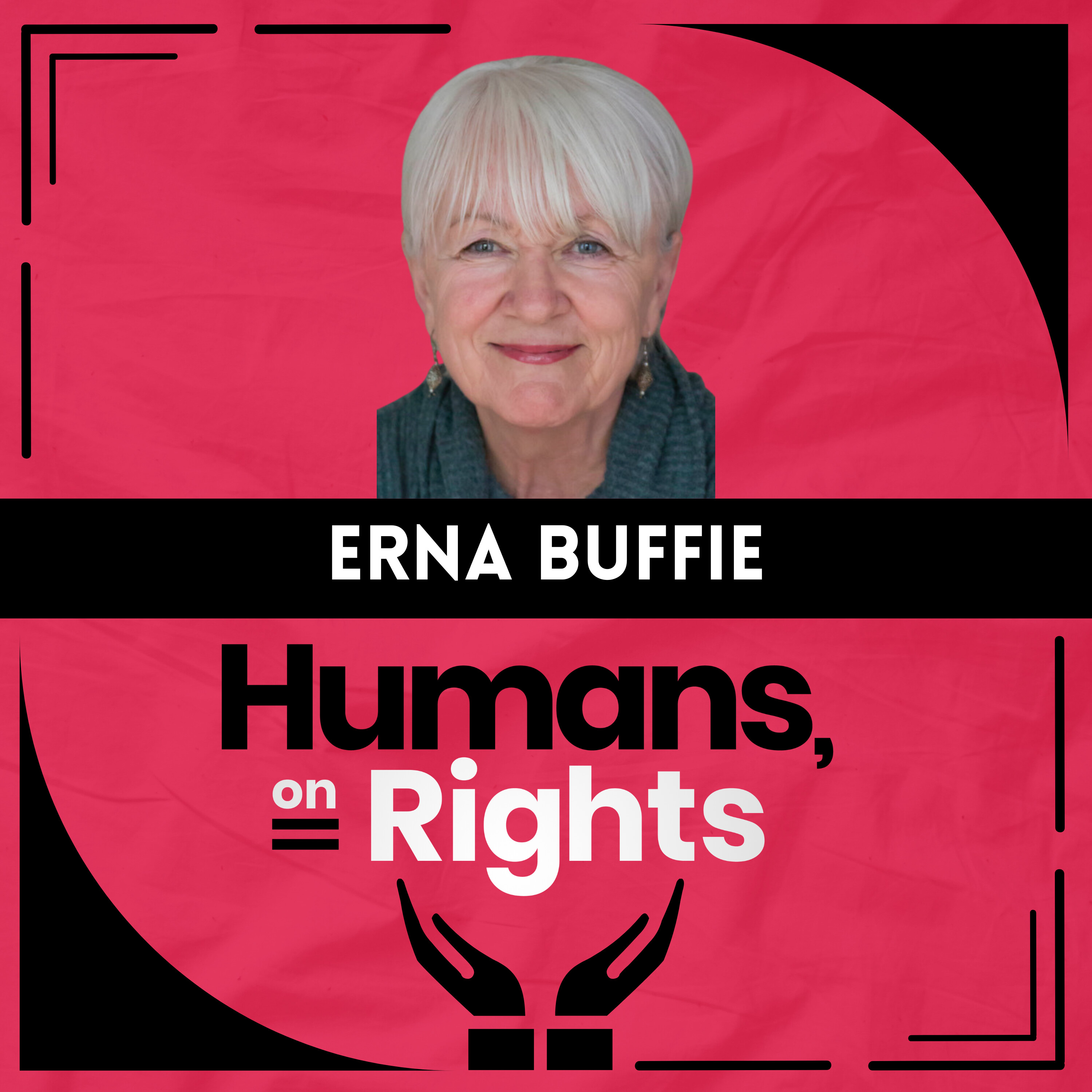
Erna Buffie: Out on a Limb
Apr 1600:53:39Tap to summarizeStuart Murray sits down with Winnipeg writer, filmmaker, and environmental advocate Erna Buffie. After more than two decades producing science documentaries for CBC's The Nature of Things, Erna has turned her attention closer to home — documenting why Winnipeg's urban forest is in crisis, and what it will take to save it. Her book Out on a Limb makes the case that trees aren't a civic amenity. They're essential infrastructure.We're talking:Why Winnipeg — despite its iconic canopy of elms — scores among the lowest of major Canadian cities for greenness, and what's driving that declineThe health benefits of urban trees and the argument for treating trees as infrastructure: for every $1 invested in a tree, the city sees $6 in benefitsWhy "we'll just plant more" isn't the answer — and why it takes a minimum of 10 years for a sapling to deliver even a fraction of what a mature tree providesThe case for a private tree bylaw — why more than 700 cities have passed them, and why Winnipeg has been reluctant to followAs Erna puts it, trees aren't just a pretty way to beautify a city. They cool the air, capture pollutants, absorb rainwater, support biodiversity, and help us build the kind of climate resilience we're going to need. The science is clear. What's missing is political will.“Out on a Limb” is out now. There will be a book launch event on Wednesday May 20, 7:00 pm, at McNally Robinson in Grant ParkCheck out Out on a LimbLearn more about Trees Please Winnipeg
Transcribe →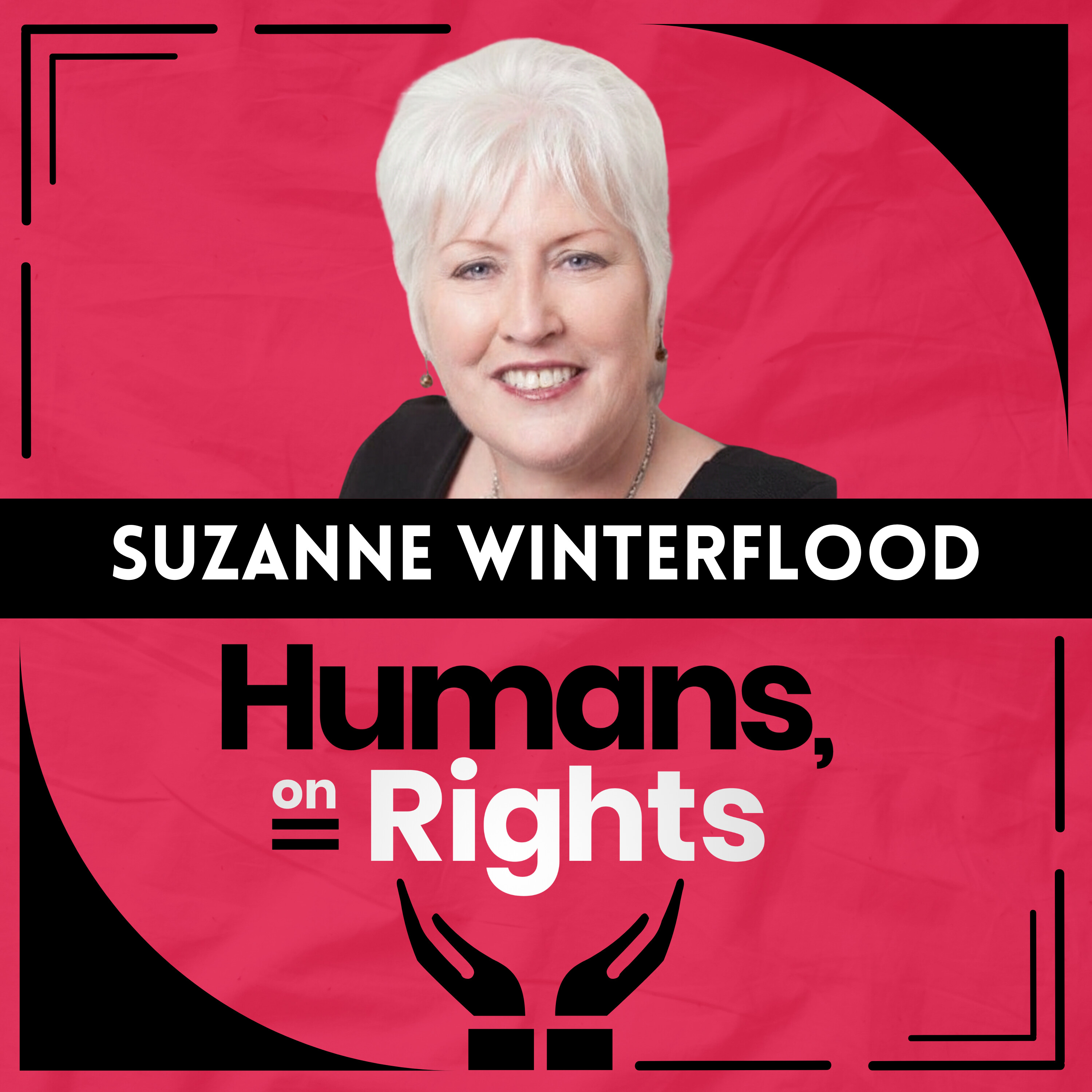
Suzanne Winterflood: Breaking Down Barriers in STEM
Apr 200:44:38Tap to summarizeOn this episode of Humans, On Rights, we sit down with Suzanne Winterflood, Program Manager of WISE Kinetic Energy — Manitoba's largest STEM outreach program. What started over 35 years ago as a small group of professors working to bring more girls into science and engineering has grown into a province-wide initiative reaching over 43,000 young people a year.And yet, Suzanne is the first to admit: the needle hasn't moved nearly as far as it should have. This conversation gets into what equitable access to STEM education actually looks like — and what keeps getting in the way.We're talking:Why early exposure to STEM matters most, and why grades 8 and 9 are such a critical turning point for girlsThe barriers specific to Black and Indigenous youth in accessing STEM education and careersWhy WISE Kinetic Energy is building toward land-based, culturally specific programming for Indigenous youthThe role of undergraduate students as near-peer role models — and why that model worksHow AI hype is pulling government funding away from the foundational, youth-focused work that actually builds the next generation of workersWISE Kinetic Energy website
Transcribe →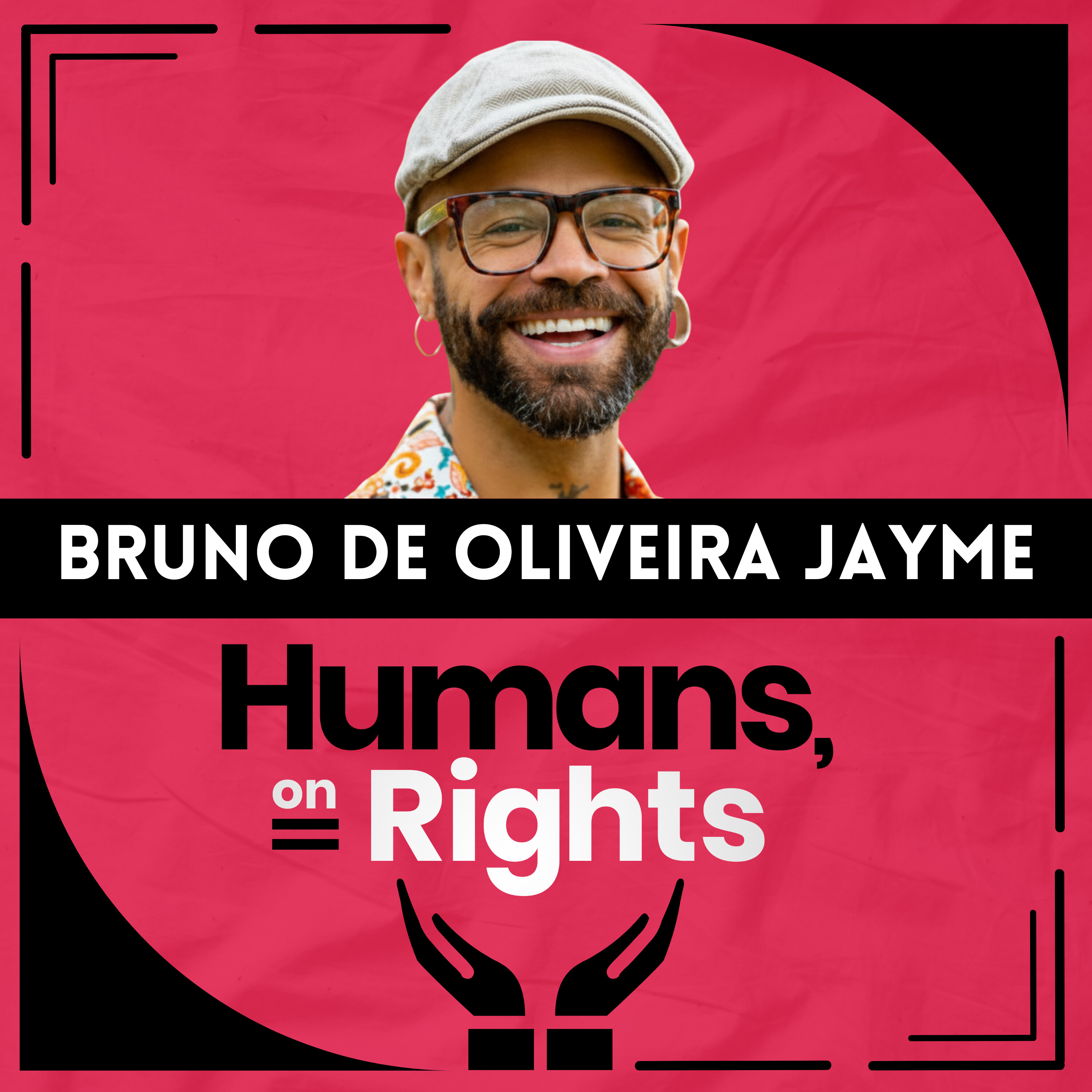
Bruno de Oliveira Jayme: Art, Activism, and the Power of Creative Dissent
Mar 1900:51:49Tap to summarizeOn this episode of Humans, On Rights, we sit down with Bruno de Oliveira Jayme, a Brazilian-born artist, educator, and community arts practitioner who has spent 25 years making Canada his home. Now a full professor in the Faculty of Education at the University of Manitoba, Bruno brings together curriculum theory, arts-based research, and a deep commitment to social justice. His work explores what happens when art stops being decoration and starts becoming dissent.Bruno introduces us to the concept of "artivism" — the intersection of art and activism — and makes the case that creative expression is not a softer substitute for protest, but a distinct and powerful tool for surfacing stories, building collective identity, and opening space for conversations that more traditional forms of advocacy often can't reach.We're discussing:How Bruno's upbringing in Brazil during the end of a military dictatorship first opened his eyes to art as a political forceThe roots of community art and artivism in the social movements of the late 1960s and '70s — from the Black movement and second-wave feminism to the landless movement in Latin AmericaWhy art is uniquely capable of addressing difficult issues "in a light manner" — and why that accessibility matters for movements like environmental justiceHis advice to aspiring artivist students: start with what you know, what you're struggling with, what you're hopeful for. Bring that to your community, and think together, collectively, about what you can do next.Bruno's website (edited)
Transcribe →
Divya Sharma: Opting Out Is a Privilege
Mar 500:51:20Tap to summarizeAt 21 years old, Divya Sharma has already led a $16 million student organization, represented Manitoba at the United Nations in both New York and Geneva, and is writing her honours thesis on the human rights implications of artificial intelligence. Her story is a reminder that age isn't a barrier to meaningful change — and that the most powerful advocacy often starts right in your own community.We're talking:Her COVID-19 project that started with a few micro-grants and grew into 16,000 care packages for frontline workers across Canada — recognized by the United Nations as one of the top stories of the pandemicHer path to becoming the 100th and youngest president of the University of Manitoba Students' Union (UMSU)Advocating for international students' access to healthcare as a human right, and the successful push to expand bursaries and bring menstrual products into university washroomsHer take on the biggest human rights challenge facing Canadians today: literacy, in every sense of the wordIf you want to know what the next generation of Winnipeg changemakers looks like, Divya's a pretty good place to start.Get Involved:Manitoba Council for International Cooperation:Provincial press releases:Lieutenant Governor of Manitoba email list:
Transcribe →
Janet James: Leadership, Economic Equity, and the Work Nobody Sees
Feb 1900:48:55Tap to summarizeFor our second Black History Month episode, we're going beyond celebration and into accountability. Stuart Murray sits down with Janet James, Edmonton entrepreneur and leadership strategist, whose journey from growing up as one of the only Black families in Lancashire, England to becoming a corporate executive and business owner is both a personal story of resilience and a lens on who gets access to power, capital, and opportunity.Janet is the founder of Janet James Growth Leadership, and has been involved with the National Black Coalition of Canada, Black History Manitoba, and leadership events for Indigenous youth — work that reflects her belief that real progress is about closing gaps, not checking boxes.We're talking:Why representation alone isn't enough, and what economic equity actually looks like in practiceThe concept of "dark work" — the inner work nobody sees that makes everything else possibleHow the word "woke" got weaponized, and what it actually means to the people who've always used itWhat performative allyship looks like up close, and how to redirect it without coming from a place of angerJanet's path took her from suppressing her identity in an almost entirely white town in England, to finding community and courage in Edmonton, to rising through corporate ranks and eventually building her own business. Along the way, she ran DEI programs, spoke publicly about racism at a time when she feared it would cost her her job, and led leadership training for Indigenous youth in Winnipeg — drawing the through-line between different communities' shared experiences of being told what they can't do.As Janet puts it: "In order to grow yourself, you must know yourself first."Janet James' Website
Transcribe →