
Podcast
Humility Resources
Hosted by Colleen Jenkins · EN
Context, critical thinking, and brain science; learn how to lead in the modern workplace.
10episodes
Episodes
Newest firstAll episodes
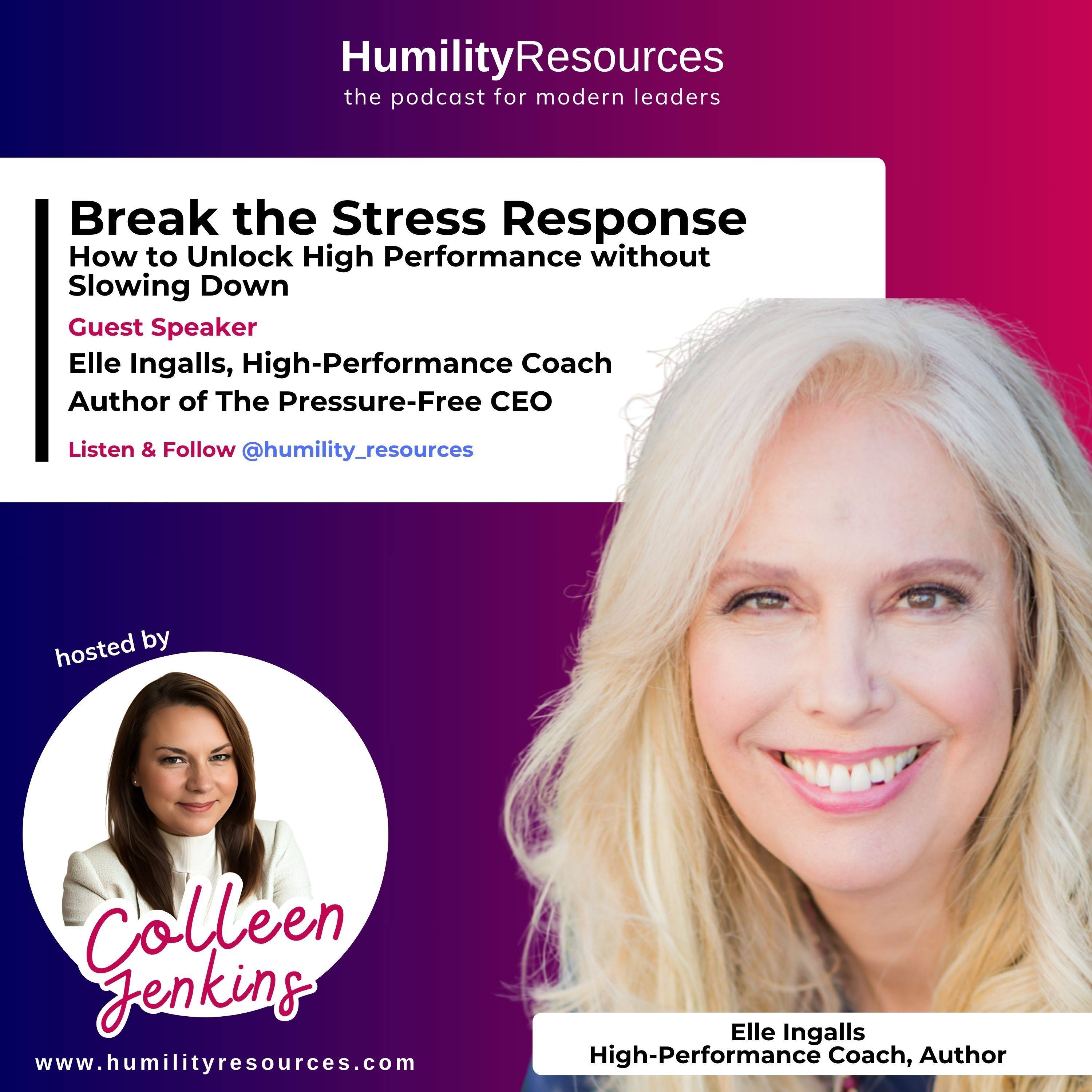
Break the Stress Response with Elle Ingalls
Oct 2900:42:59Tap to summarizeElle Ingalls on LinkedIn: https://www.linkedin.com/in/pressurefreeliving/ Purchase The Pressure-free CEO by Elle Ingalls: https://a.co/d/aNfVwnE Elle Ingalls Website: https://elleingalls.com/ In this episode, we explore a transformative conversation on managing stress with performance coach and speaker Elle Ingalls, creator of the Pressure-Free Method. Elle shares her personal journey — from sports injuries and stage fright to becoming a neuroscience-based stress-response expert. We discuss the physiological reactions to stress, the importance of interrupting the stress response, and simple yet effective tools to stay calm and focused. Elle also touches on the impact of stress on leadership and how understanding our stress triggers can improve both personal and professional life. Whether you're a high achiever or just looking to manage daily stress better, this episode offers valuable insights and practical advice. 00:00 Introduction to Stress and Performance 01:24 El's Journey: From Athlete to Performance Coach 05:35 The Birth of the Pressure Free Method 07:00 Understanding the Stress Response 16:13 Recognizing and Managing Stress 22:03 Understanding Cortisol and Anxiety <span style="color: #0d0d0d; font-family: Roboto, Noto, sans-serif; font-size: 15px; font-style: normal; font-variant-ligatures: normal; font-variant-caps: normal; font-weight: 400; letter-spacing: normal; orphans: 2; text-align: start; text-indent: 0px; text-transform: none; widows: 2; word-spacing: 0px; white-space: pre-wrap; background-color: #ffffff; text-decoration-thickness: initial; text-decoration-style: initial; text-decoration-color: initial; display: inlin...
Transcribe →
Dispelling the Empathy Myth with Joseph Cope
Oct 1500:36:54Tap to summarizeDispelling the Empathy Myth: The Real ROI of Fierce Empathy with Joseph Cope, The Empathy Guy Joseph Cope on LinkedInLearn more about Joseph Cope: https://empathyguy.com/ Contact: The Empathy Guy Today we explore the transformative power of empathy in leadership with our guest, Joseph Cope, known as 'The Empathy Guy.' Joseph is an educator, national speaker, and corporate workshop facilitator dedicated to helping organizations build empathy into their culture. We uncover what real empathy means beyond its common misconceptions, identify the skills needed to implement it, and discuss the tremendous ROI of fostering an empathetic work environment. Joseph introduces the C.A.R.G.O. Model, a practical framework for creating space in difficult conversations. Whether you're a seasoned leader or aspiring to be one, tune in to learn how empathy can profoundly impact your success and resilience.00:00 Introduction to Empathy in Leadership00:47 Defining Empathy: Beyond the Buzzword02:10 Redefining Empathy in the Workplace04:59 Teaching Empathy Skills07:00 Empathy and ROI: The Business Case14:48 Empathy in Difficult Conversations23:34 Empathy as a Learned Skill35:20 Conclusion and Final Thoughts
Transcribe →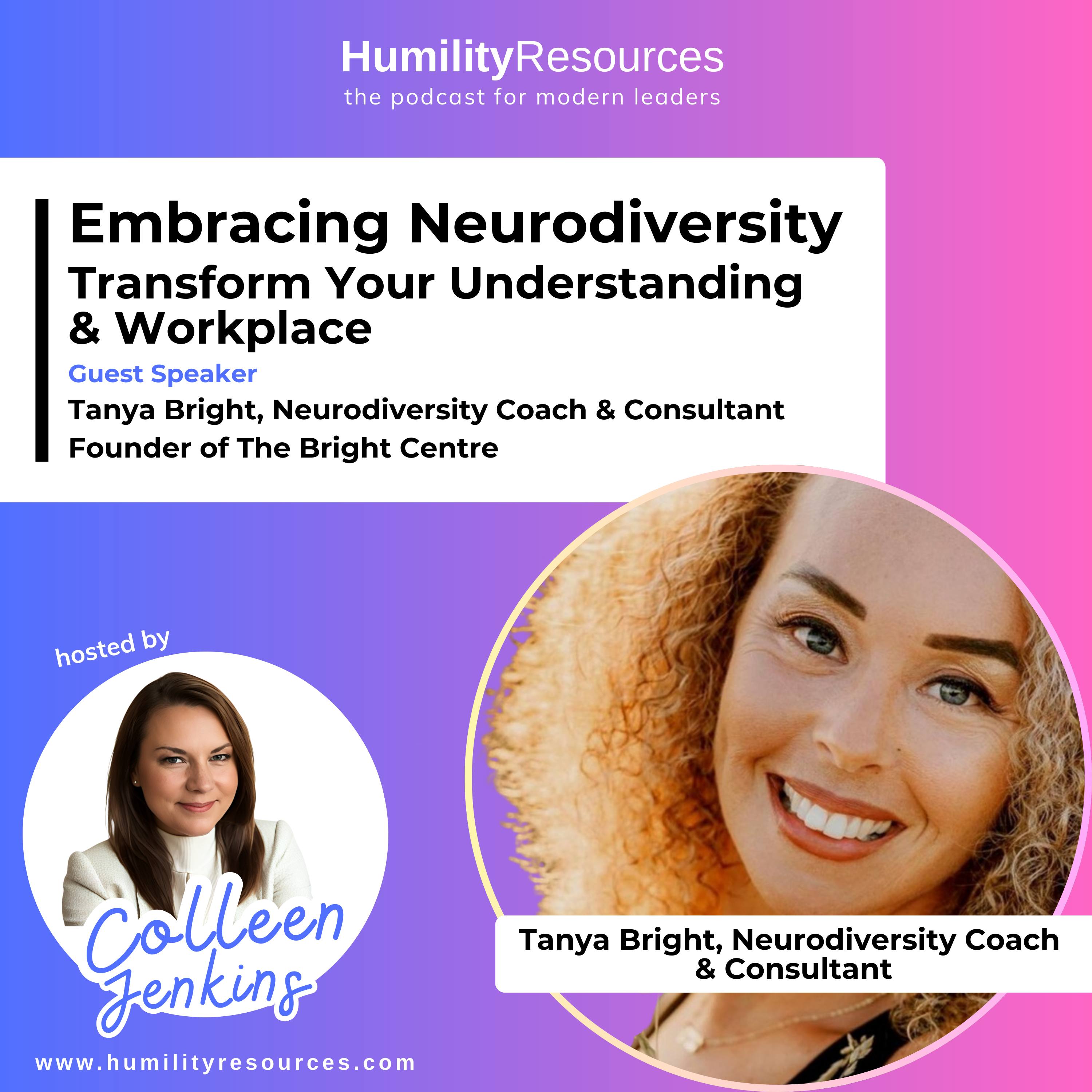
Understanding Neurodiversity with Tanya Bright
Sep 1700:27:52Tap to summarizeUnderstanding Neurodiversity in the Workplace with Tanya Bright In this episode of Humility Resources, we discuss the concept of neurodiversity and its impact on our lives with Tanya Bright, founder of The Bright Center. Tanya shares her personal journey, from starting in public relations to becoming a neurodiversity coach and workplace consultant. She emphasizes the importance of understanding and supporting neurodivergent individuals in the workplace. Tanya also provides insights on how organizations can proactively create inclusive environments, the role of managers in supporting neurodivergent employees, and advice on self-advocacy. Join us as we explore how embracing neurodiversity can benefit everyone in the workplace. #Neurodiversity #WorkplaceInclusion #MentalHealth #Neurodivergence #ADHD #Autism #WorkplaceSupport #Leadership #InclusiveWorkplace 00:00 Introduction to Neurodiversity 00:42 Meet Tanya Bright: A Journey to Neurodiversity Advocacy 05:45 Understanding Neurodiversity in the Workplace 10:34 Building Trust and Psychological Safety 16:57 Practical Advice for Leaders and Managers 25:02 Final Thoughts and Takeaways
Transcribe →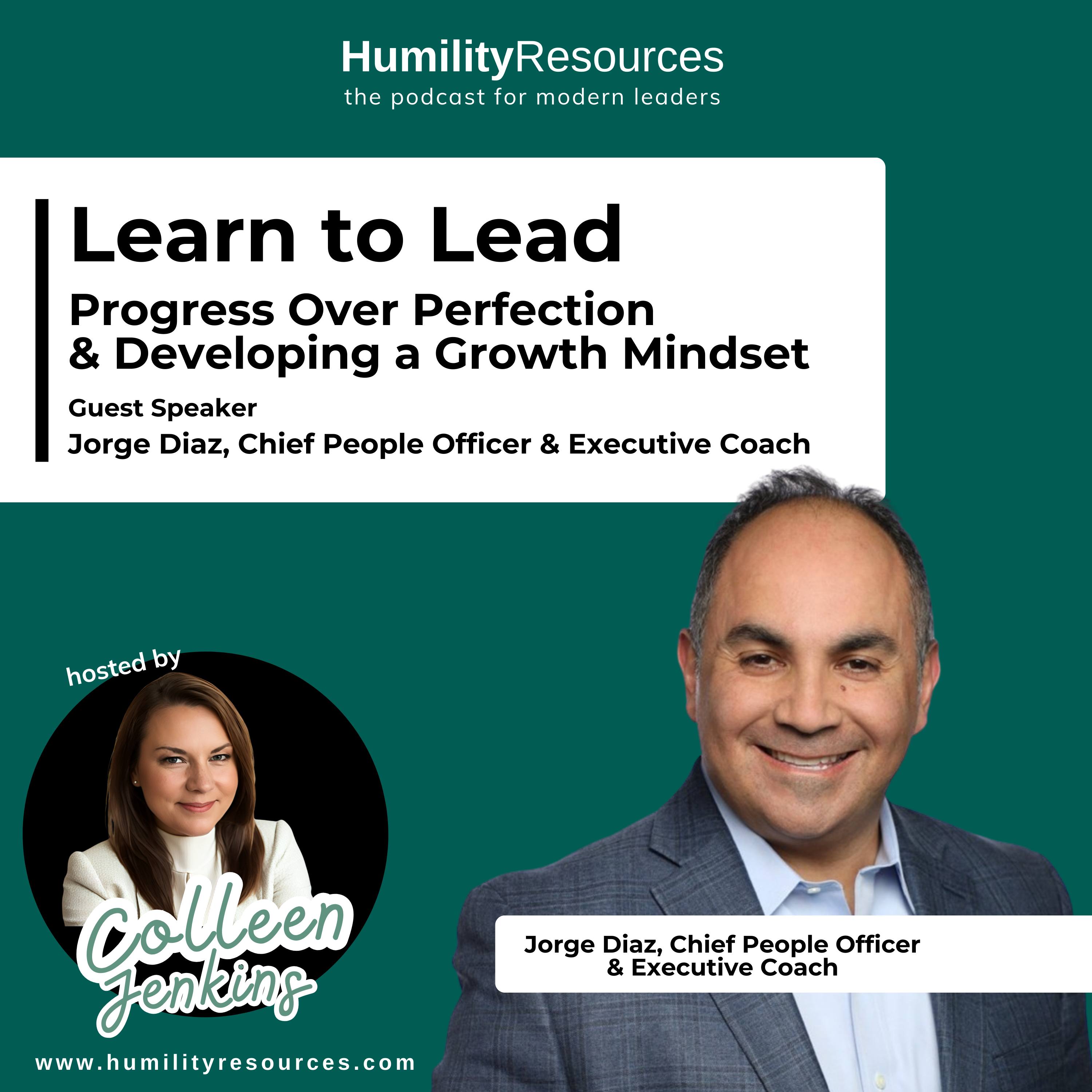
Learn to Lead with Jorge Diaz: Progress Over Perfection & Developing a Growth Mindset
Sep 300:27:55Tap to summarizeIn this episode, we welcome Jorge Diaz, a seasoned HR executive with over 25 years of experience. Jorge shares his unique journey from studying political science to becoming a prominent figure in human resources. He dives into his leadership development philosophy, emphasizing the importance of self-leadership, continuous improvement, and critical thinking. Jorge discusses the concept of 'Progress Over Perfection,' advocating for iterative progress and the value of self-awareness in leadership. This conversation explores the importance of asking insightful questions, understanding one's strengths and weaknesses, and navigating career pivots at any stage in life. Tune in to gain valuable insights from Jorge's extensive experience and reflective approach to effective leadership. #Leadership #HR #CareerDevelopment #SelfLeadership #ProgressOverPerfection #ContinuousImprovement #CriticalThinking 00:00 Introduction and Welcome 01:43 Jorge's Journey: From Political Science to HR 03:00 Embracing Career Pivots 05:18 Progress Over Perfection 11:40 The Power of Vulnerability in Leadership 16:19 Critical Thinking and Emotional Intelligence 23:19 Self-Leadership and Continuous Improvement 27:25 Conclusion and Reflections
Transcribe →Season 1 Finale: The Path Forward
Apr 16, 202500:02:28Tap to summarizeAs we conclude the first season, we reflect on key themes such as honesty, peace, and accepting imperfection. Highlighting the current social climate of quick criticism and ego-driven reactions, we emphasize the need for more humility and critical thinking. The importance of self-reflection and understanding our mental imperfections is discussed, encouraging listeners to improve themselves rather than judging others. Looking ahead to season two, we promise to bring diverse perspectives to help us all grow. Listeners are invited to engage, suggest, and even participate in the podcast. 00:00 Reflecting on Season One 00:49 The Need for Humility and Critical Thinking 01:21 Looking Inward and Moving Forward 01:54 Thank You and What's Next
Transcribe →Curiosity as a Superpower: Unlocking New Possibilities
Apr 9, 202500:09:51Tap to summarizeUnlocking the Power of Curiosity in the Workplace In this episode of Humility Resources, we explore the often misunderstood concept of curiosity. Curiosity goes beyond mere learning; it's a mindset that drives us to ask deeper questions and seek to understand the underlying principles of the world around us. We discuss why curiosity is increasingly rare in a world focused on quick answers and efficiency, and how this can lead to shallow understanding and hinder innovation. Strategies to foster a culture of curiosity in the workplace are provided, including asking open-ended questions, prioritizing exploration over efficiency, and celebrating moments of inquisitiveness. Research reveals a significant gap between the recognition of curiosity's value and the extent to which it is cultivated in organizations. The episode calls for making curiosity a guiding principle to unlock creativity, build stronger relationships, and achieve remarkable things. You're encouraged to implement these strategies and share your experiences. 00:00 The Essence of Curiosity00:22 Curiosity in the Modern World01:09 Defining True Curiosity01:55 Curiosity and Innovation in the Workplace02:33 Challenges to Workplace Curiosity03:14 The Difference Between Learning and Curiosity04:40 The Neuroscience of Curiosity05:13 Fostering Curiosity in Teams06:34 Celebrating Curiosity07:49 The Power of Curiosity08:26 A Challenge to Embrace Curiosity09:23 Stay Connected and Curious Sources: Harris Poll (2023, May 4). Harris Poll: US Workers and Curiosity.TexdX. (Lynch, D. (2019, January)). Why curiosity gets you farther than ambition | Drew Lynch | TEDxNashville YouTube.Daemmrich, A. (2015, December 17). Curiosity and Invention. Retrieved from https://invention.si.edu/invention-stories/curiosity-and-inventionOschmann, S. J., & Merck KGaA Darmstadt GmbH. (n.d.). State of Curiosity Executive Overview.
Transcribe →Navigating the Chaos: How to Find Clarity Amidst Uncertainty
Apr 2, 202500:11:48Tap to summarizeThe world is changing fast, and many people feel overwhelmed and unsure of what to do next. Our brains crave patterns and predictability, but uncertainty can trigger anxiety and impulsive decisions.Key Takeaways: Understanding our innate desire for pattern recognition can help us navigate uncertainty. Great leaders take responsibility for reducing ambiguity in their teams and learn tools to increase emotional intelligence. Creating order and clarity amidst chaos is key, not just for personal well-being but also for effective leadership. Courage, candor, listening, and self-care are essential for navigating uncertainty. The Power of Pattern Recognition:Our brains have evolved to recognize patterns, which helped early humans survive in harsh environments. However, when the patterns we rely on change or disappear, our brains can struggle.Leadership Strategies: Create order and clarity amidst chaos. Use courage, candor, listening, and self-care to navigate uncertainty. Surround yourself with a strong team of trusted advisors and mentors. Take care of your own mental well-being by prioritizing self-care practices. Taking Care of Your Mind: When faced with uncertainty, our brains can become muddled. By creating new paths through the "wheat field" of thought, we can navigate ambiguity. Acknowledge the uncertainty and accept discomfort. Breathe, be present, and focus on what you can control (your thoughts and actions). Choose new thoughts and challenge negative ones with positive affirmations. Take small steps to experiment with new perspectives and approaches. Uncertainty is a natural part of life, but we have the power to shape our own minds and create a brighter future. By learning to navigate uncertainty, we can discover our resilience, adaptability, and true potential.
Transcribe →Aristotle’s Legacy: Ancient Truth to Modern Day Persuasion
Mar 26, 202500:10:48Tap to summarizeSupporting local bookstores & communities: Recommended books sold from local bookstores. Join us as we explore the principles of persuasion and how our brains are wired to respond to influence. We'll dive into Aristotle's work, "Rhetoric," which provides valuable insights into ancient history and art of persuasion. However, we must also acknowledge that these principles can be used manipulatively in modern marketing tactics.Key Takeaways: Aristotle defined three modes of persuasion: ethos (character reputation), logos (rational foundation), and pathos (emotional appeal) A balanced approach to persuasion is key, but it's often exploited for commercial gain Neuromarketing studies how consumers' brains respond to marketing messages, products, and services AI language models can be trained on data that may not be factual, making truth determination difficult Actionable Steps: Critically evaluate sources and consider multiple perspectives Recognize emotional appeals and challenge assumptions Seek diverse perspectives and engage in nuanced decision-making Prioritize meaningful, truth-driven decision-making as leaders The Importance of Humility and Curiosity:As we navigate the complex world of persuasion, it's essential to recognize the power dynamics at play. By cultivating humility and curiosity in ourselves and our teams, we can better resist manipulative forces and make more informed decisions.By taking these steps, we can develop a more nuanced understanding of persuasion and make choices that promote truth and action for the greater good.
Transcribe →Perfectionism Paradox: Getting Things Done Requires Imperfection
Mar 19, 202500:09:56Tap to summarizeSupporting local bookstores & communities: Recommended books sold from local bookstores. Perfectionism is a pervasive issue that affects many people's lives, from mental health to work environments. Research shows that 92% of people are affected by perfectionism, and 86% believe it impacts their work. But where does this come from? Is it our upbringing, internal narratives, or even our physical brain structure? This episode explores the psychology of perfectionism, its effects on mental health, and how it impacts our ability to achieve goals. Perfectionism can create a toxic dynamic where others' affection and validation become conditional on achieving flawlessness. To combat perfectionism in the workplace: Establish clarity with clear goals and expectations Focus on the journey, not just the destination Embrace a growth mindset Give positive feedback Learn to be patient Practice open communication Be brave Progress requires a shift away from the pursuit of flawlessness and towards embracing imperfection. By acknowledging our own perfectionism tendencies and practicing these strategies, we can collaborate more freely, take risks without fear of failure, and celebrate progress along the way. Key Takeaways: Perfectionism is a pervasive issue that affects many people's lives. It can create a toxic dynamic where others' affection and validation become conditional on achieving flawlessness. Combating perfectionism in the workplace requires a shift towards embracing imperfection. Strategies for overcoming perfectionism include establishing clarity, focusing on the journey, and practicing open communication Resources: Visit Humility Resources blog at www.humilityresources.com to learn more about working with perfectionism and developing strategies for collaboration. Sources: Damiano, S. (2023, March, 2). Having the courage to let go of perfectionism [Online article]. Retrieved from https://www.aboutmybrain.com/blog/having-the-courage-to-let-go-of-perfectionism Reilly, C. (2024, February 13). Why perfectionism is bad for your wellbeing. Forbes. https://www.forbes.com/sites/colleenreilly/2024/02/13/wouldnt-it-be-nice-to-be-perfect-studies-say-perhaps-not/ APA Dictionary of Psychology. https://dictionary.apa.org/perfectionism Wu D, Wang K, Wei D, et al. Perfectionism mediated the relationship between brain structure variation and negative emotion in a nonclinical sample. Cogn Affect Behav Neurosci 2017; 17: 211–223. Kim S, Lee D. Prefrontal cortex and impulsive decision making. Biol Psychiatry 2011; 69: 1140–1146. Aupperle RL, Paulus MP. Neural systems underlying approach and avoidance in anxiety disorders. Dialogues Clin Neurosci 2010; 12: 517–531. Bromberg-Martin ES, Matsumoto M, Hikosaka O. Dopamine in motivational control: rewarding, aversive, and alerting. Neuron 2010; 68: 815–834. Paul L Hewitt GLF. When does conscientiousness become perfectionism? Current Psychiatry; 6. Benson E. The Many Faces of Perfectionism. American Psychological Association 2003; 34: 18.
Transcribe →The Neuroscience of Feedback: 4 Steps to Say Any Difficult Message Well
Mar 12, 202500:09:48Tap to summarizeIn this episode, we explore the psychology and physiology of feedback and learn how to communicate it effectively. Our brains are wired to respond to feedback in a unique way, using two distinct systems for processing information. When receiving feedback, our System 1 response often relies on emotional reactions and social norms rather than objective analysis. Feedback can have a significant impact on our self-esteem and motivation. Research suggests that constructive input can enhance self-esteem and motivation, while negative or destructive input can have the opposite effect. The Four-Part Framework for Giving Meaningful Feedback LeeAnn Renninger suggests four science-backed steps to giving meaningful feedback: Micro-yes: Start by asking a short but key question to set the stage for the conversation. Data points: Give specific examples or observations without making objective statements that sound like judgments. Impact statement: Explain exactly how the data point impacted you or the team. Wrapping up the message with a question: Encourage the other person to contribute to joint problem-solving and take ownership of solving problems. The Power of Feedback Effective leaders are not afraid to ask for feedback themselves, establishing themselves as lifelong learners and taking control over their own growth. By asking for feedback regularly, we can confront our own biases and assumptions and become more aware of our areas for growth. True leadership is not just about getting things done or being in charge, but about setting the stage for others to succeed. The key to growth and success lies in being willing to ask for input and learn from others.
Transcribe →