← I Have ADHD Podcast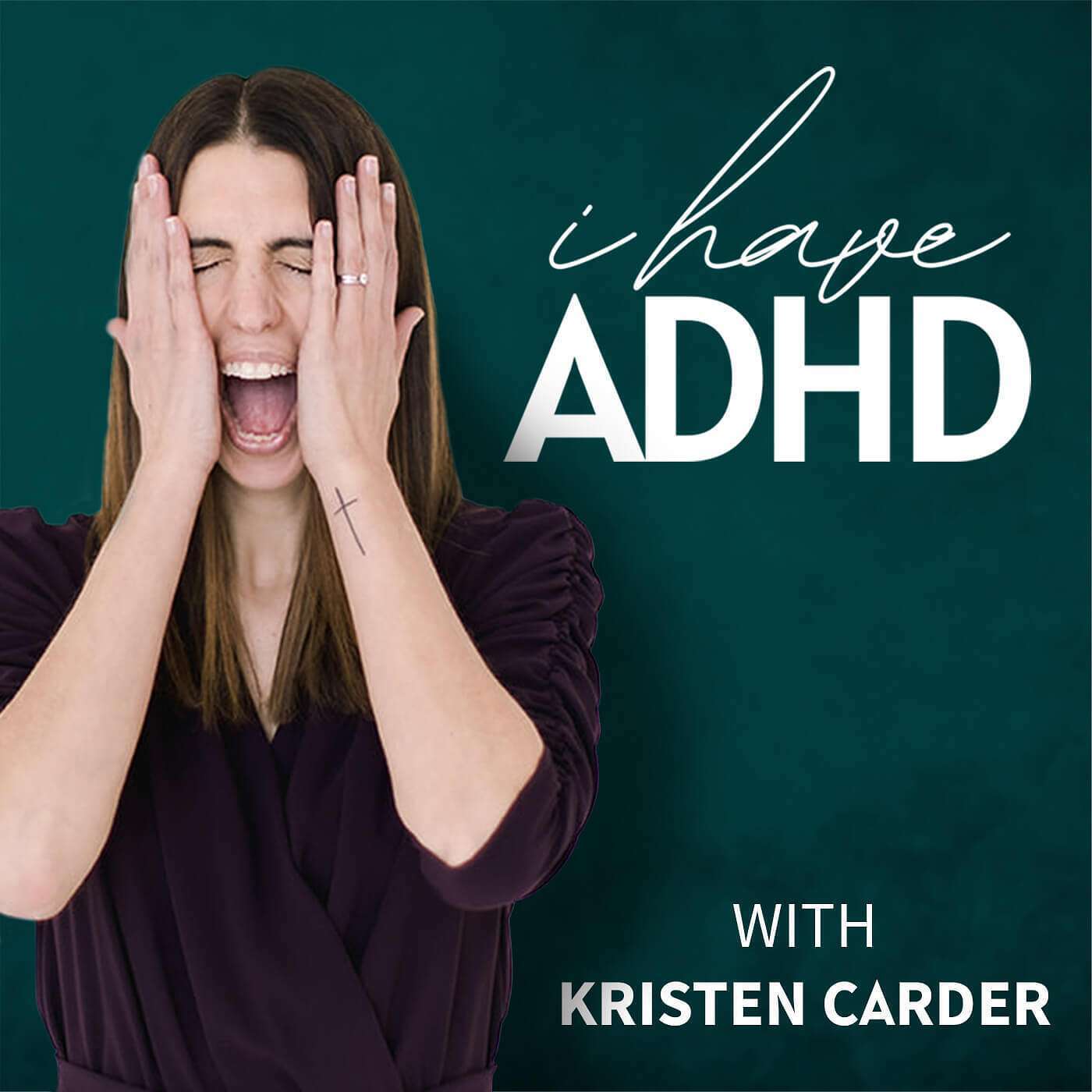
Loading summary
Transcript6 lines
- [00:01]
A
Why choose a Sleep number Smart bed.
- [00:02]
B
Can I make my sight softer? Can I make my sight firmer?
- [00:05]
A
Can we sleep cooler? Sleep number does that cools up to eight times faster and lets you choose your ideal comfort on either side your Sleep number setting Enjoy personalized comfort for better sleep night after night. It's the final days of our Black Friday sale. Recharge this season with a bundle of cozy soothing comfort. Now only $17.99 for our C2 mattress and base plus free premium delivery price is higher in Alaska and Hawaii. Check it out at a Sleep number store or sleepnumber.com today.
- [00:34]
B
Hey what's up? This is Kristen Carter and you are listening to a bite sized episode of the I have ADHD podcast. I am medicated, caffeinated, regulated and ready to roll. This little episode is one of my favorite clips from the podcast. It's perfect if you're not in the mood for a full hour long listen because let's be real, some of us ADHD years just don't have the patience for all of that. But if you are a die hard listener, think of this as your midweek me up. It's Thursday y'. All. Friday is right around the corner. If you love this clip, check out the show notes for a link to the full episode. And remember my friend, drink your water, take your meds, grab a snack. Now let's get rolling.
- [01:21]
C
Hi, my name is Brooklyn and I am from Grants Pass, Oregon and I'm new to the podcast. My friend had been posting about ADHD and I was like in amazement about how many of the symptoms pretty much all of them that I had. And so I'm currently trying to be diagnosed but I'm fairly sure I have it. Anyway, the podcast has been super helpful for me. Almost every episode has kind of like brought me to tears because I resonate with everything and it's really helping me to cope and understand that you know this is real and I'm not crazy. But something that I'm struggling with is now I've been opening up about it with like my family like my dad or my mother in law or whoever and a common response that I get is that everybody has adhd, like it's not a big deal, like everyone deals with it or people are just not diagnosed and I just feel like people just treat ADHD like it's not a big deal, like it's just if you have it, you just can't focus on stuff. But that's just normal. But I just don't know how to respond to that, you know, people watering it down and treating it like, you know, it's a normal thing. So I just wanted some advice on how to respond to that comment that, oh, everyone has adhd. Oh, you're just easily distracted. You know, that's normal. Anyways, thanks for your time and thanks for your podcast.
- [03:00]
B
Oh, honey, I just want to give you a squeeze. I'm so sorry, I can hear the pain in your voice. I just want to say that I'm sorry and that that's not what you deserve to hear. When you're sharing something so personal, it's so vulnerable with the people that are closest to you. That's not what you deserve to hear back from them. And so that makes me upset on your behalf. It makes me feel angry and it makes me just want to like, step in and defend you. And I, I've gotten several questions that are similar to this. And so I'm really glad that you brought this, Brooklyn, and that you are articulating this so perfectly because there are a lot of listeners and a lot of people on Instagram who submitted questions that are going through the same experience. Just feeling like, you know, when I talk about this, I feel like it's explaining so much about myself and I feel so excited to have these revelations like, oh my goodness, these things that I've been struggling with, they're not because I'm lazy, they're not because I'm stupid, They're not because there's something wrong with me. It's because I have adhd and I can point to that and like, maybe that means there's a solution and maybe that means there's help for it. And that's so exciting. And it's such, it's such a, like an eye opening, life changing time for you. And then to be met, to be met with such dismissal, to be met with such a demeaning like, oh, well, everybody struggles with that. Like, everybody has adhd. That's not a big deal. What are you even talking about? That's so hurtful. And so I just want to mirror to you that's actually really painful to hear. And it's also very, very inappropriate. Like, that's an inappropriate response. Response. So for those of you like Brooklyn, for you specifically, but for those of you who have friends, family, relatives, co workers, whoever that are responding in this way, I want to encourage you to not feel invalidated and not feel like, oh, maybe this means that I'm wrong. Maybe this means that, like, it's not a big deal, like, don't believe them. You should be mad at them. Like, be angry that they're responding in this way. The appropriate response from us, from the ADHD person who. Who goes to someone with such vulnerability and says, like, oh, my gosh, I think that I might have adhd, and I'm learning so much about myself and I'm going to pursue a diagnosis and maybe there's treatment that would help me and maybe I can learn more about myself and some coping skills that will change my life and make everything better and easier for me. Someone dismisses that and says, that's stupid. Everybody has adhd. What's your problem? We should be angry about. We deserve to be angry about that. Okay. It's inappropriate. That is so inappropriate. Okay, so first, I'm really sorry that you're hearing that from people. And second, I don't want you to believe them. And third, I want you to remember that ADHD is heritable, that it travels in families, and that, yeah, for. Let's say it's your parent and you. I don't know that you said it was your parent, but let's just pretend it was your parent. You go to your parent and you say, I'm distracted. I'm unmotivated. I'm struggling with emotional regulation. I am. What are the other symptoms of adhd? Where am I? What. What is my job? I just. My mind just absolutely left the building. So we'll throw that in, like, unable to have an organized thought. And you go to your parent and you say that. And your parent, who, hello, ADHD is as heritable as height. Your parent probably has adhd. They're like, yeah, so is everybody else. You're like, no, this is not normal. This is not how we have to function. So I just want you to understand that you are probably. If you're talking to family members, it is so highly likely that you are talking to people with undiagnosed adhd. So for them to validate your symptoms means that they would have to validate their own symptoms. And a parent who does not know how to validate themselves will never be able to validate their child ever, Is impossible. So a parent who dismisses their own struggles will always dismiss their child's struggles. It's just the way. That's just. This is the way that it works. Okay? And so I want you to think about. For you, Brooklyn, like, you're just discovering this for the first time, but I want you to think about the generations of people that came before you, honey, all of the people that came before you that were undiagnosed, that were unaware that that didn't know your great grandparents, your grandparents, your parents, your aunts, uncles, cousins, like whoever it is in your family. This travels in families, my love. Okay, so there are. So it's likely if you have adhd, that there are many, many people in your family that do as well, but they just don't know. And so I want to encourage you to be a little more self protective with what you're sharing with people because it doesn't seem that they are capable of holding your vulnerability with care. And so I want you to be a little more protective of those vulnerable parts of yourself. I'm not saying disconnect from your family. I am not saying throw a big fit and rage at them. I'm not saying any of that. I'm not saying tell them that they have ADHD or diagnose that. I'm not saying any of that. What I am saying is notice that they are incapable of validating you, but don't let that make you invalidate yourself. Just be aware that they are. They're not capable, they're just not capable. And so be a little more self protective. Find safe people that will understand. Come, come into an adhd. I almost had come into focus and like, I'm not trying to make a sales pitch, I'm trying to give an invit of like if you need people who will validate your experience, come join focus. It is the most encouraging, validating and accepting community that you could ever find. We welcome people with self diagnosis. We welcome people who are undiagnosed but just curious. We welcome all types of people and you will never feel invalidated in this space. Okay, anyway, anyway, anyway, be a little more self protective and only share these vulnerable things with safe people and continue on your diagnosis journey. I'm so proud of you. I'm excited for you. I'm so hopeful for your future. I'm so hopeful that you are like gaining this awareness and this understanding and that you are pursuing a deeper knowledge of yourself. It's beautiful. It's so good. Oh, Brooklyn, thank you for calling in. Thank you. I appreciate you. Thanks for listening to this bite sized episode of the I have ADHD podcast. If you enjoyed this clip, you'll find a link to the full episode in the show notes. And don't Forget to visit ihaveadhd.com for tons of adults ADHD support. All right, my friends, I had a great time with you today and I cannot wait to talk to you again next week. Bye. Bye.