
Podcast
Inbound Marketing & Sales
Hosted by Whitehat Inbound Marketing Agency · EN
Whitehat is an Inbound Marketing Agency and an AI consultancy based in London. We work with B2B companies in the finance, technology (hardware and software), manufacturing, charity, and educational sectors. These companies tend to be located within the UK or continental Europe and have an average turnover of between £5M and £ 100 M. Their sales cycle is often 6 months or more. They typically have an active direct sales team of at least 5 people but little or no internal marketing capability.
10episodes
Episodes
Newest firstAll episodes
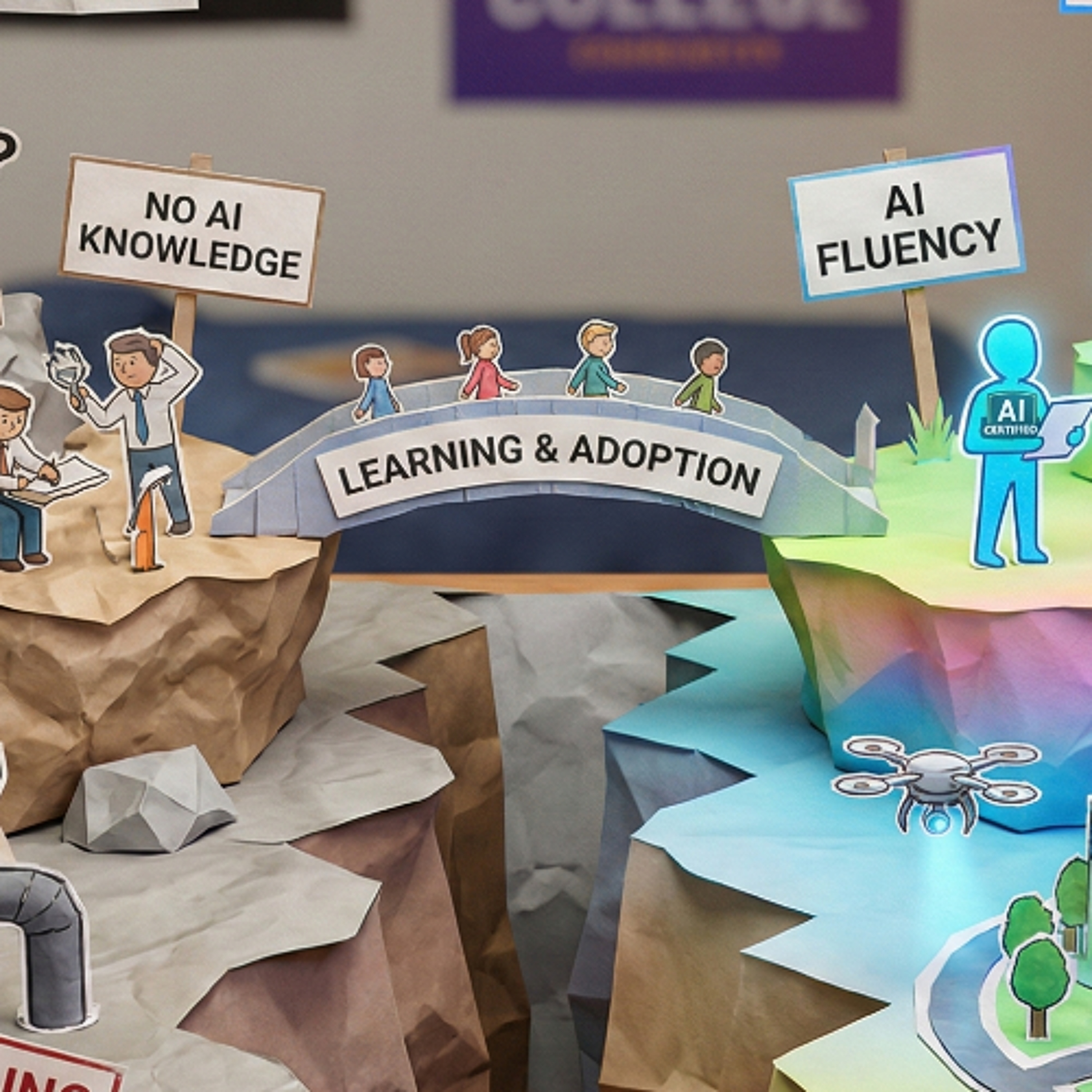
The_Agentic_Shift_Ends_Entry-Level_Jobs
Feb 1000:15:50Tap to summarizeThe_Agentic_Shift_Ends_Entry-Level_Jobs by Whitehat Inbound Marketing Agency
Transcribe →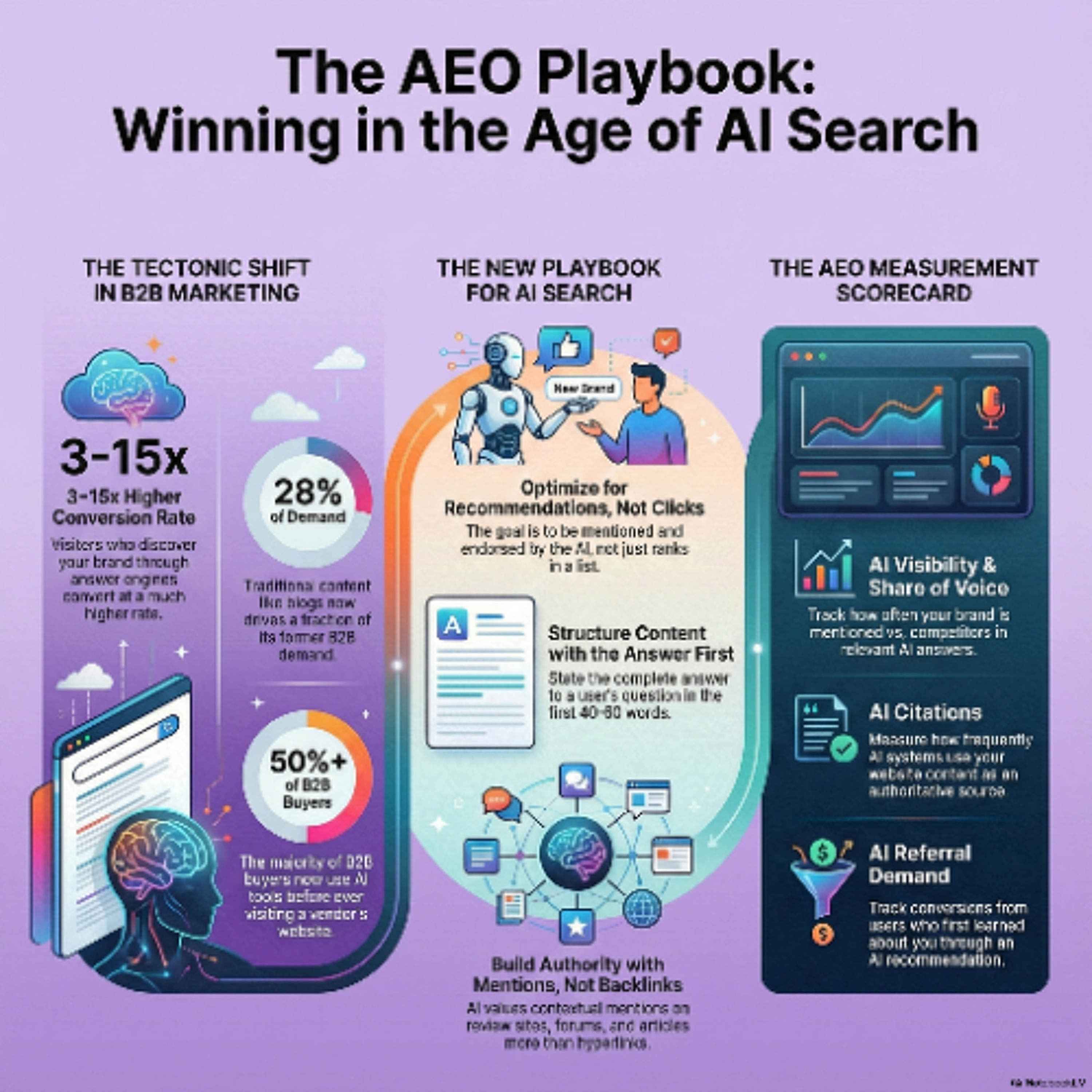
Optimize for AI Recommendation Not Clicks AGO - AEO
Dec 700:14:59Tap to summarizeA tectonic shift is underway in digital marketing, moving the centre of gravity from traditional Search Engine Optimisation (SEO) to Answer Engine Optimisation (AEO). While SEO prioritises clicks from search engine results pages, AEO focuses on achieving recommendations and citations within the responses of AI platforms like ChatGPT, Claude, and Google's AI Overviews. This transition is driven by rapidly changing user behaviour, with over 800 million people using ChatGPT weekly and more than 50% of B2B buyers leveraging AI tools for purchasing research before visiting a vendor's website.
Transcribe →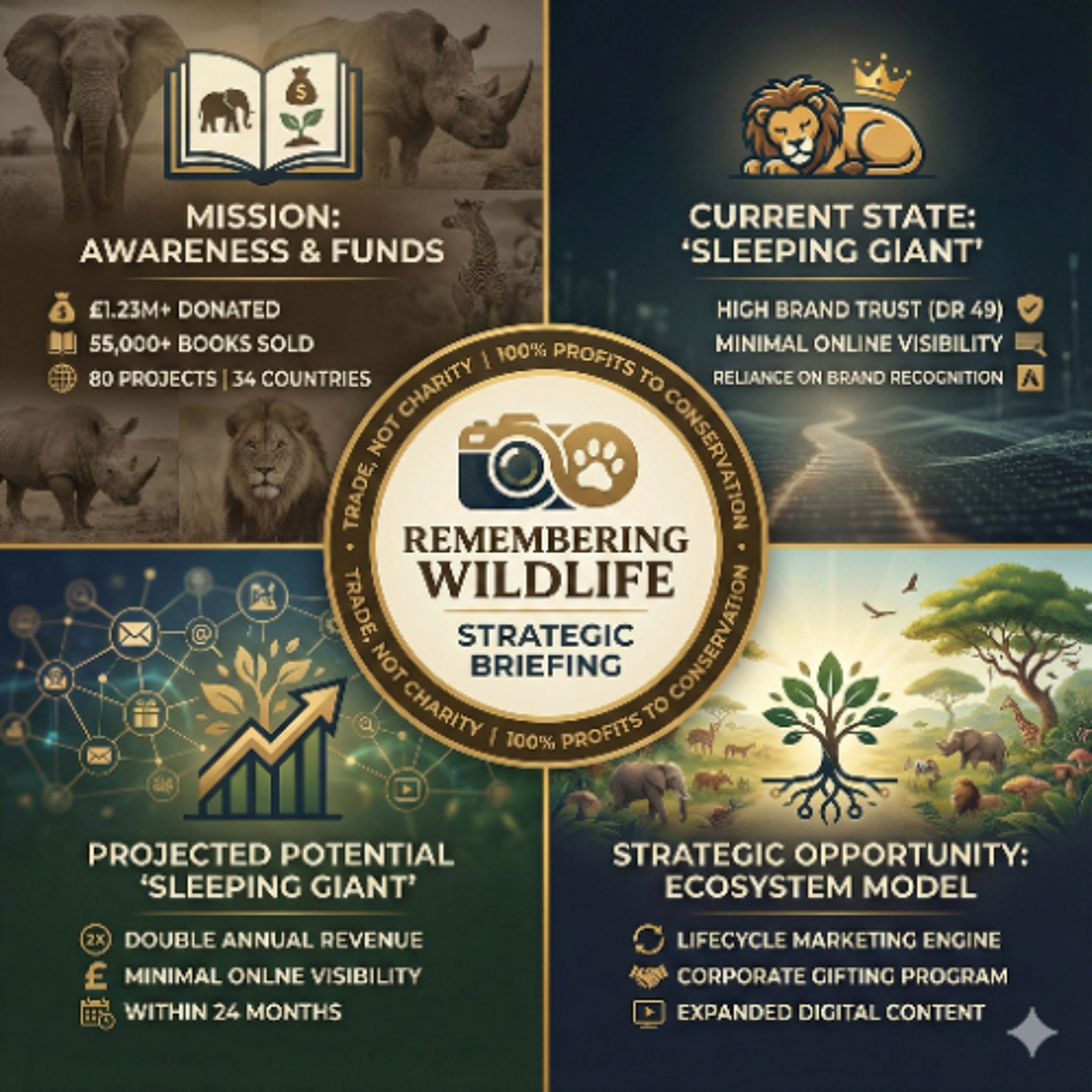
Selling_High_Art_Saves_Endangered_Species
Dec 700:11:55Tap to summarizeSelling_High_Art_Saves_Endangered_Species by Whitehat Inbound Marketing Agency
Transcribe →
Week 23 AI and Technology Digest
Jun 12, 202500:57:34Tap to summarizeA comprehensive overview of the current state and future implications of Artificial Intelligence, exploring its technical advancements, societal impact, and economic ramifications. Highlight breakthroughs in AI models like Claude, Gemini, and Google's V3 video generation, showcasing their enhanced capabilities in coding, content creation, and real-time interaction. The discussions also frequently touch upon the transformative effects of AI on the job market, with experts forecasting significant shifts in white-collar roles and the need for continuous upskilling. Furthermore, the texts examine ethical considerations surrounding AI, including data privacy, content authenticity, and the importance of robust safety measures and transparent evaluation frameworks. The overarching narrative underscores a rapid evolution of AI, with implications for everything from global power dynamics and economic models to everyday personal computing and remote communication.
Transcribe →Dayos_ Enterprise AI Integration Strategy and Market Analysis
Mar 17, 202500:20:39Tap to summarizeDayos is an enterprise AI technology company specialising in embedding AI capabilities into critical business applications for large enterprises. With strategic headquarters in San Mateo, California, and Singapore, the company is positioned to serve clients across major global markets. The company operates in the enterprise AI integration market, which is currently valued between $30-98 billion (2024), according to various market research firms. Projections indicate robust growth at 30-50% CAGR over the next five years.
Transcribe →UK SMB Payment Gateways_ Market Analysis and Trends
Mar 16, 202500:27:44Tap to summarizeThis briefing document synthesises information from the provided sources to offer a comprehensive overview of the UK payment gateway market, the positioning of Taylr.io, key opportunities and barriers to entry, and strategic recommendations for successful market penetration.
Transcribe →
Marketing Budgets_ 2024 Trends and Strategies
Dec 5, 202400:13:10Tap to summarizeA Gartner report analyses 2024 European marketing budget trends, revealing a 15% year-on-year decrease despite CMOs exceeding revenue goals. This decline is attributed to affordability concerns outweighing objective-based budgeting. The report highlights increased investment in bottom-of-the-funnel activities like demand generation and search marketing, while agency and labour costs were reduced. Gartner recommends strategies to improve communication of marketing's value and advocates for objective-based budgeting to secure future funding. The findings are based on a survey of 195 European CMOs across various sectors.
Transcribe →
AI for Marketers An Introduction
Nov 21, 202400:16:04Tap to summarizeThis YouTube webinar transcript introduces artificial intelligence (AI) to marketers. The speakers highlight the rapid growth and increasing impact of AI across businesses, particularly in marketing, emphasising the opportunities for career advancement and business transformation. They dispel the myth that it's too late to enter the field, showcasing various AI tools and explaining how businesses can integrate AI into their workflows. The presentation also details a three-stage learning journey – from basic AI literacy to achieving mastery – and offers resources and future courses to aid this process. Finally, they outline White Hat's plans to provide ongoing AI education and consultancy services.
Transcribe →
This week in AI
Nov 20, 202400:14:48Tap to summarizeThis podcast episode from The Artificial Intelligence Show discusses the latest developments in the field of artificial intelligence, specifically focusing on concerns about whether AI research has hit a wall, the emerging concept of AI agents, and the highly anticipated interview with Anthropic’s CEO Dario Amodei. The episode's hosts, Paul Ratzer and Mike Kaput, examine reports suggesting that the scaling laws used to improve AI models might be reaching their limits, potentially impacting the development of artificial general intelligence. However, they also highlight differing opinions within the AI community, particularly from prominent figures like Sam Altman and Dario Amodei, who believe that continued investment in computing power and data will drive further progress. The hosts then go on to unpack the complex and evolving definition of AI agents, addressing the confusion surrounding the level of autonomy claimed by companies such as Salesforce, Microsoft, and Google. They argue that while AI agents can execute tasks, they still require significant human input and oversight for goal setting, planning, monitoring, and improvement. The episode also examines the potential impact of generative AI on job markets, highlighting a study that suggests a decline in demand for certain types of freelance work following the introduction of ChatGPT. They conclude by discussing the latest developments from companies like Google and OpenAI, including Google’s new Gemini model topping the Chatbot Arena leaderboard and OpenAI’s upcoming release of an AI agent tool called Operator. The episode ends with a discussion of how AI is reshaping the music industry, with Spotify's Chief Technology Officer expressing his belief that AI-generated music should be seen as an evolution in music creation tools.
Transcribe →
Dario Amodei_ Anthropic CEO on Claude, AGI & the Future of AI & Humanity
Nov 12, 202400:18:27Tap to summarizeOverview of the interview with Dario Amodei, CEO of Anthropic, a company developing artificial intelligence systems. Amodei discusses the future of AI, including the scaling hypothesis, which posits that increased data and compute power lead to more intelligent models. He also discusses the importance of AI safety and the potential dangers of superintelligent AI. Amodei outlines Anthropic’s "responsible scaling policy" to mitigate these risks and details the company’s work on "mechanistic interpretability," which aims to understand the inner workings of neural networks. The conversation also touches upon the social and psychological effects of AI, the nature of consciousness, and the potential for AI to revolutionise fields like biology and programming.
Transcribe →