Podcast
Inheriting
Hosted by NPR · EN
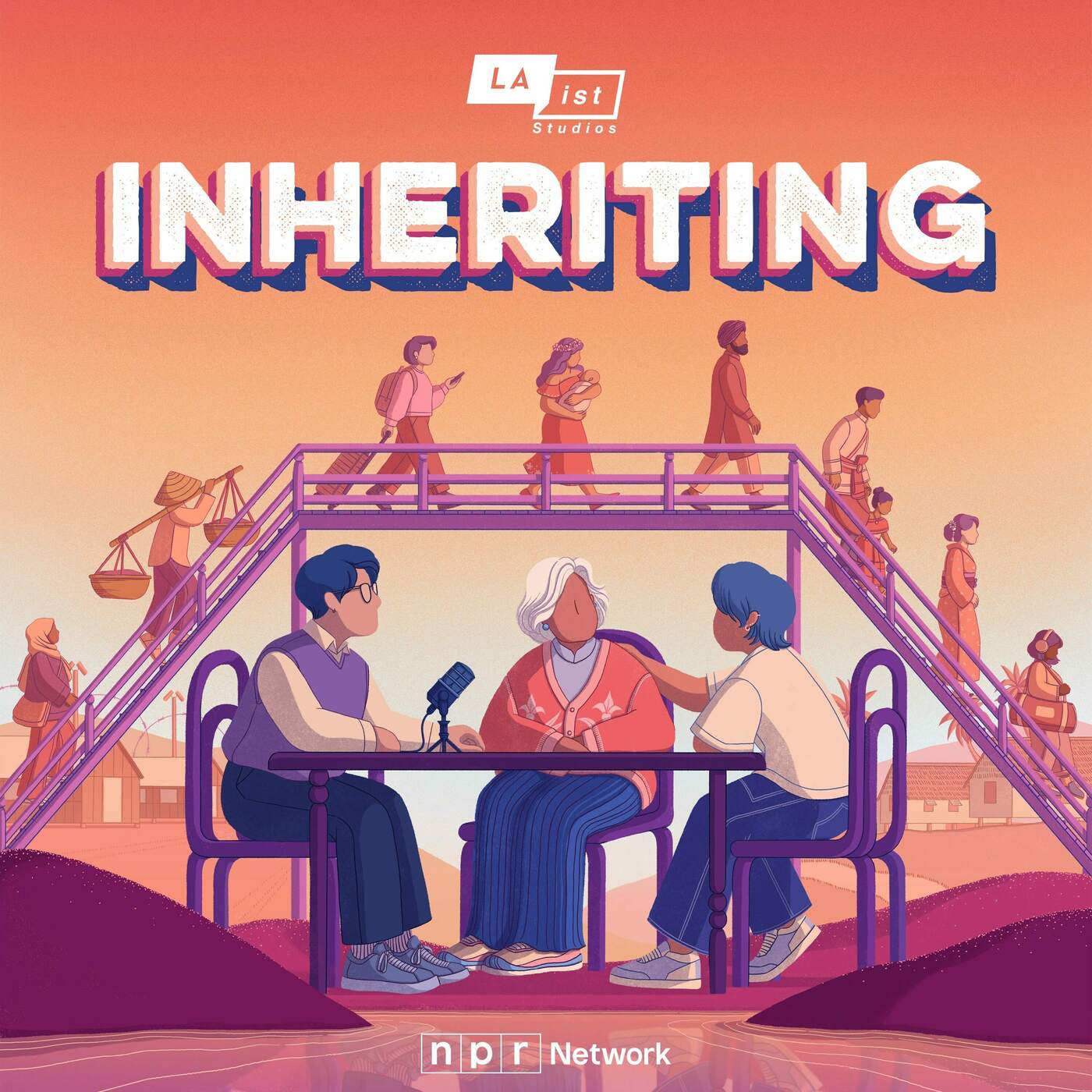
Inheriting is a show about Asian American and Pacific Islander families, which explores how one event in history can ripple through generations. In doing so, the show seeks to break apart the AAPI monolith and tell a fuller story of these communities.
In each episode, NPR's Emily Kwong sits down with one family and facilitates deeply emotional conversations between their loved ones, exploring how their most personal, private moments are an integral part of history. Through these stories, we show how the past is personal and how to live with the legacies we're constantly inheriting.
Learn more at LAist.com/Inheriting
15episodes
Episodes
Newest firstAll episodes
Introducing the American Storytelling collection
Feb 1000:01:51Tap to summarizeWhat does it mean to be an American? There’s no one way. At NPR, we think of the American identity as a story - one that's always being rewritten by the people who live it. The American Storytelling collection gathers stories from local stations across the NPR Network - from small town struggles, to natural phenomena, to the intricate histories that build the constantly-evolving tale of our nation. These are our biggest little-known shows. Find them in the American Storytelling channel on Apple Podcasts or on the NPR App.To manage podcast ad preferences, review the links below:See pcm.adswizz.com for information about our collection and use of personal data for sponsorship and to manage your podcast sponsorship preferences.Learn more about sponsor message choices: podcastchoices.com/adchoicesNPR Privacy Policy
Transcribe →
Inheriting Presents: "Willie, Shig, and a Bird Named Maggie" by StoryCorps
Dec 17, 202400:15:17Tap to summarizeThis week, we bring you a special bonus episode from our friends at the podcast StoryCorps.Willie Ito and Shigeru "Shig" Yabu, childhood best friends, remember being sent to separate Japanese Internment camps as kids, and how they came together to tell their story decades later.Stay connected with us! Email us at inheriting@laiststudios.com to share your questions, feelings, and even your story.Inheriting is entirely funded by supporters like you. If you want to hear future seasons, go to LAist.com/Inheriting and click on the orange box to donate.To manage podcast ad preferences, review the links below:See pcm.adswizz.com for information about our collection and use of personal data for sponsorship and to manage your podcast sponsorship preferences.Learn more about sponsor message choices: podcastchoices.com/adchoicesNPR Privacy Policy
Transcribe →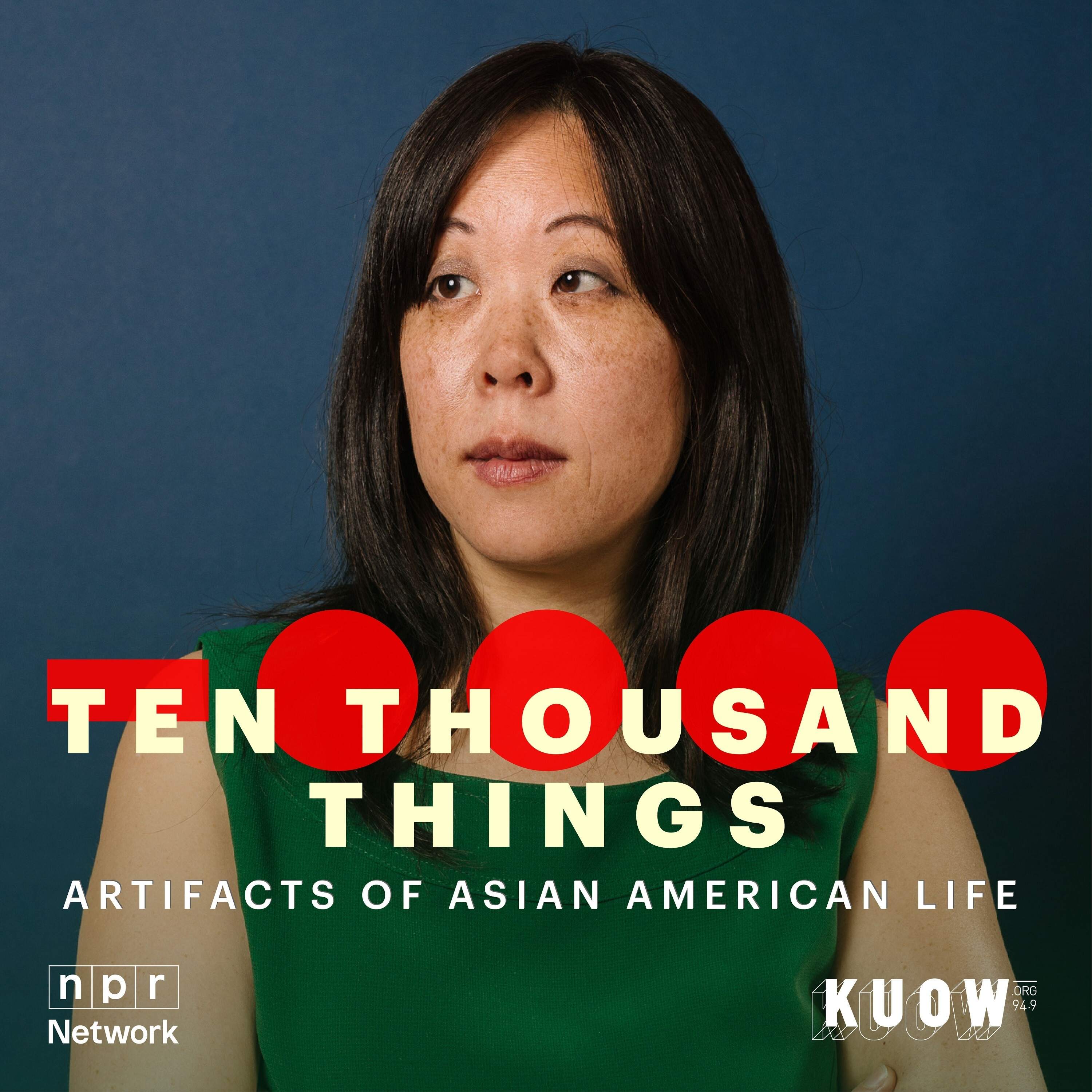
Inheriting Presents: 'Settlement' by Ten Thousand Things with Shin Yu Pai
Jul 25, 202400:27:49Tap to summarizeThis week, we bring you a special bonus episode from our friends at the podcast Ten Thousand Things with Shin Yu Pai.Janet Lee, a freshman at Bryn Mawr, was heading home for Christmas break when she was detained by the police for alleged drug smuggling. Janet wasn't carrying any drugs. But the treatment she received from the Philadelphia police department and from her own community would change her life forever. In this episode, Ten Thousand Things explores the pain of being accused of being someone you are not and fighting to reclaim the story that sets the record straight.Stay connected with us! Email us at inheriting@laiststudios.com to share your questions, feelings, and even your story.Inheriting is entirely funded by supporters like you. If you want to hear future seasons, go to LAist.com/Inheriting and click on the orange box to donate.To manage podcast ad preferences, review the links below:See pcm.adswizz.com for information about our collection and use of personal data for sponsorship and to manage your podcast sponsorship preferences.Learn more about sponsor message choices: podcastchoices.com/adchoicesNPR Privacy Policy
Transcribe →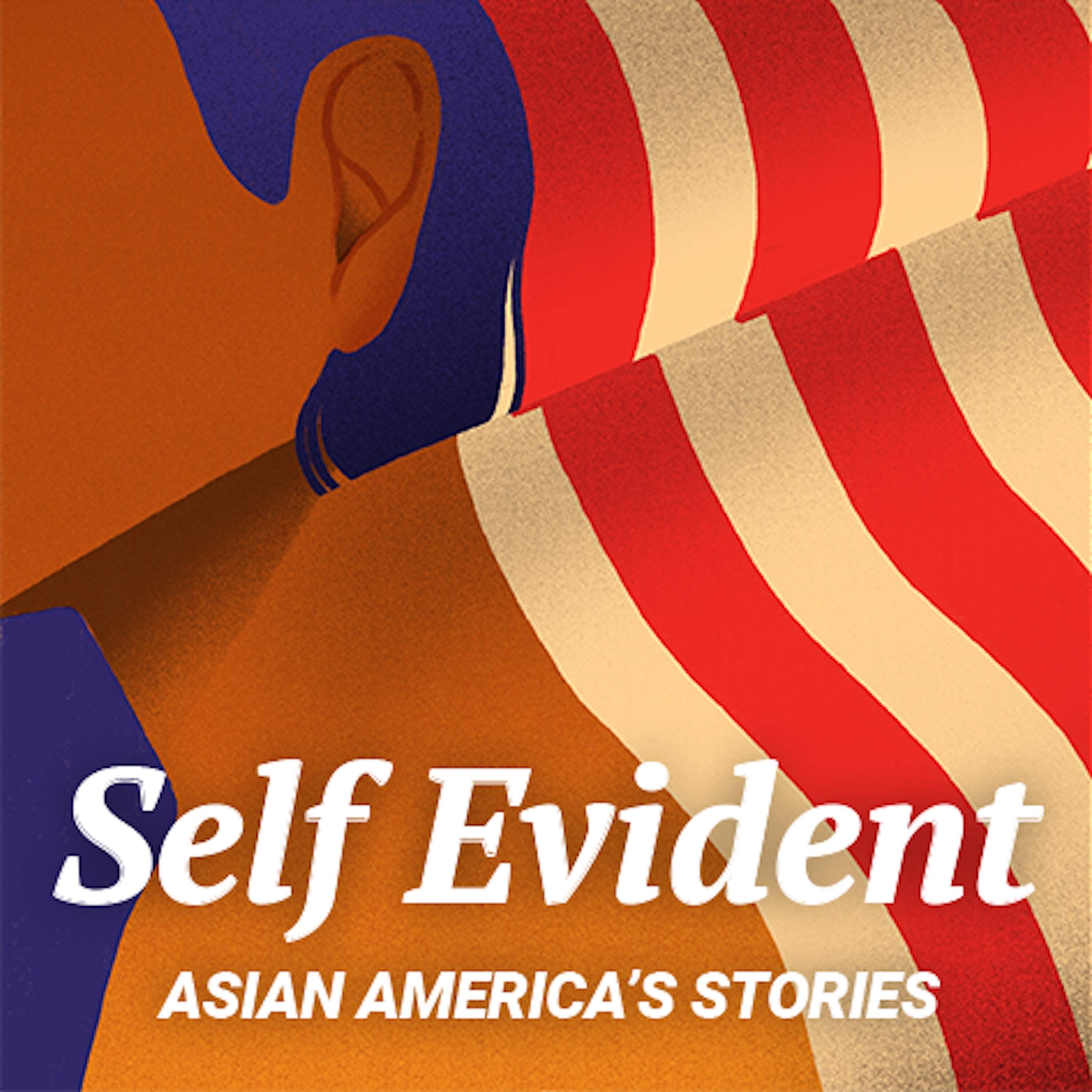
Inheriting Presents: "Specially Processed" by Self Evident
Jul 18, 202400:39:08Tap to summarizeThis week, we bring you a special bonus episode from our friends at the podcast Self Evident: Asian America's Stories.For so many Asian Americans and Pacific Islanders, Spam is a beloved classic food, showing up in everything from musubi to fried rice. But behind that nostalgia is a history of war and colonization, and the inheritance of both favorite foods and hidden traumas.Korean American playwright Jaime Sunwoo's play, Specially Processed American Me, takes a close look at Spam's legacies, and the lost stories of her own family — who've migrated twice over two generations, from North Korean to South Korea, then from South Korea to the United States.While sharing behind-the-scenes previews of the play, Jaime and Self Evident host Cathy Vo talk about the challenges and rewards of interviewing older generations, and how those conversations have helped Jamie process her own identity as an Asian American. Learn more about the play at speciallyprocessed.com and hear more from Self Evident at selfevidentshow.com.Stay connected with us! Email us at inheriting@laiststudios.com to share your questions, feelings, and even your story.Inheriting is entirely funded by supporters like you. If you want to hear future seasons, go to LAist.com/Inheriting and click on the orange box to donate.To manage podcast ad preferences, review the links below:See pcm.adswizz.com for information about our collection and use of personal data for sponsorship and to manage your podcast sponsorship preferences.Learn more about sponsor message choices: podcastchoices.com/adchoicesNPR Privacy Policy
Transcribe →Inheriting Live: How do we talk about our family histories?
Jul 11, 202401:01:39Tap to summarizeOur final episode of Season 1 is a special "Inheriting" event recorded in front of a live audience. Host Emily Kwong is joined on stage by Bảo Trương (Episode 4), Shakeel Syed and Saira Sayeed (Episode 6), and Leialani Wihongi-Santos and Joseph Aflleje-Santos (Episode 7). They reveal what it was like to tell their stories and explore their family histories on "Inheriting."Then, Emily is joined by "Inheriting" consulting psychologist Sherry C. Wang and ethnic studies post-doctoral lecturer Carol Kwang Park (Episodes 1 & 2) for a robust and informative conversation about how listeners can interview their own family members.For tips on how to conduct family interviews, check out the Inheriting Resource Guide section for Episode 10: https://laist.com/podcasts/inheriting/inheriting-resource-guideStay connected with us! Email us at inheriting@laiststudios.com to share your questions, feelings, and even your story.The show is entirely funded by supporters like you. If you want to hear future seasons, go to LAist.com/Inheriting and click on the orange box to donate.To manage podcast ad preferences, review the links below:See pcm.adswizz.com for information about our collection and use of personal data for sponsorship and to manage your podcast sponsorship preferences.Learn more about sponsor message choices: podcastchoices.com/adchoicesNPR Privacy Policy
Transcribe →Nicole & the Third World Liberation Front
Jul 4, 202400:45:56Tap to summarizeNicole Salaver's uncle, Patrick Salaver, was one of the leaders of the Third World Liberation Front at San Francisco State University in the late 1960s. This movement not only led to the recognition of the term "Asian American," but also brought ethnic studies to colleges nationwide. Pat made a difference in the world as a Filipino civil rights leader, but is largely unknown by the public. Now, Nicole wants to set the record straight and honor her uncle's legacy, while building her own.Follow more of Nicole's work on her show, the Cultural Kultivators Podcast: https://balaykreative.org/cultural-kultivatorsStay connected with us! Email us at inheriting@laiststudios.com to share your questions, feelings, and even your story.Inheriting is entirely funded by supporters like you. If you want to hear future seasons, go to LAist.com/Inheriting and click on the orange box to donate.You can also find resources about the historic events covered in each episode and relevant lesson plans from the Asian American Education Project, including the ones below.Lesson 5.2.1 (Grades 1-5): Asian Americans as Activists and Accomplices https://asianamericanedu.org/activists-activism-accomplices.htmlLesson 4.3 (Grades 7-12): The Fight for Ethnic Studies https://asianamericanedu.org/ethnic-studies-the-fight-to-teach-our-stories.htmlTo manage podcast ad preferences, review the links below:See pcm.adswizz.com for information about our collection and use of personal data for sponsorship and to manage your podcast sponsorship preferences.Learn more about sponsor message choices: podcastchoices.com/adchoicesNPR Privacy Policy
Transcribe →What does AAPI really stand for?
Jun 27, 202400:30:27Tap to summarizeShould the acronym "AAPI" even exist? In this special episode, we deconstruct it – tracing the 50-year history of the terms "Asian American" and "Pacific Islander" and interrogating how they are used today. Emily talks with Sefa Aina, associate dean and director of the Draper Center for Community Partnerships at Pomona College. He is also a longtime community organizer who served on President Barack Obama's White House Initiative on Asian Americans and Pacific Islanders. Emily and Sefa also discuss how Pacific Islander experiences are often marginalized in so-called AAPI spaces, leading to misleading data sets, funding inequities, and erasure of history.Stay connected with us! E-mail us at inheriting@laiststudios.com to share your questions, feelings, and even your story.Inheriting is entirely funded by supporters like you. If you want to hear future seasons, go to LAist.com/Inheriting and click on the orange box to donate.To manage podcast ad preferences, review the links below:See pcm.adswizz.com for information about our collection and use of personal data for sponsorship and to manage your podcast sponsorship preferences.Learn more about sponsor message choices: podcastchoices.com/adchoicesNPR Privacy Policy
Transcribe →Leialani & The Occupation of Guam
Jun 27, 202400:36:29Tap to summarizeLeialani Wihongi-Santos is CHamoru and was raised on the island of Guam with a distorted view of history. She was taught that the United States "saved" her island from occupation by Imperial Japan. As she's gotten older, Leialani has learned that framing is not entirely true. In some ways, the U.S. military took advantage of the island and the people who live there, sometimes destroying culture and customs that had survived centuries of colonization. Leialani is now determined to understand more of this history from a CHamoru perspective, so she can preserve and teach it to others. In this episode, she turns to her grandpa, Joseph Aflleje-Santos, for answers.Stay connected with us! E-mail us at inheriting@laiststudios.com to share your questions, feelings, and even your story.Inheriting is entirely funded by supporters like you. If you want to hear future seasons, go to LAist.com/Inheriting and click on the orange box to donate.You can also find resources about the historic events covered in each episode and relevant lesson plans from the Asian American Education Project, including the ones below.Lesson 5.8.1.3 (Grades 3-7) - Poetry on Climate Change: Central Ideahttps://asianamericanedu.org/poetry-on-climate-change-central-idea.htmlLesson 5.8.1.2 (Grades 9-12 ) - Pacific Islanders Climate Devastation Poetryhttps://asianamericanedu.org/pacific-islanders-climate-devastation-poetry-grades-9-12.htmlTo manage podcast ad preferences, review the links below:See pcm.adswizz.com for information about our collection and use of personal data for sponsorship and to manage your podcast sponsorship preferences.Learn more about sponsor message choices: podcastchoices.com/adchoicesNPR Privacy Policy
Transcribe →Saira, Shakeel & 9/11's Impact
Jun 20, 202400:43:41Tap to summarizeShakeel Syed has been a longtime activist within his South Asian community, fighting for the civil liberties of Muslims who were targeted by the FBI and the Los Angeles Police Department following the terrorist attacks of September 11th, 2001. But his activism had a cost. He was away from home on nights and weekends, absent from his wife, Saira Sayeed, and their four kids. Saira took on the work at home by herself, and they've never really talked about it. Now, for the first time, Shakeel and Saira open up about the roles they played after 9/11 and the future they want to build together.Stay connected with us! E-mail us at inheriting@laiststudios.com to share your questions, feelings, and even your story.Inheriting is entirely funded by supporters like you. If you want to hear future seasons, go to LAist.com/Inheriting and click on the orange box to donate.You can also find resources about the historic events covered in each episode and relevant lesson plans from the Asian American Education Project, including the ones below.Lesson 5.6 (Grades 5-12): "Victimized Twice": 9/11/2001, South Asian Americans & Islamophobiahttps://asianamericanedu.org/victimized-twice-9-11-2001-south-asian-islamophobia.htmlLesson 5.6.1 (Grades 9-12): Hate Crimes Analysis, Post 9/11https://asianamericanedu.org/hate-crime-analysis-post-911.htmlTo manage podcast ad preferences, review the links below:See pcm.adswizz.com for information about our collection and use of personal data for sponsorship and to manage your podcast sponsorship preferences.Learn more about sponsor message choices: podcastchoices.com/adchoicesNPR Privacy Policy
Transcribe →Leah & Japanese American Incarceration
Jun 13, 202400:48:39Tap to summarizeLeah Bash is an avid runner, a dog mom, a wife – and there's a part of her family's history she can't stop thinking about. The fact that both sides of her family were incarcerated alongside 125,000 other Japanese Americans during World War II. Her father and his six siblings spent more than three years behind barbed wire at isolated camps in Manzanar, California and Crystal City, Texas. After Leah learns about her father's struggles with panic attacks and is herself diagnosed with bipolar disorder, she starts to wonder: could those experiences at camp during World War II have far-reaching consequences a generation later?Inheriting is entirely funded by supporters like you. If you want to hear future seasons, go to LAist.com/Inheriting and click on the orange box to donate.You can also find resources about the historic events covered in each episode and relevant lesson plans from the Asian American Education Project, including the ones below.Lesson 2.1.1 (Grades Pre-K - 6): Japanese American Incarceration and the U.S. Constitution https://asianamericanedu.org/2.1.1-japanese-incarceration-camps-elementary-lesson-plan.htmlLesson 2.3 (Grades 6 - 12): Who Defines Loyalty? Japanese Americans During World War II https://asianamericanedu.org/2.3-define-loyal-american-lesson-plan.htmlTo manage podcast ad preferences, review the links below:See pcm.adswizz.com for information about our collection and use of personal data for sponsorship and to manage your podcast sponsorship preferences.Learn more about sponsor message choices: podcastchoices.com/adchoicesNPR Privacy Policy
Transcribe →