Podcast
Inspiring Women with Laurie McGraw
Hosted by Laurie McGraw · EN
Advancing women to healthcare leadership–and keeping them there.
Women comprise 70% of the healthcare workforce. They hold just 20% of the C-suite.
Each week, host Laurie McGraw bridges that gap through conversations with the women rewriting healthcare’s leadership playbook.
42episodes
Episodes
Newest firstAll episodes
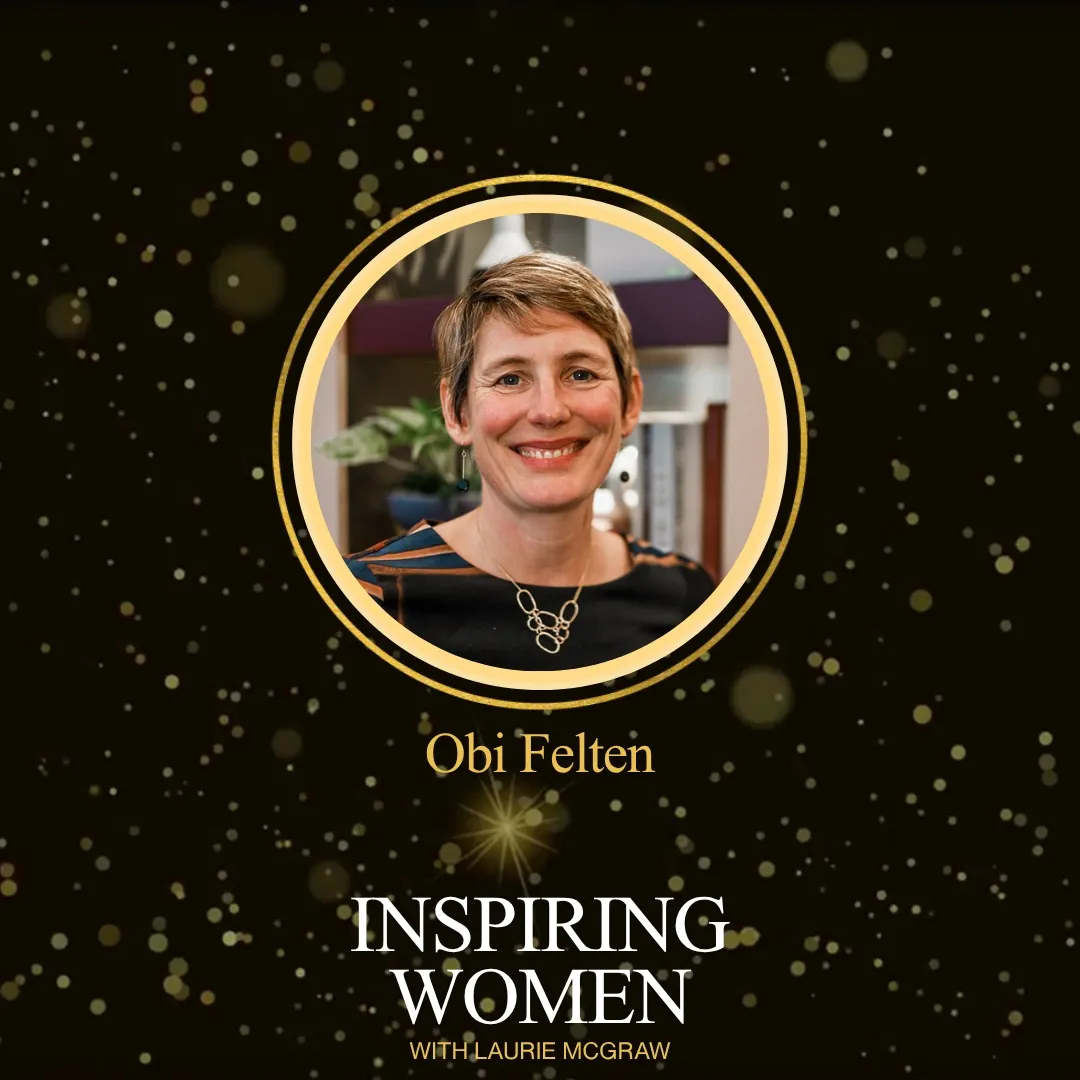
She Left GOOGLE X to Fix a Crisis 20 Million Teens Face | Obi Felten, Flourish Labs
5d ago00:24:47Tap to summarizeShe led moonshot projects at Google X. Then she walked away to take on one of America's hardest problems: a youth mental health crisis where roughly 20 million teens and young adults need care — and only half get it. In this episode of Inspiring Women, Laurie McGraw talks with Obi Felten, founder and CEO of Flourish Labs, about a different model for closing that gap: training young adults with lived experience to become accredited, professional peer supporters — and scaling it with telehealth and AI through Peers.net. In this conversation: - Why Obi left Google X moonshots for mental health - The care gap: ~20M young people in need, only half reached - Peer support as a way to expand the mental health workforce — not just add clinicians - Winning Medicaid contracts to reach underserved youth - Peer support in high-risk moments, like post-ER care for suicidal teens - What it takes to scale a mission to a million supporters About the guest — Obi Felten: Founder and CEO of Flourish Labs, scaling professional peer support via Peers.net. Previously led technology moonshot projects at Google X and was Director of Consumer Marketing for Google across EMEA. BA in Philosophy and Psychology from Oxford; based in California. → obifelten.com · flourishlabs.com · peers.net About the host — Laurie McGraw: Laurie is a 30-year health technology executive and creator/host of Inspiring Women. She's Executive Vice President at Transcarent, and previously served as President and Chief Client Officer of Allscripts and SVP at the American Medical Association. A Brown University cognitive science graduate, board director, speaker and advocate for health equity and women's leadership, she started Inspiring Women to close a stubborn gap: women make up 70% of healthcare's workforce but hold only about 20% of C-suite roles. — Inspiring Women with Laurie McGraw advances women to healthcare leadership — and keeps them there. New episodes every Tuesday. #InspiringWomen #MentalHealth #HealthcareLeadership #WomenInHealthcare #PeerSupport #DigitalHealth #GoogleX
Transcribe →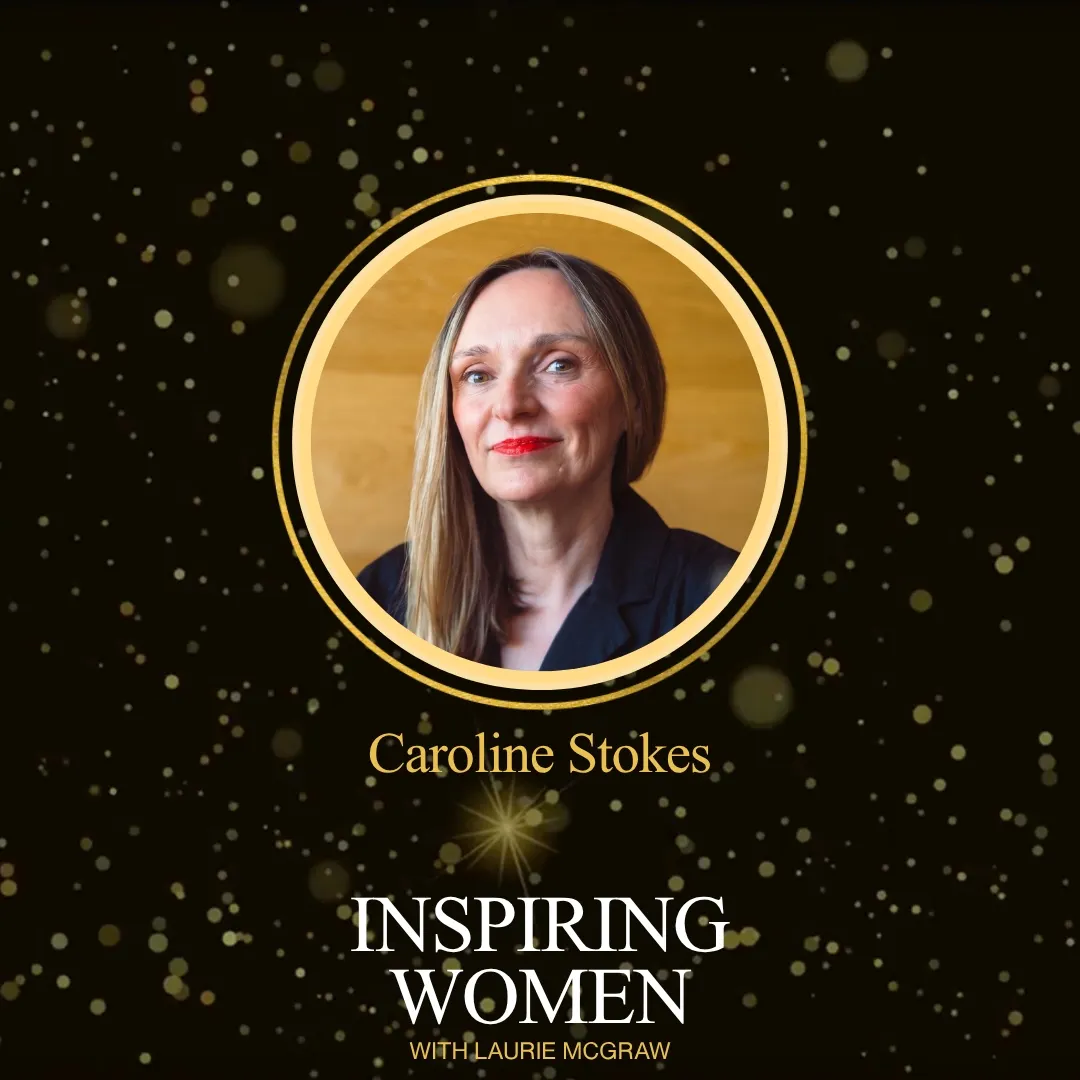
Every CEO is one of four types under pressure. Most don't know theirs | Caroline Stokes
2w ago00:29:44Tap to summarizeCaroline Stokes tells CEOs something most of them don't want to hear: the AI question everyone is asking is the wrong one. She is the founder of FORWARD, a human capital solutions firm for pioneers, and the author of AfterShock to 2030: A CEO's Guide to Reinvention in the Age of AI, Climate, and Societal Collapse. Named to the Thinkers50 Radar Class of 2026, she was shortlisted for the Thinkers50 Leadership Award for a book she deliberately published digital-only to keep its carbon footprint near zero. Her route here was unusual. Raised between the UK and Singapore before the age of ten, she went from PR at Virgin to the early PlayStation team, then to executive search, then to coaching, and then back to school three separate times during and after the pandemic to study ESG at MIT, AI business strategy, and the new space economy. She is neurodivergent, and she credits that with how she reads systems and spots what a room is missing. ━━━━━━━━━━━━━━━━━━━━━━━━━━━━━━━━━━━━━━━━━━━━ WHAT CAROLINE COVERS IN THIS EPISODE 1. THE FOUR SHOCKS ALREADY HERE Economic instability, climate disruption, AI acceleration and societal fragmentation are not separate agenda items. They are one interconnected system, and leaders who treat them separately are already behind. 2. WHY AI IS THE WRONG FIRST QUESTION Yes, learn it, the way you had to learn email in 1994. But the question a board should actually be asking is how long the organisation can sustain itself at all. 3. THE CEOs WHO ARE QUITTING INSTEAD OF ADAPTING Many are cashing in their chips rather than building the polymathic organisations this moment demands. Caroline explains who she will and will not work with. 4. THE 100-DAY REINVENTION Built after she watched leaders at a top-three technology company shrug off a mandate from their new CEO with "it'll take two years." Her warning to them: you will be laying people off before that. 5. FIGHT, FLIGHT, FREEZE, FAWN The four avatars every leader defaults to under conflict. Not knowing yours is how you quietly sabotage your own strategy. 6. CLIMATE AS AN OPERATING CONSTRAINT Not an ESG line item. If your people are breathing smoke and getting migraines, the work does not happen. Maslow, applied to the modern workforce. 7. THINK LIKE A SCIENTIST OR AN ARTIST Michelangelo started with a block of marble and no finished image. Everyone has to start somewhere in a reality with no playbook. 8. HER ADVICE TO WOMEN LEADING RIGHT NOW Follow the curiosity that keeps stalking you. Ask what your seven-year-old self would want from you, and then go learn something new. ━━━━━━━━━━━━━━━━━━━━━━━━━━━━━━━━━━━━━━━━━━━━ ABOUT CAROLINE STOKES Founder of FORWARD and a global leadership strategist for the Fifth Industrial Revolution. A Sony alum who worked on the PlayStation launch and a PCC-level, EQ 2.0-certified coach, she moved from executive headhunting into leadership reinvention. She is the author of AfterShock to 2030 (2025) and Elephants Before Unicorns (Entrepreneur Press, 2019), and a co-author of the HBR Guide to Navigating the Toxic Workplace (2024). Her 2019 TEDx talk predicted the convergence of AI, climate and societal disruption now shaping boardrooms. Website: theforward.co Book: AfterShock to 2030, on Kindle, Audible, Spotify and Apple Books ━━━━━━━━━━━━━━━━━━━━━━━━━━━━━━━━━━━━━━━━━━━━ ABOUT LAURIE McGRAW Laurie McGraw is the host of Inspiring Women and Executive Vice President at Transcarent. A health technology executive with three decades of experience, she has led product and commercial organisations, served on public and private company boards, and advises early-stage ventures. She started Inspiring Women around a gap she kept running into: women make up roughly 70 percent of the healthcare workforce but hold about 20 percent of the C-suite seats. Each episode is a direct conversation with a woman who has built something, aimed at the practical questions that rarely get asked in public. ━━━━━━━━━━━━━━━━━━━━━━━━━━━━━━━━━━━━━━━━━━━━ INSPIRING WOMEN WITH LAURIE McGRAW Website: inspiringwomen.show Subscribe on Apple Podcasts, Spotify and YouTube. #Leadership #CEO #AI #Climate #WomenInLeadership #Thinkers50
Transcribe →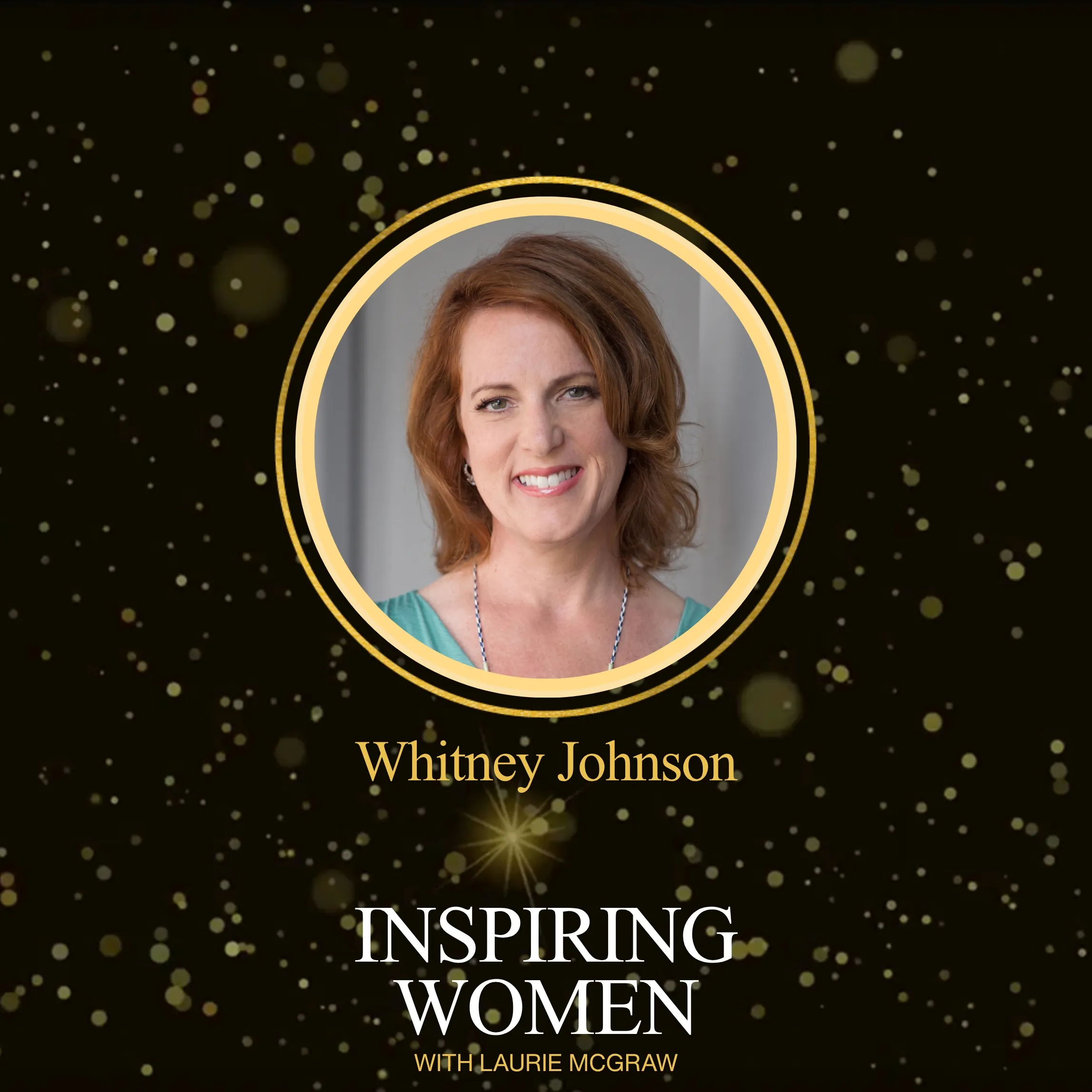
Top 10 Business Thinker: Why Growth Feels Slowest Exactly When It's Fastest
3w ago00:27:00Tap to summarizeSHE THREW AWAY EVERY FINANCIAL MODEL SHE HAD BUILT IN EIGHT YEARS ON WALL STREET. Whitney Johnson graduated from college with a music degree, arrived in New York newly married and broke, and took the only job she could get: secretary to a retail stockbroker. She watched the brokers around her open accounts and thought, I want to do that. So she took business courses at night. A boss took a chance on her and moved her into investment banking. Then, while she was pregnant and on the strength of good performance reviews, she was pushed into equity research, a move she did not want and that felt like a step down. It became the making of her career. She spent nearly eight years as an equity analyst and was Institutional Investor-ranked every single year. Then she read Clayton Christensen's The Innovator's Dilemma and realized disruption theory did not just explain the Latin American telecom stocks she covered. It explained her. She left Wall Street without keeping a single one of her models, cold-emailed Christensen one of her research reports, and eventually co-founded the Disruptive Innovation Fund with him. Today she is the CEO and co-founder of Disruption Advisors, ranked by Thinkers50 among the top ten management thinkers in the world, and the author of four bestselling books with a fifth on the way. In this conversation with host Laurie McGraw, Whitney breaks down the S Curve of Learning: why the launch point feels terrible even though your growth is mathematically at its fastest, what the sweet spot actually feels like, and why mastery is the most dangerous place to linger. IN THIS EPISODE - From music major to secretary to Institutional Investor-ranked equity analyst - The maternity-leave moment that turned an unwanted job into a career-maker - Reading The Innovator's Dilemma and realizing it applied to people, not just products - Leaving Wall Street and burning the bridges on purpose - How she reached out to Clayton Christensen, and what came of it - The S Curve of Learning explained: launch point, sweet spot, mastery - Why growth feels slowest at the exact moment it is fastest - Dopamine, inaccurate predictive models, and why beginners feel like imposters - Dr. Dan Siegel's "name it to tame it" and how to talk yourself through the discomfort - Why mastery is where careers quietly stall - "If I don't disrupt myself, the market will do it for me" - The research on women needing 100% of qualifications versus men needing 70% - Being judged on track record while men are judged on potential - Getting her hand slapped asking for compensation, and what she'd do differently - Sally Helgesen's How Women Rise and Sheryl Sandberg on naming the discomfort before the conversation - Whether Whitney still disrupts herself, and what that looks like now - AI as external disruption, and why self-regulation and calm are the real response - Pulling the stake out of the ground: self-limiting beliefs women carry - Her closing advice on connection, intuition, and discernment as superpowers Hosted by Laurie McGraw. Full episode on Inspiring Women. Link in comments. #InspiringWomen #WhitneyJohnson #LaurieMcGraw #DisruptYourself #SmartGrowth #Leadership #WomenInLeadership #PersonalDisruption #CareerGrowth
Transcribe →
The Executive On Learning To Ask For It, After A 30-Year Career! - Lori Prestesater
4w ago00:31:23Tap to summarizeLORI PRESTESATER SPENT HER CAREER BUILDING COMPANIES AND RUNNING P&LS. THEN SHE JOINED A 175-YEAR-OLD INSTITUTION AND ASKED WHAT IT COULD BECOME. Laurie McGraw sits down with Lori Prestesater, former Senior Vice President of Health Solutions at the American Medical Association, on the eight years she calls the pinnacle of her career, and the transition out of it. Most people would not describe the AMA as a high-growth opportunity. Lori came from payers, provider groups, and high-growth technology, and took on the work of turning a traditional publishing organization — one that put out books, codes, and data formats — into a data organization. She is candid that the hard part was never the technology. It was culture, change management, and leading by influence rather than authority, including with the physician volunteers who sit nowhere on an org chart. The conversation also goes where most leadership interviews do not: what happens when a woman who worked seven days a week and put herself last finally has to decide what she wants next. In this episode: - Why a high-growth executive chose a 175-year-old association, and what surprised her when she arrived - The CPT code set as the backbone of revenue cycle, and why it has to evolve as medicine does - CPT Intelligence — built on a private large language model, with content tagged using graph database technology — and how it supports autonomous coders, EHRs, payers, and prior authorization - Why the biggest challenge in any transformation is cultural, not technical - Building the data labs team with Sandeep Dhamale, and the platform he left behind - The credentialing product launched during her tenure: under two years in market, just under 150 customers, deployed across just under 700 locations, with customers reporting up to a 30% reduction in physician onboarding time - Six months to see a primary care physician in San Francisco, and why an incredibly cumbersome application process compounds the shortage for patients, health systems, and physicians alike - Taking the complex and making it simple — the skill she undervalued early in her career - Putting mission first when your instinct is growth: the art and science of medicine for the betterment of public health - Handing Health Solutions to Jeremy Knight, and why she believes he is better suited to the next chapter - Advising AMA CEO Dr. John Whyte on special projects during her transition - Moving back to Colorado after years of not living in the same state as her husband - Moving her mother, who just finished her term as board chair of a hospice organization at 88 - A new grandchild, a daughter navigating new motherhood, a newly married son - Where board work fits into what comes next, after years spent on the staff side of the table - Women Business Leaders, and the principle at its core: who mentors the mentors? - Why senior leadership gets lonely, and why you need people for the good times and the bad - The book Ask For It, and why she has given it to so many young women - Her closing advice: be confident, talk less and listen more, know your superpowers, backstop your weaknesses, and build a network that will advocate for you when you struggle to advocate for yourself Inspiring Women with Laurie McGraw.
Transcribe →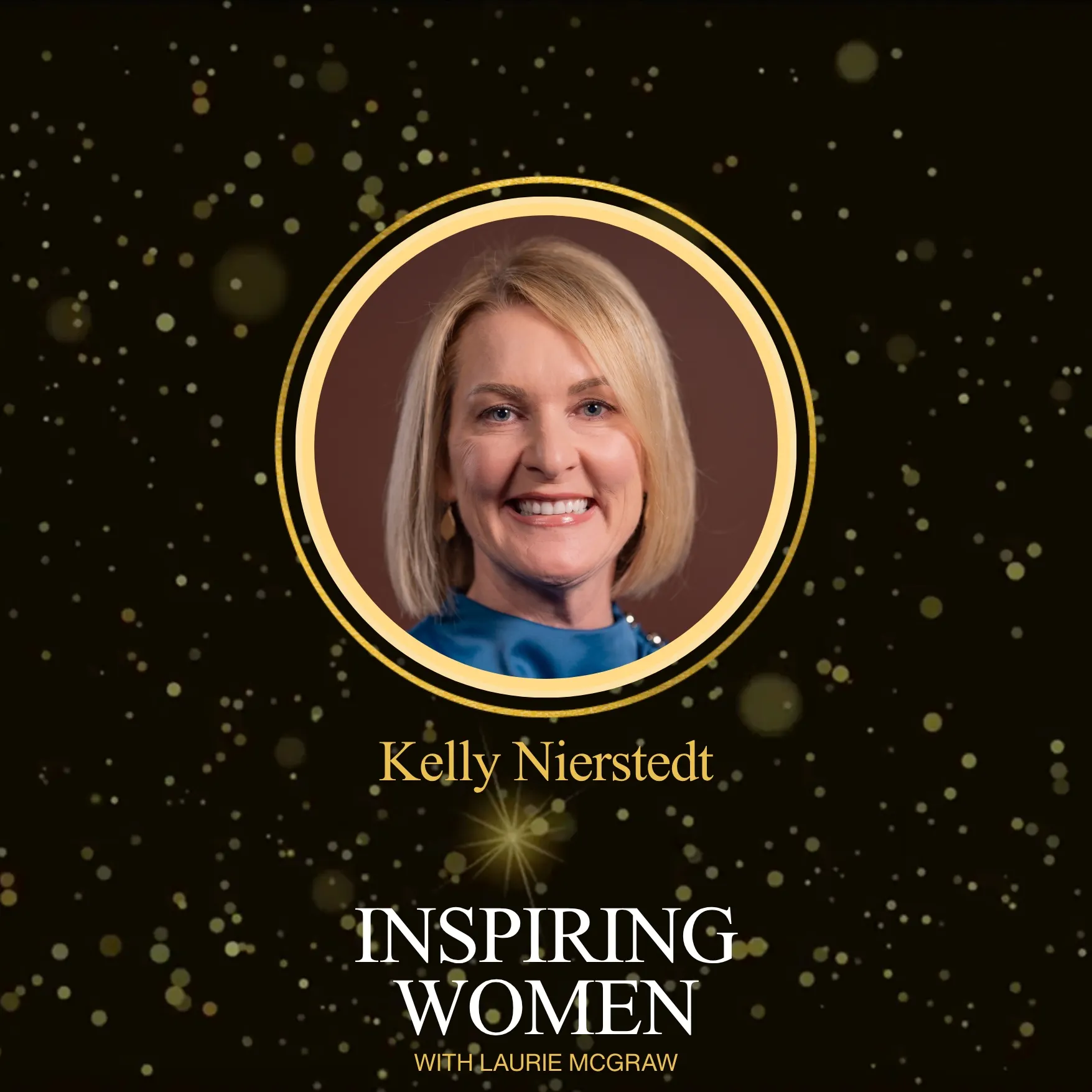
From Wall Street To Hospital President Without An MBA: The Nurse Who Kept Saying Yes | Kelly Nierstedt
Jul 1400:32:29Tap to summarizeKelly Nierstedt never planned to lead a hospital. She is a first-generation college graduate who worked on Wall Street out of high school, went to nursing school as a second career, and wanted nothing more than to be the best labor and delivery nurse she could be. Then the taps on the shoulder started. Take on this project. Take on this unit. Take on another. Today, Kelly is the president of Orlando Health Orlando Regional Medical Center, one of the largest and most complex hospitals in Florida and home to the region's Level 1 Trauma Center — and senior vice president of the Orlando Region. She got there without an MBA, without a finance background, and without ever checking all the boxes first. In this episode of Inspiring Women, Laurie McGraw sits down with Kelly to trace the path from the bedside at Hackensack University Medical Center, to leading OSF Healthcare Children's Hospital of Illinois in Peoria — where she built a care-closer-to-home model so families no longer had to drive four hours to Chicago — to becoming the inaugural president of Orlando Health Winnie Palmer Hospital for Women and Babies, one of the busiest delivery hospitals in the nation. Then came the second yes: leading the adult flagship hospital, where the one thing they don't do is the one thing she was trained in. Laurie and Kelly met at the Women Business Leaders Conference, where Kelly spoke about complexity in healthcare today. Topics Covered: - From Wall Street in the late 80s to nursing school on loans — a second career with no roadmap - Why Kelly said yes to every tap on the shoulder, and the Plan B mindset that made her fearless - Why women wait to check every box before saying yes — and why she never did - The move from New Jersey to Peoria, Illinois, and convincing a resistant leadership team with data - Recruiting physicians to middle America — and why they stayed - Interviewing for the Winnie Palmer presidency while on vacation in Fort Lauderdale - Why she puts on scrubs in every role: answering phones, filling water jugs, showing the team she cares - Walking into a Level 1 Trauma Center as a mom-baby nurse — and why not knowing made her a better leader - Four years in, every member of her original team is still there or has been promoted - "The keeper of the culture": what a hospital president actually does - Why her team members — not patients — are the most important people in the building - Move fast, fail fast: why healthcare's caution can leave patients behind - Transforming a large, tactical board into a smaller, strategic, deliberately diverse one - The patient suicide that shook her — and the board meeting where she cried, said "I'm not doing well," and was met with open arms - Her advice to senior women executives: you're not perfect, no one expects you to be, and vulnerability will serve you Kelly's story is proof that the path to the top doesn't require a pedigree — it requires the courage to say yes before you feel ready, the humility to learn from the experts around you, and the heart to never lose sight of who you're serving. As she puts it: "We're not perfect. We're just people trying to do a good job every day. Be open about that, and you will be just fine." Inspiring Women is hosted by Laurie McGraw, Chief Commercial Officer at Transcarent, former SVP of the American Medical Association, former President of Allscripts, and a 30-year healthcare executive committed to advancing women into leadership. Full episode wherever you get your podcasts. Subscribe so you never miss a conversation.
Transcribe →
This Executive Ran Businesses At HP, Philips, IBM With 1 Rule! - Tracy Byers
Jul 700:33:27Tap to summarizeTracy Byers spent 25 years running AI and technology transformations at some of the biggest names in tech and healthcare: HP, GE, Philips, IBM Watson, Change Healthcare, and Optum. Then she did something that looked, from the outside, like a downgrade. She left the giants to lead veterinary software, diagnostic imaging, and telemedicine at IDEXX. In this episode of Inspiring Women, Tracy sits down with Laurie McGraw to explain why that leap was the smartest bet she could make, and what a career spent transforming complex businesses has taught her about trust, discomfort, and leading when the future is still being built. Tracy traces her path from finance major to med-tech powerhouse, a curiosity that started in her father's basement machine shop, where she couldn't drive the family car until she could change the oil, change a tire, and do a brake job. She breaks down the three-part filter she runs every role through (impact, people and culture, and hard problems), why a $4.5B company hit the sweet spot between agility and scale after the giants, and why the fragmented, private-equity-fueled veterinary industry is one of the most interesting problems in healthcare today. Then it gets practical. How she built credibility running an MRI business she knew nothing about by learning the product first. Why admitting what she's not good at is one of her greatest strengths. How she gets comfortable being uncomfortable, makes fast decisions without a "conditioned gut," and coaches both women and men through the real tradeoffs of career and family, including one piece of advice a colleague thanked her for 20 years later. In This Episode, topics covered are: - The basement machine shop that made her curious about how everything works - Why she left $450B companies for a $4.5B one, and what she gained - The three-part filter behind every job she's ever taken - Inside the vet industry: small independent practices vs private-equity consolidation - How to build startup culture and speed inside a large, complex company - Running the MRI business when she didn't know an MRI from a CT - Why knowing what you're bad at makes you a stronger leader - Getting comfortable being uncomfortable later in your career - Managing emotion and protecting credibility as a woman in the room - Paying it forward: accelerating the next generation of women leaders - The stay-at-home-spouse feedback story a colleague never forgot 🎧 Inspiring Women with Laurie McGraw
Transcribe →
The Woman Managing $1 Billion: The Gender Wealth Gap No One Talks About
Jun 3000:32:52Tap to summarizeWomen are great savers, but 70% of their money sits in cash, while it has to last longer because women live longer. Dr. Sylvia Kwan has built her career closing that gap. Dr. Sylvia Kwan joins Laurie McGraw on Inspiring Women for a conversation about money, power, and why the financial industry has been quietly failing women for decades. Sylvia is the CEO and Chief Investment Officer of Ellevest, a women-founded, women-led investment advisory firm dedicated to closing the gender wealth gap. The firm has grown to 3 million members and manages over $1 billion in assets. Her path was not obvious. She studied applied mathematics and computer science at Brown University, planning a career in technology, before a final rotation in a quantitative investment group changed everything. She went on to earn a PhD in engineering-economic systems at Stanford, where her dissertation on how social interaction and investor behavior shape markets became one of the earliest works in behavioral finance. As Sylvia and Laurie discovered on the episode, they both share roots in Providence. Sylvia took the reins as sole CEO after succeeding Ellevest founder Sallie Krawcheck, and this episode goes deep on what she has built and where the industry is heading. She walks through the first-of-its-kind gender-aware investing algorithm she created, built on the real data of women's lives: salaries that peak roughly 15 years earlier than men's, career breaks, and longer lifespans. She also makes the case for "wealthcare," her term for shifting financial services away from the assumption that more is always better and toward quality of life, peace of mind, and goals that actually matter to a client. Plus the strategic decision to move Ellevest's digital investing business to Betterment so the firm could focus on private wealth and financial planning, and how she is preparing women for the $124 trillion great wealth transfer now underway. TOPICS COVERED - Why 70% of women's portfolios sit in cash and what it costs them - The gender wealth gap and why women are not set up for financial success the way men are - Building the first gender-aware investing algorithm - Why women's salaries peak 15 years earlier and why career breaks cost far more than lost salary - "Wealthcare" and measuring success by quality of life, not just returns - The $124 trillion great wealth transfer and who is prepared for it - Why 86% of widows fire their financial advisor within a year - Leading Ellevest through a major leadership transition - Investing for both returns and impact - Her one piece of advice for women: don't wait, and don't delegate Dr. Sylvia Kwan's advice to every woman watching: don't wait to claim your financial power, and don't fully delegate it. Get engaged, stay informed, and know what your money is doing. Inspiring Women is hosted by Laurie McGraw, spotlighting the women leaders shaping business, healthcare, and beyond.
Transcribe →
The Harvard-Trained Doctor Who Walked Away From Academia and Built a Company: Dr. Uché Blackstock
Jun 2300:24:25Tap to summarizeDr. Uché Blackstock spent almost a decade as an associate professor at NYU School of Medicine. From the outside she looked happy and successful — inside, she had never felt so invisible, undervalued, and underappreciated. So she left. When she wrote her resignation op-ed on why Black faculty leave academic medicine, she was sobbing — grieving the career she wished she could have had. That piece became lightning in a bottle, followed by her instant New York Times bestselling book, Legacy: A Black Physician Reckons with Racism in Medicine. In this Inspiring Women conversation, host Laurie McGraw sits down with the founder of Advancing Health Equity to talk about the moment the window on health equity swung wide open in 2020 — and what happens now that it's closing. They get honest about the difference between performative statements and real systemic change, why the work is being renamed and re-embedded rather than erased, and why some disparities — like maternal health — are still getting worse. She breaks down the strategic shift her own organization had to make when the inbound stopped overnight: from trainings to restructuring, from the moral case to the ROI case, from many projects to a few high-value partnerships. And she goes somewhere most leadership conversations don't — burnout, hiring a mindset coach, and picking up the violin again for the first time since she was 18. Hosted by Laurie McGraw. IN THIS EPISODE: - Why she left academic medicine — "I never felt so invisible" - The op-ed that changed everything — and the messages still arriving 6 years later - Performative statements vs. real systemic change after 2020 - Why the work is being renamed, not erased — and why she kept her org's name - The leaky pipeline myth — it's a systemic problem, not a pipeline problem - Finding the open windows before they close - The business case for health equity: ROI, clinical trial diversity, the bottom line - Rebuilding her organization when inbound stopped overnight - Leading through burnout — fewer, higher-value partnerships - Protecting your wellbeing as a purpose-driven founder Full episode on Inspiring Women. Link in comments. #InspiringWomen #UcheBlackstock #HealthEquity #Leadership #WomenInMedicine #Legacy
Transcribe →
A 6-Month Wait For A Specialist Is The New Normal": The CEO Fixing The Physician Shortage | Michellene Davis
Jun 1600:29:51Tap to summarizeMichellene Davis began her career as a trial litigator and public defender in Newark, where she kept arguing the same point to juries: if her client had had access to healthcare, none of them would be in that courtroom. That insight has shaped a career spanning law, government, and now national health equity. In this episode of Inspiring Women, host Laurie McGraw sits down with Michellene Davis, Esq., President and CEO of National Medical Fellowships (NMF). Founded in 1946, NMF is one of America's oldest diversity organizations and works to close the physician shortage by building a more representative healthcare workforce. ABOUT MICHELLENE DAVIS Michellene describes her career as "chutes and ladders," but the through line is consistent: integrity, systems thinking, and a refusal to set policy through a privileged lens. Her path includes: - Trial litigator and public defender in Newark, New Jersey - Senior policy advisor in the New Jersey Department of Health and Senior Services - Youngest CEO of the New Jersey State Lottery, a $2.4 billion entity and one of the state's largest revenue producers - First African American and only the second woman to serve as New Jersey State Treasurer, overseeing a multi-billion dollar budget and pension portfolio - First African American to serve as Chief Policy Counsel to the Governor - Co-author of "Changing Missions, Changing Lives" (ForbesBooks, 2020) WHAT NMF DOES Over its history, NMF has awarded more than $50 million to over 35,000 alumni, training not only physicians but physician leaders who reflect the communities they serve. Michellene explains why this is a problem that touches everyone, not just under-resourced communities: a six-month wait to see a specialist is becoming the norm, with roughly one physician for every 1,000 people in LA County and one for every 3,000 in parts of Mississippi and Georgia. She also unpacks the "curb cut effect" and the research showing that diverse clinical teams produce better outcomes for every patient. A PERSONAL CONVERSATION ON CAREGIVING The conversation then turns personal. Michellene opens up about caring for her mother through advanced Alzheimer's for the past 13 years, the disproportionate caregiving burden carried by women leaders, and the friends she has lost to that invisible weight. She closes with the question she believes every high-achieving woman should sit with: when you are lowered into the ground, what do you want to have truly done? A wide-ranging conversation on systems change, health equity, leadership, and legacy. IN THIS EPISODE - The patient the system failed - Why "universal healthcare" kept appearing in her courtroom arguments - The accidental path into government leadership - Becoming the youngest CEO of the NJ State Lottery - First African American and second woman NJ State Treasurer - Holding the purse vs. deciding where to place the coins - Inside NMF and the fight against the physician shortage - The curb cut effect and why representation improves outcomes - 13 years of caregiving and what it taught her about leadership - The caregiving burden on women, and the friends she lost - Her advice on legacy for mid-career women leaders Hosted by Laurie McGraw, where she has the best world women leaders every week and shares their stories and insights!
Transcribe →
Women get Less Than 2% Of Funding, but This is the HACK! - Dr. Amber Hill
Jun 900:32:40Tap to summarizeDr. Amber Michelle Hill spent 14 years inside medical research — as a neuroscientist, in the lab, on the preclinical side, and patient-facing — before she discovered the real reason 90% of clinical trials fail. And it has almost nothing to do with the science. In this Inspiring Women conversation, host Laurie McGraw sits down with the founder and CEO of Research Grid (R.grid), the London-based, VC-backed company she built to take the administrative burden out of clinical trials, speed them up, and make them more diverse and representative of the people the medicines are meant to serve. Research Grid didn't start as Research Grid. It grew out of Movement for Hope, a nonprofit Amber founded during her academic years that brought researchers, artists, and patient advocates together to raise awareness for neurological conditions. When COVID shut the events down and investors passed on the idea, she repurposed the technology — and the hard-won community relationships behind it — into two AI products: Inclusive, which automates everything that happens before a trial starts and expands access to underrepresented patients, and Trial Engine, which automates the back office of the trial itself. Today that network spans 99,000+ communities, 400 million members across 157 countries, and 2,000 health indications — all built by hand, over years, with no bought data, while the company stayed stealth for four years before launching in 2023. Amber breaks down why a single medicine takes 10 to 14 years to go from bench to bedside, why $400 million per trial is burned on admin alone, and how women were once excluded from drug testing entirely. Then she gets brutally honest about raising money as a woman of color in a world where less than 2% of funding reaches female founders — including the investor-scoring matrix she built to decide who's even worth her time. And through all of it, she stays an artist: every painting in her home, including the giant acrylic pour behind her, is her own. WHAT WE COVER: - The art-and-science mind behind the company — and why painting quiets her thinking - 14 years as an end-to-end researcher, and how Movement for Hope became Research Grid - Why 90% of clinical trials fail — and why it's an admin problem, not a science one - The hidden cost of research: $400M per trial and 28,000 hours per person on admin - Why 84% of trials still don't reach the people who need them in time - How women were excluded from drug trials, and the fight to diversify research - Building a 400-million-member network the hard way, with no bought data - How AI took a six-month site feasibility process down to minutes - The truth about raising capital when you're "different from the person across the table" - How she scores and filters investors instead of chasing them - Repositioning to seed and landing in the top 1% of seed-stage companies globally - Her golden rule for founders: never assume common sense GUEST: Dr. Amber Michelle Hill, Founder & CEO, Research Grid (R.grid) HOST: Laurie McGraw ABOUT INSPIRING WOMEN: Inspiring Women with Laurie McGraw features candid conversations with the women leaders, founders, and changemakers reshaping their industries. 🔔 Subscribe for more Inspiring Women conversations. 💬 What hit hardest for you? Tell us in the comments. #InspiringWomen #FemaleFounders #ClinicalTrials #AIinHealthcare #WomenInTech #StartupFunding #DrAmberHill #ResearchGrid
Transcribe →