
Podcast
Interesting Times with Ross Douthat
Hosted by New York Times Opinion · EN
The first draft of our future. Mapping the new world order through interviews and conversations. Every Thursday, from New York Times Opinion.
Subscribe today at nytimes.com/podcasts or on Apple Podcasts and Spotify. You can also subscribe via your favorite podcast app here https://www.nytimes.com/activate-access/audio?source=podcatcher. For more podcasts and narrated articles, download The New York Times app at nytimes.com/app.
106episodes
Episodes
Newest firstAll episodes
Scott Galloway on What It Takes to Raise Good Men
5d ago00:43:25Summary readyWhat does a liberal solution to the masculinity crisis look like? As men fall behind in the American educational system and the economy, they’re looking for meaning — and often find it in the wrong places. My guest today is Scott Galloway, a professor at N.Y.U.’s Stern School of Business. Galloway is an unlikely masculinity guru — he’s a liberal academic, a business founder and a married father. He had a lot to say about the social and economic reasons young men seem to be struggling, but he’s still optimistic about the future. Subscribe today at nytimes.com/podcasts or on Apple Podcasts and Spotify. You can also subscribe via your favorite podcast app here https://www.nytimes.com/activate-access/audio?source=podcatcher. For more podcasts and narrated articles, download The New York Times app at nytimes.com/app. Hosted by Simplecast, an AdsWizz company. See pcm.adswizz.com for information about our collection and use of personal data for advertising.
Summary
Why Won’t America’s Aging Elite Retire?
2w ago00:52:54Summary readyAmerican leaders are staying in office past their prime. Boomers are reluctant to relinquish control — from political offices to corner offices — to the detriment of their juniors. In a society where the elderly hold so much power, should younger generations revolt? My guest today is Samuel Moyn, a professor at Yale Law School, and he argues that American democracy is distorted by the power of the old. We discuss how seniors have hoarded wealth and influence and how Americans can renew an intergenerational compact. 0:00 The Tyranny of the Elderly 2:01 From Joe Biden to Mitch McConnell 4:19 Europe's Anti-Gerontocracy 5:15 Politicians are the ‘Tip of the Iceberg’ 7:07 The Dark Side of Longevity 9:40 How Age Impacts Policy 15:10 The Age Wealth Gap 20:21 How About Millennials? 23:28 Age Limits and Youth Power 38:14 Care Hoarding and Family Burdens 44:54 The Assisted Suicide Debate 50:14 Personal Stakes (A full transcript of this episode is available on the Times website.) Thoughts? Email us at interestingtimes@nytimes.com. Please subscribe to our YouTube Channel, Interesting Times with Ross Douthat. Subscribe today at nytimes.com/podcasts or on Apple Podcasts and Spotify. You can also subscribe via your favorite podcast app here https://www.nytimes.com/activate-access/audio?source=podcatcher. For more podcasts and narrated articles, download The New York Times app at nytimes.com/app. Hosted by Simplecast, an AdsWizz company. See pcm.adswizz.com for information about our collection and use of personal data for advertising.
Summary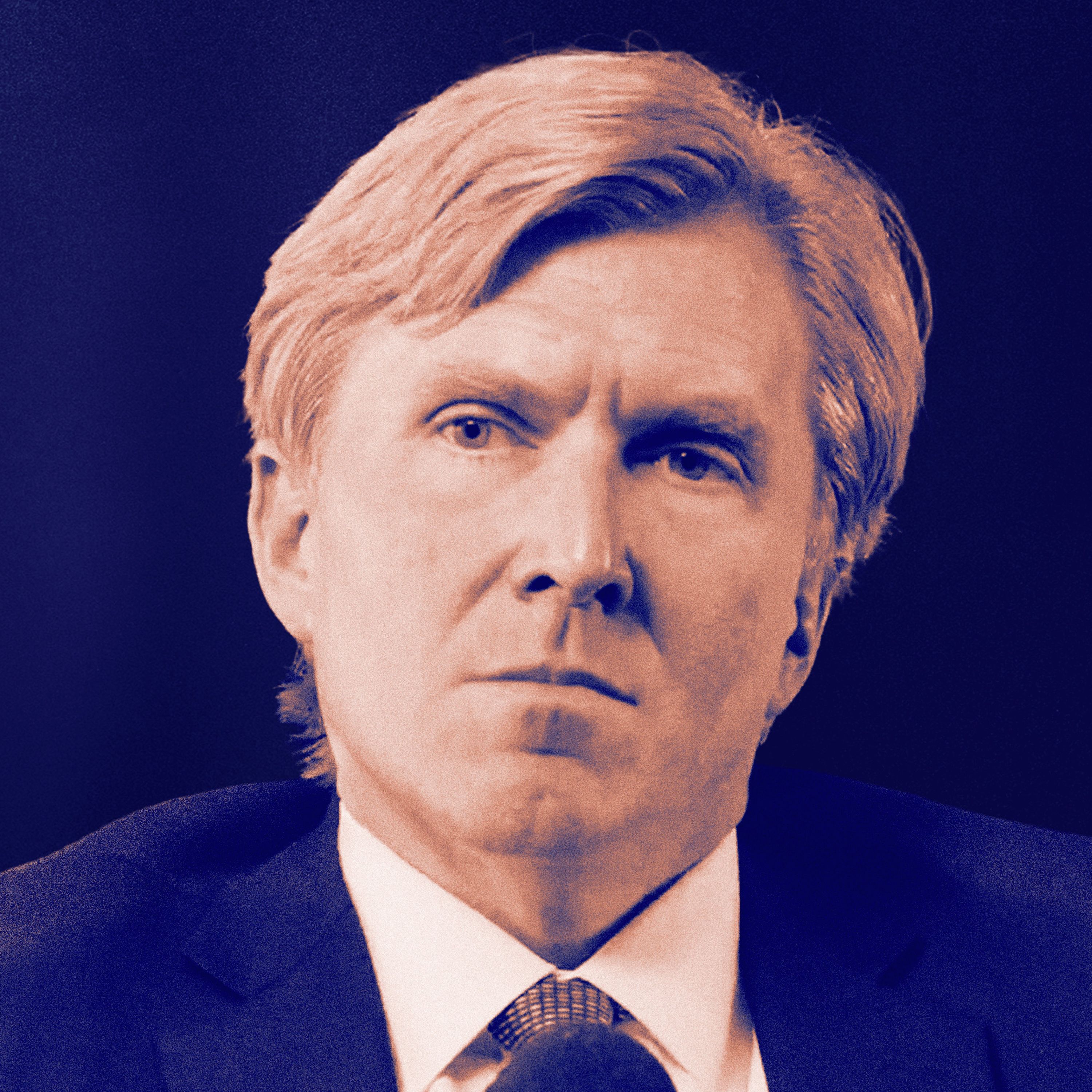
Iran, China, Canada? A Defense of Trump’s Grand Strategy
3w ago01:03:20Summary readyIs President Trump’s grand strategy unraveling? The United States is at war with Iran, China is ascendant, Russia and Ukraine are stalemated and American allies are openly questioning our commitment to them. Elbridge Colby, the under secretary of defense for policy, joins me to discuss the state of America’s foreign policy and he makes the case that Trump’s approach to our allies and adversaries is making us stronger. 0:00 - Intro 1:24 - What Is Trump’s Approach to Foreign Policy? 5:00 - Is China Still America’s Main Rival? 7:08 - Colby’s Strategy of Denial in the Pacific 9:58 - How to Avoid a War with China & Taiwan 12:18 - Can U.S. Aircraft Carriers & Bases Survive a Pacific Conflict? 16:43 - Is the Iran War Draining Our Weapons and Resources? 17:49 - The U.S. Military Strategy in Iran War 19:44 - Does the Middle East Conflict Help or Hurt China? 22:04 - Trying and Failing to Reopen the Strait of Hormuz 28:13 - The Parallels of Iran to the Vietnam and Iraq Wars 33:17 - Trump’s Strategy With Russia & Ukraine 40:49 - "NATO 3.0" & Returning to the Cold War 43:21 - Did the Pentagon Try to Cut Support for Ukraine? 46:28 - How "Middle Powers" Fail 49:30 - Greenland, Canada, and the Monroe Doctrine 52:22 - Canada: Neighbor or 51st State? 54:23 - What We Expect From Allies (A full transcript of this episode is available on the Times website.) Thoughts? Email us at interestingtimes@nytimes.com. Please subscribe to our YouTube Channel, Interesting Times with Ross Douthat. Subscribe today at nytimes.com/podcasts or on Apple Podcasts and Spotify. You can also subscribe via your favorite podcast app here https://www.nytimes.com/activate-access/audio?source=podcatcher. For more podcasts and narrated articles, download The New York Times app at nytimes.com/app. Hosted by Simplecast, an AdsWizz company. See pcm.adswizz.com for information about our collection and use of personal data for advertising.
Summary
A Vision of a ‘Society Without Capitalism’
4w ago00:58:23Summary readyDemocratic socialists are having a moment. But can they actually remake the Democratic Party — and the American economy — in their image? My guest today, Bhaskar Sunkara, is longtime democratic socialist, and he makes the case that socialism has a universal appeal that transcends our current politics and will ultimately triumph against capitalism. 0:00 Intro 1:24 The rise of democratic socialism 5:00 Why is this a breakthrough moment for Democratic Socialism? 8:24 Class Realities: The demographics of socialist voters 9:26 The intellectual foundations of the American left 11:02 What socialists want: Affordable housing, Medicare for All 15:55 Socialist housing policy: construction, rent control, public housing 18:17 The socialist approach to AI and technological change 22:16 The case for unions 24:18 Is Democratic Socialism compatible with capitalism? 25:57 Class conflict vs. the identity politics of the wokeness era 29:00 The ideological conflict between Hillary Clinton liberals and the Bernie Sanders left 30:40 This Socialist wants the left to stop hating America 36:38 Why Israel-Palestine and anti-imperialism are central issues for Democratic Socialists 45:51 Luigi Mangione and the illiberal left 50:37 Is Zohran Mamdani a moderate? 51:54 Was Joe Biden's presidency a socialist experiment? 55:42 Raising taxes to expand the welfare state (A full transcript of this episode is available on the Times website.) Thoughts? Email us at interestingtimes@nytimes.com. Please subscribe to our YouTube Channel, Interesting Times with Ross Douthat. Subscribe today at nytimes.com/podcasts or on Apple Podcasts and Spotify. You can also subscribe via your favorite podcast app here https://www.nytimes.com/activate-access/audio?source=podcatcher. For more podcasts and narrated articles, download The New York Times app at nytimes.com/app. Hosted by Simplecast, an AdsWizz company. See pcm.adswizz.com for information about our collection and use of personal data for advertising.
Summary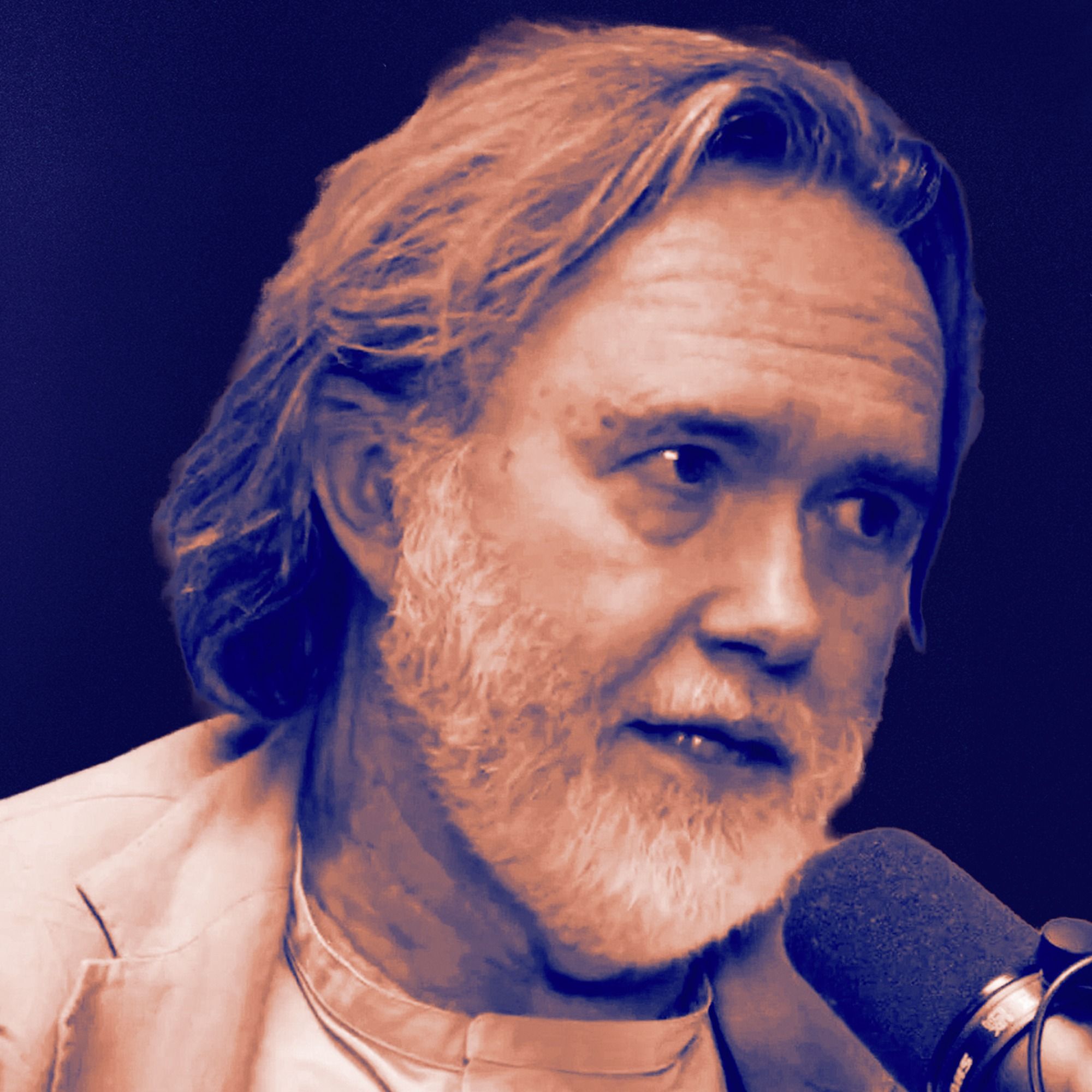
Preparing for ‘Weimar America’
Jul 901:02:17Summary readyThe work of Rod Dreher has a consistent theme: doom. He believes the collapse of Christianity has ushered civilizational decline in Europe, that we’ve traded our humanity for comfort, and he worries that totalitarianism is around the corner for the United States. “I’m worried about Weimar America,” he tells me. “It may not be Hitler 2.0, it may not be Stalin 2.0. It might be something all American, but it’s not going to be what we’re used to.” It’s best not to dismiss him; he’s been right before. We discuss how we got here and the dangers that still lie ahead when we grant godlike powers to our technology. 0:00 - Intro 1:41 - The role of Christianity in Western society 12:26 - Free speech in Western Europe 17:40 - Immigration and de-Christianization 23:55 - Viktor Orbán's Hungary 34:50 - "Weimar America" and the coming crisis 46:45 - Dreher's personal journey 55:12 - Dark re-enchantment and A.I. as a "vector for the demonic" (A full transcript of this episode is available on the Times website.) Thoughts? Email us at interestingtimes@nytimes.com. Please subscribe to our YouTube Channel, Interesting Times with Ross Douthat. Subscribe today at nytimes.com/podcasts or on Apple Podcasts and Spotify. You can also subscribe via your favorite podcast app here https://www.nytimes.com/activate-access/audio?source=podcatcher. For more podcasts and narrated articles, download The New York Times app at nytimes.com/app. Hosted by Simplecast, an AdsWizz company. See pcm.adswizz.com for information about our collection and use of personal data for advertising.
Summary
The Unifying Speech We Won’t Get This Independence Day
Jul 200:06:30Summary readyMy fellow Americans: On this 250th anniversary of our great republic, I think we’re unlikely to have a unifying address from any politician. So, I thought I’d get a little dressed up and offer one myself. Watch this video on YouTube Channel: Interesting Times with Ross Douthat. (A full transcript of this episode is available on the Times website.) Thoughts? Email us at interestingtimes@nytimes.com Subscribe today at nytimes.com/podcasts or on Apple Podcasts and Spotify. You can also subscribe via your favorite podcast app here https://www.nytimes.com/activate-access/audio?source=podcatcher. For more podcasts and narrated articles, download The New York Times app at nytimes.com/app. Hosted by Simplecast, an AdsWizz company. See pcm.adswizz.com for information about our collection and use of personal data for advertising.
Summary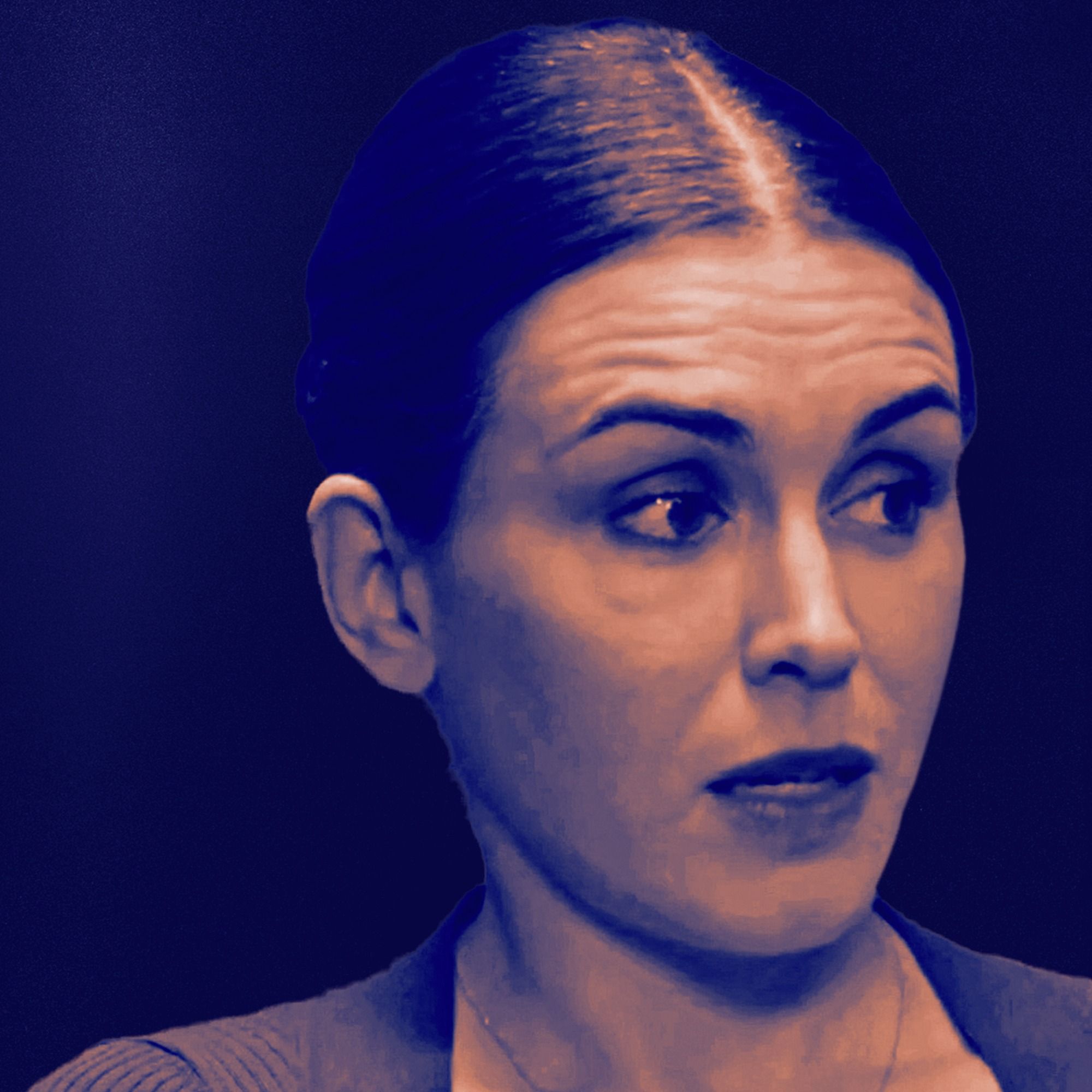
Is it Time for a New Sexual Revolution?
Jun 2500:55:05Summary readyThe growing alienation between men and women is, to my mind, one of the biggest stories of our time. It’s warping our politics and culture through the rise of misogynistic influencers on the right and a growing sense of feminist despair on the left. My guest this week believes that our problems today can be traced back to the sexual revolution. She argues that it reset relations between the sexes in a fundamentally negative way and ultimately benefited men. Louise Perry is a columnist for The Wall Street Journal’s Free Expression section and the author of “The Case Against the Sexual Revolution.” 0:00 - Intro 01:28 - “The Case Against the Sexual Revolution" 16:20 - What is reactionary feminism? 21:30 - The effects of the digital revolution on men and women 30:29 - The tradwife phenomenon 34:58 - What about premarital sex? 43:38 - Can female emancipation and sexual restraint coexist? (A full transcript of this episode is available on the Times website.) Thoughts? Email us at interestingtimes@nytimes.com. Please subscribe to our YouTube Channel, Interesting Times with Ross Douthat. Subscribe today at nytimes.com/podcasts or on Apple Podcasts and Spotify. You can also subscribe via your favorite podcast app here https://www.nytimes.com/activate-access/audio?source=podcatcher. For more podcasts and narrated articles, download The New York Times app at nytimes.com/app. Hosted by Simplecast, an AdsWizz company. See pcm.adswizz.com for information about our collection and use of personal data for advertising.
Summary
Will the Iran Deal Last? JD Vance Is Betting His Future on It.
Jun 1801:00:30Summary ready“If you think this is a bad deal, what is your alternative?” Critics of JD Vance think that his key role in the Iran negotiations may end up being an albatross around his neck. (“If it doesn’t work out, I’m blaming JD,” President Trump said in France this week.) But in our conversation, the vice president seemed buoyant and eager to play the salesman, insisting that the deal is better than the pact President Barack Obama sealed in 2015. I asked him about his initial opposition to the war, his conflict with the pope and whether his political future is riding on the success of the Iran agreement. We also discussed Vance’s new book, “Communion,” about the vice president’s return to faith, and whether or not the Trump administration’s policies embody Christian values. 0:00 - Intro 01:06 - The implications of the US - Iran Peace deal 07:04 - Will Iran's internal politics transform? 17:30 - The US - Israel Relationship 22:19 - Vance's Protestant Christian upbringing 28:22 - From non-believer to rediscovering faith 35:18 - Christianity in Vance's life and in the Trump administration 47:07 - Tensions with Pope Francis 54:10 - The future of the Iran deal and a message to Republican critics (A full transcript of this episode is available on the Times website.) Thoughts? Email us at interestingtimes@nytimes.com. Please subscribe to our YouTube Channel, Interesting Times with Ross Douthat. Subscribe today at nytimes.com/podcasts or on Apple Podcasts and Spotify. You can also subscribe via your favorite podcast app here https://www.nytimes.com/activate-access/audio?source=podcatcher. For more podcasts and narrated articles, download The New York Times app at nytimes.com/app. Hosted by Simplecast, an AdsWizz company. See pcm.adswizz.com for information about our collection and use of personal data for advertising.
Summary
Better Sex, Better Hair, Better Sleep: ‘Humanmaxxing’ Is Here
Jun 1101:11:38Summary readyWe can enhance athletic performance, lose weight with a pill and even take psychedelics to alter consciousness. At what point does all this self-optimization become self-obsession? When does it get in the way of our humanity itself? My guest this week is the German biotech entrepreneur Christian Angermayer, who believes scientific breakthroughs to extend our lives — and even put us in touch with the divine — are close at hand. 0:00 - Intro 01:40 - Investing in longevity, A.I. and psychedelics 6:06 - The vision for the Enhanced Games 13:45 - Normalizing enhancements for everyone 20:02 - Ozempic is the first of many... 30:00 - The five basics for health and well-being 36:52 - Psychedelics trips and spiritual revelations 59:20 - Christian skepticism 01:04:22 - "Jesus is not human-maxxing." Thoughts? Email us at interestingtimes@nytimes.com. Read the full transcript here: https://www.nytimes.com/2026/06/11/opinion/better-sex-better-hair-better-sleep-humanmaxxing-is-here.html Unlock full access to New York Times podcasts and explore everything from politics to pop culture. Subscribe today at nytimes.com/podcasts or on Apple Podcasts and Spotify. Subscribe today at nytimes.com/podcasts or on Apple Podcasts and Spotify. You can also subscribe via your favorite podcast app here https://www.nytimes.com/activate-access/audio?source=podcatcher. For more podcasts and narrated articles, download The New York Times app at nytimes.com/app. Hosted by Simplecast, an AdsWizz company. See pcm.adswizz.com for information about our collection and use of personal data for advertising.
Summary
The MAGA Representative Crusading Against Government Secrecy
Jun 501:21:15Summary readyIn an era defined by deep institutional distrust, a new trend within populist conservatism has emerged. It’s a sense that the federal government is keeping secrets and protecting the powerful at our expense. My guest this week is Representative Anna Paulina Luna, a conservative Republican from Florida who has quickly established herself as a political troublemaker. She’s challenging fellow lawmakers — Republicans and Democrats — on issues like sexual harassment and ethics, but she doesn’t see her campaign to clean up Congress as in tension with her allegiance to President Trump. Luna has focused her first years in Congress on exposing what she views as coverups, from the Epstein files to the assassination of John F. Kennedy and longstanding government secrecy around U.F.O.s. 00:00 - Intro 01:31 - Luna's politics: "Conservative with a streak of populism" 08:07 - From chaos to conservative influencer 16:17 - Critiquing the ethics of Congress 24:55 - Presidential ethics and the Epstein files 36:25 - The U.A.P. activity at Eglin Air Force Base 41:02 - The "mosaic" around the J.F.K. assassination 47:50 - U.A.P. evidence 54:30 - Whistleblower retribution and protections 57:57 - Secret programs: "A stronger dose of strangeness" (A full transcript of this episode is available on the Times website.) Thoughts? Email us at interestingtimes@nytimes.com. Please subscribe to our YouTube Channel, Interesting Times with Ross Douthat. Subscribe today at nytimes.com/podcasts or on Apple Podcasts and Spotify. You can also subscribe via your favorite podcast app here https://www.nytimes.com/activate-access/audio?source=podcatcher. For more podcasts and narrated articles, download The New York Times app at nytimes.com/app. Hosted by Simplecast, an AdsWizz company. See pcm.adswizz.com for information about our collection and use of personal data for advertising.
Summary