Podcast
Iron and Empathy
Hosted by Drew Moldenhauer · EN
Iron and Empathy is a thought-provoking podcast hosted by educator and leadership strategist Drew Moldenhauer, exploring what it truly takes to build resilient teams, sustain peak performance, and lead with both strength and emotional intelligence in today’s demanding world.
Each episode brings together voices from business, education, public safety, creative industries, and culture to unpack the real forces behind high-performing teams—psychological safety, trust, discipline, empathy, and the courage to evolve. From executives and educators to artists, athletes, and performers, Drew sits down with people who have felt pressure firsthand and found ways to grow stronger without losing themselves.
19episodes
Episodes
Newest firstAll episodes
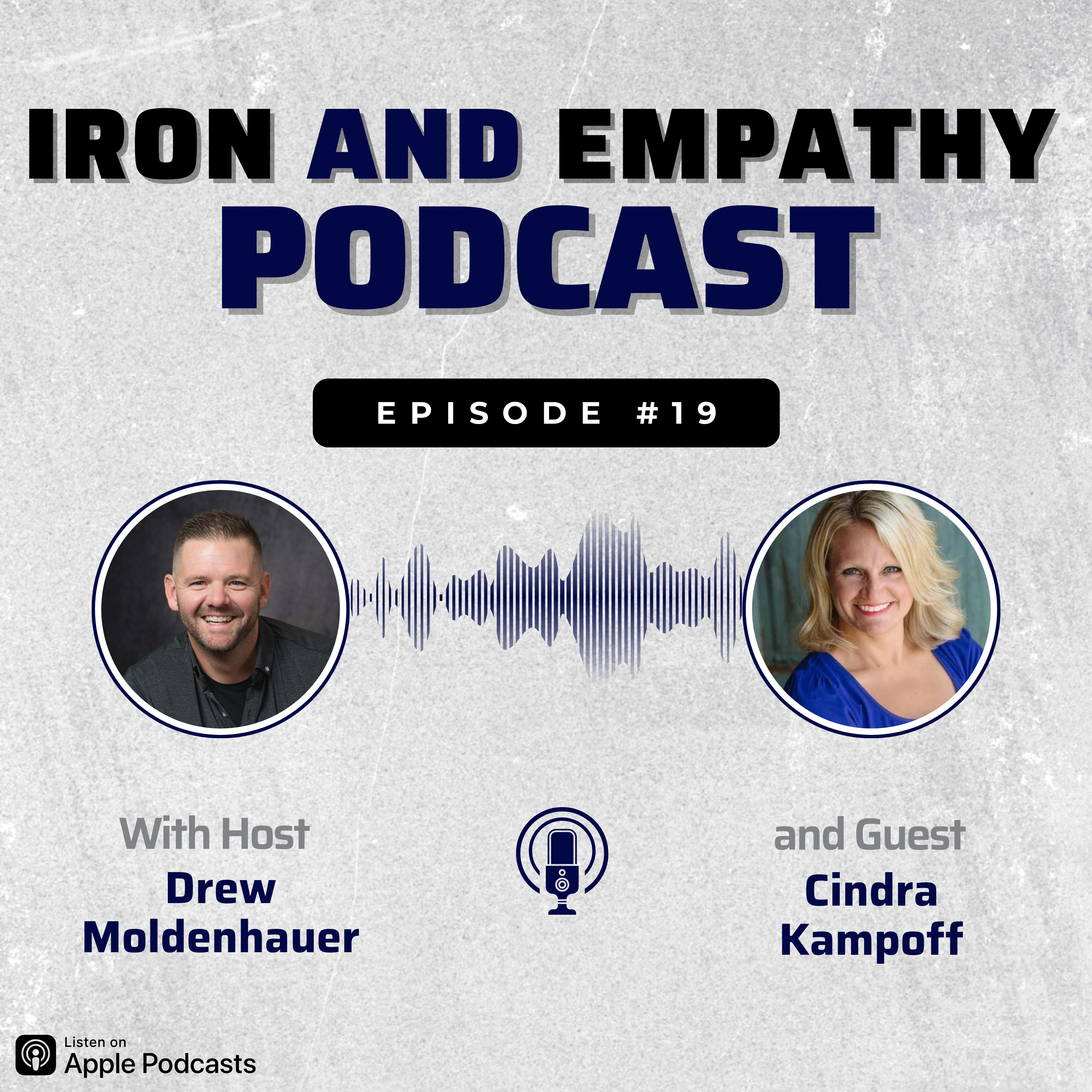
The Mindset of High Performers with Dr. Cindra Kamphoff
3w ago00:41:43Tap to summarizeIn this episode of Iron and Empathy, host Drew Moldenhauer sits down with performance psychologist, speaker, and bestselling author Cindra Kampoff to explore the mental habits that separate high performers from everyone else. Drawing on more than two decades of experience coaching elite athletes, executives, and teams—including the Minnesota Vikings and U.S. Olympic athletes—Cindra shares practical strategies for building confidence, overcoming setbacks, and staying mentally strong when the pressure is highest.From learning how to "learn, burn, return" after mistakes to developing an inner coach instead of an inner critic, Cindra explains why confidence isn't something you're born with—it's something you build every day. Whether you're leading a team, pursuing a personal goal, or simply trying to quiet your inner critic, this conversation offers practical tools you can begin using immediately.Stay ConnectedReach out to Drew and sign-up for newsletters and podcast updates at Blue-Ethos.comTo connect with Cindra Kampoff and learn more about her work:🌐 Website: DrCindra.com📚 Books: Beyond Grit, Beyond Grit for Business, and The Confidence Habit (available for pre-order)🧠 Free Mental Breakthrough Call: FreeMentalBreakthroughCall.com💻 Confidence Resources: ConfidenceTools.comKey TakeawaysConfidence is a habit that must be developed intentionally every day.High performers become their own best coach instead of listening to their inner critic.The Learn, Burn, Return framework helps people move past mistakes quickly and regain confidence.Elite performers focus on what they can control rather than dwelling on setbacks.Celebrating daily wins helps counteract the brain's natural negativity bias.Your mindset directly impacts your performance, leadership, and resilience.The people you surround yourself with have a significant influence on your confidence and growth.Mental strength is built through consistent daily practices, not one-time breakthroughs.Growth requires choosing courage over comfort.Purpose, gratitude, intention, and positive self-talk create a powerful foundation for high performance.Keywordsmental performance, confidence, confidence building, mindset, resilience, high performance, performance psychology, leadership, emotional resilience, self-talk, mental toughness, psychological safety, peak performance, executive coaching, grit, confidence habit, personal growth, athlete mindset, performance coaching, overcoming setbacks
Transcribe →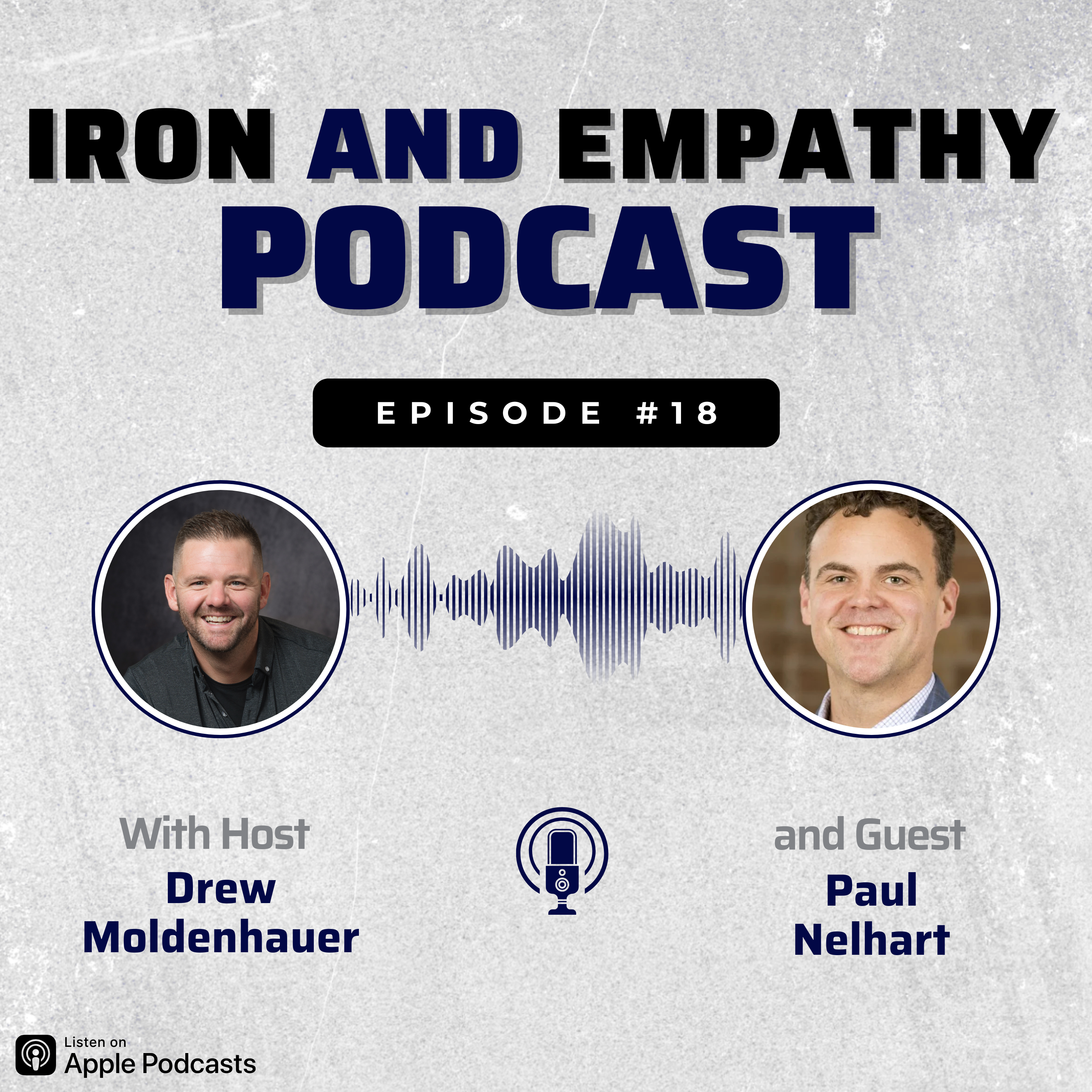
From Lone Wolf to Strong Teams with Paul Nelhart
4w ago01:00:04Tap to summarizeIn this episode of Iron and Empathy, host Drew Moldenhauer welcomes entrepreneur, consultant, and Intrinsic Mindset podcast host Paul Nelhart for an honest conversation about leadership, entrepreneurship, and the journey from working alone to building meaningful collaboration. Paul reflects on his experience as a self-described "lone wolf," sharing how independence can foster resilience and creativity—but also create challenges when it comes to trust, delegation, and personal growth.Together, Drew and Paul explore why successful leadership starts with self-awareness, psychological safety, and the willingness to evolve alongside your team. From overcoming burnout and learning to give yourself grace to redefining success through purpose instead of productivity, this episode offers thoughtful insights for anyone striving to become a stronger leader, teammate, or entrepreneur.Stay ConnectedReach out to Drew and sign-up for newsletters and podcast updates at Blue-Ethos.comTo connect with Paul Nelhart and learn more about his work:🌐 Website: PaulNelhart.com🎙️ Podcast: Intrinsic Mindset📱 Social Media: Paul invites listeners to connect with him via social media or through his website.Key TakeawaysIndependence can build resilience, but collaboration often creates greater long-term success.Strong leaders balance accountability with empathy and grace.Psychological safety begins with creating environments where people feel heard and valued.Burnout often develops gradually and requires intentional boundaries to prevent.Self-awareness helps leaders recognize patterns that influence how they lead and build relationships.Great teams thrive when people understand expectations, trust one another, and contribute their unique strengths.Growth requires embracing uncertainty and remaining open to learning.Success isn't simply about achieving more—it's about becoming a better version of yourself along the journey.Keywordsleadership, entrepreneurship, business growth, psychological safety, team building, collaboration, resilience, self-awareness, burnout prevention, emotional intelligence, workplace culture, trust, delegation, business consulting, personal growth, mindset, entrepreneur, leadership development, creativity, intrinsic mindset
Transcribe →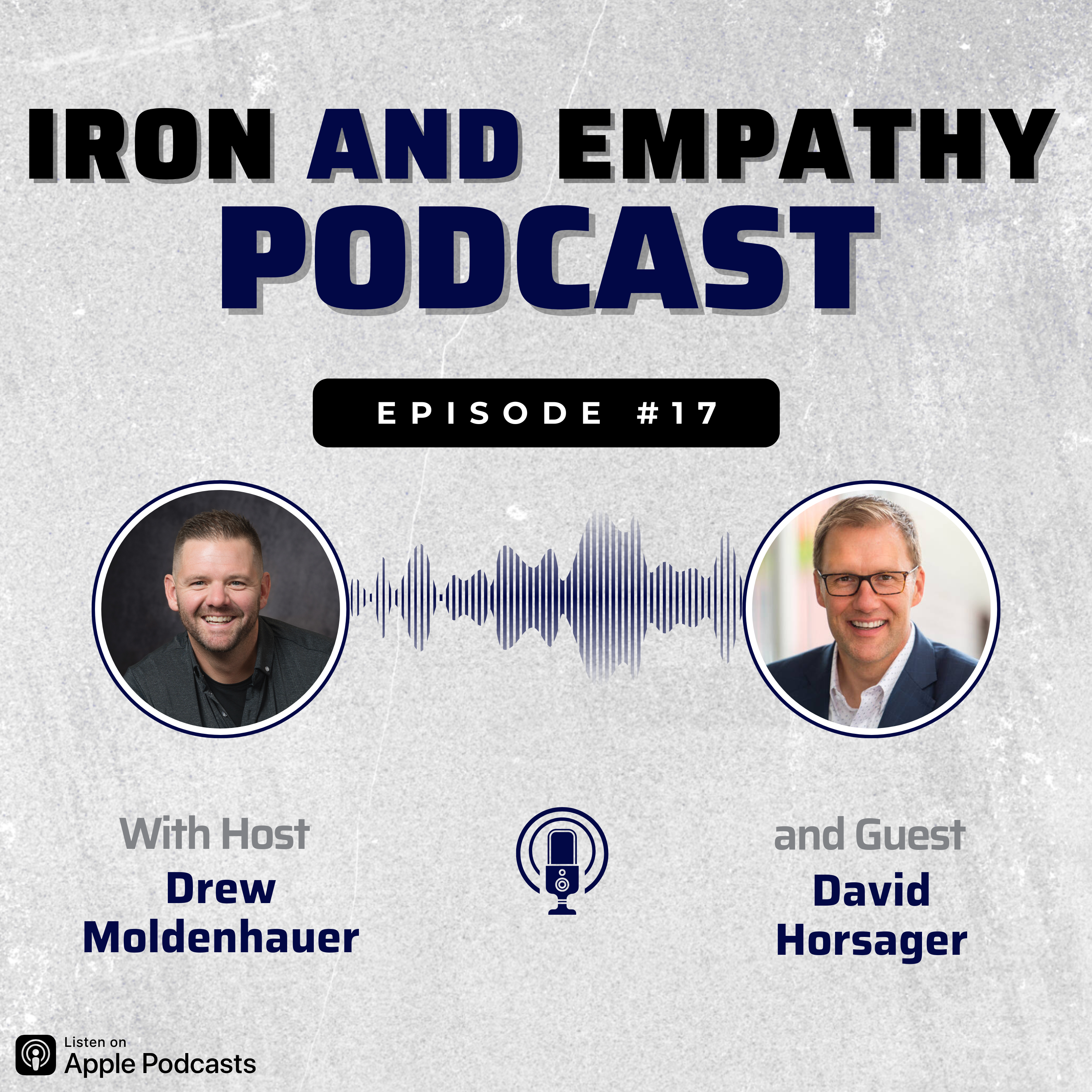
The Power of Trust: The Foundation of Every Great Team
Jul 600:35:27Tap to summarizeIn this episode of Iron and Empathy, host Drew Moldenhauer sits down with leadership expert, bestselling author, and CEO of the Trust Edge Leadership Institute David Horsager to explore why trust isn't just a leadership buzzword—it's the foundation of every successful team. Drawing from decades of research, David explains how trust influences everything from employee engagement and innovation to retention, communication, and organizational performance.David introduces the Eight Pillars of Trust and shares practical strategies leaders can use immediately to strengthen relationships, create clarity, and build cultures where people are willing to contribute, collaborate, and perform at their best. Whether you're leading an organization, a team, or your own family, this conversation offers actionable insights for earning trust and creating lasting influence.Stay ConnectedReach out to Drew and sign-up for newsletters and podcast updates at Blue-Ethos.comTo connect with David Horsager and learn more about his work:🌐 Website: TrustEdge.com💼 LinkedIn: David recommends connecting with him on LinkedIn.📚 Books: Trust Matters More Than Ever, The Trust Edge, Trusted Leader, and more.Key TakeawaysTrust is the leading indicator of strong leadership, engagement, innovation, and performance.A lack of trust creates hidden costs that impact every organization.The Eight Pillars of Trust provide a practical framework for building stronger teams.Clarity is often the fastest way to begin rebuilding trust.People are more engaged when they trust their leaders and understand expectations.Consistency amplifies every other leadership behavior.Strong relationships are built through trust, not authority.Clear expectations reduce confusion and improve accountability.Trust can be intentionally rebuilt through commitment and consistent action.Leadership influence grows when trust is earned over time.Keywordstrust, leadership, trust in leadership, organizational culture, employee engagement, team building, workplace culture, leadership development, communication, organizational trust, trust building, employee retention, clarity, accountability, collaboration, leadership skills, organizational performance, trust edge, leadership communication, trust matters, business leadership
Transcribe →
Courage Only Exists With Discomfort
Jun 2900:43:25Tap to summarizeIn this episode of Iron and Empathy, host Drew Moldenhauer sits down with international keynote speaker, bestselling author, and leadership expert Anne Bonney> to explore why courage isn't about being fearless—it's about learning to navigate discomfort. Drawing from a lifetime of embracing change, Anne explains how the stories we tell ourselves shape our emotions, our relationships, and ultimately our ability to lead.From emotional intelligence and difficult conversations to self-awareness and resilience, Anne shares practical strategies for recognizing emotional triggers, challenging assumptions, and responding with curiosity instead of reaction. Whether you're leading a team or simply trying to become more intentional in your daily interactions, this episode offers actionable tools for building stronger relationships and growing through life's inevitable uncertainty.Reach out to Drew and sign-up for newsletters and podcast updates at Blue-Ethos.comTo connect with Anne Bonney and learn more about her work:🌐 Website: YourChangeSpeaker.com🎙️ Podcast: Dancing in the Discomfort Zone (formerly Igniting Courage)📚 Book: Get Over ItKey TakeawaysCourage doesn't mean being fearless—it means acting despite discomfort.Self-awareness is the foundation of emotional intelligence and effective leadership.We often create stories about other people's intentions that aren't based on facts.Separating intent from impact helps leaders communicate more effectively.Curiosity is more productive than assumptions during conflict.Difficult conversations become easier when approached with empathy and preparation.Debriefing challenging situations builds self-awareness and emotional regulation.Leaders can't control others' behavior, but they can control how they respond.Growth happens when we intentionally step into uncertainty.Emotional intelligence is a skill that can be developed through practice.Keywordsself-awareness, emotional intelligence, leadership, courage, resilience, change management, difficult conversations, communication, emotional regulation, growth mindset, personal development, leadership development, workplace communication, conflict resolution, curiosity, self-reflection, adaptability, uncertainty, workplace culture, professional growth
Transcribe →
Why Consistency Beats Intensity Every Time
Jun 1500:40:48Tap to summarizeIn this episode of Iron and Empathy, host Drew Moldenhauer sits down with endurance coach and Toro Performance founder Jason Lentzke to explore what sustainable excellence really looks like. Drawing from nearly two decades of coaching athletes, executives, and professionals, Jason explains why long-term success isn't built through heroic efforts or extreme training sessions, but through consistency, discipline, and the ability to balance performance with the realities of everyday life.From Ironman training to entrepreneurship, the conversation reveals how the same principles that create successful athletes also create successful professionals. Jason shares why most people focus on the wrong things, how burnout often disguises itself as ambition, and why building a strong foundation matters more than chasing shortcuts. Whether you're training for a race, growing a business, or simply trying to become more consistent in life, this episode offers practical lessons on resilience, discipline, and long-term growth.Reach out to Drew and sign-up for newsletters and podcast updates at Blue-Ethos.comTo connect with Jason Lensky and learn more about Toro Performance:🌐 Website: ToroPerformance.net📱 Instagram: @ToroPerformanceKey TakeawaysConsistency is the ultimate performance enhancer.Sustainable excellence comes from balancing training with the realities of life.Harder is not always better—adaptation requires both stress and recovery.Recovery extends beyond sleep and rest days; it includes managing overall life stress.Athletes often improve most when they stop chasing validation and focus on repeatable habits.Long-term progress is built through ordinary work repeated consistently over time.High performance is not limited to sport—it applies to business, leadership, and personal growth.Success is often quieter and less dramatic than people expect.Community and relationships play a major role in long-term achievement.Discipline and patience are more valuable than talent alone.endurance training, Ironman, triathlon, coaching, athletic performance, resilience, discipline, recovery, consistency, sustainable excellence, endurance sports, leadership, mindset, personal growth, high performance, athletes, training plans, race preparation, mental toughness, work-life balance, habit building, coaching philosophy, health and wellness
Transcribe →
Why Great People Quietly Leave
Jun 100:55:50Tap to summarizeIn this episode of Iron and Empathy, host Drew Moldenhauer sits down with employment lawyer, speaker, and coach Natalie Holder to explore what happens when the career you've built no longer aligns with the life you want. Drawing from her experiences in employment law, leadership, government, and academia, Natalie shares how unexpected career pivots can reveal opportunities that were there all along—if you're willing to recognize the signals and act on them.The conversation dives into workplace culture, leadership blind spots, personal reinvention, and the importance of building a career that can adapt when circumstances change. Natalie offers practical insights on navigating difficult workplace environments, recognizing when you've outgrown your current role, and creating a support system that helps you see possibilities beyond the obstacles directly in front of you.Stay ConnectedReach out to Drew and sign up for newsletters and podcast updates at Blue-Ethos.comTo connect with Natalie Holder and learn more about her work:🌐 Website: QuestEI.org📺 YouTube Channel: Natalie mentions she regularly shares employment-law and workplace culture content through her YouTube channel and website.Key TakeawaysCareer paths don't have to be linear; a "portfolio career" creates flexibility and resilience.Sometimes feeling stuck is a signal that you've outgrown your current environment.Building a personal board of directors can help identify blind spots and guide major decisions.Leaders should actively seek feedback to uncover assumptions and improve team performance.Workplace culture is often shaped by subtle behaviors that either include or exclude people.Collecting real data is more effective than making decisions based on assumptions.Career decisions should align with both professional goals and personal values.Strong leaders create environments where people feel seen, heard, and able to contribute.Reinvention often begins when you're willing to question what no longer serves you.Courage and curiosity are essential when navigating uncertainty and change.Keywordscareer development, career transition, workplace culture, leadership, employment law, professional growth, career reinvention, organizational culture, employee engagement, workplace inclusion, leadership development, career coaching, resilience, professional networking, workplace retention, leadership blind spots, personal growth, career strategy, mentorship, career pivot, organizational leadership, employee experience
Transcribe →
The Hidden Cost of Hustle Culture
May 2500:40:04Tap to summarizeIn this episode of Iron and Empathy, host Drew Moldenhauer sits down with Naomi Asher to unpack a mindset many leaders quietly carry: if you’re not exhausted, you’re not doing enough. Drawing from nearly two decades in nonprofit leadership, Naomi shares how high-performing leaders often push themselves to the brink—confusing burnout with commitment—until something forces them to stop and rethink how they lead.She challenges the assumptions that drive workplace conflict and stress, including the tendency to take things personally and misinterpret others’ intent. With practical strategies like pausing before reacting and intentionally stepping away to reset, Naomi offers a more sustainable approach to leadership—one that balances accountability with empathy and helps leaders build stronger, healthier teams.Reach out to Drew and sign up for newsletters and podcast updates at Blue-Ethos.comTo connect with Naomi Asher:🌐 Website: naomithemaven.com📱 Socials: LinkedIn, Instagram, Facebook (active on all platforms)TakeawaysBurnout is often mistaken for commitment—but it’s not sustainableMany leaders operate under unspoken “hustle culture” expectations87% of workplace conflict comes from misunderstandingsAssumptions about intent and respect often drive unnecessary conflictPausing before reacting can prevent emotional, unproductive responsesLeaders must model rest—teams will follow behavior, not wordsClear communication reduces conflict and builds trustIdentity should not be tied solely to productivity or achievementIntentional rest (like “taking to the bed”) helps reset and refocusStrong leadership balances accountability with empathyKeywordsleadership burnout, workplace conflict, leadership mindset, emotional intelligence, self-awareness, communication in leadership, conflict resolution, team dynamics, burnout recovery, hustle culture, leadership development, workplace culture, empathy in leadership, stress management, organizational leadership, mindset shift, executive burnout, leadership habits
Transcribe →
The First First Responders
May 1800:42:55Tap to summarizeIn this episode of Iron and Empathy, host Drew Moldenhauer speaks with Kari Morrissey, Director of the Anoka County Emergency Communication Center, about the reality behind the headset. With more than 30 years in 911, Kari pulls back the curtain on what telecommunicators actually face—constant decision-making, high call volume, and the responsibility of being the true first point of contact in someone’s worst moment.She shares how small decisions can have lasting consequences, why saying “no” isn’t an option in emergency communications, and how the mental weight of the job can stay with you long after a shift ends. From evolving technology like real-time video and location sharing to building a culture that prioritizes mental wellness, Carrie highlights what it really takes to support those who answer the call—and why their role is more critical than most people realize.Possible Trigger Warning: This episode includes discussion of emergency calls and the realities of 911 work that often involve violent incidents.Reach out to Drew and sign up for newsletters and podcast updates at Blue-Ethos.comTo connect with Kari Morrissey or learn more:🌐 Website: anokacountymn.gov (911 section)📧 Email: kari.morrissey@anokacountymn.govTakeawaysTelecommunicators are the true first point of contact in emergency responseEvery call requires real-time decision-making under pressureSaying “no” can have serious consequences—calls must be properly triagedMany calls are non-emergency, but still require time, attention, and resourcesThe job demands constant multitasking, accuracy, and composureMental health impact is real—calls and details can stay with you for decadesDebriefings and exposure to details should be handled thoughtfullyTechnology is transforming response (video, location sharing, real-time data)Strong leadership and culture are essential for retention and wellnessSupporting telecommunicators requires intentional focus on breaks, recovery, and support systemsKeywords911 telecommunicators, emergency communications, dispatch center operations, public safety communications, call taking, emergency response, mental health in 911, dispatcher stress, crisis communication, next generation 911, public safety leadership, first responders, communication under pressure, situational awareness, emergency dispatch technology, wellness in public safety
Transcribe →
Burnout Is Not a Badge of Honor: Scott Medlin on having winning mindset
May 501:02:43Tap to summarizeIn this episode of Iron and Empathy, host Drew Moldenhauer sits down with Scott Medlin, a Marine Corps veteran, former police officer, and mental performance speaker, to explore burnout, identity, and mental fitness in high-stress careers. Drawing from his own experience in law enforcement, Scott shares how losing his sense of identity and operating in constant “survival mode” led him to rethink performance, ultimately developing the 10-Code Mindset to help others build awareness, resilience, and purpose.He breaks down why the habits we normalize—overworking, poor sleep, negative self-talk—are often the very things holding us back, and how small shifts in mindset can change the trajectory before it’s too late. This episode challenges the idea that grinding harder is the answer—and offers a more sustainable way to perform at your best.Reach out to Drew and sign up for newsletters and podcast updates at Blue-Ethos.comTo learn more about Scott Medlin and his work:🌐 Website: ScottMedlin.com📚 Books: Available on Amazon by searching Scott Medlin authorKey TakeawaysBurnout is not a badge of honor—it’s a warning signOperating in “survival mode” leads to long-term performance declineMindset directly impacts thoughts, actions, and resultsLanguage matters—self-defeating thoughts shape negative outcomesSmall daily improvements (1%) create long-term changeSleep, recovery, and unplugging are critical for performanceIdentity should not be tied solely to a professionWriting down problems and solutions builds clarity and controlHigh performers often burn out quietly before it becomes obviousTrue success includes strong relationships, purpose, and impactKeywordsburnout, mental fitness, resilience, high stress careers, law enforcement mental health, survival mode, mindset training, performance psychology, stress management, emotional resilience, identity and purpose, self-awareness, leadership mindset, first responder wellness, mental health habits, personal development, habit building, cognitive performance, work-life balance, recovery and performance
Transcribe →
What Great Leaders Do Under Pressure | General Mike Oster
Apr 2101:04:53Tap to summarizeIn this episode of Iron and Empathy, host Drew Moldenhauer sits down with retired U.S. Army Brigadier General Mike Oster to explore leadership, trust, and decision-making under pressure. Drawing from decades of military leadership, Mike shares lessons on building high-performing teams, empowering others, owning mistakes, and why the strongest leaders prioritize people first while maintaining accountability and mission focus.Throughout the conversation, Mike emphasizes that great leadership starts with trust, attitude, and preparation. From seeing challenges as opportunities to creating teams where excellence becomes the standard, he offers practical insights for leaders in any field on how to build resilient teams, lead with empathy, and develop a culture where people feel valued, supported, and motivated to perform at their best.Reach out to Drew and sign up for newsletters and podcast updates at Blue-Ethos.com To connect with Mike Oster, learn more about his speaking, or find his book It Starts with Attitude visit his Website: MikeOster.comTakeawaysTeams move at the speed of trustGreat leaders own mistakes and build credibility through accountabilityChallenges should be seen as opportunities, not issuesPreparation reduces poor decisions under pressurePeople-first leadership strengthens performance and cohesionExcellence begins with attitude and daily choicesKeywordsLeadership, trust, team building, decision-making under pressure, accountability, people-first leadership, organizational culture, military leadership, crisis leadership, emotional intelligence, communication, resilience, leadership development, attitude, excellence, mission command, team cohesion, ownership, empowerment, strategic leadership, high-performing teams, disciplined initiative, leadership mindset, problem solving, seeing opportunities not issues, public safety leadership, mentorship, workplace culture, servant leadership, performance under pressure, leadership lessons
Transcribe →