Podcast
It's Baton Rouge: Out to Lunch
Hosted by ItsBatonRouge.la · EN
OUT TO LUNCH finds Baton Rouge Business Report Editor Stephanie Riegel combining her hard news journalist skills and food background: conducting business over lunch. Baton Rouge has long had a storied history of politics being conducted over meals, now the Capital Region has an equivalent culinary home for business: Mansur's. Each week Stephanie holds court over lunch at Mansur's and invites members of the Baton Rouge business community to join her. You can also hear the show on WRKF 89.3FM.
17episodes
Episodes
Newest firstAll episodes
Dearly Beloved
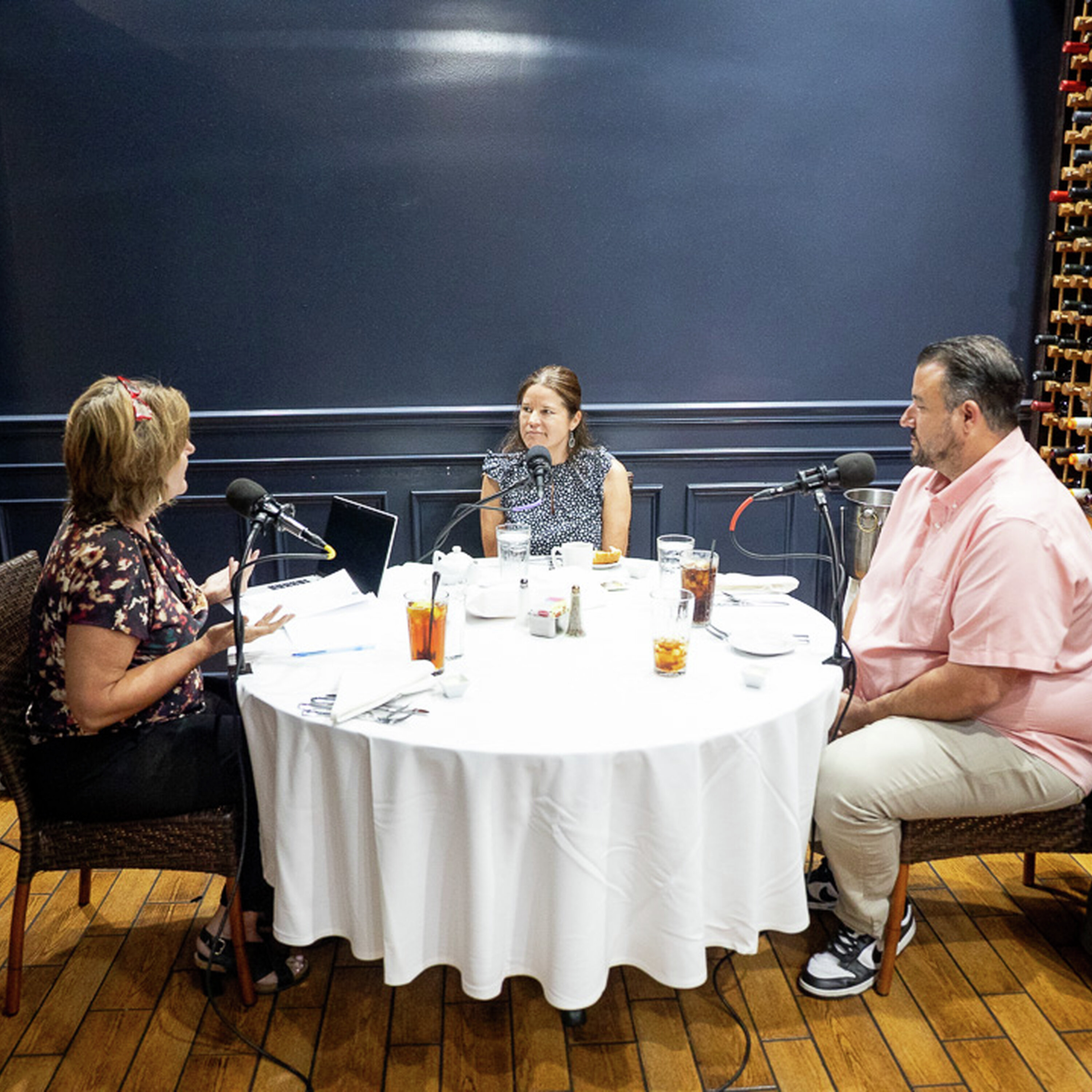
1w ago00:30:45Tap to summarize"Dearly beloved, We are gathered here today to get through this thing called life." You might recognize those lines as the opening of Prince’s 1984 song, “Let’s Go Crazy.” In this classic pop song, Prince is making the point that life is short and we should make the most of it. Prince encourages us to celebrate the joy of living with the chorus, “Let’s go crazy, Let’s get nuts.” Here in Baton Rouge, Mike Andrepont gets crazy for a living. Mike specializes in what we might call Joy-Maxxing: celebrating life’s high-points with his company, AFX Pro. AFX Pro is a special effects company. Their work includes pyrotechnics, stadium tunnel and smoke lighting, weddings, concerts, festivals, and corporate events. Even if you don’t live in Baton Rouge you’ve probably seen AFX Pro's creations because their clients include the NFL, NBA and NCAA. Locally you might have seen their Joy-Maxxing celebrations at an LSU Tigers event, a couple’s first dance at a wedding or a gender reveal party. For some people, celebrating life doesn’t come quite so easy. That’s because they’re starting from a more challenging everyday baseline. And when I say “they,” this group of people might well include you. If it doesn’t it probably includes someone you know, because according to government statistics, roughly 20% of adult Americans take anti-depressant or anti-anxiety medication. These 58 million Americans are trying their best to live contrary to Prince’s advice. They’re trying to not go crazy, not get nuts. Here in Baton Rouge, Leigh Blanchard is dedicated to improving the lives of people dealing with anxiety, depression, emotional trauma and chronic stress, using techniques like Reiki therapy, hypnosis, Somatic healing, Aromatherapy and other wellness practices. Leigh is the Founder of the wellness clinic, Life Plus You, on Essen Lane. The Declaration of Independence grants us the right of “the pursuit of happiness.” Some students of US history say the word “pursuit” is intended to be a verb, meaning happiness is something we have the right to chase after. That’s how most of us interpret it. But other scholars say “pursuit” is a noun. Happiness is a pursuit, like the pursuit of stamp collecting, or the pursuit of bird watching. In that sense, happiness is a state of being. Rather than something we’re chasing after it’s something we’ve been granted and need to preserve, like life and liberty. Mike is involved in maximizing moments of already existing happiness, the noun, and Leigh is involved in the active pursuit of happiness, the verb. Out to Lunch is recorded live over lunch at Mansurs on the Boulevard. You can find photos from this show by Ethan Castille at itsbatonrouge.com.See omnystudio.com/listener for privacy information.
Transcribe →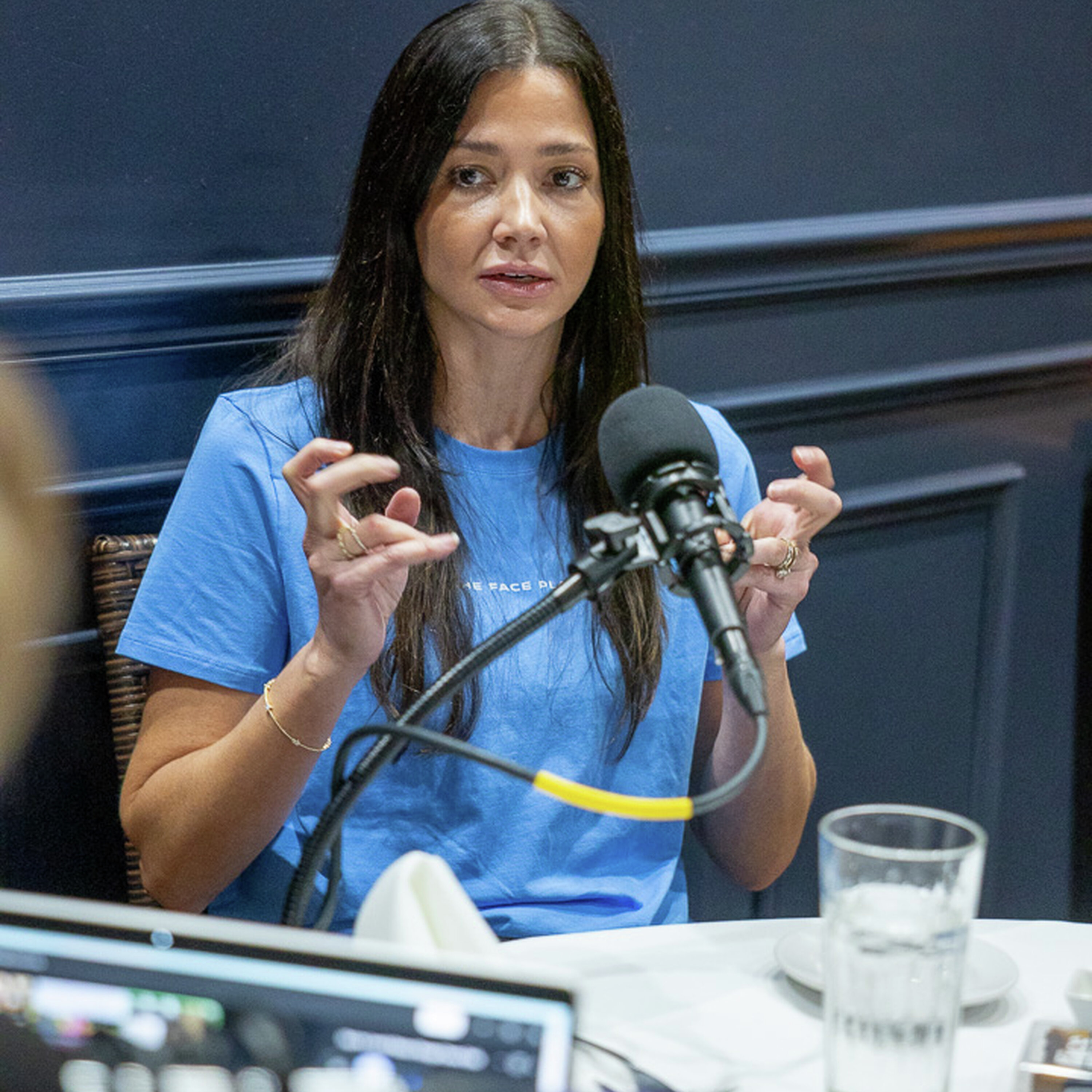
Free Money & Fabulous Skin
2w ago00:29:34Tap to summarizeLaura Nichols never expected aesthetics to become her career. Originally from Lake Charles, Laura came to Baton Rouge to attend LSU and then spent the next decade working as an emergency room nurse before returning to school to become a nurse practitioner. Her first job as a nurse practitioner required a lengthy commute and 12-hour shifts, an arrangement Laura quickly realized wasn’t sustainable as a single mother with two children. Around the same period, Laura became fascinated by the science behind aesthetic medicine after she received a Botox treatment. She began learning injectable procedures and offering services to a small group of ten existing patients she already knew and trusted. When the pandemic disrupted her practice, Laura temporarily worked in urgent care while continuing aesthetic treatments out of a salon on the side. Over the next two years, her client base grew to roughly 200 patients. Eventually, Laura realized the business had outgrown its informal beginnings. So, in 2022, she signed a lease on her own space, and The Face Place officially opened on Perkins Road in March 2023. Now, suppose Laura doesn't want the story to end here. Suppose she has her sights set on growing her business, expanding, maybe, even into other states. Or other countries. After all, WalMart started with a single store in Arkansas. Okay, but it's not 1962. So how would Laura make a dream like that actually happen today? She might turn to a type of investor called an angel. And specifically she might turn to an organization called Gulf South Angels who specialize in investing in companies with growth potential and in helping them with guidance and expertise. Gulf South Angels ranks among the top angel investment organizations in the country in terms of both membership and capital deployment. Here in Baton Rouge the go-to Gulf South Angel to contact is Rick Bond. Out to Lunch is recorded live over lunch at Mansurs on the Boulevard. You can find photos from this show by Ethan Castille at itsbatonrouge.com.See omnystudio.com/listener for privacy information.
Transcribe →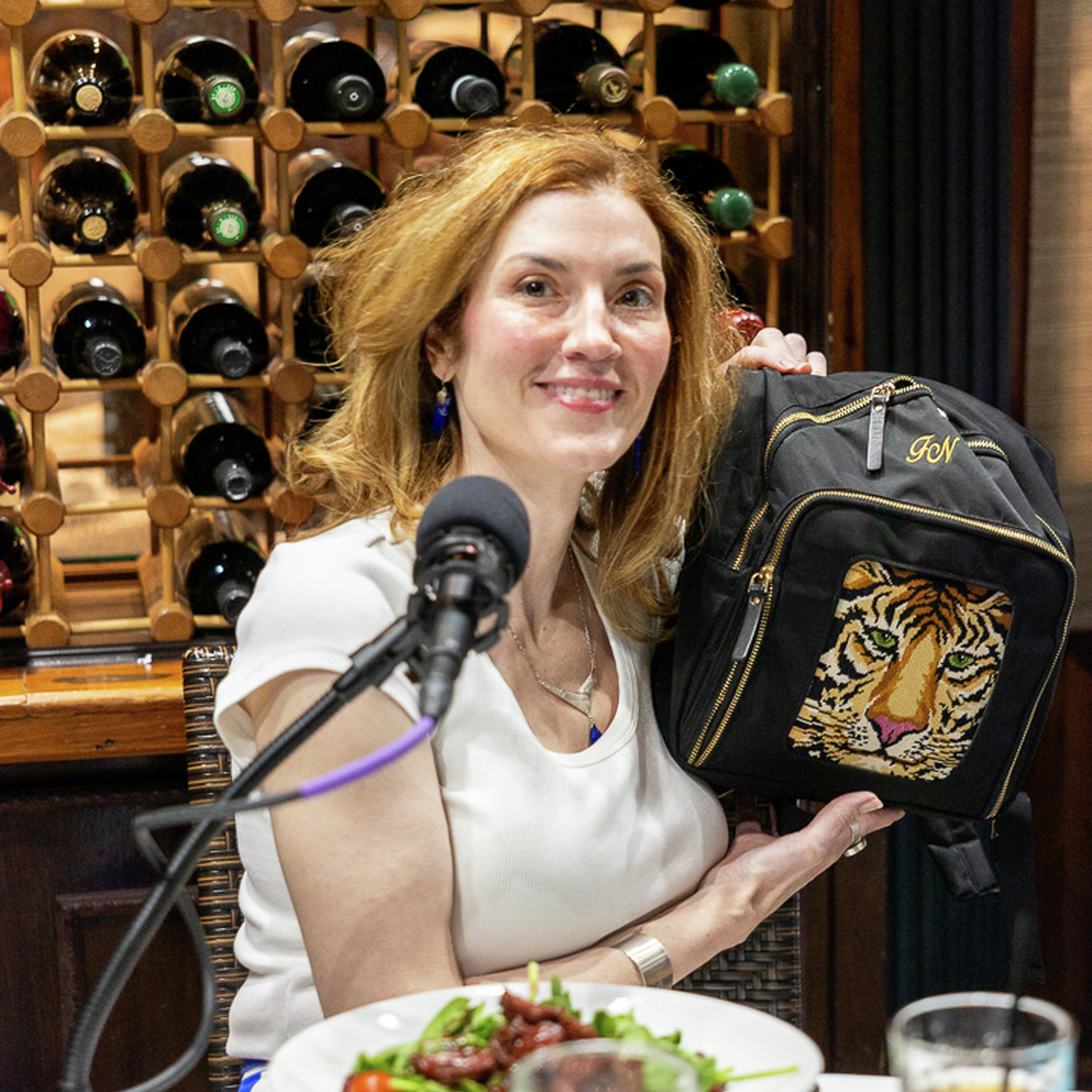
Let Me Know If I can Help You
3w ago00:28:00Tap to summarizeIt's no secret that Amazon and e-commerce in general has been eating retial stores' lunch. You've probably thought to yourself one time this week already - "Do I really have to go to a store to buy that? Couldn't I just order it online?" Well, yes, of course, you can order just about everything online, but it's just not the same as going into a store. Is it? So, if we agree on that, what exactly is the difference? All things being equal, like price and availability, why do we prefer to go shopping in the real world? The secret, as best I can tell, has nothing to do with merchandise. It has to do with another human being actually caring about your happiness. Chase Bass runs George Bass, a family-owned men’s clothing store with locations in New Orleans, Baton Rouge and Covington. His father George started it, and Chase grew up in it. Some of Chase’s earliest memories are of time spent in the shop. He worked there through high school, went to college, tried investment banking after graduation, and fairly quickly realized that wasn’t the life he wanted. In 2010, Chase’s father saw an opening and offered Chase a job launching the Capital Region location, and Chase has been running the shop in Baton Rouge ever since. George Bass is known for premium menswear and custom clothing, but Chase will tell you pretty quickly that clothes are almost beside the point. The store keeps detailed profiles on every customer — measurements, past purchases, even photos — and the sales staff doesn’t work on commission. Chase says the goal is a customer for life, not a sale this afternoon. They don’t advertise; everything runs on word of mouth. Catherine Pletsch has been needlepointing since she was four years old. Her grandmother taught her. As a teenager she became a regular at The Elegant Needle, then owned by a woman named Marion Gremillion. At 18, Catherine was working Thursday evenings while Marion went to the symphony. By her senior year of college she was working Fridays too. Catherine spent years after college doing other things — wedding planning, church administration, LSU admissions, a law office, a bed-and-breakfast. When she moved back to Baton Rouge from Texas, buying The Elegant Needle became a real possibility. Twelve years ago she did. The Elegant Needle has been around for more than 30 years and has had a genuine resurgence lately. The pandemic brought people back to slow, handmade things. And then in 2023 a TikTok video featuring needlepoint Christmas décor went viral and introduced the craft to a whole new generation. About a third of Catherine’s customers today are first-time stitchers. The first stitch Catherine’s grandmother ever taught her was a French knot, which she still works into special family projects whenever she can. Out to Lunch is recorded live over lunch at Mansurs on the Boulevard. You can find photos from this show by Ethan Castille at itsbatonrouge.com.See omnystudio.com/listener for privacy information.
Transcribe →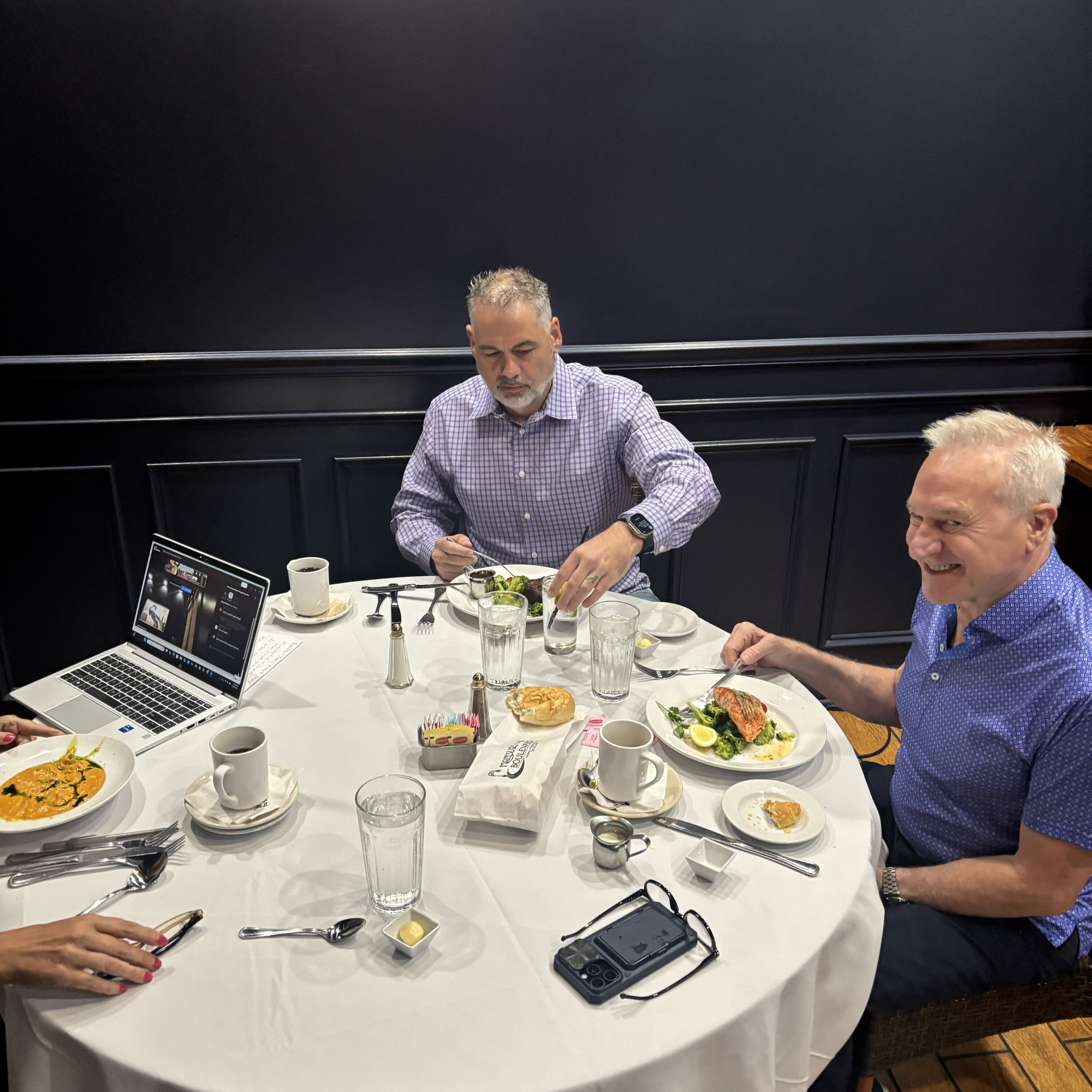
Bucking The Trend In Baton Rouge
Jun 2100:34:20Tap to summarizeThe media industry is having a rough decade. Newspapers are closing and local TV stations are being consolidated by distant owners. The advertising dollars that used to fund local journalism have mostly migrated to platforms that have no particular interest in what’s happening in your neighborhood. But, along with a number of other trends you can probably name, Baton Rouge isn’t following the rules. Brandon Foreman is CEO of Family Resource Group, a Baton Rouge company that has been connecting families to this community for over 30 years with its “Parents Magazine.” Today Family Resource Group publishes nine brands across seven markets — from Baton Rouge and New Orleans to Denver, Cincinnati, Birmingham and beyond — and has expanded well beyond print into digital campaigns, podcasts, and technology tools for advertisers. Brandon came to FRG through a somewhat unlikely route. His background is in technology — he ran a software company, a broadband internet provider in New Orleans, and launched several other ventures before arriving at the helm of a media company. He and his wife Amy, who is a publisher, received the 2024 Spaht Scholar Award from the East Baton Rouge Parish Library for their work championing literacy and education. When Brandon’s not running around taking care of business, he’s probably in the air. He’s a licensed pilot, and says the skies are where he does some of his best thinking. André Moreau literally needs no introduction. He's a celebrity. A Baton Rouge native and LSU graduate, Andre started his career as a fundraiser at a university, decided at 27 that wasn’t the right fit, walked into television, and spent the next 40-plus years anchoring the news. Andre was the lead sports anchor at WAFB for years, then left for Columbus, Detroit, Los Angeles and San Diego before coming home to Baton Rouge in 2008. He co-anchored the top-rated newscasts at WAFB with Donna Britt, then spent years as anchor and managing editor at Louisiana Public Broadcasting. Andre has an Emmy, a Lifetime Achievement Award from the Louisiana Association of Broadcasters, and a Special Achievement Award for his coverage of Louisiana’s coastal crisis. He’s covered hurricanes, earthquakes, Stanley Cup parades, NBA championship parades, presidents, and yes, a pope. He retired from LPB in June 2023. By March 2025 he was back on the air at Louisiana First News. He says he missed being plugged in. He missed the scoop. Local media is under real pressure right now. Stations are being bought by companies that have never set foot in Louisiana. Print advertising keeps shrinking. The economic model that paid for local journalism for a century is still being worked out. Yet, here we are in Baton Rouge, bucking the trend. Brandon is betting that if you build media around a community rather than just broadcasting at it — events, partnerships, publications people actually want in their homes — the business will follow. And André continues his 40 years of believing that local news matters to a community. Out to Lunch is recorded live over lunch at Mansurs on the Boulevard. You can find photos from this show at itsbatonrouge.com.See omnystudio.com/listener for privacy information.
Transcribe →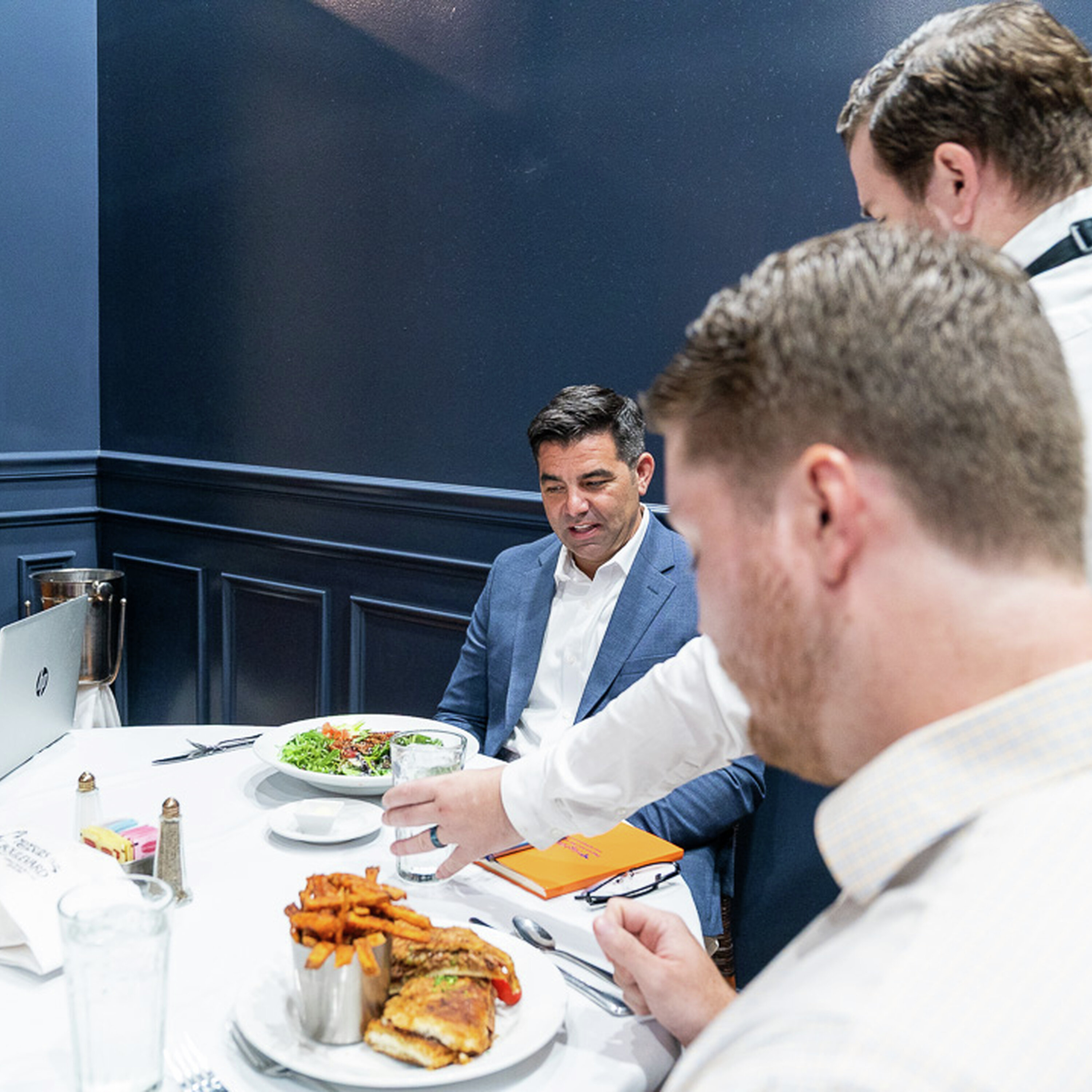
HR Pickleball
Jun 1400:28:05Tap to summarizeWhen was the last time you started a new job? Do you remember what the onboarding was like? The paperwork, the benefits forms, the direct deposit setup, the login credentials that didn’t work yet? Today there’s a whole industry built around making that whole process way less painful — and my first guest today runs one of those companies, right here in Baton Rouge. Craig Broome is a Baton Rouge native who thought he was going to law school. He got interested in employment law at LSU and ended up in human resources instead — landing an HR role at a chemical plant during his senior year. That turned into a career, which eventually led him to a Baton Rouge HR and payroll company called ESS. And then in 2016, he partnered with the Sternberg family to launch Highflyer HR. Along the way Craig served in the Marine Corps Reserve from 1994 to 2001 as a heavy machine gunner — which is not a detail you expect from someone who runs a payroll company, but there it is. Highflyer processes payroll for roughly 25,000 employees a week. It serves about 500 clients across 40 states, and has grown from Craig working alone to a 25-person team. The company works with businesses from five employees to over 5,000 — their range includes everything from restaurants and retailers to fire departments and industrial operations. Craig says the goal was never to just sell payroll software. It was to figure out where a business’s people systems were breaking down and fix theme. Another way people connect and gather is over their love of sports. I'm thinking of pickleball. If you haven’t played it yet, you probably know someone who can’t stop talking about it. Xander Triay is the Founder of Baton Rouge’s only pickleball facility - it’s called Electric Pickle. Electric Pickle opened in late 2025 with six outdoor pickleball courts. Open play sessions regularly draw 30 to 40 people. The venue welcomes about a thousand visitors a month. The restaurant and bar menu is built around a few signature items, including a roast beef po-boy based on a family recipe and, yes, house-made pickles. Xander grew up on the Northshore, near Fontainebleau State Park, and spent almost ten years with Chick-fil-A — in leadership roles, working on corporate initiatives, traveling the country to help open new locations. His plan was to eventually run his own store. But that path required a lot of travel, and Xander wanted to stay closer to family. His sister is in Baton Rouge, and when developer Dyke Nelson reached out about a new concept coming to Electric Depot in Mid City, Xander was in. Xander will tell you he’s not really a pickleball person — he’s an operations person. But he’s pretty clear about what Electric Pickle is actually for: it’s a neighborhood place that happens to have courts, not a sports facility that happens to have a bar. Out to Lunch is recorded live over lunch at Mansurs on the Boulevard. You can find photos from this show by Ian Ledo and Miranda Albarez at itsbatonrouge.com.See omnystudio.com/listener for privacy information.
Transcribe →
Down On The Fly Farm
Jun 700:28:30Tap to summarizeHere’s a number that I keep coming back to. American restaurants throw away somewhere between 22 and 33 billion pounds of food every year. To put a price tag on it, that’s about $162 billion in food costs that just disappear. That’s before the restaurant makes a single dime. I’ve been thinking about that number since I started putting today’s show together, because both of my guests have something to say about it — just from very different places. My first guest is Kristen Smith. She and her husband Tre started a food truck in the middle of a pandemic, and they’ve been figuring out the food business ever since. Kristen runs the operations side — the compliance, the systems, the strategy. She’s not someone who wastes much. Resources or time. Kristen was born right here in Baton Rouge, grew up partly in Illinois when her dad’s job took the family north for a stretch, and came back to Louisiana through Teach For America in 2014, working in East Feliciana Parish schools. Her husband Tre was in the kitchen — working as executive chef at Little Village Downtown. When the pandemic hit, Tre got laid off. Around that same time, family came through with $20,000 to help them take a shot at the thing they’d always talked about. They drove up to Ohio, bought a food truck, and came home and launched Tre’s Street Kitchen in late 2020. Two weeks in, state restrictions changed again and they had to pivot almost immediately. For months they worked out of grocery store parking lots. Things have changed a lot since then. Tre was actually a guest on this show in 2023 — so much has happened since, we thought it was worth having Kristen come in and bring us up to date. They’ve done concessions at LSU, a Garth Brooks concert, a sauce line that went from their website to airport retail. And they’re now working toward a brick-and-mortar restaurant and grocery distribution by the end of the year. David Fluker grew up in the insect business — his family runs Fluker Farms in Port Allen, which has been supplying live insects to the reptile and research markets for decades. So he’s not someone who needed to be talked into bugs. What he needed was the right idea. That came from a friend who showed him fish waste being broken down by black soldier flies. The concept stuck with him for years while he kept working. Eventually, with researchers at Texas A&M and a grad student from South Africa, he launched Soldier Fly Technologies in 2015. The company processes organic waste — manure, produce scraps, feed mill byproducts — using black soldier fly larvae that turn all that material into animal feed and agricultural products. What David learned — and a lot of his competitors didn’t — is that growing insects at scale is really an operations problem as much as a biology problem. So Soldier Fly Technologies built its own breeding systems and production software, and now licenses all of that internationally. He has active projects in Mexico, Panama, El Salvador and California. He also helped start the North American Coalition for Insect Agriculture, which works with regulators as the industry gets sorted out. Out to Lunch is recorded live over lunch at Mansurs on the Boulevard. You can find photos from this show by Ian Ledo and Miranda Albarez at itsbatonrouge.com.See omnystudio.com/listener for privacy information.
Transcribe →
Speed Food and Love
May 1700:31:44Tap to summarizeMiranda Albarez hosts this edition of Out to Lunch. If there’s one thing that has consistently evolved as society has progressed over the millennia, it’s the speed we do things. Every year, people’s patience grows thinner and attention spans, smaller. And with the invention of these tiny computers that we keep in our pockets 24/7, we no longer take in life without first viewing it through the screen. Most of us have probably heard the phrases “phone eats first” or “Hold on, I need a video of this before you mess it up”. As a byproduct of “progress” for increased production, we have lost much of what many consider makes for a “full” life. We’re always sharing, always needing the scoop, always moving. But are we truly living? At the end of the day, no matter what speed humanity moves, we still have basic needs to meet whether or not we feel like we have the time. And that’s where my two lunch guests today come in. While many entrepreneurs and businesses would find a way to encourage people to slow down, my guests are finding ways to catch up with people in their daily lives and run alongside them. Speed Bancroft has been chasing startup ideas for years, but Speedy Eats may just be the one that stuck. Originally from Monroe, Speed came to Baton Rouge after years in Jackson, Mississippi, drawn by what he saw as a stronger ecosystem for entrepreneurs. He launched Speedy Eats in 2017, but the concept began a year earlier in his living room, where he started building an automated hamburger vending prototype. That idea eventually evolved into an automated pizza concept, and in 2019 the company raised capital to develop its first-generation system. The original model was built around automated pizza stores, but after an unsuccessful crowdfunding campaign in 2022 and ongoing capital challenges, Speed made a major pivot. Instead of building full restaurant-style automated stores, he focused on what he thought was a more scalable model: automated outdoor walk-up and drive-thru food vending units. That pivot—he says—may have saved the company. Now, these aren’t your everyday vending machines. There are two major concepts: A 10-foot by 3-foot walk-up store and a larger 30-foot by 8-foot automated drive-thru. The vision focuses on serving hot, homestyle meals in areas where other traditional restaurants can’t go. Unlike traditional restaurants, the units don’t require water or sewer infrastructure, allowing them to operate in places most food businesses can’t— think industrial corridors, rural highways and underserved roadside locations. Speed sees that as a major opportunity. There is still traffic where there’s no food, and Speedy Eats can go where others can’t. The company has locations planned at Ole Miss, in Iowa, and near the Meta data center construction site in Holly Ridge, Louisiana. Hannah Wilson is founder of Red Stick Speed Dating. Originally from the Chicago area, Hannah came south for LSU, fell in love with Baton Rouge and began working remotely while living in New Orleans. As a content creator and she was documenting her dating life online through her Mimosas and Lipstick social channels and talking openly about frustrations with dating apps. One experience, in particular—a “Hey girl” message alerting her that a man she was seeing was also dating someone else—became a turning point. She started asking a simple question: If the apps aren’t working, where do people actually meet? That led her to launch Speed Dating NOLA in April 2024, and later expand into Baton Rouge in October of 2025. Hannah has now produced over 20 speed dating events in the Baton Rouge area and hosts two to four per month. Typical events include: 15 to 20 participants with men’s and women’s groups balanced as evenly as possible. She organizes events for different age brackets, anywhere from 20s to 60s, as well as heterosexual and LGBTQ-focused events. Hannah is a one-woman show—from venue coordination and check-in to event facilitation and match follow-up. Every event is adjusted based on the venue, age group and crowd dynamic. Red Stick Speed Dating also isn’t just about selling romance as much as creating structured social opportunity. Even when participants don’t meet a romantic match, many leave having made a friend or simply feeling more confident after trying something new. Out to Lunch is recorded live over lunch at Mansurs on the Boulevard. You can find photos from this show by Ian Ledo and Miranda Albarez at itsbatonrouge.com.See omnystudio.com/listener for privacy information.
Transcribe →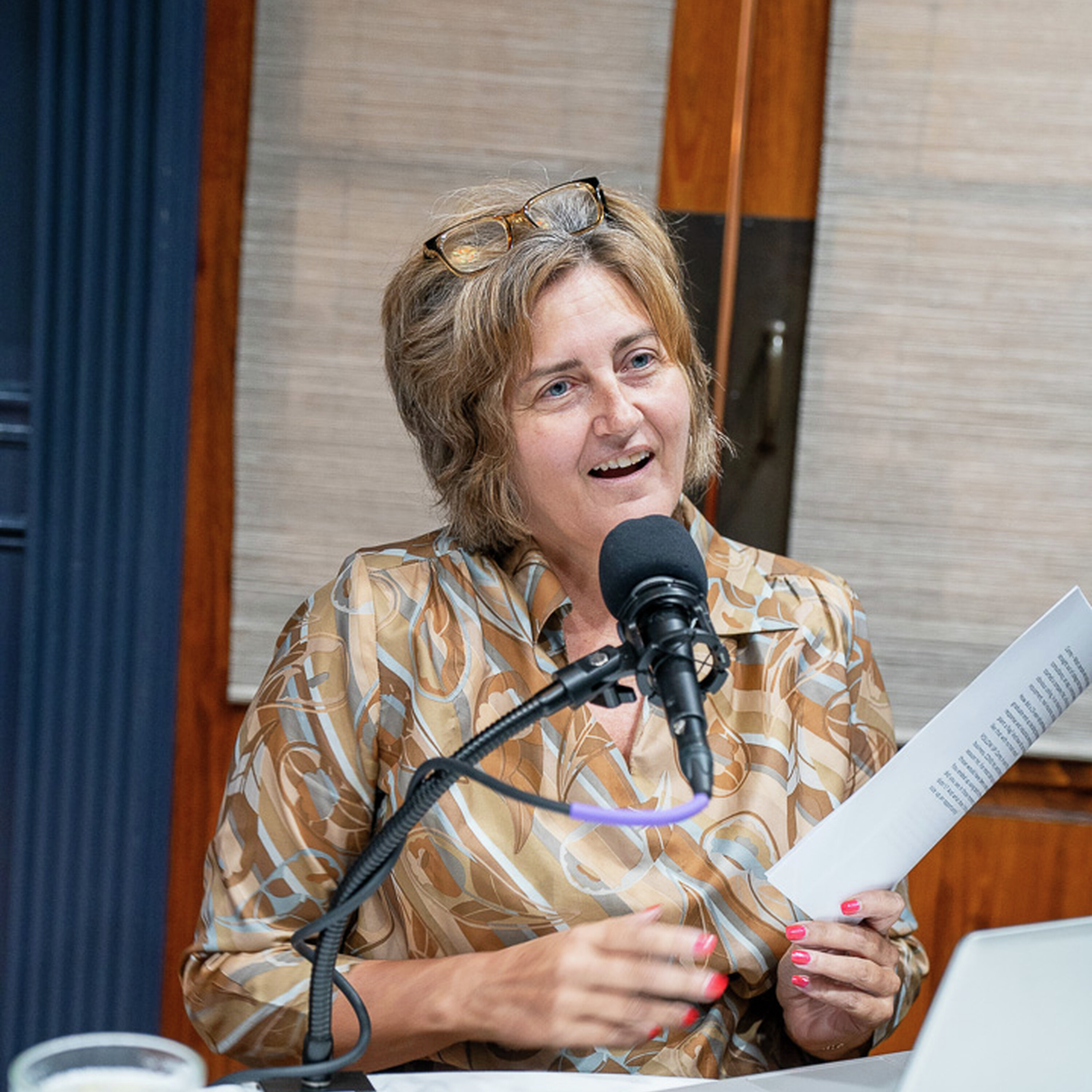
Bikes and Buses
May 1000:27:00Tap to summarizeThere’s a particular kind of business story that you can really only tell about Louisiana. It usually starts with somebody who barely had two nickels to rub together, an idea that almost nobody else took seriously, and a lot of stubbornness. It almost never starts in a glass tower in a major metropolis. It starts in places like a front yard near LSU. Or in a small office somewhere on the way to the oil patch. Both of my lunch guests today are Louisiana people who built something out of, more or less, nothing. One of them runs a national company that has 400 vehicles, 25 offices around the country, and was a Super Bowl LIX vendor. He started it the year after he graduated from LSU. The other one runs a nonprofit in Mid City Baton Rouge that began with one neighborhood kid showing up at his front door asking him to fix a bike. Today it has worked on more than 10,000 bikes, and is the centerpiece of a $2 million renovation of a former church and rug shop on Government Street. Both of these guys are in their thirties. Both went to LSU. And both of them have grown their organizations far faster, and far further, than anybody would have predicted when they started. Corey Rosales is a New Orleans native who came to Baton Rouge for college and then stayed long enough to start a company. He graduated from LSU with a degree in petroleum engineering in 2018. A year later, in 2019, he founded American Safety. American Safety started out as an environmental response and industrial services company. Then COVID happened, and a record-breaking hurricane season happened, and Corey kept saying yes to opportunities. Today American Safety is a multi-division operation – industrial services, environmental response, disaster relief, and transportation. They have 25 offices, more than 400 vehicles, and somewhere between 300 and 500 employees, depending on the time of year. They were a vendor at Super Bowl LIX in New Orleans, where they moved more than 10,000 people during the event. They’re now the official transportation partner of the New Orleans Saints and the Pelicans. And, as part of their expansion, they recently acquired Baton Rouge–based Dixieland Tours. The President and CEO of American Safety is Corey Rosales. In 2010, Dustin LaFont was a recent LSU graduate, an AmeriCorps alum, and a middle school history teacher in East Baton Rouge Parish. He had grown up biking to school in Houma, and he commuted by bike at LSU to save money on gas and parking. In his spare time he’d sit in his front yard fixing up old bikes. One day a kid from the neighborhood came up to him and asked if he could fix his bike. Then more kids showed up. Then more. The neighbors started calling it “the front yard bike shop.” Dustin made it a nonprofit. After two years of running it on top of teaching, he quit his teaching job to do it full time. That nonprofit is called Front Yard Bikes. It’s now the largest community bike shop in Louisiana. Kids ages 6 to 18 earn credits by learning bike mechanics, welding, gardening, cooking, and cycling safety, and they apply those credits toward a bike of their own. Older kids can move into paid internships and earn job certifications in mechanics. In 2022, CNN named Dustin a CNN Hero. In 2023, City Year gave him their national Alumni Leadership Award. And right now, on Government Street in Mid City, Dustin and three other Baton Rouge nonprofits are in the middle of a $2 million build-out of a place called Youth City Lab – a former church and rug shop they’re turning into a bike shop, a performance stage, a barber shop and library, and a community gathering place for young people. The Founder and Executive Director of Front Yard Bikes is Dustin LaFont. There’s a tendency, when we talk about Baton Rouge business, to look toward the big oil and gas companies, the chemical plants, the institutions on the river. And those are real, and they matter. But the story of Baton Rouge is also Corey Rosales – a kid from New Orleans who came here for college and ended up running a transportation and disaster response company that helped move 10,000 people through Super Bowl LIX. And it’s also Dustin LaFont – a kid from Houma who came here for college and ended up creating a youth workforce development program in his front yard that now occupies an entire renovated block on Government Street. Both of these entrepreneuras are doing what Louisiana, at its best, has always done – they saw a need, they said yes, and then figured out the rest as they went. Out to Lunch is recorded live over lunch at Mansurs on the Boulevard. You can find photos from this show by Ian Ledo and Miranda Albarez at itsbatonrouge.com.See omnystudio.com/listener for privacy information.
Transcribe →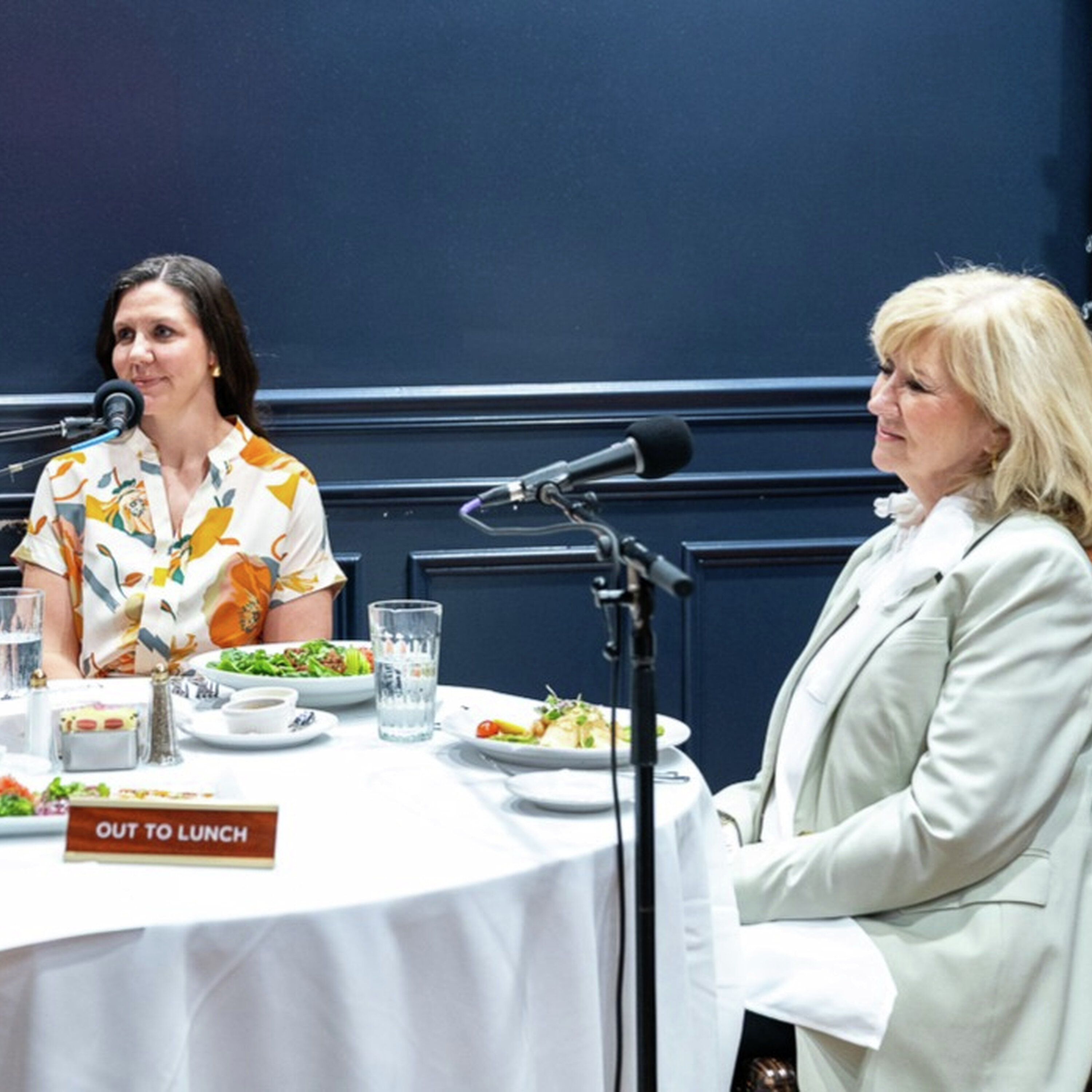
Home Sweet Homes
Apr 1900:28:30Tap to summarizeHow many companies do you think are involved in building a single house? Take a guess. Five? Ten? Maybe twenty? Fifty-three. On average, fifty-three different companies touch a single home before anyone moves in — foundation crews, electricians, plumbers, pest control, lighting specialists, insurers. Karen Profita represents all of them. She runs the Home Builders Association of Greater Baton Rouge, the largest homebuilders association in Louisiana and the 25th largest in the country. Karen came to the homebuilding industry through a side door. After COVID disrupted her work at Audubon Nature Institute, she briefly pursued an idea for a seafood industry incubator — extracting collagen from crab shells, that kind of thing — that never quite got off the ground. A conversation at the Parade of Homes led her to an open position at HBA GBR. She says it was the rare job that combined everything she actually cares about: real estate, business advocacy and supporting local entrepreneurs. HBA GBR has more than 800 members across every corner of the residential construction industry. Sara Landry West, owner of South Coast Organizers, helps people figure out where things go in the homes they build, buy, or rent. Sara spent nearly eight years teaching first grade — mostly in charter schools. She was good at it but the hours were long and the breaks were short. So, during the 2018–2019 school year she made a decision: she left over Christmas break and didn’t go back. Sara spent the first months of 2019 doing what every new business owner has to do — filing the LLC, building a website, practicing on friends’ homes for free so she’d have photos to show people. Within a few months she had paying clients she’d never met before. South Coast Organizers has now worked with nearly 200 clients — people moving, people grieving, people who just had a baby and can’t find anything any more. The projects look beautiful on Instagram — the before-and-after photos, the labeled bins, the pantries that somehow fit everything — but Sara says what you don’t see is the heavy lifting, both literal and otherwise. Organizing is the easy part. Walking into someone’s home under stressful circumstances requires a different skill set than most people expect from a professional organizer. Karen and Sara, are both in the business of "home." Karen spends your days advocating for the people who build homes, trying to keep the cost of those homes from getting further out of reach. Sara helps people through the moves and the losses and the general accumulation of life — inside their closet, with their things, helping them figure out where everything goes. You can build a house, but you ultimately have to make it a home. Out to Lunch is recorded live over lunch at Mansurs on the Boulevard. You can find photos from this show by Ian Ledo and Miranda Albarez at itsbatonrouge.com.See omnystudio.com/listener for privacy information.
Transcribe →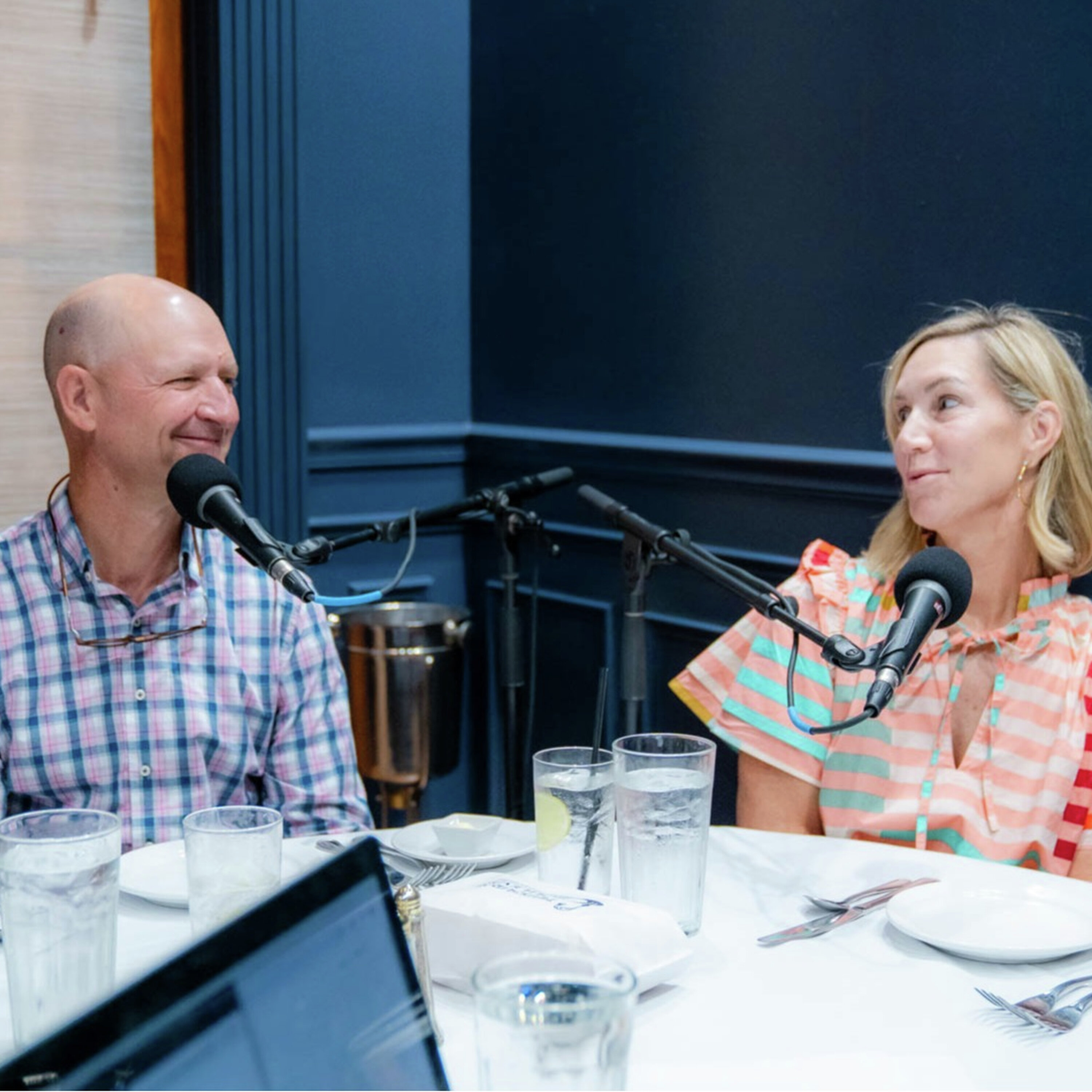
The Don & Susan Show
Apr 1200:28:00Tap to summarizeIn Hollywood, power couples from the 30s, 40s, and 50s, icons like Humphrey Bogart and Lauren Bacall, Clark Gable and Carole Lombard, and Spencer Tracy and Katharine Hepburn, exemplified glamour both on and off the screen. At the pinnacle of their careers, these romantic couples were closely followed and adored by movie-goers, capturing the public’s imagination during a Golden Age of film. Today, power couples are more often found on smaller screens, not in a seductive embrace but wielding power tools while knocking down interior walls or building decks. I’m thinking of course of the husband and wife teams on popular home decor and renovation shows, couples like Dave and Jenny Marrs of “Fixer to Fabulous,” and Egypt Sherrod and Mike Jackson of “Married to Real Estate.” You might not have ever heard of Don and Susan Charlet, co-owners of the home decor and furniture gallery The Corbel, but you can be sure that in social circles from Zachary to St. Francisville, Don and Susan are a local power couple. Don Charlet is no stranger to entrepreneurship—he worked in the family funeral home business for the first decade of his career. Then in 2000, with his brother, Don launched Charlet Brothers Construction, a custom residential homebuilder and remodeler responsible for some of the first homes built in the Copper Mill neighborhood. In 2003, Don and Susan opened The Corbel on Highway 61 between Zachary and St. Francisville. Then, after 20 years of business, they relocated The Corbel to downtown St. Francisville where the curated home goods and antique furniture shop became the anchor store for a multi-business redevelopment project called North Commerce. Today, North Commerce includes The Corbel, boutiques Barlow and Deyo, the eight-room Hotel Toussaint, event venue Mallory, a pizza restaurant and a microbrewery. Starting a business is stressful and challenging under most circumstances. What often determines whether a business succeeds or fails is the commitment and perseverance of the business partners. With 5 successful businesses and a lifetime of memories in marriage, it’s safe to say Don & Susan have struck the right balance for success. Out to Lunch is recorded live over lunch at Mansurs on the Boulevard. You can find photos from this show by Ian Ledo & Miranda Albarez at itsbatonrouge.com.See omnystudio.com/listener for privacy information.
Transcribe →