
Podcast
James M. Dorsey Podcast
Hosted by James M. Dorsey · EN
James M. Dorsey is a senior fellow at the Middle East Institute of the National University of Singapore and the author of the syndicated column and blog, The Turbulent World of Middle East Soccer. James focuses as a journalist and scholar on religious and ethnic conflict; political and social change in Middle East and North Africa and its impact on South, Central and Southeast Asia; and the nexus of sports, politics and society in the Middle East and North Africa and Asia. James has been based as a foreign correspondent in multiple capitals of the Middle East, including Tehran, Riyadh, Dubai, Kuwait, Beirut, Jerusalem, Istanbul and Athens, as well as London, Paris, Amsterdam and Washington. James has reported over the last four decades from conflict zones in Central and South America, Southeastern Europe, Africa, the Middle East and Asia.
6episodes
Episodes
Newest firstAll episodes
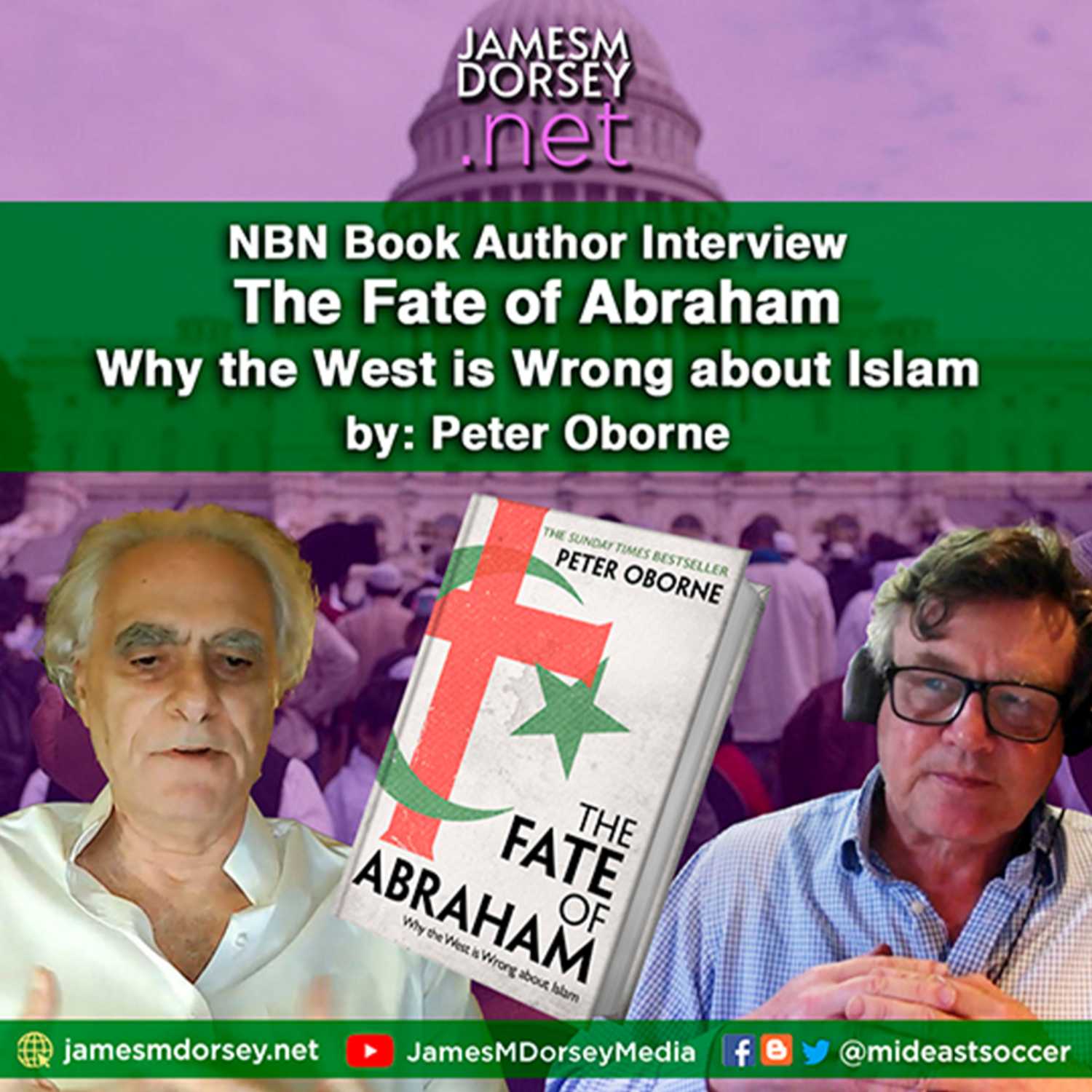
NBN Interview: The Fate of Abraham: Why the West is Wrong about Islam by Peter Oborne
Jul 3, 202201:01:38Tap to summarizePeter Oborne’s The Fate of Abraham: Why the West is Wrong about Islam (Simon and Schuster 2022) is as much a history of US, British, and French attitudes towards Islam and Muslims as it is about a relationship that was almost doomed from the outset. Not because of inherent problems with either the essence of the West or the essence of Islam but due to prejudice, bias, and, certainly in the 21st century, politicisation and weaponization of religion on both sides of the divide. Nonetheless, the book sketches how many of the Western and non-Western policy assumptions about Islam echo past fears, prejudices, and debates that that have fuelled a widening gap and Islamophobia.
Transcribe →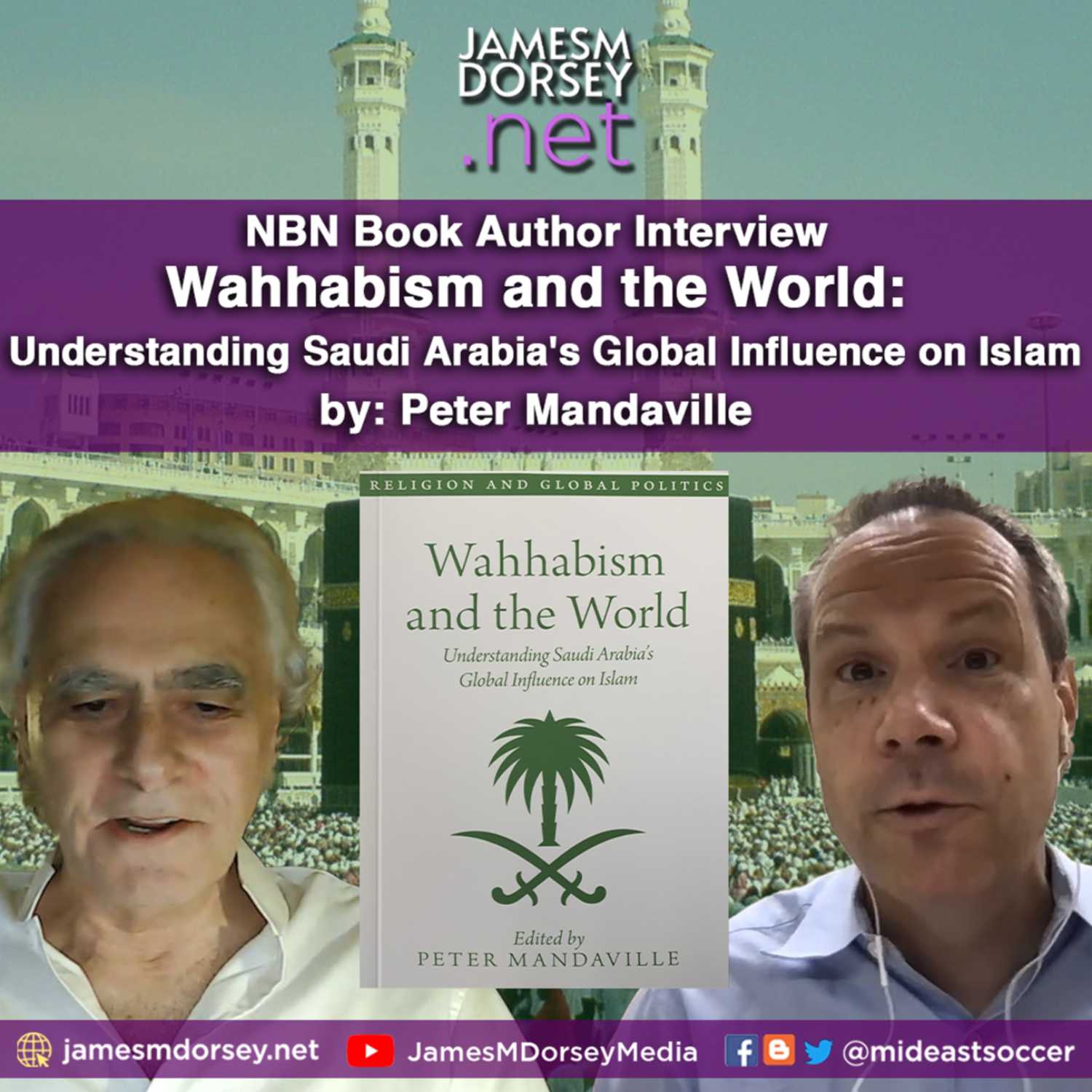
New Books Network: Interview with Peter Mandaville, editor of Wahhabism and the World
Jun 2, 202201:03:06Tap to summarizePeter Mandaville, Wahhabism and the World: Understanding Saudi Arabia's Global Influence on Islam, Oxford University Press, 2022Saudi global export of an ultra-conservative strand of Islam and its impact on Muslim countries and communities across the globe has been a hotly debate topic for more than two decades.
Transcribe →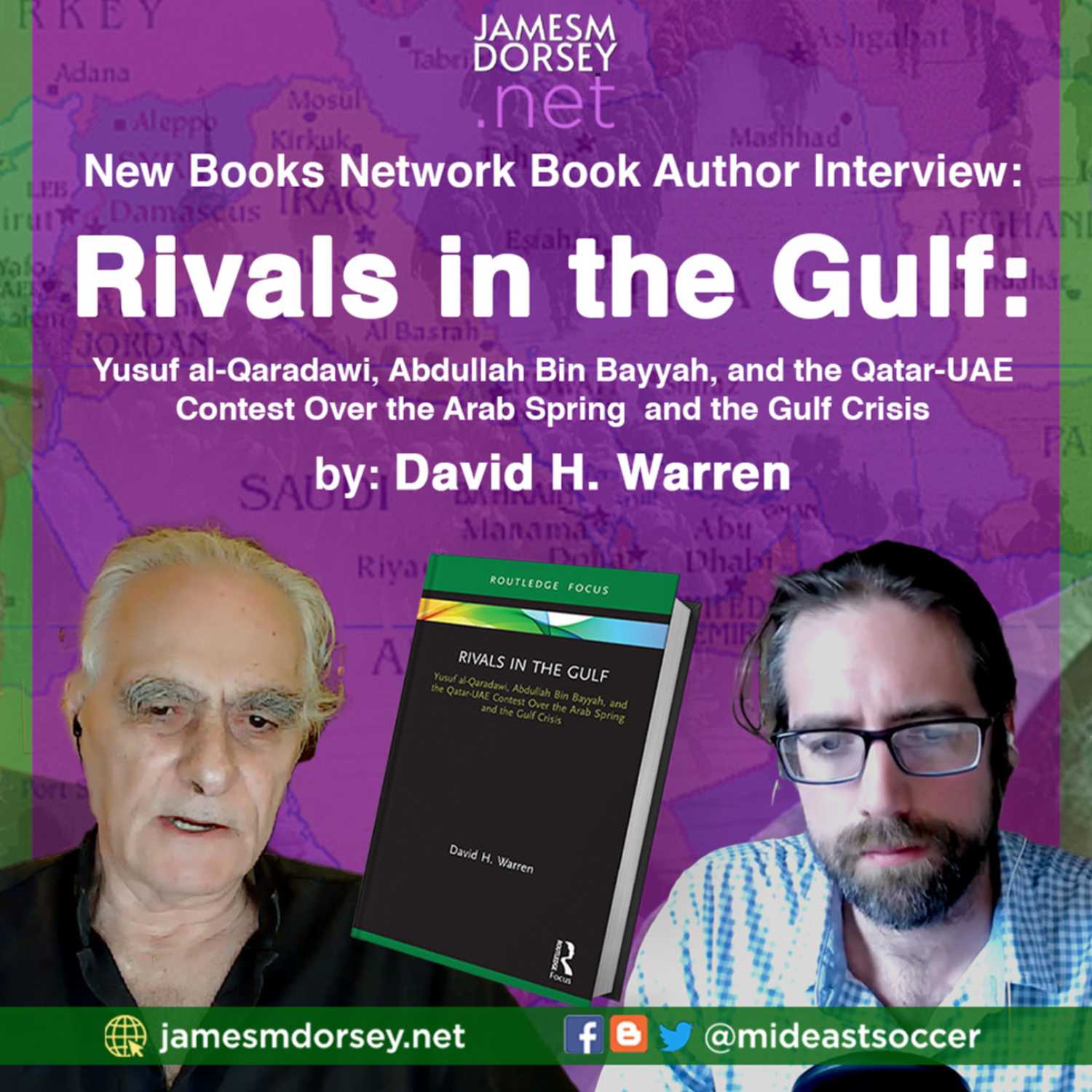
New Book Network Interview: Rivals in the Gulf by David H. Warren
Mar 26, 202200:58:23Tap to summarizeRivals in the Gulf: Yusuf Al-Qaradawi, Abdullah Bin Bayyah, and the Qatar-UAE Contest Over the Arab Spring and the Gulf Crisis (Routledge, 2021) goes to key questions of governance at the heart of developments in the Muslim world.
Transcribe →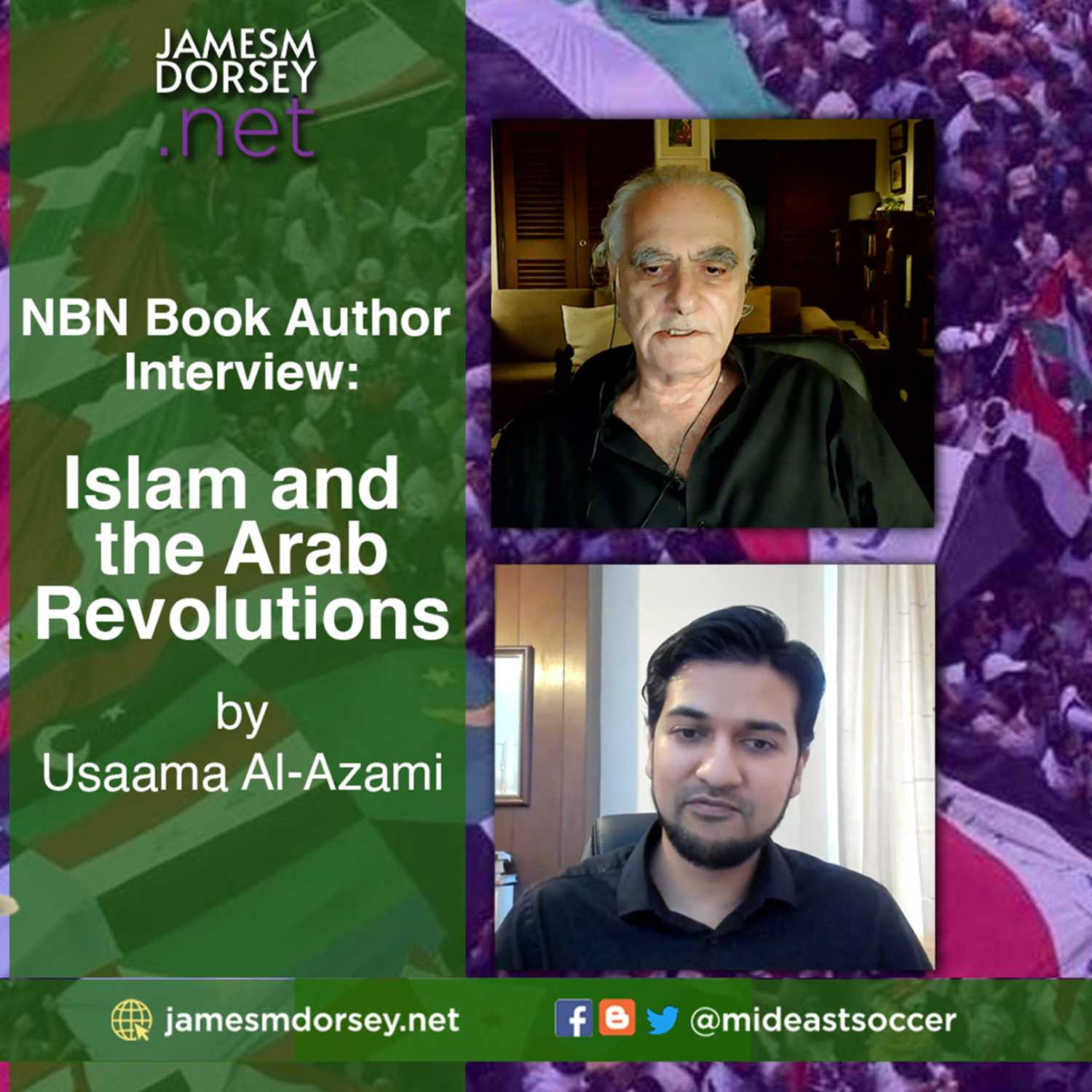
New Books Network Review: Islam and the Arab Revolutions
Mar 18, 202200:46:42Tap to summarizeUsaama al-Azami’s Islam and the Arab Revolutions: The Ulama Between Democracy and Autocracy (Oxford University Press, 2022) focuses on the responses of several prominent Muslim religious scholars towards the 2011 Arab popular revolts, particularly in Egypt, that toppled long-standing autocratic leaders. It also looks at their reaction to the subsequent military coup in 2013 that overthrew Egypt’s first and only democratically elected leader and led to the brutal and bloody repression of anti-coup protests.
Transcribe →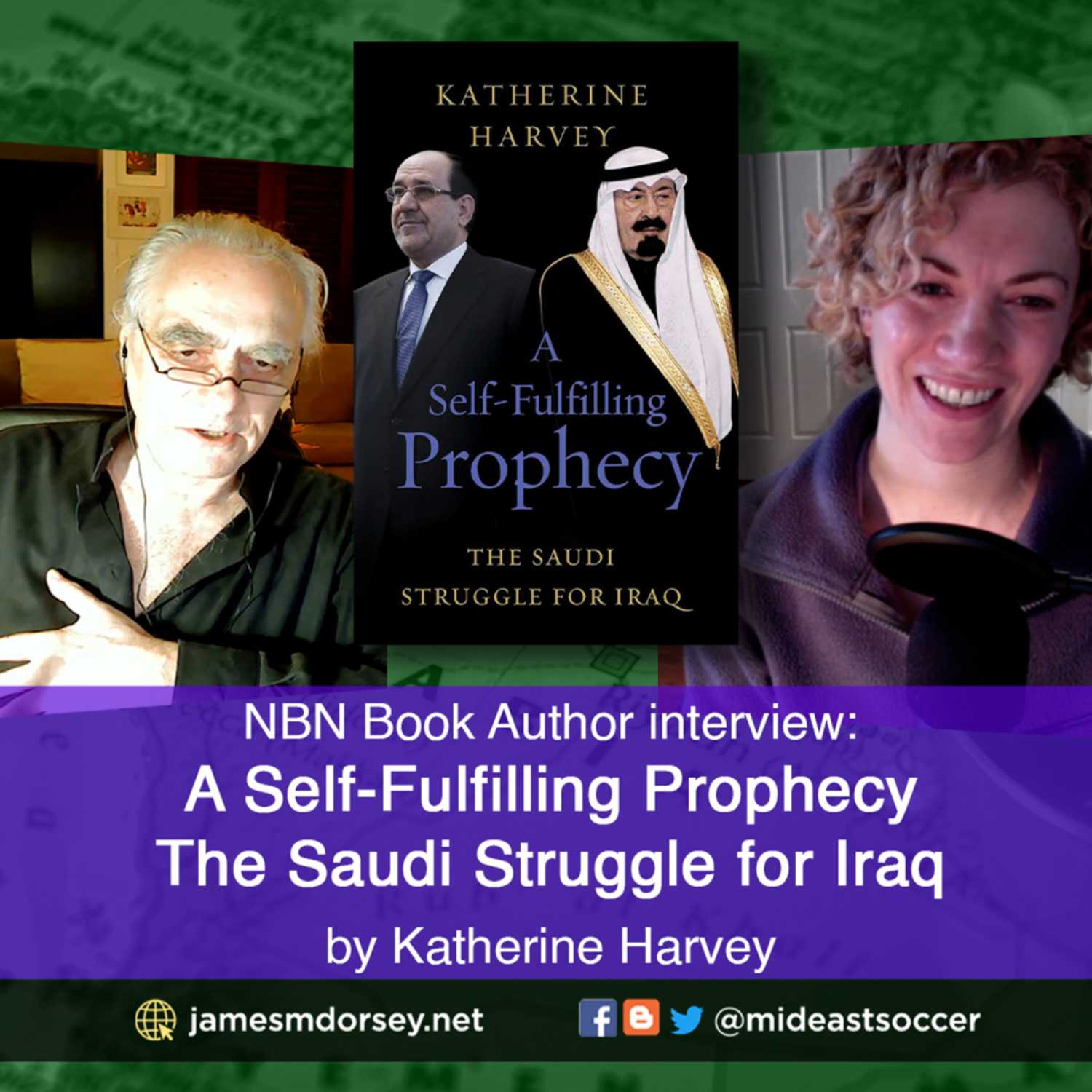
NBN Book Author interview: "A Self-Fulfilling Prophecy The Saudi Struggle for Iraq" by Katherine Harvey
Feb 9, 202201:05:13Tap to summarizeJames M. Dorsey's interview with Katherine Harvey author of the book "A Self-Fulfilling Prophecy The Saudi Struggle for Iraq"
Transcribe →
NBN Book Author Interview: Libya and the Global Enduring Disorder By Jason Pack
Jan 30, 202201:07:05Tap to summarizeLibya stands out as an example of a complex, internecine Middle Eastern and North African conflict in which regional and global powers, as well as jihadists, exploit tribal and sectarian rivalries. The rivalries fuel a seemingly endless wave of chaos and violence in a part of the world that is pockmarked by ungoverned spaces.In Libya and the Global Enduring Disorder (Oxford UP, 2021), Libya expert Jason Pack demonstrates that this tortured and war-ravaged, oil-rich North African nation is about much more. It is about the collapse of the post-World War Two and post-Cold War international order. Furthermore. it is about the free-for-all that emerges in the vacuum as the world struggles for a new equilibrium in which one or more new powers shape a new world order with or without the United States, the dominant power for the past seven decades.
Transcribe →