Podcast
JIMD Podcasts
Hosted by Journal of Inherited Metabolic Disease · EN
JIMD Podcasts is home to the Journal of Inherited Metabolic Disease podcast and the JIMD Shortcast. We're also proud to showcase Metabolic Mysteries and the new Footprints in IMD podcast.
12episodes
Episodes
Newest firstAll episodes
Hidden Disease or Uncertain Risk? Rethinking IMD Diagnosis and Newborn Screening
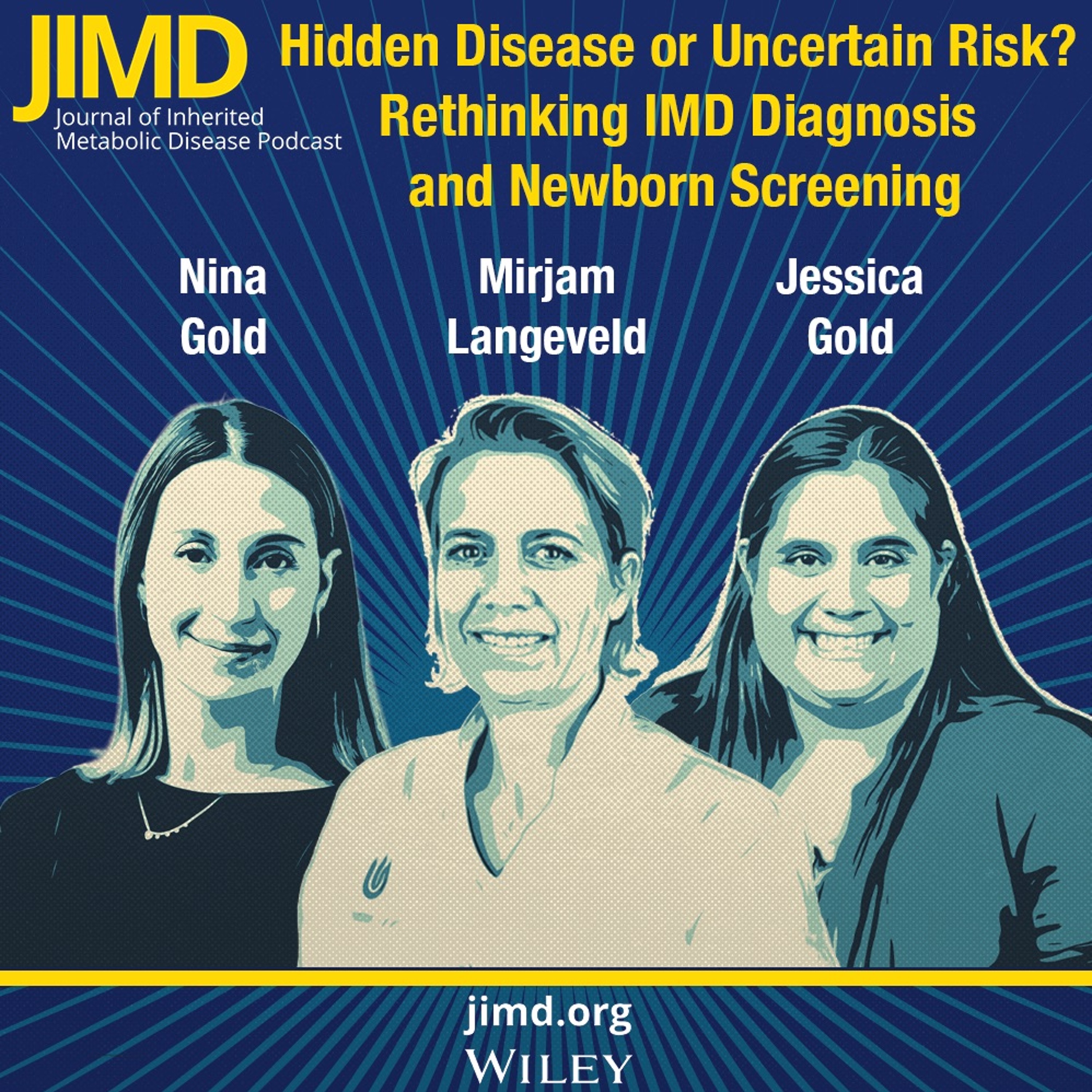
1w ago00:38:56Tap to summarizeAre inherited metabolic disorders more common, and less predictable, than we previously thought? Large-scale genomic studies are identifying adults with disease-associated variants who have escaped diagnosis, sometimes despite lifelong symptoms. At the same time, expanding genomic newborn screening risks identifying children who may remain well for decades or never develop clinically significant disease at all. In this episode Dr Nina Gold, Dr Jessica Gold, and Professor Mirjam Langeveld, explore the tension between missed diagnosis and overdiagnosis and ask, when does knowing more genuinely help? Are Inherited Metabolic Disorders More Common and Less Predictable Than We Thought? N Gold et al https://doi.org/10.1002/jimd.70094 Screening for Life: Perspectives From Adult Metabolic Specialists on Newborn Screening for Inherited Metabolic Diseases. M Langeveld, et al. https://doi.org/10.1002/jimd.70057 Exclusion-based exome sequencing in critically ill adults 18–40 years old has a 24% diagnostic rate and finds racial disparities in access to genetic testing. American Journal of Human Genetics J Gold et al https://www.cell.com/ajhg/fulltext/S0002-9297(25)00238-1 Long-term Penetrance of Disease Variants in Genes Prioritized for Genomic Newborn Screening. Gold NB, et al. https://www.medrxiv.org/content/10.64898/2026.06.10.26355380v1 - pre-print not peer reviewed
Transcribe →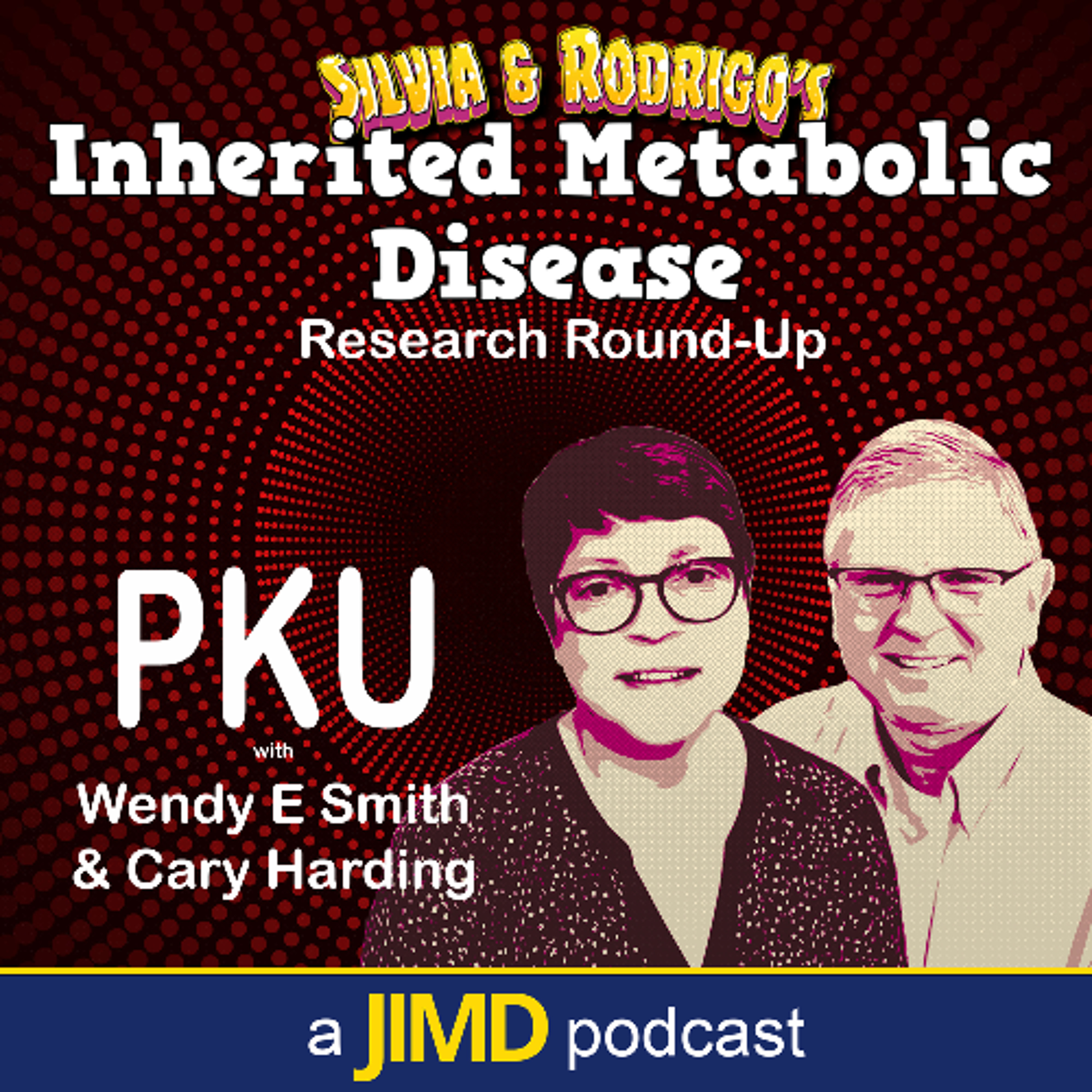
IMD Research Round-Up: Phenylketonuria
2w ago01:05:22Tap to summarizePhenylketonuria (PKU) was one of the first inherited metabolic disorders to be recognised, but there is still plenty to discover. Silvia Radenkovic and Rodrigo Starosta are joined by Dr Cary Harding and Dr Wendy Smith to discuss evolving treatments, updated management guidelines and where PKU research is heading next. The views and opinions expressed in this podcast are those of the speakers and do not necessarily reflect those of their institutions or organisations.
Transcribe →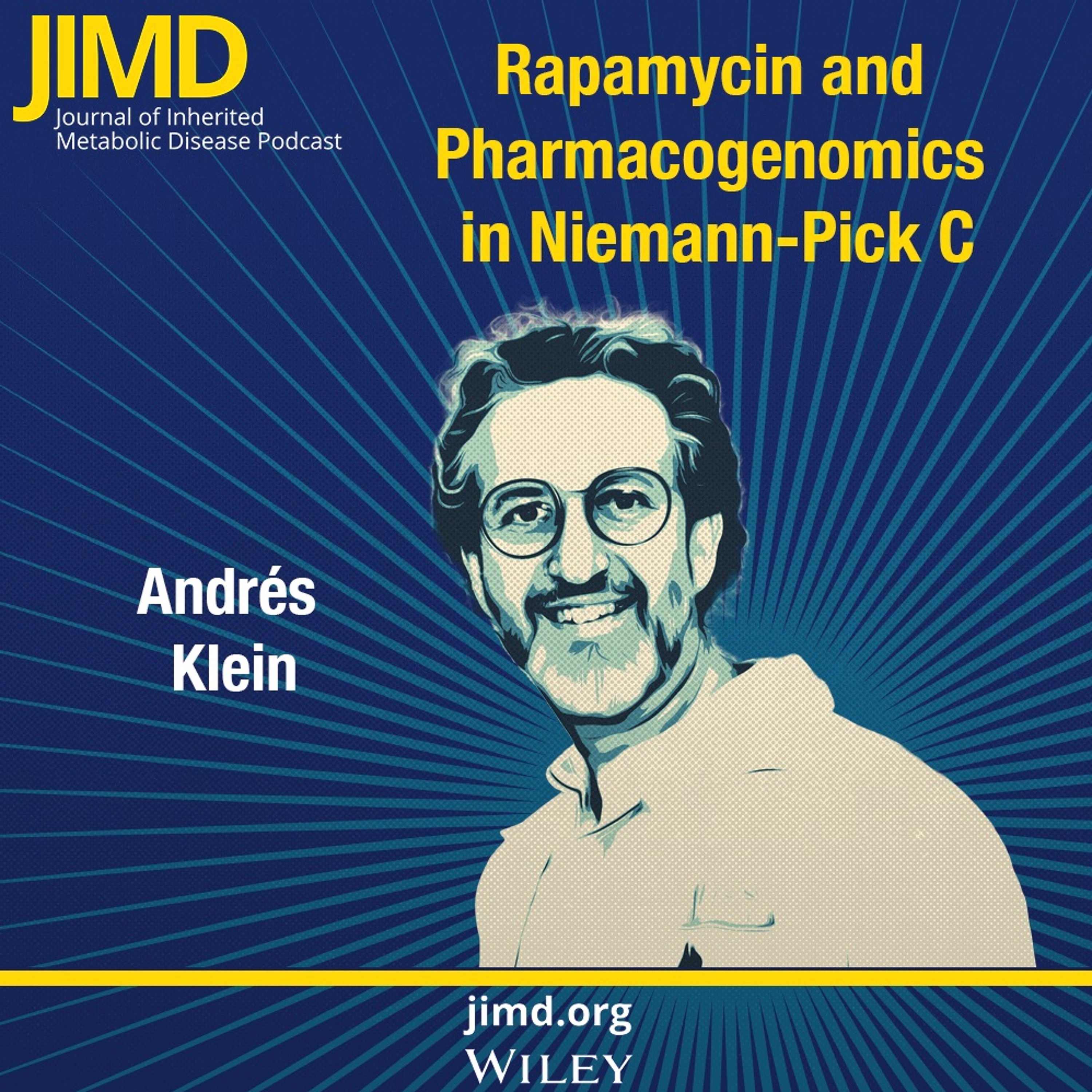
Rapamycin and Pharmacogenomics in Niemann-Pick C
3w ago00:20:41Tap to summarizeA study of rapamycin in Niemann-Pick C raises an important question: what if the success of a treatment depends on a patient's wider genetic background? Dr Andrés Klein discusses pharmacogenomics, modifier genes and why precision medicine may need to go far beyond making the diagnosis. A Rapamycin Pharmacogenomic Approach for the Childhood Dementia Niemann-Pick C Benjamín Szenfeld, et al https://doi.org/10.1002/jimd.70214
Transcribe →
Shortcast: Clinical Outcomes in Hydroxocobalamin-Treated Patients With Early-Onset Cobalamin C Disease
Jun 3000:05:49Tap to summarizeIn this JIMD Shortcast, first author Arty Selvanathan discusses their study exploring how clinical outcomes relate to biochemical findings in cobalamin C (cblC) disease. What can biochemical markers really tell us about disease severity, and where do their limitations lie? Clinical Outcomes and Correlation With Biochemical Control in Hydroxocobalamin-Treated Patients With Early-Onset Cobalamin C Disease Arthavan Selvanathan, et al https://doi.org/10.1002/jmd2.70091
Transcribe →
Feeding the Microbiome: Rethinking Protein and Propionate in MMA
Jun 2300:11:59Tap to summarizeHow much of metabolic control in methylmalonic acidemia is determined by diet, and how much by the microbiome? In this episode, Engin Köse discusses a prospective longitudinal study exploring protein composition, gut microbial changes, and the impact of metronidazole on biochemical control in MMA. Dietary Protein Modulation, Gut Microbiota, and Metabolic Control in Methylmalonic Acidemia: A Prospective Longitudinal Study Engin Köse, et al https://doi.org/10.1002/jimd.70172
Transcribe →Shortcast: Teriparatide in Two Patients With Mucopolysaccharidosis Type IVB
Jun 1600:03:37Tap to summarizeIn this Shortcast Dr Mark Wijnen presents two cases where Teriparatide was used to treat bone complications in MPD IVB but explains how temporally associated cardiac disease compels his groups to advise caution in its use. Teriparatide in Two Patients With Mucopolysaccharidosis Type IVB Mark Wijnen, Evert F. S. van Velsen, J. Gert-Jan Milhous, Esmee Oussoren, Bram C. J. van der Eerden, Margreet A. E. M. Wagenmakers First published: 13 April 2026 https://doi.org/10.1002/jmd2.70088
Transcribe →
High Glycine, Different Diagnoses
Jun 900:23:58Tap to summarizeA raised glycine level can point to a surprisingly broad range of conditions. In this episode, James Nurse is joined by Arthavan Selvanathan and Curtis Coughlin to discuss their review, The History and Nosology of the Glycine Disorders: A Framework for Clinicians. Together they explore why not all hyperglycinaemia is nonketotic hyperglycinaemia (NKH), how our understanding of glycine disorders has evolved, and how clinicians can navigate the differential diagnosis of elevated glycine in practice. From classic and attenuated NKH to lipoate deficiency syndromes, pyridoxine-related disorders, and important phenocopies such as valproate exposure, this episode provides a practical framework for approaching high glycine levels. The History and Nosology of the Glycine Disorders: A Framework for Clinicians Arthavan Selvanathan, et al https://doi.org/10.1002/jimd.70138
Transcribe →
IMD Research Round-Up: Homocystinuria
Jun 200:42:28Tap to summarizeSeason 2 of the JIMD Research Round-Up begins with a deep dive into classical homocystinuria (CBS deficiency). Hosts Silvia Radenkovic and Rodrigo Starosta are joined by two internationally recognised experts, Dr Andrew Morris (Royal Manchester Children's Hospital, UK) and Professor Kim Chapman (Children's Hospital Los Angeles, USA). In this episode, they explore: - The clinical spectrum of homocystinuria, from childhood presentations to adults diagnosed after thrombosis - Why the condition is still frequently missed or misdiagnosed - The overlap with Marfan syndrome and the unanswered questions surrounding disease mechanisms - The strengths and limitations of current newborn screening programmes - Dietary treatment, pyridoxine responsiveness, and the challenges faced by patients and families - Emerging therapies including enzyme substitution therapy, chaperone therapies, and ongoing clinical trials - Why there is genuine optimism for the future of homocystinuria care and research A fascinating discussion covering six decades of progress in homocystinuria and the next generation of treatments that may transform care.
Transcribe →
Revisiting D-Bifunctional Protein Deficiency
May 2600:20:26Tap to summarizeA new international case series revisits the natural history of D-bifunctional protein deficiency, showing that survival into adolescence and adulthood is possible and that normal VLCFA levels do not exclude the diagnosis. Dr James Nurse speaks with Dr Unai Díaz-Moreno and Dr Spyros Batzios about expanding phenotypes, genotype–phenotype correlations, and the growing role of early genetic diagnosis. From Neonatal Encephalopathy to Adult Survival: Revisiting the Natural History of D-Bifunctional Protein Deficiency in a Multicentre International Case Series U. Diaz-Moreno, et al https://doi.org/10.1002/jimd.70118
Transcribe →
Metabolic Mysteries: Two adult siblings with liver disease and haematological abnormalities
May 1900:06:12Tap to summarizeTwo adult siblings with unexplained liver disease, renal complications and intermittent haematological abnormalities but with one feature that seemed to argue against a metabolic diagnosis. In this Metabolic Mystery, Dr Greg Lynch explores how an attenuated presentation delayed recognition of the underlying disorder for years. Read the paper: https://doi.org/10.1002/jmd2.70079
Transcribe →