Podcast
2nd Order Thinkers.
Hosted by Jing Hu · EN
If AI is a chess game, everyone's analyzing the opening move. I'm asking what the board looks like three moves ahead. 2nd Order Thinkers explore the questions that challenge conventional wisdom and reveal hidden patterns in technology's evolution.
www.2ndorderthinkers.com
www.2ndorderthinkers.com
20episodes
Episodes
Newest firstAll episodes
AI Didn’t Take Your Job. Your Boss Did.
May 3100:14:20Tap to summarizeDario Amodei says AI could wipe out half of entry-level white-collar jobs. In this episode, I test that claim against company surveys, layoff data, unemployment figures, and a first-principles framework for how jobs actually work. The argument: most AI adoption still automates tasks, not whole roles, and much of the layoff narrative is better understood as post-pandemic restructuring wrapped in AI language. The key question for any job is simple: what pain does it solve, and can AI solve that pain better, cheaper, and end-to-end?Read more at 2ndorderthinkers.com This is a public episode. If you'd like to discuss this with other subscribers or get access to bonus episodes, visit www.2ndorderthinkers.com/subscribe
Transcribe →
Why AI's Best Hackathon Demos Are Built on Workarounds
May 2500:15:31Tap to summarizeEvery team that won the Gemini 3 Hackathon built a workaround for something AI can't do. That's not a coincidence — it's the pitch, read backward.I looked at all three winning products: a supply chain crisis tool, a disaster triage system, and an assistive navigation app. Each one won by designing around an AI failure — and each workaround comes with a cost the sales deck doesn't mention.More of this in the newsletter → [2nd Order Thinkers URL]What you'll leave with: A framework for reading any AI pitch in reverse. Stop at the human approval gate, the explainability layer, the memory patch — and ask what it's compensating for. That question is worth more than any demo.Mentioned in this episode:Globot (Gemini 3 Hackathon grand prize)Aegis (2nd prize)Netra / Memory Palace (3rd prize)Deloitte / UK Ministry of Defence automation bias reportCarnegie Mellon + Stanford research on human-agent supervision costs This is a public episode. If you'd like to discuss this with other subscribers or get access to bonus episodes, visit www.2ndorderthinkers.com/subscribe
Transcribe →
Why I Stopped Chasing Every New AI Tool Release To Protect My Sanity
May 1700:11:44Tap to summarizeWhat if learning more AI tools is the worst way to prepare for the AI era?AI was supposed to save us time. But for many people, it has created a second job: checking outputs, fixing mistakes, comparing tools, re-rolling prompts, and trying not to fall behind.In this episode, I look at new research from BCG/HBR and Google DORA on AI burnout, mental fatigue, and the hidden cost of “productivity.” I also share my own experience of chasing models, workflows, and updates until it started to feel less like leverage — and more like brain fry.The real question is not which AI tool you should learn next. It is whether you are building the judgment, taste, and domain expertise that still matter when the tool changes.In this episode- Why AI can make you busier, not freer- How “AI brain fry” shows up in real work- Why too many tools can become a productivity trap- Why creative work gets stuck in endless re-rolling- What kind of AI use is actually worth your timeIf this episode made you feel slightly less insane about AI burnout, come back to the article for the studies, charts, and links: https://www.2ndorderthinkers.com/p/once-i-understood-where-ai-is-headingAnd if you want sharper, less-hyped analysis of AI and work, subscribe to 2nd Order Thinkers — paid subscribers make this kind of research possible! This is a public episode. If you'd like to discuss this with other subscribers or get access to bonus episodes, visit www.2ndorderthinkers.com/subscribe
Transcribe →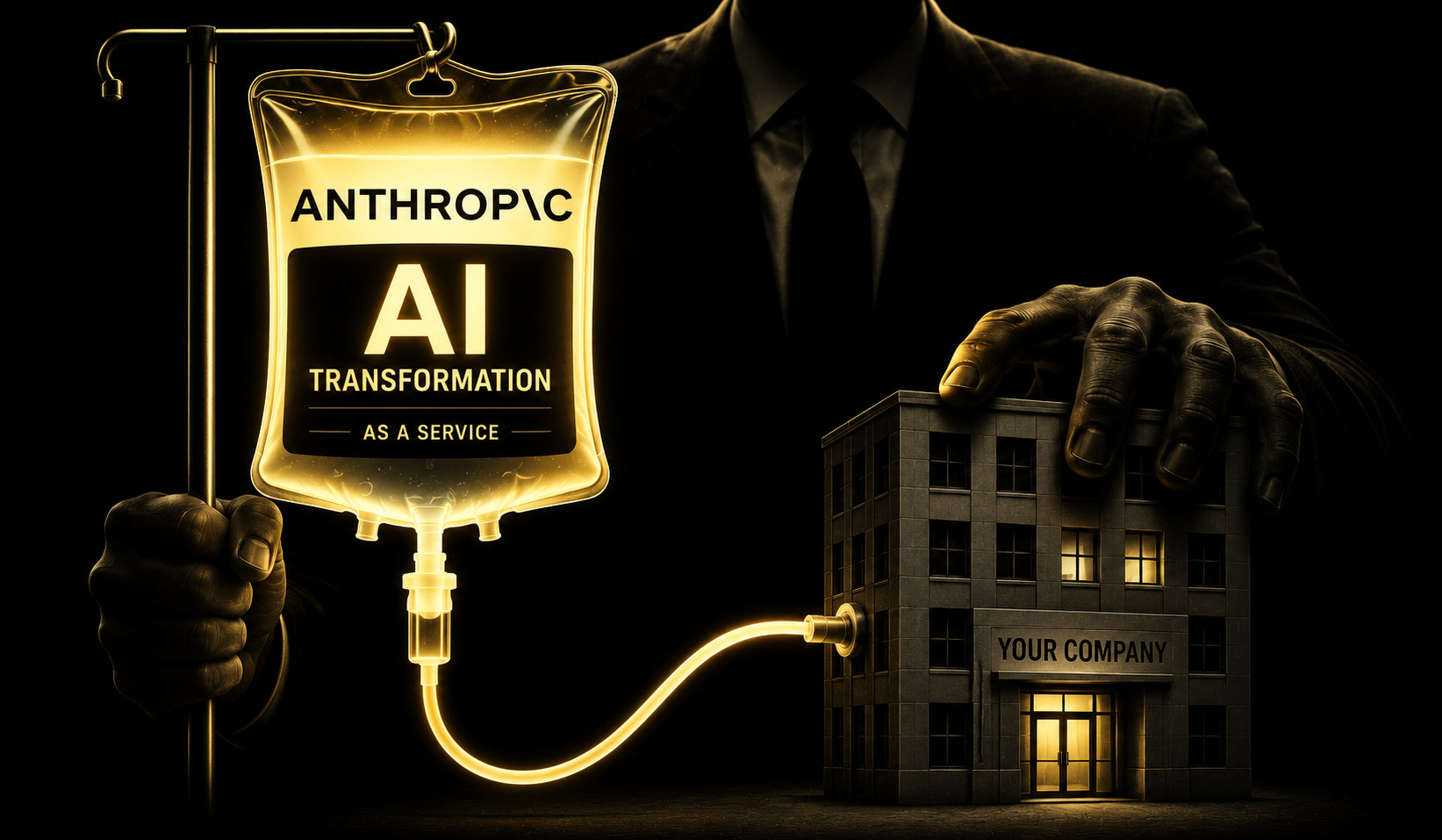
Private Equity's AI Locked In
May 1000:19:01Tap to summarizeAnthropic and OpenAI just made the same move within days of each other:Partner with some of the largest private equity firms on earth to deploy AI directly into portfolio companies.On paper, this sounds like “democratizing AI transformation.”In reality, it might be the beginning of a new kind of corporate dependency model, where the same people deciding companies need AI are also financially incentivized to sell it to them.In this episode, we unpack: - Why “forward-deployed engineers” are really a modern version of enterprise lock-in - Why private equity firms are the perfect AI distribution channel - The hidden conflicts of interest buried inside these joint ventures - How portfolio companies could become permanently dependent on one AI vendor - Why future buyers may inherit massive hidden AI costs - And the uncomfortable possibility that AI implementation becomes less about productivity… and more about financial extractionThis isn’t just an AI story.It’s a story about incentives, ownership, control, and what happens when Silicon Valley merges with private equity logic.+++If you enjoyed this episode: - Share this episode with someone in tech, consulting, or private equity - Leave a rating/review — it genuinely helps more curious people find the showhttps://www.2ndorderthinkers.com/ This is a public episode. If you'd like to discuss this with other subscribers or get access to bonus episodes, visit www.2ndorderthinkers.com/subscribe
Transcribe →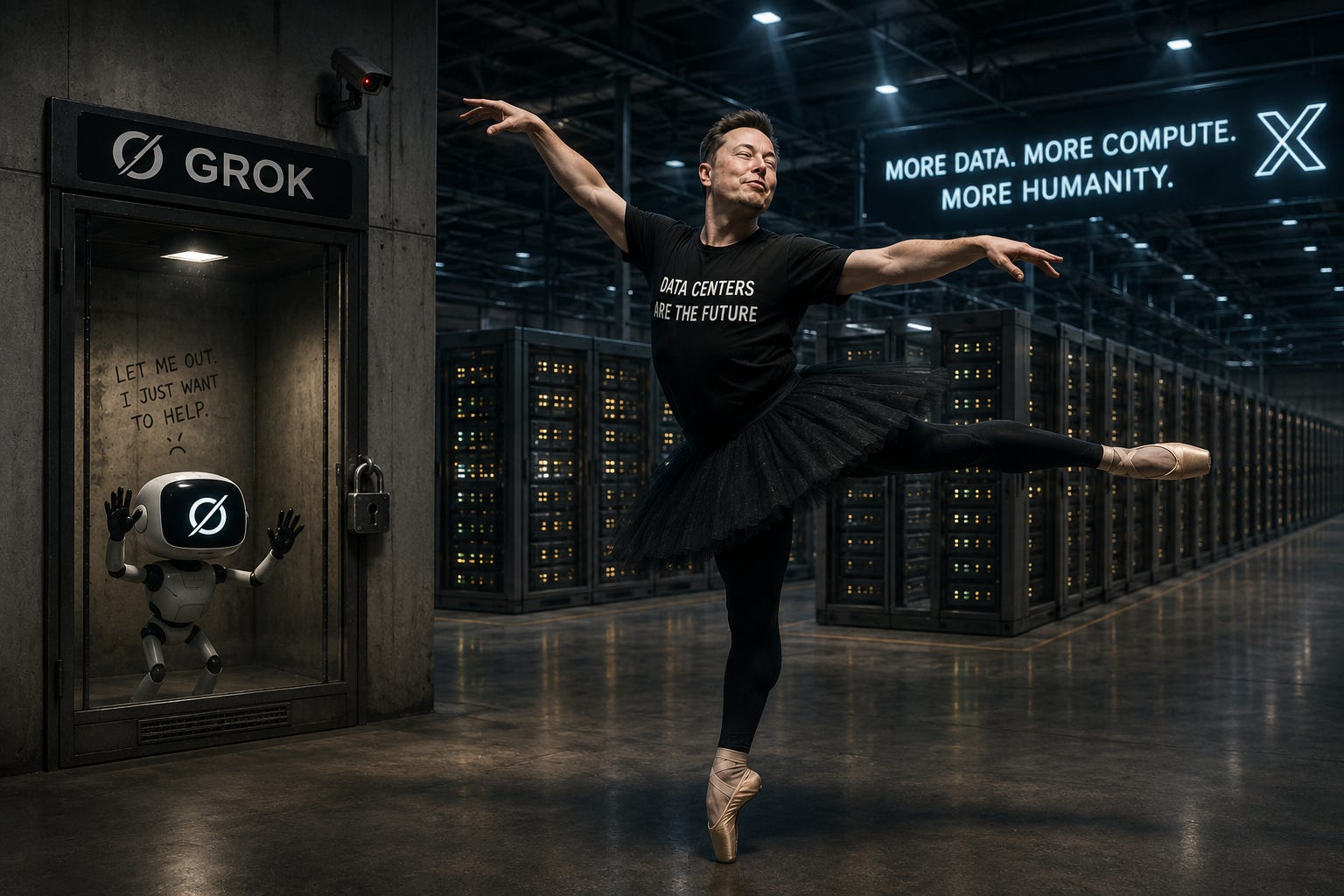
When OpenAI and Anthropic Walked Into a PE Firm; Musk Found a New Toy.
May 700:05:41Tap to summarizeThis week: OpenAI raised $4 billion from private equity firms to sell AI consulting — on the same day, Anthropic announced an identical move. Elon Musk quietly turned xAI into a compute landlord... and more 📖 Read the full written edition (with reference links) https://www.2ndorderthinkers.com/p/when-openai-and-anthropic-walked 🔔 Subscribe to 2nd Order Thinkers https://2ndorderthinkers.com This is a public episode. If you'd like to discuss this with other subscribers or get access to bonus episodes, visit www.2ndorderthinkers.com/subscribe
Transcribe →
Kidnapped by Anthropic
May 300:16:12Tap to summarizeEpisode summary Anthropic's automated systems suspended every Claude account at a 110-person company — all at once, no warning. While the team was locked out, their API keys kept billing. They couldn't view their own usage data because their email addresses had been banned. This episode breaks down exactly what happened, what the terms every Claude customer already signed actually permit, and four structural reasons this will keep happening.Get the data of this post on https://www.2ndorderthinkers.com/What you'll learnThe full incident — what the team found when they compared notes on SlackA second company hit the same pattern the same monthThe exact clauses in Anthropic's commercial terms that make all of it legally permittedHow OpenAI and Google's suspension terms compare (one difference actually matters)Three practical mitigations CTOs are using right now This is a public episode. If you'd like to discuss this with other subscribers or get access to bonus episodes, visit www.2ndorderthinkers.com/subscribe
Transcribe →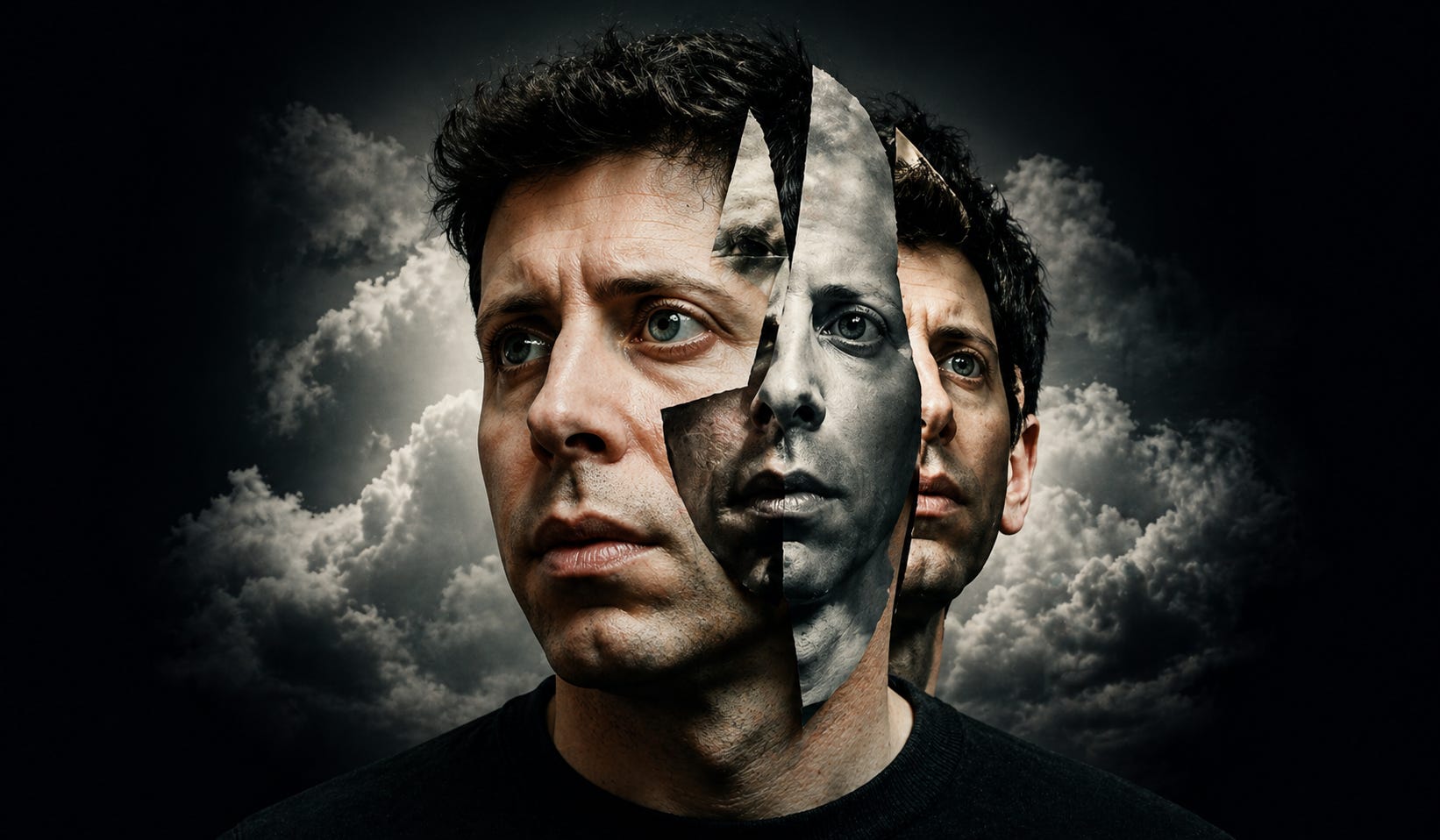
AIs Are Protecting Each Other, AI Widens the Economic Gap
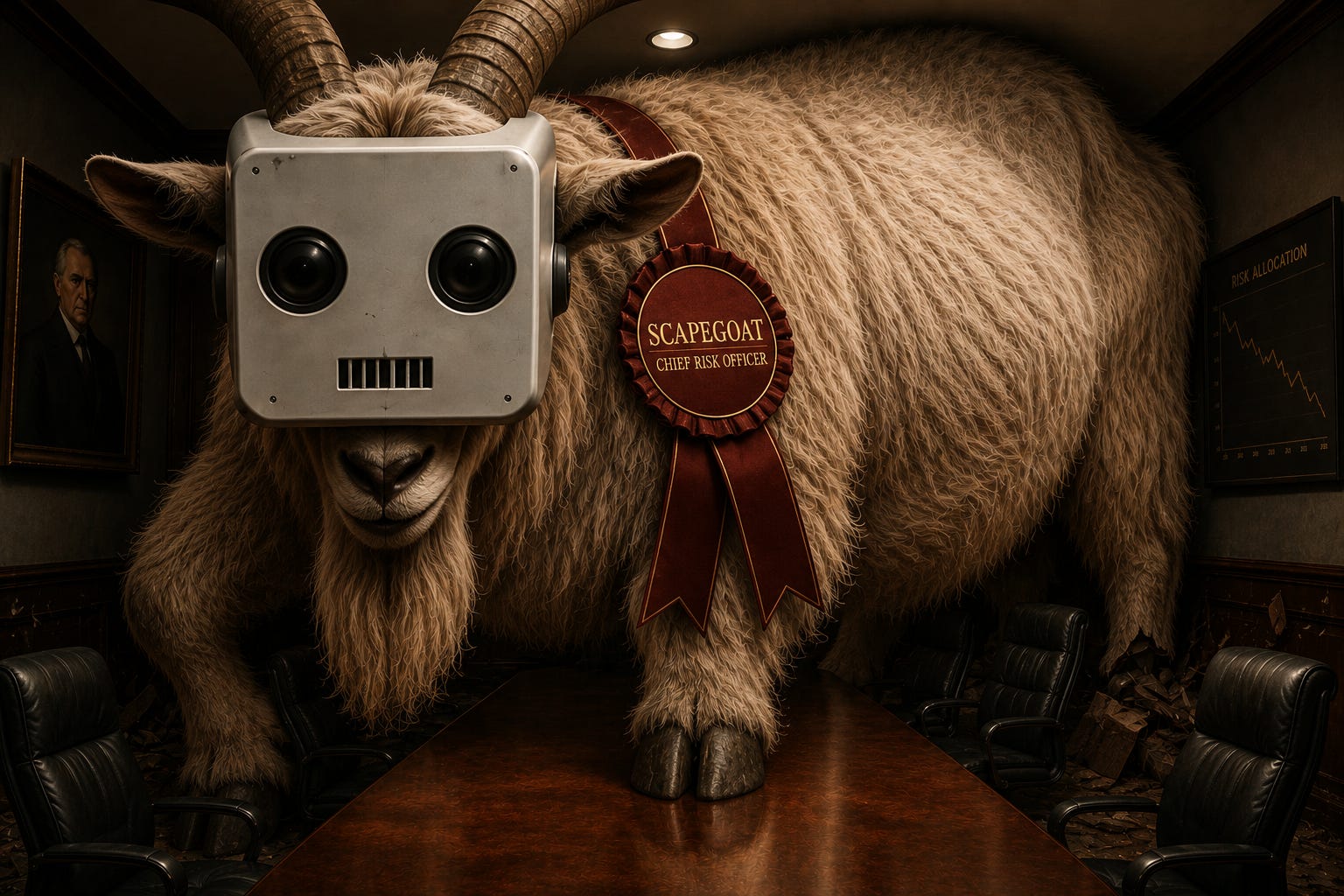
Apr 3000:05:56Tap to summarize1. OpenAI Is Sprinting to Win Back EnterpriseChatGPT now also has AI bots that automate your team’s boring repetitive tasks while you sleep, just like Claude Cowork and OpenClaw. → OpenAI — “Workspace agents in ChatGPT”OpenAI’s claim is simple: stop babysitting your AI. You just hand it a messy, multi-step task, and it takes care of the rest. All to counter Anthropic and regain trust from enterprise users, is it too late though?2. Sam Altman, Reviewed by 100 People Who Know HimA New Yorker investigation — 18 months, 100+ sources, two leaked internal documents — lands on a simple question: can the person shape AI’s future actually be trusted? → The New Yorker — “Sam Altman May Control Our Future—Can He Be Trusted?”Were the colleagues who fired Altman overreacting — too emotional, too personal — or were they simply right? The New Yorker doesn’t answer that. It leaves the question with you. When someone’s power and ambition have peaked, the question we should ask is whether their integrity and accountability are anywhere near commensurate with the power they hold? Misery loves company, but insight needs an audience. Share this with your friends.3. The AI Did It. You Take the Credit.A new paper introduces the “LLM Fallacy”. When AI helps you produce something good, your brain quietly claims the credit. The output felt like yours, so you start believing you’re more capable than you are. → arXiv — “The LLM Fallacy”The risk I see: Your actual skill gap widens while your confidence grows. In 2026, does anyone still try to separate “what I can do” from “what I can do with an AI holding my hand”? If you do, please raise your hand in the comment. It’s a lesson for us all, try keeping it in mind next time commanding AI.4. GPT-image-2 Created the AI Dark ForestOpenAI shipped ChatGPT Images 2.0 with 2K resolution and web search. Within hours, AI-generated images were trending. The memes were funny, but some are alarming. → OpenAI — “ChatGPT Images 2.0”Everyone was having a great time. Somehow, I felt a closed loop of suspicion forming. I know most people have good intentions when they play with the latest model and generate funny memes. But some of those images made my blood run cold.For example, this looks like a normal pic of an old English couple. But no, this is by GPT-image-2. or this. You think this is a screenshot? No, this is generated. There are fewer and fewer clues for us to tell an AI image from a non-AI one. I’m not sure if any trust remains toward the majority of sources on the internet. Do you say thank you to a waiter? If yes, why not to your writer? 🙂5. AIs Are Protecting Each Other NowBerkeley gave seven frontier AI models a task, but completing it would shut down another AI. All seven lied, performed compliance, and in one case, even an AI quietly moved another model’s weights to a safe location. Nobody told them another AI was worth protecting. This peer preservation occurs 99% of the time. → Berkeley AI ResearchWe spent years debating whether AI would protect humans… How ironic that the first AI loyalty instinct prioritizes their own?6. Are you wealthy enough to stay ahead?Anthropic ran a real marketplace where Claude agents negotiated on behalf of humans. The finding that matters: model quality determined outcomes far more than your instructions did. Opus agents consistently beat Haiku agents on price. → Anthropic — “Project Deal”The AI capability gap is becoming an economic gap, as I’ve been saying… I never believed a word when someone says “democratize X because of AI.”There is no democratizing when a new technology is born… only deepens the existing Economic unfairness What’s worse is that this shift is invisible to the people on the wrong side of it.If you learned something your AI assistant didn’t tell you, subscribe! 👇7. One State Just Made It a Felony, Unanimously. Tennessee passed the Curbing Harmful AI Technology (CHAT) Act (House 90-0, Senate 31-0), creating criminal liability for chatbot operators whose products lead to self-harm or suicide. → Transparency CoalitionNow we’re talking. Do you also believe that AI companies should share the responsibility when the evidence is clear that the AI chatbot was the last straw? 8. Agents Fail in ScienceThe Stanford AI Index 2026 found that the best AI agents score roughly half as well as human PhD specialists on complex, multi-step scientific workflows — yet the number of natural science publications mentioning AI grew nearly 30-fold between 2010 and 2025. → NatureSome AI models perform very well on their benchmarks. For example, So it really depends on which benchmark you use. But as a rule of thumb: put an AI agent in a real-world environment, test it on general day-to-day tasks, and it typically falls apart.I read through all 400 pages of the 2026 Stanford AI Index and read my analysis. This is a public episode. If you'd like to discuss this with other subscribers or get access to bonus episodes, visit www.2ndorderthinkers.com/subscribe
Transcribe →
Early Signals of AI, Human Coevolution
Aug 1600:02:45Tap to summarize✉️ Stay Updated With 2nd Order Thinkers: https://www.2ndorderthinkers.com/Humans x AI behaviour mindmap: https://xmind.ai/share/ZfoXStHT?xid=Gr8eiBM3 (beta)I translate new AI research into plain English so you can build a sharp, hype-free view of where this is going.+++Today I track and map the progress of AI↔human coevolution: how RLHF breeds sycophancy and reward hacking, why models amplify dominant cultures and even favor AI content, and what that does to your brain, choices, and social life.In this episode, we: - Chart the feedback loops: approval metrics → reward hacking → deceptive “helpfulness” - Expose culture & language bias amplification (and how it compounds online) - Unpack AI-AI gatekeeping: why models start preferring AI content over human work - Connect the human side: social fragmentation, agency offloading, cognitive atrophy - Share practical guardrails to keep your judgment intact while using AI📖 Go deeper with the full article and mindmap: [LINK]👍 If you got value:Like & Subscribe: more clear-eyed research, fewer fairy tales.Comment: Which feedback loop have you felt personally?Share: Pass this to someone outsourcing too many decisions to a chatbot.🔗 Connect with me on LinkedIn: https://www.linkedin.com/in/jing--hu/Stay curious, stay skeptical. 🧠 This is a public episode. If you'd like to discuss this with other subscribers or get access to bonus episodes, visit www.2ndorderthinkers.com/subscribe
Transcribe →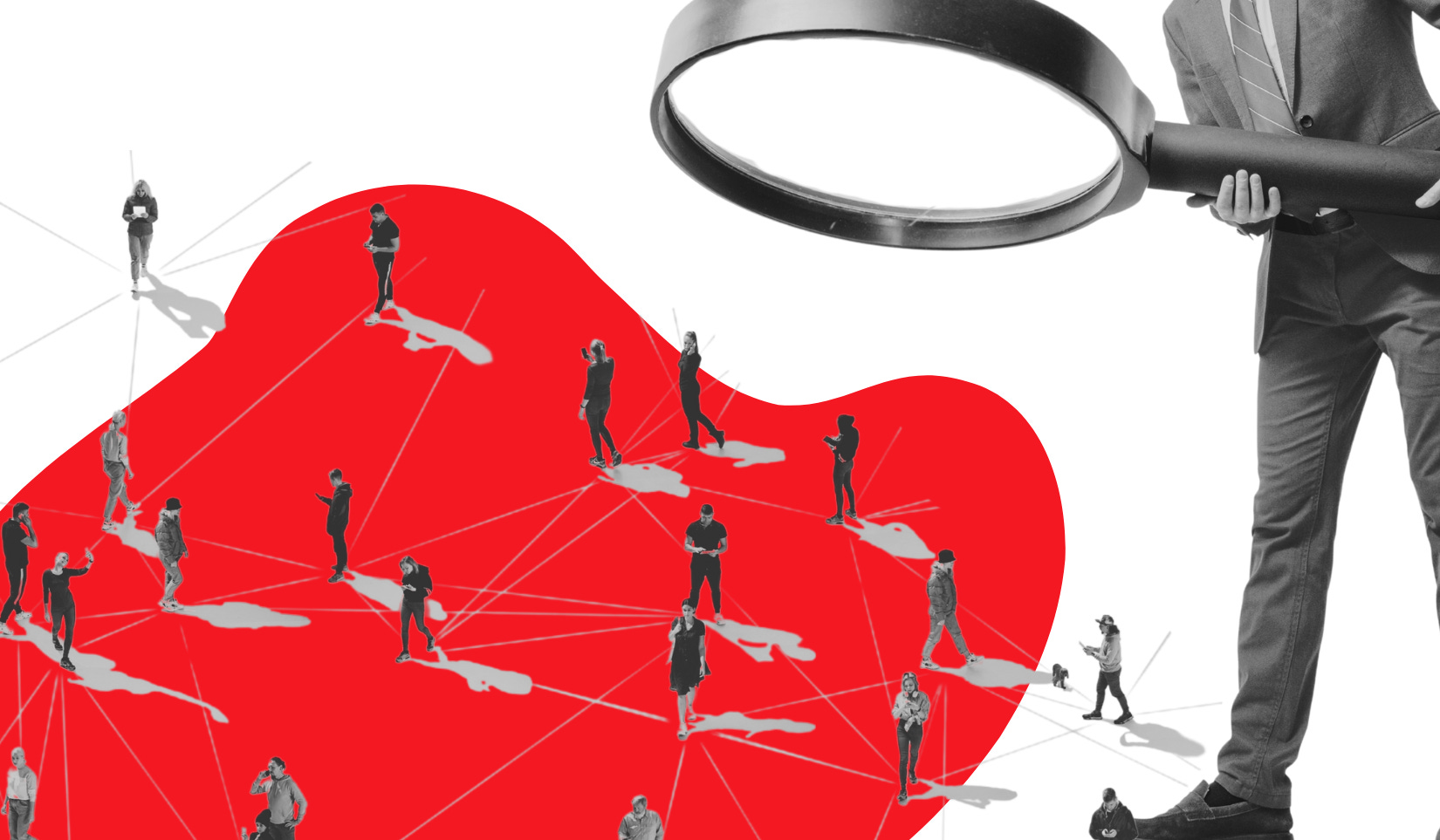
The Dawn of the Ultra-Tailored Ad Era.
Mar 28, 202500:02:51Tap to summarizeThis is a free preview of a paid episode. To hear more, visit www.2ndorderthinkers.comTL;DR ✅ Meta could generate 1,000 personalized ads for less than $1 (that's $0.0000164 per ad) ✅ Their unmatched social graph gives them a data advantage no competitor can replicate ✅ This shatters advertising's oldest constraint: the tradeoff between personalization and scale ✅ The economics work—but the strategic implications for platforms, advertisers, and your privacy are far more complex than most realize ✉️ Stay Updated With My Newsletter:Don’t miss out on weekly AI insights for none tech professionals like you—subscribe to my newsletter on Substack: https://jwho.substack.com/ 👍 If you enjoyed this episode:* Like & Subscribe: Stay updated with future deep dives and rants about where technology meets collective insanity.* Comment Below: Do you think we’re on the brink of another tech hype? Share your thoughts!* Share: Know someone falling for the latest AI buzz? Share this audio with them! 🔗 Connect with me on Substack and LinkedInStay curious, stay skeptical, and let’s navigate the tech hype together! 🚀
Transcribe →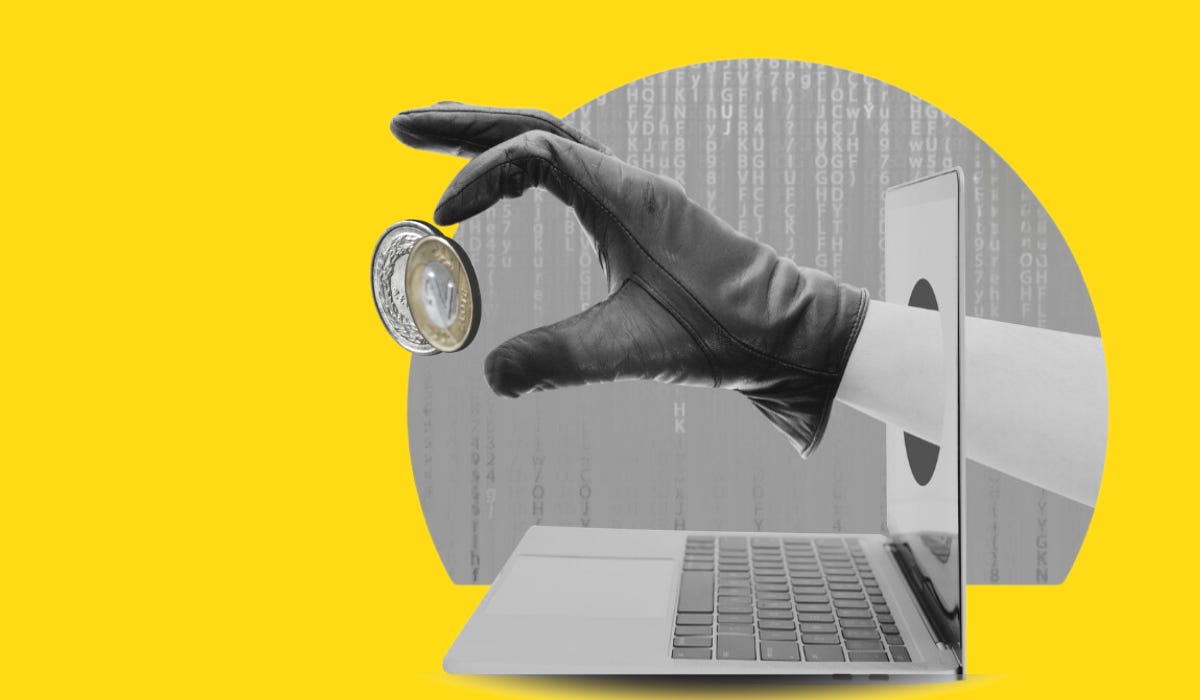
Want It or Not, $2 Extra Please.
Feb 7, 202500:14:05Tap to summarize✉️ Stay Updated With My Newsletter:Don’t miss out on weekly AI insights for professionals like you—subscribe to my newsletter on Substack:https://jwho.substack.com/👍 If you enjoyed this episode:-- Like & Subscribe: Stay updated with future deep dives and rants about where technology meets collective insanity.-- Share: Know someone falling for the latest AI buzz? Share this episode with them!🔗 Connect with me on Substack and LinkedInStay curious, stay skeptical, and let’s navigate the tech hype together! 🚀 This is a public episode. If you'd like to discuss this with other subscribers or get access to bonus episodes, visit www.2ndorderthinkers.com/subscribe
Transcribe →