Podcast
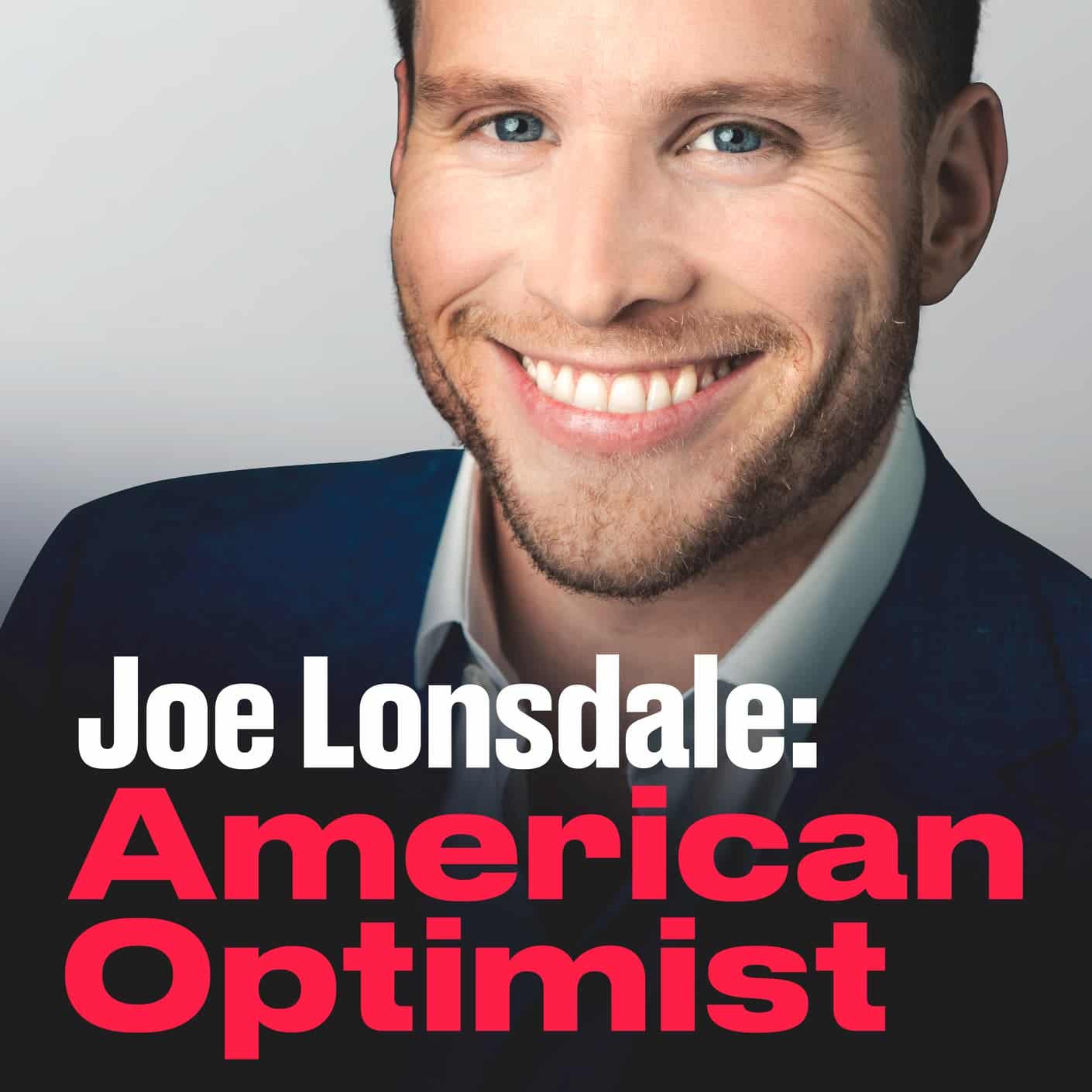
Joe Lonsdale: American Optimist
Hosted by Joe Lonsdale · EN
American Optimist, hosted by Joe Lonsdale: entrepreneur, investor, and founder of four multi-billion dollar companies and other mission-driven organizations. American Optimist is an alternative to the fear, cynicism, and zero-sum thinking in mainstream media. Learn from the innovators and leaders who are solving our nation’s most pressing challenges, and doing it in a way that will lift everyone up. Hope should dominate our discourse, and American Optimist will show you why.
blog.joelonsdale.com
blog.joelonsdale.com
30episodes
Episodes
Newest firstAll episodes

Ep 140: SEC Chairman Paul Atkins on Making IPOs Great Again, Crypto's Comeback & New Rules for Retail Investors
Jan 2600:46:18Tap to summarizeAmerica’s capital markets are the envy of the world, but in recent years, misguided policies have driven innovation offshore and stifled the number of companies going public. SEC Chairman Paul Atkins is reversing course. What’s his plan to make IPOs great again? What will it take for America to become the crypto capital of the world? And does he think we should expand access to private markets for retail investors?This week, we’re honored to feature a conversation with Paul Atkins, Chairman of the Securities and Exchange Commission. He also served as a commissioner at the SEC from 2002 to 2008, and worked on the staff of two SEC chairmen from 1990 to 1994. Prior to returning to the SEC in 2025, Chairman Atkins was the founder and chief executive of Patomak Global Partners, a financial services firm he founded in 2009.We begin with Chairman Atkins’ visit to Texas, the significance of Texas’ new business courts, and the importance of innovation in our financial markets. Whereas his predecessor, Gary Gensler, took an adversarial, regulation-by-enforcement approach, he’s embracing new technologies and regulatory clarity. In this vein, the Chairman lays out his strategy for making IPOs great again. Learn why the number of public companies has dropped by nearly half since 2007, and how Chairman Atkins is reforming the rules around litigation and corporate governance to deter activists from harassing America’s builders. We also discuss President Trump’s vision for making America the crypto capital of the world, and what it looks like to provide clear guidelines that promote innovation and protect investors. Finally, we explore the steps he’s taking to enable retail investors to access private markets and other alternative assets.0:00 Episode intro1:35 Texas' new business courts / evolution of U.S. markets7:20 The SEC's new approach to crypto 16:00 Making IPOs and public companies great again25:00 Weaponization of shareholder proposals and ESG32:10 National security concerns / China's bad actions36:30 New rules for retail investors & private companies 44:35 Optimism for America's future This is a public episode. If you would like to discuss this with other subscribers or get access to bonus episodes, visit blog.joelonsdale.com
Transcribe →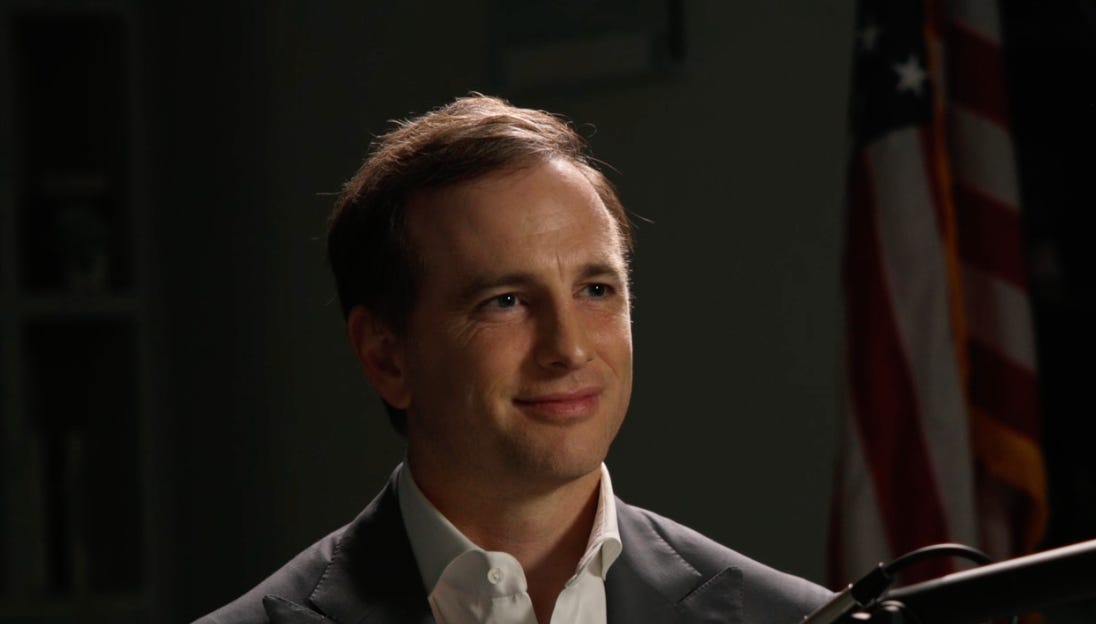
Ep 139: Make Government Beautiful & Functional Again with America's Chief Design Officer Joe Gebbia
Jan 2000:38:59Tap to summarizeFirst, he digitized the entire federal retirement process, cutting it from six months to a few days. Now, he’s overhauling the U.S. government’s online presence, one website at a time. And Joe Gebbia has been in Washington, D.C. less than a year! Learn why he stepped up to serve, and the impact our best minds can have on D.C., in a conversation with our nation’s first Chief Design Officer.As co-founder of Airbnb, Joe turned a living-room experiment into a multi-billion dollar global brand. Then, he launched Samara, helping homeowners reimagine their yards with state-of-the-art Accessory Dwelling Units. He also sits on the boards of Airbnb, Airbnb.org, and Tesla. Last February, he joined Elon Musk and the DOGE team in D.C. to overhaul retirement for federal workers, before setting his sights on modernizing the nation’s 27,000 .gov websites.We begin with Joe’s journey to D.C., and how a former Democrat came to support President Trump and take on problems that have plagued government for decades. His first challenge: federal retirement and “the mine” — a storage facility inside a Pennsylvania mountain that houses all federal employees’ retirement paperwork. Learn how Joe worked alongside career civil servants to transform a broken, six-month slog into a digital-only process that takes mere days. Now, he’s set his sights even higher: overhauling the government’s digital portals and delivering an Airbnb-like experience, starting with the Trump Gold Card, TrumpRX.gov, and, more recently, RealFood.gov and TrumpAccounts.gov. We go inside the Oval Office and Joe reveals his conversations with Pres. Trump on the importance of aesthetics, functionality, and design. Drawing inspiration from President Nixon’s beautification initiative, he worked with Pres. Trump to launch the government’s first digital makeover. It’s inspiring to see Joe’s leadership, and if you, or someone you know, wants to join his elite team of designers and engineers, there are a few spots remaining.00:00 Episode intro01:15 Lifelong Democrat to Trump White House07:50 Text from Elon / Joining DOGE10:20 “The Mine” & fixing federal retirement 13:50 “What if we did it in a week?” 21:45 What happened to DOGE?23:30 Becoming America’s Chief Design Officer26:45 Inside the Oval Office with Pres. Trump31:00 Fixing 27,000 .gov websites 34:00 Making America beautiful & functional again This is a public episode. If you would like to discuss this with other subscribers or get access to bonus episodes, visit blog.joelonsdale.com
Transcribe →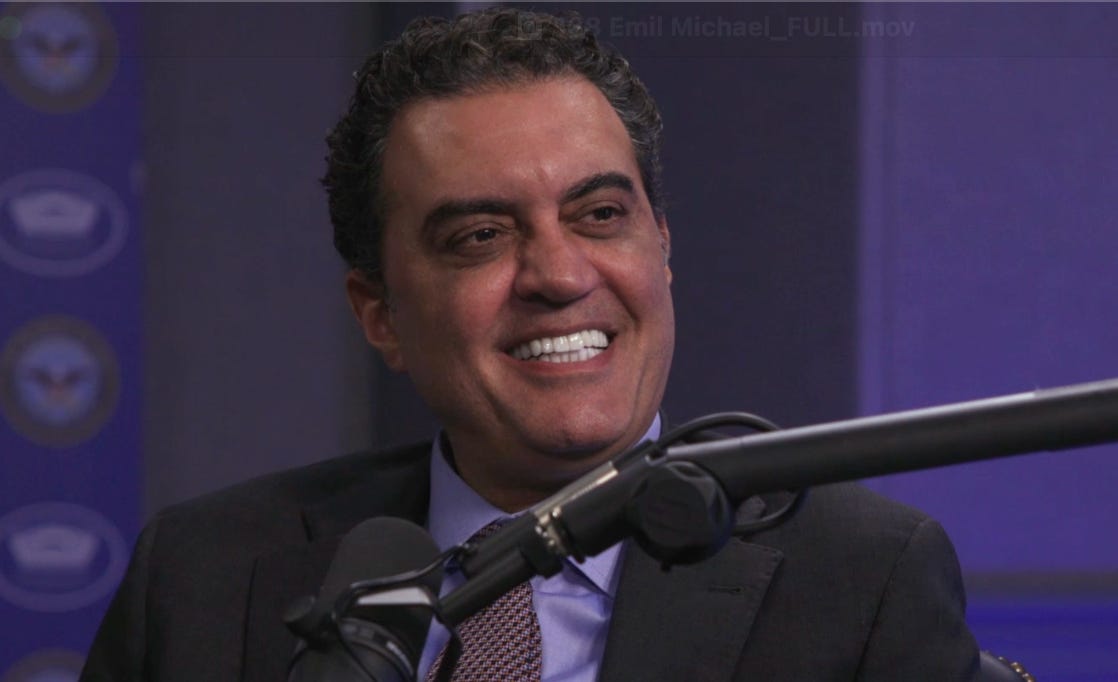
Ep 138: AI, Space-Based Interceptors & the Bleeding Edge of Warfare with Pentagon R&D Chief Emil Michael
Jan 900:29:39Tap to summarizeEmil Michael directs the U.S. military’s research and development of advanced technologies. Previously, he led global business growth for Uber — one of the fastest moving organizations in Silicon Valley history. Can he bring that startup speed to the Department of War? What are the six critical areas of innovation he’s prioritizing? And how is he investing in these key technologies to bolster the defense industrial base?We’re honored to go inside the Pentagon for a special episode with Emil Michael, Chief Technology Officer and Under Secretary of War for Research & Engineering. He oversees the Defense Advanced Research Projects Agency (DARPA), the Office of Strategic Capital, and other critical organizations. Prior, he helped scale multiple businesses, including D-Wave Systems, Tellme Networks, and Uber Technologies. Earlier in his career, he also served as a White House Fellow and later on the Defense Business Board.We begin with Emil’s decision to join the Trump administration, and why he believes this is a generational opportunity to transform the culture and pace of innovation inside the Pentagon. Learn how he rolled out GenAI.mil (Google’s Gemini) to the entire force — roughly three million people — in a matter of months. Next, we dive into his decision to pare down the all-important Critical Technologies List, which drives the Pentagon’s R&D spending, from 14 areas to six. Then, we discuss the Department’s shift to a “commercial first” approach and what that means for the defense industrial base. Finally, we cover his priorities for the Office of Strategic Capital, plus how he’s thinking about talent and encouraging our best and brightest to step up and serve the country.[NOTE: This episode was recorded prior to the United States capture and extradition of Nicolas Maduro]00:00 Episode intro01:40 Time to disrupt the Pentagon04:20 What did you learn from your first threat briefing? 06:30 Can you bring Uber speed to Dept of War? 08:45 Redefining the Critical Technologies List 13:30 Hypersonics and Golden Dome18:00 Commercial first approach and changing the culture 23:00 How to recruit the best talent into government 28:45 Optimism for the future This is a public episode. If you would like to discuss this with other subscribers or get access to bonus episodes, visit blog.joelonsdale.com
Transcribe →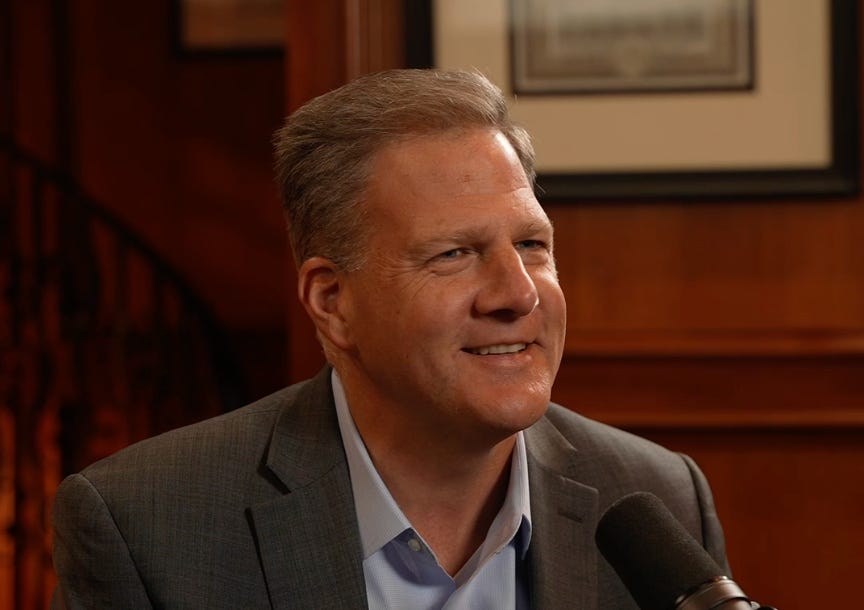
Ep 137: Gov. Chris Sununu on AI vs Harvard, DOGE 2.0, and a Balanced Budget Amendment to the Constitution
Dec 3000:34:46Tap to summarizeChris Sununu is an MIT-educated engineer who won four terms as governor of New Hampshire. Now, he's leading the charge for a balanced budget amendment to the U.S. Constitution. What are his key lessons in political leadership? Why is he telling Harvard students to be wary of AI? And are real fiscal constraints on Washington, D.C. close to becoming reality? The former governor of New Hampshire, Chris Sununu is now the President and CEO of Airlines for America and National Chair and Board Member of Balanced Budget Now, which has secured 27 of 34 states required to call a convention for a constitutional amendment. They're on the cusp of landing several more states and closing in on a convention of states, which he hopes will pressure Congress to step in and pass an amendment through the traditional process. This is a generational opportunity to upend how D.C. operates; my friends and I are supporting their work and hope you will too. We begin with Gov. Sununu's path to politics, and how he succeeded in lowering taxes, expanding school choice, and combating an opioid epidemic with a sharply divided state legislature. Next, we talk about the right political strategies for cutting wasteful spending, lessons from DOGE, and what he would do differently to make DOGE an enduring movement. Then, we dive into his efforts to get a balanced budget amendment across the finish line. Learn why nearly all states (even California, albeit it plays games with pension math) have a balanced budget requirement and what it will take to get D.C. on board. Finally, we discuss the AI revolution and why he's bullish on plumbers and welders over students pursuing "elite" white-collar professions. As Gov. Sununu suggests, more tradespeople and fewer lawyers might not be a bad thing for our society. 00:00 Episode intro01:34 MIT engineer turned governor 06:35 Fighting special interests 12:50 Lessons from DOGE 16:37 Forcing a Balanced Budget Amendment26:00 AI and welders vs lawyers 29:00 Making a Balanced Budget Amendment a reality This is a public episode. If you would like to discuss this with other subscribers or get access to bonus episodes, visit blog.joelonsdale.com
Transcribe →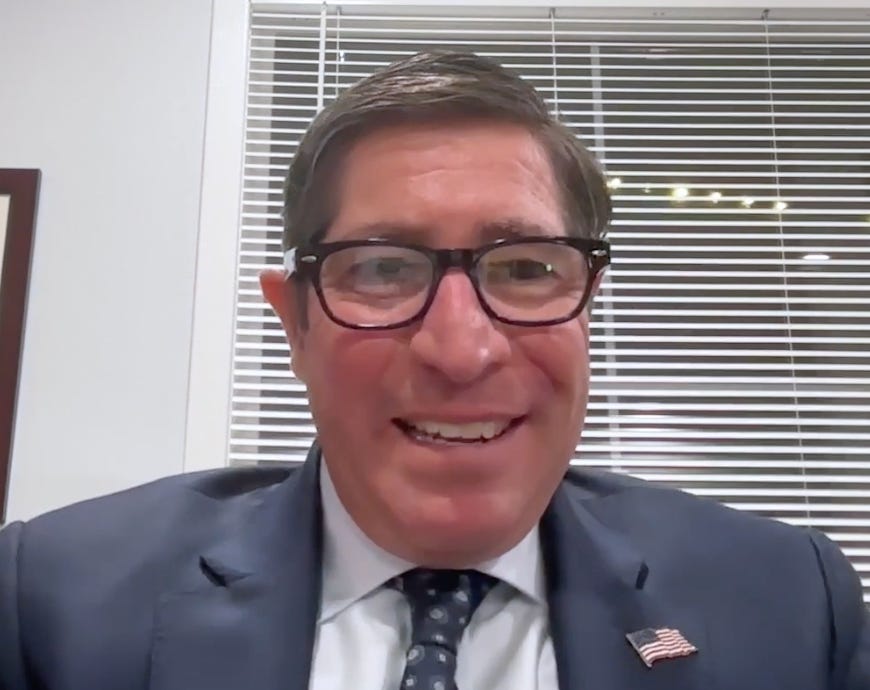
Ep 136: OPM Director Scott Kupor on Launching the U.S. Tech Force & Bringing Merit Back to Government
Dec 1800:33:11Tap to summarizeThis week, OPM Director Scott Kupor launched the U.S. Tech Force to recruit an elite cohort of engineering talent into the federal government. What will it take to make public service cool again? What can he do to ensure the government hires, fires, and promotes based on performance? And what is he doing on merit and aptitude tests that could be one of the most important reforms of Trump’s entire presidency?We’re joined by Scott for a timely conversation about Tech Force, his role as Director of the Office of Personnel Management, and key civil service reforms. Previously, Scott built one of the leading venture capital firms as Managing Partner of Andreessen Horowitz. He also penned “Secrets of Sand Hill Road,” a definitive guide for raising capital and navigating the startup world.We begin our conversation with the importance of Tech Force — a two-year program designed to surge top programmers and designers into Washington, D.C. and create an enduring talent pipeline between the public and private sectors. Next, we explore Scott’s career in Silicon Valley, how he helped build a16z from the ground up, and the lessons he’s bringing to the White House. Then, we dive into his ambitious OPM agenda, starting with addressing rampant performance inflation, improving incentives for top performers, and removing artificial barriers, like years of service or college degrees, so we can get the best talent into the right jobs. Finally, we revisit the Pendleton Act of 1883 and how to bring merit back into civil service. Learn how Scott overturned a consent decree that will allow him to bring aptitude tests back into federal hiring — this could be one of the most consequential achievements of the Trump entire presidency! This is a public episode. If you would like to discuss this with other subscribers or get access to bonus episodes, visit blog.joelonsdale.com
Transcribe →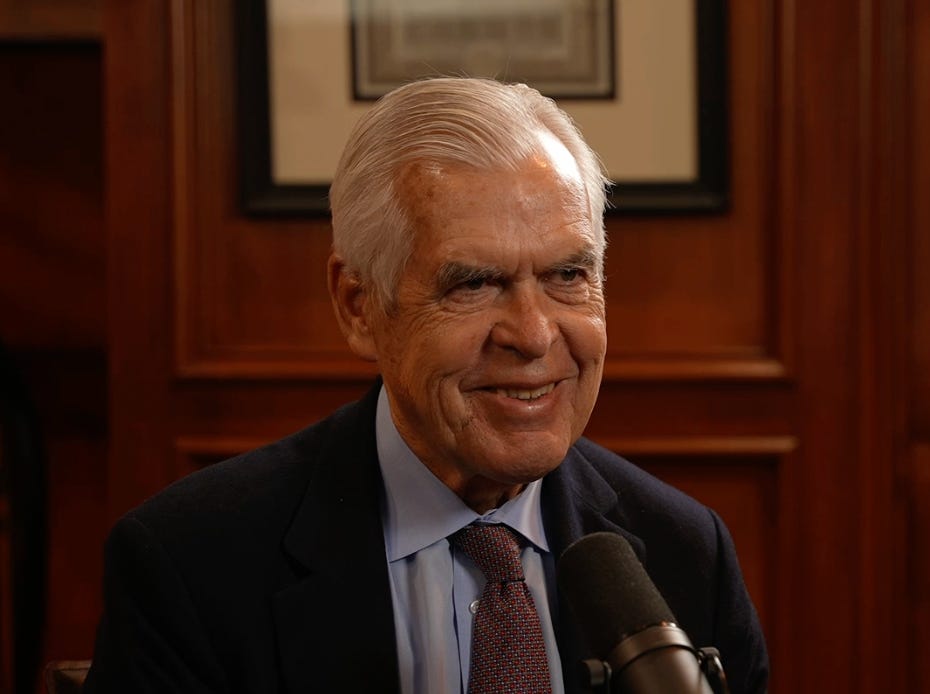
Ep 135: Philip Howard on Saving the American Spirit
Dec 1100:37:43Tap to summarizeFor decades, Philip Howard has been sounding the alarm: our government is broken, and tinkering around the edges won’t work. We need a new operating system. How did it break? What do both parties get wrong? And what will it take to revive the American spirit?Philip is the Founder of the Common Good, best-selling author, and one of the leaders in government and legal reform. His book “The Death of Common Sense” became a powerful force for bipartisan reforms in the 1990s between President Bill Clinton and Congressional Republicans. I’ve followed his work for many years, and his newest book, “Saving Can-Do,” offers important frameworks for injecting accountability and human judgement back into governance.We begin with the genesis of the red tape state, and why Philip believes the collective guilt of the 1960s led to well-intentioned but ill-designed policies that broke the government. He explains how law began to supplant human judgment, politicians stopped making hard decisions, and governance was outsourced to an instruction manual run by the professional class. Case in point: there are now 150 million words of binding federal rules, most added post-1970. The U.S Constitution, by contrast, is 7,500 words. Next, we dive into his new book, beginning with what makes the American “can-do” attitude unique. Then, he offers solutions for reinstating human authority into our institutions. And finally, a new framework for enabling America to build again. Philip makes the compelling case that what our republic needs most of all is a return to accountability over compliance, amateurs over professionals, and liberty over safetyism. This is a public episode. If you would like to discuss this with other subscribers or get access to bonus episodes, visit blog.joelonsdale.com
Transcribe →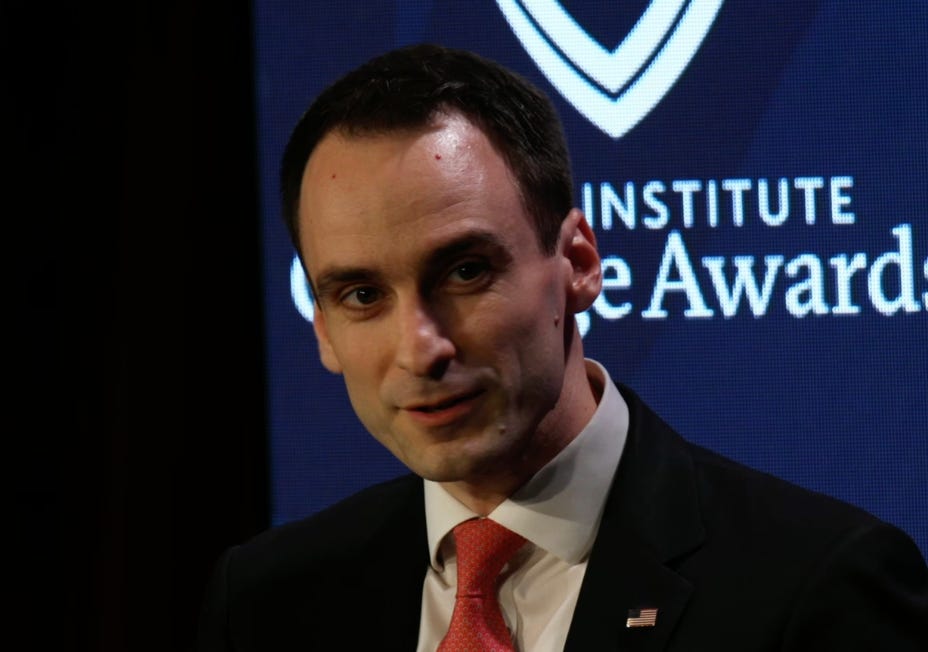
Ep 134: Inside the White House and the AI Race with OSTP Director Michael Kratsios
Nov 2600:17:56Tap to summarizeMichael Kratsios is the man of the hour, charged by President Trump to usher in the golden age of AI and American innovation. How is the White House approaching this revolution in technology? What does AI mean for the American worker? How do we stay ahead of China — and also persuade other nations to adopt U.S. tech over Chinese?We hosted this conversation at the 2025 Cicero Institute Courage Awards, where we recognize bold policymakers on both sides of the aisle for standing up to special interests and fighting for liberty. Amid the regulatory battle over AI, we were honored to feature Michael, who currently serves as Director of the White House Office of Science and Technology Policy and a Senior Advisor to President Trump. In the first Trump term, he was the nation’s Chief Technology Officer and later acting Under Secretary of War for Research and Engineering. He started his career working for Peter Thiel, first at Clarium Capital and later Thiel Capital.We began our conversation with Michael’s journey to the White House, and his role leading the White House’s science and technology policy agenda. He outlined three key areas to winning the AI race: the right regulatory frameworks, the necessary infrastructure, and international engagement. How do we not only stay ahead of China but also persuade other nations to adopt our AI stack? Michael lays out the strategy. He also makes the case for a federal AI standard and explains why a patchwork of laws stifles innovation, hamstringing the upstarts and entrenching the incumbents. Finally, he lays out what AI will mean for the American worker, and as the man in charge of overseeing AI, quantum, space, and more, he reveals what keeps him up at night. We have a generational opportunity with AI to bring down the cost of living and lift up millions of lives; we’re grateful to have leaders like Michael at the helm. This is a public episode. If you would like to discuss this with other subscribers or get access to bonus episodes, visit blog.joelonsdale.com
Transcribe →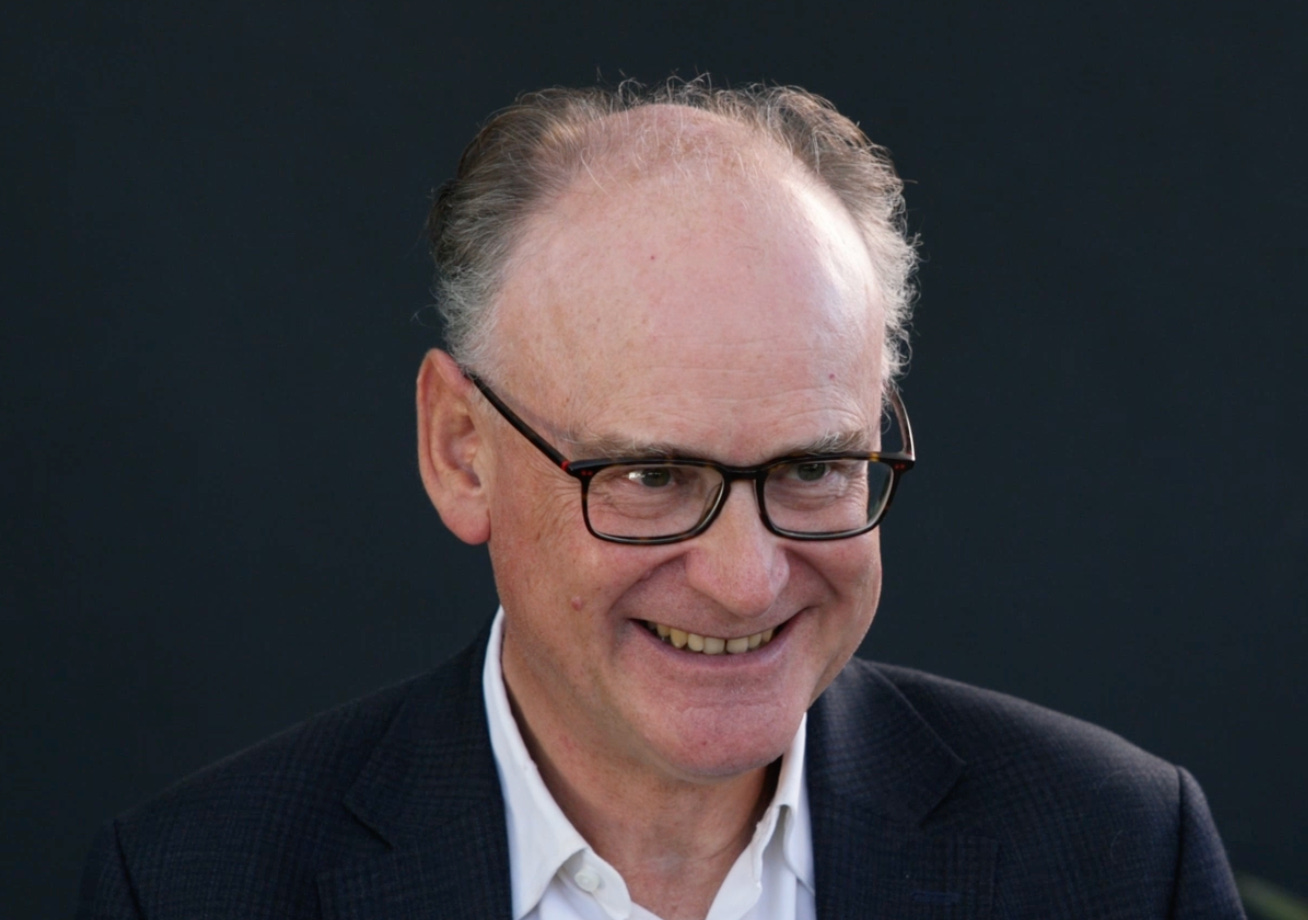
Ep 133: Matt Ridley on the Fight to Save the UK & How Extraordinary Ideas Evolve
Nov 2100:43:59Tap to summarizeDo great men alter the course of history, or is everything more bottom-up than we realize? Or both? We credit Thomas Edison for the light bulb, but what about the 20 competitors that were right on his heels? What can the evolution of language, biology, and complex systems teach us about entrepreneurship, investing, and the conditions for human progress?Matt Ridley’s writings have influenced how builders, investors, and policymakers understand the world, myself included. A former member of the House of Lords, The Viscount Ridley is a prolific columnist and author whose works range from The Rational Optimist and The Evolution of Everything to The Red Queen: Sex and the Evolution of Human Nature. An intellectual army of one, Matt has taught millions that the free exchange of ideas produces the next great innovation, not top-down policies, no matter how well-intentioned. He’s also been a rare voice of courage in the United Kingdom, fighting against free speech crackdowns, insane energy policies, and corrosive regulations.We begin with Matt’s dire warning about the UK and its rapid descent into economic stagnation and cultural turmoil. Is this great civilization doomed? Learn where Matt sees glimmers of hope, and get a preview of his next book on the future of the West. Then, we dive into lessons from Matt’s great works, from the impact of mating choices in birds and other fascinating scientific research to the evolution of ideas and conditions for innovation. If Steve Jobs didn’t exist, would there have been a pioneer of the personal computer? Matt says yes, and you’ll hear his compelling case. His frameworks have helped shape how some of us think about technological revolutions and strategy. We also cover the AI race with China, including Matt’s perspective on industrial policy and why he believes China is not as strong as many think. Finally, we spar over religion -- Matt’s a longtime atheist -- and whether America can survive as a post-religious society.00:00 Episode intro01:45 Is the UK doomed?11:40 Matt’s next book and why he’s touring the US 16:29 The extraordinary implications of Charles Darwin’s strangest idea22:00 Industrial policy & tech race with China27:45 Evolution of everything vs Great Man Theory35:20 Can a post-religious America survive? 39:20 Reasons for optimism This is a public episode. If you would like to discuss this with other subscribers or get access to bonus episodes, visit blog.joelonsdale.com
Transcribe →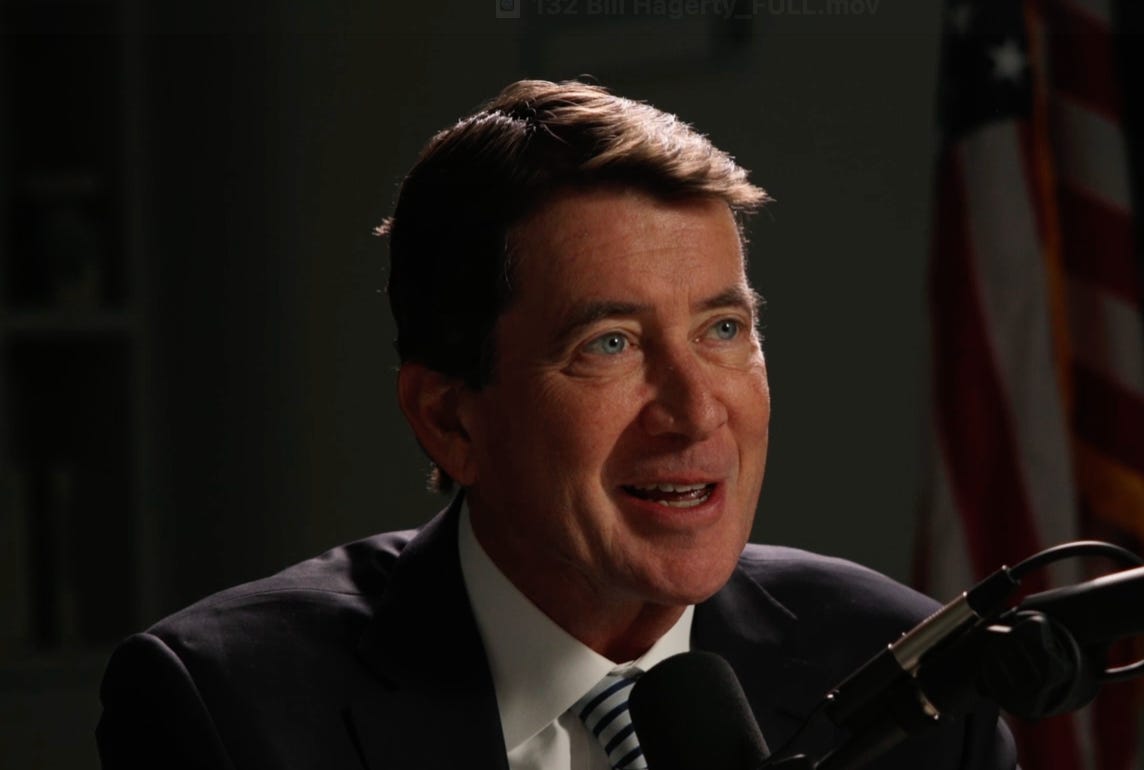
Ep 132: Sen. Bill Hagerty on Saving Memphis & Designing Regulatory Frameworks for AI and Crypto
Nov 600:40:42Tap to summarizeIn 2023, Memphis earned the distinction of the nation’s most violent and dangerous city. Senator Bill Hagerty had seen enough. Together with President Trump, he helped orchestrate the most important public safety initiative you probably haven’t heard of — until now. Thousands of criminals arrested, dozens of children rescued, and they even figured out how to work around a Soros-backed District Attorney. This is just one of many fronts Sen. Hagerty is leading on since joining the U.S. Senate. A businessman by background, Sen. Hagerty began his career at Boston Consulting Group, growing the business in key markets like Japan, before launching his own private equity firm. In 2011, he stepped up to serve, bringing billions of dollars of investment into Tennessee as the state’s Commissioner of Economic and Community Development. In 2017, he was appointed U.S. Ambassador to Japan and played a critical role in bolstering our alliance and countering China, before being elected to the U.S. Senate in 2020. We begin with the Senator’s diagnosis of the government shutdown and whether Republicans should end the filibuster and break the gridlock. Then, we dive into the Memphis Task Force and the Senator’s groundbreaking work to partner with the White House and a Democratic mayor to save a great American city. More than a dozen federal agencies have quietly surged into Memphis; they’ve arrested thousands of criminals, and better yet, are doing it in a way that prevents the Soros-backed DA from releasing them back on the streets. Next, we discuss the Senator’s business career and path to ambassador. One of his great successes: accelerating the delivery of U.S. weapons to Japan — a process that used to take five to seven years! Finally, we cover his leadership on stablecoin legislation — the GENIUS Act — and how he’s approaching regulatory frameworks for crypto, AI, and other emerging technologies. Sen. Hagerty has quickly become a key leader in the U.S. Senate, and you’ll see why. 00:00 Episode intro 01:20 Government shutdown; end the filibuster? 09:05 Memphis Safe Task Force 14:47 xAI in Memphis & new opportunities 20:10 Boston Consulting Group to Ambassador to Japan 25:45 Accelerating Foreign Military Sales to allies 28:46 USAID & how to reform foreign aid 31:14 GENIUS Act; leading on stablecoin legislation and crypto 33:37 How to approach AI regulation 38:55 Optimism for the future This is a public episode. If you would like to discuss this with other subscribers or get access to bonus episodes, visit blog.joelonsdale.com
Transcribe →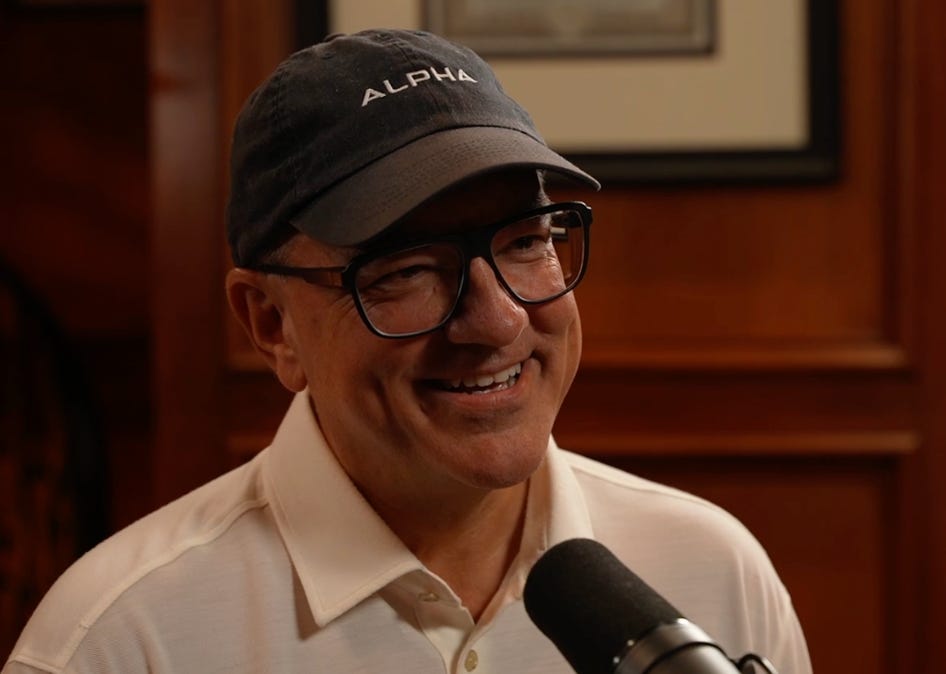
Ep 131: How AI + Incentives Can 10X Learning & Save American Education with Tech Legend Joe Liemandt
Oct 1700:54:23Tap to summarizeJoe Liemandt is a legend in the technology world. Starting in the 1990s, he built a multi-billion dollar software empire, before quietly stepping out of the public spotlight for 20 years. Now, he’s back to reveal his next breakthrough: new schools that can 10X learning in two hours a day with AI and the right incentives. What were the discoveries that led him here? Why is he confident he can save American education? And how is he planning to get this to a billion kids worldwide? Join us for a special episode with one of the great entrepreneurs of the digital era. In 1989, Joe Liemandt dropped out of Stanford to found Trilogy, which he describes as “the first AI product to sell a billion dollars.” He also pioneered Trilogy University — the grueling boot camp that Google and Facebook later copied — and famously outcompeted Microsoft for talent, drawing thousands of top engineers to Austin. On top of that, he added a software acquisition firm, ESW Capital, and scaled it to massive success. Today, he’s the principal of Alpha School, a revolutionary new education model that already has its students performing in the top one percent nationwide. We begin with the origins of Trilogy, from building “configurators” and the earliest AI systems to creating its iconic, ultra-competitive culture. Then, we break down the acquisition strategy that turned ESW Capital into a massive success, before turning to Joe’s new mission: saving American education. Before joining Alpha, he went deep into the science of learning, notably backing Harvard economist Roland Fryer’s inner city research. Fryer experimented with paying teachers, parents, and students for good results — the findings shocked the education world and became foundational for much of Joe’s work. Learn how the right incentives combined with the best in AI have Alpha’s third and fourth-graders outperforming the average high-school graduate. Plus, we explore Joe’s ambitious vision for the future and how school choice can help get this model into classrooms nationwide. The U.S. has spent trillions on K-12 with little or nothing to show; meanwhile, China and other advanced economies have raced far ahead in education performance. If Joe succeeds, he will fundamentally transform education, and the future of our republic, and that’s something to get excited about.00:00 Episode intro 01:53 Stanford dropout/origins of Trilogy 06:05 Trilogy University 09:08 Roland Fryer & paying kids for good grades 12:07 Why Joe is betting $1B on education 16:55 Kids must love school more than vacation 24:45 “The most controversial thing I’ll say today” 31:56 Why Alpha pays kids for top scores 36:52 Will this work for low-income kids? 42:57 Battle over AI & school choice 46:58 How should we teach history? 51:20 Joe’s grand vision for the future This is a public episode. If you would like to discuss this with other subscribers or get access to bonus episodes, visit blog.joelonsdale.com
Transcribe →